
Filter
1334
Text search:
Contact
Tracing
Featured
191
376
Language
Document type
703
238
169
79
66
30
22
15
5
5
2
Countries
90
82
56
48
44
42
41
41
34
34
30
26
26
22
20
19
19
17
17
17
16
16
15
15
15
15
14
13
13
13
12
12
12
12
12
10
10
9
8
8
7
7
7
7
7
6
6
6
6
6
6
6
6
5
5
5
4
4
4
4
3
3
3
3
3
3
3
3
3
3
3
3
2
2
2
2
2
2
2
2
2
2
2
2
2
2
1
1
1
1
1
1
1
1
1
1
1
1
1
1
1
1
1
1
1
1
1
1
1
Authors & Publishers
Publication Years
Category
501
72
43
38
27
17
12
1
Toolboxes
371
211
161
102
66
41
36
26
17
17
13
13
9
8
7
7
6
6
4
2
2
2
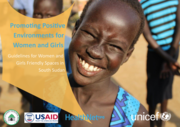
The creaNon of ‘friendly spaces’ for women and girls has been a key
strategy in the protecNon and empowerment of women 1 and girls in South
Sudan since conflict re-erupted in the country in December 2013. This
document provides guidance on the aims of these spaces, and how they
can best be e
...
Sudan recorded the first COVID-19 case on 13 March 2020 and, at the beginning of July, the Federal Ministry of Health had confirmed that nearly 10,000 people had contracted the virus, including over 600 who died from the disease across the country. Although more than 70 per cent of the confirmed cas
...

The COVID-19 pandemic has exposed the inadequacy of investments in public health, the persistence of profound economic and social inequalities and the fragility of many key global systems and approaches.
Integrated Management of Acute Malnutrition National Guidelines
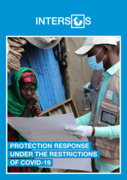
COVID-19 pandemic has taken the entire world by surprise, creating the greatest global catastrophe since WWII, impacting all spheres of our societies, including health, economy, social protection, as well as security, and human rights. The virus affects people and communities indiscriminately in all
...
This report presents examples from different agencies on how they approached community engagement in their Covid-19 responses, the tools and methodologies used, as well as the challenges they encountered and how they attempted to overcome these. It discusses what community engagement means to the va
...
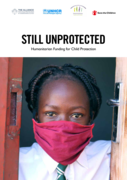
Children living in humanitarian crises face an increased risk of abuse. While the threats of harm are increasing, the established systems in place to protect them are breaking down. Faced with the COVID-19 pandemic and its impacts, vulnerable families suffer multiple hardships. Schools are closed an
...
The purpose of this guide is to offer recommendations for improving the implementation of non‑pharmacological public health measures during the COVID-19 response and compliance with these measures by population groups in situations of vulnerability. This requires determining the main barriers to i
...

The growing understanding of how sequence information can contribute to improved public health is driving global investments in sequencing facilities and programmes. The falling cost and complexity of generating GSD provides opportunities for expanding sequencing capacity; however, challenges to wid
...

Working Document Nov. 2020
The COVAX Supply and Logistics workstream lead by UNICEF, Gavi and WHO have released a working copy of the COVID-19 Vaccination, Country Readiness & Delivery: Supply and Logistics Guidance. Countries might find this Guide useful when developing and strengthening their sup
...
The growing understanding of how sequence information can contribute to improved public health is driving global investments in sequencing facilities and programmes. The falling cost and complexity of generating GSD provides opportunities for expanding sequencing capacity; however, challenges to wid
...
The purpose of this field guide is to provide comprehensive information on planning and implementing high-quality3 SIAs for injectable vaccines and highlight the opportunities to strengthen RI and surveillance. The guide uses measles–rubella SIAs as the main example throughout, but the informatio
...
7 Febr. 2021
As COVID-19 continues to wreak havoc in countries – decimating people’s livelihoods, and leaving health systems struggling to provide healthcare and vaccines for the entire population - governments and donors should look to the Church as a partner. The essential Church networks, tr
...
Au cours de la dernière décennie, les données de séquençage génétique des agents pathogènes ont gagné en importance et contribuent désormais de façon déterminante à la détection et à la maîtrise des flambées de maladies infectieuses, en facilitant la mise au point de
...
