
Filter
2062
Text search:
program
overview
Featured
133
606
Language
1977
36
32
23
21
15
7
4
3
2
2
2
2
2
2
1
1
1
1
1
1
1
1
1
1
Document type
1290
318
167
112
73
46
25
19
6
3
1
Countries
70
67
66
63
49
49
49
47
39
38
35
35
34
34
34
33
33
32
27
27
24
23
21
20
19
19
18
18
16
13
13
13
12
12
12
11
11
11
10
10
10
9
9
8
8
8
8
8
7
7
7
7
6
6
5
5
5
5
5
4
4
4
4
4
4
3
3
3
3
3
3
3
3
3
3
2
2
2
2
2
2
2
2
2
2
2
2
2
2
2
2
2
1
1
1
1
1
1
1
1
1
1
1
1
1
1
1
1
1
1
1
Authors & Publishers
158
108
63
58
53
34
29
25
21
19
18
17
17
16
15
13
12
11
11
11
11
11
10
10
10
9
9
9
8
8
8
8
7
7
7
7
7
7
7
7
7
7
7
7
7
7
6
6
6
6
6
6
6
6
5
5
5
5
5
5
5
5
5
5
5
5
5
5
4
4
4
4
4
4
4
4
4
4
4
4
4
4
4
4
4
4
4
4
4
4
4
4
4
4
3
3
3
3
3
3
3
3
3
3
3
3
3
3
3
3
3
3
3
3
3
3
3
3
3
3
3
3
3
3
3
3
3
3
3
3
3
3
3
3
3
3
3
3
3
3
2
2
2
2
2
2
2
2
2
2
2
2
2
2
2
2
2
2
2
2
2
2
2
2
2
2
2
2
2
2
2
2
2
2
2
2
2
2
2
2
2
2
2
2
2
2
2
2
2
2
2
2
2
2
2
2
2
2
2
2
2
2
2
2
2
2
2
2
2
2
2
2
2
2
2
2
2
2
2
2
2
2
2
2
2
2
2
2
2
2
2
2
2
2
2
2
2
2
2
2
2
2
2
2
2
2
2
2
2
2
2
2
2
2
2
2
2
2
2
2
2
2
2
2
2
2
2
2
2
2
2
2
2
2
2
2
2
2
2
2
2
2
2
2
2
2
2
2
2
2
2
2
2
2
2
2
2
2
2
2
2
2
2
2
2
2
2
2
2
1
1
1
1
1
1
1
1
1
1
1
1
1
1
1
1
1
1
1
1
1
1
1
1
1
1
1
1
1
1
1
1
1
1
1
1
1
1
1
1
1
1
1
1
1
1
1
1
1
1
1
1
1
1
1
1
1
1
1
1
1
1
1
1
1
1
1
1
1
1
1
1
1
1
1
1
1
1
1
1
1
1
1
1
1
1
1
1
1
1
1
1
1
1
1
1
1
1
1
1
1
1
1
1
1
1
1
1
1
1
1
1
1
1
1
1
1
1
1
1
1
1
1
1
1
1
1
1
1
1
1
1
1
1
1
1
1
1
1
1
1
1
1
1
1
1
1
1
1
1
1
1
1
1
1
1
1
1
1
1
1
1
1
1
1
1
1
1
1
1
1
1
1
1
1
1
1
1
1
1
1
1
1
1
1
1
1
1
1
1
1
1
1
1
1
1
1
1
1
1
1
1
1
1
1
1
1
1
1
1
1
1
1
1
1
1
1
1
1
1
1
1
1
1
1
1
1
1
1
1
1
1
1
1
1
1
1
1
1
1
1
1
1
1
1
1
1
1
1
1
1
1
1
1
1
1
1
1
1
1
1
1
1
1
1
1
1
1
1
1
1
1
1
1
1
1
1
1
1
1
1
1
1
1
1
1
1
1
1
1
1
1
1
1
1
1
1
1
1
1
1
1
1
1
1
1
1
1
1
1
1
1
1
1
1
1
1
1
1
1
1
1
1
1
1
1
1
1
1
1
1
1
1
1
1
1
1
1
1
1
1
1
1
1
1
1
1
1
1
1
1
1
1
1
1
1
1
1
1
1
1
1
1
1
1
1
1
1
1
1
1
1
1
1
1
1
1
1
1
1
1
1
1
1
1
1
1
1
1
1
1
1
1
1
1
1
1
1
1
1
1
1
1
1
1
1
1
1
1
1
1
1
1
1
1
1
1
1
1
1
1
1
1
1
1
1
1
1
1
1
1
1
1
1
1
1
1
1
1
1
1
1
1
1
1
1
1
1
1
1
1
1
1
1
1
1
1
1
1
1
1
1
1
1
1
1
1
1
1
1
1
1
1
1
1
1
1
1
1
1
1
1
1
1
1
1
1
1
1
1
1
1
1
1
1
1
1
1
1
1
1
1
1
1
1
1
1
1
1
1
1
1
1
1
1
1
1
1
1
1
1
1
1
1
1
1
1
1
1
1
1
1
1
1
1
1
1
1
1
1
1
1
1
1
1
1
1
1
1
1
1
1
1
1
1
1
1
1
1
1
1
1
1
1
1
1
1
1
1
1
1
1
1
1
1
1
1
1
1
1
1
1
1
1
1
1
1
1
1
1
1
1
1
1
1
1
1
1
1
1
1
1
1
1
1
1
1
1
1
1
1
1
1
1
1
1
1
1
1
1
1
1
1
1
1
1
1
1
1
1
1
1
1
1
1
1
1
1
1
1
1
1
1
1
1
1
1
1
1
1
1
1
1
1
1
1
1
1
1
1
1
1
1
1
1
1
1
1
1
1
1
1
1
1
1
1
1
1
1
1
1
1
1
1
1
1
1
1
1
1
1
1
1
1
1
1
1
1
1
1
1
1
1
1
1
1
1
1
1
1
1
1
1
1
1
1
1
1
1
1
1
1
1
1
1
1
1
1
1
1
1
1
1
1
1
1
1
1
1
1
1
1
1
1
1
1
1
1
1
1
1
1
1
1
1
1
1
1
1
1
1
1
1
1
1
1
1
1
1
1
1
1
1
1
1
1
1
1
1
1
1
1
1
1
1
1
1
1
1
1
1
1
1
1
1
1
1
1
1
1
1
1
1
1
1
1
1
1
1
1
1
1
1
1
1
1
1
1
1
1
1
1
1
1
1
1
1
1
1
1
1
1
1
1
1
1
1
1
1
1
1
1
1
1
1
1
1
1
1
1
1
1
1
1
1
1
1
1
1
1
1
1
1
1
1
1
1
1
1
1
1
1
1
1
1
1
1
1
1
1
1
1
1
1
1
1
1
1
1
1
1
1
1
1
1
1
1
1
1
1
1
1
1
1
1
1
1
1
1
1
1
1
1
1
1
1
1
1
1
1
1
1
1
1
1
1
1
1
1
1
1
1
1
1
1
1
1
1
1
1
1
1
1
1
1
1
1
1
1
1
1
1
1
1
1
1
1
1
1
1
1
1
1
1
1
1
1
1
1
1
1
1
1
1
1
1
1
1
1
1
1
1
1
1
1
1
1
1
1
1
1
1
1
1
1
1
1
1
1
1
1
1
1
1
1
1
1
1
1
1
1
1
1
1
1
1
1
1
1
1
1
1
1
1
1
1
1
1
1
1
1
1
1
1
1
1
1
1
1
1
1
1
1
1
1
1
1
1
1
1
1
1
1
1
1
1
1
1
1
1
1
1
1
1
1
1
1
1
1
1
1
1
1
1
1
1
1
1
1
1
1
1
1
1
1
1
1
1
1
1
1
1
1
1
1
1
1
1
1
1
1
1
1
1
1
1
1
1
1
1
1
1
1
1
1
1
1
1
1
1
1
1
1
1
1
1
1
1
1
1
1
1
1
1
1
1
1
1
1
1
1
1
1
1
1
1
1
1
1
1
1
1
1
1
1
1
1
1
1
1
1
1
1
1
1
1
1
1
1
1
1
1
1
1
1
1
1
1
1
1
1
1
1
1
1
1
1
1
1
1
1
1
1
1
1
1
1
1
1
1
1
1
1
1
1
1
1
1
1
1
1
1
1
1
1
1
1
1
1
1
1
1
1
1
1
1
1
1
1
1
1
1
1
1
1
1
1
1
1
1
1
1
1
1
1
1
1
1
1
1
1
1
1
1
1
1
1
1
1
1
1
1
1
1
1
1
1
1
1
1
1
1
1
1
1
1
1
1
1
1
1
1
1
1
1
1
1
1
1
1
1
1
1
1
1
1
1
1
1
1
1
1
1
1
1
1
1
1
1
1
1
1
1
1
1
1
1
1
1
1
1
1
1
1
1
1
1
1
1
1
1
1
1
1
1
1
1
1
1
1
1
1
1
1
1
1
1
1
1
1
1
1
1
1
1
1
1
1
1
1
1
1
1
1
1
1
1
1
1
1
1
1
1
1
1
1
1
1
1
1
1
1
1
1
1
1
1
1
1
1
1
1
1
1
1
1
1
1
1
1
1
1
1
1
1
1
1
1
1
1
1
1
1
1
1
1
1
1
1
1
1
1
1
1
1
1
1
1
1
1
1
1
1
1
1
1
1
1
1
1
1
1
1
1
1
1
1
1
1
1
1
1
1
1
1
1
1
1
1
1
1
1
1
1
1
1
1
1
1
1
1
1
1
1
1
1
1
1
1
1
1
1
1
1
1
1
1
1
1
1
1
1
1
1
1
1
1
1
1
1
1
1
1
1
1
1
1
1
1
1
1
1
1
1
1
1
1
1
1
1
1
1
1
1
1
1
1
1
1
1
1
1
1
1
1
1
1
1
1
1
1
1
1
1
1
1
1
1
1
1
1
1
1
1
1
1
1
1
1
1
1
1
1
1
1
1
1
1
1
1
1
1
1
1
1
1
1
1
1
1
1
1
1
1
1
1
1
1
1
1
1
1
1
1
1
1
1
1
1
1
1
1
1
1
1
1
1
1
1
1
1
1
1
1
1
1
1
1
1
1
1
1
1
1
1
1
1
1
1
1
1
1
1
1
1
1
1
1
1
1
1
1
1
1
1
1
1
1
1
1
1
1
1
1
1
1
1
1
1
1
1
1
1
1
1
1
1
1
1
1
1
1
1
1
1
1
1
1
1
1
1
1
1
1
1
1
1
1
1
1
1
1
1
1
1
1
1
1
1
1
1
1
1
1
1
1
1
1
1
1
1
1
1
1
1
1
1
1
1
1
1
1
1
1
1
1
1
1
1
1
1
1
1
1
1
1
1
1
1
1
1
1
1
1
1
1
1
1
1
1
1
1
1
1
1
1
1
1
1
1
1
1
1
1
1
1
1
1
1
1
1
1
1
1
1
1
1
1
1
1
1
1
1
1
1
1
1
1
1
1
1
1
1
1
1
1
1
1
1
1
1
1
1
1
1
1
1
1
1
1
1
1
1
1
1
1
1
1
1
1
1
1
1
1
1
1
1
1
1
1
1
1
1
1
1
1
1
1
1
1
1
1
1
1
1
1
1
1
1
1
1
1
1
1
1
1
1
1
1
1
1
1
1
1
1
1
1
1
1
1
1
1
1
1
1
1
1
1
1
1
1
1
1
1
1
1
1
1
1
1
1
1
1
1
1
1
1
1
1
1
1
1
1
1
1
1
1
1
1
1
1
1
1
1
1
1
1
1
1
1
1
1
1
1
1
1
1
1
1
1
1
1
1
1
1
1
1
1
1
1
1
1
1
1
1
1
1
1
1
1
1
1
1
1
1
1
1
1
1
1
1
1
1
1
1
1
Publication Years
1
445
1414
193
9
Category
841
121
118
101
96
85
19
3
1
Toolboxes
178
158
99
89
85
80
73
65
51
50
34
34
32
32
32
31
28
23
11
7
7
6
4
1

Mali national action plan on antimicrobial resistance: review of progress in the human health sector
This policy brief aims to provide a review of the current progress on implementing the Mali national action plan on AMR, identifies critical gaps, and highlights findings to accelerate further progress in the human health sector. The target audience includes all those concerned with implementing act
...
ions to combat antimicrobial resistance in Mali.
more
PLoS Negl Trop Dis 16(10): e0009774. Although the practice of communication is often called upon when intervening asn involgvingcommunties affected by NTD's, the disciplinary framewokr of healt communication research has been largely absent from NTD strategies. To illustrate how practices conceptual
...
ized and developed within the communication field habe been applied in the context of NTD elimination, we conducted a scoping review focusing on two diseases currently targeted for elimination by the WHO: lymphatic filariasis and Chagas disease
more

Rabies remains an under-reported neglected zoonosis with a case-fatality rate of almost 100% in humans and animals. Dog-mediated human rabies causes tens of thousands of human deaths annually despite being 100% preventable. More than 95% of human cases are caused by the bite of a rabies-infected dog
...
. Dog-mediated human rabies disproportionately affects rural communities, particularly children, and economically disadvantaged areas of Africa and Asia, where awareness of the disease and access to appropriate post-exposure prophylaxis (PEP) can be limited or nonexistent.
more

Driving progress towards rabies elimination: Results of Gavi’s Learning Agenda on rabies and new WHO position on rabies immunization
The report aims to capture lessons from the COVID-19 pandemic and to highlight the opportunity for more ambitious global action: expanding sustainable access to vaccines for all towards the Immunization Agenda 2030 and pandemic prevention, preparedness and response efforts. The report is organized i
...
n two sections: the first section provides WHO insights on global vaccine market dynamics, drawing from data provided by Member States, which are, in turn, analysed and displayed in the second section.
more
WHO Ghana 2022 annual report
recommended
“2022 was an eventful year for the WHO Country Office in Ghana,” says Dr Francis Kasolo, WHO Representative to Ghana.
In 2022, WHO Ghana collaborated with partners to deliver interventions in support of the Government of Ghana's health sector agenda to ensure healthy lives for all towards ach
...
ieving Universal Health Coverage. This 2022 annual report highlights some of the achievements that were chalked in our efforts to help promote the health and wellbeing of Ghanaians
more
Financing Global Health 2017: Funding Universal Health Coverage and the Unfinished HIV/AIDS Agenda
Institute for Health Metrics and Evaluation (IHME)
Institute for Health Metrics and Evaluation (IHME)
(2018)
C2
In 2017, $37.4 billion of development assistance was provided to low- and middleincome countries to maintain or improve health. This amount is down slightly compared to 2016, and since 2010, development assistance for health (DAH) has grown at an annualized rate of 1.0%. While global development ass
...
istance for health has seemingly leveled off, global health spending continues to climb, outpacing economic growth in many countries. Total health spending for 2015, the most recent year for which data are available, was estimated to be $9.7 trillion (95% uncertainty interval: 9.7–9.8)*, up 4.7% (3.9–5.6) from the prior year, and accounted for 10% of the world’s total economy. With some sources of health spending growing and other types remaining steady, and with major variations in spending from country to country, it is more important than ever to understand where resources for health come from, where they go, and how they align with health needs. This information is critical for planning and is a necessary catalyst for change as we aim to close the gap on the unfinished agenda of the Millennium Development Goals (MDGs) and move forward toward universal health coverage (UHC) in the Sustainable Development Goals (SDGs) era.
more

In Control: A Practical Handbook for Professionals Working in Health Emergencies Internationally RKI
The greatest risk to persons engaging in international medical emergency response is poor preparation.
The In Control handbook hopes to provide a remedy.
At the time of writing, we are living through the Coronavirus (COVID-19) pandemic, a health emergency that disregards physical borders, brin
...
gs into focus social inequalities and affects people on every continent. This shared challenge requires unprecedented measures and the collaboration of the brightest minds to support global health protection through this crisis and beyond. Healthcare infrastructures have to be strengthened, public health capacities and processes upgraded, medical countermeasures and vaccinations found and psychosocial side-effects treated.
Solidarity is the normative order of the day and the human species has to collaborate to face this invisible threat. Hiding and living in fear is not an option in this interconnected world. We have both a responsibility and an opportunity to make substantial contributions to a safer, healthier and more sustainable future for us all.
The existence of this handbook is an impressive example of solidarity. Over 50 authors from more than 15 institutes and organisations have come together voluntarily within a very short time to make their expertise available and enable cross-sectoral thinking. Knowledge is bundled, resources are combined, information gaps are filled. The In Control handbook is not a theoretical treatise of possible dangers, but a collection of subject-matter expertise, written by experts and practitioners who have shaped health topics over the past 20 years in the most diverse corners of the world.
The Centre for International Health Protection at the Robert Koch Institute (RKI) is collaborating with its partners and investing heavily in the build-up of operational know-how and capacity to support health crisis response abroad. This is done by preparing and enabling professionals to deploy safely across the world to assist those in need. In Control addresses the multi-faceted challenges of an international deployment. Readers will find not only technical medical information, but also insights into, for example, the fragility of our environment, the cultural differences that influence risk communication or the dilemmas arising from social distancing. Legal principles are highlighted, along with ethical guidance to ensure that our actions and decisions correspond to the highest moral standards.
more

The importance of robust mortality surveillance systems cannot be overstated in an era marked by increasing global health challenges where health threats loom large and population dynamics continue to evolve. Accurate and timely mortality data is essential for identifying trends and detecting emergi
...
ng health threats, evaluating the impact of interventions, and guiding evidence-based policy decisions.
This framework outlines a holistic approach to strengthening routine mortality surveillance systems, considering the unique contextual factors and challenges faced by African countries. It emphasizes the importance of establishing efficient data collection mechanisms, enhancing data quality and completeness, and promoting data sharing and collaboration among stakeholders.
Moreover, the framework recognizes the pivotal role of technology in the integration of data from fragmented mortality data sources. It highlights the potential of innovative data capture methods, advanced analytics, and real-time reporting systems to enhance mortality data’s accuracy, efficiency, and timeliness.
The continental framework for mortality surveillance aligns with Africa CDC’s mission and strategic goal by serving as a fundamental component in strengthening public health systems, enhancing disease surveillance capacities and capabilities, informing evidence-based policies and interventions, and promoting collaboration and coordination among African countries to address health challenges and improve health outcomes on the continent.
The successful implementation of this framework requires collective commitment and concerted efforts from governments, health institutions, and the international community. We hope this document will serve as a catalyst for transformative change, enabling countries to build resilient mortality surveillance systems that protect public health, save lives, and contribute to evidence-based decision-making.
more
L'importance de systèmes de surveillance de la mortalité robustes ne peut être surestimée à une époque marquée par des défis sanitaires mondiaux croissants, où les menaces sanitaires pèsent lourd et la dynamique des populations continue d'évoluer. Des données précises et opportunes sur
...
la mortalité sont essentielles pour identifier les tendances et détecter les menaces émergentes pour la santé, évaluer l'impact des interventions et orienter les décisions politiques fondées sur des données probantes.
Ce cadre décrit une approche holistique pour renforcer les systèmes de surveillance de routine de la mortalité, en tenant compte des facteurs contextuels uniques et des défis auxquels sont confrontés les pays africains. Il souligne l'importance d'établir des mécanismes de collecte de données efficaces, d'améliorer la qualité et l'exhaustivité des données et de promouvoir le partage des données et la collaboration entre les parties prenantes.
De plus, le cadre reconnaît le rôle central de la technologie dans l'intégration des données provenant de sources de données fragmentées sur la mortalité. Il met en évidence le potentiel des méthodes innovantes de capture de données, des analyses avancées et des systèmes de notification en temps réel pour améliorer la précision, l'efficacité et l'actualité des données sur la mortalité.
Le cadre continental de surveillance de la mortalité s'aligne sur la mission et l'objectif stratégique d'Africa CDC en servant d'élément fondamental dans le renforcement des systèmes de santé publique, l'amélioration des capacités et des capacités de surveillance des maladies, l'élaboration de politiques et d'interventions fondées sur des données probantes et la promotion de la collaboration et de la coordination entre les pays africains pour relever les défis sanitaires et améliorer les résultats sanitaires sur le continent.
La mise en œuvre réussie de ce cadre nécessite un engagement collectif et des efforts concertés de la part des gouvernements, des établissements de santé et de la communauté internationale. Nous espérons que ce document servira de catalyseur pour un changement transformateur, permettant aux pays de mettre en place des systèmes de surveillance de la mortalité résilients qui protègent la santé publique, sauvent des vies et contribuent à la prise de décision fondée sur des données probantes.
more

This report examines the support to private healthcare provision in India by the World Bank’s private sector arm, the International Finance Corporation (IFC). Despite supporting private healthcare in the country since 1997, no healthcare results for lending and investments have been disclosed sinc
...
e the start of these operations over twenty-five years ago. The IFC has overwhelmingly invested in high-end urban hospitals which are out of reach for the majority of Indians. Several have consistently failed to provide free healthcare to poor patients despite this being a condition under which free or subsidized public land was allotted to these hospitals. Supporting private healthcare in a context where 37% of Indians experience catastrophic health expenditures in private hospitals appears to run counter to the World Bank Group’s focus on poverty reduction. These investments do not contribute to the building of stronger healthcare infrastructure or respond to unmet healthcare needs. Only 14% of IFC-financed hospitals are located in the 10 states ranked lowest in terms of the overall performance of the health system. Furthermore, we found many instances where regulators upheld complaints pertaining to violations of patients’ rights by these hospitals including overcharging, denial of healthcare, price rigging, financial conflict of interest and medical negligence.
more
WHO/Europe has launched a new guide, providing support to countries on how to apply behavioural and cultural insights (BCI) for health. It presents a simple step-wise approach, complemented by a rich collection of detailed considerations, tools and exercises. The guide is the first of its kind, spec
...
ifically developed for use by public health professionals developing policies, services and communications informed by BCI across health topics.
Some of the most persistent public health challenges involve human behaviour. Using a BCI lens means that health policies, services and communications can be tailored to the needs and circumstances of people and communities, and thereby help combat these challenges. The new Tailoring Health Programmes (THP) guide describes how this can be done.
Building on several topic-specific guides that focused on applying BCI to routine and influenza vaccination and tackling antimicrobial resistance, as well as external evaluations and a rigorous peer-review process, this guide is the result of over a decade of work by WHO/Europe. The THP approach has already been adopted in over 20 countries and has received positive feedback from public health agencies.
“This guide is the culmination of a decade of work involving many colleagues at country, regional and global levels. The guide is our “BCI bible”, guiding our work with and in countries to help tackle persistent health challenges,” said Katrine Bach Habersaat, Regional Advisor for BCI at WHO/Europe.
Karina Godoy, Senior Analyst and National Focal Point for Behavioural Insights at the Public Health Agency of Sweden, who is employing the approach described in the guide across several health projects, comments: “The THP guide is easy to use and at the same time provides detailed guidance and inspiration where needed. We have decided to translate the document into Swedish and use the approach widely”.
more
In October 2022, President Biden signed the Global Malnutrition Prevention and Treatment Act (GMPTA) into law, which directs USAID to prevent and treat malnutrition globally. The GMPTA further codifies USAID’s leadership on nutrition, with a focus on evidence-based interventions across health syst
...
ems and food systems, in both development and humanitarian settings.
Realizing the potential of good nutrition to save lives and ensure a brighter future for generations to come is central to U.S. Government priorities. For over 60 years, USAID has been a leader in the fight to end global malnutrition. Nutrition affects every aspect of human development: from the ability to fight disease, to children’s performance in school, to a nation’s health and economic advancement. There is overwhelming evidence of the power of good nutrition but, due to challenges in accessing safe, nutritious foods and health and sanitation services, many people in low- and middle-income countries remain undernourished.
more
Multiple pandemics, numerous outbreaks, thousands of lives lost and billions of dollars of national income wiped out—all since the turn of this century, in barely 17 years—and yet the world’s investments in pandemic preparedness and response remain woefully inadequate. We know by now that the
...
world will see another pandemic in the not-too-distant future; that random mutations occur often enough in microbes that help them survive and adapt; that new pathogens will inevitably find a way to break through our defenses; and that there is the increased potential for intentional or accidental release of a synthesized agent. Every expert commentary and every analysis in recent years tells us that the costs of inaction are immense. And yet, as
the havoc caused by the last outbreak turns into a fading memory, we become complacent and relegate the case for investing in preparedness on a back burner, only to bring it to the forefront when the next outbreak occurs. The result is that the world remains scarily vulnerable.
more
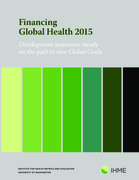
Financing Global Health 2015 is the seventh edition of IHME’s annual series on global health financing. This report captures trends in development assistance for health (DAH) and government health expenditure as source (GHE-S) in low- and middle-income countries. Annually updated GHE-S and DAH est
...
imates are produced to aid decision-makers and other global health stakeholders in identifying funding gaps and invesment opportunities vital to improving population health. This year, IHME made a number of improvements to the data collection and methods implemented to generate Financing Global Health estimates.
more
Development assistance for health (DAH) is an important part of financing healthcare in low- and middle-income countries. We estimated the gross disbursement of DAH of the 29 Development Assistance Committee (DAC) member countries of the Organisation for Economic Co-operation and Development (OECD)
...
for 2011–2019; and clarified its flows, including aid type,
channel, target region, and target health focus area. Data from the OECD iLibrary were used. The DAH definition was based on the OECD sector classification. For core funding to non-healthspecific multilateral agencies, we estimated DAH and its flows based on the OECD methodology for
calculating imputed multilateral official development assistance (ODA).
more
The Disaster Recovery Framework (DRF) Guide for the Health Sector provides guidance on how to implement a comprehensive, integrated, and structured approach to disaster recovery. Its overarching goal is to minimize the impact of the disaster on communities and help countries to recover quickly and e
...
ffectively from disasters, in coordination with key stakeholders.
The DRF Guide for the Health Sector is adapted from the generic DRF Guide, and draws on the Implementation Guide For Health Systems Recovery in Emergencies, the Health Emergency and Disaster Risk Management Framework as well as the Disaster Recovery Guidance Series. The guide also makes links with multi-sectoral, government-led recovery planning processes such as the Post-Disaster Needs Assessment (PDNA), and it supports the implementation of the HDPN.
more

The World Heart Federation (WHF) is a leading global advocate for stronger legislation and policies regarding cardiovascular disease (CVD) and its risk factors, including raised cholesterol. The present Cholesterol Advocacy Toolkit 2022 provides WHF member organizations with information as well as p
...
ractical tools to
support cholesterol advocacy at the local and regional levels.
more
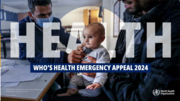
In 2024, we need US$1.5 billion to provide live-saving health care to millions of people in emergencies. An alarming combination of conflict, climate-related threats and increasing economic hardship mean an estimated 166 million people require health assistance.
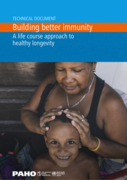
As the Americas undergo profound demographic change and there are more persons aged 65 years or older than children younger than 5 years, it is crucial to recognize that national immunization programs must be redesigned to ensure comprehensive protection for individuals across the lifespan. By adopt
...
ing a life course approach (LCA) to immunization, vaccination programs can be tailored to close immunity gaps at different stages of life. The life course approach foresees the establishment of multiple strategies to reduce missed opportunities for vaccination according to age group. This technical document explains the key concepts of the LCA with a focus on immunization by vaccination, as well as the underlying biological mechanisms that require the application different vaccines at different life stages according to changes to the immune system and in the epidemiological situation of a community.
more
