
Filter
1903
Text search:
gender
inclusive
development
Featured
136
516
Language
1842
63
46
36
30
22
22
9
5
5
5
5
4
4
3
3
3
3
3
3
3
2
2
2
2
2
2
2
1
1
1
1
1
1
1
1
1
1
1
1
1
1
1
1
1
1
1
1
Document type
1109
343
164
124
81
23
22
19
5
4
3
1
1
Countries
96
67
55
49
49
48
41
39
37
36
35
31
30
29
29
26
25
24
22
19
19
18
17
17
16
16
15
15
15
15
14
14
13
13
12
11
11
11
10
10
9
8
8
8
8
8
7
7
7
6
6
6
6
6
6
5
5
5
5
5
5
5
5
4
4
4
4
3
3
3
3
3
3
3
3
3
2
2
2
2
2
2
2
2
2
2
2
2
1
1
1
1
1
1
1
1
1
1
1
1
1
1
1
1
1
1
1
1
1
1
1
1
1
Authors & Publishers
140
66
64
56
54
54
40
36
25
19
19
16
16
14
12
12
12
11
11
10
10
10
10
9
9
9
8
8
8
7
7
7
7
7
7
7
7
7
7
7
6
6
6
6
6
6
6
6
6
5
5
5
5
5
5
5
5
5
5
5
5
4
4
4
4
4
4
4
4
4
4
4
4
4
4
4
4
4
4
4
4
4
3
3
3
3
3
3
3
3
3
3
3
3
3
3
3
3
3
3
3
3
3
3
3
3
3
3
3
3
3
3
3
3
3
3
3
3
3
3
3
3
3
2
2
2
2
2
2
2
2
2
2
2
2
2
2
2
2
2
2
2
2
2
2
2
2
2
2
2
2
2
2
2
2
2
2
2
2
2
2
2
2
2
2
2
2
2
2
2
2
2
2
2
2
2
2
2
2
2
2
2
2
2
2
2
2
2
2
2
2
2
2
2
2
2
2
2
2
2
2
2
2
2
2
2
2
2
2
2
2
2
2
2
2
2
2
2
2
2
2
2
2
2
2
2
2
2
2
2
2
2
2
2
2
2
2
2
2
2
2
2
2
2
2
2
2
2
2
2
2
2
2
2
2
2
2
2
2
2
2
2
2
2
1
1
1
1
1
1
1
1
1
1
1
1
1
1
1
1
1
1
1
1
1
1
1
1
1
1
1
1
1
1
1
1
1
1
1
1
1
1
1
1
1
1
1
1
1
1
1
1
1
1
1
1
1
1
1
1
1
1
1
1
1
1
1
1
1
1
1
1
1
1
1
1
1
1
1
1
1
1
1
1
1
1
1
1
1
1
1
1
1
1
1
1
1
1
1
1
1
1
1
1
1
1
1
1
1
1
1
1
1
1
1
1
1
1
1
1
1
1
1
1
1
1
1
1
1
1
1
1
1
1
1
1
1
1
1
1
1
1
1
1
1
1
1
1
1
1
1
1
1
1
1
1
1
1
1
1
1
1
1
1
1
1
1
1
1
1
1
1
1
1
1
1
1
1
1
1
1
1
1
1
1
1
1
1
1
1
1
1
1
1
1
1
1
1
1
1
1
1
1
1
1
1
1
1
1
1
1
1
1
1
1
1
1
1
1
1
1
1
1
1
1
1
1
1
1
1
1
1
1
1
1
1
1
1
1
1
1
1
1
1
1
1
1
1
1
1
1
1
1
1
1
1
1
1
1
1
1
1
1
1
1
1
1
1
1
1
1
1
1
1
1
1
1
1
1
1
1
1
1
1
1
1
1
1
1
1
1
1
1
1
1
1
1
1
1
1
1
1
1
1
1
1
1
1
1
1
1
1
1
1
1
1
1
1
1
1
1
1
1
1
1
1
1
1
1
1
1
1
1
1
1
1
1
1
1
1
1
1
1
1
1
1
1
1
1
1
1
1
1
1
1
1
1
1
1
1
1
1
1
1
1
1
1
1
1
1
1
1
1
1
1
1
1
1
1
1
1
1
1
1
1
1
1
1
1
1
1
1
1
1
1
1
1
1
1
1
1
1
1
1
1
1
1
1
1
1
1
1
1
1
1
1
1
1
1
1
1
1
1
1
1
1
1
1
1
1
1
1
1
1
1
1
1
1
1
1
1
1
1
1
1
1
1
1
1
1
1
1
1
1
1
1
1
1
1
1
1
1
1
1
1
1
1
1
1
1
1
1
1
1
1
1
1
1
1
1
1
1
1
1
1
1
1
1
1
1
1
1
1
1
1
1
1
1
1
1
1
1
1
1
1
1
1
1
1
1
1
1
1
1
1
1
1
1
1
1
1
1
1
1
1
1
1
1
1
1
1
1
1
1
1
1
1
1
1
1
1
1
1
1
1
1
1
1
1
1
1
1
1
1
1
1
1
1
1
1
1
1
1
1
1
1
1
1
1
1
1
1
1
1
1
1
1
1
1
1
1
1
1
1
1
1
1
1
1
1
1
1
1
1
1
1
1
1
1
1
1
1
1
1
1
1
1
1
1
1
1
1
1
1
1
1
1
1
1
1
1
1
1
1
1
1
1
1
1
1
1
1
1
1
1
1
1
1
1
1
1
1
1
1
1
1
1
1
1
1
1
1
1
1
1
1
1
1
1
1
1
1
1
1
1
1
1
1
1
1
1
1
1
1
1
1
1
1
1
1
1
1
1
1
1
1
1
1
1
1
1
1
1
1
1
1
1
1
1
1
1
1
1
1
1
1
1
1
1
1
1
1
1
1
1
1
1
1
1
1
1
1
1
1
1
1
1
1
1
1
1
1
1
1
1
1
1
1
1
1
1
1
1
1
1
1
1
1
1
1
1
1
1
1
1
1
1
1
1
1
1
1
1
1
1
1
1
1
1
1
1
1
1
1
1
1
1
1
1
1
1
1
1
1
1
1
1
1
1
1
1
1
1
1
1
1
1
1
1
1
1
1
1
1
1
1
1
1
1
1
1
1
1
1
1
1
1
1
1
1
1
1
1
1
1
1
1
1
1
1
1
1
1
1
1
1
1
1
1
1
1
1
1
1
1
1
1
1
1
1
1
1
1
1
1
1
1
1
1
1
1
1
1
1
1
1
1
1
1
1
1
1
1
1
1
1
1
1
1
1
1
1
1
1
1
1
1
1
1
1
1
1
1
1
1
1
1
1
1
1
1
1
1
1
1
1
1
1
1
1
1
1
1
1
1
1
1
1
1
1
1
1
1
1
1
1
1
1
1
1
1
1
1
1
1
1
1
1
1
1
1
1
1
1
1
1
1
1
1
1
1
1
1
1
1
1
1
1
1
1
1
1
1
1
1
1
1
1
1
1
1
1
1
1
1
1
1
1
1
1
1
1
1
1
1
1
1
1
1
1
1
1
1
1
1
1
1
1
1
1
1
1
1
1
1
1
1
1
1
1
1
1
1
1
1
1
1
1
1
1
1
1
1
1
1
1
1
1
1
1
1
1
1
1
1
1
1
1
1
1
1
1
1
1
1
1
1
1
1
1
1
1
1
1
1
1
1
1
1
1
1
1
1
1
1
1
1
1
1
1
1
1
1
1
1
1
1
1
1
1
1
1
1
1
1
1
1
1
1
1
1
1
1
1
1
1
1
1
1
1
1
1
1
1
1
1
1
1
1
1
1
1
1
1
1
1
1
1
1
1
1
1
1
1
1
1
1
1
1
1
1
1
1
1
1
1
1
1
1
1
1
1
1
1
1
1
1
1
1
1
1
1
1
1
1
1
1
1
1
1
1
1
1
1
1
1
1
1
1
1
1
1
1
1
1
1
1
1
1
1
1
1
1
1
1
1
1
1
1
1
1
1
1
1
1
1
1
1
1
1
1
1
1
1
1
1
1
1
1
1
1
1
1
1
1
1
1
1
1
1
1
1
1
1
1
1
1
1
1
1
1
1
1
1
1
1
1
1
1
1
1
1
1
1
1
1
1
1
1
1
1
1
1
1
1
1
1
1
1
1
1
1
1
1
1
1
1
1
1
1
1
1
1
1
1
1
1
1
1
1
1
1
1
1
1
1
1
1
1
1
1
1
1
1
1
1
1
1
1
1
1
1
1
1
1
1
1
1
1
1
1
1
1
1
1
1
1
1
1
1
1
1
1
1
1
1
1
1
1
1
1
1
1
1
1
1
1
1
1
1
1
1
1
1
1
1
1
1
1
1
1
1
1
1
1
1
1
1
1
1
1
1
1
1
1
1
1
1
1
1
1
1
1
1
1
1
1
1
1
1
1
1
1
1
1
1
1
1
1
1
1
1
1
1
Publication Years
1
605
1197
99
1
Category
736
119
96
80
52
27
7
1
Toolboxes
323
170
152
104
99
97
58
53
38
30
29
24
23
22
18
18
9
9
4
3
3
2
2
1
1
While the COVID-19 pandemic threatens all members of society, persons with disabilities are disproportionately impacted due to attitudinal, environmental and institutional barriers that are reproduced in the COVID-19 response.
For over a decade, Senegalese and international journalists, human rights advocates, and child protection experts have documented and denounced the ongoing exploitation, abuse and neglect of children living in many of Senegal’s traditional Quranic schools, or daaras. Thousands of these children, k
...
nown as talibés, continue to live in conditions of extreme squalor, deprived of adequate food and medical care.
more
Migrants in Central Asia and the Russian Federation, have been among the most severely impacted by the COVID-19 pandemic.
In the short term, IOM aims at providing support to migrants who are stranded in countries of destination. In addition, IOM will focus its efforts on addressing data gaps, enhan
...
cing national and community preparedness, response and recovery efforts, ensuring that affected people have access to basic services, commodities and protection as well as mitigating the socioeconomic impact of COVID-19.
more
This evaluation report of UNICEF’s Psychosocial Support Response for Syrian Children in Jordan was conducted by
Antares Foundation team (Albertien van der Veen, Reem AbuKishk, Shadi Bushnaq, Orso Muneghina, Reem Rawdha
and Tineke van Pietersom) under the supervision of guidance Farhod Kamidov, M
...
onitoring and Evaluation Officer
and Muhammad Rafiq Khan, Child Protection Specialist (CPiE).This is achieved through community-supported child and
adolescent friendly spaces (CFSs)1 and community-based
child protection mechanisms and processes. Currently,
in its fourth year of operation as part of the Syria crisis,
UNICEF considers it an opportune moment to take stock
of the programme’s overall effectiveness to date and in so
doing to inform its future.
more
This report looks at how the current implications of COVID-19 is exacerbating key challenges for people who menstruate around the world and provides recommendations on how to include menstrual hygiene management (MHM) within a COVID-19 response.
In 2021, the humanitarian community continued to support those in need, placing protection at the centre of its response. Learning from and building on past efforts, humanitarian actors will continue to respond and adapt their response to the various shocks impacting populations in Cameroon, such as
...
violence against civilians, natural disasters, and epidemics, including the COVID-19 pandemic.
more

Integritas 4.3 (Fall 2014), pp. 1-30.
doi: 10.6017/integritas.v4i3p1
The call to justice and peace has always been an essential part of the life of the Christian. Our sacred texts offer a constant reminder of the centrality of this call. In the Old Testament the prophet Micah tells us: “this is what Yahweh asks of you: only this, to act justly, to love tenderly, a
...
nd to walk humbly with your God” (Micah 6:8).
more
UNAIDS report on the global AIDS epidemic shows that 2020 targets will not be met because of deeply unequal success; COVID-19 risks blowing HIV progress way off course. Missed targets have resulted in 3.5 million more HIV infections and 820 000 more AIDS-related deaths since 2015 than if the world w
...
as on track to meet the 2020 targets. In addition, the response could be set back further, by 10 years or more, if the COVID-19 pandemic results in severe disruptions to HIV services.
more
2020 is a critical year for our Joint Programme as we collectively define the path to getting back on track to ending the AIDS epidemic by 2030. Our revised timelines for adoption of the next strategy are highly ambitious. We need the full support of all the tremendously dedicated people in UNAIDS-w
...
ithin our staff, our board and all our stakeholders to make this happen.
more
This report reviews the latest evidence on what works to reduce HIV-related stigma and discrimination through key programmes to reduce stigma and discrimination and increase access to justice in the six settings of focus for the Global Partnership. It includes guidance for national governments and k
...
ey stakeholders on how stigma and discrimination harm; how the stigmatization process operates and how we can stop it; key principles of stigma- and discrimination-reduction efforts; an overview of common intervention approaches; recommendations based on the latest evidence for reducing HIV-related stigma and discrimination in the six settings; and an overview of considerations for monitoring the success of the programmatic interventions recommended for each setting.
more
HTS Teologiese Studies/Theological StudiesISSN: (Online) 2072-8050, (Print) 0259-9422P
The COVID-19 pandemic has been a formative experience for all humanity and a health emergency of global proportions, presenting a huge challenge to national leaders, health systems, and citizens. The findings of a new report by the OSCE Office for Democratic Institutions and Human Rights (ODIHR) sho
...
ws that it has also been a test to our democracies and the respect for human rights to which countries across the OSCE committed many years ago.
more
Previous pandemics have demonstrated that more people could die from the indirect consequences of an outbreak than from the disease itself. As the fight against the pandemic is pushing millions into poverty and hunger, COVID-19 will likely be no different.
Men are less likely than women to seek help for mental health issues and are much more likely to commit suicide. This scoping review examined recent evidence published in English and Russian on the role of socially constructed masculinity norms in men’s help-seeking behaviour for mental health iss
...
ues. The key sociocultural barriers to men’s help-seeking pertaining to masculinity norms were identified as self-reliance, difficulty in expressing emotions and self-control.
more
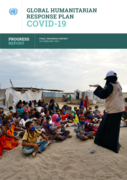
2020 was a year like no other. Amidst on-going humanitarian crises, largely fuelled by conflict and violence but also driven by the effects of climate change – such as the largest locust infestation in a generation – the world had to contend with a global pandemic. In less than one year (March-D
...
ecember 2020), more than 82 million COVID-19 cases and 1.8 million deaths were recorded. In that timeframe, out of the global COVID-19 totals, 30 per cent of COVID-19 cases and 39 per cent deaths were recorded in GHRP countries.
more
Conflict, climate crisis and COVID-19 pose great threats to the health of women and children.
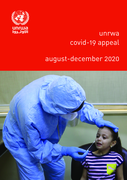
COVID-19 has resulted in an unprecedented global crisis. As the pandemic spreads and countries around the world continue to struggle to contain its health and socio-economic consequences, UNRWA is issuing a new humanitarian appeal from August through December 2020 to address the worst impacts of the
...
pandemic on Palestine refugees across the Agency’s five fields of operation. Through this appeal the Agency seeks US$ 94.6 million. The funds requested in this appeal are additional to the previous UNRWA COVID-19 appeal for March to July.
more
