
Filter
1944
Text search:
Tanzania
Featured
133
481
Language
1773
66
61
61
27
17
15
8
8
6
5
4
3
3
3
3
2
2
2
2
2
2
1
1
1
1
1
1
1
1
1
1
1
1
1
1
1
1
1
1
1
1
1
1
1
Document type
1162
425
149
62
51
32
20
19
7
7
5
2
2
1
Countries
259
132
100
80
66
54
49
47
39
34
30
28
28
23
23
20
18
18
18
17
16
16
15
15
13
12
12
11
11
10
10
10
9
8
8
8
8
8
8
8
7
7
6
6
6
6
5
5
5
5
5
5
4
4
4
4
4
4
3
3
3
3
3
3
3
2
2
2
2
2
2
2
2
2
2
2
2
2
2
2
1
1
1
1
1
1
1
1
1
1
1
1
1
1
1
1
1
1
1
1
Authors & Publishers
214
135
122
83
71
57
55
41
32
31
29
20
18
18
18
17
16
12
9
9
9
9
9
9
8
8
7
7
7
7
7
7
7
7
6
6
6
6
6
6
5
5
5
5
5
5
5
5
5
5
5
5
4
4
4
4
4
4
4
4
4
4
4
4
4
4
4
4
4
4
4
4
4
4
4
4
4
4
4
4
4
3
3
3
3
3
3
3
3
3
3
3
3
3
3
3
3
3
3
3
3
3
3
3
3
3
3
3
3
3
3
3
3
3
3
3
3
2
2
2
2
2
2
2
2
2
2
2
2
2
2
2
2
2
2
2
2
2
2
2
2
2
2
2
2
2
2
2
2
2
2
2
2
2
2
2
2
2
2
2
2
2
2
2
2
2
2
2
2
2
2
2
2
2
2
2
2
2
2
2
2
2
2
2
2
2
2
2
2
2
2
2
2
2
2
2
2
2
2
2
2
2
2
2
2
2
2
2
2
2
2
2
2
2
2
2
2
2
2
2
2
2
2
2
2
2
2
2
2
2
2
2
2
2
2
2
2
2
2
2
2
2
2
2
2
2
2
2
2
2
2
2
2
2
2
1
1
1
1
1
1
1
1
1
1
1
1
1
1
1
1
1
1
1
1
1
1
1
1
1
1
1
1
1
1
1
1
1
1
1
1
1
1
1
1
1
1
1
1
1
1
1
1
1
1
1
1
1
1
1
1
1
1
1
1
1
1
1
1
1
1
1
1
1
1
1
1
1
1
1
1
1
1
1
1
1
1
1
1
1
1
1
1
1
1
1
1
1
1
1
1
1
1
1
1
1
1
1
1
1
1
1
1
1
1
1
1
1
1
1
1
1
1
1
1
1
1
1
1
1
1
1
1
1
1
1
1
1
1
1
1
1
1
1
1
1
1
1
1
1
1
1
1
1
1
1
1
1
1
1
1
1
1
1
1
1
1
1
1
1
1
1
1
1
1
1
1
1
1
1
1
1
1
1
1
1
1
1
1
1
1
1
1
1
1
1
1
1
1
1
1
1
1
1
1
1
1
1
1
1
1
1
1
1
1
1
1
1
1
1
1
1
1
1
1
1
1
1
1
1
1
1
1
1
1
1
1
1
1
1
1
1
1
1
1
1
1
1
1
1
1
1
1
1
1
1
1
1
1
1
1
1
1
1
1
1
1
1
1
1
1
1
1
1
1
1
1
1
1
1
1
1
1
1
1
1
1
1
1
1
1
1
1
1
1
1
1
1
1
1
1
1
1
1
1
1
1
1
1
1
1
1
1
1
1
1
1
1
1
1
1
1
1
1
1
1
1
1
1
1
1
1
1
1
1
1
1
1
1
1
1
1
1
1
1
1
1
1
1
1
1
1
1
1
1
1
1
1
1
1
1
1
1
1
1
1
1
1
1
1
1
1
1
1
1
1
1
1
1
1
1
1
1
1
1
1
1
1
1
1
1
1
1
1
1
1
1
1
1
1
1
1
1
1
1
1
1
1
1
1
1
1
1
1
1
1
1
1
1
1
1
1
1
1
1
1
1
1
1
1
1
1
1
1
1
1
1
1
1
1
1
1
1
1
1
1
1
1
1
1
1
1
1
1
1
1
1
1
1
1
1
1
1
1
1
1
1
1
1
1
1
1
1
1
1
1
1
1
1
1
1
1
1
1
1
1
1
1
1
1
1
1
1
1
1
1
1
1
1
1
1
1
1
1
1
1
1
1
1
1
1
1
1
1
1
1
1
1
1
1
1
1
1
1
1
1
1
1
1
1
1
1
1
1
1
1
1
1
1
1
1
1
1
1
1
1
1
1
1
1
1
1
1
1
1
1
1
1
1
1
1
1
1
1
1
1
1
1
1
1
1
1
1
1
1
1
1
1
1
1
1
1
1
1
1
1
1
1
1
1
1
1
1
1
1
1
1
1
1
1
1
1
1
1
1
1
1
1
1
1
1
1
1
1
1
1
1
1
1
1
1
1
1
1
1
1
1
1
1
1
1
1
1
1
1
1
1
1
1
1
1
1
1
1
1
1
1
1
1
1
1
1
1
1
1
1
1
1
1
1
1
1
1
1
1
1
1
1
1
1
1
1
1
1
1
1
1
1
1
1
1
1
1
1
1
1
1
1
1
1
1
1
1
1
1
1
1
1
1
1
1
1
1
1
1
1
1
1
1
1
1
1
1
1
1
1
1
1
1
1
1
1
1
1
1
1
1
1
1
1
1
1
1
1
1
1
1
1
1
1
1
1
1
1
1
1
1
1
1
1
1
1
1
1
1
1
1
1
1
1
1
1
1
1
1
1
1
1
1
1
1
1
1
1
1
1
1
1
1
1
1
1
1
1
1
1
1
1
1
1
1
1
1
1
1
1
1
1
1
1
1
1
1
1
1
1
1
1
1
1
1
1
1
1
1
1
1
1
1
1
1
1
1
1
1
1
1
1
1
1
1
1
1
1
1
1
1
1
1
1
1
1
1
1
1
1
1
1
1
1
1
1
1
1
1
1
1
1
1
1
1
1
1
1
1
1
1
1
1
1
1
1
1
1
1
1
1
1
1
1
1
1
1
1
1
1
1
1
1
1
1
1
1
1
1
1
1
1
1
1
1
1
1
1
1
1
1
1
1
1
1
1
1
1
1
1
1
1
1
1
1
1
1
1
1
1
1
1
1
1
1
1
1
1
1
1
1
1
1
1
1
1
1
1
1
1
1
1
1
1
1
1
1
1
1
1
1
1
1
1
1
1
1
1
1
1
1
1
1
1
1
1
1
1
1
1
1
1
1
1
1
1
1
1
1
1
1
1
1
1
1
1
1
1
1
1
1
1
1
1
1
1
1
1
1
1
1
1
1
1
1
1
1
1
1
1
1
1
1
1
1
1
1
1
1
1
1
1
1
1
1
1
1
1
1
1
1
1
1
1
1
1
1
1
1
1
1
1
1
1
1
1
1
1
1
1
1
1
1
1
1
1
1
1
1
1
1
1
1
1
1
1
1
1
1
1
1
1
1
1
1
1
1
1
1
1
1
1
1
1
1
1
1
1
1
1
1
1
1
1
1
1
1
1
1
1
1
1
1
1
1
1
1
1
1
1
1
1
1
1
1
1
1
1
1
1
1
1
1
1
1
1
1
1
1
1
1
1
1
1
1
1
1
1
1
1
1
1
1
1
1
1
1
1
1
1
1
1
1
1
1
1
1
1
1
1
1
1
1
1
1
1
1
1
1
1
1
1
1
1
1
1
1
1
1
1
1
1
1
1
1
1
1
1
1
1
1
1
1
1
1
1
1
1
1
1
1
1
1
1
1
1
1
1
1
1
1
1
1
1
1
1
1
1
1
1
1
1
1
1
1
1
1
1
1
1
1
1
1
1
1
1
1
1
1
1
1
1
1
1
1
1
1
1
1
1
1
1
1
1
1
1
1
1
1
1
1
1
1
1
1
1
1
1
1
1
1
1
1
1
1
1
1
1
1
1
1
1
1
1
1
1
1
1
1
1
1
1
1
1
1
1
1
1
1
1
1
1
1
1
1
1
1
1
1
1
1
1
1
1
1
1
1
1
1
1
1
1
1
1
1
1
1
1
1
1
1
1
1
1
1
1
1
1
1
1
1
1
1
1
1
1
1
1
1
1
1
1
1
1
1
1
1
1
1
1
1
1
1
1
1
1
1
1
1
1
1
1
1
1
1
1
1
1
1
1
1
1
1
1
1
1
1
1
1
1
1
1
1
1
1
1
1
1
1
1
1
1
1
1
1
1
1
1
1
1
1
1
1
1
1
1
1
1
1
1
1
1
1
1
1
1
1
1
1
1
1
1
1
1
1
1
1
1
1
1
1
1
1
1
1
1
1
1
1
1
1
1
1
1
1
1
1
1
1
1
1
1
1
1
1
1
1
1
1
1
1
1
1
1
1
1
1
1
1
1
1
1
1
1
1
1
1
1
1
1
1
1
1
1
1
1
1
1
1
1
1
1
1
1
1
1
1
1
1
1
1
1
1
1
1
1
1
1
1
1
1
1
1
1
1
1
1
1
1
1
1
1
1
1
1
1
1
1
1
1
1
1
1
1
1
1
1
1
1
1
1
1
1
1
1
1
1
1
1
1
1
1
1
1
1
1
1
1
1
1
1
1
1
1
1
1
1
1
1
1
1
1
1
1
1
1
1
1
1
1
1
1
1
1
1
1
1
1
1
1
1
1
1
1
1
1
1
1
1
1
1
1
1
1
1
1
1
1
1
1
1
1
1
1
1
1
1
1
1
1
1
1
1
1
1
1
1
1
1
1
1
1
1
1
1
1
1
1
1
1
1
1
Publication Years
452
1312
164
14
1
1
Category
707
155
153
122
67
41
17
1
Toolboxes
244
111
109
78
78
77
70
58
57
53
41
37
32
29
25
24
20
19
18
15
6
6
3
1
1

The evidence base for differentiated care for stable patients has grown in recent years. There has been less attention, however, to developing differentiated models of care for patients with advanced or unstable HIV disease. Current clinical guidelines and policies regarding optimal packages of care
...
for high-risk patients give few or no recommendations about how, by whom, or where they should be delivered for optimal impact.
more
more
Guidelines for managing advanced HIV disease and rapid initiation of antiretroviral therapy
World Health Organization (WHO)
(2017)
C_WHO
The objectives of these guidelines are to provide recommendations outlining a public health approach to managing people presenting with advanced HIV disease, and to provide guidance on the timing of initiation of antiretroviral therapy (ART) for all people living with HIV.
WHO recommends that a ... package of screening, prophylaxis, rapid ART initiation and intensified adherence interventions be offered to everyone living with HIV presenting with advanced disease.
WHO strongly recommends that rapid ART initiation should be offered to people living with HIV following confirmed diagnosis and clinical assessment. Rapid initiation of ART is defined as within seven days of HIV diagnosis. WHO further strongly recommends ART initiation on the same day as HIV diagnosis based on the person’s willingness and readiness to start ART immediately, unless there are clinical reasons to delay treatment. more
WHO recommends that a ... package of screening, prophylaxis, rapid ART initiation and intensified adherence interventions be offered to everyone living with HIV presenting with advanced disease.
WHO strongly recommends that rapid ART initiation should be offered to people living with HIV following confirmed diagnosis and clinical assessment. Rapid initiation of ART is defined as within seven days of HIV diagnosis. WHO further strongly recommends ART initiation on the same day as HIV diagnosis based on the person’s willingness and readiness to start ART immediately, unless there are clinical reasons to delay treatment. more

Delivering quality health services: A global imperative for universal health coverage
Kieny, Marie-Paule; Evans, Timothy Grant; Scarpetta, Stefano; Kelley, Edward T.; Klazinga, Niek; Forde, Ian; Veillard, Jeremy Henri Maurice; Leatherman, Sheila; Syed, Shamsuzzoha; Kim, Sun Mean; Nejad, Sepideh Bagheri; Donaldson, Liam
World Health Organization (WHO), Organisation for Economic Co-operation and Development (OECD), and The World Bank
(2018)
C_WHO
Poor quality health services are holding back progress on improving health in countries at all income levels.
Today, inaccurate diagnosis, medication errors, inappropriate or unnecessary treatment, inadequate or unsafe clinical facilities or practices, or providers who lack adequate training an ... d expertise prevail in all countries.
The situation is worst in low and middle-income countries where 10 percent of hospitalized patients can expect to acquire an infection during their stay, as compared to seven percent in high income countries. This is despite hospital acquired infections being easily avoided through better hygiene, improved infection control practices and appropriate use of antimicrobials.. At the same time, one in ten patients is harmed during medical treatment in high income countries. more
Today, inaccurate diagnosis, medication errors, inappropriate or unnecessary treatment, inadequate or unsafe clinical facilities or practices, or providers who lack adequate training an ... d expertise prevail in all countries.
The situation is worst in low and middle-income countries where 10 percent of hospitalized patients can expect to acquire an infection during their stay, as compared to seven percent in high income countries. This is despite hospital acquired infections being easily avoided through better hygiene, improved infection control practices and appropriate use of antimicrobials.. At the same time, one in ten patients is harmed during medical treatment in high income countries. more

Addressing Forced Displacement through Development Planning and Co-operation: Guidance for Donor Policy Makers and Practitioners
Mwangi, Annabel; Gamez, Laura et al.
Organisation for Economic Co-operation and Development (OECD)
(2017)
C1
OECD Development Policy Tools
Recognising that donor policies and responses constantly evolve, this guidance recommends that donors operating in situations of forced displacement prioritise three broad areas of work, where they can best contribute to existing capacities at the national, regiona ... l and global levels. more
Recognising that donor policies and responses constantly evolve, this guidance recommends that donors operating in situations of forced displacement prioritise three broad areas of work, where they can best contribute to existing capacities at the national, regiona ... l and global levels. more
We systematically reviewed Medline as well as the references of published review articles for relevant studies of adherence to multidrug treatment of both drug-susceptible and drug-resistant TB through February 3, 2018. We included randomized controlled trials (RCTs) as well as prospective and retro
...
spective cohort studies (CSs) with an internal or external control group that evaluated any adherence intervention and conducted a meta-analysis of their impact on TB treatment outcomes. Our search identified 7,729 articles, of which 129 met the inclusion criteria for quantitative analysis. Seven adherence categories were identified, including DOT offered by different providers and at various locations, reminders and tracers, incentives and enablers, patient education, digital technologies (short message services [SMSs] via mobile phones and video-observed therapy [VOT]), staff education, and combinations of these interventions.
https://doi.org/10.1371/journal.pmed.1002595 more
https://doi.org/10.1371/journal.pmed.1002595 more
UNICEF analysis indicates that:
- Investments that increase access to high-impact health and nutrition interventions by poor groups have saved almost twice as many lives as equivalent investments in non-poor groups.
- Access to high-impact health and nutrition interventions has improved ra ... pidly among poor groups in recent years, leading to substantial improvements in equity.
- During the period studied, absolute reductions in under-five mortality rates associated with improvements in intervention coverage were three times faster among poor groups than non-poor groups.
- Because birth rates were higher among the poor, the reduction in the under-five mortality rate translated into 4.2 times more lives saved for every 1 million people. Indeed, of the 1.1 million lives saved across the 51 countries during the final year studied for each country, nearly 85 per cent were among the poor.
- Intensified focus on equity-enhancing policies and investments can help countries achieve the Sustainable Development Goal newborn and child mortality targets (SDG3.2). more
- Investments that increase access to high-impact health and nutrition interventions by poor groups have saved almost twice as many lives as equivalent investments in non-poor groups.
- Access to high-impact health and nutrition interventions has improved ra ... pidly among poor groups in recent years, leading to substantial improvements in equity.
- During the period studied, absolute reductions in under-five mortality rates associated with improvements in intervention coverage were three times faster among poor groups than non-poor groups.
- Because birth rates were higher among the poor, the reduction in the under-five mortality rate translated into 4.2 times more lives saved for every 1 million people. Indeed, of the 1.1 million lives saved across the 51 countries during the final year studied for each country, nearly 85 per cent were among the poor.
- Intensified focus on equity-enhancing policies and investments can help countries achieve the Sustainable Development Goal newborn and child mortality targets (SDG3.2). more

To complement the Global Strategy progress reporting, this report provides a detailed look at country leadership and action toward the Every Newborn National Milestones by 2020. Countries have taken the initiative to show the way forward and have demonstrated significant progress. As part of monitor
...
ing this progress, countries have adopted the Every Newborn Tracking Tool. This report presents a compilation of the data collated by the Every Newborn Tracking Tool in 2016, when 51 countries adopted the tool; it also spotlights examples of specific country activity for each National Milestone. Finally, Global Milestones for 2020 were part of the Every Newborn Action Plan to guide global and regional work in support of country efforts and this report highlights relevant progress towards those Global Milestones.
more
A comprehensive compilation is provided of the medicinal plants of the Southeast Asian country of Myanmar (formerly Burma). This contribution, containing 123 families, 367 genera, and 472 species, was compiled from earlier treatments, monographs, books, and pamphlets, with some medicinal uses and pr
...
eparations translated from Burmese to English. The entry for each species includes the Latin binomial, author(s), common Myanmar and English names, range, medicinal uses and preparations, and additional notes. Of the 472 species, 63 or 13% of them have been assessed for conservation status and are listed in the IUCN Red List of Threatened Species (IUCN 2017). Two species are listed as Extinct in the Wild, four as Threatened (two Endangered, two Vulnerable), two as Near Threatened, 48 Least Concerned, and seven Data Deficient. Botanic gardens worldwide hold 444 species (94%) within their living collections, while 28 species (6%) are not found any botanic garden. Preserving the traditional knowledge of Myanmar healers contributes to Target 13 of the Global Strategy for Plant Conservation
more

This Technical Brief focuses on appraising and prioritising options for climate resilience with a view to informing water, sanitation and hygiene (WASH) programme and project design.
This Technical Brief:
- provides a simple scorecard/checklist approach to use as a starting point for appr ... aising and prioritising options, and as an awareness-raising activity - covers all aspects of WASH
- has a predominantly rural focus, to align with the rest of the Strategic Framework and Technical Briefs
- focuses on current and near future options over the next 15–20 years, which fits in with WASH programming timescales and development
- includes WASH examples to show how the approach can be applied. more
This Technical Brief:
- provides a simple scorecard/checklist approach to use as a starting point for appr ... aising and prioritising options, and as an awareness-raising activity - covers all aspects of WASH
- has a predominantly rural focus, to align with the rest of the Strategic Framework and Technical Briefs
- focuses on current and near future options over the next 15–20 years, which fits in with WASH programming timescales and development
- includes WASH examples to show how the approach can be applied. more
Afr J Tradit Complement Altern Med. (2013) 10(5):210-229
Plants are important sources of medicines. Herbal medicines in Lesotho are exposed to excessive exploitation and habitat destruction. Comprehensive information to promote proper use and conservation of these herbal medicines is lacking. ... This study described the uses of medicinal plants in Lesotho with comparative reference between practice and the literature, highlighting important ethno-medicinal information and conservation status of the plants. Additionally, the study established a repository and monograph for the herbal medicines in Lesotho.
http://dx.doi.org/10.4314/ajtcam.v13i1.20 more
Plants are important sources of medicines. Herbal medicines in Lesotho are exposed to excessive exploitation and habitat destruction. Comprehensive information to promote proper use and conservation of these herbal medicines is lacking. ... This study described the uses of medicinal plants in Lesotho with comparative reference between practice and the literature, highlighting important ethno-medicinal information and conservation status of the plants. Additionally, the study established a repository and monograph for the herbal medicines in Lesotho.
http://dx.doi.org/10.4314/ajtcam.v13i1.20 more
Guidelines for drinking-water quality: Fourth edition incorporating the first and second addenda
recommended
Guidance has been updated on a number of chemicals: asbestos, bentazone, chromium, iodine, manganese, microcystins, nickel, silver, tetrachloroethene and trichloroethene. Guidance has also been added for chemicals not previously assessed in the Guidelines: anatoxin-a and analogues, cylindrospermopsi
...
ns and saxitoxins. The new guidance on organotins has replaced the prior guidance focused on dialkyltins. With these updates, the guideline values for tetrachloroethene and trichloroethene have been revised while new guideline values for cylindrospermopsins, manganese, microcystins, and saxitoxins have been established .
Updated information on cyanobacteria has been included, introducing an alert level framework for early-warning and to guide short-term management responses. Guidance has also been updated in the sections on adequacy of water supply, climate change, emergencies, food production and processing, and radiological aspects, particularly on managing radionuclides when exceeding WHO screening values and guidance levels.
more

World report on child injury prevention
World Health Organization (WHO), the United Nations Children’s Fund (UNICEF)
Peden, Margie et al.
(2008)
C_WHO
Every year, around 830 000 children die from unintentional or "accidental" injuries. The vast majority of these injuries occur in low-income and middle-income countries. However, dozens of prevention strategies and programmes exist. If they were integrated into other child survival programmes and im
...
plemented on a larger scale, many of these deaths and much of the injury-related disability could be prevented.
The report documents the magnitude, risks and prevention measures for child injuries globally –particularly for drowning, burns, road traffic injuries, falls and poisoning. more
The report documents the magnitude, risks and prevention measures for child injuries globally –particularly for drowning, burns, road traffic injuries, falls and poisoning. more

A review of proactive risk assessment and risk management practices to ensure the safety of drinking-water
Based on information gathered from 118 countries representing every region of the globe, this report provides a picture of WSP uptake worldwide. It presents information on WSP implementati ... on and the integration of WSPs into the policy environment. It also explores WSP benefits, challenges and future priorities. more
Based on information gathered from 118 countries representing every region of the globe, this report provides a picture of WSP uptake worldwide. It presents information on WSP implementati ... on and the integration of WSPs into the policy environment. It also explores WSP benefits, challenges and future priorities. more

This study aimed to understand the patterns of HIV drug resistance in pregnant women in Mozambique. This might help in tailoring optimal regimens for prevention of mother to child transmission of HIV (pMTCT) and antenatal care.
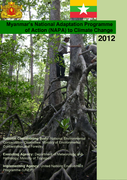
Sectors in which Priority Adaptation Projects should be implemented first include:
- 1) Agriculture, Early Warning Systems and Forest (First Priority Level Sectors). This is followed by:
- 2) Public Health and Water Resources (Second Priority Level Sectors);
- 3) Coastal Zone (Thir ... d Priority Level Sector); and
- 4) Energy and Industry, and Biodiversity (Fourth Priority Level Sectors). more
- 1) Agriculture, Early Warning Systems and Forest (First Priority Level Sectors). This is followed by:
- 2) Public Health and Water Resources (Second Priority Level Sectors);
- 3) Coastal Zone (Thir ... d Priority Level Sector); and
- 4) Energy and Industry, and Biodiversity (Fourth Priority Level Sectors). more

The study sought to understand the factors that facilitate women to adhere to treatment and return to health facilities for routine care from their own perspective. The researchers focused on Malawi, Uganda and Zambia, early adopters of the global guidance to provide lifelong treatment for pregnant
...
women living with HIV (Option B+) and spoke to women living with HIV, healthcare workers and programme managers to discover which factors and practices show promise in supporting women to initiate and remain in care.
This study found that women living with HIV who access these services to prevent vertical transmission have a strong sense and understanding of what factors support their retention and how health facilities, the wider community and their friends and relations can best support them. This report shares their words to describe how it feels to walk in their shoes on the path of life long treatment. more
This study found that women living with HIV who access these services to prevent vertical transmission have a strong sense and understanding of what factors support their retention and how health facilities, the wider community and their friends and relations can best support them. This report shares their words to describe how it feels to walk in their shoes on the path of life long treatment. more
Submitted to the US Agency for International Development by the Systems for Improved Access to Pharmaceuticals and Services (SIAPS) Program. Arlington, VA: Management Sciences for Health. Submitted to the United Nations Children’s Fund by JSI, Arlington, VA: JSI Research & Training Institute, Inc.
...
This guide will assist program managers, service providers, and technical experts when conducting a quantification of commodity needs for the 13 reproductive, maternal, newborn, and child health commodities prioritized by the UN Commission on Life-Saving Commodities for Women and Children. This quantification supplement should be used with the main guide—Quantification of Health Commodities: A Guide to Forecasting and Supply Planning for Procurement. * This supplement describes the steps in forecasting consumption of these supplies when consumption and service data are not available; after which, to complete the quantification, the users should refer to the main quantification guide for the supply planning step.
more

Women and Health Initiative Working Paper No. 1. Women and Health Initiative
Improving maternal health in the context of the sub-Saharan African HIV epidemic requires greater understanding of the relationships between HIV disease and maternal morbidity and mortality, integrated and effective resp ... onses by the health system, and a social context which promotes quality care and encourages use of MCH and HIV services. Advancing the proposed research agenda will make an invaluable contribution by generating needed evidence for policy and practice that improves the maternal health of women who are living with HIV, as well as those who are not. Bringing together maternal health and HIV researchers, policy-makers and program implementers to reduce HIV-related maternal morbidity and mortality and improve the HIV response for women represents an opportunity and a challenge. more
Improving maternal health in the context of the sub-Saharan African HIV epidemic requires greater understanding of the relationships between HIV disease and maternal morbidity and mortality, integrated and effective resp ... onses by the health system, and a social context which promotes quality care and encourages use of MCH and HIV services. Advancing the proposed research agenda will make an invaluable contribution by generating needed evidence for policy and practice that improves the maternal health of women who are living with HIV, as well as those who are not. Bringing together maternal health and HIV researchers, policy-makers and program implementers to reduce HIV-related maternal morbidity and mortality and improve the HIV response for women represents an opportunity and a challenge. more
