
Filter
5581
Text search:
organisation
Featured
445
1345
Language
3857
1534
289
224
128
118
102
55
17
16
15
15
14
13
12
12
11
11
10
9
8
8
8
8
7
7
7
7
7
6
6
6
6
6
6
6
5
5
5
5
5
4
4
4
4
4
3
3
3
3
3
3
3
2
2
2
2
2
1
1
1
1
1
1
1
Document type
2878
1041
651
220
218
187
120
83
54
46
30
25
24
2
2
Countries
231
211
172
145
137
129
123
121
95
95
91
90
87
84
84
81
76
73
70
65
61
57
55
53
52
52
51
51
50
49
44
41
38
38
37
36
35
34
34
29
29
29
27
25
25
24
23
22
22
19
19
19
18
17
16
14
13
13
13
12
11
11
10
10
9
9
9
9
9
9
8
8
8
8
8
8
7
7
7
7
6
6
6
6
5
5
5
5
5
4
4
4
4
4
4
4
4
4
4
3
3
3
3
3
3
3
3
3
3
3
2
2
2
2
2
2
2
2
2
2
2
2
2
2
2
2
2
2
2
2
2
2
2
2
1
1
1
1
1
1
1
1
1
1
1
1
1
1
1
1
1
1
1
1
1
1
1
Authors & Publishers
669
280
198
174
155
148
95
92
90
72
61
61
35
33
33
33
30
28
24
24
24
23
22
21
20
20
20
19
19
19
18
18
17
16
15
15
15
14
13
13
13
13
12
12
12
11
11
11
11
11
10
10
10
10
10
10
9
9
9
9
9
9
9
8
8
8
8
8
8
8
8
8
8
8
8
8
8
7
7
7
7
7
7
7
7
7
7
7
7
7
7
7
7
7
7
7
7
7
7
7
6
6
6
6
6
6
6
6
6
6
6
6
6
6
6
6
6
6
5
5
5
5
5
5
5
5
5
5
5
5
5
5
5
5
5
5
5
5
5
5
5
5
5
5
5
5
5
5
5
5
5
4
4
4
4
4
4
4
4
4
4
4
4
4
4
4
4
4
4
4
4
4
4
4
4
4
4
4
4
4
4
4
4
4
4
4
4
4
4
4
4
4
4
4
4
4
4
4
4
3
3
3
3
3
3
3
3
3
3
3
3
3
3
3
3
3
3
3
3
3
3
3
3
3
3
3
3
3
3
3
3
3
3
3
3
3
3
3
3
3
3
3
3
3
3
3
3
3
3
3
3
3
3
3
3
3
3
3
3
3
3
3
3
3
3
3
3
3
3
3
3
3
3
3
3
3
3
3
3
3
3
3
3
3
3
3
3
3
3
3
3
3
3
3
3
3
3
3
3
3
3
3
3
3
3
3
3
3
3
2
2
2
2
2
2
2
2
2
2
2
2
2
2
2
2
2
2
2
2
2
2
2
2
2
2
2
2
2
2
2
2
2
2
2
2
2
2
2
2
2
2
2
2
2
2
2
2
2
2
2
2
2
2
2
2
2
2
2
2
2
2
2
2
2
2
2
2
2
2
2
2
2
2
2
2
2
2
2
2
2
2
2
2
2
2
2
2
2
2
2
2
2
2
2
2
2
2
2
2
2
2
2
2
2
2
2
2
2
2
2
2
2
2
2
2
2
2
2
2
2
2
2
2
2
2
2
2
2
2
2
2
2
2
2
2
2
2
2
2
2
2
2
2
2
2
2
2
2
2
2
2
2
2
2
2
2
2
2
2
2
2
2
2
2
2
2
2
2
2
2
2
2
2
2
2
2
2
2
2
2
2
2
2
2
2
2
2
2
2
2
2
2
2
2
2
2
2
2
2
2
2
2
2
2
2
2
2
2
2
2
2
2
2
2
2
2
2
2
2
2
2
2
2
2
2
2
2
2
2
2
2
2
2
2
2
2
2
2
2
2
2
2
2
2
2
2
2
2
2
2
2
2
2
2
2
2
2
2
2
2
2
2
2
2
2
2
2
2
2
2
2
2
2
2
2
2
2
2
2
2
2
2
2
2
2
2
2
2
2
2
2
2
2
2
2
2
2
2
2
2
2
2
2
1
1
1
1
1
1
1
1
1
1
1
1
1
1
1
1
1
1
1
1
1
1
1
1
1
1
1
1
1
1
1
1
1
1
1
1
1
1
1
1
1
1
1
1
1
1
1
1
1
1
1
1
1
1
1
1
1
1
1
1
1
1
1
1
1
1
1
1
1
1
1
1
1
1
1
1
1
1
1
1
1
1
1
1
1
1
1
1
1
1
1
1
1
1
1
1
1
1
1
1
1
1
1
1
1
1
1
1
1
1
1
1
1
1
1
1
1
1
1
1
1
1
1
1
1
1
1
1
1
1
1
1
1
1
1
1
1
1
1
1
1
1
1
1
1
1
1
1
1
1
1
1
1
1
1
1
1
1
1
1
1
1
1
1
1
1
1
1
1
1
1
1
1
1
1
1
1
1
1
1
1
1
1
1
1
1
1
1
1
1
1
1
1
1
1
1
1
1
1
1
1
1
1
1
1
1
1
1
1
1
1
1
1
1
1
1
1
1
1
1
1
1
1
1
1
1
1
1
1
1
1
1
1
1
1
1
1
1
1
1
1
1
1
1
1
1
1
1
1
1
1
1
1
1
1
1
1
1
1
1
1
1
1
1
1
1
1
1
1
1
1
1
1
1
1
1
1
1
1
1
1
1
1
1
1
1
1
1
1
1
1
1
1
1
1
1
1
1
1
1
1
1
1
1
1
1
1
1
1
1
1
1
1
1
1
1
1
1
1
1
1
1
1
1
1
1
1
1
1
1
1
1
1
1
1
1
1
1
1
1
1
1
1
1
1
1
1
1
1
1
1
1
1
1
1
1
1
1
1
1
1
1
1
1
1
1
1
1
1
1
1
1
1
1
1
1
1
1
1
1
1
1
1
1
1
1
1
1
1
1
1
1
1
1
1
1
1
1
1
1
1
1
1
1
1
1
1
1
1
1
1
1
1
1
1
1
1
1
1
1
1
1
1
1
1
1
1
1
1
1
1
1
1
1
1
1
1
1
1
1
1
1
1
1
1
1
1
1
1
1
1
1
1
1
1
1
1
1
1
1
1
1
1
1
1
1
1
1
1
1
1
1
1
1
1
1
1
1
1
1
1
1
1
1
1
1
1
1
1
1
1
1
1
1
1
1
1
1
1
1
1
1
1
1
1
1
1
1
1
1
1
1
1
1
1
1
1
1
1
1
1
1
1
1
1
1
1
1
1
1
1
1
1
1
1
1
1
1
1
1
1
1
1
1
1
1
1
1
1
1
1
1
1
1
1
1
1
1
1
1
1
1
1
1
1
1
1
1
1
1
1
1
1
1
1
1
1
1
1
1
1
1
1
1
1
1
1
1
1
1
1
1
1
1
1
1
1
1
1
1
1
1
1
1
1
1
1
1
1
1
1
1
1
1
1
1
1
1
1
1
1
1
1
1
1
1
1
1
1
1
1
1
1
1
1
1
1
1
1
1
1
1
1
1
1
1
1
1
1
1
1
1
1
1
1
1
1
1
1
1
1
1
1
1
1
1
1
1
1
1
1
1
1
1
1
1
1
1
1
1
1
1
1
1
1
1
1
1
1
1
1
1
1
1
1
1
1
1
1
1
1
1
1
1
1
1
1
1
1
1
1
1
1
1
1
1
1
1
1
1
1
1
1
1
1
1
1
1
1
1
1
1
1
1
1
1
1
1
1
1
1
1
1
1
1
1
1
1
1
1
1
1
1
1
1
1
1
1
1
1
1
1
1
1
1
1
1
1
1
1
1
1
1
1
1
1
1
1
1
1
1
1
1
1
1
1
1
1
1
1
1
1
1
1
1
1
1
1
1
1
1
1
1
1
1
1
1
1
1
1
1
1
1
1
1
1
1
1
1
1
1
1
1
1
1
1
1
1
1
1
1
1
1
1
1
1
1
1
1
1
1
1
1
1
1
1
1
1
1
1
1
1
1
1
1
1
1
1
1
1
1
1
1
1
1
1
1
1
1
1
1
1
1
1
1
1
1
1
1
1
1
1
1
1
1
1
1
1
1
1
1
1
1
1
1
1
1
1
1
1
1
1
1
1
1
1
1
1
1
1
1
1
1
1
1
1
1
1
1
1
1
1
1
1
1
1
1
1
1
1
1
1
1
1
1
1
1
1
1
1
1
1
1
1
1
1
1
1
1
1
1
1
1
1
1
1
1
1
1
1
1
1
1
1
1
1
1
1
1
1
1
1
1
1
1
1
1
1
1
1
1
1
1
1
1
1
1
1
1
1
1
1
1
1
1
1
1
1
1
1
1
1
1
1
1
1
1
1
1
1
1
1
1
1
1
1
1
1
1
1
1
1
1
1
1
1
1
1
1
1
1
1
1
1
1
1
1
1
1
1
1
1
1
1
1
1
1
1
1
1
1
1
1
1
1
1
1
1
1
1
1
1
1
1
1
1
1
1
1
1
1
1
1
1
1
1
1
1
1
1
1
1
1
1
1
1
1
1
1
1
1
1
1
1
1
1
1
1
1
1
1
1
1
1
1
1
1
1
1
1
1
1
1
1
1
1
1
1
1
1
1
1
1
1
1
1
1
1
1
1
1
1
1
1
1
1
1
1
1
1
1
1
1
1
1
1
1
1
1
1
1
1
1
1
1
1
1
1
1
1
1
1
1
1
1
1
1
1
1
1
1
1
1
1
1
1
1
1
1
1
1
1
1
1
1
1
1
1
1
1
1
1
1
1
1
1
1
1
1
1
1
1
1
1
1
1
1
1
1
1
1
1
1
1
1
1
1
1
1
1
1
1
1
1
1
1
1
1
1
1
1
1
1
1
1
1
1
1
1
1
1
1
1
1
1
1
1
1
1
1
1
1
1
1
1
1
1
1
1
1
1
1
1
1
1
1
1
1
1
1
1
1
1
1
1
1
1
1
1
1
1
1
1
1
1
1
1
1
1
1
1
1
1
1
1
1
1
1
1
1
1
1
1
1
1
1
1
1
1
1
1
1
1
1
1
1
1
1
1
1
1
1
1
1
1
1
1
1
1
1
1
1
1
1
1
1
1
1
1
1
1
1
1
1
1
1
1
1
1
1
1
1
1
1
1
1
1
1
1
1
1
1
1
1
1
1
1
1
1
1
1
1
1
1
1
1
1
1
1
1
1
1
1
1
1
1
1
1
1
1
1
1
1
1
1
1
1
1
1
1
1
1
1
1
1
1
1
1
1
1
1
1
1
1
1
1
1
1
1
1
1
1
1
1
1
1
1
1
1
1
1
1
1
1
1
1
1
1
1
1
1
1
1
1
1
1
1
1
1
1
1
1
1
1
1
1
1
1
1
1
1
1
1
1
1
1
1
1
1
1
1
1
1
1
1
1
1
1
1
1
1
1
1
1
1
1
1
1
1
1
1
1
1
1
1
1
1
1
1
1
1
1
1
1
1
1
1
1
1
1
1
1
1
1
1
1
1
1
1
1
1
1
1
1
1
1
1
1
1
1
1
1
1
1
1
1
1
1
1
1
1
1
1
1
1
1
1
1
1
1
1
1
1
1
1
1
1
1
1
1
1
1
1
1
1
1
1
1
1
1
1
1
1
1
1
1
1
1
1
1
1
1
1
1
1
1
1
1
1
1
1
1
1
1
1
1
1
1
1
1
1
1
1
1
1
1
1
1
1
1
1
1
1
1
1
1
1
1
1
1
1
1
1
1
1
1
1
1
1
1
1
1
1
1
1
1
1
1
1
1
1
1
1
1
1
1
1
1
1
1
1
1
1
1
1
1
1
1
1
1
1
1
1
1
1
1
1
1
1
1
1
1
1
1
1
1
1
1
1
1
1
1
1
1
1
1
1
1
1
1
1
1
1
1
1
1
1
1
1
1
1
1
1
1
1
1
1
1
1
1
1
1
1
1
1
1
1
1
1
1
1
1
1
1
1
1
1
1
1
1
1
1
1
1
1
1
1
1
1
1
1
1
1
1
1
1
1
1
1
1
1
1
1
1
1
1
1
1
1
1
1
1
1
1
1
1
1
1
1
1
1
1
1
1
1
1
1
1
1
1
1
1
1
1
1
1
1
1
1
1
1
1
1
1
1
1
1
1
1
1
1
1
1
1
1
1
1
1
1
1
1
1
1
1
1
1
1
1
1
1
1
1
1
1
1
1
1
1
1
1
1
1
1
1
1
1
1
1
1
1
1
1
1
1
1
1
1
1
1
1
1
1
1
1
1
1
1
1
1
1
1
1
1
1
1
1
1
1
1
1
1
1
1
1
1
1
1
1
1
1
1
1
1
1
1
1
1
1
1
1
1
1
1
1
1
1
1
1
1
1
1
1
1
1
1
1
1
1
1
1
1
1
1
1
1
1
1
1
1
1
1
1
1
1
1
1
1
1
1
1
1
1
1
1
1
1
1
1
1
1
1
1
1
1
1
1
1
1
1
1
1
1
1
1
1
1
1
1
1
1
1
1
1
1
1
1
1
1
1
1
1
1
1
1
1
1
1
1
1
1
1
1
1
1
1
1
1
1
1
1
1
1
1
1
1
1
1
1
1
1
1
1
1
1
1
1
1
1
1
1
1
1
1
1
1
1
1
1
1
1
1
1
1
1
1
1
1
1
1
1
1
1
1
1
1
1
1
1
1
1
1
1
1
1
1
1
1
1
1
1
1
1
1
1
1
1
1
1
1
1
1
1
1
1
1
1
1
1
1
1
1
1
1
1
1
1
1
1
1
1
1
1
1
1
1
1
1
1
1
1
1
1
1
1
1
1
1
1
1
1
1
1
1
1
1
1
1
1
1
1
1
1
1
1
1
1
1
1
1
1
1
1
1
1
1
1
1
1
1
1
1
1
1
1
1
1
1
1
1
1
1
1
1
1
1
1
1
1
1
1
1
1
1
1
1
1
1
1
1
1
1
1
1
1
1
1
1
1
1
1
1
1
1
1
1
1
1
1
1
1
1
1
1
1
1
1
1
1
1
1
1
1
1
1
1
1
1
1
1
1
1
1
1
1
1
1
1
1
1
1
1
1
1
1
1
1
1
1
1
1
1
1
1
1
1
1
1
1
1
1
1
1
1
1
1
1
1
1
1
1
1
1
1
1
1
1
1
1
1
1
1
1
1
1
1
1
1
1
1
1
1
1
1
1
1
1
1
1
1
1
1
1
1
1
1
1
1
1
1
1
1
1
1
1
1
1
1
1
1
1
1
1
1
1
1
1
1
1
1
1
1
1
1
1
1
1
1
1
1
1
1
1
1
1
1
1
1
1
1
1
1
1
1
1
1
1
1
1
1
1
1
1
1
1
1
1
1
1
1
1
1
1
1
1
1
1
1
1
1
1
1
1
1
1
1
1
1
1
1
1
1
1
1
1
1
1
1
1
1
1
1
1
1
1
1
1
1
1
1
1
1
1
1
1
1
1
1
1
1
1
1
1
1
1
1
1
1
1
1
1
1
1
1
1
1
1
1
1
1
1
1
1
1
1
1
1
1
1
1
1
1
1
1
1
1
1
1
1
1
1
1
1
1
1
1
1
1
1
1
1
1
1
1
1
1
1
1
1
1
1
1
1
1
1
1
1
1
1
1
1
1
1
1
1
1
1
1
1
1
1
1
1
1
1
1
1
1
1
1
1
1
1
1
1
1
1
1
1
1
1
1
1
1
1
1
1
1
1
1
1
1
1
1
1
1
1
1
1
1
1
1
1
1
1
1
1
1
1
1
1
1
1
1
1
1
1
1
1
1
1
1
1
1
1
1
1
1
1
1
1
1
1
1
1
1
1
1
1
1
1
1
1
1
1
1
1
1
1
1
1
1
1
1
1
1
1
1
1
1
1
1
1
1
1
1
1
1
1
1
1
1
1
1
1
1
1
1
1
1
1
1
1
1
1
1
1
1
1
1
1
1
1
1
1
1
1
1
1
1
1
1
1
1
1
1
1
1
1
1
1
1
1
1
1
1
1
1
1
1
1
1
1
1
1
1
1
1
1
1
1
1
1
1
1
1
1
1
1
1
1
1
1
1
1
1
1
1
1
1
1
1
1
1
1
1
1
1
1
1
1
1
1
1
1
1
1
1
1
1
1
1
1
1
1
1
1
1
1
1
1
1
1
1
1
1
1
1
1
1
1
1
1
1
1
1
1
1
1
1
1
1
1
1
1
1
1
1
1
1
1
1
1
1
1
1
1
1
1
1
1
1
1
1
1
1
1
1
1
1
1
1
1
1
1
1
1
1
1
1
1
1
1
1
1
1
1
1
1
1
1
1
1
1
1
1
1
1
1
1
1
1
1
1
1
1
1
1
1
1
1
1
1
1
1
1
1
1
1
1
1
1
1
1
1
1
1
1
1
1
1
1
1
1
1
1
1
1
1
1
1
1
1
1
1
1
1
1
1
1
1
1
1
1
1
1
1
1
1
1
1
1
1
1
1
1
1
1
1
1
1
1
1
1
1
1
1
1
1
1
1
1
1
1
1
1
1
1
1
1
1
1
1
1
1
1
1
1
1
1
1
1
1
1
1
1
1
1
1
1
1
1
1
1
1
1
1
1
1
1
1
1
1
1
1
1
1
1
1
1
1
1
1
1
1
1
1
1
1
1
1
1
1
1
1
1
1
1
1
1
1
1
1
1
1
1
1
1
1
1
1
1
1
1
1
1
1
1
1
1
1
1
1
1
1
1
1
1
1
1
1
1
1
1
1
1
1
1
1
1
1
1
1
1
1
1
1
1
1
1
1
1
1
1
1
1
1
1
1
1
1
1
1
1
1
1
1
1
1
1
1
1
1
1
1
1
1
1
1
1
1
1
1
1
1
1
1
1
1
1
1
1
1
1
1
1
1
1
1
1
1
1
1
1
1
1
1
1
1
1
1
1
1
1
1
1
1
1
1
1
1
1
1
1
1
1
1
1
1
1
1
1
1
1
1
1
1
1
1
1
1
1
1
1
1
1
1
1
1
1
1
1
1
1
1
1
1
1
1
1
1
1
1
1
1
1
1
1
1
1
1
1
1
1
1
1
1
1
1
1
1
1
1
1
1
1
1
1
1
1
1
1
1
1
1
1
1
1
1
1
1
1
1
1
1
1
1
1
1
1
1
1
1
1
1
1
1
1
1
1
1
1
1
1
1
1
1
1
1
1
1
1
1
1
1
1
1
1
1
1
1
1
1
1
1
1
1
1
1
1
1
1
1
1
1
1
1
1
1
1
1
1
1
1
1
1
1
1
1
1
1
1
1
1
1
1
1
1
1
1
1
1
1
1
1
1
1
1
1
1
1
1
1
1
1
1
1
1
1
1
1
1
1
1
1
1
1
1
1
1
1
1
1
1
1
1
1
1
1
1
1
1
1
1
1
1
1
1
1
1
1
1
1
1
1
1
1
1
1
1
1
1
1
1
1
1
1
1
1
1
1
1
1
1
1
1
1
1
1
1
1
1
1
1
1
1
1
1
1
1
1
1
1
1
1
1
1
1
1
1
1
1
1
1
1
1
1
1
1
1
1
1
1
1
1
1
1
1
1
1
1
1
1
1
1
1
1
1
1
1
1
1
1
1
1
1
1
1
1
1
1
1
1
1
1
1
1
1
1
1
1
1
1
1
1
1
1
1
1
1
1
1
1
1
1
1
1
1
1
1
1
1
1
1
1
1
1
1
1
1
1
1
1
1
1
1
1
1
1
1
1
1
1
1
1
1
1
1
1
1
1
1
1
1
1
1
1
1
1
1
1
1
1
1
1
1
1
1
1
1
1
1
1
1
1
1
1
1
1
1
1
1
1
1
1
1
1
1
1
1
1
1
1
1
1
1
1
1
1
1
1
1
1
1
1
1
1
1
1
1
1
1
1
1
1
1
1
1
1
1
1
1
1
1
1
1
1
1
1
1
1
1
1
1
1
1
1
1
1
1
1
1
1
1
1
1
1
1
1
1
1
1
1
1
1
1
1
1
1
1
1
1
1
1
1
1
1
1
1
1
1
1
1
1
1
1
1
1
1
1
1
1
1
1
1
Publication Years
1817
3270
453
34
2
1
4
Category
2057
342
249
249
238
86
56
3
2
1
Toolboxes
550
392
321
250
242
227
225
213
209
180
170
138
133
119
79
79
74
56
50
38
27
23
23
2
1
En la Región de las Américas, las poblaciones están envejeciendo y se está experimentando una rápida transición demográfica. El índice de envejecimiento, que refleja el tamaño de los grupos de mayor edad por 100 en comparación con los menores de 15 años, demuestra claramente el aumento de
...
las personas de 60 años o más. En comparación con las tendencias mundiales, la Región tendrá un mayor número de personas de 60 años o más que de menores de 15 años para el 2030, aproximadamente 25 años antes que el promedio mundial. La pandemia de COVID-19 ha dado pie a una crisis de salud sin precedentes en todo el mundo. Sus efectos en las personas mayores y aquellas con enfermedades subyacentes han puesto de manifiesto los desafíos de abordar sus necesidades durante una emergencia de salud pública. Dada esta transición demográfica, es fundamental reflexionar acerca de la preparación de los sistemas y servicios con vistas a atender las necesidades de este grupo de población, incluidas la mejora de la planificación para casos de emergencia y la protección de las personas mayores.
Esta publicación forma parte de una serie titulada La Década del Envejecimiento Saludable en las Américas: situación y desafíos
more
The chapter Closing the Gap: The Health Disparities of Older LGBTI People in the Americas, is part of the publication series titled ‘Decade of Healthy Aging: situation and challenges’. In order to outline the current knowledge available on the situation of health and well-being of older persons
...
in the Americas at the beginning of the United Nations Decade of Healthy Aging (2021-2030), this document presents data and existing evidence different forms of discrimination and mistreatment older people face due to their sexual orientation and gender identities that ultimately increase health disparities. Previous studies on LGBTI older people offer valuable information on the lived experiences of these communities and demonstrate that they face unique challenges with aging, emphasizing the difficulties related to access to care. Very few studies on older people and aging include a focus on sexual orientation or gender identity; however, it is possible to point out that HIV/AIDS is one of the most significant health disparities confronting LGBTI older persons, followed by physical and mental health problems, substance use, social isolation, poverty, and the lack of access to quality healthcare, including long-term care facilities or other institutions. Closing the gap in access and quality of health and care services is an imperative to increase longevity, health status and quality of life of LGBTI older people.
more
The chapter Closing the Gap: The Health Disparities of Older LGBTI People in the Americas, is part of the publication series titled ‘Decade of Healthy Aging: situation and challenges’. In order to outline the current knowledge available on the situation of health and well-being of older persons
...
in the Americas at the beginning of the United Nations Decade of Healthy Aging (2021-2030), this document presents data and existing evidence different forms of discrimination and mistreatment older people face due to their sexual orientation and gender identities that ultimately increase health disparities. Previous studies on LGBTI older people offer valuable information on the lived experiences of these communities and demonstrate that they face unique challenges with aging, emphasizing the difficulties related to access to care. Very few studies on older people and aging include a focus on sexual orientation or gender identity; however, it is possible to point out that HIV/AIDS is one of the most significant health disparities confronting LGBTI older persons, followed by physical and mental health problems, substance use, social isolation, poverty, and the lack of access to quality healthcare, including long-term care facilities or other institutions. Closing the gap in access and quality of health and care services is an imperative to increase longevity, health status and quality of life of LGBTI older people.
more
The chapter Fostering Health Systems’ Monitoring to Better Serve Older Populations is part of the publication series entitled Decade of Healthy Aging: Situation and Challenges. The publications are designed to favor the prioritization of effective actions at the local level as well as the monitori
...
ng of data and public health policies, and providing evidence-based information. Along with the objective of presenting the available updated knowledge about the situation of health and aging at the beginning of the Decade of Healthy Aging in the Americas, this publication gives information about health systems’ monitoring to better serve the needs of older adults and emphasizes the need for societies and health systems to better adapt to an aging population. It introduces the 360-tool as a guide to adapt health systems through monitoring tracers/indicators and highlighting the data and information that is readily available, disaggregated by age. This information can aid in decision-making and resource allocation to support older adults’ needs. Concerning the 360-tool development, a consensus has been reached on seven tracer indicators with high relevance to informing policy, and case studies in selected countries have assessed the feasibility of this approach. The list of indicators and the process related to the development of the tool are presented in this publication. The Decade of Healthy Aging 2021-2030 is a period to guide action towards the transformation of societies by fostering the inclusion of older people in every decision. This publication intends to contribute to this strategy and highlight the upcoming challenges and opportunities on healthy aging.
more
Promover el seguimiento de los sistemas de salud para prestar mejores servicios a la población de personas mayores forma parte de la serie titulada La Década del envejecimiento saludable en las Américas: situación y desafíos. El propósito de la serie es favorecer la priorización de medidas ef
...
icaces a nivel local, así como el seguimiento de los datos y las políticas de salud pública, mediante la presentación de información basada en la evidencia. Con el objetivo de presentar el conocimiento actualizado disponible sobre la situación de la salud y el envejecimiento en el inicio de la Década del Envejecimiento Saludable en la Región de las Américas, en este trabajo se brinda información sobre el seguimiento de los sistemas de salud para satisfacer mejor las necesidades de las personas mayores, de manera de subrayar la necesidad de que las sociedades y los sistemas de salud se adapten mejor al envejecimiento poblacional. Además se presenta la herramienta sobre la visión de 360° como una guía para adaptar los sistemas de salud mediante el seguimiento de los indicadores indirectos y destacar los datos y la información que están fácilmente disponibles, desglosados por edad. Esta información puede ayudar en la toma de decisiones y la asignación de recursos para brindar apoyo a las necesidades de las personas mayores. Hasta ahora, se ha llegado a un consenso sobre siete indicadores indirectos con gran pertinencia para fundamentar las políticas y en los estudios de casos en algunos países seleccionados se ha evaluado la viabilidad de este enfoque. En este documento, se presentan la lista de indicadores y el proceso relacionado con la elaboración de la herramienta. La Década del Envejecimiento Saludable 2021-2030 es un período designado para guiar las actividades de transformación de las sociedades con respecto al envejecimiento poblacional y fomentar la inclusión de las personas mayores en cada decisión. El propósito de este documento es contribuir a esta estrategia y poner de relieve los próximos desafíos y oportunidades en relación con el envejecimiento saludable.
more
The chapter Dementia in Latin America and the Caribbean: Prevalence, Incidence, Impact, and Trends over Time, is part of the publication series titled “Decade of Healthy Aging: situation and challenges”. This document aims to provide an outline of the current situation in Latin America and the C
...
aribbean in respect of the prevalence and incidence of dementia and its impact on the health status of older people. As dementia is a significant global health problem which also has social and economic impacts this document highlights the importance of monitoring dementia in the region. The document evidences that dementia is one of the main contributors to dependence and disability in older people in Latin America and the Caribbean and, although its prevalence and incidence increase exponentially with age, it is not part of normal aging. Alzheimer’s disease is the most common dementia, and there is no cure for this condition, but with timely diagnosis is possible to ameliorate symptoms. It is important to assess what are the needs of people leaving with dementia and their families and to integrate dementia risk reduction strategies in pre-existing strategies for other non-communicable diseases. As shown in the report, despite the huge burden dementia is still underdiagnosed, and it is fundamental to better monitor its prevalence, incidence and the different societal impact that dementia can have. For that, it is crucial to promote the use of harmonized methodologies to address this information in a broader number of studies and countries in the region. This can contribute to the generation of direct actions to decrease dementia risk and lead to healthier lives for people with dementia and their families.
more
The World Health Organization Regional Office for Africa (WHO AFRO), in accordance with recommendations from various WHO committees, has developed three flagship initiatives to support Member States in the African region to prepare for, detect and respond to public health emergencies. They are the r
...
esult of extensive consultations with more than 30 African government ministers, technical actors, and partners across the continent as well as regional institutions such as the Africa Centres for Disease Control and Prevention (Africa CDC), whose contributions have shaped the priority activities. This report provides the fourth quarterly summary of progress in implementing the flagship initiatives.
more
The African Regional Convening of the Global Initiative to Support Parents (GISP) stimulated the interest or engagement of almost 1500 individuals from 742 unique organizations in the fields of health, education, social welfare, women’s affairs, early childhood, water and sanitation, mental health
...
, violence prevention, innovative finance, climate, and many others. The convening united representatives across governments, civil society organizations, programme implementers, philanthropies, multilateral organizations, bilateral funders, private companies, universities, schools and day care centres, and hospitals around the common cause of supporting parents and caregivers.
more
The Assessment package has been developed for countries to evaluate the implementation of the WHO Standards for prosthetics and orthotics. It enables identification of areas in need of strengthening and facilitates relevant planning. The complete Assessment package consists of four components: Asses
...
sment guide: gives directions on how to organize and implement the assessment. Assessment tool: Excel instrument used to carry out assessments and record results.
User manual: explains how the Assessment tool should be used.
Planning document: Excel file into which the recommendations that are generated by the Assessment tool can be pasted for easy use in subsequent planning.
more
This report includes analysis from informal regional consultations in the African Region, the Caribbean and North America, Latin America, South-East Asia Region, European Region, Eastern Mediterranean Region, alongside three forums in the Western Pacific Region. It analyses the overarching similarit
...
ies, regional nuances and priorities raised across the six WHO regions for the meaningful engagement of individuals with lived experience.
It is the second publication in the WHO Intention to action series, which aims to enhance the limited evidence base on the impact of meaningful engagement and address the lack of standardized approaches on how to operationalise meaningful engagement. The Intention to action series aims to do this by providing a platform from which individuals with lived experience, and organizational and institutional champions, can share solutions, challenges and promising practices related to this cross-cutting agenda. The Intention to action series also aims to provide powerful narratives, inspiration and evidence towards the Fourth United Nations High Level Meeting on NCDs in 2025 and achieving the 2030 United Nations Sustainable Development Goals (SDGs).
more
Ce rapport inclut des analyses tirées des consultations régionales informelles menées dans la Région africaine, dans les Caraïbes et en Amérique du Nord, dans la Région européenne, dans la Région de la Méditerranée orientale, en Amérique latine ainsi que dans la Région de l’Asie du Su
...
d-Est, auxquelles s’ajoutent trois rencontres organisées dans la Région du Pacifique occidental. Il analyse les similitudes globales, les nuances régionales et les priorités mises en avant dans les six Régions de l’OMS pour la participation significative des personnes avec une expérience vécue.
Il s’agit du deuxième rapport d’une collection de l’OMS intitulée De l’intention à l’action, qui doit servir à constituer une série de ressources pour renforcer la base de données probantes sur l’impact de la participation significative, qui est pour le moment limitée, et à combler le manque d’approches normalisées pour mettre en oeuvre la participation significative. À cette fin, la collection De l’intention à l’action a été pensée comme plateforme pour que les personnes avec une expérience vécue ainsi que les organisations et institutions à la pointe sur ces questions puissent échanger sur les solutions, les difficultés et les pratiques prometteuses relatives à cet objectif transversal. Elle vise également à fournir des récits et des modèles puissants, ainsi que des données probantes dans la perspective de la quatrième réunion publique de haut niveau des Nations Unies sur les MNT, qui devrait se tenir en 2025, et en vue d’atteindre les objectifs de développement durable (ODD) à l’horizon 2030.
more
El presente informe incluye análisis de consultas informales en cinco de las regiones de la OMS: la Región de África, la Región de las Américas (donde se realizaron consultas separadas para el Caribe y América del Norte, y para América Latina), la Región de Asia Sudoriental, la Región de Eu
...
ropa y la Región del Mediterráneo Oriental, junto con tres foros en la Región del Pacífico Occidental. Se analizan las similitudes generales, los matices regionales y las prioridades planteadas en las seis regiones de la OMS para la participación significativa de las personas con experiencias vividas.
El presente informe es la segunda publicación de la serie «De la intención a la acción», un conjunto de recursos destinados a mejorar la limitada base de evidencia sobre el impacto de la participación significativa y abordar la falta de enfoques normalizados sobre cómo hacer operativa esta participación. La serie «De la intención a la acción» pretende llevar esto a cabo proporcionando una plataforma desde la que las personas con experiencias vividas, y los defensores de organizaciones e instituciones, puedan compartir soluciones, retos y prácticas prometedoras relacionadas con esta agenda transversal. La serie «De la intención a la acción» también tiene como objetivo proporcionar poderosas historias, inspiración y evidencia para la 4.ª Reunión de Alto Nivel de las Naciones Unidas sobre las ENT que se celebrará en 2025 y la consecución de los Objetivos de Desarrollo Sostenible (ODS) de las Naciones Unidas para 2030.
more
Hand hygiene is vital for safe health care delivery, yet practices at the point of care remain suboptimal worldwide. A comprehensive research agenda is therefore necessary to improve our understanding of factors influencing hand hygiene behaviour and to strengthen appropriate interventions. This age
...
nda will provide insightful ideas for researchers to focus their projects and funding proposals and will direct donors towards the areas of hand hygiene evidence that require urgent support and innovation. It will also guide decision-makers and stakeholders at the national and international level and support country efforts in updating and strengthening hand hygiene promotion programmes. Global collaboration and investment in hand hygiene research remain essential to promote safe and effective care worldwide.
more

Rebuilding Liberia’s health system is crucial for improving the country’s overall health outcomes. This annual report highlights key achievements, challenges,and lessons learned in implementing programmes of technical cooperation with the Government of Liberia from January to December 2022. T
...
he key achievements are summarized under the thematic areas of Universal Health Coverage, Health Emergencies and Corporate and Enabling Support.
more

A lot has happened this year. While we continued to tackle the COVID-19 pandemic, we were hit by disease outbreaks and
humanitarian crises. Yet, despite these challenges, we marched on, resolute in resolving critical health systems issues to increase
access to quality healthcare services. To furth
...
er our vision and bring concrete actions to reality, under
the leadership of the Government of South Sudan, we developed the Health Sector Strategic Plan to define the strategic
approaches, key interventions, mapping resource needs, and the implementation framework to strengthen the health system
to deliver essential quality health services equitably for 2023 to 2027. For WHO, this Plan will usher in a new reality -- access
to lifesaving or health-promoting interventions is doable and possible, making the health sector fairer, especially for those
unable to pay
more
The Transformation Agenda (TA) ushered in an ambitious reform process intended to transform the World Health Organization (WHO) into an organization that is proactive, results-driven, accountable and which meets stakeholder expectations, towards transforming and improving public health services in t
...
he African Region. It aimed to achieve a WHO that is pro-results, which optimally and creatively targets technical work as well as make operations more responsive, with greater effectiveness in both communications and partnerships. The Africa Region has been the epicentre of the human immunodeficiency virus (HIV) epidemic and it’s one of the leading causes of disease and death on the continent. The WHO, with partners, has worked tirelessly for many years to control the threat and reduce the negative impact of the disease. Since the early 2000s, significant progress has been made in the global fight against the scourge of HIV. However, the WCA subregion was falling concerningly behind ESA on several key indicators of progress. In 2016, the WHO joined UNAIDS, UNICEF and other partners in a call for a strong and urgent response to support WCA countries to develop catch-up plans to triple and fast-track ART coverage, to enable the region to catch up with ESA by the end of 2020. Implementation of a widespread test-and-treat strategy, coupled with the scale-up of differentiated service delivery (DSD) and mobilization of requisite funding, accelerated WCA’s progress towards this goal. The HIV treatment catch-up and fast-track plan has achieved its target of seeing the West and Central African region (WCA) catch up with the Eastern and Southern African region’s (ESA) antiretroviral coverage rate of 78% in 2021, albeit later than the 2020 target time frame. A 33% improvement was achieved in WCA, against 21% in ESA, between 2015–2020. WCA achieved a significant 42% increase, compared to ESA’s 23%, between 2015 and 2021, to see WCA draw level with ESA at 78%. In the Democratic Republic of the Congo (DRC) alone, progress of up to 47% was observed between 2015 and 2020, for example. In addition, 1.6 million more People Living with HIV (PLHIV) were enrolled on antiretroviral treatment (ART) between 2015 and 2020.
more
Human African trypanosomiasis (HAT), also called sleeping sickness, is a parasitic infection that almost invariably progresses to death, unless treatment is provided. HAT caused devastating epidemics during the 20th century. Thanks to sustained and coordinated efforts during the past 15 years the nu
...
mber of reported cases has fallen to a historic low. Fewer than 3,000 cases were reported in 2015, and the disease is targeted for elimination by the World Health Organization. Despite recent success, HAT still poses a heavy burden on the rural communities where this highly focal disease occurs, most notably in Central Africa. Since patients are also reported from non-endemic countries outside Africa, HAT should be considered in differential diagnosis for all travellers, tourists, migrants and expatriates who have visited or lived in endemic areas. In the absence of a vaccine, disease control relies on case detection and treatment, and vector control. Available drugs are sub-optimal, but ongoing clinical trials give hope for safer and simpler treatments.
more
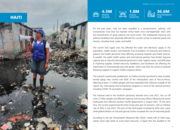
Haiti's Health Emergency Appeal 2023
recommended
For the past years, Haiti has been engulfed in a socioeconomic, political, and humanitarian crisis that has reached critical levels since mid-September 2022 with the intensification of gang violence and social unrest. The widespread insecurity and
political instability have drastically affected the
...
country’s access to essential goods and services, including food, water, and health. The current fuel supply crisis has affected the water and electricity supply to the population, health centers, and hospitals. Due to problems of insecurity and violence, patients and health personnel have difficulty accessing hospitals and health services.
In parallel, the public health system and international partners face limited response capacity due to reduced international personnel in Haiti, logistics issues, and difficulties in importing supplies. Indeed insecurity, roadblocks, and lockdowns are affecting the importation of internationally procured goods, which may slow the arrival of essential lifesaving supplies to support cholera response efforts. This scenario is particularly problematic, as cholera recently resurfaced in early October.
Armed gangs now control over 60% of the metropolitan area of Port-au-Prince, affecting at least 1.5 million people, and have expanded their influence outside of the capital city, interrupting vital humanitarian programs in most of the national territory,
including COVID-19 vaccination campaigns.
more
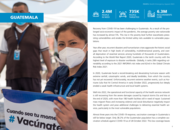
Recovery from COVID-19 has been challenging in Guatemala. As a result of the prolonged socio-economic impact of the pandemic, the average poverty rate nationwide has increased by almost 5%. This rise in the poverty level further exacerbates preexisting vulnerabilities and erodes the limited safety n
...
ets available to vulnerable populations. Year after year, recurrent disasters and humanitarian crises aggravate the historic social gaps that result in high levels of vulnerability, multidimensional poverty, and overall deprivation of essential services among hundreds of thousands of Guatemalans. According to the World Risk Report 2020, Guatemala is the tenth country with the highest level of exposure to disaster worldwide. Globally, it ranks 28th regarding vulnerability according to the 2021 INFORM’s risk index and 62nd in the Global Climate Risk Index 2021.
In 2020, Guatemala faced a record-breaking and devastating hurricane season with extreme rainfall, catastrophic winds, and deadly landslides, from which the country has not yet recovered. Unfortunately, recurrent extreme weather events, such as Hurricane Julia that hit Central America in early October 2022, progressively but deeply eroded a weak health infrastructure and local health systems.
more
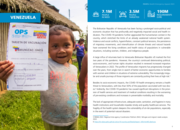
The Bolivarian Republic of Venezuela has been facing a prolonged socio-political and economic situation that has profoundly and negatively impacted social and health indicators. The COVID-19 pandemic further aggravated the humanitarian context in the
country, which stretched the limits of an alread
...
y weakened national health system. Violence and social conflicts, hyperinflation, constant political tensions, the persistence of migratory movements, and intensification of climate threats and natural hazards
have worsened the living conditions and health status of populations in vulnerable situations, including women, children, and indigenous people. A large influx of returnees back to Venezuela (Bolivarian Republic of) marked the first
two years of the pandemic. However, the country’s continued deteriorating political, socio-economic, and human rights situation resulted in renewed increased migration of Venezuelans in 2022. The profile of Venezuelan migrants has progressively changed
over the years, from single men in search of better economic opportunities to families with women and children in situations of extreme vulnerability. The increasingly irregular and unsafe journeys of those migrants are constantly putting their lives at high risk
more
