
Filter
2225
Text search:
depression
Featured
251
428
Language
1994
102
86
84
80
50
24
18
14
13
7
7
7
6
6
5
5
5
5
4
4
4
4
4
3
3
3
3
3
2
2
2
2
2
2
2
2
2
1
1
1
1
1
1
1
1
1
1
1
1
1
Document type
1399
319
224
109
53
37
28
17
14
12
8
1
1
Countries
95
79
62
57
49
49
37
34
34
33
31
28
25
24
24
23
22
22
21
20
19
17
16
16
15
14
13
12
12
11
10
10
10
9
9
8
8
8
7
6
6
6
5
5
5
5
5
4
4
4
4
4
4
4
3
3
3
3
3
3
3
3
3
2
2
2
2
2
2
2
2
2
2
2
2
2
2
2
1
1
1
1
1
1
1
1
1
1
1
1
1
1
1
1
1
1
1
1
1
1
1
1
1
1
1
1
1
Authors & Publishers
226
131
123
100
60
59
48
29
28
27
22
22
21
16
15
15
14
13
13
11
10
10
9
8
8
7
7
7
7
7
6
6
6
6
6
6
6
6
6
6
6
6
6
6
6
6
6
5
5
5
5
5
5
5
5
5
5
5
5
5
5
4
4
4
4
4
4
4
4
4
4
4
4
4
4
4
4
4
4
4
4
4
4
4
4
4
4
3
3
3
3
3
3
3
3
3
3
3
3
3
3
3
3
3
3
3
3
3
3
3
3
3
3
3
3
3
3
3
3
3
3
3
3
3
3
3
3
3
3
3
3
3
3
3
3
3
3
3
3
3
3
3
3
3
3
3
3
3
3
3
3
3
3
3
3
3
3
3
3
3
3
2
2
2
2
2
2
2
2
2
2
2
2
2
2
2
2
2
2
2
2
2
2
2
2
2
2
2
2
2
2
2
2
2
2
2
2
2
2
2
2
2
2
2
2
2
2
2
2
2
2
2
2
2
2
2
2
2
2
2
2
2
2
2
2
2
2
2
2
2
2
2
2
2
2
2
2
2
2
2
2
2
2
2
2
2
2
2
2
2
2
2
2
2
2
2
2
2
2
2
2
2
2
2
2
2
2
2
2
2
2
2
2
2
2
2
2
2
2
2
2
2
2
2
2
2
2
2
2
2
2
2
2
2
2
2
2
2
2
2
2
2
2
2
2
2
2
2
2
2
2
2
2
2
2
2
2
2
2
2
2
2
2
2
2
2
2
2
2
2
2
2
2
2
1
1
1
1
1
1
1
1
1
1
1
1
1
1
1
1
1
1
1
1
1
1
1
1
1
1
1
1
1
1
1
1
1
1
1
1
1
1
1
1
1
1
1
1
1
1
1
1
1
1
1
1
1
1
1
1
1
1
1
1
1
1
1
1
1
1
1
1
1
1
1
1
1
1
1
1
1
1
1
1
1
1
1
1
1
1
1
1
1
1
1
1
1
1
1
1
1
1
1
1
1
1
1
1
1
1
1
1
1
1
1
1
1
1
1
1
1
1
1
1
1
1
1
1
1
1
1
1
1
1
1
1
1
1
1
1
1
1
1
1
1
1
1
1
1
1
1
1
1
1
1
1
1
1
1
1
1
1
1
1
1
1
1
1
1
1
1
1
1
1
1
1
1
1
1
1
1
1
1
1
1
1
1
1
1
1
1
1
1
1
1
1
1
1
1
1
1
1
1
1
1
1
1
1
1
1
1
1
1
1
1
1
1
1
1
1
1
1
1
1
1
1
1
1
1
1
1
1
1
1
1
1
1
1
1
1
1
1
1
1
1
1
1
1
1
1
1
1
1
1
1
1
1
1
1
1
1
1
1
1
1
1
1
1
1
1
1
1
1
1
1
1
1
1
1
1
1
1
1
1
1
1
1
1
1
1
1
1
1
1
1
1
1
1
1
1
1
1
1
1
1
1
1
1
1
1
1
1
1
1
1
1
1
1
1
1
1
1
1
1
1
1
1
1
1
1
1
1
1
1
1
1
1
1
1
1
1
1
1
1
1
1
1
1
1
1
1
1
1
1
1
1
1
1
1
1
1
1
1
1
1
1
1
1
1
1
1
1
1
1
1
1
1
1
1
1
1
1
1
1
1
1
1
1
1
1
1
1
1
1
1
1
1
1
1
1
1
1
1
1
1
1
1
1
1
1
1
1
1
1
1
1
1
1
1
1
1
1
1
1
1
1
1
1
1
1
1
1
1
1
1
1
1
1
1
1
1
1
1
1
1
1
1
1
1
1
1
1
1
1
1
1
1
1
1
1
1
1
1
1
1
1
1
1
1
1
1
1
1
1
1
1
1
1
1
1
1
1
1
1
1
1
1
1
1
1
1
1
1
1
1
1
1
1
1
1
1
1
1
1
1
1
1
1
1
1
1
1
1
1
1
1
1
1
1
1
1
1
1
1
1
1
1
1
1
1
1
1
1
1
1
1
1
1
1
1
1
1
1
1
1
1
1
1
1
1
1
1
1
1
1
1
1
1
1
1
1
1
1
1
1
1
1
1
1
1
1
1
1
1
1
1
1
1
1
1
1
1
1
1
1
1
1
1
1
1
1
1
1
1
1
1
1
1
1
1
1
1
1
1
1
1
1
1
1
1
1
1
1
1
1
1
1
1
1
1
1
1
1
1
1
1
1
1
1
1
1
1
1
1
1
1
1
1
1
1
1
1
1
1
1
1
1
1
1
1
1
1
1
1
1
1
1
1
1
1
1
1
1
1
1
1
1
1
1
1
1
1
1
1
1
1
1
1
1
1
1
1
1
1
1
1
1
1
1
1
1
1
1
1
1
1
1
1
1
1
1
1
1
1
1
1
1
1
1
1
1
1
1
1
1
1
1
1
1
1
1
1
1
1
1
1
1
1
1
1
1
1
1
1
1
1
1
1
1
1
1
1
1
1
1
1
1
1
1
1
1
1
1
1
1
1
1
1
1
1
1
1
1
1
1
1
1
1
1
1
1
1
1
1
1
1
1
1
1
1
1
1
1
1
1
1
1
1
1
1
1
1
1
1
1
1
1
1
1
1
1
1
1
1
1
1
1
1
1
1
1
1
1
1
1
1
1
1
1
1
1
1
1
1
1
1
1
1
1
1
1
1
1
1
1
1
1
1
1
1
1
1
1
1
1
1
1
1
1
1
1
1
1
1
1
1
1
1
1
1
1
1
1
1
1
1
1
1
1
1
1
1
1
1
1
1
1
1
1
1
1
1
1
1
1
1
1
1
1
1
1
1
1
1
1
1
1
1
1
1
1
1
1
1
1
1
1
1
1
1
1
1
1
1
1
1
1
1
1
1
1
1
1
1
1
1
1
1
1
1
1
1
1
1
1
1
1
1
1
1
1
1
1
1
1
1
1
1
1
1
1
1
1
1
1
1
1
1
1
1
1
1
1
1
1
1
1
1
1
1
1
1
1
1
1
1
1
1
1
1
1
1
1
1
1
1
1
1
1
1
1
1
1
1
1
1
1
1
1
1
1
1
1
1
1
1
1
1
1
1
1
1
1
1
1
1
1
1
1
1
1
1
1
1
1
1
1
1
1
1
1
1
1
1
1
1
1
1
1
1
1
1
1
1
1
1
1
1
1
1
1
1
1
1
1
1
1
1
1
1
1
1
1
1
1
1
1
1
1
1
1
1
1
1
1
1
1
1
1
1
1
1
1
1
1
1
1
1
1
1
1
1
1
1
1
1
1
1
1
1
1
1
1
1
1
1
1
1
1
1
1
1
1
1
1
1
1
1
1
1
1
1
1
1
1
1
1
1
1
1
1
1
1
1
1
1
1
1
1
1
1
1
1
1
1
1
1
1
1
1
1
1
1
1
1
1
1
1
1
1
1
1
1
1
1
1
1
1
1
1
1
1
1
1
1
1
1
1
1
1
1
1
1
1
1
1
1
1
1
1
1
1
1
1
1
1
1
1
1
1
1
1
1
1
1
1
1
1
1
1
1
1
1
1
1
1
1
1
1
1
1
1
1
1
1
1
1
1
1
1
1
1
1
1
1
1
1
1
1
1
1
1
1
1
1
1
1
1
1
1
1
1
1
1
1
1
1
1
1
1
1
1
1
1
1
1
1
1
1
1
1
1
1
1
1
1
1
1
1
1
1
1
1
1
1
1
1
1
1
1
1
1
1
1
1
1
1
1
1
1
1
1
1
1
1
1
1
1
1
1
1
1
1
1
1
1
1
1
1
1
1
1
1
1
1
1
1
1
1
1
1
1
1
1
1
1
1
1
1
1
1
1
1
1
1
1
1
1
1
1
1
1
1
1
1
1
1
1
1
1
1
1
1
1
1
1
1
1
1
1
1
1
1
1
1
1
1
1
1
1
1
1
1
1
1
1
1
1
1
1
1
1
1
1
1
1
1
1
1
1
1
1
1
1
1
1
1
1
1
1
1
1
1
1
1
1
1
1
1
1
1
1
1
1
1
1
1
1
1
1
1
1
1
1
1
1
1
1
1
1
1
1
1
1
1
1
1
1
1
1
1
1
1
1
1
1
1
1
1
1
1
1
1
1
1
1
1
1
1
1
1
1
1
1
1
1
1
1
1
1
1
1
1
1
1
1
1
1
1
1
1
1
1
1
1
1
1
1
1
1
1
1
1
1
1
1
1
1
1
1
1
1
1
1
1
1
1
1
1
1
1
1
1
1
1
1
1
1
1
1
1
1
1
1
1
1
1
1
1
1
1
1
1
1
1
1
1
1
1
1
1
1
1
1
1
1
1
1
1
1
1
1
1
1
1
1
1
1
1
1
1
1
1
1
1
1
1
1
1
1
1
1
1
1
1
1
1
1
1
1
1
1
1
1
1
1
1
1
1
1
1
1
1
1
1
1
1
1
1
1
1
1
1
1
1
1
1
1
1
1
1
1
1
1
1
1
1
1
1
1
1
1
1
1
1
1
1
1
1
1
1
1
1
1
1
1
1
1
1
1
1
1
1
1
1
1
1
1
1
1
1
1
1
1
1
1
1
1
1
1
1
1
1
1
1
1
1
1
1
1
1
1
1
1
1
1
1
1
1
1
1
1
1
1
1
1
1
1
1
1
1
1
1
1
1
1
1
1
1
1
1
1
1
1
1
1
1
1
1
1
1
1
1
1
1
1
1
1
1
1
1
1
1
1
1
1
1
1
1
1
1
1
1
1
1
1
1
1
1
1
1
1
1
1
1
1
1
1
1
1
1
1
1
1
1
1
1
1
1
1
1
1
1
1
1
1
1
1
1
1
1
1
1
1
1
1
1
1
1
1
1
1
1
1
1
1
1
1
1
1
1
1
1
1
1
1
1
1
1
1
1
1
1
1
1
1
1
1
1
1
1
1
1
1
1
1
1
1
1
1
1
1
1
1
1
1
1
1
1
1
1
1
1
1
1
1
1
1
1
1
1
1
1
1
1
1
1
1
1
1
1
1
1
1
1
1
1
1
1
1
1
1
1
1
1
1
1
1
1
1
1
1
1
1
1
1
1
1
1
1
1
1
1
1
1
1
1
Publication Years
511
1488
214
10
1
1
Category
580
143
127
127
73
16
5
1
Toolboxes
749
150
140
107
89
62
59
53
50
29
27
27
23
22
19
17
14
7
5
5
4
1
1

Inequality of access to palliative care and symptom relief is one of the greatest disparities in global health care (1). Currently, there is avoidable suffering on a massive scale due to lack of access to palliative care and symptom relief in low- and middle-income countries (LMICs) (1). Yet basic p
...
alliative care that can prevent or relieve most suffering due to serious or life-threatening health conditions can be taught easily to generalist clinicians, can be provided in the community and requires only simple, inexpensive medicines and equipment. For these reasons, the World Health Assembly (WHA) resolved that palliative care is "an ethical responsibility of health systems"(2). Further, most patients who need palliative care are at home and prefer to remain there. Thus, it is imperative that palliative care be provided in the community as part of primary care. This document was written to assist ministries of health and health care planners, implementers and managers to integrate palliative care and symptom control into primary health care (PHC).
more

People younger than 20 years comprise 35% of the global population and 40% of the global population of least-developed nations. The number of children - neonates, infants, children, and adolescents up to 19 years of age - who need pediatric palliative care (PPC) each year may be as high as 21 millio
...
n. Another study found that almost 2.5 million children die each year with serious health related suffering and that more than 98% of these children are in low- and middle-income countries (LMICs) (3). While estimates differ, there is no doubt that there is an enormous need for prevention and relief of suffering among children - for PPC.
more

Humanitarian emergencies and crises (Humanitarian emergencies and crises) are large-scale events that may result in the breakdown of health care systems and society, forced displacement, death, and physical, psychological, social and spiritual suffering on a massive scale. Current responses to Human
...
itarian emergencies and crises rightfully focus on saving lives, but for both ethical and medical reasons, the prevention and relief of pain, as well as other physical and psychological symptoms, social and spiritual distress, also are imperative. Therefore, palliative care, should be integrated into responses to Humanitarian emergencies and crises. The principles of humanitarianism and impartiality require that all patients receive care and should never be abandoned for any reason, even if they are dying. Thus, there is significant overlap in the principles and mission of palliative care and humanitarianism: relief of suffering; respect for the dignity of all people; support for basic needs; and accompaniment during the most difficult of times
more
The second edition of the WHPCA Global Atlas of Palliative Care was launched during World Hospice & Palliative Care Day 10 October. The Atlas is an update of the original WHPCA/WHO Global Atlas of Palliative care at the end of life published in 2014. It is full of useful facts and figures to support
...
palliative care advocacy and development. In this edition we have switched from using the WHO methodology for need for palliative care to the evolving Lancet Commission on Palliative Care and Pain Relief methodology. As a result the number of people needing palliative care has gone from 40 million per year to almost 57 million and more accurately reflects the need for palliative care globally models of palliative care worldwide? What resources are devoted to palliative care? What is the way forward?
more

This report details the challenges many women and girls with disabilities face throughout the justice process: reporting abuse to the police, obtaining appropriate medical care, having complaints investigated, navigating the court system, and getting adequate compensation.
This revised trainer's guide contains a prototype training schedule for four days. Teaching and learning strategies are highly interactive, using participatory and experiential approach. Training outcomes include developing skills in assessment of clients for risk factors; conduct basic screening pr
...
ocedures and interpreting the results; holding health education sessions on risk factor modification; promoting healthy lifestyle; and mobilizing communities. The manual is divided into six modules.
more
Blueprint for a Public Health and Safety Approach to Drug Policy
Tracy Pugh, Julie Netherland, Ruth Finkelstein
The New York Academy of Medicine, Drug Policy Alliance
(2013)
C2
"Some of the problems with our current drug policies stem from the fact that these policies have been largely bifurcated between two different and often contradictory approaches. One treats drug use as a crime that cannot be tolerated and should be punished; the other views addiction as a chronic re
...
lapsing health or behavioral condition requiring ongoing treatment and support. Neither of these views is all encompassing—it should be recognized that there are patterns of drug use that do not result in significant harm or health problems and therefore require no intervention. The public health approach presented here takes the view that our focus should be on the harm caused by drug use and the harm caused by our policy responses to it. We have focused specifically on illicit drugs, not because they are by themselves more harmful (in fact, tobacco causes more morbidity and mortality than any illicit drug), but because it has become increasingly clear that our current policies to manage illicit drugs are failing."
more
Growing Up in Conflict: The Impact on Children's Mental Health and Psychosocial Well-being
Maria Bray, Sabine Rakotomalala, Leslie Snider, Saji Thomas
UNICEF, Wendy Ager, Pierette James
(2015)
Report on the symposium 26–28 May 2015, New Babylon Meeting Center, The Hague
"Helping Traumatized Children Learn is the result of an extraordinary collaboration among educators, parents, mental health professionals, community groups, and attorneys determined to help children experiencing the traumatic effects of exposure to family violence succeed in school."
"This is the final report of the six-year collaboration between the WHO Department of Mental Health and Substance Abuse and the Gulbenkian Global Mental Health Platform, an initiative of the Calouste Gulbenkian Foundation aimed at reducing the global burden of mental health through the development a
...
nd application of evidence and good practices to global mental health."
more
This publication includes quotes from various respondents interviewed in Tripoli, Akkar and Beirut. We focused on three main questions: How are the relations between refugees and Lebanese? How are refugees faring in the job market? Which concrete initiatives have already demonstrated positive impact
...
in terms of increasing their financial and/or social well-being? The combination of those factors are key to understanding refugees’ livelihoods and coping strategies and reflect on what more can be done by local and international actors to increase social stability in Lebanon on a temporary basis, pending durable solutions.
more

A practical tool to help health workers in the clinical and operational management of multidrug-resistant tuberculosis with special focus on the introduction, implementation and management of the nine-month treatment regimen.
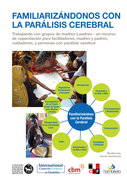
Trabajando con grupos de madres y padres – un recurso de capacitación para facilitadores, madres y padres, cuidadores, y personas con parálisis cerebral
Living Conditions Among Persons with Disability Survey Report

Access to Services and Barriers faced by People with Disabilities: A Quantitative Survey
Nathan Grills, Lawrence Singh, Hira Pant, Jubin Varghese, GVS Murthy, Monsurul Hoq, Manjula Marella
Disability, CBR & Inclusive Development Journal (DCIDJ)
(2017)
CC
In low- and middle-income middle-income countries, reliable and disaggregated disability data on prevalence, participation and barriers are often unavailable. This study aimed to estimate disability prevalence, determine associated socio-demographic factors and compare access in the community betwee
...
n people with and without disability in Dehradun district of Uttarakhand, India, using the Rapid Assessment of Disability survey.
more
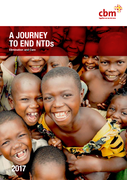
LEAVING NO-ONE BEHIND | “A Journey to End NTDs – Elimination and Care” records what we have achieved over the last year and where we are now. It presents our plan of action for the coming years, bringing our ‘traditional’ NTD work together with ‘Disease Management Disability and Inclusio
...
n’ (DMDI), Community Based Inclusive Development (CBID) and Livelihoods. We care for those affected and we’re working to enhance community and government ownership through national
health system strengthening, community engagement and cross-sectoral action. Ultimately, we are working to free future generations from these menacing diseases, improving prevention and treatment, without forgetting those for whom prevention and treatment are too late because they already have a disability.
more

Effect of Music Intervention on the Behaviour Disorders of Children with Intellectual Disability using Strategies from Applied Behaviour Analysis
Ritu Kalgotra, Jaspal Singh Warwal
Disability, CBR & Inclusive Development Journal (DCIDJ)
(2017)
CC
The effect of music intervention on mild and moderate Intellectually
disabled children was studied in non-randomized pre-test post-test control
group design at an Indian state (Jammu) J&K
