Filter
1568
Text search:
Noncommunicable
Diseases
Featured
131
367
Language
Document type
683
424
172
97
74
39
20
19
10
8
8
5
4
3
Countries
180
47
45
42
37
29
26
26
25
23
23
20
19
19
19
19
17
16
16
15
15
14
14
14
13
13
13
12
11
11
10
10
10
8
8
8
7
6
6
5
5
5
5
4
4
4
4
4
4
4
4
4
3
3
3
3
3
3
3
3
3
3
3
3
3
2
2
2
2
2
2
2
2
2
2
2
2
2
1
1
1
1
1
1
1
1
1
1
1
1
1
1
1
1
1
1
1
1
1
1
1
1
1
1
1
1
1
1
1
1
Authors & Publishers
Publication Years
Category
545
293
155
70
37
25
11
1
Toolboxes
247
162
111
87
63
62
49
47
40
37
19
18
14
13
11
10
10
4
4
3
2
2
1
Regional Action Plan for HIV in South-East Asia (2017-2021)
UNAIDS 2016, Reference
HIV care and support taking into account the 2016 WHO consolidated guidelines
This publication’s primary purpose is to provide a compilation of actions to address malnutrition in all its forms, in a concise and user-friendly format to help in decision-making processes for integration of nutrition interventions in national health policies, strategies, and plans based on coun
...
Meeting report, 25-26 September 2017 Copenhagen, Denmark
The Urban Health Equity Assessment and Response Tool (Urban HEART) is a user-friendly guide for policy- and decision-makers at national and local levels to: identify and analyse inequities in health between people living in various parts of cities, or belonging to different socioeconomic groups with
...
Stronger collaboration, better health: global action plan for healthy lives and well-being for all
recommended
The overall objective of the Global Action Plan is to enhance collaboration among 12 global organizations engaged in health, development and humanitarian responses to accelerate country progress on the health-related SDG targets. The Plan presents a new approach to strengthening collaboration among
...
Countries must invest at least 1% more of GDP on primary health care to eliminate glaring coverage gaps
At current rates of progress up to 5 billion people will miss out on health care in 2030
Countries must increase spending on primary healthcare by at least 1% of their gross domestic product (
...
he WHO Guidelines on Integrated Care for Older People (ICOPE) propose evidence-based recommendations for health care professionals to prevent, slow or reverse declines in the physical and mental capacities of older people. These recommendations require countries to place the needs and preferences of
...
Specifically the Strategy focuses on five strategic objectives:
commitment to action on Healthy Ageing in every country;
developing age-friendly environments;
aligning health systems to the needs of older populations;
developing sustainable and equitable systems for providing lon
...
National Statistical Committee of the Kyrgyz Republic Bishkek, Kyrgyz Republic
Ministry of Health Bishkek, Kyrgyz Republic
MEASURE DHS
ICF International Calverton, Maryland, U.S.A.
A systematic review informing a radical transformation of health workforce development
The aim of the people-centred framework is to help countries to develop fully prioritized and budgeted NSPs based on a culture of making full use of the available data, which are aligned with national planning cycles and which provide the basis for a robust national response that can accelerate prog
...
Guidelines
June 2017
HIV strategic information for impact
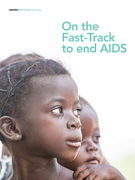
UNAIDS | 2016–2021 Strategy
Accessed: 20.11.2019
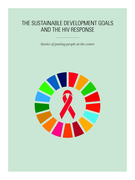
Stories of putting people at the centre
Accessed: 20.11.2019
Washington, D.C., USA, 23-27 September 2018
Provisional Agenda Item 4.6
CD56/10, Rev. 1 31 August 2018
Original: Spanish