
Filter
1989
Text search:
motivation
Featured
138
588
Language
1625
275
76
36
33
24
15
13
9
6
5
5
5
4
4
4
4
4
4
4
4
3
3
3
3
2
2
2
2
2
2
2
2
2
2
2
2
1
1
1
1
1
1
1
1
1
1
1
1
1
1
1
Document type
1290
299
154
113
48
42
21
10
7
3
1
1
Countries
83
58
57
57
45
44
44
39
39
38
38
36
35
32
31
31
30
28
28
27
27
27
23
22
21
19
19
18
18
16
14
14
14
13
12
11
11
11
10
9
8
8
8
8
7
7
6
6
5
5
5
4
4
4
3
3
3
3
3
3
3
3
3
3
3
3
2
2
2
2
2
2
2
2
2
2
2
1
1
1
1
1
1
1
1
1
1
1
1
1
1
1
1
1
1
1
1
1
1
1
1
1
1
1
1
1
1
1
1
1
1
1
1
Authors & Publishers
156
87
78
54
46
43
40
37
36
23
13
12
12
11
11
10
10
9
9
9
9
8
8
8
8
7
7
7
7
7
7
7
7
7
6
6
6
6
6
6
5
5
5
5
5
5
5
5
5
5
5
5
5
4
4
4
4
4
4
4
4
4
4
4
4
4
4
4
4
4
4
4
4
4
4
4
4
4
4
3
3
3
3
3
3
3
3
3
3
3
3
3
3
3
3
3
3
3
3
3
3
3
3
3
3
3
3
3
3
3
3
3
3
3
3
3
3
3
3
3
3
3
3
3
3
3
3
3
3
3
3
3
3
2
2
2
2
2
2
2
2
2
2
2
2
2
2
2
2
2
2
2
2
2
2
2
2
2
2
2
2
2
2
2
2
2
2
2
2
2
2
2
2
2
2
2
2
2
2
2
2
2
2
2
2
2
2
2
2
2
2
2
2
2
2
2
2
2
2
2
2
2
2
2
2
2
2
2
2
2
2
2
2
2
2
2
2
2
2
2
2
2
2
2
2
2
2
2
2
2
2
2
2
2
2
2
2
2
2
2
2
2
2
2
2
2
2
2
2
2
2
2
2
2
2
2
2
2
2
2
2
2
2
2
2
2
2
2
2
2
2
2
2
2
2
2
2
2
1
1
1
1
1
1
1
1
1
1
1
1
1
1
1
1
1
1
1
1
1
1
1
1
1
1
1
1
1
1
1
1
1
1
1
1
1
1
1
1
1
1
1
1
1
1
1
1
1
1
1
1
1
1
1
1
1
1
1
1
1
1
1
1
1
1
1
1
1
1
1
1
1
1
1
1
1
1
1
1
1
1
1
1
1
1
1
1
1
1
1
1
1
1
1
1
1
1
1
1
1
1
1
1
1
1
1
1
1
1
1
1
1
1
1
1
1
1
1
1
1
1
1
1
1
1
1
1
1
1
1
1
1
1
1
1
1
1
1
1
1
1
1
1
1
1
1
1
1
1
1
1
1
1
1
1
1
1
1
1
1
1
1
1
1
1
1
1
1
1
1
1
1
1
1
1
1
1
1
1
1
1
1
1
1
1
1
1
1
1
1
1
1
1
1
1
1
1
1
1
1
1
1
1
1
1
1
1
1
1
1
1
1
1
1
1
1
1
1
1
1
1
1
1
1
1
1
1
1
1
1
1
1
1
1
1
1
1
1
1
1
1
1
1
1
1
1
1
1
1
1
1
1
1
1
1
1
1
1
1
1
1
1
1
1
1
1
1
1
1
1
1
1
1
1
1
1
1
1
1
1
1
1
1
1
1
1
1
1
1
1
1
1
1
1
1
1
1
1
1
1
1
1
1
1
1
1
1
1
1
1
1
1
1
1
1
1
1
1
1
1
1
1
1
1
1
1
1
1
1
1
1
1
1
1
1
1
1
1
1
1
1
1
1
1
1
1
1
1
1
1
1
1
1
1
1
1
1
1
1
1
1
1
1
1
1
1
1
1
1
1
1
1
1
1
1
1
1
1
1
1
1
1
1
1
1
1
1
1
1
1
1
1
1
1
1
1
1
1
1
1
1
1
1
1
1
1
1
1
1
1
1
1
1
1
1
1
1
1
1
1
1
1
1
1
1
1
1
1
1
1
1
1
1
1
1
1
1
1
1
1
1
1
1
1
1
1
1
1
1
1
1
1
1
1
1
1
1
1
1
1
1
1
1
1
1
1
1
1
1
1
1
1
1
1
1
1
1
1
1
1
1
1
1
1
1
1
1
1
1
1
1
1
1
1
1
1
1
1
1
1
1
1
1
1
1
1
1
1
1
1
1
1
1
1
1
1
1
1
1
1
1
1
1
1
1
1
1
1
1
1
1
1
1
1
1
1
1
1
1
1
1
1
1
1
1
1
1
1
1
1
1
1
1
1
1
1
1
1
1
1
1
1
1
1
1
1
1
1
1
1
1
1
1
1
1
1
1
1
1
1
1
1
1
1
1
1
1
1
1
1
1
1
1
1
1
1
1
1
1
1
1
1
1
1
1
1
1
1
1
1
1
1
1
1
1
1
1
1
1
1
1
1
1
1
1
1
1
1
1
1
1
1
1
1
1
1
1
1
1
1
1
1
1
1
1
1
1
1
1
1
1
1
1
1
1
1
1
1
1
1
1
1
1
1
1
1
1
1
1
1
1
1
1
1
1
1
1
1
1
1
1
1
1
1
1
1
1
1
1
1
1
1
1
1
1
1
1
1
1
1
1
1
1
1
1
1
1
1
1
1
1
1
1
1
1
1
1
1
1
1
1
1
1
1
1
1
1
1
1
1
1
1
1
1
1
1
1
1
1
1
1
1
1
1
1
1
1
1
1
1
1
1
1
1
1
1
1
1
1
1
1
1
1
1
1
1
1
1
1
1
1
1
1
1
1
1
1
1
1
1
1
1
1
1
1
1
1
1
1
1
1
1
1
1
1
1
1
1
1
1
1
1
1
1
1
1
1
1
1
1
1
1
1
1
1
1
1
1
1
1
1
1
1
1
1
1
1
1
1
1
1
1
1
1
1
1
1
1
1
1
1
1
1
1
1
1
1
1
1
1
1
1
1
1
1
1
1
1
1
1
1
1
1
1
1
1
1
1
1
1
1
1
1
1
1
1
1
1
1
1
1
1
1
1
1
1
1
1
1
1
1
1
1
1
1
1
1
1
1
1
1
1
1
1
1
1
1
1
1
1
1
1
1
1
1
1
1
1
1
1
1
1
1
1
1
1
1
1
1
1
1
1
1
1
1
1
1
1
1
1
1
1
1
1
1
1
1
1
1
1
1
1
1
1
1
1
1
1
1
1
1
1
1
1
1
1
1
1
1
1
1
1
1
1
1
1
1
1
1
1
1
1
1
1
1
1
1
1
1
1
1
1
1
1
1
1
1
1
1
1
1
1
1
1
1
1
1
1
1
1
1
1
1
1
1
1
1
1
1
1
1
1
1
1
1
1
1
1
1
1
1
1
1
1
1
1
1
1
1
1
1
1
1
1
1
1
1
1
1
1
1
1
1
1
1
1
1
1
1
1
1
1
1
1
1
1
1
1
1
1
1
1
1
1
1
1
1
1
1
1
1
1
1
1
1
1
1
1
1
1
1
1
1
1
1
1
1
1
1
1
1
1
1
1
1
1
1
1
1
1
1
1
1
1
1
1
1
1
1
1
1
1
1
1
1
1
1
1
1
1
1
1
1
1
1
1
1
1
1
1
1
1
1
1
1
1
1
1
1
1
1
1
1
1
1
1
1
1
1
1
1
1
1
1
1
1
1
1
1
1
1
1
1
1
1
1
1
1
1
1
1
1
1
1
1
1
1
1
1
1
1
1
1
1
1
1
1
1
1
1
1
1
1
1
1
1
1
1
1
1
1
1
1
1
1
1
1
1
1
1
1
1
1
1
1
1
1
1
1
1
1
1
1
1
1
1
1
1
1
1
1
1
1
1
1
1
1
1
1
1
1
1
1
1
1
1
1
1
1
1
1
1
1
1
1
1
1
1
1
1
1
1
1
1
1
1
1
1
1
1
1
1
1
1
1
1
1
1
1
1
1
1
1
1
1
1
1
1
1
1
1
1
1
1
1
1
1
1
1
1
1
1
1
1
1
1
1
1
1
1
1
1
1
1
1
1
1
1
1
1
1
1
1
1
1
1
1
1
1
1
1
1
1
1
1
1
1
1
1
1
1
1
1
1
1
1
1
1
1
1
1
1
1
1
1
1
1
1
1
1
1
1
1
1
1
1
1
1
1
1
1
1
1
1
1
1
1
1
1
1
1
1
1
1
1
1
1
1
1
1
1
1
1
1
1
1
1
1
1
1
1
1
1
1
1
1
1
1
1
1
1
1
1
1
1
1
1
1
1
1
1
1
1
1
1
1
1
1
1
1
1
1
1
1
1
1
1
1
1
1
1
1
1
1
1
1
1
1
1
1
1
1
1
1
1
1
1
1
1
1
1
1
1
1
1
1
1
1
1
1
1
1
1
1
1
1
1
1
1
1
1
1
1
1
1
1
1
1
1
1
1
1
1
1
1
1
1
1
1
1
1
1
1
1
1
1
1
1
1
1
1
1
1
1
1
1
1
1
1
1
1
1
1
1
1
1
1
1
1
1
1
1
1
1
1
1
1
1
1
1
1
1
1
1
1
1
1
1
1
1
1
1
1
1
1
1
1
1
1
1
1
1
1
1
1
1
1
1
1
1
1
1
1
1
1
1
1
1
1
1
1
1
1
1
1
1
1
1
1
1
1
1
1
1
1
1
1
1
1
1
1
1
1
1
1
1
1
1
1
1
1
1
1
1
1
1
1
1
1
1
1
1
1
1
1
1
1
1
1
1
1
1
1
1
1
1
1
1
1
1
1
1
1
1
1
1
1
1
1
1
1
1
1
1
1
1
1
1
1
1
1
1
1
1
1
1
1
1
1
1
1
1
1
1
1
1
1
1
1
1
1
1
1
1
1
1
1
1
1
1
1
1
1
1
1
1
1
1
1
1
1
1
1
1
1
1
1
1
1
1
1
1
1
1
1
1
1
1
1
1
1
1
1
1
1
1
1
1
1
1
1
1
1
1
1
1
1
1
1
1
1
1
1
1
1
1
1
1
1
1
1
1
1
1
1
1
1
1
1
1
1
1
1
1
1
1
1
1
1
1
1
1
1
1
1
1
1
1
1
1
1
1
1
1
1
1
1
1
1
1
1
1
1
1
1
1
1
1
1
1
1
1
1
1
1
1
1
1
1
1
1
1
1
1
1
1
1
1
1
1
1
1
1
1
1
1
1
1
1
1
Publication Years
1
329
1423
229
7
Category
822
148
101
84
69
68
9
3
1
Toolboxes
234
114
100
92
80
71
62
43
43
39
37
35
34
26
22
21
17
14
14
10
6
5
4
Global Happiness Policy Report 2018
Sachs, J. D.; Dr. Bin Bishr, A; De Neve. J.-E.; et al.
World Government Summit, Sustainable Development Solutions Network
(2018)
C2
Global Happiness Council
Perspektivwechsel, Incoming-Freiwilligendienste
Arbeitskreis »Lernen und Helfen in Übersee« e.V.
(2016)
C2
Das »Incoming« von ausländischen Freiwilligen nach Deutschland ist entwicklungspolitisch absolut sinnvoll und von hoher Priorität, da es jungen Menschen aus dem globalen Süden die Möglichkeit gibt, zeitlich befristet an dem seit 50 Jahren eingespielten Lern- und Orientie-rungsangebot der Zivil
...
gesellschaft in Deutschland teilzunehmen. Die IncomerInnen selbst und nach ihrer Rückkehr auch ihre Heimatgesellschaften profitieren von der Persönlichkeitsentwicklung, von den Erfahrungen in einer gemeinwohlorientierten Tätigkeit und von den – vor allem in den Seminaren aufbereiteten – Eindrücken eines Lebens in einem sozialen und freiheitlichen Rechtsstaat.
more
Zurück für die Zukunft - Ein Handbuch für zurückgekehrte Freiwillige
finep, forum für internationale entwicklung + planung
(2013)
C2
Im Ausland zu leben und zu arbeiten, ist eine Gelegenheit, eine vollkommen andere Lebens-weise kennenzulernen. Als zurückgekehrte/-r Freiwillige/-r der Entwicklungszusammenarbeit kannst du diesen Erfahrungsschatz nutzen, um zu Hause bei anderen Menschen ein Bewusstsein für globale Themen zu schaff
...
en. Durch die Mit-arbeit an einem Projekt während deines Freiwilli-gendienstes hast du eine praktische Sichtweise auf die Auswirkungen und Ursachen von Armut und sozialer Ungerechtigkeit gewonnen, die viele andere nicht haben. Das macht dich als Vermitt-lerIn zwischen dem globalen Süden und Norden glaubwürdig und als BerichterstatterIn authen-tisch. Worin entwicklungspolitisches Engagement von Deutschland aus bestehen kann, dazu möchte dieses Handbuch Anregungen geben.
more
Mit kolonialen Grüßen...Berichte und Erzählungen von Auslandsaufenthalten rassismuskritisch betrachtet
glokal e.V.
(2013)
CC
Diese Broschüre bietet einen Einstieg für Men-schen, die sich Gedanken darüber machen wollen, inwiefern ihre Wahrnehmungen und Berichte über den Globalen Süden in rassistische und koloniale Strukturen verwickelt sind. Sie führt in zentrale Themen wie Kolonialismus und Rassi
...
smus sowie in die Wirkungsmacht von Bildern und Sprache ein. Darüber hinaus werden einige der üblicherweise in Berichten auftauchenden Erzählmuster aufge-zeigt und analysiert. Leitfragen und Anregungen ermöglichen es den Leser_innen, eigene Vorstel-lungen, Sprechweisen und Bilder selbstkritisch unter die Lupe zu nehmen und davon ausgehend alternative Handlungsoptionen zu entwickeln.
more

The global burden of disease due to mental disorders continues to rise, especially in low- and middle-income countries (LMIC). In addition to causing a large proportion of morbidity, mental disorders – especially severe mental disorders (SMD) – are linked with poorer health outcomes and increase
...
d mortality. SMD are defined as a group of conditions that include moderate to severe depression, bipolar disorder, and schizophrenia and other psychotic disorders. People with SMD have a two to three times higher average mortality compared to the general population, which translates to a 10-20 year reduction in life expectancy. While people with SMD do have higher rates of death due to unnatural causes (accidents, homicide, or suicide) than the general population, the
majority of deaths amongst people with SMD are attributable to physical health conditions, both
non-communicable and communicable.
more
This handbook and teaching guide on recovery has been designed to complement the QualityRights training module on Promoting Recovery in Mental Health and Related Services. The handbook and teaching guide covers much of the same material, but also contains additional text and exercises. It can be giv
...
en to participants at the end of the training sessions so that they are able to review the concepts and material learned during the training.
Alternatively, it can be used independently as a standalone document to deliver training on recovery over 4-5 training days. The handbook/ teaching guide does not rely on PowerPoint presentations to deliver the training. Instead all participants should have a copy of the handbook/ teaching guide and work through the text and exercises either in plenary or in groups based on the discretion of the facilitator for the training.
more
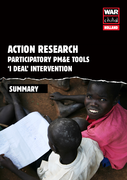
This case description elaborates on the pilot implementation of the innovative, participatory PM&E tools of War Child Holland’s psychosocial life skills intervention ‘ I DEAL’. The action research aimed to identify ways that work best for I DEAL facilitators to learn and act on basis of their
...
PM&E.
more
This article identifies the three core defining characteristics of healing environments for children and young people who have been exposed to chronic adversity and trauma. A large body of evidence highlights the pervasive and devastating developmental impacts of such exposure but there is also emer
...
ging evidence about the elements of living and learning environments that foster recovery and resilience. The Three Pillars framework has been developed to inform and empower those who live with or work with these young people but who are not necessarily engaged in formal therapy.
more
La promotion de la santé et la prévention des maladies nécessitent une action multisectorielle qui renforce les environnements favorables à la santé et oriente les comportements. Au niveau des cantons et des communes, de nombreuses politiques, telles
la protection de la jeunesse, la promotion
...
de la santé à l’école, la promotion de la santé et de la sécurité au travail, l’action sociale, le soutien au logement, la promotion de l’intégration, l’aménagement du territoire, la gestion de la mobilité ou la protection
de l’environnement sont des leviers très efficaces pour améliorer l’état de santé de la population.
L’argumentaire «Promouvoir la santé et prévenir les maladies» a pour objectif d’expliquer les enjeux et
d’inciter les personnes actives dans ces divers domaines à intégrer la promotion de la santé dans leurs activités et projets. Cela exige de leur mettre à disposition des informations actuelles et facilement compréhensibles
more
Global Health Education Competencies Tool-Kit
Astle. B.; C.A.Faerron-Guzman; A. Landry, et al.
Consortium for Universities for Global Health
(2018)
CC
2nd edition.
The tool kit provides learning objects and curricular content to support the competencies for those proficiency/trainee levels

A Guidebook for Medical and Professional Schools, Second Edition.
This book represents a significant step to engage health professions schools in addressing global health challenges
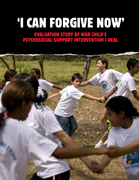
Despite growing evidence on the impact of psychosocial support interventions, there is an urgent need for a stronger evidence base on approaches that effectively support children affected by armed conflict. To contribute to this evidence base, and building on a pilot study conducted in Uganda in 200
...
9, War Child conducted an exploratory outcome evaluation of its psychosocial support intervention ‘I DEAL’ in South Sudan and Colombia in 2012. The objective of the evaluation was to explore the outcomes that I DEAL achieves for children and the factors that influence the achievement of those outcomes to further inform and strengthen the intervention
more
Version 1.7 Updated October 14, 2010 | Preschool PTSD Treatment (PPT) is a theory-driven, manualized protocol based on cognitive-behavioral therapy (CBT) with modifications for young children. Some of these modifications involve parent-child relationship dynamics that are salient for this age grou
...
p.
more

Psychosoziale Arbeit und psychosoziale Ansätze haben in den letzten 10 Jahren in der internationalen Zusammenarbeit (IZ) immer stärkere Verbreitung gefunden. Es gibt heute kein Krisen- und Konfliktgebiet mehr, wo nicht auch über Trauma und über die emotionale Verfasstheit der Opfer gesprochen wi
...
rd. Gerade im Zusammenhang mit der Anerkennung der Notwendigkeit genderbewusste Konflikttransformationsprozesse in der Projektarbeit zu unterstützen, sind psychosoziale Konzepte und Methoden immer wichtiger geworden. Dennoch ist bei vielen MitarbeiterInnen der IZ nach wie vor wenig bekannt, was mit psychosozial eigentlich gemeint ist. Während die Literatur über Trauma umfangreich, aber unübersichtlich und widersprüchlich ist, fehlt es nach wie vor an knappen und auf die IZ bezogenen Einführungen in die psychosoziale Thematik.
Die Arbeitshilfe kann über die Webseite http://www.deza.admin.ch/de/Home/Themen/Konfliktprävention_Transformati... in englischer, spanischer, französischer und russischer Sprache heruntergeladen werden. Die Arbeitshilfe kann in deutscher Sprache über den unten angegebenen link heruntergeladen werden.
more
Disorders due to substance use - mhGAP Training of Health-care Providers Training manual Supporting material
World Health Organization
(2019)
C_WHO
Accessed: 21.03.2019
Mental Health and Psychosocial Support (MHPSS) in the context of the crises in Syria and Iraq
Sigmund Freud Privatuniversität; BAff; Charité; et al.
Deutsche Gesellschaft für Internationale Zusammenarbeit (GIZ) GmbH
(2017)
C2
Guiding framework for development cooperation, Working paper 2017.
This document was drawn up on the basis of expert publications and inputs from partners in the
GIZ regional programme Psychosocial Support for Syrian and Iraqi Refugees and Internally
Displaced People1 in order to serve as guidanc
...
e in the design, implementation and assessment of
psychosocial support measures for refugees in the context of the crises in Syria and Iraq. It is
aimed at actors from the MHPSS sector working with refugees in the Middle East and at ministries
and academic/scientific institutions in the context of the Syria and Iraq crises.
more
