
Filter
1644
Text search:
family
adaptation
Featured
168
438
Language
Document type
931
287
178
115
64
43
7
7
6
2
1
1
Countries
67
61
47
33
31
30
28
27
26
24
24
22
22
22
22
19
19
19
18
17
14
14
13
12
11
11
11
10
10
8
8
8
7
7
7
7
6
6
6
6
6
6
6
6
6
6
5
5
5
5
4
3
3
3
3
3
3
3
3
3
3
3
3
3
3
2
2
2
2
2
2
2
2
2
2
2
2
2
2
2
2
2
1
1
1
1
1
1
1
1
1
1
1
1
1
1
1
1
1
1
1
1
1
1
1
1
1
1
1
1
Authors & Publishers
Publication Years
Category
483
154
146
126
74
43
5
4
Toolboxes
207
126
122
101
100
63
61
53
42
36
35
34
30
28
26
18
11
8
8
6
6
5
3
2
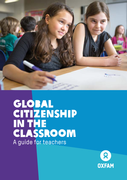
A practical and reflective guide for teachers .
This guide is packed with practical tools and advice for teachers wanting to embed global citizenship in their classrooms. Learn how to effectively bring a global lens into your teaching with our handy planning framework, participation methods, and to
...
Report of the Global Thematic Consultation on Population Dynamics
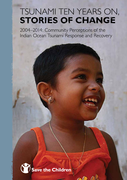
The objective of this study is to analyze the strengths, weaknesses, sustainability, and impact of the tsunami response in Sri Lanka and Indonesia 10 years later. A cross cutting theme of this study is the assessment of whether communities are now better prepared to respond to and cope with disaster
...
This compendium collates current tools and resources on quality improvement developed by the WHO Service Delivery and Safety Department and provides examples of how the tools and resources have been applied in country settings. The target audience for this document are ministries of health, facility
...
Int J Health Geogr. 2002; 1: 5.
Published online 2002 Dec 20. doi: 10.1186/1476-072X-1-5
PMCID: PMC149400
PMID: 12537588
This new guideline on non-clinical interventions to reduce unnecessary caesarean sections incorporates the views, fears and beliefs of both women and health professionals about caesarean sections. It also considers the complex dynamics and limitations of health systems and organizations and relation
...
Alcohol contributes significantly to the disease and mortality burden in the WHO European Region, and primary health care systems play an important role in reducing the impact of harmful alcohol use. Screening and brief interventions (SBIs) for alcohol are an evidence-informed approach to addressing
...
The adoption and the entry into force of the Convention on the Rights of Persons with Disabilities and its Optional Protocol challenge such attitudes and mark a profound shift in existing approaches towards disability.
EMCDDA Insights - 11
Accessed: 14.03.2019
Petersen et al. Int J Ment Health Syst (2016) 10:30 DOI 10.1186/s13033-016-0060-z
New criteria for classifying and diagnosing hyperglycaemia first detected during pregnancy have been accepted by a group of experts convened by WHO. These new criteria are an update of recommendations published by WHO in 1999
mhGAP is based on evidence-based technical guidelines (4) and provides a set of tools and
training packages to extend service provision. The mhGAP Intervention Guide (mhGAP-IG)
for MNS disorders in non-specialized health settings (8) is a clinical decision-making tool
for assessing and managing p
...
Assessment of the quality of institutional care for adults with psychosocial and intellectual disabilities in the WHO European Region.
The specific objectives of the project were to address gaps in knowledge about the number and characteristics of such long-term institutions and to identify deficie
...
Manual for use in primary care.
There is substantial evidence for the benefits of screening and brief intervention in primary health care for alcohol problems. However, there is a need for screening and brief interventions with cross-cultural relevance for substances other than alcohol or tobacco,
...
WHO mhGAP Guideline update
recommended
Update of the Mental Health Gap Action Programme
(mhGAP) Guideline for Mental, Neurological and Substance use Disorders May 2015
Advocacy ,Social Mobilization ,Behavior Change Communications
This publication seeks to describe the best treatments and practices based on the scientific evidence available at the time of writing as evaluated by the authors and may change as a result of new research. Readers need to apply this knowledge to patients in accordance with the guidelines and laws o
...
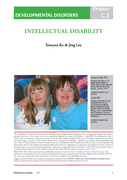
This publication seeks to describe the best treatments and practices based on the scientific evidence available at the time of writing as evaluated by the authors and may change as a result of new research. Readers need to apply this knowledge to patients in accordance with the guidelines and laws o
...
