
Filter
3328
Text search:
World
Health
Organization
WHO,
Unicef
Featured
355
1008
Language
3053
131
104
75
60
44
27
16
11
7
6
5
4
4
4
4
4
4
3
3
3
3
2
2
2
2
2
2
2
2
2
2
2
2
2
2
2
2
2
2
2
1
1
1
1
1
1
1
1
1
1
1
1
1
1
1
1
1
1
1
1
1
1
1
1
1
1
1
1
1
1
1
1
1
1
1
1
1
1
1
1
1
1
1
1
1
1
1
1
1
1
1
1
1
1
1
1
1
Document type
1929
483
394
148
123
98
71
51
12
7
6
5
1
Countries / Regions
129
108
107
88
86
83
78
75
74
65
60
59
57
51
48
46
44
44
44
40
37
36
33
32
30
30
28
28
27
27
26
26
24
24
23
23
23
22
22
18
18
18
18
17
17
16
15
14
14
14
14
13
13
12
11
9
9
9
9
9
8
8
7
7
7
6
6
6
6
6
6
6
5
5
5
5
5
5
5
5
4
4
4
4
4
4
3
3
3
3
3
3
2
2
2
2
2
2
2
2
2
2
2
2
2
2
2
2
2
1
1
1
1
1
1
1
1
1
1
1
1
1
1
1
1
1
1
1
1
1
1
Authors & Publishers
570
279
187
163
129
92
77
75
70
55
29
25
21
19
19
19
16
16
16
15
14
14
14
14
14
13
13
12
12
12
12
12
11
11
11
10
10
10
10
10
9
9
9
9
9
9
8
8
8
8
8
8
8
7
7
7
7
7
7
7
7
7
7
7
7
6
6
6
6
6
6
6
6
6
6
6
6
6
5
5
5
5
5
5
5
5
5
5
5
5
5
5
5
5
5
5
5
5
5
4
4
4
4
4
4
4
4
4
4
4
4
4
4
4
4
4
4
4
4
4
4
4
4
4
4
4
4
4
4
4
4
4
3
3
3
3
3
3
3
3
3
3
3
3
3
3
3
3
3
3
3
3
3
3
3
3
3
3
3
3
3
3
3
3
3
3
3
3
3
3
3
3
3
3
3
3
3
3
3
3
3
3
3
3
3
3
3
3
3
3
3
3
3
3
3
3
3
3
2
2
2
2
2
2
2
2
2
2
2
2
2
2
2
2
2
2
2
2
2
2
2
2
2
2
2
2
2
2
2
2
2
2
2
2
2
2
2
2
2
2
2
2
2
2
2
2
2
2
2
2
2
2
2
2
2
2
2
2
2
2
2
2
2
2
2
2
2
2
2
2
2
2
2
2
2
2
2
2
2
2
2
2
2
2
2
2
2
2
2
2
2
2
2
2
2
2
2
2
2
2
2
2
2
2
2
2
2
2
2
2
2
2
2
2
2
2
2
2
2
2
2
2
2
2
2
2
2
2
2
2
2
2
2
2
2
2
2
2
2
2
2
2
2
2
2
2
2
2
2
2
2
2
2
2
2
2
2
2
2
2
2
2
2
2
2
2
2
2
2
2
2
2
2
2
2
2
2
2
2
2
2
2
2
2
2
2
2
2
2
2
2
2
2
2
2
2
2
2
2
1
1
1
1
1
1
1
1
1
1
1
1
1
1
1
1
1
1
1
1
1
1
1
1
1
1
1
1
1
1
1
1
1
1
1
1
1
1
1
1
1
1
1
1
1
1
1
1
1
1
1
1
1
1
1
1
1
1
1
1
1
1
1
1
1
1
1
1
1
1
1
1
1
1
1
1
1
1
1
1
1
1
1
1
1
1
1
1
1
1
1
1
1
1
1
1
1
1
1
1
1
1
1
1
1
1
1
1
1
1
1
1
1
1
1
1
1
1
1
1
1
1
1
1
1
1
1
1
1
1
1
1
1
1
1
1
1
1
1
1
1
1
1
1
1
1
1
1
1
1
1
1
1
1
1
1
1
1
1
1
1
1
1
1
1
1
1
1
1
1
1
1
1
1
1
1
1
1
1
1
1
1
1
1
1
1
1
1
1
1
1
1
1
1
1
1
1
1
1
1
1
1
1
1
1
1
1
1
1
1
1
1
1
1
1
1
1
1
1
1
1
1
1
1
1
1
1
1
1
1
1
1
1
1
1
1
1
1
1
1
1
1
1
1
1
1
1
1
1
1
1
1
1
1
1
1
1
1
1
1
1
1
1
1
1
1
1
1
1
1
1
1
1
1
1
1
1
1
1
1
1
1
1
1
1
1
1
1
1
1
1
1
1
1
1
1
1
1
1
1
1
1
1
1
1
1
1
1
1
1
1
1
1
1
1
1
1
1
1
1
1
1
1
1
1
1
1
1
1
1
1
1
1
1
1
1
1
1
1
1
1
1
1
1
1
1
1
1
1
1
1
1
1
1
1
1
1
1
1
1
1
1
1
1
1
1
1
1
1
1
1
1
1
1
1
1
1
1
1
1
1
1
1
1
1
1
1
1
1
1
1
1
1
1
1
1
1
1
1
1
1
1
1
1
1
1
1
1
1
1
1
1
1
1
1
1
1
1
1
1
1
1
1
1
1
1
1
1
1
1
1
1
1
1
1
1
1
1
1
1
1
1
1
1
1
1
1
1
1
1
1
1
1
1
1
1
1
1
1
1
1
1
1
1
1
1
1
1
1
1
1
1
1
1
1
1
1
1
1
1
1
1
1
1
1
1
1
1
1
1
1
1
1
1
1
1
1
1
1
1
1
1
1
1
1
1
1
1
1
1
1
1
1
1
1
1
1
1
1
1
1
1
1
1
1
1
1
1
1
1
1
1
1
1
1
1
1
1
1
1
1
1
1
1
1
1
1
1
1
1
1
1
1
1
1
1
1
1
1
1
1
1
1
1
1
1
1
1
1
1
1
1
1
1
1
1
1
1
1
1
1
1
1
1
1
1
1
1
1
1
1
1
1
1
1
1
1
1
1
1
1
1
1
1
1
1
1
1
1
1
1
1
1
1
1
1
1
1
1
1
1
1
1
1
1
1
1
1
1
1
1
1
1
1
1
1
1
1
1
1
1
1
1
1
1
1
1
1
1
1
1
1
1
1
1
1
1
1
1
1
1
1
1
1
1
1
1
1
1
1
1
1
1
1
1
1
1
1
1
1
1
1
1
1
1
1
1
1
1
1
1
1
1
1
1
1
1
1
1
1
1
1
1
1
1
1
1
1
1
1
1
1
1
1
1
1
1
1
1
1
1
1
1
1
1
1
1
1
1
1
1
1
1
1
1
1
1
1
1
1
1
1
1
1
1
1
1
1
1
1
1
1
1
1
1
1
1
1
1
1
1
1
1
1
1
1
1
1
1
1
1
1
1
1
1
1
1
1
1
1
1
1
1
1
1
1
1
1
1
1
1
1
1
1
1
1
1
1
1
1
1
1
1
1
1
1
1
1
1
1
1
1
1
1
1
1
1
1
1
1
1
1
1
1
1
1
1
1
1
1
1
1
1
1
1
1
1
1
1
1
1
1
1
1
1
1
1
1
1
1
1
1
1
1
1
1
1
1
1
1
1
1
1
1
1
1
1
1
1
1
1
1
1
1
1
1
1
1
1
1
1
1
1
1
1
1
1
1
1
1
1
1
1
1
1
1
1
1
1
1
1
1
1
1
1
1
1
1
1
1
1
1
1
1
1
1
1
1
1
1
1
1
1
1
1
1
1
1
1
1
1
1
1
1
1
1
1
1
1
1
1
1
1
1
1
1
1
1
1
1
1
1
1
1
1
1
1
1
1
1
1
1
1
1
1
1
1
1
1
1
1
1
1
1
1
1
1
1
1
1
1
1
1
1
1
1
1
1
1
1
1
1
1
1
1
1
1
1
1
1
1
1
1
1
1
1
1
1
1
1
1
1
1
1
1
1
1
1
1
1
1
1
1
1
1
1
1
1
1
1
1
1
1
1
1
1
1
1
1
1
1
1
1
1
1
1
1
1
1
1
1
1
1
1
1
1
1
1
1
1
1
1
1
1
1
1
1
1
1
1
1
1
1
1
1
1
1
1
1
1
1
1
1
1
1
1
1
1
1
1
1
1
1
1
1
1
1
1
1
1
1
1
1
1
1
1
1
1
1
1
1
1
1
1
1
1
1
1
1
1
1
1
1
1
1
1
1
1
1
1
1
1
1
1
1
1
1
1
1
1
1
1
1
1
1
1
1
1
1
1
1
1
1
1
1
1
1
1
1
1
1
1
1
1
1
1
1
1
1
1
1
1
1
1
1
1
1
1
1
1
1
1
1
1
1
1
1
1
1
1
1
1
1
1
1
1
1
1
1
1
1
1
1
1
1
1
1
1
1
1
1
1
1
1
1
1
1
1
1
1
1
1
1
1
1
1
1
1
1
1
1
1
1
1
1
1
1
1
1
1
1
1
1
1
1
1
1
1
1
1
1
1
1
1
1
1
1
1
1
1
1
1
1
1
1
1
1
1
1
1
1
1
1
1
1
1
1
1
1
1
1
1
1
1
1
1
1
1
1
1
1
1
1
1
1
1
1
1
1
1
1
1
1
1
1
1
1
1
1
1
1
1
1
1
1
1
1
1
1
1
1
1
1
1
1
1
1
1
1
1
1
1
1
1
1
1
1
1
1
1
1
1
1
1
1
1
1
1
1
1
1
1
1
1
1
1
1
1
1
1
1
1
1
1
1
1
1
1
1
1
1
1
1
1
1
1
1
1
1
1
1
1
1
1
1
1
1
1
1
1
1
1
1
1
1
1
1
1
1
1
1
1
1
1
1
1
1
1
1
1
1
1
1
1
1
1
1
1
1
1
1
1
1
1
1
1
1
1
1
1
1
1
1
1
1
1
1
1
1
1
1
1
1
1
1
1
1
1
1
1
1
1
1
1
1
1
1
1
1
1
1
1
1
1
1
1
1
1
1
1
1
1
1
1
1
1
1
1
1
1
1
1
1
1
1
1
1
1
1
1
1
1
1
1
1
1
1
1
1
1
1
1
1
1
1
1
1
1
1
1
1
1
1
1
1
1
1
1
1
1
1
1
1
1
1
1
1
1
1
1
1
1
1
1
1
1
1
1
1
1
1
1
1
1
1
1
1
1
1
1
1
1
1
1
1
1
1
1
1
1
1
1
1
1
1
1
1
1
1
1
1
1
1
1
1
1
1
1
1
1
1
1
1
1
1
1
1
1
1
1
1
1
1
1
1
1
1
1
1
1
1
1
1
1
1
1
1
1
1
1
1
1
1
1
1
1
1
1
1
1
1
1
1
1
1
1
1
1
1
1
1
1
1
1
1
1
1
1
1
1
1
1
1
1
1
1
1
1
1
1
1
1
1
1
1
1
1
1
1
1
1
1
1
1
1
1
1
1
1
1
1
1
1
1
1
1
1
1
1
1
1
1
1
1
1
1
1
1
1
1
1
1
1
1
1
1
1
1
1
1
1
1
1
1
1
1
1
1
1
1
1
1
1
1
1
1
1
1
1
1
1
1
1
1
1
1
1
1
1
1
1
1
1
1
1
1
1
1
1
1
1
1
1
1
1
1
1
1
1
1
1
1
1
1
1
1
1
1
1
1
1
1
1
1
1
1
1
1
1
1
1
1
1
1
1
1
1
1
1
1
1
1
1
1
1
1
1
1
1
1
1
1
1
1
1
1
1
1
1
1
1
1
1
1
1
1
1
1
1
1
1
1
1
1
1
1
1
1
1
1
1
1
1
1
1
1
1
1
1
1
1
1
1
1
1
1
1
1
1
1
1
1
1
1
1
1
1
1
1
1
1
1
1
1
1
1
1
1
1
1
1
1
1
1
1
1
1
1
1
1
1
1
1
1
1
1
1
1
1
1
1
1
1
1
1
1
1
1
1
1
1
1
1
1
1
1
1
1
1
1
1
1
1
1
1
1
1
1
1
1
1
1
1
1
1
1
1
1
1
1
1
1
1
1
1
1
1
1
1
1
1
1
1
1
1
1
1
1
1
1
1
1
1
1
1
1
1
1
1
1
1
1
1
1
1
1
1
1
1
1
1
1
1
1
1
1
1
1
1
1
1
1
1
1
1
1
1
1
1
1
1
1
1
1
1
1
1
1
1
1
1
1
1
1
1
1
1
1
1
1
1
1
1
1
1
1
1
1
1
1
1
1
1
1
1
1
1
1
1
1
1
1
1
1
1
1
1
1
1
1
1
1
1
1
1
1
1
1
1
1
1
1
1
1
1
1
1
1
1
1
1
1
1
1
1
1
1
1
1
1
1
1
1
1
1
1
1
1
1
Publication Years
1002
2022
293
11
Category
1331
358
215
183
134
69
23
3
Toolboxes
377
268
161
152
137
120
112
91
89
58
54
47
46
38
37
35
34
32
28
19
10
5
3
1
La vaccination est un service de santé essentiel qui protège les sujets sensibles contre les maladies à prévention vaccinale (MPV).2 La vaccination en temps voulu permet aux individus et aux communautés de rester protégés et diminue la probabilité d’une poussée épidémi
...
que de MPV.
more
Organisation mondiale de la Santé, Organisation des Nations Unies pour l’alimentation et l’agriculture & Organisation mondiale de la santé animale. (2021). Résistance aux antimicrobiens et plan-cadre de coopération des Nations Unies pour le développement durable : orientations pour le
...
s équipes de pays des Nations Unies. Organisation mondiale de la Santé.
more
dades infecciosas. Los antimicrobianos eficaces son imprescindibles para las medidas preventivas y curativas, para proteger a los pacientes frente a enfermedades potencialmente mortales y para garantizar que se puedan llevar a cabo procedimientos complejos, como la cirugía y la quimioterapia, con e
...
scasos riesgos. Sin embargo, el mal uso y el abuso sistemático de estos fármacos en la medicina y la producción de alimentos han puesto en riesgo a todas las naciones. Hay pocos productos de recambio en fase de investigación y desarrollo. Sin medidas armonizadas e inmediatas a escala mundial avanzamos hacia una era posantibiótica en la que infecciones comunes podrían volver a ser mortales.
more
Este libro de consulta tiene como objetivo detallar por qué la salud debe ser parte de los procesos de planificación urbana y territorial y cómo hacer que esto suceda. Reúne dos elementos vitales que necesitamos para construir ciudades habitables y un planeta habitable: 1) Procesos para guiar el
...
desarrollo de asentamientos humanos - en este documento denominado “planificación urbana y territorial”; y 2) Importancia de la salud humana, el bienestar y la equidad sanitaria en todos los niveles, desde el local al mundial, y desde la salud humana a la planetaria.
Este libro de consulta identifica una selección completa de recursos y herramientas existentes para apoyar la incorporación de la salud en la planeación urbana y territorial, incluidos marcos de promoción, puntos de entrada y orientación, así como herramientas y estudios de casos ilustrativos. No proporciona prescripciones para escenarios específicos; estos deben estar determinados por el contexto, las personas y los recursos disponibles.
more
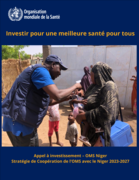
L'OMS est un partenaire de confiance du Gouvernement du Niger depuis 1960. En tant que conseiller principal du gouvernement en matière de santé publique et présente dans toutes les régions du pays, l'OMS apporte un soutien technique et financier de qualité et bien coordonné dans le cadre des S
...
tratégies de Coopération convenues entre l'OMS et le gouvernement du Niger en fonction des priorités définies dans les différents politiques et programmes nationaux. La contribution de l’OMS s’inscrit également dans le cadre du Plan-cadre de Coopération des Nations Unies avec le Niger et des ODD au niveau mondial.
more
Key findings of the 2018 edition
At the time of writing, the novel coronavirus pandemic had reached every region of the world, with millions of infections globally and untold disruptions to nearly every aspect of daily life.
A supplement to The State of the World’s Children Report 2009
Field Guide for Implementation of the Strategy and Plan of Action for Elimination of Mother-to-Child Transmission of HIV and Congenital Syphilis in the Americas
Pan American Health Organization; World Health Organization (Americas)
(2014)
C_WHO
Antiretroviral treatment in the spotlight: The HIV epidemic and continuum of care in children in Latin America and the Caribbean
L. Guillermo Castañeda; M. Alonso González; G. Ravasi; et al.
Pan American Health Organization; World Health Organization (Americas)
(2016)
C_WHO
HIV Continuum of Care Monitoring Framework
Pan American Health Organization; World Health Organization (Americas)
Pan American Health Organization; World Health Organization (Americas)
(2014)
C_WHO
2014
Addendum to meeting report: Regional consultation on HIV epidemiologic information in Latin America and the Caribbean
The Minimum Standards and Indicators for Community Engagement were developed through an inter‑agency consultation process that engaged a large number of experts from around the world. UNICEF wishe
...
s to acknowledge the contribution of all those that participated, and who share a passion for placing communities at the centre of development and humanitarian action. The consultation process consisted of a series of interviews, meetings and workshops over an 18‑month period. Representatives from countries in Africa, Asia, the Middle East, Europe and North America contributed input and feedback based on their experiences of designing, implementing and measuring community engagement approaches
more
“We must not forget that no matter where we are or how old we are, we can all work for life and take action.” Francisco Vera, 15, UNICEF Child Advocate
The Young Climate Activists toolkit was created by advocates of all ages
...
who, like you, are deeply concerned about our planet's future. Having faced numerous challenges in advocacy and action, our aim is to provide clear, concise and easily understandable information about global, regional and national climate action. This will equip you for meaningful and informed participation. The toolkit booklets are designed to be read sequentially to build a comprehensive understanding of each topic, though they can also be consulted independently based on your needs.
This is the global volume of the Young Climate Activists Toolkit and is designed to complement the regional toolkits for Latin America and the Caribbean, and the Middle East and North Africa Region.
more
The 2014-2015 outbreak of Ebola virus disease (EVD) in Liberia resulted in over 10,000 cases and 5,000 deaths. Recognizing the importance of addressing children’s trauma, the Ebola recovery and restoration trust fund (EERTF) funded the implementation of a Comfort for kids (C4K) program which encou
...
rages psychological healing, and promotes resilience in children who have experienced a crisis or disaster. The C4K program in Liberia was implemented between January 2015 and December 2016 in fifteen townships in Montserrado County through a collaboration between Mercy Corps Liberia, the World Bank’s Liberian health task team, and the government of Liberia. C4K primarily centers on the My Story workbook and associated classroom activities, which provide children with the opportunity to express their emotions about their experiences through drawing, writing, and facilitated discussion. C4K also provides capacity building for parents, teachers, and other caretakers on how to identify and more effectively respond to children’s trauma responses and to support their recovery
more
At least half of the world’s population does not have full coverage of essential health services. Health expenses push more than 100 million peop
...
le into extreme poverty each and every year, forcing them into terrible choices that no one should ever have to make: Buy medicine or food? Education or health care? These stark statistics make the case for universal health coverage compelling.
more
Cholera is an acute gastrointestinal infection caused by the bacterium Vibrio Cholerae serogroup O1 or O139, and is often linked to unsafe drinking water, lack of proper sanitation and personal hygiene. It adversely affects mostly the poor and vulnerable populations in countries, which are already d
...
eprived of proper health facilities and conducive environmental conditions. The disease spreads through oro-fecal transmission by the ingestion of contaminated food or water or by person-to-person contact. It has a short incubation period of 2 hours to 5 days and the number of affected cases can rapidly increase across large regions. Cholera is a significant threat to global public health leading to an estimated 3-5 million cases per year worldwide, with an annual toll of 100,000 deaths. The disease was first reported in 1817 from the Ganges Delta of India and since then the ongoing 7th pandemic has emerged from Indonesia, reached Africa in 1970 and Somalia happens to be one of the early affected countries. Over the past few decades,
Somalia has witnessed the occurrence of repeated AWD/Cholera disease outbreaks that have caused high morbidity and mortality across the country.
more
Menstruation is a natural fact of life and a monthly occurrence for 1.8 billion girls and women of reproductive age. Yet millions of menstruators across the world are denied the right to manage their monthly menstrual cycle in a dignified, healthy w
...
ay. Girls and women with disabilities face even greater challenges in managing their menstruation hygienically and with dignity, often facing a double stigma due to both social norms around gender and menstruation and having a disability. This tip sheet offers a framework for supporting menstrual health and hygiene (MHH) and practical entry points for meeting the needs of menstruators with disabilities.
more
Please download the other parts from the Webseite
