
Filter
2101
Text search:
Ministry
of
Health,
Public
Health
Division
Featured
126
726
Language
2033
49
24
17
14
9
7
6
5
5
4
3
3
3
3
2
2
2
2
2
2
1
1
1
1
1
1
1
1
1
1
1
1
1
1
1
1
1
1
Document type
1393
302
187
101
59
20
18
11
5
4
Countries
165
137
116
73
66
65
56
56
54
54
46
43
41
37
35
32
29
28
26
23
22
22
20
20
19
17
16
15
15
14
14
13
13
10
10
9
9
9
8
8
8
8
8
7
7
7
7
7
7
7
6
6
6
6
5
5
5
5
5
4
4
4
4
4
4
3
3
3
3
3
3
3
2
2
2
2
2
2
2
2
2
2
2
2
2
1
1
1
1
1
1
1
1
1
1
1
1
1
1
1
1
1
1
1
1
1
1
1
1
1
1
1
1
1
1
1
1
1
1
1
1
1
1
1
1
1
1
Authors & Publishers
208
94
84
60
58
53
43
31
30
28
26
23
20
19
15
15
13
13
12
11
11
11
11
11
10
10
9
9
9
8
8
8
7
7
7
7
7
7
7
7
6
6
6
6
6
5
5
5
5
5
5
5
5
5
5
5
5
5
5
4
4
4
4
4
4
4
4
4
4
4
4
4
4
4
4
4
4
4
4
4
4
4
4
4
4
4
4
3
3
3
3
3
3
3
3
3
3
3
3
3
3
3
3
3
3
3
3
3
3
3
3
3
3
3
3
3
3
3
3
3
3
3
3
3
3
3
3
3
3
3
3
2
2
2
2
2
2
2
2
2
2
2
2
2
2
2
2
2
2
2
2
2
2
2
2
2
2
2
2
2
2
2
2
2
2
2
2
2
2
2
2
2
2
2
2
2
2
2
2
2
2
2
2
2
2
2
2
2
2
2
2
2
2
2
2
2
2
2
2
2
2
2
2
2
2
2
2
2
2
2
2
2
2
2
2
2
2
2
2
2
2
2
2
2
2
2
2
2
2
2
2
2
2
2
2
2
2
2
2
2
2
2
2
2
2
2
2
2
2
2
2
2
2
2
2
2
2
2
2
2
2
2
2
2
2
2
2
2
2
2
2
2
2
2
2
2
2
2
2
2
1
1
1
1
1
1
1
1
1
1
1
1
1
1
1
1
1
1
1
1
1
1
1
1
1
1
1
1
1
1
1
1
1
1
1
1
1
1
1
1
1
1
1
1
1
1
1
1
1
1
1
1
1
1
1
1
1
1
1
1
1
1
1
1
1
1
1
1
1
1
1
1
1
1
1
1
1
1
1
1
1
1
1
1
1
1
1
1
1
1
1
1
1
1
1
1
1
1
1
1
1
1
1
1
1
1
1
1
1
1
1
1
1
1
1
1
1
1
1
1
1
1
1
1
1
1
1
1
1
1
1
1
1
1
1
1
1
1
1
1
1
1
1
1
1
1
1
1
1
1
1
1
1
1
1
1
1
1
1
1
1
1
1
1
1
1
1
1
1
1
1
1
1
1
1
1
1
1
1
1
1
1
1
1
1
1
1
1
1
1
1
1
1
1
1
1
1
1
1
1
1
1
1
1
1
1
1
1
1
1
1
1
1
1
1
1
1
1
1
1
1
1
1
1
1
1
1
1
1
1
1
1
1
1
1
1
1
1
1
1
1
1
1
1
1
1
1
1
1
1
1
1
1
1
1
1
1
1
1
1
1
1
1
1
1
1
1
1
1
1
1
1
1
1
1
1
1
1
1
1
1
1
1
1
1
1
1
1
1
1
1
1
1
1
1
1
1
1
1
1
1
1
1
1
1
1
1
1
1
1
1
1
1
1
1
1
1
1
1
1
1
1
1
1
1
1
1
1
1
1
1
1
1
1
1
1
1
1
1
1
1
1
1
1
1
1
1
1
1
1
1
1
1
1
1
1
1
1
1
1
1
1
1
1
1
1
1
1
1
1
1
1
1
1
1
1
1
1
1
1
1
1
1
1
1
1
1
1
1
1
1
1
1
1
1
1
1
1
1
1
1
1
1
1
1
1
1
1
1
1
1
1
1
1
1
1
1
1
1
1
1
1
1
1
1
1
1
1
1
1
1
1
1
1
1
1
1
1
1
1
1
1
1
1
1
1
1
1
1
1
1
1
1
1
1
1
1
1
1
1
1
1
1
1
1
1
1
1
1
1
1
1
1
1
1
1
1
1
1
1
1
1
1
1
1
1
1
1
1
1
1
1
1
1
1
1
1
1
1
1
1
1
1
1
1
1
1
1
1
1
1
1
1
1
1
1
1
1
1
1
1
1
1
1
1
1
1
1
1
1
1
1
1
1
1
1
1
1
1
1
1
1
1
1
1
1
1
1
1
1
1
1
1
1
1
1
1
1
1
1
1
1
1
1
1
1
1
1
1
1
1
1
1
1
1
1
1
1
1
1
1
1
1
1
1
1
1
1
1
1
1
1
1
1
1
1
1
1
1
1
1
1
1
1
1
1
1
1
1
1
1
1
1
1
1
1
1
1
1
1
1
1
1
1
1
1
1
1
1
1
1
1
1
1
1
1
1
1
1
1
1
1
1
1
1
1
1
1
1
1
1
1
1
1
1
1
1
1
1
1
1
1
1
1
1
1
1
1
1
1
1
1
1
1
1
1
1
1
1
1
1
1
1
1
1
1
1
1
1
1
1
1
1
1
1
1
1
1
1
1
1
1
1
1
1
1
1
1
1
1
1
1
1
1
1
1
1
1
1
1
1
1
1
1
1
1
1
1
1
1
1
1
1
1
1
1
1
1
1
1
1
1
1
1
1
1
1
1
1
1
1
1
1
1
1
1
1
1
1
1
1
1
1
1
1
1
1
1
1
1
1
1
1
1
1
1
1
1
1
1
1
1
1
1
1
1
1
1
1
1
1
1
1
1
1
1
1
1
1
1
1
1
1
1
1
1
1
1
1
1
1
1
1
1
1
1
1
1
1
1
1
1
1
1
1
1
1
1
1
1
1
1
1
1
1
1
1
1
1
1
1
1
1
1
1
1
1
1
1
1
1
1
1
1
1
1
1
1
1
1
1
1
1
1
1
1
1
1
1
1
1
1
1
1
1
1
1
1
1
1
1
1
1
1
1
1
1
1
1
1
1
1
1
1
1
1
1
1
1
1
1
1
1
1
1
1
1
1
1
1
1
1
1
1
1
1
1
1
1
1
1
1
1
1
1
1
1
1
1
1
1
1
1
1
1
1
1
1
1
1
1
1
1
1
1
1
1
1
1
1
1
1
1
1
1
1
1
1
1
1
1
1
1
1
1
1
1
1
1
1
1
1
1
1
1
1
1
1
1
1
1
1
1
1
1
1
1
1
1
1
1
1
1
1
1
1
1
1
1
1
1
1
1
1
1
1
1
1
1
1
1
1
1
1
1
1
1
1
1
1
1
1
1
1
1
1
1
1
1
1
1
1
1
1
1
1
1
1
1
1
1
1
1
1
1
1
1
1
1
1
1
1
1
1
1
1
1
1
1
1
1
1
1
1
1
1
1
1
1
1
1
1
1
1
1
1
1
1
1
1
1
1
1
1
1
1
1
1
1
1
1
1
1
1
1
1
1
1
1
1
1
1
1
1
1
1
1
1
1
1
1
1
1
1
1
1
1
1
1
1
1
1
1
1
1
1
1
1
1
1
1
1
1
1
1
1
1
1
1
1
1
1
1
1
1
1
1
1
1
1
1
1
1
1
1
1
1
1
1
1
1
1
1
1
1
1
1
1
1
1
1
1
1
1
1
1
1
1
1
1
1
1
1
1
1
1
1
1
1
1
1
1
1
1
1
1
1
1
1
1
1
1
1
1
1
1
1
1
1
1
1
1
1
1
1
1
1
1
1
1
1
1
1
1
1
1
1
1
1
1
1
1
1
1
1
1
1
1
1
1
1
1
1
1
1
1
1
1
1
1
1
1
1
1
1
1
1
1
1
1
1
1
1
1
1
1
1
1
1
1
1
1
1
1
1
1
1
1
1
1
1
1
1
1
1
1
1
1
1
1
1
1
1
1
1
1
1
1
1
1
1
1
1
1
1
1
1
1
1
1
1
1
1
1
1
1
1
1
1
1
1
1
1
1
1
1
1
1
1
1
1
1
1
1
1
1
1
1
1
1
1
1
1
1
1
1
1
1
1
1
1
1
1
1
1
1
1
1
1
1
1
1
1
1
1
1
1
1
1
1
1
1
1
1
1
1
1
1
1
1
1
1
1
1
1
1
1
1
1
1
1
1
1
1
1
1
1
1
1
1
1
1
1
1
1
1
1
1
1
1
1
1
1
1
1
1
1
1
1
1
1
1
1
1
1
1
1
1
1
1
1
1
1
1
1
1
1
1
1
1
1
1
1
1
1
1
1
1
1
1
1
1
1
1
1
1
1
1
1
1
1
1
1
1
1
1
1
1
1
1
1
1
1
1
1
1
1
1
1
1
1
1
1
1
1
1
1
1
1
1
1
1
1
1
1
1
1
1
1
1
1
1
1
1
1
1
1
1
1
1
1
1
1
1
1
1
1
1
1
1
1
1
1
1
1
1
1
1
1
1
1
1
1
1
1
1
1
1
1
1
1
1
1
1
1
1
1
1
1
1
1
1
1
1
1
1
1
1
1
1
1
1
1
1
1
1
1
1
1
1
1
1
1
1
1
1
1
1
1
1
1
Publication Years
398
1460
229
12
1
1
Category
1158
99
94
93
66
25
13
5
Toolboxes
105
104
96
91
85
55
53
50
47
44
41
36
36
31
29
24
18
12
10
9
9
8
6
1
The Director’s guide contains all the information that the course director needs in order to plan and prepare for the course, to decide which modules and sessions will be included in the training, and to select trainers and participants, starting several months before the actual training. It conta
...
ins lists of the materials and equipment needed, and sample timetables. Copies of the forms to be photocopied and used during the course can be found in the Course handouts. The Director’s guide also describes the director’s role during the course itself.
more
The purpose of the situation assessment was to execute a situation analysis for Autism and Neurodevelopment Disorder (NDD) in Bangladesh. The situation assessment covers the following areas: a review of
...
the scale and prevalence of NDD with trends of the disorder in the recent past in Bangladesh (see page 17); estimation of likely disease burden in the near future (see page 27); assessment of the social response to NDD in Bangladesh (see page 67); overview of the support and services required by persons with NDD (see page 79); an inventory of service providers working with NDD in Bangladesh (see page 85); an assessment of the adequacy of the existing services and support available for addressing NDD in country (see page 97); an overview of the role and preparedness of MOHFW and other stakeholders in addressing NDD in Bangladesh (see page 108); recommendations for monitoring, supervision and reporting mechanisms for NDD services at the national level (see page 167); and recommended key activities that should be undertaken by the Health and other relevant ministries in the short and medium term (see page 167).
more
Formularies are lists of antibiotics that are suggested for certain healthcare settings. In developing a recommended formulary, countries should consider the needs of patients and facilities where t
...
hey receive care. For example, clinicians in rural or primary health centers may need wide access to first-line antibiotics (e.g., penicillin, ampicillin, TMP-SMX), but last resort antibiotics such as carbapenems or colistin might be limited to tertiary care hospitals. Efforts to create antibiotic formularies may be linked to efforts within countries to create or update essential medicine lists (EML).
more
Evaluation of Community Management of Acute Malnutrition (CMAM)
Sheila Reed, Camille Eric Kouam, Krishna Belbase et al.
United Nations Children’s Fund (UNICEF) Evaluation Office
(2013)
This evaluation is the first systematic effort by UNICEF to generate evidence on how well its global as well as country level Community Management of Acute Malnutrition (CMAM) strategies have worked, including their acceptance and ownership in vario
...
us contexts and appropriateness of investments in capacity development and supply components. Overall, the evaluation recommends that UNICEF continue to promote and support CMAM as a viable approach to preventing and addressing severe acute malnutrition (SAM), with an emphasis on prevention through strengthening community outreach and integrating CMAM into national health systems and with other intervention
more

Medicinal plants occupied an important position in the socio-cultural, spiritual and medicinal arena of rural people of India. T
The present report is based on contribution made by members
...
of the task force and many other experts on medicinal plants. We hope the report on implementation will promote sustainable and equitable development of medicinal plants sector provide "Health for All", boost exports, and will improve livelihood of the people and green the country for the present and the
generation to come.
more
Latin America and the Caribbean is characterized by a matrix of social inequality whose axes —such as
socioeconomic stratum, gender, stage in the life cycle, ethnicity and race, territory, disability, and immigration
status— create multiple, o
...
ften concurrent, situations of exclusion and discrimination. The coronavirus
disease (COVID-19) pandemic has exacerbated wide social gaps and it is no coincidence that Latin America
and the Caribbean is one of the regions in which the health and socioeconomic impacts of the pandemic have
been the most severe, which shows that the costs of inequality are unsustainable
more
A comprehensive briefing by Half of Syria
April 2020
A comprehensive briefing on the critical challenges of the COVID-19 pandemic to Syrians, as reported by Syrian civil society organisations. T
...
hese challenges have been collated following extensive interviews with the teams of member and partner organisations working in the field in various sectors: health, child care, education, women’s empowerment, media and culture, research, human rights and accountability, relief and social services, and local governance.
This comprehensive briefing also include concrete recommendations formulated by the Syrian civil society.
more
The primary role of Benin’s Department of Pharmacy and Medicines (DPMED) is to develop and apply the national pharmaceutical policy. The main objective
...
of this policy is to ensure the availability and accessibility of quality medicines for the population. To fulfill its mandate, DPMED aims to strengthen its regulatory capacity, including the issuance of licenses to pharmaceutical establishments and the registration of pharmaceutical products. Benin’s current registration system shares core concerns that are common to most developing countries, notably the capacity to evaluate and monitor the security, efficacy, and quality of medicines and other health products. It is currently characterized by 1) poor or inadequate traceability of records or regulations (example: a product’s marketing authorization [MA] is often hard to find); 2) lack of evidence used in the regulatory decision-making process (reasons behind special import authorization, i.e., products without valid MAs); 3) inconsistent and unsecured archiving system; 4) limited human resources; and 5) an inefficient information management system
more
Policy Analysis and Advocacy Decision Model for HIV-Related Services
B. Pick; D. Wolfe; D. Burrows; F. Hariga; et al.
USAID (From the American People); REPFAR; EURASIAN Harm Reduction Network; Health Policy Project
(2012)
C2
People Who Inject Drugs
In addition, the following individuals of our external expert advisory committee made instrumental contributions to the initial design and content of the document: Billy P
...
ick, USAID; Daniel Wolfe, Open Society Foundations; Dave Burrows, AIDS Projects Management Group; Fabienne Hariga, United Nations Office on Drugs and Crime; Mauro Guarinieri, the Global Fund to Fight AIDS, Tuberculosis and Malaria; Richard Needle, Office of the U.S. Global AIDS Coordinator; and Sergey Votyagov, EHRN.
more
Global cardiovascular disease (CVD) burden is high and rising, especially in low-income and middle-income countries (LMICs). Focussing on 45 LMICs, we aimed to determine (1) the adult population’s median 10-year predicted CVD risk, including its variation within countries by socio-demographic char
...
acteristics, and (2) the prevalence of self-reported blood pressure (BP) medication use among those with and without an indication for such medication as per World Health Organization (WHO) guidelines.
more
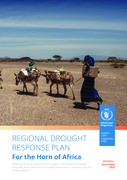
After five consecutive below-average rains, the humanitarian crisis in the Horn of Africa is expanding and deepening.
Combined with insecurity and macroeconomic volatility, the impact of the drou
...
ght on food and nutrition security has been devastating. Across Ethiopia, Kenya and Somalia, an estimated 22 million people are now acutely food insecure because of the drought. The malnutrition situation is also critical. Some 5.1 million children across drought-affected areas of the three countries are acutely malnourished in 2023, with dire implications for their health, growth and survival. Concerningly, the upcoming March-May 2023 rains are also forecast to be below-average. Should these rains fail, and humanitarian assistance not be delivered at scale, food insecurity will continue to deteriorate.
Regardless of how the 2023 rains perform, extremely high humanitarian needs will persist through 2023 while a full recovery from a drought of this magnitude will take years. To address the devastating drought-induced hunger and malnutrition across the region, WFP is pursuing an integrated dual track approach; meeting immediate life-saving food and nutritional needs while simultaneously building resilience to extreme climate variability.
more
The Infection Prevention and Control (IPC) Guidelines aim to support healthcare workers improve quality and safety health care. The Guidelines further aim to promote and facilitate the overall goal of
...
IPC by providing evidence-based recommendations on the critical aspects of IPC, focusing on the fundamental principles and priority action areas. All health service organizations should consider the risk of healthcare-associated infection(s) (HAI) and antimicrobial resistance (AMR) transmission to implement these recommendations. The IPC Guidelines also set national standards for the prevention and control of HAIs and to ensure compliance to the National Quality Standards.
more

Punjab Province Report: Nutrition Political Economy, Pakistan
Zaidi, Shehla; Bhutta, Zulfiqar et al.
Institute of Development Studies, Aga Khan University
(2015)
C1
In this report a nutrition governance framework was applied to research and analyse the provincial experience with nutrition policy in Pakistan, looking both at chronic and acute malnutrition. Twenty-one in-depth interviews with key stakeholders were also conducted along with a review
...
of published and grey literature. Findings were validated and supplemented by consultative provincial roundtable meetings. Punjab’s nutritional puzzle is that it has high levels of chronic malnutrition and micro-nutrient deficiencies despite a surplus production of food and a low poverty level. Under-nutrition is mainly linked to insufficient attention to preventive health strategies and to a lack of connection between relevant sectors such as Education, Health, Poverty, Safe Water and Sanitation, and Food. Strategic opportunities are recommended which include cross-party political support and ownership for nutrition, with steering by executive leadership; multi-sectoral action and functional integration of various departments and programmes with the creation of a central convening structure for effective cross-sectoral coordination; broadening of nutritional activities beyond salt iodization and vitamin A coverage; central co-ordination of monitoring and evaluation and effective partnerships between the state and non-state sector around data production, awareness, advocacy, and monitoring.
more
Nepal has performed exceptionally in improving reproductive, maternal and child health outcomes over the past two decades. In this article, we discuss these achievements and outline a vision for the future
...
of maternal, newborn and child survival in Nepal after the era of the Millennium Development Goals. On the pathway towards quality universal health care services for all, we propose strengthening of health information systems, gradual health system reforms, improvement of existing facility based services, development of integrated service delivery models, improved technical and managerial capacity at district and facility levels. Elimination of all preventable causes of maternal, newborn and child deaths in Nepal should be our collective aspirational goal.
more
Senegal has adopted the World Health Organization–Joint United Nations Programme on HIV/AIDS recommended 90-90-90 targets.5 The adoption of this strategy means that the country is expected, by 202
...
0, to have 90% of its population living with HIV diagnosed, 90% of all those diagnosed receiving sustained HIV treatment, and 90% of those receiving antiretroviral therapy having suppressed viral load measures.5 To achieve these outcomes, having good clinical laboratory services for diagnosis and follow-up will be critical.6 More specifically, investments will be needed to improve laboratory infrastructure, and to facilitate the access and availability of routine viral load and early infant diagnosis (EID) measures through the implementation of point-of-care (POC) diagnostic platforms along with an efficient and sustainable quality assurance programme.
more
The COVID-19 pandemic has put significant pressure on health systems all around the world. The drastic measures established to contain its spread are creating serious impediments to economic activity (including agrifood systems) and, consequently, t
...
o livelihoods and food security and nutrition.
more
Guidelines for Good Clinical Laboratory Practices (GCLP) outlines the principles and procedures to be followed by medical laboratories involved in clinical research and/or patient care so as to provide quality data which can be used for health resea
...
rch and patient treatment. As the use of laboratory tests (often expensive) are increasingly becoming a part of medical diagnosis and research, generation of quality data would be a cost-effective and ethically sound strategy.
more

Antimicrobials are precious agents for combating infectious diseases and had saved millions of lives throughout the world. However, the current trend of increasing antimicrobial resistance (AMR) ha
...
s become a global health problem with increased morbidity and mortality in infectious diseases. Sri Lanka is not an exemption and face many health related issues with multidrug resistant (MDR) organisms. Currently there is a global effort in combating antimicrobial resistance. WHO extends its fullest support and plays a major role in motivating the countries to combat antimicrobial resistance with national action plans in place. Sri Lanka has initiated combating AMR with multisectoral collaboration, under one health concept. The development of the National Strategic Plan (NSP) 2017-2022 provides the roadmap to combat AMR.
more

As the number of transboundary pest and animal and foodborne disease outbreaks rises, so does the number of people who are chronically hungry due to these and other factors. The correlation can be e
...
xplained by the link between our health and that of the planet. We rely on land and sea for the production of safe and quality foods for our daily nourishment. Pests and disease epidemics negatively impact the quality, quantity and safety of our food sources, and cripple economic growth and efficiencies in production. Furthermore, the epidemic and endemic levels of the pathogens and disease vectors can be difficult to control. This is why FAO stresses and promotes the special efforts required for cost-effective preventive measures rather than the more expensive control, disinfestation, treatment and disposal measures. When preventive measures are late or difficult, preparedness and contingency plans must be in place to enable rapid response. Early warning systems, based on close monitoring, surveillance, and timely reporting are fundamental to warn and empower communities to safeguard their livelihoods and assets by enhancing disease and pest prevention measures and for government services to take immediate measures to protect communities and national economies.
more
Since the release of the first volume in May 2020, the COVID-19 pandemic has continued to rage around the world. By mid-March, 2021, countries around the globe had reported over 123 million cases—a nearly five-fold increase since this report’s p
...
revious volume—and over 2.7 million deaths attributed to the disease. And while new case loads are currently on the rise again, the global health community has already administered almost 400 million doses of vaccines, at last offering some signs of hope and progress.
Economic impacts threaten to undo decades of recent progress in poverty reduction, child nutrition and gender equality, and exacerbate efforts to support refugees, migrants, and other vulnerable communities. National and local governments—together with international and private-sector partners—must deploy vaccines as efficiently, safely and equitably as possible while still monitoring for new outbreaks and continuing policies to protect those who do not yet have immunity.
More than ever, the world needs reliable and trustworthy data and statistics to inform these important decisions. The United Nations and all member organizations of the Committee for the Coordination of Statistical Activities (CCSA) collect and make available a wealth of information for assessing the multifaceted impacts of the pandemic. This report updates some of the global and regional trends presented in Volume I and offers a snapshot of how COVID-19 continues to affect the world today across multiple domains.
more
