
Filter
444
Text search:
urban
slums
Featured
42
131
Language
Document type
260
96
35
20
18
7
3
2
2
1
Countries / Regions
44
32
21
21
14
13
10
10
9
8
8
7
7
7
7
6
6
6
6
5
4
4
4
4
4
3
3
3
3
3
3
2
2
2
2
2
2
2
2
2
2
2
1
1
1
1
1
1
1
1
1
1
1
1
1
1
1
1
1
1
1
Authors & Publishers
Publication Years
Category
196
27
22
21
16
2
2
1
Toolboxes
56
44
37
24
19
16
15
14
13
10
9
9
7
6
6
3
3
2
2
2
1
1

DHS Working Papers No. 88
education, wealth, mobility, employment, and media exposure

Hесмотря на многочисленные международные договоры и обязательства по защите прав мигрантов в области здравоохранения, эта ключевая затронутая группа населения пÐ
...
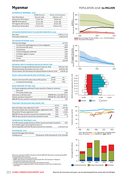
South Africa reported it fist case of COVID-19 on 5 March 2020. While the first cases were imported, local transmission has led to a rapid increase in the number of cases. As of 21 April 2020, more than 3,400 cases and 58 deaths had been confirmed. On 15 March, President Cyril Ramaphosa declared a n
...
This document aims to provide guidance to countries in the identification of priority areas
for intervention as part of the Situational Analysis of their National Cholera Control or
Elimination Plans (NCPs).
Interesting article by promising star.
Some testing done
Glob Health Sci Pract February 1, 2014 vol. 2 no. 1 p. 103-116
Bangladesh Health Facility Survey 2014
recommended
Final Report
Key populations brief.

Climate change is a growing concern for Bangladesh because 90 percent of the country is approximately 10 feet above sea level. An evaluation was completed which discovered that high tides in Bangladesh were increasing 10 times more rapidly than the global average. This predicted rapid increase in se
...
Report of the Global Thematic Consultation on Population Dynamics
7 June 2020 Version 1
Women in Myanmar have traditionally been underrepresented in public decision-making processes, a trend which is continuing in structures established to respond to COVID-19. This means that even as women are disproportionately affected by the crisis, they have less say in how t
...
The COVID-19 pandemic is a multiplier of vulnerability, compounding threats to food insecurity, while exposing weaknesses in food and health systems. It is severely undermining the capacity of communities to cope in times of crisis and has become a stress test for political and economic stability.

This paper, originally presented as a Sussex Development Lecture, asks how the Ebola crisis might offer a lens to reflect on interlaced challenges around curbing inequalities, accelerating sustainability, and building inclusive, secure societies, and why these matter so much. And it discusses why ad
...
