
Filter
1265
Text search:
World
Health
Organization
(WHO),
Regional
Office
for
South
East
Asia
Featured
Recommendations
128
New Publications
327
Language
Document type
No document type
643
Studies & Reports
288
Guidelines
161
Manuals
67
Strategic & Response Plan
50
Training Material
15
Fact sheets
12
Situation Updates
11
Resource Platforms
9
Infographics
5
Brochures
2
Online Courses
2
Countries / Regions
Global
80
South–East Asia Region
66
India
53
Asia
40
Nepal
38
Myanmar / Burma
38
Bangladesh
25
Western and Central Europe
23
Philippines
18
Africa
18
Indonesia
16
Uganda
13
Cambodia
13
Western Pacific Region
12
Thailand
11
Syria
10
Kenya
10
Ethiopia
9
Afghanistan
8
Tanzania
8
Middle East and North Africa
8
Eastern Europe
8
Haiti
6
Pakistan
6
South Africa
6
Ukraine
6
Sri Lanka
6
Yemen
6
Liberia
5
Nigeria
5
Ghana
5
Zambia
5
Laos
5
Russia
5
Sierra Leone
4
South Sudan
4
Rwanda
4
Sudan
4
East and Southern Africa
4
West and Central Africa
4
Latin America and the Carribbean
4
Senegal
3
Congo, Democratic Republic of
3
Zimbabwe
3
Somalia
3
Jordan
3
China
3
Malawi
3
Mozambique
3
North Macedonia
3
Eastern Europe and Central Asia
3
Venezuela
3
Timor Leste/ East Timor
3
Moldova
3
Georgia
3
Vietnam
3
Guinea
2
Burkina Faso
2
Lebanon
2
Papua New Guinea
2
Central African Republic
2
Eswatini/ Swaziland
2
Albania
2
Kazakhstan
2
Belarus
2
Bosnia and Herzegovina
2
Morocco
1
USA
1
Saudi Arabia
1
Cameroon
1
Iraq
1
Turkey
1
Egypt
1
Malaysia
1
Argentina
1
Peru
1
Brazil
1
Hungary
1
Croatia
1
Ecuador
1
Greece
1
Madagascar
1
Lesotho
1
Mexico
1
Other region
1
Paraguay
1
Bhutan
1
Poland
1
Palestine
1
North Korea
1
Djibouti
1
Armenia
1
Mongolia
1
Tajikistan
1
Qatar
1
Romania
1
Iran
1
Kyrgyzstan
1
Turkmenistan
1
Japan
1
Belgium
1
Maldives
1
Tunisia
1
Authors & Publishers
Publication Years
Category
Countries
292
Clinical Guidelines
150
Public Health
100
Women & Child Health
92
Key Resources
43
Capacity Building
26
Pharmacy & Technologies
18
General Guidelines
2
Toolboxes
HIV
138
Mental Health
109
COVID-19
92
Planetary Health
76
TB
62
Rapid Response
50
NTDs
50
AMR
48
Global Health Education
43
Disability
42
Refugee
36
Caregiver
32
Natural Hazards
25
NCDs
25
Health Financing Toolbox
22
Conflict
19
Pharmacy
16
Zika
13
Ebola
9
Specific Hazards
7
Cholera
6
Polio
6
Typhoon
3
Social Ethics
1
Health Financing
1
Accessed: 26.02.2020
Antimicrobial resistance (AMR) is described as a situation when bacteria, viruses, fungi and parasites
change over time and no longer respond to medicines, making infections harder or impossible to treat,
and increasing the risk of disease spread, severe illness and death.1 AMR in recent years has
...

Access to safe blood and blood products is recognized as one of the key requirements for delivery of modern health care in the journey towards health
...
This publication represents a key step forward in translating Control of the leishmaniases (WHO Technical Report Series, No. 949) into a more practical tool for
...

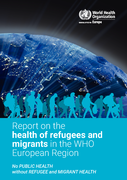
No Public Health without Refugee and Migrant health.
This report, the first of its kind, creates an evidence base with the aim of catalysing progress towards developing and promoting migrant-sensit
...
The brief concludes that sustaining the continuity of EHS requires policies that ensure a whole-society and systems strengthening approach. This involves increased health care investment, community engagement, disease control regulations, and multis
...
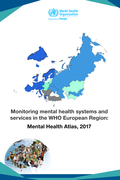
A stated objective of WHO’s European Mental Health Action Plan 2013–2020 is to ensure better information and knowledge for service planning
...
Regional situation analysis, practices, experiences, lessons learned and ways forward.
Universal health coverage and the Sustainable Development Goals in the WHO African Region
Health Evidence Network synthesis report 72
There is a broad consensus nowadays that the Earth is warming up as a result of greenhouse gas emissions caused by anthropogenic activities. It is also clear that current trends in the fields of energy, development and population growth will lead to continuous and ever more dramatic climate change.
...
The World Health Organization (WHO) has identified mental
...
