
Filter
3082
Text search:
Regional
crisis
Featured
231
810
Language
2772
271
79
59
54
36
27
18
18
11
6
5
4
4
4
4
4
3
3
3
3
3
2
2
2
2
2
2
2
2
2
1
1
1
1
1
1
1
1
1
1
1
1
Document type
1536
739
271
180
162
79
68
28
9
5
3
2
Countries
165
104
96
94
94
79
74
71
61
55
52
52
52
51
50
48
47
43
42
42
37
36
33
30
30
27
26
25
24
24
24
23
22
22
22
21
20
20
19
19
18
18
18
17
17
16
16
16
15
15
14
14
14
14
14
12
11
11
10
10
9
9
9
9
8
8
8
7
7
7
7
7
6
6
6
6
6
6
5
5
5
5
5
5
5
5
5
5
5
4
4
4
4
4
4
3
3
3
3
3
3
3
3
3
3
3
2
2
2
2
2
2
2
2
2
2
2
2
2
2
2
2
2
2
1
1
1
1
1
1
1
1
1
1
1
1
1
1
1
1
1
1
1
1
1
1
1
1
Authors & Publishers
299
116
103
85
70
68
67
56
37
36
36
32
28
28
24
23
22
21
20
20
19
19
18
17
17
17
17
16
16
16
15
15
15
14
14
14
13
13
13
12
12
12
11
11
11
11
10
10
9
9
9
8
8
8
8
8
8
8
8
8
8
7
7
7
7
7
6
6
6
6
6
6
6
6
6
6
6
6
6
5
5
5
5
5
5
5
5
5
5
5
5
5
5
5
5
5
5
5
5
4
4
4
4
4
4
4
4
4
4
4
4
4
4
4
4
4
4
4
4
4
4
4
4
4
4
4
4
4
4
4
4
4
4
4
4
4
4
4
4
4
3
3
3
3
3
3
3
3
3
3
3
3
3
3
3
3
3
3
3
3
3
3
3
3
3
3
3
3
3
3
3
3
3
3
3
3
3
3
3
3
3
3
3
3
3
3
3
3
3
3
3
3
3
3
3
3
2
2
2
2
2
2
2
2
2
2
2
2
2
2
2
2
2
2
2
2
2
2
2
2
2
2
2
2
2
2
2
2
2
2
2
2
2
2
2
2
2
2
2
2
2
2
2
2
2
2
2
2
2
2
2
2
2
2
2
2
2
2
2
2
2
2
2
2
2
2
2
2
2
2
2
2
2
2
2
2
2
2
2
2
2
2
2
2
2
2
2
2
2
2
2
2
2
2
2
2
2
2
2
2
2
2
2
2
2
2
2
2
2
2
2
2
2
2
2
2
2
2
2
2
2
2
2
2
2
2
2
2
2
2
2
2
2
2
2
2
2
2
2
2
2
2
2
2
2
2
2
2
2
2
2
2
2
2
2
2
2
2
2
2
2
2
2
2
2
2
1
1
1
1
1
1
1
1
1
1
1
1
1
1
1
1
1
1
1
1
1
1
1
1
1
1
1
1
1
1
1
1
1
1
1
1
1
1
1
1
1
1
1
1
1
1
1
1
1
1
1
1
1
1
1
1
1
1
1
1
1
1
1
1
1
1
1
1
1
1
1
1
1
1
1
1
1
1
1
1
1
1
1
1
1
1
1
1
1
1
1
1
1
1
1
1
1
1
1
1
1
1
1
1
1
1
1
1
1
1
1
1
1
1
1
1
1
1
1
1
1
1
1
1
1
1
1
1
1
1
1
1
1
1
1
1
1
1
1
1
1
1
1
1
1
1
1
1
1
1
1
1
1
1
1
1
1
1
1
1
1
1
1
1
1
1
1
1
1
1
1
1
1
1
1
1
1
1
1
1
1
1
1
1
1
1
1
1
1
1
1
1
1
1
1
1
1
1
1
1
1
1
1
1
1
1
1
1
1
1
1
1
1
1
1
1
1
1
1
1
1
1
1
1
1
1
1
1
1
1
1
1
1
1
1
1
1
1
1
1
1
1
1
1
1
1
1
1
1
1
1
1
1
1
1
1
1
1
1
1
1
1
1
1
1
1
1
1
1
1
1
1
1
1
1
1
1
1
1
1
1
1
1
1
1
1
1
1
1
1
1
1
1
1
1
1
1
1
1
1
1
1
1
1
1
1
1
1
1
1
1
1
1
1
1
1
1
1
1
1
1
1
1
1
1
1
1
1
1
1
1
1
1
1
1
1
1
1
1
1
1
1
1
1
1
1
1
1
1
1
1
1
1
1
1
1
1
1
1
1
1
1
1
1
1
1
1
1
1
1
1
1
1
1
1
1
1
1
1
1
1
1
1
1
1
1
1
1
1
1
1
1
1
1
1
1
1
1
1
1
1
1
1
1
1
1
1
1
1
1
1
1
1
1
1
1
1
1
1
1
1
1
1
1
1
1
1
1
1
1
1
1
1
1
1
1
1
1
1
1
1
1
1
1
1
1
1
1
1
1
1
1
1
1
1
1
1
1
1
1
1
1
1
1
1
1
1
1
1
1
1
1
1
1
1
1
1
1
1
1
1
1
1
1
1
1
1
1
1
1
1
1
1
1
1
1
1
1
1
1
1
1
1
1
1
1
1
1
1
1
1
1
1
1
1
1
1
1
1
1
1
1
1
1
1
1
1
1
1
1
1
1
1
1
1
1
1
1
1
1
1
1
1
1
1
1
1
1
1
1
1
1
1
1
1
1
1
1
1
1
1
1
1
1
1
1
1
1
1
1
1
1
1
1
1
1
1
1
1
1
1
1
1
1
1
1
1
1
1
1
1
1
1
1
1
1
1
1
1
1
1
1
1
1
1
1
1
1
1
1
1
1
1
1
1
1
1
1
1
1
1
1
1
1
1
1
1
1
1
1
1
1
1
1
1
1
1
1
1
1
1
1
1
1
1
1
1
1
1
1
1
1
1
1
1
1
1
1
1
1
1
1
1
1
1
1
1
1
1
1
1
1
1
1
1
1
1
1
1
1
1
1
1
1
1
1
1
1
1
1
1
1
1
1
1
1
1
1
1
1
1
1
1
1
1
1
1
1
1
1
1
1
1
1
1
1
1
1
1
1
1
1
1
1
1
1
1
1
1
1
1
1
1
1
1
1
1
1
1
1
1
1
1
1
1
1
1
1
1
1
1
1
1
1
1
1
1
1
1
1
1
1
1
1
1
1
1
1
1
1
1
1
1
1
1
1
1
1
1
1
1
1
1
1
1
1
1
1
1
1
1
1
1
1
1
1
1
1
1
1
1
1
1
1
1
1
1
1
1
1
1
1
1
1
1
1
1
1
1
1
1
1
1
1
1
1
1
1
1
1
1
1
1
1
1
1
1
1
1
1
1
1
1
1
1
1
1
1
1
1
1
1
1
1
1
1
1
1
1
1
1
1
1
1
1
1
1
1
1
1
1
1
1
1
1
1
1
1
1
1
1
1
1
1
1
1
1
1
1
1
1
1
1
1
1
1
1
1
1
1
1
1
1
1
1
1
1
1
1
1
1
1
1
1
1
1
1
1
1
1
1
1
1
1
1
1
1
1
1
1
1
1
1
1
1
1
1
1
1
1
1
1
1
1
1
1
1
1
1
1
1
1
1
1
1
1
1
1
1
1
1
1
1
1
1
1
1
1
1
1
1
1
1
1
1
1
1
1
1
1
1
1
1
1
1
1
1
1
1
1
1
1
1
1
1
1
1
1
1
1
1
1
1
1
1
1
1
1
1
1
1
1
1
1
1
1
1
1
1
1
1
1
1
1
1
1
1
1
1
1
1
1
1
1
1
1
1
1
1
1
1
1
1
1
1
1
1
1
1
1
1
1
1
1
1
1
1
1
1
1
1
1
1
1
1
1
1
1
1
1
1
1
1
1
1
1
1
1
1
1
1
1
1
1
1
1
1
1
1
1
1
1
1
1
1
1
1
1
1
1
1
1
1
1
1
1
1
1
1
1
1
1
1
1
1
1
1
1
1
1
1
1
1
1
1
1
1
1
1
1
1
1
1
1
1
1
1
1
1
1
1
1
1
1
1
1
1
1
1
1
1
1
1
1
1
1
1
1
1
1
1
1
1
1
1
1
1
1
1
1
1
1
1
1
1
1
1
1
1
1
1
1
1
1
1
1
1
1
1
1
1
1
1
1
1
1
1
1
1
1
1
1
1
1
1
1
1
1
1
1
1
1
1
1
1
1
1
1
1
1
1
1
1
1
1
1
1
1
1
1
1
1
1
1
1
1
1
1
1
1
1
1
1
1
1
1
1
1
1
1
1
1
1
1
1
1
1
1
1
1
1
1
1
1
1
1
1
1
1
1
1
1
1
1
1
1
1
1
1
1
1
1
1
1
1
1
1
1
1
1
1
1
1
1
1
1
1
1
1
1
1
1
1
1
1
1
1
1
1
1
1
1
1
1
1
1
1
1
1
1
1
1
1
1
1
1
1
1
1
1
1
1
1
1
1
1
1
1
1
1
1
1
1
1
1
1
1
1
1
1
1
1
1
1
1
1
1
1
1
1
1
1
1
1
1
1
1
1
1
1
1
1
1
1
1
1
1
1
1
1
1
1
1
1
1
1
1
1
1
1
1
1
1
1
1
1
1
1
1
1
1
1
1
1
1
1
1
1
1
1
1
1
1
1
1
1
1
1
1
1
1
1
1
1
1
1
1
1
1
1
1
1
1
1
1
1
1
1
1
1
1
1
1
1
1
1
1
1
1
1
1
1
1
1
1
1
1
1
1
1
1
1
1
1
1
1
1
1
1
1
1
1
1
1
1
1
1
1
1
1
1
1
1
1
1
1
1
1
1
1
1
1
1
1
1
1
1
1
1
1
1
1
1
1
1
1
1
1
1
1
1
1
1
1
1
1
1
1
1
1
1
1
1
1
1
1
1
1
1
1
1
1
1
1
1
1
1
1
1
1
1
1
1
1
1
1
1
1
1
1
1
1
1
1
1
1
1
1
1
1
1
1
1
1
1
1
1
1
1
1
1
1
1
1
1
1
1
1
1
1
1
1
1
1
1
1
1
1
1
1
1
1
1
1
1
1
1
1
1
1
1
1
1
1
1
1
1
1
1
1
1
1
1
1
1
1
1
1
1
1
1
1
1
1
1
1
1
1
1
1
1
1
1
1
1
1
1
1
1
1
1
1
1
1
1
1
1
1
1
1
1
1
1
1
1
1
1
1
1
1
1
1
1
1
1
1
1
1
1
1
1
1
1
1
1
1
1
1
1
1
1
1
1
1
1
1
1
1
1
1
1
1
1
1
1
1
1
1
1
1
1
1
1
1
1
1
1
1
1
1
1
1
1
1
1
1
1
1
1
1
1
1
1
1
1
1
1
1
1
1
1
1
1
1
1
1
1
1
1
1
1
1
1
1
1
1
1
1
1
1
1
1
1
1
1
1
1
1
1
1
1
1
1
1
1
1
1
1
1
1
1
1
1
1
1
1
1
1
1
1
1
1
1
1
1
1
1
1
1
1
1
1
1
1
1
1
1
1
1
1
1
1
1
1
1
1
1
1
1
1
1
1
1
1
1
1
1
1
1
1
1
1
1
1
1
1
1
1
1
1
1
1
1
1
1
1
1
1
1
1
1
1
1
1
1
1
1
1
1
1
1
1
1
1
1
1
1
1
1
1
1
1
1
1
1
1
1
1
1
1
1
1
1
1
1
1
1
1
1
1
1
1
1
1
1
1
1
1
1
1
1
1
1
1
1
1
1
1
1
1
1
1
1
1
1
1
1
1
1
1
1
1
1
1
1
1
1
1
1
1
1
1
1
1
1
1
1
1
1
1
1
1
1
1
1
1
1
1
1
1
1
1
1
1
1
1
1
1
1
1
1
1
1
1
1
1
1
1
1
1
1
1
1
1
1
1
1
1
1
1
1
1
1
1
1
1
1
1
1
1
1
1
1
1
1
1
1
1
1
1
1
1
1
1
1
1
1
1
1
1
1
1
1
1
1
1
1
1
1
1
1
1
1
1
1
1
1
1
1
1
1
1
1
1
1
1
1
1
1
1
1
1
1
1
1
1
1
1
1
1
1
1
1
1
1
1
1
1
1
1
1
1
1
1
1
1
1
1
1
1
1
1
1
1
1
1
1
1
1
1
1
1
1
1
1
1
1
1
1
1
1
1
1
1
1
1
1
1
1
1
1
1
1
1
1
1
1
1
1
1
1
1
1
1
1
1
1
1
1
1
1
1
1
1
1
1
1
1
1
1
1
1
1
1
1
1
1
1
1
1
1
1
1
1
1
1
1
1
1
1
1
1
1
1
1
1
Publication Years
1
1160
1718
192
10
1
Category
1089
144
142
136
109
32
7
7
3
Toolboxes
414
252
240
175
156
145
122
116
105
90
89
86
81
64
48
31
30
29
23
22
20
14
10
4
1
1
The ECA, says over 300,000 Africans could lose their lives due to COVID-19. This, as the pandemic continues to impact on the Continent’s struggling economies whose growth is expected to slow down from 3.2 percent to 1.8 percent in a best-case scenario, pushing close to 27 million people into extr
...
eme poverty.
more
9 April 2020
The COVID-19 pandemic is presenting States in Europe with an extraordinary and unprecedented public health emergency. In response, States are taking necessary and legitimate measures to prevent the spread of the virus and to protect their populations. Some of these measures have been
...
taken within the framework of a declared state of emergency, based on specific national provisions governing emergency situations.
more
Accessed:25.04.2020
Llammamiento Coordinado COORDINADO de las Naciones Unidas
Abril – Diciembre 2020
En el momento de redactar este documento, muchos países prioritarios se encuentran inmersos en la elaboración de sus planes revisados para la respuesta al COVID-19 o acaban de publicarlos. To
...
davía no se han estimado las necesidades de financiación para varios países. Por este motivo, las necesidades de cada país se reflejarán en la siguiente actualización del Plan Mundial de Respuesta Humanitaria.
more
24 April 2020
Policy considerations
for the WHO European Region
This document provides key considerations for Member States to help them to decide on the modulation
of large-scale restrictive public health measures
(i.e. movement restrictions and large-scale physical distancing), while at the
...
same time strengthening core public health service capacities (to identify, isolate,
test and treat every patient and quarantine contacts) together with personal protective measures (hand hygiene and respiratory etiquette) and individual physical distancing (>1 metre distance). The transition should be informed by national, subnational or even community-level risk assessments as the transmission of COVID-19 is typically not homogeneous within a country.
more
Internally displaced persons (IDPs), refugees, migrants and returnees constitute a sizeable population in the WHO Eastern Mediterranean Region. There were 12 million refugees (half are Palestinians) and 13 million IDPs in the Region as of 2018. These populations are often vul
...
nerable to poor health due to the conditions they live in and limited access to needed quality health care. In addition, those who can access care, are often faced with financial hardship. There are also 46 million professionals and low-income labour migrants in the Region (of which 22 million are from the Region), with differential access to health services and varied health coverage schemes
more
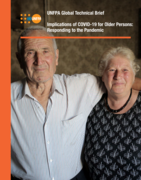
This technical brief was developed by the UNFPA Global Ageing Network to complement the UN Department of Economic and Social Affairs' (UN DESA) Issue Brief: Older Persons and COVID-19, which emphasized the humanitarian imperative of addressing older persons' specific needs within preparedness and re
...
sponse to the COVID-19 pandemic.
more
Child protection in emergencies
The prevention of and response to
abuse, neglect, exploitation and violence
against children in emergencies. An
emergency is defined as threatening
condition that requires urgent action.
Emergencies often have devastating
effects on children’s lives. They res
...
ult in
girls and boys being killed or injured,
becoming orphaned, separated from their
families, being recruited into armed
forces or groups, being sexually abused,
becoming children with disabilities, being
trafficked or, worse, experiencing several
of these at the same time (CPMS).
more
En diciembre del 2019 se comunicó a la Organización Mundial de la Salud (OMS) la ocurrencia de varios casos de neumonía en Wuhan, una ciudad situada en la provincia China de Hubei.
2020 is a critical year for our Joint Programme as we collectively define the path to getting back on track to ending the AIDS epidemic by 2030. Our revised timelines for adoption of the next strategy are highly ambitious. We need the full support of all the tremendously dedicated people in UNAIDS-w
...
ithin our staff, our board and all our stakeholders to make this happen.
more
This guidance is targeted to primary health care policy-makers and only addresses issues relevant for primary health care providers. It has been prepared on the basis of a systematic review of the best available evidence and emergent country practices in response to the COVID-19 outbreak in the WHO
...
European Region. It will be updated on a regular basis as new information becomes available.
more

This document provides guidance to Member States in the WHO European Region that wish to conduct behavioural insights studies related to COVID-19. Studies can be used to monitor public knowledge, risk perceptions, behaviours and trust with the overall aim to inform national COVID-19 outbreak respons
...
e measures, including policies, interventions and communications.
more
This brief provides a snapshot of child protection interventions by UNHCR and its partners during the pandemic, covering community engagement, case management, alternative care and capacity building. In addition to working with children and communities, UNHCR also engages with authorities through po
...
licy advocacy in the context of COVID-19, such as to end immigration detention of children.
more
As daily lives and communities are upended by COVID-19, concern is mounting that children’s exposure to violence may increase. Children with a history of abuse may find themselves even more vulnerable – both at home and online – and may experience more frequent and severe acts of violence. Oth
...
ers may be victimized for the first time.
Understanding the current status of violence prevention and response services is therefore essential to assessing risks to children
more
Como respuesta al COVID-19 en la región, los ministerios de educación de 23 países y 12 estados independientes de América Latina y el Caribe (ALC) han cerrado las escuelas de forma progresiva a nivel de la educación preescolar, primaria y secundaria desde marzo de 2020. Como resultado, se estim
...
a que alrededor de 154 millones de niños, niñas y adolescentes han sido afectados en la región (cifra que incluye alrededor de 12 millones de niños, niñas y adolescentes que estaban fuera de la escuela antes de la pandemia).
more
An estimated 99% of children worldwide – or more than 2.3 billion children – live in one of the 186 countries that have implemented some form of restrictions due to COVID-191. Although children are not at a high risk of direct harm from the virus, they are disproportionately affected by its hid
...
den impacts.
more
New research explores the stress children in World Vision programmes in the Middle East and Eastern Europe region are under due to COVID-19. In addition to their fear that they themselves or their loved ones will catch the disease, children worry about economic hardships, the loss of their education
...
, increased violence and social isolation. But in the midst of it all, a clear message comes through – young people are hopeful about the future, they want to make a contribution and they want their voices to be heard.
more
Measuring progress towards universal health coverage.
This sixth edition of Health at a Glance Asia/Pacific presents a set of key indicators of health status, the determinants of health, health care resources and utilisation, health care expenditure and financing and quality of care across 27 Asia-
...
Pacific countries and territories. It also provides a series of dashboards to compare performance across countries and territories, and a thematic analysis on the impact of the COVID-19 outbreak on Asia/Pacific health systems.
more
Guidance for addressing a global infodemic and fostering demand for immunization
December 2020
Misinformation threatens the success of vaccination programs across the world. This guide aims to help organizations to address the global infodemic through the development of strategic and well-coordina
...
ted national action plans to rapidly counter vaccine misinformation and build demand for vaccination that are informed by social listening.
more
The INEE Minimum Standards Handbook is the only global tool that articulates the minimum level of educational quality and access in emergencies through to recovery. The Minimum Standards express a commitment that all individuals—children, youth and adults—have a right to education. The aim of th
...
e Handbook is 1) to enhance the quality of educational preparedness, response and recovery; 2) to increase access to safe and relevant learning opportunities for all learners, regardless of their age, gender or abilities; and 3) to ensure accountability and strong coordination in the provision of education in emergencies through to recovery.
more
The INEE Minimum Standards Handbook is the only global tool that articulates the minimum level of educational quality and access in emergencies through to recovery. The Minimum Standards express a commitment that all individuals—children, youth and adults—have a right to education.
There are
...
different languages available: Arabic, Azerbajan, Bahsa Indonesia, Bengali, Bosnian, Coratian, Serbian, Chinese, English, French, Japanese, Krygyz, Nepali, Pashto, Portuguese, Russian, Spanish, Urdu, Turkish, Vietnamese
more
