
Filter
2366
Text search:
coverage
and
inclusion
Featured
178
710
Language
2323
49
34
21
16
12
10
5
4
3
3
3
3
2
2
2
2
2
2
2
2
2
2
2
2
2
1
1
1
1
1
1
1
1
1
1
Document type
1332
463
241
133
122
23
23
20
4
2
2
1
Countries
122
80
80
77
68
60
48
47
43
42
42
42
39
38
34
30
30
30
29
27
27
25
21
19
19
17
17
17
16
16
15
14
14
13
13
13
12
11
11
10
10
9
9
9
8
7
7
7
7
7
7
6
6
6
6
5
5
5
5
5
5
5
5
5
4
4
4
4
4
4
4
3
3
3
3
3
2
2
2
2
2
2
2
2
2
2
2
2
2
2
2
2
2
2
1
1
1
1
1
1
1
1
1
1
1
1
1
1
1
1
1
1
1
1
1
1
1
1
1
1
1
1
1
1
Authors & Publishers
361
123
106
89
85
65
54
32
30
17
17
16
16
15
14
14
13
13
12
12
11
10
10
9
9
9
9
8
8
8
8
7
7
7
7
6
6
6
6
6
6
6
6
6
6
6
6
5
5
5
5
5
5
5
5
5
5
5
5
5
5
5
5
5
5
4
4
4
4
4
4
4
4
4
4
4
4
4
4
4
4
4
4
4
4
4
4
4
4
4
4
4
4
4
4
3
3
3
3
3
3
3
3
3
3
3
3
3
3
3
3
3
3
3
3
3
3
3
3
3
3
3
3
3
3
3
3
3
3
3
3
3
3
3
3
3
3
3
3
3
3
3
3
2
2
2
2
2
2
2
2
2
2
2
2
2
2
2
2
2
2
2
2
2
2
2
2
2
2
2
2
2
2
2
2
2
2
2
2
2
2
2
2
2
2
2
2
2
2
2
2
2
2
2
2
2
2
2
2
2
2
2
2
2
2
2
2
2
2
2
2
2
2
2
2
2
2
2
2
2
2
2
2
2
2
2
2
2
2
2
2
2
2
2
2
2
2
2
2
2
2
2
2
2
2
2
2
2
2
2
2
2
2
2
2
2
2
2
2
2
2
2
2
2
2
2
2
2
2
2
2
2
2
2
2
2
2
2
2
2
2
2
2
2
2
2
2
2
2
2
1
1
1
1
1
1
1
1
1
1
1
1
1
1
1
1
1
1
1
1
1
1
1
1
1
1
1
1
1
1
1
1
1
1
1
1
1
1
1
1
1
1
1
1
1
1
1
1
1
1
1
1
1
1
1
1
1
1
1
1
1
1
1
1
1
1
1
1
1
1
1
1
1
1
1
1
1
1
1
1
1
1
1
1
1
1
1
1
1
1
1
1
1
1
1
1
1
1
1
1
1
1
1
1
1
1
1
1
1
1
1
1
1
1
1
1
1
1
1
1
1
1
1
1
1
1
1
1
1
1
1
1
1
1
1
1
1
1
1
1
1
1
1
1
1
1
1
1
1
1
1
1
1
1
1
1
1
1
1
1
1
1
1
1
1
1
1
1
1
1
1
1
1
1
1
1
1
1
1
1
1
1
1
1
1
1
1
1
1
1
1
1
1
1
1
1
1
1
1
1
1
1
1
1
1
1
1
1
1
1
1
1
1
1
1
1
1
1
1
1
1
1
1
1
1
1
1
1
1
1
1
1
1
1
1
1
1
1
1
1
1
1
1
1
1
1
1
1
1
1
1
1
1
1
1
1
1
1
1
1
1
1
1
1
1
1
1
1
1
1
1
1
1
1
1
1
1
1
1
1
1
1
1
1
1
1
1
1
1
1
1
1
1
1
1
1
1
1
1
1
1
1
1
1
1
1
1
1
1
1
1
1
1
1
1
1
1
1
1
1
1
1
1
1
1
1
1
1
1
1
1
1
1
1
1
1
1
1
1
1
1
1
1
1
1
1
1
1
1
1
1
1
1
1
1
1
1
1
1
1
1
1
1
1
1
1
1
1
1
1
1
1
1
1
1
1
1
1
1
1
1
1
1
1
1
1
1
1
1
1
1
1
1
1
1
1
1
1
1
1
1
1
1
1
1
1
1
1
1
1
1
1
1
1
1
1
1
1
1
1
1
1
1
1
1
1
1
1
1
1
1
1
1
1
1
1
1
1
1
1
1
1
1
1
1
1
1
1
1
1
1
1
1
1
1
1
1
1
1
1
1
1
1
1
1
1
1
1
1
1
1
1
1
1
1
1
1
1
1
1
1
1
1
1
1
1
1
1
1
1
1
1
1
1
1
1
1
1
1
1
1
1
1
1
1
1
1
1
1
1
1
1
1
1
1
1
1
1
1
1
1
1
1
1
1
1
1
1
1
1
1
1
1
1
1
1
1
1
1
1
1
1
1
1
1
1
1
1
1
1
1
1
1
1
1
1
1
1
1
1
1
1
1
1
1
1
1
1
1
1
1
1
1
1
1
1
1
1
1
1
1
1
1
1
1
1
1
1
1
1
1
1
1
1
1
1
1
1
1
1
1
1
1
1
1
1
1
1
1
1
1
1
1
1
1
1
1
1
1
1
1
1
1
1
1
1
1
1
1
1
1
1
1
1
1
1
1
1
1
1
1
1
1
1
1
1
1
1
1
1
1
1
1
1
1
1
1
1
1
1
1
1
1
1
1
1
1
1
1
1
1
1
1
1
1
1
1
1
1
1
1
1
1
1
1
1
1
1
1
1
1
1
1
1
1
1
1
1
1
1
1
1
1
1
1
1
1
1
1
1
1
1
1
1
1
1
1
1
1
1
1
1
1
1
1
1
1
1
1
1
1
1
1
1
1
1
1
1
1
1
1
1
1
1
1
1
1
1
1
1
1
1
1
1
1
1
1
1
1
1
1
1
1
1
1
1
1
1
1
1
1
1
1
1
1
1
1
1
1
1
1
1
1
1
1
1
1
1
1
1
1
1
1
1
1
1
1
1
1
1
1
1
1
1
1
1
1
1
1
1
1
1
1
1
1
1
1
1
1
1
1
1
1
1
1
1
1
1
1
1
1
1
1
1
1
1
1
1
1
1
1
1
1
1
1
1
1
1
1
1
1
1
1
1
1
1
1
1
1
1
1
1
1
1
1
1
1
1
1
1
1
1
1
1
1
1
1
1
1
1
1
1
1
1
1
1
1
1
1
1
1
1
1
1
1
1
1
1
1
1
1
1
1
1
1
1
1
1
1
1
1
1
1
1
1
1
1
1
1
1
1
1
1
1
1
1
1
1
1
1
1
1
1
1
1
1
1
1
1
1
1
1
1
1
1
1
1
1
1
1
1
1
1
1
1
1
1
1
1
1
1
1
1
1
1
1
1
1
1
1
1
1
1
1
1
1
1
1
1
1
1
1
1
1
1
1
1
1
1
1
1
1
1
1
1
1
1
1
1
1
1
1
1
1
1
1
1
1
1
1
1
1
1
1
1
1
1
1
1
1
1
1
1
1
1
1
1
1
1
1
1
1
1
1
1
1
1
1
1
1
1
1
1
1
1
1
1
1
1
1
1
1
1
1
1
1
1
1
1
1
1
1
1
1
1
1
1
1
1
1
1
1
1
1
1
1
1
1
1
1
1
1
1
1
1
1
1
1
1
1
1
1
1
1
1
1
1
1
1
1
1
1
1
1
1
1
1
1
1
1
1
1
1
1
1
1
1
1
1
1
1
1
1
1
1
1
1
1
1
1
1
1
1
1
1
1
1
1
1
1
1
1
1
1
1
1
1
1
1
1
1
1
1
1
1
1
1
1
1
1
1
1
1
1
1
1
1
1
1
1
1
1
1
1
1
1
1
1
1
1
1
1
1
1
1
1
1
1
1
1
1
1
1
1
1
1
1
1
1
1
1
1
1
1
1
1
1
1
1
1
1
1
1
1
1
1
1
1
1
1
1
1
1
1
1
1
1
1
1
1
1
1
1
1
1
1
1
1
1
1
1
1
1
1
1
1
1
1
1
1
1
1
1
1
1
1
1
1
1
1
1
1
1
1
1
1
1
1
1
1
1
1
1
1
1
1
1
1
1
1
1
1
1
1
1
1
1
1
1
1
1
1
1
1
1
1
1
1
1
1
1
1
1
1
1
1
1
1
1
1
1
1
1
1
1
1
1
1
1
1
1
1
1
1
1
1
1
1
1
1
1
1
1
1
1
1
1
1
1
1
1
1
1
1
1
1
1
1
1
1
1
1
1
1
1
1
1
1
1
1
1
1
1
1
1
1
1
1
1
1
1
1
1
1
1
1
1
1
1
1
1
1
1
1
1
1
1
1
1
1
1
1
1
1
1
1
1
1
1
1
1
1
1
1
1
1
1
1
1
1
1
1
1
1
1
1
1
1
1
1
1
1
1
1
1
1
1
1
1
1
1
1
1
1
1
1
1
1
1
1
1
1
1
1
1
1
1
1
1
1
1
1
1
1
1
1
1
1
1
1
1
1
1
1
1
1
1
1
1
1
1
1
1
1
1
1
1
1
1
1
1
1
1
1
1
1
1
1
1
1
1
1
1
1
1
1
1
1
1
1
1
1
1
1
1
1
1
1
1
1
1
1
1
1
1
1
1
1
1
1
1
1
1
1
1
1
1
1
1
1
1
1
1
1
1
1
1
1
1
1
1
1
1
1
1
1
1
1
1
1
1
1
1
1
1
1
1
1
1
1
1
1
1
1
1
1
1
1
1
1
1
1
1
1
1
1
1
1
1
1
1
1
1
1
1
1
1
1
1
1
1
1
1
1
1
1
1
1
1
1
1
1
1
1
1
1
1
1
1
1
1
1
1
1
1
1
1
1
1
1
1
1
1
1
1
1
1
1
1
1
1
1
1
1
1
1
1
1
1
1
1
1
1
1
1
1
1
1
1
1
1
1
1
1
1
1
1
1
1
1
1
1
1
1
1
1
1
1
1
1
1
1
1
1
1
1
1
1
1
1
1
1
1
1
1
1
1
1
1
1
1
1
1
1
1
1
1
1
1
1
1
1
1
1
1
1
1
1
1
1
1
1
1
1
1
1
1
1
1
1
1
1
1
1
1
1
1
1
1
1
1
1
1
1
1
1
1
1
1
1
1
1
1
1
1
1
1
1
1
1
1
1
1
1
1
1
1
1
1
1
1
1
1
1
1
1
1
1
1
1
1
1
1
1
1
1
1
1
1
1
1
1
1
1
1
1
1
1
1
1
1
1
1
1
1
1
1
1
1
1
1
1
1
1
1
1
1
1
1
1
1
1
1
1
1
1
1
1
1
1
1
1
1
1
1
1
1
1
1
1
1
1
1
1
1
1
1
1
1
1
1
1
1
1
1
1
1
1
1
1
1
1
1
1
1
1
1
1
1
1
1
1
1
1
1
1
1
1
1
1
1
1
1
1
1
1
1
1
Publication Years
670
1540
150
5
1
Category
917
176
157
141
98
25
12
5
Toolboxes
252
165
157
137
102
85
77
74
60
57
49
47
42
37
36
34
28
22
12
10
5
4
3
3
1
Policy
July 2012
Working Paper No. 3
WHO operational handbook on tuberculosis: module 4: treatment: tuberculosis care and support
recommended
The consolidated guidelines are complemented by an operational handbook which is designed to assist with implementation of the WHO recommendations by Member States, technical partners and others who are involved in the management of patients with DR
...
-TB. The WHO Operational Handbook on Tuberculosis, Module 4: Treatment - Drug-Resistant Tuberculosis Treatment provides practical guidance on how to put in place the recommendations at the scale needed to achieve national and global impact.
The document provides information on different aspects of care and support for TB patients. In particular, the handbook provides practical guidance on the implementation of the interventions that enable treatment adherence such as social support, treatment administration options, digital adherence technologies. The practical guidance also includes models of care for all TB patients, models of care for children and adolescents, integrated care for TB, HIV and comorbidities, engagement of private sector, managing of TB in health emergencies. This new practical handbook also includes two important chapters on health education and counselling, and palliative care for patients with TB.
more
Background: A recent report by the Institute for Health Metrics and Evaluation (IHME) highlights that mental health receives little attention despite being a major cause of disease burden. This paper extends previous assessments of development assis
...
tance for mental health (DAMH) in two significant ways; first by contrasting DAMH against that for other disease categories, and second by benchmarking allocated development assistance against the core disease burden metric (disability-adjusted life year) as estimated by the Global Burden of Disease Studies. Methods: In order to track DAH, IHME collates information from audited financial records, project level data, and budget information from the primary global health channels. The diverse set of data were standardised and put into a single inflation adjusted currency (2015 US dollars) and each dollar disbursed was assigned up to one health focus areas from 1990 through 2015. We tied these health financing estimates to disease burden estimates (DALYs) produced by the Global Burden of Disease 2015 Study to calculated a standardised measure across health focus areas—development assistance for health (in US Dollars) per DALY.
more
The objective of the 2022 Compendium is to compile and highlight emerging innovative health technologies for low-resource settings. It presents a snapshot of technologies that are solutions to an unmet medical/health technology need or are likely to
...
improve health outcomes and the quality of life. Health technologies in the Compendium underwent WHO evidence-based assessments focused on the life cycle of health technology innovations for low-resource settings.
more

Consultancy to take forward the International Health Partnership
International Journal of Mental Health Systems2011,5:17http://www.ijmhs.com/content/5/1/17
In response to the COVID-19 outbreak, this guidance provides information on infection and prevention control (IPC) for older people, their friends and families, carers,
...
and healthcare providers. Anyone who manages, works, volunteers or provides care at any type of facilities where older people receive care at (long-term care facilities, non-acute care facilities, and home care services), should practice strict IPC to prevent and control COVID-19 outbreaks. It has been observed in different countries that older people have higher case-fatality rate compared to other age groups. Therefore, it is especially important to implement and follow IPC measures at facilities, homes, and other venues that older people frequent.
more
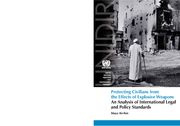
The use of explosive weapons, such as bombs, rockets, and mortar and
artillery shells, in cities, towns and villages
...
and in other populated areas
has devastating humanitarian consequences. Explosive weapons act mainly
through the projection of blast and fragmentation within an area. Their use,
in populated areas, causes severe suffering to civilians, both in terms of
death and serious injury resulting directly from the explosion, and in terms
of damage to property and public infrastructure, which can indirectly affect
civilian well-being and survival, sometimes for many years after a conflict
has ended. Explosive weapons also leave behind explosive remnants that
pose a threat to populations until those remnants are removed. [...] The study finds that the regulation of explosive weapons under international
law and policy is fragmentary and incoherent.
more
DHS Methodological Report No. 20
This study used Service Provision Assessment (SPA) and Demographic and Health Survey (DHS) data from Haiti, Malawi, ... and Tanzania to compare traditionally used additive methods with a data reduction method—principal component analysis (PCA).
We scored the quality of health facilities with three approaches (simple additive, weighted additive, and PCA) for two constructs: quality of services, with only facilities-level data, and quality of care, which incorporates observation and client data. We ranked facilities as high, medium, or low quality based on their scores. Our results indicated that the rankings change with the scoring methodology. There was more consistency in the rankings of facilities by the simple additive and PCA methods than the weighted additive and PCA-based rankings. This may be due to the low factor loadings and little variance explained by the first component in the PCA. We aggregated facility scores to their respective DHS clusters (Haiti, Malawi) or regions (Tanzania) and geographically linked them to women interviewed in DHS surveys to test associations between the use of family planning services and the quality environment, as measured with each index. more
This study used Service Provision Assessment (SPA) and Demographic and Health Survey (DHS) data from Haiti, Malawi, ... and Tanzania to compare traditionally used additive methods with a data reduction method—principal component analysis (PCA).
We scored the quality of health facilities with three approaches (simple additive, weighted additive, and PCA) for two constructs: quality of services, with only facilities-level data, and quality of care, which incorporates observation and client data. We ranked facilities as high, medium, or low quality based on their scores. Our results indicated that the rankings change with the scoring methodology. There was more consistency in the rankings of facilities by the simple additive and PCA methods than the weighted additive and PCA-based rankings. This may be due to the low factor loadings and little variance explained by the first component in the PCA. We aggregated facility scores to their respective DHS clusters (Haiti, Malawi) or regions (Tanzania) and geographically linked them to women interviewed in DHS surveys to test associations between the use of family planning services and the quality environment, as measured with each index. more


Updated 17 April 2020
Improving care for women during pregnancy and around the time of childbirth to prevent and treat pre-eclampsia and eclampsia
...
is a necessary step towards the achievement of the health targets of the Sustainable Development Goals (SDGs). Efforts to prevent and reduce morbidity and mortality due to these conditions can help address the profound inequities in maternal and perinatal health globally. To achieve this, healthcare providers, health managers, policy makers and other stakeholders need up-to-date and evidence-informed recommendations to guide clinical policies and practices.
more
Technical Update
HIV Treatment
July 2017

Previous studies have highlighted a range of individual determinants associated with HIV testing but few have assessed the role of contextual factors. The objective of this paper is to examine the influence of both individual and community-level det
...
erminants of HIV testing uptake in Burkina Faso.
more
The most significant finding of the case study for integrating antimicrobial resistance (AMR)into existing programs and mobilising resources for funding in Nigeria, is that most of the AMR activities within the Nigerian National Actio
...
n Plan (NAP)canalready be incorporated within existing programs of the Federal Ministry of Health (FMOH), Federal Ministry of Agriculture and Rural Development (FMARD) and their agencies or institutes. Certain programs and initiatives already have an AMR element incorporated or could,with little effort,include some additional AMR actions, however much is already being planned and has started with existing federal funding and existing staffing and other resources including development partner support and is being driven by significant political will from the ministries as well as implementation support from the Nigerian Centers for Disease Control as the focal point.
more

Intensive Care Med (2009) 35:9–29DOI 10.1007/s00134-008-1336-9
Although thousands of papers have been devoted tohospital-acquired pneumonia (HAP), many controversiesremain, and management of HAP is probably often sub-optimal. Several r
...
eviews or guidelines have been pub-lished recently, mostly by North American initiatives(CDC, ATS). Three European Societies (ERS, ESCMID andESICM) were interested in producing a document thatcould complement in some way the last IDSA/ATS guidelines published 3 years ago. In addition, the Helics
working group supported this initiative.
more
This paper reviews the effects of vertical responses to COVID-19 on health systems, services, and people’s access to and use of them in LMICs, where historic
...
and ongoing under-investments heighten vulnerability to a multiplicity of health threats. We use the term ‘vertical response’ to describe decisions, measures and actions taken solely with the purpose of preventing and containing COVID-19, often without adequate consideration of how this affects the wider health system and pre-existing resource constraints.
more
Refugee protection in the country is provided within the framework of these international and national refugee laws as well as the core international human rights treaties that have been ratified by the country. Continued insecurity within neighbour
...
ing states has resulted in sustained refugee movements, either directly as a result of internal conflict and human rights abuses or as a result of conflict related to competition for scare natural resources and drought related food insecurity.
more
