Filter
2604
Text search:
Water
Sanitation
Hygiene
Featured
294
833
Language
2437
90
67
52
45
35
20
9
7
7
6
6
6
6
5
5
5
5
4
3
3
3
3
2
2
2
2
2
2
2
2
2
2
2
2
2
2
1
1
1
1
1
1
1
Document type
1349
414
317
160
134
73
64
41
20
13
10
5
2
Countries
106
94
79
75
73
67
66
61
57
51
50
48
46
44
44
40
38
37
35
33
33
31
31
30
27
24
24
22
22
20
19
18
17
17
16
16
16
15
15
14
13
13
12
12
12
12
11
11
11
9
9
9
8
8
8
8
8
7
7
7
6
6
6
6
6
6
5
5
5
5
5
5
5
4
4
4
4
3
3
3
3
3
3
3
3
3
3
3
3
3
3
2
2
2
2
2
2
2
2
2
1
1
1
1
1
1
1
1
1
1
1
1
1
1
1
1
1
1
1
1
1
1
1
1
1
1
1
1
1
1
Authors & Publishers
346
103
93
73
73
66
54
39
38
34
26
24
22
19
19
17
17
17
16
14
14
14
12
12
11
11
10
10
10
9
9
9
9
9
9
8
8
8
8
8
8
8
7
7
7
7
7
7
7
7
6
6
6
6
6
6
6
6
6
6
6
6
6
5
5
5
5
5
5
5
5
5
5
5
5
5
5
5
5
5
5
5
5
5
5
5
4
4
4
4
4
4
4
4
4
4
4
4
4
4
4
4
4
4
4
4
4
4
4
4
4
4
4
4
3
3
3
3
3
3
3
3
3
3
3
3
3
3
3
3
3
3
3
3
3
3
3
3
3
3
3
3
3
3
3
3
3
3
3
3
3
3
3
3
3
3
3
3
3
3
3
3
3
3
3
3
3
3
3
3
3
3
3
3
3
3
3
2
2
2
2
2
2
2
2
2
2
2
2
2
2
2
2
2
2
2
2
2
2
2
2
2
2
2
2
2
2
2
2
2
2
2
2
2
2
2
2
2
2
2
2
2
2
2
2
2
2
2
2
2
2
2
2
2
2
2
2
2
2
2
2
2
2
2
2
2
2
2
2
2
2
2
2
2
2
2
2
2
2
2
2
2
2
2
2
2
2
2
2
2
2
2
2
2
2
2
2
2
2
2
2
2
2
2
2
2
2
2
2
2
2
2
2
2
2
2
2
2
2
2
2
2
2
2
2
2
2
2
2
2
2
2
2
2
2
2
2
2
2
2
2
2
2
2
2
2
1
1
1
1
1
1
1
1
1
1
1
1
1
1
1
1
1
1
1
1
1
1
1
1
1
1
1
1
1
1
1
1
1
1
1
1
1
1
1
1
1
1
1
1
1
1
1
1
1
1
1
1
1
1
1
1
1
1
1
1
1
1
1
1
1
1
1
1
1
1
1
1
1
1
1
1
1
1
1
1
1
1
1
1
1
1
1
1
1
1
1
1
1
1
1
1
1
1
1
1
1
1
1
1
1
1
1
1
1
1
1
1
1
1
1
1
1
1
1
1
1
1
1
1
1
1
1
1
1
1
1
1
1
1
1
1
1
1
1
1
1
1
1
1
1
1
1
1
1
1
1
1
1
1
1
1
1
1
1
1
1
1
1
1
1
1
1
1
1
1
1
1
1
1
1
1
1
1
1
1
1
1
1
1
1
1
1
1
1
1
1
1
1
1
1
1
1
1
1
1
1
1
1
1
1
1
1
1
1
1
1
1
1
1
1
1
1
1
1
1
1
1
1
1
1
1
1
1
1
1
1
1
1
1
1
1
1
1
1
1
1
1
1
1
1
1
1
1
1
1
1
1
1
1
1
1
1
1
1
1
1
1
1
1
1
1
1
1
1
1
1
1
1
1
1
1
1
1
1
1
1
1
1
1
1
1
1
1
1
1
1
1
1
1
1
1
1
1
1
1
1
1
1
1
1
1
1
1
1
1
1
1
1
1
1
1
1
1
1
1
1
1
1
1
1
1
1
1
1
1
1
1
1
1
1
1
1
1
1
1
1
1
1
1
1
1
1
1
1
1
1
1
1
1
1
1
1
1
1
1
1
1
1
1
1
1
1
1
1
1
1
1
1
1
1
1
1
1
1
1
1
1
1
1
1
1
1
1
1
1
1
1
1
1
1
1
1
1
1
1
1
1
1
1
1
1
1
1
1
1
1
1
1
1
1
1
1
1
1
1
1
1
1
1
1
1
1
1
1
1
1
1
1
1
1
1
1
1
1
1
1
1
1
1
1
1
1
1
1
1
1
1
1
1
1
1
1
1
1
1
1
1
1
1
1
1
1
1
1
1
1
1
1
1
1
1
1
1
1
1
1
1
1
1
1
1
1
1
1
1
1
1
1
1
1
1
1
1
1
1
1
1
1
1
1
1
1
1
1
1
1
1
1
1
1
1
1
1
1
1
1
1
1
1
1
1
1
1
1
1
1
1
1
1
1
1
1
1
1
1
1
1
1
1
1
1
1
1
1
1
1
1
1
1
1
1
1
1
1
1
1
1
1
1
1
1
1
1
1
1
1
1
1
1
1
1
1
1
1
1
1
1
1
1
1
1
1
1
1
1
1
1
1
1
1
1
1
1
1
1
1
1
1
1
1
1
1
1
1
1
1
1
1
1
1
1
1
1
1
1
1
1
1
1
1
1
1
1
1
1
1
1
1
1
1
1
1
1
1
1
1
1
1
1
1
1
1
1
1
1
1
1
1
1
1
1
1
1
1
1
1
1
1
1
1
1
1
1
1
1
1
1
1
1
1
1
1
1
1
1
1
1
1
1
1
1
1
1
1
1
1
1
1
1
1
1
1
1
1
1
1
1
1
1
1
1
1
1
1
1
1
1
1
1
1
1
1
1
1
1
1
1
1
1
1
1
1
1
1
1
1
1
1
1
1
1
1
1
1
1
1
1
1
1
1
1
1
1
1
1
1
1
1
1
1
1
1
1
1
1
1
1
1
1
1
1
1
1
1
1
1
1
1
1
1
1
1
1
1
1
1
1
1
1
1
1
1
1
1
1
1
1
1
1
1
1
1
1
1
1
1
1
1
1
1
1
1
1
1
1
1
1
1
1
1
1
1
1
1
1
1
1
1
1
1
1
1
1
1
1
1
1
1
1
1
1
1
1
1
1
1
1
1
1
1
1
1
1
1
1
1
1
1
1
1
1
1
1
1
1
1
1
1
1
1
1
1
1
1
1
1
1
1
1
1
1
1
1
1
1
1
1
1
1
1
1
1
1
1
1
1
1
1
1
1
1
1
1
1
1
1
1
1
1
1
1
1
1
1
1
1
1
1
1
1
1
1
1
1
1
1
1
1
1
1
1
1
1
1
1
1
1
1
1
1
1
1
1
1
1
1
1
1
1
1
1
1
1
1
1
1
1
1
1
1
1
1
1
1
1
1
1
1
1
1
1
1
1
1
1
1
1
1
1
1
1
1
1
1
1
1
1
1
1
1
1
1
1
1
1
1
1
1
1
1
1
1
1
1
1
1
1
1
1
1
1
1
1
1
1
1
1
1
1
1
1
1
1
1
1
1
1
1
1
1
1
1
1
1
1
1
1
1
1
1
1
1
1
1
1
1
1
1
1
1
1
1
1
1
1
1
1
1
1
1
1
1
1
1
1
1
1
1
1
1
1
1
1
1
1
1
1
1
1
1
1
1
1
1
1
1
1
1
1
1
1
1
1
1
1
1
1
1
1
1
1
1
1
1
1
1
1
1
1
1
1
1
1
1
1
1
1
1
1
1
1
1
1
1
1
1
1
1
1
1
1
1
1
1
1
1
1
1
1
1
1
1
1
1
1
1
1
1
1
1
1
1
1
1
1
1
1
1
1
1
1
1
1
1
1
1
1
1
1
1
1
1
1
1
1
1
1
1
1
1
1
1
1
1
1
1
1
1
1
1
1
1
1
1
1
1
1
1
1
1
1
1
1
1
1
1
1
1
1
1
1
1
1
1
1
1
1
1
1
1
1
1
1
1
1
1
1
1
1
1
1
1
1
1
1
1
1
1
1
1
1
1
1
1
1
1
1
1
1
1
1
1
1
1
1
1
1
1
1
1
1
1
1
1
1
1
1
1
1
1
1
1
1
1
1
1
1
1
1
1
1
1
1
1
1
1
1
1
1
1
1
1
1
1
1
1
1
1
1
1
1
1
1
1
1
1
1
1
1
1
1
1
1
1
1
1
1
1
1
1
1
1
1
1
1
1
1
1
1
1
1
1
1
1
1
1
1
1
1
1
1
1
1
1
1
1
1
1
1
1
1
1
1
1
1
1
1
1
1
1
1
1
1
1
1
1
1
1
1
1
1
1
1
1
1
1
1
1
1
1
1
1
1
1
1
1
1
1
1
1
1
1
1
1
1
1
1
1
1
1
1
1
1
1
1
1
1
1
1
1
1
1
1
1
1
1
1
1
1
1
1
1
1
1
1
1
1
1
1
1
1
1
1
1
1
1
1
1
1
1
1
1
1
1
1
1
1
1
1
1
1
1
1
1
1
1
1
1
1
1
1
1
1
1
1
1
1
1
1
1
1
1
1
1
1
1
1
1
1
1
Publication Years
849
1535
207
12
1
Category
1058
329
131
119
99
79
10
5
1
Toolboxes
314
148
147
131
129
109
104
100
96
82
60
57
51
40
32
25
16
10
9
9
8
7
7
1
1
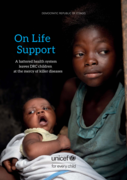
ON LIFE SUPPORT3The Democratic Republic of Congo’s Ebola outbreak has been contained, but confl ict and under-development leave over three million children at risk from measles and other killer diseases. The country’s medical services – ill-equipped and under-resourced – are on life support
...
and in no condition to protect children unless urgent measures are taken.
more
UNICEF Annual Report 2017 - Burkina Faso
- Healthcare policy for children
- Food insecurity
- Community health strategy
- National child protection system
etc.

Rwanda first confirmed cases of coronavirus disease 2019 (COVID-19) in March 2020. Although the number of cases has been low, health system resources are being redirected to respond and an increasing number of children are affected by the socio-economic impacts of the pandemic, including disruptions
...
to schooling and heightened protection risks.
While Rwanda remained Ebola-free during the outbreak, it remains a priority country and continues to maintain its Ebola preparedness. Rwanda is also home to 147,000 refugees, half of whom are children, who require assistance in and outside of camps.1 In 2021, UNICEF will continue to deliver life-saving services to refugees and children and families affected by COVID-19 and its socio-economic impacts, and maintain its Ebola preparedness and contingency planning.
more
15 January 2021
This Aide Memoire is for policy makers, immunization programme managers, infection prevention and control (IPC) focal points at national, sub-national, and facility level, as well as for health workers involved in COVID-19 vaccination delivery. This document summarizes the key IPC p
...
rinciples to consider and the precautions to take for safely delivering COVID-19 vaccines. The principles and recommendations provided in this document derive from World Health Organization (WHO) IPC and immunization standards and other guidance in the context of COVID-19. WHO will update these recommendations as new information becomes available. All technical guidance for COVID-19 is available online.
more
Available in Chinese, English, French, Russian and Spanish; WHO and UNICEF policy brief, 19 April 2021
Persons with disabilities are disproportionately impacted by COVID-19, both directly because of infection, and indirectly because of restrictions to reduce the spread of the virus. Persons with di
...
sabilities are a diverse group, and the risks, barriers and impacts faced by them will vary in different contexts according to, among other factors, their age, gender identity, type of disability, ethnicity, sexual orientation, and migration status.
This document presents considerations and actions for the following stakeholders to ensure equity in access to vaccination against COVID‑19 for persons with disabilities
more
By almost any measure, human health is better now than at any time in history. Life expectancy has soared from 47 years in 1950–1955, to 69 years in 2005–2010, and death rates in children younger than 5 years of age have decreased substantially, from 214 per thousand live births in 1950–1955,
...
to 59 in 2005–2010. But these gains in human health have come at a high price: the degradation of nature’s ecological systems on a scale never seen in human history. A growing body of evidence shows that the health of humanity is intrinsically linked to the health of the environment, but by its actions humanity now threatens to destabilise the Earth’s key life-support systems.
As a Commission, we conclude that the continuing degradation of natural systems threatens to reverse the health gains seen over the last century. In short, we have mortgaged the health of future generations to realise economic and development gains in the present.
Despite present limitations, the Sustainable Development Goals provide a great opportunity to integrate health and sustainability through the judicious selection of relevant indicators relevant to human wellbeing, the enabling infrastructure for development, and the supporting natural systems, together with the need for strong governance.
more
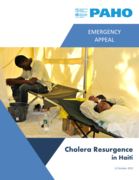
Après plus de trois ans sans cas, Haïti a signalé le 2 octobre 2022 un ensemble de cas de choléra dans la zone métropolitaine de Port-au-Prince, alors que le pays était sur le point d'être déclaré exempt de choléra.
Cette résurgence du choléra en Haïti survient dans un contexte opér
...
ationnel complexe, au milieu d'un environnement socio-politique instable marqué par des blocus, des pénuries de carburant, des activités de bandes criminelles et une insécurité galopante. Les troubles civils et le manque d'accès aux communautés touchées aggravent la crise humanitaire complexe et entravent les efforts de réponse d'urgence.
more
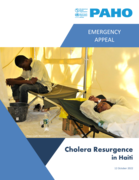
After more than three years without cases, Haiti reported on 2 October 2022 a cluster of cholera cases in the metropolitan area of Port-au-Prince, just as the country was on the verge of being declared cholera- free.
This cholera resurgence in Haiti is happening in a complex operational context,
...
amid a volatile socio- political environment marked by blockades, fuel shortages, criminal gang activity and rampant insecurity. Civil unrest and lack of access to the affected communities are deepening the complex humanitarian crisis and hindering emergency response efforts.
more
The Pharmaceutical Forum of the Americas (PFA) has previously published guidelines and organised campaigns for community pharmacists on the prevention, detection and control of arbovirus infections in 2018 with a grant from the FIP Foundation for Pharmacy Education and Research. Building on that exp
...
ertise, FIP joined efforts with the PFA and is now publishing its first-ever handbook to support pharmacists in the
area of vector-borne diseases. As the integration of the regional forums in FIP advances, such collaborative projects are tangible results of an increasingly regionally informed and regionally targeted work by FIP.
more
Accessed June 2014

This section deals with implementing and improving infection control practices in hospitals, health centres and other health services in the outbreak area. It explains the need for, and implementation of, effective triage procedures, and basic requirements for infection control and supporting activi
...
ties. Further guidance can be found in the MSF Infection Control Guideline
more
IPC Training Package Day 1
Epidemic diarrhoeal disease preparedness and response. Training and practice. Participant's manual
recommended
Accessed November 2014

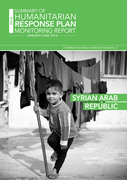
Now entering its sixth year, the conflict in Syria continues to take a drastic toll on the lives of the Syrian people and to drive an unprecedented humanitarian and protection crisis: some 13.5 million people are now in need of humanitarian assistance and protection, including 6 million children. Ha
...
lf of the country’s pre-crisis population has been forced from their homes, with around one third of the remaining population now displaced within Syria and over 4.8 seeking refuge in neighbouring countries and beyond.
more
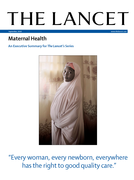
Each year, about 210 million women become pregnant and about 140 million newborn babies are delivered. The sheer scale of maternal health issues makes maternal well being and survival vital concerns. A decade after The Lancet published a Series on maternal survival, a new Series of six papers brings
...
our knowledge of maternal health, its epidemiology, successes, and current failings together, and at a crucial time within the sustainable development framework to 2030. The Series concludes with a call to action setting out five key targets which need to be met to ensure the progression of broader sustainable development goals (SDGs).
Open Access
more