
Filter
1633
Text search:
displaced
populations
Featured
167
468
Language
Document type
860
322
132
130
88
39
37
17
6
1
1
Countries
89
76
68
56
55
43
37
35
32
32
30
28
26
25
24
22
20
20
17
17
17
17
16
15
14
14
14
14
13
13
13
13
13
12
11
11
11
11
11
10
9
9
9
8
8
8
8
7
7
7
6
6
6
5
5
5
5
5
4
4
4
4
3
3
3
3
3
3
3
3
3
3
2
2
2
2
2
2
2
2
2
2
2
2
2
2
2
1
1
1
1
1
1
1
1
1
1
1
1
1
1
1
1
1
1
1
1
1
1
1
1
1
1
1
1
1
Authors & Publishers
Publication Years
Category
528
119
93
82
66
22
4
4
2
1
Toolboxes
219
204
124
105
95
91
76
62
62
45
27
26
25
22
19
13
13
9
7
4
4
3
2
1
Despite growing evidence on the impact of psychosocial support interventions, there is an urgent need for a stronger evidence base on approaches that effectively support children affected by armed conflict. To contribute to this evidence base, and building on a pilot study conducted in Uganda in 200
...
Оценка потребностей и ресурсов в области охраны психического здоровья и психосоциальной поддержки
recommended
Данный документ предназначен в первую очередь для работников здравоохранения. Поскольку социальные детерминанты нарушений психического здоровья и психосоциальÐ
...
Unaccompanied and separated children leave their countries of origin for a variety of reasons. They may
be fleeing from persecution, armed conflict, exploitation or poverty. They may have been sent by members
of their family or decided to leave on their own – be it to ensure their survival, or t
...
Executive summary
Accessed: 31.03.2019
Mental disorders impose an enormous burden on society, accounting for almost one in three years lived with disability globally. •In addition to their health impact, mental disorders cause a significant economic burden due to lost economic output and the link between mental disorders and costly, po
...
The core of the strategy is the goal for all patients to have better overall care, so that the numbers of deaths and cases of disability are reduced by 50% before 2030. For this to be achieved, four strategic aims will be pursued.
Empower and engage communities,
Ensure safe, effective tre
...
The WHO Health Emergencies Programme is currently monitoring 118 events in the region. This week’s main articles cover the following events:
Coronavirus disease 2019 (COVID-19) in Togo
Measles in Chad
Ebola virus disease (EVD) in Équateur Province, Democratic Republic of the Congo.
...
Gender-based Violence Area of Responsibility Working Group July 2010
Despite Pakistan's progress in reducing the number of wild poliovirus type 1 (WPV1) cases to 8 in 2017 and 12 in 2018, 2019 has seen a significant rise in the number of WPV1 cases (41 cases as of July 8 2019). One of the most intractable challenges the Pakistan Polio Eradication Initiative (PEI) is
...

Participant Manual
February 2011
Edition 3.0
How we respond both now and going forward will help mitigate the impact of COVID-19, and to the extent possible preserve children’s rights to Survive, Learn, and Be Protected. We will focus our efforts on the most critical work essential to maintaining these commitments to the extent possible.

WHO would like to express its gratitude and appreciation to all Member States that provided information to the WHO survey on policies and activities at the national level in the area of antimicrobial resistance. The contribution of staff in WHO Regional and Country Offices has been invaluable: in ga
...
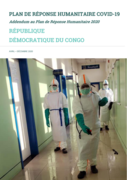
Ce plan humanitaire multisectoriel spécifique à la réponse COVID-19 constitue un addendum au Plan de Réponse Humanitaire 2020 (PRH) afin d’intégrer l’impact de la pandémie de COVID-19 sur les besoins humanitaires existants et sur les activités des partenaires humanitaires
In addition to the ongoing humanitarian emergencies in the country, the COVID-19 pandemic poses a potential monumental social and economic threat to Nigeria, with a devastating knock on effect for the most vulnerable population in the BAY states who have endured a decade of conflict. The UN system i
...
Severe cases of COVID-19 are associated with rehabilitation needs related to the consequences of ventilatory support, and prolonged immobilization and bed rest. These may include: − Impaired lung function; − Physical deconditioning and muscle weakness; − Delirium and other cognitive impairment
...
COVID-19 has turned the world upside down. Everything has been impacted. How we live and interact with each other, how we work and communicate, how we move around and travel. Every aspect of our lives has been affected.
COVID-19 disproportionately affects the poor and vulnerable. Community health workers are poised to play a pivotal role in fighting the pandemic, especially in countries with less resilient health systems. Drawing from practitioner expertise across four WHO regions, this article outlines the targete
...
Policy Brief 2 June 2020
The COVID-19 pandemic is a health and human crisis threatening the food security and nutrition of millions of people around the world. Hundreds of millions of people were already suffering from hunger and malnutrition before the virus hit and, unless immediate action is tak
...
