
Filter
1893
Text search:
children
in
humanitarian
crisis
Featured
181
580
Language
Document type
969
407
150
119
93
78
47
15
8
3
2
1
1
Countries
135
92
71
71
63
55
55
54
54
53
50
44
32
30
29
29
28
26
25
25
23
23
21
20
18
18
17
16
15
15
14
14
14
14
13
12
12
12
11
11
11
10
10
9
9
9
8
8
7
7
7
6
6
5
4
4
4
4
4
4
4
4
4
4
4
3
3
3
3
3
3
3
3
3
3
3
3
3
3
2
2
2
2
2
2
2
2
2
2
2
2
2
1
1
1
1
1
1
1
1
1
1
1
1
1
1
1
1
1
1
1
1
1
1
1
1
1
1
1
1
1
1
1
1
Authors & Publishers
Publication Years
Category
688
129
122
64
48
28
8
3
2
1
Toolboxes
303
261
147
132
114
94
93
68
60
48
25
21
19
18
11
9
8
8
7
5
5
4
3
2
2
Desk Review and Recommendations for Private Sector Engagement
The new Global Strategy aims to achieve the highest attainable standard of health for all women, children and adolescents, transform the future and ensure that every newborn, mother and child not only survives, but thrives.

Progress report of the Human Rights Council Advisory Committee (A/HRC/33/53) (Advance edited version)

Nutrition Surveys
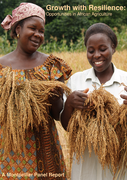
- Resilient Markets
- Resilient Agriculture
- Resilient People
- Political Leadership for Resilient Growth
A practical handbook covering the architecture, engineering, design and operation of prisons. It is intended for all ICRC delegates working in places of detention, whether they have extensive practical experience or are new to the field.
Once identified as vulnerable, applicants enjoy specific rights and safeguards in the asylum process under EU law. Vulnerability should therefore trigger additional or tailored support to ensure that people have the necessary conditions to bring for
...
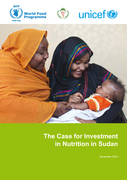
Over the period 2015 to 2019, scaling up a package of selected nutrition-specific and nutrition sensitive interventions to cover 90 per cent of Sudan would:
- Reduce the under-five mortality rate to 49/1,000 live births
- Reduce the prevalence of stunting to 25 per cent
- Reduce the ...
- Reduce the under-five mortality rate to 49/1,000 live births
- Reduce the prevalence of stunting to 25 per cent
- Reduce the ...

At the time of writing, the novel coronavirus pandemic had reached every region of the world, with millions of infections globally and untold disruptions to nearly every aspect of daily life.
In fragile, conflict-affected and vulnerable settings, delivery of quality health services faces significant challenges, including disruption of a routine health service organization and delivery systems, increased health needs, complex and unpredic
...
