Filter
2478
Text search:
translation
Featured
288
550
Language
Document type
1000
535
402
222
130
72
33
30
24
10
7
5
4
1
Countries
167
67
57
52
51
45
42
39
33
28
28
27
27
27
25
24
24
23
23
22
21
20
18
17
17
17
17
17
17
16
15
15
15
14
13
12
11
11
10
10
10
8
8
8
8
8
8
8
7
7
7
7
7
7
6
6
5
5
5
5
4
4
4
4
3
3
3
3
3
3
3
3
3
3
3
3
3
3
3
2
2
2
2
2
2
2
2
2
2
2
2
2
2
2
2
2
2
2
2
2
2
2
2
2
2
1
1
1
1
1
1
1
1
1
1
1
1
1
1
1
1
1
1
1
1
1
1
1
1
1
1
1
1
Authors & Publishers
Publication Years
Category
614
277
220
184
127
69
39
2
Toolboxes
253
215
169
129
119
114
105
101
88
81
80
75
70
64
54
32
26
24
12
9
9
7
5
2
People younger than 20 years comprise 35% of the global population and 40% of the global population of least-developed nations. The number of children - neonates, infants, children, and adolescents up to 19 years of age - who need pediatric palliative care (PPC) each year may be as high as 21 millio
...

Humanitarian emergencies and crises (Humanitarian emergencies and crises) are large-scale events that may result in the breakdown of health care systems and society, forced displacement, death, and physical, psychological, social and spiritual suffering on a massive scale. Current responses to Human
...
Rehabilitation in health systems provides recommendations for Member States and other relevant stakeholders to strengthen and expand the availability of quality rehabilitation services. Currently, there is a significant unmet need for rehabilitation services and it is frequently undervalued in the h
...

WHO, in partnership with the International Society for Prosthetics and Orthotics (ISPO) and the United States Agency for International Development (USAID), has published global standards for prosthetics and orthotics. Its aim is to ensure that prosthetics and orthotics services are people-centred an
...
WHO, in partnership with the International Society for Prosthetics and Orthotics (ISPO) and the United States Agency for International Development (USAID), has published global standards for prosthetics and orthotics. Its aim is to ensure that prosthetics and orthotics services are people-centred an
...
Table of contents:
- Preface
- Introductory note and acknowledgements
- Commentary
- Chapter 1: Drug supply and the market
- Chapter 2: Drug use prevalence and trends
- Chapter 3: Drug-related harms and responses
- Annex: National data tables
Available in 24 languages on:
http://www.emcdd
...
"This is the final report of the six-year collaboration between the WHO Department of Mental Health and Substance Abuse and the Gulbenkian Global Mental Health Platform, an initiative of the Calouste Gulbenkian Foundation aimed at reducing the global burden of mental health through the development a
...

WHO guideline on health policy and system support to optimize community health worker programmes
recommended
The guideline uses state-of-the-art evidence to identify effective policy options to strengthen community health worker (CHW) programme performance through their proper integration in health systems and communities.
Successful delivery of services through CHWs requires evidence-based models for edu
...
The Sphere Handbook. Humanitarian Charter and Minimum Standards in Humanitarian Response. New Edition
recommended
Humanitarian Charter and Minimum Standards in Humanitarian Response.
The 2018 Sphere Handbook builds on the latest developments and learning in the humanitarian sector. Among the improvements of the new edition, readers will find a stronger focus on the role of local authorities and communities as
...
2016-2018 Early implementation,
This report presents 2015 data on the consumption of systemic antibiotics from 65 countries and areas, contributing to our understanding of how antibiotics are used in these countries. In addition, the report documents early efforts of the World Health Organization (
...
Tuberculosis (TB) control in the African Region has evolved since the disease was declared a global emergency by the World Health Organization (WHO) in 1993. Member States have adopted and implemented successive global and regional strategies and resolutions, with demonstrable positive impacts on in
...
The purpose of this manual is to provide guidance in the design, implementation and evaluation of a course that aims to build and strengthen the capacity of health personnel to manage eye patients at primary-level health facilities in the African Region. The course falls within the remit of continuo
...

Guidelines on sanitation and health
recommended
The new WHO Guidelines on Sanitation and Health summarize the evidence on the effectiveness of a range of sanitation interventions and provide a comprehensive framework for health-protecting sanitation, covering policy and governance measures, implementation of sanitation technologies, systems and b
...
2nd edition. The 2018 Roadmap incorporates an additional critical population: adolescents. Despite making up 1 in 6 of the world’s people, adolescents have been largely overlooked as global momentum to address TB has grown. Spanning the ages of 10–19 years, adolescents are both at risk of TB and
...
Outstanding child and adolescent TB priorities include the need to: find the missing children with active TB and link them to TB care; prevent TB in children who are in contact with infectious TB cases (through implementation of active contact investigation and provision of preventive treatment); an
...
The purpose of the landscape analysis is ultimately to facilitate improved engagement of private providers, thereby contributing to universal access to quality and affordable TB care and the end of the TB epidemic. It focuses on the role of private for-profit providers and on specific challenges and
...
In 2017, 3.6 million of the estimated 10 million people with TB worldwide were “missed” by national TB programmes (NTPs). Two thirds of them are thought to access TB treatment of questionable quality from public and private providers who are not engaged by the NTP. The quality of care provided i
...
This is an open-access training course for frontline healthcare providers who manage acute illness and injury with limited resources. Produced in response to requests from multiple countries and international partners, the BEC package includes a Participant Workbook and electronic slide decks for ea
...
The Guidelines for the Diagnosis, Treatment and Prevention of Leprosy provide state-of-the-art knowledge and evidence on leprosy diagnosis, treatment and prevention based on a public health approach in endemic countries. The target audience of this document includes policy-makers in leprosy or infec
...

Cholera is a diarrhoeal disease that is usually contracted when drinking water contaminated with Vibrio cholerae bacteria. The fight against this disease requires a multidisciplinary approach that combines a water, hygiene and sanitation (WaSH) response with a monitoring system, improved water suppl
...
ECDC MISSION REPORT 19–21 September 2016 ; 14–15 November 2016
This document contains a series of desk reviews for the eight ENGAGE-TB priority countries supported by the Global Fund (DRC, Kenya, Indonesia, Mozambique, Myanmar, Nigeria, Pakistan and Tanzania). The document provides a situation assessment and gap analysis about the state of community based TB ac
...
This document aims to provide concrete, pragmatic guidance for how TB modelling and related technical assistance is undertaken to support country decision-making. The target audience for this document are the participants and stakeholders in country-level TB modelling efforts, including the individu
...
WHO QualityRights is an initiative which aims to improve the quality of care in mental health and related services and to promote the human rights of people with psychosocial, intellectual and cognitive disabilities, throughout the world.
This document has been developed to support countries to develop and strengthen peer support groups in mental health and related areas. It addresses the provision of peer support groups in the context of health services and the wider community.
This document has been developed to support countries develop and strengthen individualized peer support services in mental health and related areas. It addresses the provision of individualized peer support in the context of health services and the wider community.
This handbook and teaching guide on recovery has been designed to complement the QualityRights training module on Promoting Recovery in Mental Health and Related Services. The handbook and teaching guide covers much of the same material, but also contains additional text and exercises. It can be giv
...
This training and guidance module addresses the use of coercive and violent practices in mental health and related services with a particular focus on seclusion and restraint. It aims to promote a greater understanding of why these practices are used and build practical skills to help end these prac
...
This training and guidance has been developed to provide an in-depth understanding on what it means to respect legal capacity in mental health and related areas as well as concrete strategies to ensure that people are able to exercise their right to legal capacity in all areas of their life. In this
...
This module has been developed to provide training and guidance to improve the quality of care and human rights conditions in inpatient, outpatient and community based mental health and related services, following the conduct of a comprehensive assessment using the WHO QualityRights assessment toolk
...
This document provides training and guidance on the reasons for, and the impact of, violence, coercion and abuse within mental health and related settings. It also provides guidance on how to implement strategies to end the use of coercion, violence and abuse in these settings.
This document provides training and guidance on legal capacity and how supported decision making, recovery plans and advance plans help to avoid involuntary detention and treatment and ensure people are able to exercise their right to legal capacity.
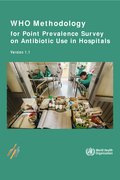
Version 1.1. The WHO protocol has been adapted to resource-limited settings and builds on existing methodologies from the European Centre for Disease Prevention and Control (ECDC), the Global PPS project from University of Antwerp, the US Centers for Disease Control and Prevention (CDC), and the Med
...
A WHO-ITU Standard.
Nearly 50% of people aged 12-35 years – or 1.1 billion young people – are at risk of hearing loss due to prolonged and excessive exposure to loud sounds, including music they listen to through personal audio devices. Ahead of World Hearing Day (3 March), the World Health Org
...
Guidelines for malaria vector control
recommended
these guidelines are updated on 16 February 2021
Please check the new guideline here
https://medbox.org/document/who-guidelines-for-malaria#GO
As of October 2017, the global database comprised almost 30 000 records, including results from bioassays to measure phenotypic resistance, and biochemical and molecular tests for resistance mechanisms. The current report presents an overview of data on malaria vector resistance for 2010 to 2016. It
...
This user guide is designed to provide national malaria control programmes with general information on glucose-6-phosphate dehydrogenase (G6PD) deficiency. Individuals with this condition may be at risk of adverse effects from medicines commonly used to cure Plasmodium vivax malaria, as well as from
...
This report, published in conjunction with a summary overview of results of rounds 1–8, is the eighth and final report in a series of laboratory-based evaluations of rapid diagnostic tests (RDTs) for malaria. It provides a comparative measure of their performance in a standardized way to distingu
...
This document provides training and guidance on the key standards related to the physical and social environment within mental health and related services that need to be met to promote good outcomes, independent living and community inclusion.
This document has been developed to provide training and guidance on how to integrate a human rights approach in mental health and related areas, based on international human rights instruments, in particular the UN Convention on the Rights of Persons with Disabilities (CRPD).
This document has been developed to provide training and guidance to be able to understand what are human rights, what human rights mean for people’s lives, as well as the actions that can be taken by individuals and groups to respect and promote human rights.
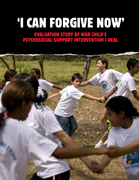
Despite growing evidence on the impact of psychosocial support interventions, there is an urgent need for a stronger evidence base on approaches that effectively support children affected by armed conflict. To contribute to this evidence base, and building on a pilot study conducted in Uganda in 200
...
Psycho-Social Rehabilitation and Occupational Integration of Child Survivors of Trafficking and Other Worst Forms of Child Labour |
Communities can play a critical role in suicide prevention. Facilitating community engagement in suicide prevention is an important task. The toolkit is a step-by-step guide for communities to engage in suicide prevention activities and have ownership of the process and keep efforts sustained. It is
...
Second edition
Areas for action include: increasing prioritisation and awareness of dementia; reducing the risk of dementia; diagnosis, treatment and care; support for dementia carers; strengthening information systems for dementia; and research and innovation.
Guide for community-based management and care of people with dementia
Version 1.0
Mental Health and Substance Abuse
Division of NCD and Health through the Life-Course
World Health Organization Regional Office for the Western Pacific
Version 1.1
Department of Mental Health and Substance Abuse
This compendium collates current tools and resources on quality improvement developed by the WHO Service Delivery and Safety Department and provides examples of how the tools and resources have been applied in country settings. The target audience for this document are ministries of health, facility
...

The goal of the strategy is to prevent seasonal influenza, control the spread of influenza from animals to humans, and prepare for the next influenza pandemic.
The new strategy is the most comprehensive and far-reaching that WHO has ever developed for influenza. It outlines a path to protect popul
...
The objective of this guideline is to present the complete set of all WHO recommendations and best practice statements relating to abortion. While legal, regulatory, policy and service-delivery contexts may vary from country to country, the recommendations and best practices described in this docume
...
This new guideline on non-clinical interventions to reduce unnecessary caesarean sections incorporates the views, fears and beliefs of both women and health professionals about caesarean sections. It also considers the complex dynamics and limitations of health systems and organizations and relation
...
Menthol in tobacco products
Building laboratory testing capacity
The new guidelines provide public health guidance on pharmacological agents for managing hyperglycaemia in type 1 and type 2 diabetes for use in primary health-care in low-resource settings. These guidelines update the recommendations for managing hyperglycaemia in the WHO Package of Essential NCD I
...
mhGAP is based on evidence-based technical guidelines (4) and provides a set of tools and
training packages to extend service provision. The mhGAP Intervention Guide (mhGAP-IG)
for MNS disorders in non-specialized health settings (8) is a clinical decision-making tool
for assessing and managing p
...
The present Consolidated guidelines include a comprehensive set of WHO recommendations for the treatment and care of DR-TB, derived from these WHO guidelines documents. The consolidated guidelines include policy recommendations on treatment regimens for isoniazid-resistant TB (Hr-TB) and MDR/RR-TB,
...
The WHO/UNICEF JMP report, WASH in Health Care Facilities, is the first comprehensive global assessment of water, sanitation and hygiene (WASH) in health care facilities. It also finds that 1 in 5 health care facilities has no sanitation service*, impacting 1.5 billion people. The report further rev
...
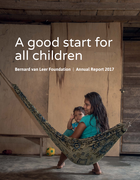
Early childhood matters.
This document looks at specific issues regarding the development of young children, in particular from a psychosocial perspective. It is published twice per year by the Bernard van Leer Foundation. The views expressed in Early Childhood Matters are those of the authors and
...
In 2015, WHO proposed the use of the Robson classification (also known as the 10-group classification) as a global standard for assessing, monitoring and comparing caesarean section rates both within healthcare facilities and between them. The system classifies all women into one of 10 categories t
...
The case is intended to be used as the basis for group work and class discussion rather than to illustrate either effective or ineffective handling of a Medical Peace Work situation. This is one of seven Medical Peace Work courses.
This updated Comprehensive Mental Health Action Plan 2013-2030 builds upon its predecessor and sets out clear actions for Member States, the WHO Secretariat and international, regional and national partners to promote mental health and well-being for all, to prevent mental health conditions for thos
...
Suicides take a high toll. Over 800 000 people die by suicide every year and it is the second leading cause of
death in 15-29-year-olds. Most suicides occur in low- and middle-income countries where resources
and services, if they do exist, are often scarce and limited for early identification, tr
...
The key aim of this guideline is to present recommendations based on a critical evaluation of the evidence on emerging digital health interventions that are contributing to health system improvements, based on an assessment of the benefits, harms, acceptability, feasibility, resource use and equity
...
In this course you will examine the interconnections between poverty, development and violent conflict. This is one of seven Medical Peace Work courses.
The report summarizes key global health expenditure patterns and trends, and illustrates the potential of the new database to inform thinking about financing reforms to progress towards UHC, and also raises issues for further research. It analyses the following areas:
The WHO Guidelines on risk reduction of cognitive decline and dementia provide evidence-based recommendations on lifestyle behaviours and interventions to delay or prevent cognitive decline and dementia. These WHO Guidelines are an important tool for health care providers as well as governments, pol
...
The aim of the framework is to provide guidance to Member States and partners on region-specific priority actions towards the goals, targets and milestones of the GTS. The central pillar of the framework is the adoption of programme phasing and transitioning, aimed at facilitating a tailored approac
...
The revised guidelines contain recommendations for specific administrative, environmental controls and respiratory protection, following the assessment made by an external group of experts convened as members of the Guideline Development Group. Moreover, these guidelines focus on interventions speci
...
The Central African Republic has experienced
repeated sociopolitical crises since
the tragic death of its founder, Barthélémy
Boganda, the year before the county’s independence.
Today there is a general tendency
by foreign observers and analysts who are
not conversant with the history of t
...

Self-care interventions are among the most promising and exciting new approaches to improve health and well-being, both from a health systems perspective and for people who use these interventions. The World Health Organization (WHO) uses the following working definition of self-care: Self-care is t
...
Epilepsy: a public health imperative
recommended
This is the first global report on epilepsy summarizing the available evidence on the burden of epilepsy and the public health response required at global, regional and national levels.
The reports highlights major gaps in awareness, diagnosis, treatment, and health policies through a series of a
...
Clinical management standard operating procedures.
Ebola virus disease (EVD) is a life-threatening multisystem illness associated with fever and gastrointestinal (GI) symptoms that frequently leads to hypovolaemia, metabolic acidosis, hypoglycaemia, and multi-organ failure. The prolonged 2013–201
...
The core of the strategy is the goal for all patients to have better overall care, so that the numbers of deaths and cases of disability are reduced by 50% before 2030. For this to be achieved, four strategic aims will be pursued.
Empower and engage communities,
Ensure safe, effective tre
...
WHO today published the new edition of its Model Lists of Essential Medicines and Essential Medicines for Children, which include new treatments for various cancers, insulin analogues and new oral medicines for diabetes, new medicines to assist people who want to stop smoking, and new antimicrobials
...
WHO’s Essential Medicines List and List of Essential Diagnostics are core guidance documents that help countries prioritize critical health products that should be widely available and affordable throughout health systems. The updated Essential Medicines List adds 23 medicines for children.
Report of the 23rd WHO Expert Committee on the selection and use of essential medicines
This executive summary reports the recommendations made by the Expert Committee for the 2021 update of the WHO Model List of Essential Medicines (EML) and the Model List of Essential Medicine for Children (EMLc)
...
The WHO Toolkit for the care and support of people affected by complications associated with Zika virus has been developed to serve as a model guide, with the goal of enhancing country preparedness for Zika virus outbreaks. The toolkit is intended to provide a systems approach involving public heal
...
This guide is a revised edition to the previous version published in 2017.
This updated publication provides programme managers with a user-friendly tool that can: (i) analyse and draw conclusions from historic dengue datasets; (ii) identify appropriate alarm indicators that can predict forthcoming
...
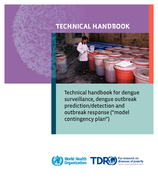
The aim of this “model contingency plan” is to assist programme managers and planners in devel-oping a national, context-specific, dengue outbreak response plan in order to: (a) detect a dengue outbreak at an early stage through clearly defined and validated alarm signals; (b) precisely define w
...
The EYE strategy is a comprehensive and long-term strategy built on lessons learned that aims at ending yellow fever epidemics by 2026, and consists of three strategic objectives:
protect at-risk populations;
prevent international spread; and
contain outbreaks rapidly.
The aims of these guidelines are to provide guidance to health-care providers (i.e. the end-users of these guidelines: physicians, nurses, pharmacists and caregivers) on the adequate relief of pain associated with cancer. They also assist policy-makers, programme managers and public health personnel
...
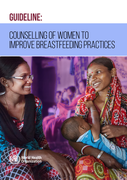
This guideline examines the evidence and makes recommendations and remarks on the implementation of some of the details of breastfeeding counselling, such as frequency, timing, mode and provider of breastfeeding counselling, to improve breastfeeding practices. The objective of this guideline is to p
...
WHO Recommendations 2018 Update
The primary audience for these recommendations includes health professionals who are responsible for developing national and local health care guidelines and protocols (particularly those related to PPH prevention and treatment) and those involved in the provision of
...
Updated 17 April 2020
Improving care for women during pregnancy and around the time of childbirth to prevent and treat pre-eclampsia and eclampsia is a necessary step towards the achievement of the health targets of the Sustainable Development Goals (SDGs). Efforts to prevent and reduce morbidity a
...
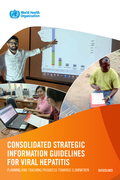
The document describes the use of strategic information at various stages of the response in the context of strengthening broader health information systems. Strategic information can be defined as data collected at all service delivery and administrative levels to inform policy and programme decisi
...
Universal health coverage and the Sustainable Development Goals in the WHO African Region
Regional action plan 2019-2023
This publication’s primary purpose is to provide a compilation of actions to address malnutrition in all its forms, in a concise and user-friendly format to help in decision-making processes for integration of nutrition interventions in national health policies, strategies, and plans based on coun
...
Global Health Estimates
A resource for pesticide registrars and regulators.
The WHO urged governments to restrict access to highly toxic pesticides used for self-poisoning . Other effective interventions include education, youth intervention programs and follow-up of people at risk—and better data. Only 80 out of 183 WH
...
Annual report on global preparednessfor health emergencies
The next pandemic is not a question of if, but when—and the world is woefully unprepared, according to the first annual report from the Global Preparedness Monitoring Board. The WHO and the World Bank convened the independent group after
...

A regional consultation report and draft transition framework