
Filter
5292
Text search:
social
protection
system
Featured
450
1514
Language
5087
172
104
74
69
39
38
32
11
11
11
9
8
8
8
7
7
6
6
6
6
6
6
6
6
6
5
5
5
4
4
4
4
4
3
3
3
3
3
3
3
3
3
3
2
2
2
2
2
2
2
1
1
1
1
1
1
1
1
1
1
1
1
1
1
1
Document type
3057
953
543
256
235
76
69
68
13
9
6
1
1
Countries
223
207
151
122
117
115
110
110
110
105
101
99
87
77
76
74
72
67
66
65
64
64
58
55
50
43
42
41
38
37
37
36
36
36
34
33
30
30
28
25
25
25
24
23
23
20
20
20
19
19
18
16
16
16
15
15
15
15
13
13
12
11
10
10
10
10
10
9
9
9
9
8
8
8
8
7
7
7
6
6
6
6
6
5
5
5
5
5
4
4
4
4
4
4
4
3
3
3
3
3
3
3
3
3
3
3
3
3
3
2
2
2
2
2
2
2
2
2
2
2
2
2
2
2
2
2
2
2
1
1
1
1
1
1
1
1
1
1
1
1
1
1
1
1
1
1
1
Authors & Publishers
554
218
194
165
147
132
111
80
69
54
37
36
36
31
31
29
28
27
27
25
25
24
23
23
23
21
20
20
20
20
20
20
19
19
19
18
18
18
17
17
16
16
15
15
15
15
14
14
14
14
13
13
13
13
13
13
13
12
12
12
12
11
11
11
10
10
10
10
10
10
10
10
10
9
9
9
9
9
9
9
8
8
8
8
8
8
8
8
8
7
7
7
7
7
7
7
7
7
7
7
7
7
7
6
6
6
6
6
6
6
6
6
6
6
6
6
6
6
6
6
6
6
6
6
6
6
6
6
6
6
6
6
6
5
5
5
5
5
5
5
5
5
5
5
5
5
5
5
5
5
5
5
5
5
5
5
5
5
5
5
5
5
5
5
5
5
5
4
4
4
4
4
4
4
4
4
4
4
4
4
4
4
4
4
4
4
4
4
4
4
4
4
4
4
4
4
4
4
4
4
4
4
4
4
4
4
4
4
4
4
4
4
4
4
4
4
4
4
4
4
4
3
3
3
3
3
3
3
3
3
3
3
3
3
3
3
3
3
3
3
3
3
3
3
3
3
3
3
3
3
3
3
3
3
3
3
3
3
3
3
3
3
3
3
3
3
3
3
3
3
3
3
3
3
3
3
3
3
3
3
3
3
3
3
3
3
3
3
3
3
3
3
3
3
3
3
3
3
3
3
3
3
3
3
3
3
3
3
3
3
3
3
3
3
3
3
3
3
3
3
3
3
3
3
3
3
3
3
3
3
3
3
3
3
3
3
3
3
3
3
3
2
2
2
2
2
2
2
2
2
2
2
2
2
2
2
2
2
2
2
2
2
2
2
2
2
2
2
2
2
2
2
2
2
2
2
2
2
2
2
2
2
2
2
2
2
2
2
2
2
2
2
2
2
2
2
2
2
2
2
2
2
2
2
2
2
2
2
2
2
2
2
2
2
2
2
2
2
2
2
2
2
2
2
2
2
2
2
2
2
2
2
2
2
2
2
2
2
2
2
2
2
2
2
2
2
2
2
2
2
2
2
2
2
2
2
2
2
2
2
2
2
2
2
2
2
2
2
2
2
2
2
2
2
2
2
2
2
2
2
2
2
2
2
2
2
2
2
2
2
2
2
2
2
2
2
2
2
2
2
2
2
2
2
2
2
2
2
2
2
2
2
2
2
2
2
2
2
2
2
2
2
2
2
2
2
2
2
2
2
2
2
2
2
2
2
2
2
2
2
2
2
2
2
2
2
2
2
2
2
2
2
2
2
2
2
2
2
2
2
2
2
2
2
2
2
2
2
2
2
2
2
2
2
2
2
2
2
2
2
2
2
2
2
2
2
2
2
2
2
2
2
2
2
2
2
2
2
2
2
2
2
2
2
2
2
2
2
2
2
2
2
2
2
2
2
2
2
2
2
2
2
2
2
2
2
1
1
1
1
1
1
1
1
1
1
1
1
1
1
1
1
1
1
1
1
1
1
1
1
1
1
1
1
1
1
1
1
1
1
1
1
1
1
1
1
1
1
1
1
1
1
1
1
1
1
1
1
1
1
1
1
1
1
1
1
1
1
1
1
1
1
1
1
1
1
1
1
1
1
1
1
1
1
1
1
1
1
1
1
1
1
1
1
1
1
1
1
1
1
1
1
1
1
1
1
1
1
1
1
1
1
1
1
1
1
1
1
1
1
1
1
1
1
1
1
1
1
1
1
1
1
1
1
1
1
1
1
1
1
1
1
1
1
1
1
1
1
1
1
1
1
1
1
1
1
1
1
1
1
1
1
1
1
1
1
1
1
1
1
1
1
1
1
1
1
1
1
1
1
1
1
1
1
1
1
1
1
1
1
1
1
1
1
1
1
1
1
1
1
1
1
1
1
1
1
1
1
1
1
1
1
1
1
1
1
1
1
1
1
1
1
1
1
1
1
1
1
1
1
1
1
1
1
1
1
1
1
1
1
1
1
1
1
1
1
1
1
1
1
1
1
1
1
1
1
1
1
1
1
1
1
1
1
1
1
1
1
1
1
1
1
1
1
1
1
1
1
1
1
1
1
1
1
1
1
1
1
1
1
1
1
1
1
1
1
1
1
1
1
1
1
1
1
1
1
1
1
1
1
1
1
1
1
1
1
1
1
1
1
1
1
1
1
1
1
1
1
1
1
1
1
1
1
1
1
1
1
1
1
1
1
1
1
1
1
1
1
1
1
1
1
1
1
1
1
1
1
1
1
1
1
1
1
1
1
1
1
1
1
1
1
1
1
1
1
1
1
1
1
1
1
1
1
1
1
1
1
1
1
1
1
1
1
1
1
1
1
1
1
1
1
1
1
1
1
1
1
1
1
1
1
1
1
1
1
1
1
1
1
1
1
1
1
1
1
1
1
1
1
1
1
1
1
1
1
1
1
1
1
1
1
1
1
1
1
1
1
1
1
1
1
1
1
1
1
1
1
1
1
1
1
1
1
1
1
1
1
1
1
1
1
1
1
1
1
1
1
1
1
1
1
1
1
1
1
1
1
1
1
1
1
1
1
1
1
1
1
1
1
1
1
1
1
1
1
1
1
1
1
1
1
1
1
1
1
1
1
1
1
1
1
1
1
1
1
1
1
1
1
1
1
1
1
1
1
1
1
1
1
1
1
1
1
1
1
1
1
1
1
1
1
1
1
1
1
1
1
1
1
1
1
1
1
1
1
1
1
1
1
1
1
1
1
1
1
1
1
1
1
1
1
1
1
1
1
1
1
1
1
1
1
1
1
1
1
1
1
1
1
1
1
1
1
1
1
1
1
1
1
1
1
1
1
1
1
1
1
1
1
1
1
1
1
1
1
1
1
1
1
1
1
1
1
1
1
1
1
1
1
1
1
1
1
1
1
1
1
1
1
1
1
1
1
1
1
1
1
1
1
1
1
1
1
1
1
1
1
1
1
1
1
1
1
1
1
1
1
1
1
1
1
1
1
1
1
1
1
1
1
1
1
1
1
1
1
1
1
1
1
1
1
1
1
1
1
1
1
1
1
1
1
1
1
1
1
1
1
1
1
1
1
1
1
1
1
1
1
1
1
1
1
1
1
1
1
1
1
1
1
1
1
1
1
1
1
1
1
1
1
1
1
1
1
1
1
1
1
1
1
1
1
1
1
1
1
1
1
1
1
1
1
1
1
1
1
1
1
1
1
1
1
1
1
1
1
1
1
1
1
1
1
1
1
1
1
1
1
1
1
1
1
1
1
1
1
1
1
1
1
1
1
1
1
1
1
1
1
1
1
1
1
1
1
1
1
1
1
1
1
1
1
1
1
1
1
1
1
1
1
1
1
1
1
1
1
1
1
1
1
1
1
1
1
1
1
1
1
1
1
1
1
1
1
1
1
1
1
1
1
1
1
1
1
1
1
1
1
1
1
1
1
1
1
1
1
1
1
1
1
1
1
1
1
1
1
1
1
1
1
1
1
1
1
1
1
1
1
1
1
1
1
1
1
1
1
1
1
1
1
1
1
1
1
1
1
1
1
1
1
1
1
1
1
1
1
1
1
1
1
1
1
1
1
1
1
1
1
1
1
1
1
1
1
1
1
1
1
1
1
1
1
1
1
1
1
1
1
1
1
1
1
1
1
1
1
1
1
1
1
1
1
1
1
1
1
1
1
1
1
1
1
1
1
1
1
1
1
1
1
1
1
1
1
1
1
1
1
1
1
1
1
1
1
1
1
1
1
1
1
1
1
1
1
1
1
1
1
1
1
1
1
1
1
1
1
1
1
1
1
1
1
1
1
1
1
1
1
1
1
1
1
1
1
1
1
1
1
1
1
1
1
1
1
1
1
1
1
1
1
1
1
1
1
1
1
1
1
1
1
1
1
1
1
1
1
1
1
1
1
1
1
1
1
1
1
1
1
1
1
1
1
1
1
1
1
1
1
1
1
1
1
1
1
1
1
1
1
1
1
1
1
1
1
1
1
1
1
1
1
1
1
1
1
1
1
1
1
1
1
1
1
1
1
1
1
1
1
1
1
1
1
1
1
1
1
1
1
1
1
1
1
1
1
1
1
1
1
1
1
1
1
1
1
1
1
1
1
1
1
1
1
1
1
1
1
1
1
1
1
1
1
1
1
1
1
1
1
1
1
1
1
1
1
1
1
1
1
1
1
1
1
1
1
1
1
1
1
1
1
1
1
1
1
1
1
1
1
1
1
1
1
1
1
1
1
1
1
1
1
1
1
1
1
1
1
1
1
1
1
1
1
1
1
1
1
1
1
1
1
1
1
1
1
1
1
1
1
1
1
1
1
1
1
1
1
1
1
1
1
1
1
1
1
1
1
1
1
1
1
1
1
1
1
1
1
1
1
1
1
1
1
1
1
1
1
1
1
1
1
1
1
1
1
1
1
1
1
1
1
1
1
1
1
1
1
1
1
1
1
1
1
1
1
1
1
1
1
1
1
1
1
1
1
1
1
1
1
1
1
1
1
1
1
1
1
1
1
1
1
1
1
1
1
1
1
1
1
1
1
1
1
1
1
1
1
1
1
1
1
1
1
1
1
1
1
1
1
1
1
1
1
1
1
1
1
1
1
1
1
1
1
1
1
1
1
1
1
1
1
1
1
1
1
1
1
1
1
1
1
1
1
1
1
1
1
1
1
1
1
1
1
1
1
1
1
1
1
1
1
1
1
1
1
1
1
1
1
1
1
1
1
1
1
1
1
1
1
1
1
1
1
1
1
1
1
1
1
1
1
1
1
1
1
1
1
1
1
1
1
1
1
1
1
1
1
1
1
1
1
1
1
1
1
1
1
1
1
1
1
1
1
1
1
1
1
1
1
1
1
1
1
1
1
1
1
1
1
1
1
1
1
1
1
1
1
1
1
1
1
1
1
1
1
1
1
1
1
1
1
1
1
1
1
1
1
1
1
1
1
1
1
1
1
1
1
1
1
1
1
1
1
1
1
1
1
1
1
1
1
1
1
1
1
1
1
1
1
1
1
1
1
1
1
1
1
1
1
1
1
1
1
1
1
1
1
1
1
1
1
1
1
1
1
1
1
1
1
1
1
1
1
1
1
1
1
1
1
1
1
1
1
1
1
1
1
1
1
1
1
1
1
1
1
1
1
1
1
1
1
1
1
1
1
1
1
1
1
1
1
1
1
1
1
1
1
1
1
1
1
1
1
1
1
1
1
1
1
1
1
1
1
1
1
1
1
1
1
1
1
1
1
1
1
1
1
1
1
1
1
1
1
1
1
1
1
1
1
1
1
1
1
1
1
1
1
1
1
1
1
1
1
1
1
1
1
1
1
1
1
1
1
1
1
1
1
1
1
1
1
1
1
1
1
1
1
1
1
1
1
1
1
1
1
1
1
1
1
1
1
1
1
1
1
1
1
1
1
1
1
1
1
1
1
1
1
1
1
1
1
1
1
1
1
1
1
1
1
1
1
1
1
1
1
1
1
1
1
1
1
1
1
1
1
1
1
1
1
1
1
1
1
1
1
1
1
1
1
1
1
1
1
1
1
1
1
1
1
1
1
1
1
1
1
1
1
1
1
1
1
1
1
1
1
1
1
1
1
1
1
1
1
1
1
1
1
1
1
1
1
1
1
1
1
1
1
1
1
1
1
1
1
1
1
1
1
1
1
1
1
1
1
1
1
1
1
1
1
1
1
1
1
1
1
1
1
1
1
1
1
1
1
1
1
1
1
1
1
1
1
1
1
1
1
1
1
1
1
1
1
1
1
1
1
1
1
1
1
1
1
1
1
1
1
1
1
1
1
1
1
1
1
1
1
1
1
1
1
1
1
1
1
1
1
1
1
1
1
1
1
1
1
1
1
1
1
1
1
1
1
1
1
1
1
1
1
1
1
1
1
1
1
1
1
1
1
1
1
1
1
1
1
1
1
1
1
1
1
1
1
1
1
1
1
1
1
1
1
1
1
1
1
1
1
1
1
1
1
1
1
1
1
1
1
1
1
1
1
1
1
1
1
1
1
1
1
1
1
1
1
1
1
1
1
1
1
1
1
1
1
1
1
1
1
1
1
1
1
1
1
1
1
1
1
1
1
1
1
1
1
1
1
1
1
1
1
1
1
1
1
1
1
1
1
1
1
1
1
1
1
1
1
1
1
1
1
1
1
1
1
1
1
1
1
1
1
1
1
1
1
1
1
1
1
1
1
1
1
1
1
1
1
1
1
1
1
1
1
1
1
1
1
1
1
1
1
1
1
1
1
1
1
1
1
1
1
1
1
1
1
1
1
1
1
1
1
1
1
1
1
1
1
1
1
1
1
1
1
1
1
1
1
1
1
1
1
1
1
1
1
1
1
1
1
1
1
1
1
1
1
1
1
1
1
1
1
1
1
1
1
1
1
1
1
1
1
1
1
1
1
1
1
1
1
1
1
1
1
1
1
1
1
1
1
1
1
1
1
1
1
1
1
1
1
1
1
1
1
1
1
1
1
1
1
1
1
1
1
1
1
1
1
1
1
1
1
1
1
1
1
1
1
1
1
1
1
1
1
1
1
1
1
1
1
1
1
1
1
1
1
1
1
1
1
1
1
1
1
1
1
1
1
1
1
1
1
1
1
1
1
1
1
1
1
1
1
1
1
1
1
1
1
1
1
1
1
1
1
1
1
1
1
1
1
1
1
1
1
1
1
1
1
1
1
1
1
1
1
1
1
1
1
1
1
1
1
1
1
1
1
1
1
1
1
1
1
1
1
1
1
1
1
1
1
1
1
1
1
1
1
1
1
1
1
1
1
1
1
1
1
1
1
1
1
1
1
1
1
1
1
1
1
1
1
1
1
1
1
1
1
1
1
1
1
1
1
1
1
1
1
1
1
1
1
1
1
1
1
1
1
1
1
1
1
1
1
1
1
1
1
1
1
1
1
1
1
1
1
1
1
1
1
1
1
1
1
1
1
1
1
1
1
1
1
1
1
1
1
1
1
1
1
1
1
1
1
1
1
1
1
1
1
1
1
1
1
1
1
1
1
1
1
1
1
1
1
1
1
1
1
1
1
1
1
1
1
1
1
1
1
1
1
1
1
1
1
1
1
1
1
1
1
1
1
1
1
1
1
1
1
1
1
1
1
1
1
1
1
1
1
1
1
1
1
1
1
1
1
1
1
1
1
1
1
1
1
1
1
1
1
1
1
1
1
1
1
1
1
1
1
1
1
1
1
1
1
1
1
1
1
1
1
1
1
1
1
1
1
1
1
1
1
1
1
1
1
1
1
1
1
1
1
1
1
1
1
1
1
1
1
1
1
1
1
1
1
1
1
1
1
1
1
1
1
1
1
1
1
1
1
1
1
1
1
1
1
1
1
1
1
1
1
1
1
1
1
1
1
1
1
1
1
1
1
1
1
1
1
1
1
1
1
1
1
1
1
1
1
1
1
1
1
1
1
1
1
1
1
1
1
1
1
1
1
1
1
1
1
1
1
1
1
1
1
1
1
1
1
1
1
1
1
1
1
1
1
1
1
1
1
1
1
1
1
1
1
1
1
1
1
1
1
1
1
1
1
1
1
1
1
1
1
1
1
1
1
1
1
1
1
1
1
1
1
1
1
1
1
1
1
1
1
1
1
1
1
1
1
1
1
1
1
1
1
1
1
1
1
1
1
1
1
1
1
1
1
1
1
1
1
1
1
1
1
1
1
1
1
1
1
1
1
1
1
1
1
1
1
1
1
1
1
1
1
1
1
1
1
1
1
1
1
1
1
1
1
1
1
1
1
1
1
1
1
1
1
1
1
1
1
1
1
1
1
1
1
1
1
1
1
1
1
1
1
1
1
1
1
1
1
1
1
1
1
1
1
1
1
1
1
1
1
1
1
1
1
1
1
1
1
1
1
1
1
1
1
1
1
1
1
1
1
1
1
1
1
1
1
1
1
1
1
1
1
1
1
1
1
1
1
1
1
1
1
1
1
1
1
1
1
1
1
1
1
1
1
1
1
1
1
1
1
1
1
1
1
1
1
1
1
1
1
1
1
1
1
1
1
1
1
1
1
1
1
1
1
1
1
1
1
1
1
1
1
1
1
1
1
1
1
1
1
1
1
1
1
1
1
1
1
1
1
1
1
1
1
1
1
1
1
1
1
1
1
1
1
1
1
1
1
1
1
1
1
1
1
1
1
1
1
1
1
1
1
1
1
1
1
1
1
1
1
1
1
1
1
1
1
1
1
1
1
1
1
1
1
1
1
1
1
1
1
1
1
1
1
1
1
1
1
1
1
1
1
1
1
1
1
1
1
1
1
1
1
1
1
1
1
1
1
1
1
1
1
1
1
1
1
1
1
1
1
1
1
1
1
1
1
1
1
1
1
1
1
1
1
1
1
1
1
1
1
1
1
1
1
1
1
1
1
1
1
1
1
1
1
1
1
1
1
1
1
1
1
1
1
1
1
1
1
1
1
1
1
1
1
1
1
1
1
1
1
1
1
1
1
1
1
1
1
1
1
1
1
1
1
1
1
1
1
1
1
1
1
1
1
1
1
1
1
1
1
1
1
1
1
1
1
1
1
1
1
1
1
1
1
1
1
1
1
1
1
1
1
1
1
1
1
1
1
1
1
1
1
1
1
1
1
1
1
1
1
1
1
1
1
1
1
1
1
1
1
1
1
1
1
1
1
1
1
1
1
1
1
1
1
1
1
1
1
1
1
1
1
1
1
1
1
1
1
1
1
1
1
1
1
1
1
1
1
1
1
1
1
1
1
1
1
1
1
1
1
1
1
1
1
1
1
1
1
1
1
1
1
1
1
1
1
1
1
1
1
1
1
1
1
1
1
1
1
1
1
1
1
1
1
1
1
1
1
1
1
1
1
1
1
1
1
1
1
1
1
1
1
1
1
1
1
1
1
1
1
1
1
1
1
1
1
1
1
1
1
1
1
1
1
1
1
1
1
1
1
1
1
1
1
1
1
1
1
1
1
1
1
1
1
1
1
1
1
1
1
1
1
1
1
1
1
1
1
1
1
1
1
1
1
1
1
1
1
1
1
1
1
1
1
1
1
1
1
1
1
1
1
1
1
1
1
1
1
1
1
1
1
1
1
1
1
1
1
1
1
1
1
1
1
1
1
1
1
1
1
1
1
1
1
1
1
1
1
1
1
1
1
1
1
1
1
1
1
1
1
1
1
1
1
1
1
1
1
1
1
1
1
1
1
1
1
1
1
1
1
1
1
1
1
1
1
1
1
1
1
1
1
1
1
1
1
1
1
1
1
1
1
1
1
1
1
1
1
1
1
1
1
1
1
1
1
1
1
1
1
1
1
1
1
1
1
1
1
1
1
1
1
1
1
1
1
1
1
1
1
1
1
1
1
1
1
1
1
1
1
1
1
1
1
1
1
1
1
1
1
1
1
1
1
1
1
1
1
1
1
1
1
1
1
1
1
1
1
1
1
1
1
1
1
1
1
1
1
1
Publication Years
1
1521
3274
465
24
5
1
1
Category
2065
280
272
240
235
83
18
8
4
3
Toolboxes
497
407
335
281
253
245
201
183
151
137
123
117
103
65
59
56
54
53
40
25
25
25
19
6
2
1
An introduction to 90-90-90 in South Africa
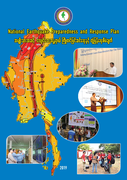
National Earthquake Preparedness and Response Plan
Government of Myanmar
European Union Civil Protection and Humanitarian Aid Operations (ECHO) and developed by the United Nations Development Programme (UNDP)
(2019)
CC
It aims to minimize damage to property, reduce injury and lives lost, and normalize the lives of those affected in a timely manner in the case of a damaging earthquake in the country.
It also seeks to contribute to the achievements of Myanmar Sustainable Development Goals as well as respond to Gl
...
obal and Regional Frameworks which Myanmar has endorsed.
more
Needs and barriers for mental health and psychosocial support among syrian refugees in lebanon: perspectives for future interventions
European Union Civil protection and Humanitarian Aid
European Union Civil protection and Humanitarian Aid
(2018)
CC
Results
Recommendations• NGOs should provide MHPSS services with a focus on empowerment and self-reliance
• Introduce interventions focusing on pain mechanisms, coping strategies and physical resilience
• Implement livelihood programmes
• Increase service accessibility and outreach activ
...
ities
• Provide support groups for people who have lost a close family member
• Highlight the importance of supervision and training
• Ensure high quality service provisions by applying relevant outcome measures and to further contribute to the evidence base for MHPSS
• Diversify MHPSS activities to different target groups, including men and women, and address the needs of elderly and individuals with disabilities
This study provides evidence of a large gap between the need of MHPSS among Syrian refugees and provided services. Of the 1082 respondents in this study, 62% expressed that they needed assistance to deal with physical pain and distress. Almost 80% reported being in pain, of which 27% were in severe or very severe pain. Additionally, 55% suffer from distress and 56% rate their own health as fair or poor. Even among the 18-25-yearolds, the prevalence of reporting their overall health as fair was 30.7%. For functionality levels, 28.5% felt severely or extremely emotionally affected by their health problems, and more than 20% had serious difficulties in doing day-to-day work. On the other hand, the majority (72-74%) had no problems in maintaining friendships and participating in community activities
more

22nd edition
Each of the 20 chapters deals with aspects of the UHC journey, dedicated towards an equitable and inclusive national health system that leaves no-one behind. While some authors describe the fundamental changes and practical considerati
...
ons required to reconfigure the country's health system, others have reflected on specific programmatic areas and have made recommendations from a National Health Insurance (NHI)/UHC lens.
In addition, we are pleased to announce that this year's edition includes two innovations. First is the provision of concise summaries of the chapters in the form of 'chapters at a glance'. These are positioned together at the start of the publication for ease of reference and to give a quick overview. The second innovation is the introduction of our Healthcare Workers' Writing Programme (HCWWP), which provides support to first-time authors wanting to publish in the Review.
more

South African Health Review 2019
recommended
22nd edition
The purpose of the SAHR has always been to analyse and assess progress and challenges in key areas of the health system, and to propose recommendations for improvement. We are pleased to continue this tradition in the 2019 edition, whi
...
ch presents a unique collection of perspectives on the key challenges in implementing universal health coverage (UHC) in South Africa, as analysed by experts in various fields.
Each of the 20 chapters deals with aspects of the UHC journey, dedicated towards an equitable and inclusive national health system that leaves no-one behind. While some authors describe the fundamental changes and practical considerations required to reconfigure the country's health system, others have reflected on specific programmatic areas and have made recommendations from a National Health Insurance (NHI)/UHC lens.
more
This handbook is an adaptation from the WHO Clinical Handbook Health care for women subjected to intimate partner violence or sexual violence developed by the World Health Organization (WHO), UN Women and United Nations Population Fund. The handbook draws on the work from professionals who are dedic
...
ated to preventing and responding to Gender Based Violence.
The Handbook guides health care service providers to provide comprehensive services to survivors of intimate partner violence and/or sexual violence. It also guides health professionals with respect to relevant stakeholders for referral purposes. The purpose is to ensure that relevant authorities are informed timeously in order act and ensure that those affected by violence receive speedy service as required.
more
The plan aims to practice the preparedness measures and response functions which need to be coordinated among relevant departments and organizations to reduce the risk of earthquakes. The plan has two main parts: preparedness and response. The first part includes the preparedness measures which can
...
be practically implemented in collaboration with relevant government departments and communities. The latter part includes the response functions by the National Disaster Management Committee and it’s Work Committees if a damaging earthquake were to occur.
more
Lack of satisfactory progress in mainstreaming disaster risk reduction within development is attributed to various factors. One of the important factor that is often not much appreciated is the inadequate comprehension of mainstreaming and the absence of clear, cogent and practical guidelines, tools
...
and techniques for mainstreaming DRR within development. This Guidebook helps to tackle this challenge by providing strategic and practical guidelines on how to mainstream disaster risk reduction into their policies plans and programmes across key sectors. It discusses strategic approaches towards risk resilient development in the Asia-Pacific region and demonstrates how to operationalize them using examples from various countries in the region. These guidelines can be adopted by countries according to their specific contexts, resources and capacities.
more
The project will support preventive actions, traditional medicine and the coordination and
implementation capacities of the national framework for HIV/AIDS control.

Since the start of the pandemic, the region has been hit by multiple natural and biological disasters. At the same time, climate change has continued to warm the world, exacerbating the impacts of many of these disasters. The *Asia-Pacific Disaster Report 2021, *also launched today, shows that the p
...
andemic, combined with the persistent reality of climate change, has reshaped and expanded the disaster “riskscape” in Asia and the Pacific.
more
What are the political, economic, social and security implications of the Ebola crisis, with a particular focus on Sierra Leone?
National Guidelines For the Management of HIV and AIDS
recommended
Ministry of Health and Social Welfare, Tanzania
Ministry of Health and Social Welfare, Tanzania
(2015)
CC
5th edition.
Aufenthaltsgesetz (AufenthG) / Residence Act - English Version
recommended
Federal Ministry of Justice and Consumer Protection; juris GmbH
(2008)
CC2
Act on the Residence, Economic Activity and Integration of Foreigners in the Federal Territory
Residence Act. Translation provided by the Language Service of the Federal Ministry of the Interior.
Version information: The translation includes the amendment(s) to the Act by Article 3 of the Act of 6
...
.9.2013 (Federal Law Gazette I p. 3556).
Translations may not be updated at the same time as the German legal provisions displayed on this website. To compare with the current status of the German version, see http://www.gesetze-im-internet.de/aufenthg_2004/BJNR195010004.html.
more

Cartagena Declaration on Refugees for Latin America
Colloquium on the International Protection of Refugees
(1984)
CC2
The Cartagena Declaration on Refugees was adopted by the Colloquium on the International Protection of Refugees in Central America, Mexico and Panama on November 22, 1984. The declaration is a non-binding agreement but has been incorporated in refug
...
ee law in various countries. The Cartagena Declaration on Refugees bases its principles on the “commitments with regards to refugees” defined in the Contadora Act on Peace and Cooperation (which are based on the 1951 UN Refugee Convention and the 1967 Protocol).
It includes a range of detailed commitments to peace, democratization, regional security and economic co-operation. It also provided for regional committees to evaluate and verify compliance with these commitments.
This document contains the Spanish, French and English versions of the original text.
more
Gender-based violence, including rape is a problem throughout the world, occurring in every society, country and region. Refugees and internally displaced people are particularly at risk of this violation during every phase of an emergency situation. The systematic use of sexual violence as a method
...
of warfare is well documented and constitutes a grave breach of international humanitarian law.
The Arabic Version can be downloaded here: http://reliefweb.int/report/syrian-arab-republic/guidelines-health-staff-caring-gender-based-violence-survivors-including
more
Option B+
Training Manual: Gender Leadership in Humanitarian Action
Fiona Gell, Eliza Hilton, Tess Dico-Young
European Commission’s Humanitarian Aid and Civil Protection department (ECHO) and Oxfam
(2017)
C1
Operational Guidelines
This reference manual provides in-depth knowledge on the techniques, methodologies and best practices for using geospatial information in support of decision making for disaster risk management for specific hazards
The intent of these guidelines is to develop a holistic, coordinated, proactive and technology driven strategy for management of biological disasters through a culture of prevention, mitigation and preparedness to generate a prompt and effective response in the event of an emergency. Th
...
e document contains comprehensive guidelines for preparedness activities, biosafety and biosecurity measures, capacity development, specialised health care and laboratory facilities, strengthening of the existing legislative/
regulatory framework, mental health support, response, rehabilitation and recovery, etc. It specifically lays down the approach for implementation of the guidelines by the central ministries/departments, states, districts and other stakeholders, in a time bound manner.
more
Project on Minimum Standards and Non-Binding Guidelines for First Responders Regarding Planning, Training, Procedure and Equipment for Chemical, Biological, Radiological and Nuclear (CBRN) Incidents

Namibia is no exception to the growingglobal concern on the increasing burden of NCDs. Namibia is an upper middle income country with fast economic growth since independence in 1990. The country is bearing the double burden of communicable and noncommunicable diseases and rapid urbanizat
...
ion. There is also high income inequality among the population.
more
This regional advocacy strategy on HIV and AIDS, tuberculosis (TB) and sexually transmitted infetions (STIs) is intended for use by Southern African Development Community (SADC) Member States at a national level. This is an overall advocacy strategy highlighting the most important issues relating to
...
HIV and AIDS, TB and STIs in the Southern African region. It provides a broad advocacy framework for each of the issues identied, along with key targets, messages, and interventions
more
A Technical Paper. Final Report
By 2100, new UN figures show that 4 of today’s 10 most populous nations will be replaced by African countries.
Brazil, Bangladesh, Russia and Mexico—where populations are projected to stagnate or decline—will drop out. In their place: Democratic Republic of the Congo, Ethiopia, Tanzania and E
...
gypt. All 4 are projected to more double in population.
Top 10 rankings in population growth by 2100 include only 2 non-African nations—Pakistan and the US.
c1China will shrink by 374 million fewer people—more than the entire US population.
more

Recognizing the importance of the critical role of community health in disaster management, the Amref health Africa has
developed this operational guide to provide policy direction on COVID-19 response at community level. This guide has
been developed in collaboration with all the implementing cou
...
ntries in supporting prevention and control of COVID-19.
With a strong community COVID-19 response system at community level, we can all contribute to prevention and control
of COVID-19, and thereby improve health and livelihoods for all people
more


Children affected by HIV/AIDS in South Africa
R. Smart; HIVAIDS Consultant
Save the Children (UK) South Africa Programme; The Department of Social Development
(2003)
C2
A Rapid Appraisal of Priorities, Policies and Practices
The winter season is approaching fast, while older people (OP) and people with disabilities (PwD) have already been living in the harsh environment of a full-scale war for eight months, with their basic needs and human rights at risk of being neglected and violated for eight years of ongoing war.
T
...
he recent brutal attacks on the critical infrastructure facilities such as power plants and power substations in eight regions of Ukraine, including Kyiv, show the alarming prediction that this winter is going to be challenging for the affected areas, especially for the vulnerable people residing there
more
Georgia - Report for the National Voluntary Presentation at the ECOSOC 2014 Annual Ministerial Review
The Ministry of Labour, Health and Social Affairs of Georgia
(2019)
C2
Accessed: 26.09.2019
The global COVID-19 pandemic has led to unprecedented levels of disruption to education, impacting over 90% of the world’s student population: 1.54 billion children, including 743 million girls. School closures and the wider socio-economic impacts of COVID-19 on communities and society also disrup
...
t children’s and young people’s normal support systems, leaving them more vulnerable to illnesses and child protection risks such as physical and humiliating punishment, sexual and gender-based violence, child marriage, child labour, child trafficking and recruitment and use in armed conflict. Girls and other marginalised groups, particularly those in displaced settings, are particularly affected.
more
Standard Treatment Guideline
Standard Treatment Guideline
Operational Guidelines. Revised Edition
Assessment of Effectiveness of IEC material PMU/M & E/7- Effectiveness of IEC material at Red Ribbon Clubs (RRCs)
Unicef; ORG Centre for Social Research
(2019)
Final Report
Submitted to: Unicef, New Delhi
ORG Centre for Social Research (A Division of AC Nielsen ORG- MARG Private Limited)
Accessed: 30.10.2019
TB in India 2017
recommended
Central TB Divison, Ministry of Health and Social Welfare, Government of India
World Health Organisation (WHO)
(2017)
C1
Revised National TB Control Programme. Annual Status Report
Zambia Refugees Economies: Livelihoods and Challenges
M. Nyamazana, G. Koyi, P. Funjika and E. Chibwili
UNHCR; Institute of Economic and Social Research (INESOR), University of Zambia; Refugee Studies Centre, UK
(2017)
C1
The study on refugee economies shows that refugees and former refugees are contributing positively to Zambia’s economy in various ways and have the potential to contribute even further if legal and other obstacles are removed.
The study targeted mainly Congolese, Burundian, Somali, and Rwandan re
...
fugees as well as former refugees from Rwanda and Angola in urban areas and the two rural refugee settlements, Mayukwayukwa (Kaoma District/Western Province) and Meheba (Kaulumbila District/North-Western Province).
more

National Disability Mainstreaming Strategy and Implementation Plan (NDMS&IP) 2018-2023
Department of Disability and elderly affairs
Ministry of Gender, Children, Disability and Social Welfare
(2019)
CC
The NDMS&IP focuses on mainstreaming disability to promote equitable access to services in the six thematic areas of health, education, livelihoods, empowerment, and social inclusion and cross-cutting issues.
The first part of the NDMS&IP outlines
...
incongruences between national and sectoral policies and pieces of legislation on one hand, and practice on the other and identifies key priority areas/themes of the strategy,
medium-term outcomes and strategies for each identified priority area/ theme. This process is largely informed by key findings and recommendations from a study on the Situation of Persons with Disabilities
in Malawi (CBMM/NAD, 2011). The study provides background descriptive information on existing national and sectoral policy and legal framework, level of access by children, adult women and males with disabilities to services in the areas of education, health, livelihoods and other social services as well as of participation by persons with disabilities through self-representation in development activities at various levels. A review of relevant documents at the international level further describes the disability situation in Malawi in the global context.
The second part of the NDMS&IP consists of the operational matrix, (Annex 1), a monitoring and evaluation framework (Annex 2) and budget estimates (Annex 3). This part outlines specific actions by various actors both in the public, private and civil society sectors to prioritise disability in their routine policy, programming, resource mobilisation and allocation, monitoring, evaluation and reporting routines. The action plan lays out priority sectors and concrete actions by setting out implementation schedules, defining targets, assigning responsibility to key duty bearers and rights holders for coordination, decision-making, monitoring and reporting, mobilisation and allocation and control of resources.
more

Standard Treatment Guideline
Guidance Document - Nutritional Care & Support for TB patients in India
Central TB Divison, Ministry of Health and Social Welfare, Government of India
World Health Organisation (WHO)
(2017)
C1
Strengthening Facility Based Pediatric Care
recommended
Operational Guidelines for Planning and Implementation in District Hospitals
Nota Informativa - Gestire la salute mentale e gli aspetti psicosociali dell'epidemia di COVID-19 - Versione 1.5
IASC Reference Group on Mental Health and Psychosocial Support in Emergency Settings; OCCHA Services; System Socio Sanitario Regione Lombardia ATS Milano Città Metropolitana; Servizio Sanitario Regionale Emilia-Romagna
IASC Reference Group on Mental Health and Psychosocial Support in Emergency Settings; OCCHA Services; System Socio Sanitario Regione Lombardia ATS Milano Città Metropolitana; Servizio Sanitario Regionale Emilia-Romagna
(2020)
C2
17 Marzo 2020

Children in refugee situations face many potential dangers, such as violence, abuse, exploitation, discrimination, separation from their families, trafficking and military recruitment. The impact of these experiences can be devastating and long-lasting. Children have different needs from adults and
...
these needs can only be identified and met if they are approached in a way that is specific to children.
The impact of the COVID-19 global pandemic has exacerbated the dangers faced by children in refugee situations and laid bare the need for their protection and for ensuring that all their human rights are upheld all the time.
The goal of this publication is to share examples of approaches by members of the Initiative that have proven effective for children.
more
Social auditing in Nepal’s health sector
In December 2013, UNICEF published its first comprehensive evaluation assessing how well its global and country strategies and programmes have worked to protect children in emergencies.
The ‘Evaluation of UNICEF Programmes to Protect Children in Emergencies’ was undertaken to identify key suc
...
cesses and gaps in child protection programming over the period 2009-2012 and to draw out lessons learned ahead of the roll-out of the new Strategic Plan, 2014-2017. The evaluation investigates achievements and gaps against the Core Commitments for Children in Humanitarian Action (CCCs), UNICEF’s Child Protection Strategy and the previous Strategic Plan, 2006-2013. It assesses the extent to which interventions in longer term
child protection systems-strengthening and preparedness have led to a more effective response in crises.
more

Promoting People's Health to Enhance Social-economic Development

This brief provides a snapshot of child protection interventions by UNHCR and its partners during the pandemic, covering community engagement, case management, alternative care and capacity building. In addition to working with children and communit
...
ies, UNHCR also engages with authorities through policy advocacy in the context of COVID-19, such as to end immigration detention of children.
more
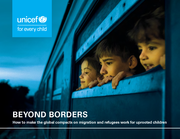
Beyond borders. How to make the global compacts on migration and refugees work for uprooted children
The report presents successful case studies from around the world, including the implementation of minimum protection standards for refugee children in Germany, cross border child protection systems
...
in West Africa, and finding alternatives to the detention of migrant children in Zambia. Other countries featured in the report include Afghanistan, Italy, Jordan, Lebanon, South Sudan, Vietnam, Uganda and the U.S. Each of the initiatives can be replicated in different contexts and inform child-focused actions and policy change at national, regional and global levels to be agreed in the framework of the Compact.
more
EVALUATION REPORT | This evaluation is the first comprehensive global exercise to examine UNICEF’s programme response in protecting children in emergencies. Its purpose is to strengthen child protection programming by assessing performance in rece
...
nt years and to draw lessons and recommendations that will influence ongoing and future programmes. It is expected that the findings of the evaluation will inform the roll-out of the Strategic Plan 2014-2017. The evaluation design includes country case studies analysing outcomes for children against the medium term strategic plan (MTSP, 2006-2013), the CCCs and selected evaluation questions. Twelve countries provided data for the analysis, four as case studies with country visits and standalone reports (Colombia, Democratic Republic of the Congo [DRC], Pakistan and South Sudan) and a further eight countries as desk studies (Afghanistan, Haiti, Myanmar, Philippines, Somalia, Sri Lanka, State of Palestine and Sudan). Four of the countries (Haiti, Myanmar, Pakistan and the Philippines) are disaster-affected and sudden-onset contexts while the remainder are primarily contexts of protracted conflict that include sudden-onset upsurges in violence.
more
L’un des principaux défis auxquels fait face le secteur de la santé au Togo est la mise à la disposition des décideurs, des partenaires et du public des données fiables, pertinentes et à temps opportun. Le présent annuaire des statistiques sanitaires a pour objectif, de contribuer à releve
...
r ce défi, en fournissant des informations de qualité sur le niveau de réalisation des plans d’action et des prestations de santé afin d’apprécier le niveau de performances de la mise en oeuvre des interventions à l’échelle du pays.
Cette publication retrace, sous forme de tableaux et de graphiques, les activités du département de la santé au Togo en 2016. Il s’agit : (i) des ressources en santé, (ii) de l’utilisation des services, (iii) des principales causes de morbidité et de mortalité, (iv) de la situation des maladies prioritaires et (v) des activités préventives et promotionnelles. more
Cette publication retrace, sous forme de tableaux et de graphiques, les activités du département de la santé au Togo en 2016. Il s’agit : (i) des ressources en santé, (ii) de l’utilisation des services, (iii) des principales causes de morbidité et de mortalité, (iv) de la situation des maladies prioritaires et (v) des activités préventives et promotionnelles. more
The Protection of Personal Information (POPI) Act
Confidentiality: providing and protecting information
• Health care practitioners hold information about patients that is private and sensitive.
• The National Health Act (Act No. 61 of 2003)
...
provides that this information must not be given to others, unless the patient consents or the health care practitioner can justify the disclosure.
• Practitioners are responsible for ensuring that clerks, receptionists and other staff respect confidentiality in their performance of their duties.
more
NGO Social Contracting
Sustainable Financing of National HIV Responses
Promoting and protecting health is essential to human welfare and sustained economic and social development. This was recognized more than 30 years ago by the Alma-Ata Declaration signatories, who noted that Health for All would contribute
both to
...
a better quality of life and also to global peace and security
more
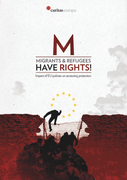
Impact of EU policies on accessing protection. The report highlights the tragedy hundreds of thousands of people face when seeking protection in Europe. Women, men and children escaping war, repress
...
ion and violation of human rights often turn to Europe in the hope of finding a safe haven. But many are instead confronted with bureaucratic hurdles, denial of protection and inconsistent reception standards across Europe.
more
EVALUATION REPORT | The purpose of the evaluation is to strengthen child protection programming in the context of emergencies by assessing UNICEF’s performance and drawing lessons and recommendations that will influence ongoing and future programm
...
es, in both preparedness and response. Apart from global and regional interviews and desk reviews, the evaluation is grounded in a solid base of evidence from four indepth case studies of recent emergency responses, in Colombia, Democratic Republic of the Congo, Pakistan and South Sudan, as well as extensive research covering eight additional countries.
more

This document is designed to provide UNICEF staff and UNICEF partner staff with principles and concepts that can assist them to respond to the psychosocial needs of children in natural disasters and social emergencies such as armed conflict and othe
...
r forms of violence. It aims to introduce humanitarian workers to psychosocial principles and UNICEF’s position on these principles. It also provides a number of examples from field work of how these principles have been turned into concrete actions. These psychosocial principles and concepts inform both emergency responses and subsequent programmatic responses post-emergency.
more
Mapping Children on the Move
recommended
African Committee of Experts on the Rights and Welfare of the Children ACERWC
GIZ; Save the Children; EU
(2018)
CC
In reviewing State Parties report on the implementation of the Charter, the Committee has identified children on the move as an emerging child protection issue in African, and therefore commissioned a study in view of making recommendations to tackl
...
e the problem in Member States. The Committee observed that there were challenges with regard to upholding the rights and welfare of children on the move and that there are gaps on the type of protection measures and treatment that is be accorded to such children within our beloved Continent.
The study presents key drivers of the children on the move, migration routes, challenges faced by children on the move, policy and institutionalized content protecting children on the move and finally the way forward.
more
