
Filter
6855
Text search:
risk
communication
Featured
646
1943
Language
6447
272
140
118
81
64
42
24
13
12
11
11
10
10
9
9
8
7
7
7
7
6
6
5
5
5
5
5
5
5
4
4
4
4
4
3
3
3
3
3
3
3
3
3
3
3
2
2
2
2
2
2
2
2
2
2
2
2
2
1
1
1
1
1
1
1
1
1
Document type
3890
920
891
400
286
154
144
86
27
21
18
11
2
1
Countries
275
219
197
151
150
149
137
137
135
135
133
123
109
94
94
92
90
88
85
81
79
76
75
64
53
52
52
51
50
49
46
43
43
43
43
38
37
37
37
35
35
32
28
28
27
26
26
24
24
22
21
20
20
19
18
17
16
16
16
16
15
14
14
13
13
13
13
12
11
11
10
10
10
9
9
9
8
8
7
7
7
7
7
6
5
5
5
5
5
5
4
4
4
4
4
4
4
3
3
3
3
3
3
3
3
3
3
3
3
3
3
3
2
2
2
2
2
2
2
2
2
2
2
2
2
2
2
2
2
2
1
1
1
1
1
1
1
1
1
1
1
1
1
1
1
1
1
1
1
1
1
1
Authors & Publishers
901
306
272
192
179
174
125
109
103
77
57
57
48
45
43
42
40
39
39
36
33
29
29
28
27
26
26
26
26
25
25
25
24
24
23
23
23
23
22
21
21
21
21
21
20
20
19
19
19
18
17
17
17
16
16
16
16
16
16
15
15
15
14
14
14
14
14
13
13
13
13
13
13
12
12
12
12
12
11
11
11
11
11
10
10
10
10
10
10
10
10
10
10
9
9
9
9
9
9
9
9
9
9
9
9
9
9
9
8
8
8
8
8
8
8
8
8
8
8
8
8
8
8
8
8
7
7
7
7
7
7
7
7
7
7
7
7
7
7
7
7
7
7
7
6
6
6
6
6
6
6
6
6
6
6
6
6
6
6
6
6
6
6
6
6
6
6
6
6
6
5
5
5
5
5
5
5
5
5
5
5
5
5
5
5
5
5
5
5
5
5
5
5
5
5
5
5
5
5
5
5
5
5
5
5
5
5
5
5
5
5
5
5
5
5
5
5
5
5
5
5
5
5
5
5
5
5
5
5
4
4
4
4
4
4
4
4
4
4
4
4
4
4
4
4
4
4
4
4
4
4
4
4
4
4
4
4
4
4
4
4
4
4
4
4
4
4
4
4
4
4
4
4
4
4
4
4
4
4
4
4
4
4
4
4
4
4
4
4
3
3
3
3
3
3
3
3
3
3
3
3
3
3
3
3
3
3
3
3
3
3
3
3
3
3
3
3
3
3
3
3
3
3
3
3
3
3
3
3
3
3
3
3
3
3
3
3
3
3
3
3
3
3
3
3
3
3
3
3
3
3
3
3
3
3
3
3
3
3
3
3
3
3
3
3
3
3
3
3
3
3
3
3
3
3
3
3
3
3
3
3
3
3
3
3
3
3
3
3
3
3
3
3
3
3
3
3
3
3
3
3
3
3
3
3
3
3
3
3
3
3
3
3
3
3
3
3
3
3
3
3
3
3
3
3
3
3
3
3
3
3
2
2
2
2
2
2
2
2
2
2
2
2
2
2
2
2
2
2
2
2
2
2
2
2
2
2
2
2
2
2
2
2
2
2
2
2
2
2
2
2
2
2
2
2
2
2
2
2
2
2
2
2
2
2
2
2
2
2
2
2
2
2
2
2
2
2
2
2
2
2
2
2
2
2
2
2
2
2
2
2
2
2
2
2
2
2
2
2
2
2
2
2
2
2
2
2
2
2
2
2
2
2
2
2
2
2
2
2
2
2
2
2
2
2
2
2
2
2
2
2
2
2
2
2
2
2
2
2
2
2
2
2
2
2
2
2
2
2
2
2
2
2
2
2
2
2
2
2
2
2
2
2
2
2
2
2
2
2
2
2
2
2
2
2
2
2
2
2
2
2
2
2
2
2
2
2
2
2
2
2
2
2
2
2
2
2
2
2
2
2
2
2
2
2
2
2
2
2
2
2
2
2
2
2
2
2
2
2
2
2
2
2
2
2
2
2
2
2
2
2
2
2
2
2
2
2
2
2
2
2
2
2
2
2
2
2
2
2
2
2
2
2
2
2
2
2
2
2
2
2
2
2
2
2
2
2
2
2
2
2
2
2
2
2
2
2
2
2
2
2
2
2
2
2
2
2
2
2
2
2
2
2
2
2
2
2
2
2
2
2
2
2
2
2
2
2
2
2
2
2
2
2
2
2
2
2
2
2
2
2
2
2
2
2
2
2
2
2
2
2
2
2
2
2
2
2
2
2
2
2
2
2
2
2
2
2
2
2
2
2
2
2
2
2
2
2
2
2
2
2
2
2
2
2
2
2
2
2
2
2
2
2
2
2
2
2
2
2
2
2
2
2
2
2
2
2
2
2
2
2
2
2
2
2
2
2
2
2
2
2
2
2
2
2
2
2
2
2
2
2
2
2
1
1
1
1
1
1
1
1
1
1
1
1
1
1
1
1
1
1
1
1
1
1
1
1
1
1
1
1
1
1
1
1
1
1
1
1
1
1
1
1
1
1
1
1
1
1
1
1
1
1
1
1
1
1
1
1
1
1
1
1
1
1
1
1
1
1
1
1
1
1
1
1
1
1
1
1
1
1
1
1
1
1
1
1
1
1
1
1
1
1
1
1
1
1
1
1
1
1
1
1
1
1
1
1
1
1
1
1
1
1
1
1
1
1
1
1
1
1
1
1
1
1
1
1
1
1
1
1
1
1
1
1
1
1
1
1
1
1
1
1
1
1
1
1
1
1
1
1
1
1
1
1
1
1
1
1
1
1
1
1
1
1
1
1
1
1
1
1
1
1
1
1
1
1
1
1
1
1
1
1
1
1
1
1
1
1
1
1
1
1
1
1
1
1
1
1
1
1
1
1
1
1
1
1
1
1
1
1
1
1
1
1
1
1
1
1
1
1
1
1
1
1
1
1
1
1
1
1
1
1
1
1
1
1
1
1
1
1
1
1
1
1
1
1
1
1
1
1
1
1
1
1
1
1
1
1
1
1
1
1
1
1
1
1
1
1
1
1
1
1
1
1
1
1
1
1
1
1
1
1
1
1
1
1
1
1
1
1
1
1
1
1
1
1
1
1
1
1
1
1
1
1
1
1
1
1
1
1
1
1
1
1
1
1
1
1
1
1
1
1
1
1
1
1
1
1
1
1
1
1
1
1
1
1
1
1
1
1
1
1
1
1
1
1
1
1
1
1
1
1
1
1
1
1
1
1
1
1
1
1
1
1
1
1
1
1
1
1
1
1
1
1
1
1
1
1
1
1
1
1
1
1
1
1
1
1
1
1
1
1
1
1
1
1
1
1
1
1
1
1
1
1
1
1
1
1
1
1
1
1
1
1
1
1
1
1
1
1
1
1
1
1
1
1
1
1
1
1
1
1
1
1
1
1
1
1
1
1
1
1
1
1
1
1
1
1
1
1
1
1
1
1
1
1
1
1
1
1
1
1
1
1
1
1
1
1
1
1
1
1
1
1
1
1
1
1
1
1
1
1
1
1
1
1
1
1
1
1
1
1
1
1
1
1
1
1
1
1
1
1
1
1
1
1
1
1
1
1
1
1
1
1
1
1
1
1
1
1
1
1
1
1
1
1
1
1
1
1
1
1
1
1
1
1
1
1
1
1
1
1
1
1
1
1
1
1
1
1
1
1
1
1
1
1
1
1
1
1
1
1
1
1
1
1
1
1
1
1
1
1
1
1
1
1
1
1
1
1
1
1
1
1
1
1
1
1
1
1
1
1
1
1
1
1
1
1
1
1
1
1
1
1
1
1
1
1
1
1
1
1
1
1
1
1
1
1
1
1
1
1
1
1
1
1
1
1
1
1
1
1
1
1
1
1
1
1
1
1
1
1
1
1
1
1
1
1
1
1
1
1
1
1
1
1
1
1
1
1
1
1
1
1
1
1
1
1
1
1
1
1
1
1
1
1
1
1
1
1
1
1
1
1
1
1
1
1
1
1
1
1
1
1
1
1
1
1
1
1
1
1
1
1
1
1
1
1
1
1
1
1
1
1
1
1
1
1
1
1
1
1
1
1
1
1
1
1
1
1
1
1
1
1
1
1
1
1
1
1
1
1
1
1
1
1
1
1
1
1
1
1
1
1
1
1
1
1
1
1
1
1
1
1
1
1
1
1
1
1
1
1
1
1
1
1
1
1
1
1
1
1
1
1
1
1
1
1
1
1
1
1
1
1
1
1
1
1
1
1
1
1
1
1
1
1
1
1
1
1
1
1
1
1
1
1
1
1
1
1
1
1
1
1
1
1
1
1
1
1
1
1
1
1
1
1
1
1
1
1
1
1
1
1
1
1
1
1
1
1
1
1
1
1
1
1
1
1
1
1
1
1
1
1
1
1
1
1
1
1
1
1
1
1
1
1
1
1
1
1
1
1
1
1
1
1
1
1
1
1
1
1
1
1
1
1
1
1
1
1
1
1
1
1
1
1
1
1
1
1
1
1
1
1
1
1
1
1
1
1
1
1
1
1
1
1
1
1
1
1
1
1
1
1
1
1
1
1
1
1
1
1
1
1
1
1
1
1
1
1
1
1
1
1
1
1
1
1
1
1
1
1
1
1
1
1
1
1
1
1
1
1
1
1
1
1
1
1
1
1
1
1
1
1
1
1
1
1
1
1
1
1
1
1
1
1
1
1
1
1
1
1
1
1
1
1
1
1
1
1
1
1
1
1
1
1
1
1
1
1
1
1
1
1
1
1
1
1
1
1
1
1
1
1
1
1
1
1
1
1
1
1
1
1
1
1
1
1
1
1
1
1
1
1
1
1
1
1
1
1
1
1
1
1
1
1
1
1
1
1
1
1
1
1
1
1
1
1
1
1
1
1
1
1
1
1
1
1
1
1
1
1
1
1
1
1
1
1
1
1
1
1
1
1
1
1
1
1
1
1
1
1
1
1
1
1
1
1
1
1
1
1
1
1
1
1
1
1
1
1
1
1
1
1
1
1
1
1
1
1
1
1
1
1
1
1
1
1
1
1
1
1
1
1
1
1
1
1
1
1
1
1
1
1
1
1
1
1
1
1
1
1
1
1
1
1
1
1
1
1
1
1
1
1
1
1
1
1
1
1
1
1
1
1
1
1
1
1
1
1
1
1
1
1
1
1
1
1
1
1
1
1
1
1
1
1
1
1
1
1
1
1
1
1
1
1
1
1
1
1
1
1
1
1
1
1
1
1
1
1
1
1
1
1
1
1
1
1
1
1
1
1
1
1
1
1
1
1
1
1
1
1
1
1
1
1
1
1
1
1
1
1
1
1
1
1
1
1
1
1
1
1
1
1
1
1
1
1
1
1
1
1
1
1
1
1
1
1
1
1
1
1
1
1
1
1
1
1
1
1
1
1
1
1
1
1
1
1
1
1
1
1
1
1
1
1
1
1
1
1
1
1
1
1
1
1
1
1
1
1
1
1
1
1
1
1
1
1
1
1
1
1
1
1
1
1
1
1
1
1
1
1
1
1
1
1
1
1
1
1
1
1
1
1
1
1
1
1
1
1
1
1
1
1
1
1
1
1
1
1
1
1
1
1
1
1
1
1
1
1
1
1
1
1
1
1
1
1
1
1
1
1
1
1
1
1
1
1
1
1
1
1
1
1
1
1
1
1
1
1
1
1
1
1
1
1
1
1
1
1
1
1
1
1
1
1
1
1
1
1
1
1
1
1
1
1
1
1
1
1
1
1
1
1
1
1
1
1
1
1
1
1
1
1
1
1
1
1
1
1
1
1
1
1
1
1
1
1
1
1
1
1
1
1
1
1
1
1
1
1
1
1
1
1
1
1
1
1
1
1
1
1
1
1
1
1
1
1
1
1
1
1
1
1
1
1
1
1
1
1
1
1
1
1
1
1
1
1
1
1
1
1
1
1
1
1
1
1
1
1
1
1
1
1
1
1
1
1
1
1
1
1
1
1
1
1
1
1
1
1
1
1
1
1
1
1
1
1
1
1
1
1
1
1
1
1
1
1
1
1
1
1
1
1
1
1
1
1
1
1
1
1
1
1
1
1
1
1
1
1
1
1
1
1
1
1
1
1
1
1
1
1
1
1
1
1
1
1
1
1
1
1
1
1
1
1
1
1
1
1
1
1
1
1
1
1
1
1
1
1
1
1
1
1
1
1
1
1
1
1
1
1
1
1
1
1
1
1
1
1
1
1
1
1
1
1
1
1
1
1
1
1
1
1
1
1
1
1
1
1
1
1
1
1
1
1
1
1
1
1
1
1
1
1
1
1
1
1
1
1
1
1
1
1
1
1
1
1
1
1
1
1
1
1
1
1
1
1
1
1
1
1
1
1
1
1
1
1
1
1
1
1
1
1
1
1
1
1
1
1
1
1
1
1
1
1
1
1
1
1
1
1
1
1
1
1
1
1
1
1
1
1
1
1
1
1
1
1
1
1
1
1
1
1
1
1
1
1
1
1
1
1
1
1
1
1
1
1
1
1
1
1
1
1
1
1
1
1
1
1
1
1
1
1
1
1
1
1
1
1
1
1
1
1
1
1
1
1
1
1
1
1
1
1
1
1
1
1
1
1
1
1
1
1
1
1
1
1
1
1
1
1
1
1
1
1
1
1
1
1
1
1
1
1
1
1
1
1
1
1
1
1
1
1
1
1
1
1
1
1
1
1
1
1
1
1
1
1
1
1
1
1
1
1
1
1
1
1
1
1
1
1
1
1
1
1
1
1
1
1
1
1
1
1
1
1
1
1
1
1
1
1
1
1
1
1
1
1
1
1
1
1
1
1
1
1
1
1
1
1
1
1
1
1
1
1
1
1
1
1
1
1
1
1
1
1
1
1
1
1
1
1
1
1
1
1
1
1
1
1
1
1
1
1
1
1
1
1
1
1
1
1
1
1
1
1
1
1
1
1
1
1
1
1
1
1
1
1
1
1
1
1
1
1
1
1
1
1
1
1
1
1
1
1
1
1
1
1
1
1
1
1
1
1
1
1
1
1
1
1
1
1
1
1
1
1
1
1
1
1
1
1
1
1
1
1
1
1
1
1
1
1
1
1
1
1
1
1
1
1
1
1
1
1
1
1
1
1
1
1
1
1
1
1
1
1
1
1
1
1
1
1
1
1
1
1
1
1
1
1
1
1
1
1
1
1
1
1
1
1
1
1
1
1
1
1
1
1
1
1
1
1
1
1
1
1
1
1
1
1
1
1
1
1
1
1
1
1
1
1
1
1
1
1
1
1
1
1
1
1
1
1
1
1
1
1
1
1
1
1
1
1
1
1
1
1
1
1
1
1
1
1
1
1
1
1
1
1
1
1
1
1
1
1
1
1
1
1
1
1
1
1
1
1
1
1
1
1
1
1
1
1
1
1
1
1
1
1
1
1
1
1
1
1
1
1
1
1
1
1
1
1
1
1
1
1
1
1
1
1
1
1
1
1
1
1
1
1
1
1
1
1
1
1
1
1
1
1
1
1
1
1
1
1
1
1
1
1
1
1
1
1
1
1
1
1
1
1
1
1
1
1
1
1
1
1
1
1
1
1
1
1
1
1
1
1
1
1
1
1
1
1
1
1
1
1
1
1
1
1
1
1
1
1
1
1
1
1
1
1
1
1
1
1
1
1
1
1
1
1
1
1
1
1
1
1
1
1
1
1
1
1
1
1
1
1
1
1
1
1
1
1
1
1
1
1
1
1
1
1
1
1
1
1
1
1
1
1
1
1
1
1
1
1
1
1
1
1
1
1
1
1
1
1
1
1
1
1
1
1
1
1
1
1
1
1
1
1
1
1
1
1
1
1
1
1
1
1
1
1
1
1
1
1
1
1
1
1
1
1
1
1
1
1
1
1
1
1
1
1
1
1
1
1
1
1
1
1
1
1
1
1
1
1
1
1
1
1
1
1
1
1
1
1
1
1
1
1
1
1
1
1
1
1
1
1
1
1
1
1
1
1
1
1
1
1
1
1
1
1
1
1
1
1
1
1
1
1
1
1
1
1
1
1
1
1
1
1
1
1
1
1
1
1
1
1
1
1
1
1
1
1
1
1
1
1
1
1
1
1
1
1
1
1
1
1
1
1
1
1
1
1
1
1
1
1
1
1
1
1
1
1
1
1
1
1
1
1
1
1
1
1
1
1
1
1
1
1
1
1
1
1
1
1
1
1
1
1
1
1
1
1
1
1
1
1
1
1
1
1
1
1
1
1
1
1
1
1
1
1
1
1
1
1
1
1
1
1
1
1
1
1
1
1
1
1
1
1
1
1
1
1
1
1
1
1
1
1
1
1
1
1
1
1
1
1
1
1
1
1
1
1
1
1
1
1
1
1
1
1
1
1
1
1
1
1
1
1
1
1
1
1
1
1
1
1
1
1
1
1
1
1
1
1
1
1
1
1
1
1
1
1
1
1
1
1
1
1
1
1
1
1
1
1
1
1
1
1
1
1
1
1
1
1
1
1
1
1
1
1
1
1
1
1
1
1
1
1
1
1
1
1
1
1
1
1
1
1
1
1
1
1
1
1
1
1
1
1
1
1
1
1
1
1
1
1
1
1
1
1
1
1
1
1
1
1
1
1
1
1
1
1
1
1
1
1
1
1
1
1
1
1
1
1
1
1
1
1
1
1
1
1
1
1
1
1
1
1
1
1
1
1
1
1
1
1
1
1
1
1
1
1
1
1
1
1
1
1
1
1
1
1
1
1
1
1
1
1
1
1
1
1
1
1
1
1
1
1
1
1
1
1
1
1
1
1
1
1
1
1
1
1
1
1
1
1
1
1
1
1
1
1
1
1
1
1
1
1
1
1
1
1
1
1
1
1
1
1
1
1
1
1
1
1
1
1
1
1
1
1
1
1
1
1
1
1
1
1
1
1
1
1
1
1
1
1
1
1
1
1
1
1
1
1
1
1
1
1
1
1
1
1
1
1
1
1
1
1
1
1
1
1
1
1
1
1
1
1
1
1
1
1
1
1
1
1
1
1
1
1
1
1
1
1
1
1
1
1
1
1
1
1
1
1
1
1
1
1
1
1
1
1
1
1
1
1
1
1
1
1
1
1
1
1
1
1
1
1
1
1
1
1
1
1
1
1
1
1
1
1
1
1
1
1
1
1
1
1
1
1
1
1
1
1
1
1
1
1
1
1
1
1
1
1
1
1
1
1
1
1
1
1
1
1
1
1
1
1
1
1
1
1
1
1
1
1
1
1
1
1
1
1
1
1
1
1
1
1
1
1
1
1
1
1
1
1
1
1
1
1
1
1
1
1
1
1
1
1
1
1
1
1
1
1
1
1
1
1
1
1
1
1
1
1
1
1
1
1
1
1
1
1
1
1
1
1
1
1
1
1
1
1
1
1
1
1
1
1
1
1
1
1
1
1
1
1
1
1
1
1
1
1
1
1
1
1
1
1
1
1
1
1
1
1
1
1
1
1
1
1
1
1
1
1
1
1
1
1
1
1
1
1
1
1
1
1
1
1
1
1
1
1
1
1
1
1
1
1
1
1
1
1
1
1
1
1
1
1
1
1
1
1
1
1
1
1
1
1
1
1
1
1
1
1
1
1
1
1
1
1
1
1
1
1
1
1
1
1
1
1
1
1
1
1
1
1
1
1
1
1
1
1
1
1
1
1
1
1
1
1
1
1
1
1
1
1
1
1
1
1
1
1
1
1
1
1
1
1
1
1
1
1
1
1
1
1
1
1
1
1
1
1
1
1
1
1
1
1
1
1
1
1
1
1
1
1
1
1
1
1
1
1
1
1
1
1
1
1
1
1
1
1
1
1
1
1
1
1
1
1
1
1
1
1
1
1
1
1
1
1
1
1
1
1
1
1
1
1
1
1
1
1
1
1
1
1
1
1
1
1
1
1
1
1
1
1
1
1
1
1
1
1
1
1
1
1
1
1
1
1
1
1
1
1
1
1
1
1
1
1
1
1
1
1
1
1
1
1
1
1
1
1
1
1
1
1
1
1
1
1
1
1
1
1
1
1
1
1
1
1
1
1
1
1
1
1
1
1
1
1
1
1
1
1
1
1
1
1
1
1
1
1
1
1
1
1
1
1
1
1
1
1
1
1
1
1
1
1
1
1
1
1
1
1
1
1
1
1
1
1
1
1
1
1
1
1
1
1
1
1
1
1
1
1
1
1
1
1
1
1
1
1
1
1
1
1
1
1
1
1
1
1
1
1
1
1
1
1
1
1
1
1
1
1
1
1
1
1
1
1
1
1
1
1
1
1
1
1
1
1
1
1
1
1
1
1
1
1
1
1
1
1
1
1
1
1
1
1
1
1
1
1
1
1
1
1
1
1
1
1
1
1
1
1
1
1
1
1
1
1
1
1
1
1
1
1
1
1
1
1
1
1
1
1
1
1
1
1
1
1
1
1
1
1
1
1
1
1
1
1
1
1
1
1
1
1
1
1
1
1
1
1
1
1
1
1
1
1
1
1
1
1
1
1
1
1
1
1
1
1
1
1
1
1
1
1
1
1
1
1
1
1
1
1
1
1
1
1
1
1
1
1
1
1
1
1
1
1
1
1
1
1
1
1
1
1
1
1
1
1
1
1
1
1
1
1
1
1
1
1
1
1
1
1
1
1
1
1
1
1
1
1
1
1
1
1
1
1
1
1
1
1
1
1
1
1
1
1
1
1
1
1
1
1
1
1
1
1
1
1
1
1
1
1
1
1
1
1
1
1
1
1
1
1
1
1
1
1
1
1
1
1
1
1
1
1
1
1
1
1
1
1
1
1
1
1
1
1
1
1
1
1
1
1
1
1
1
1
1
1
1
1
1
1
1
1
1
1
1
1
1
1
1
1
1
1
1
1
1
1
1
1
1
1
1
1
1
1
1
1
1
1
1
1
1
1
1
1
1
1
1
1
1
1
1
1
1
1
1
1
1
1
1
1
1
1
1
1
1
1
1
1
1
1
1
1
1
1
1
1
1
1
1
1
1
1
1
1
1
1
1
1
1
1
1
1
1
1
1
1
1
1
1
1
1
1
1
1
1
1
1
1
1
1
1
1
1
1
1
1
1
1
1
1
1
1
1
1
1
1
1
1
1
1
1
1
1
1
1
1
1
1
1
1
1
1
1
1
1
1
1
1
1
1
1
1
1
1
1
1
1
1
1
1
1
1
1
1
1
1
1
1
1
1
1
1
1
1
1
1
1
1
1
1
1
1
1
1
1
1
1
1
1
1
1
1
1
1
1
1
1
1
1
1
1
1
1
1
1
1
1
1
1
1
1
1
1
1
1
1
1
1
1
1
1
1
1
1
1
1
1
1
1
1
1
1
1
1
1
1
1
1
1
1
1
1
1
1
1
1
1
1
1
1
1
1
1
1
1
1
1
1
1
1
1
1
1
1
1
1
1
1
1
1
1
1
1
1
1
1
1
1
1
1
1
1
1
1
1
1
1
1
1
1
1
1
1
1
1
1
1
1
1
1
1
1
1
1
1
1
1
1
1
1
1
1
1
1
1
1
1
1
1
1
1
1
1
1
1
1
1
1
1
1
1
1
1
1
1
1
1
1
1
1
1
1
1
1
1
1
1
1
1
1
1
1
1
1
1
1
1
1
1
1
1
1
1
1
1
1
1
1
1
1
1
1
1
1
1
1
1
1
1
1
1
1
1
1
1
1
1
1
1
1
1
1
1
1
1
1
1
1
1
1
1
1
1
1
1
1
1
1
1
1
1
1
1
1
1
1
1
1
Publication Years
1
2019
4218
588
27
2
Category
2621
426
396
346
271
196
42
9
3
2
Toolboxes
823
519
420
331
277
262
256
215
211
195
165
141
134
110
92
71
71
65
55
54
40
32
16
7
3
1
HEARTS provides a set of locally adaptable tools for strengthening the
management of CVD in primary health care.
HEARTS is designed to enhance implementation of WHO PEN by providing:
• operational guidance on further integrating CVD management
• technical guidance on evaluating the impact of
...
CVD care on patient outcomes.
For countries not using WHO PEN, CVD management can still be integrated into
primary health care. The process of implementing HEARTS will vary, depending
on country context, and may require a significant reorienting and strengthening
of the health system. At some sites, existing CVD management services may be
reoriented toward a risk-based approach, while other sites may adopt a public
health approach, strengthening management of particular risk factors such as
hypertension. Whether or not introducing CVD management into primary care is a
new intervention, successful implementation will require engagement with national and local health planners, managers, service providers, and other stakeholders.
more
Biobehavioural Survey Guidelines
A. Abdul-Quader, M. Berry, T. Bingham; et al.
UNAIDS; World Health Organization; fhi360; et al.
(2017)
C_WHO
Global HIV Strategic Information Working Group
For Populations At Risk For HIV
This guidance addresses rationale, risk-based scenarios, practical considerations prior to adoption of the self-testing products, quality assurance, safety and ethical considerations, and data management considerations for COVID-19 self-testing. The
...
Africa CDC recommends the use of rapid antigen self-testing within two key scenarios. The first includes testing for case identification within scenarios with a high risk of infection, including symptomatic cases and contacts of a confirmed case. The second scenario involves general screening within scenarios of low or unknown risk exposure allowing for self-care such as before gatherings with at-risk individuals and prior to participation in events involving members of different households. Within these scenarios, a positive test result indicates likelihood of current infection, while a negative test result indicates a lower risk of active infection, though it does not rule out infection altogether. All positive cases should be managed following the national COVID-19 management protocol of Member States.ssur
more
Extreme heat events (EHEs) are a leading cause of weather-related injury and death in the United States, and under a changing climate, these meteorological episodes are predicted to increase in both frequency and intensity. Prolonged heat exposure from EHEs places an increased strain on the heart an
...
d may lead to heat-related illness if the cardiovascular system fails to properly thermoregulate internal body temperature. Every individual is susceptible to heat-related illness, however, those with reduced cardiovascular function and pre-existing cardiovascular diseases are at a greater risk for morbidity and mortality during EHEs. This document gives an overview of our current understanding of heat exposure and its impact on cardiovascular health outcomes, an overview of the medications that may exacerbate heat-related cardiovascular illness, and asummary of the interaction between extreme heat and air pollutants, and their collective impact on cardiovascular health. Additionally, this document summarizes epidemiologic evidence and identifies gaps in the extant peer-reviewed literature on the effectiveness of strategies and interventions to protect against heat-related cardiovascular disease and death. This information is intended to aid health departments and other health professionals in understanding and responding to the impacts of heat exposure on cardiovascular health.
more
Health facilities in the Region of the Americas frequently suffer the effects of health emergencies and disasters, which jeopardize their ability to provide services to the population. The STAR-H methodology helps staff responsible for health emergency and disaster
...
risk management to identify and assess risks as part of strategic planning to improve facility preparedness. It is intended to help them develop, with a multi-hazard approach, a response framework with operating procedures to deal with hazards of any type, scale, or frequency; determine roles and responsibilities; facilitate the effective use of resources; undertake strategic planning exercises, and improve the preparedness of facilities to effectively respond to and recover from impacts. This methodology is designed for use in health facilities of any size and capacity, and makes it possible to generate historical reports and national or subnational risk profiles. This information can be used to develop an effective health emergency and disaster risk management program.
more
Cardiovascular diseases (CVDs) are a growing public health problem in Ghana and other African countries. Strokes and other CVDs have become a leading cause of death due to increasing risk factors such as hypertension. According to the Global Burden
...
of Disease study (GBD), ischaemic heart disease was the fourth leading cause of death in Ghana in 2016. The prevalence of hyper-
tension, a major risk factor for CVDs, is increasing rapidly and ranges from 19% to 48%, according to the Ghana Health Service Annual Report, 2017, due to rising life expectancy and the increasing prevalence of contributing factors such as overweight/obesity. Early diagnosis and adequate management of the risk factors can reduce the fatal consequences of CVDs.
At the heart of improving risk assessment and management of CVDs are nationally approved guidelines, which facilitate standardisation of care approaches.
These guidelines developed by experts from all levels of health care and stakeholders capture all recommended approaches and necessary information for clinicians and other healthcare workers on CVDs. They also serve as a practical guide for assessing and managing the most important CVDs prevalent in Ghana and can be used at all levels of care namely health facilities without a doctor; with a general practitioner and with a physician specialist.
more
Since the beginning of December a significant increase in the incidence of new cases has been observed particularly along the corridor towards the large urban center of Butembo (health zones of Butembo and Katwa) and beyond in the zone of Kayna health center located about 150 km from Goma. In additi
...
on, active outbreaks have emerged to the north, particularly in the health zones of Komanda and Oicha.
The third strategic response plan (SRP-3), which covers February through end July 2019, considers the salient points and recommendations made during the operational review of the implementation of the SRP-2 and other guidance based on lessons learned and risk analysis.
more
In humanitarian settings, tailoring community engagement interventions for gender, language, and local culture improves communities’ uptake with interventions. Measures taken to prevent and respond to COVID-19 pandemic such as confinement may increase GBV, especially domestic violence and Intimate
...
Partner Violence (IPV). This document is meant as a starting point for the field colleagues to support them in ensuring communication to communities around COVID-19 includes gender-based violence (GBV).
more
This Interim Guidance outlines how key public health and social measures needed to reduce the risk of COVID-19 spread and the impact of the disease can be adapted for use in low capacity and humanitarian settings. The recommendations outlined here n
...
eed to be adjusted to the scale of transmission, context and resources, in order to achieve the objective of managing COVID-19, namely to reduce transmission and facilitate the detection and management of infected and exposed individuals within the population. The Guidance is intended for humanitarian and development actors of all operational levels working with communities ocal authorities involved in COVID-19 preparedness and response operations in these settings, in support of national and local governments and plans. Additional considerations for support to residents of urban informal settlements and slums are available in Annex 1.
more
Shielding is a term used to describe the protection of individuals at high risk of severe COVID-19 illness by separating them from the general population.
28 Dec 2020. The main objective of these guidelines is to provide tools for staff working in the field of immunization to support effective communication between health personnel and the general population, with the aim of strengthening, maintaining
...
or recovering trust in vaccines and the immunization programs in the Region of the Americas.
Available in English, Spanish and Portuguese
more
This document provides interim guidance on the management of the blood supply in response to the pandemic outbreak of coronavirus disease (COVID-19). It emphasizes the importance of being prepared and responding quickly and outlines key actions and measures that the blood services should take to mit
...
igate the potential risk to the safety and sufficiency of the blood supplies during the pandemic.
It should be read in conjunction with WHO Guidance for National Blood Services on Protecting the Blood Supply During Infectious Disease Outbreaks, which provides general guidance on the development of national plans to respond to any emerging infectious threats to the sufficiency or safety of the blood supply.
more
Climate change, increasing population densities, and intensified globalisation in trade, travel and migration are among the most important factors shaping the 21st century. Each impacts upon population health and the risk of infectious disease, part
...
icularly those originating at the human-animal-environmental interface. The recognition that many risk drivers of infectious disease fall outside of the typical domain of the health sector creates the challenge of identifying and pursuing priorities for cross-sectoral action aimed at strengthening global health security. In response, the One Health concept has emerged, as have related initiatives addressing Planetary Health and Biodiversity and Human Health. From a public health perspective and operationally speaking, the One Health approach offers great potential, emphasising as it does cooperation and coordination between multiple sectors. Yet despite having been a focal point for discussion for over a decade, numerous challenges facing the implementation of One Health preparedness strategies remain. While some are technical, related to the requirement for innovative early warning systems or new vaccines, for example, others are institutional and cultural in nature, given the transdisciplinary nature of the topic. There have thus been calls to address One Health from multiple perspectives, from ecology to the social sciences. In order to further explore this issue and to identify priority areas for action for strengthening One Health preparedness in Europe, ECDC convened an expert consultation on 11–12 December 2017.
more
This document aims to encourage countries to develop and implement policies to maintain and strengthen IPC programmes and measures in health care facilities in the context of the current ongoing transmission of the SARS-CoV-2, with recognition that epidemiological trends may vary and the
...
risk of transmission of other pathogens.
more
Key messages for social mobilization and community engagement in intense transmission areas
World Health Organization
(2014)
The messages should be used to inform, educate and engage different audience groups depending on their level of risk, vulnerability, presence in contact areas, care of patients with Ebola, or engagement or attendance of burials.
Conceived as part of the CWS-A/P project on regional security and risk management, this book presents a
collection of testimonies from aid workers in some of the most insecure and volatile environments in the world.
The participants recount a broa
...
d array of security incidents, such as kidnappings, suicide bombings, mob
violence, road ambushes, and point-blank range shootings. Their narrative provides valuable information on
how organizations can manage security risks and streamline safety policies.
more
Improving access to assistive technology for everyone, everywhere.
The first WHO Priority Assistive Products List was launched in May 2016. The List includes hearing aids, wheelchairs, communication aids, spectacles, artificial limbs, pill organiz
...
ers, memory aids and other essential items for many older people and people with disabilities to be able to live a healthy, productive and dignified life.
Available in English, Arabic, Chinese, French, Russian, Spanish
more
Myanmar is prone to various natural hazards that include earthquakes, floods, cyclones, droughts, fires, tsunamis, some of whichhave the potential to impact large numbers of people. In the event that large numbers of people are affected (such as was the case in 2008 following cyclone Nargis), the go
...
vernment may decide to request international assistance to respond to the disaster.
The overall goal of the ERPP is to mitigate the impact of disasters and save as many lives as possible from preventable causes. It aims to ensure that effective and timely assistance is provided to people in need through effective coordination and communication on emergency preparedness and humanitarian response between members of the HCTin Myanmar. The approach has been developed in collaboration with the Government, to facilitate a coordinated and effective support to people affected by humanitarian crises. more
The overall goal of the ERPP is to mitigate the impact of disasters and save as many lives as possible from preventable causes. It aims to ensure that effective and timely assistance is provided to people in need through effective coordination and communication on emergency preparedness and humanitarian response between members of the HCTin Myanmar. The approach has been developed in collaboration with the Government, to facilitate a coordinated and effective support to people affected by humanitarian crises. more
Myanmar is prone to various natural hazards that include earthquakes, floods, cyclones, droughts, fires, tsunamis, some of whichhave the potential to impact large numbers of people. In the event that large numbers of people are affected(such as was the case in 2008 following cyclone Nargis), the gov
...
ernment may decide to request international assistance to respond to the disaster.
The overall goal of the ERPP is to mitigate the impact of disasters and save as many lives as possible from preventable causes. It aims to ensure that effective and timely assistance is provided to people in need through effective coordination and communication on emergency preparedness and humanitarian response between members of the HCTin Myanmar. The approach has been developed in collaboration with the Government, to facilitate a coordinated and effective support to people affected by humanitarian crises.
more
Adaptation and roll-out of Epidemic Control for Volunteers’ (ECV) Toolkit and Training Manual in Myanmar
The ECV Toolkit ensures that volunteers have the proper training and essential communication tools (among other materials) before they ar ... e engaged in outbreak and epidemic response in their communities. It is known that in the middle of an outbreak or epidemic, volunteers have limited time to remember everything they have learned during trainings, or to develop effective response – the ECV Toolkit is therefore designed as a set of practical, easy-to-follow tools to be easily picked up and followed. more
The ECV Toolkit ensures that volunteers have the proper training and essential communication tools (among other materials) before they ar ... e engaged in outbreak and epidemic response in their communities. It is known that in the middle of an outbreak or epidemic, volunteers have limited time to remember everything they have learned during trainings, or to develop effective response – the ECV Toolkit is therefore designed as a set of practical, easy-to-follow tools to be easily picked up and followed. more
WASH Training for Hygiene Promotion Staff.
This manual has been designed to train NRC hygiene promotion incentive staff on ... concept and importance of hygiene, diseases that are present or a risk in Kakuma Refugee. Camp and how to prevent them; m
...
onitoring WASH activities and prevention, management & control of diarrheal and vector-borne diseases.
more
Tanzania: The National Action Plan on AMR 2017-2022
The United Republic of Tanzania - Ministry of Health Community Development Gender Elderly and Children
World Health Organization WHO
(2017)
C_WHO
This National Action Plan addresses actions needed to be taken in order to combat antimicrobial resistance (AMR) in the country. It is obligatory to raise awareness of antimicrobial resistance and promote behavioral change through public communication
...
programmes that targets human, animal and plant health. Inclusion of the use of antimicrobial agents and resistance in school curricula will further promote better understanding and awareness from an early age. Antimicrobial Resistance knowledge, surveillance and research will be strengthened through establishing a national surveillance system for antimicrobial resistance, establishing and building capacity for a national reference laboratory and designated laboratories for AMR surveillance, developing a national research agenda on AMR and establishing and supporting a coordinated mechanism that will ensure harmonized AMR guidelines, data management and sharing systems in human, animal and plant health settings.
more
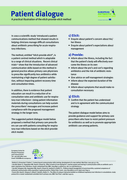
The method, entitled “elicit-provide-elicit”, is a patient centred method which is adaptable to a range of clinical situations. Recent clinical trials show that the introduction of advanced communication skills based on this method in general p
...
ractice allows primary care physicians to prescribe significantly less antibiotics while maintaining a high degree of patient satisfac-tion, without impacting patient recovery time and consultation times.
more
12 April 2020
This Guidance Note on making COVID-19 response Age & Disability-inclusive provides advice for organizations and sectors to ensure essential responses, communication about the outbreak and adapt to services and support are inclusive
...
and accessible for older persons and persons with disabilities.
more

People experiencing social disadvantage and marginalization are known to be disproportionately impacted by ill-health. In the context of the COVID-19 pandemic, persons with disabilities may have increased risk for exposure, complications, and death
The United Nations Environment Programme (UNEP) is stepping up its work on mapping zoonotic threat and protecting the environment to reduce the risk of future pandemics, such as the COVID-19 crisis currently sweeping the globe.
This course introduces participants to the foundations of vaccine pharmacovigilance. The aim of this course is to provide healthcare professionals whose work involve vaccine safety issues, with essential knowledge about vaccines and their safety aspects. These professionals can include nurses, midwi
...
ves, community health workers, as well as pharmacists, medical doctors and immunization programme or vaccine safety communication officers.
more
Guide for the Medical, Veterinary and allied Professions
Bishop, G.; Durrheim, D.; Kloeck, P. et al.
Department: Agriculture, Foresty and Fisheries - Republic of South Africa
(2010)
CC
Rabies is a disease of animals but too often the outcome is gauged in terms of human suffering and
death. Despite this, in areas of the world where rabies is endemic there is often a lack of communication between veterinary and medical professional
...
s, to the extent that the disease continues to thrive and potential victims are not treated. The problem is partly
exacerbated by a lack of awareness and experience of the disease and of what to do when confronted by suspect cases. In these technologically advanced days, although it is possible to learn “all there is to know” about almost any subject, it is sometimes difficult to distil the essence.
more
Prevention of stroke and transient ischemic attack includes both conventional approaches to vascular risk factor management (blood pressure lowering, cholesterol reduction with statins, smoking cessation and antiplatelet therapy)
and more specific
...
interventions, such as carotid revascularization or anticoagulation for atrial fibrillation. The objective of this review is to discuss effective interventions for optimal primary and secondary stroke prevention.
more
Disaster Management Reference Handbook Series Overview.
Floods, storms, and wind account for large proportions of displacement compared to other disasters. Floods are the most frequent type of disaster whereas wind-related disasters constitute the biggest losses in terms of economic damage, displac
...
ement, and number of affected people. ASEAN has succeeded in developing institutions not only for addressing the threat posed by natural hazards but also for building resilience into communities at risk
more

Timor-Leste’s vulnerability to natural hazards means if particular care is not taken in the development of the country’s infrastructure, it will remain at risk to disruption.
Timor-Leste developed the 2008 National Disaster ... Risk Management Policy, which lays out the government’s vison of its disaster management process from the national to the village level. Additionally, through the United Nations Development Program (UNDP), they have conducted national hazards, vulnerability and risk assessments. Through Plan International they have initiated the integration of disaster management education into public schools. Although the Government of Timor-Leste considers DRM as a priority and supports the dissemination of DRM policy to the district levels, the current Strategic Development Plan 2011-2030 of Timor-Leste has not explicitly reflected nor integrated DRM as one of its development priorities. Disaster Management is included in the Strategic Plan Document of MSS 2009-2012. more
Timor-Leste developed the 2008 National Disaster ... Risk Management Policy, which lays out the government’s vison of its disaster management process from the national to the village level. Additionally, through the United Nations Development Program (UNDP), they have conducted national hazards, vulnerability and risk assessments. Through Plan International they have initiated the integration of disaster management education into public schools. Although the Government of Timor-Leste considers DRM as a priority and supports the dissemination of DRM policy to the district levels, the current Strategic Development Plan 2011-2030 of Timor-Leste has not explicitly reflected nor integrated DRM as one of its development priorities. Disaster Management is included in the Strategic Plan Document of MSS 2009-2012. more
Textes du Codex concernant la résistance aux antimicrobiens d’origine alimentaire
Textos del Codex sobre la resistencia a los antimicrobianos transmitida por los alimentos
Antimicrobial resistance (AMR) is a major global public health concern and a food safety issue. When pathogens become r
...
esistant to antimicrobial agents they can pose a greater human health risk as a result of potential treatment failure, loss of treatment options and increased likelihood and severity of disease
more
Event-based surveillance (EBS) is defined as the organized collection, monitoring, assessment and interpretation of mainly unstructured ad hoc information regarding health events or risks, which may represent an acute risk to health. Both indicator-
...
based and event-based surveillance components serve the early warning and response (EWAR) function of the public health surveillance system. The Framework for Event-based Surveillance offers guidance to public health practitioners seeking to implement EBS at each administrative level in their countries.
more

The Government of Malawi, in fulfilling its primary role of protecting the lives of its vulnerable citizens during disasters and reducing their exposure to risk through preparedness, led the development of a National Coronavirus Disease (COVID-19) P
...
reparedness and Response Plan.
more
This catalogue provides tools and information resources to support EU/EEA countries in addressing the challenging issue of vaccine hesitancy. The catalogue provides examples of practices that can serve as a resource for other countries. The project was developed in the context of ECDC’s support fo
...
r EU/EEA Member States in prevention and control of vaccine-preventable diseases, including effective communication to promote immunisation.
more
Early damage assessments indicate that at least 800,000 people could be directly exposed to minor to severe damages, including communication, access, security, loss of livelihoods, infrastructure, and health services could be impacted.
Event-based surveillance (EBS) is defined as the organized collection, monitoring, assessment and interpretation of mainly unstructured ad hoc information regarding health events or risks, which may represent an acute risk to health. Both indicator-
...
based and event-based surveillance components serve the early warning and response (EWAR) function of the public health surveillance system. The Framework for Event-based Surveillance offers guidance to public health practitioners seeking to implement EBS at each administrative level in healthier countries.
more
During fresh fruit and vegetables (FFV) production, water is used for a variety of purposes. Even the water was conventionally treated and disinfected, it may still potentially contain human pathogens, albeit at low concentrations. A risk assessment
...
, appropriate to the national or local production context, should be conducted to assess the potential risks associated with a specific water source or supply in order to devise the appropriate risk mitigation strategies.
Since the 48th session of Codex Committee on Food Hygiene (CCFH) noted the importance of water safety and quality in food production and processing, FAO and WHO has undertaken the work on this subject. This report describes the output of the third in a series of meetings, which examined appropriate and fit-for-purpose microbiological criteria for water used with fresh fruit and vegetables. The advice herein will support decision making when applying the concept of fit-for-purpose water for use in the pre- and post-harvest production of fresh fruit and vegetables.
more
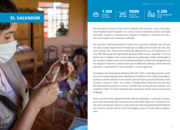
The recurrence of severe climate events combined with economic, social, and institutional fragilities leave El Salvador in an utterly critical humanitarian situation and highly vulnerable. Located in a disaster-prone subregion, El Salvador is among the 20 countries at the highest
...
risk of disasters worldwide. The successive hydrometeorological hazards that impacted El Salvador over the past two years include tropical storms Amanda and Cristóbal and hurricanes Eta, Iota, and,
more recently, Julia. These storms profoundly affected the lives and livelihoods of almost 900 000 people and significantly disrupted health services, especially at the first level of care. In addition, the country’s exposure to earthquakes, floods, and droughts is also constant. Infrastructural and institutional limitations to deal with emergencies and
low capacity to respond to adverse events are an additional challenge, which leaves the population—particularly the most vulnerable—at even higher risk.
more
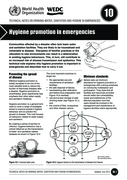
Hygiene Promotion In Emergencies
recommended
Communities affected by a disaster often lack basic water
and sanitation facilities. They are likely to be traumatized and
vulnerable to disease. Disruption of familiar practices or the
relocation to new environments can result in a deterioration
in existing hygiene behaviours. This, in turn, wi
...
ll contribute to
an increased risk of disease transmission and epidemics. This
technical note explains why hygiene promotion is important in
emergencies and describes how to carry it out.
more
Improve identification, verification, communication and coordination.
The Child Protection handbook provides a synthesis of good practice and learning and enables better advocacy and communication on child protection risks, needs and responses. Standards addressing child protection needs cover core work areas and crit
...
ical issues. Those addressing strategy relate to case management, community-based child protection, child-friendly spaces and protection of excluded children. A fourth set of standards gives guidance on how workers in other sectors can ensure that their programmes are accessible and beneficial to children. DOCUMENT ALSO AVAILABLE IN: Arabic, Chinese, French, Indonesian, Korean, Spanish, Turkish, Urdu on http://cpwg.net/minimum_standards-topics/cpms-full-version/.
more
In the context of the Support to National Malaria Control Programme (SuNMaP), demand creation is the strategic combination of advocacy, communication and mobilisation approaches that seek to achieve increased community awareness of, and demand for,
...
effective malaria prevention and treatment services. For malaria treatment, demand creation focuses on promoting improved testing, prompt and proper use of artemisinin combination therapy (ACT) treatment for individual cases of malaria, and effective home management of fever, together with referrals of severe cases to a higher-level health facility.
more
Ebola virus disease exit screening at airports, ports and land crossings
World Health Organization
(2014)
This document provides information to assist countries in developing exit screening plans and Standard Operating Procedures (SOP). This includes the method, tools, and sequence of screening; determining resource needs; communication messages; and th
...
e legal considerations of screening
more
Issue Brief 31: Antimicrobial resistance (AMR) can occur when viruses, bacteria, parasites and fungi change over time. There is no longer a response to medicines, and the infection treatment gets really difficult which increases the risk of a disesa
...
se spread, which can lead to severe health problems. AMR is an increasing threat to global public health worldwide that requires cross-sectional and cross-disciplinary action. It is present in every country and is spurred by several human-made factors, including over- and/or inadequate use of antibiotics, poor hygiene and infection prevention control, and excessive usage of antibiotics outside the health care sector e.g. in life stock production.
more
This guidance provides an overview of interventions to improve early diagnosis of TB and treatment completion in these populations, as well as factors to consider when developing programmes for health communication, awareness and education, and prog
...
ramme monitoring and evaluation
more
The objective of this guidance document is to support the public health professionals
in implementing effective surveillance of cholera in at-risk, endemic and epidemic
areas. This document has been developed by the Surveillance Working Group of t
...
he
Global Task Force for Cholera Control (GTFCC) at the World Health Organization based
on the existing documents, guidelines, tools and articles related to surveillance of
cholera disease, as well as technical discussions with experts held during GTFCC
meetings.
more
Managing stress in the field
International Federation of Red Cross and Red Crescent Societies
International Federation of Red Cross and Red Crescent Societies
(2009)
C1
The nature of humanitarian work has also drastically changed over the last
decade. Humanitarian workers have paid dearly in the face of violence and
terrorism. Burn out and after-effects of traumatic experiences constitute a
major risk for humani
...
tarian workers. After ten years of experience with delegate
stress, the Psychological Support Programme (PSP) team emphasizes
the importance of efficient stress management.
more
This document provides information to assist countries in developing exit screening plans and Standard Operating Procedures (SOP). This includes the method, tools, and sequence of screening; determining resource needs; communication messages; and th
...
e legal considerations of screening.
more
Recent systematic reviews and meta-analysis of the impact of chemical-based mollusciciding (King et al., 2015, Sokolow et al., 2016) have concluded that regular mollusciciding is likely to contribute significantly towards elimination of schistosomiasis in high-
...
risk areas. The WHO roadmap’s new focus on “transmission control, wherever possible” (WHO, 2012a) reinforces the need to promote intermediate-host snail control to prevent schistosomiasis transmission.
This operational manual is intended to facilitate the reintroduction of practices and protocols for use of molluscicides in the field in schistosomiasis control programmes. It is complemented by guidelines on the laboratory and field testing of the efficacy of molluscicides for schistosomiasis control (WHO, 2017 [in preparation]). more
This operational manual is intended to facilitate the reintroduction of practices and protocols for use of molluscicides in the field in schistosomiasis control programmes. It is complemented by guidelines on the laboratory and field testing of the efficacy of molluscicides for schistosomiasis control (WHO, 2017 [in preparation]). more
We have long been working to prevent and end sexual violence in armed conflicts and to ensure that the countless victims – men, women, boys and girls – receive the help they need.
In this document, we examine sexual violence specifically in relation to people deprived of their liberty. We c ... onsider why individuals are at risk of sexual violence in detention and how to prevent and reduce that risk. We also set out some potential steps to take when sexual violence occurs. more
In this document, we examine sexual violence specifically in relation to people deprived of their liberty. We c ... onsider why individuals are at risk of sexual violence in detention and how to prevent and reduce that risk. We also set out some potential steps to take when sexual violence occurs. more

The ERP approach seeks to improve effectiveness by reducing both time and effort, enhancing predictability through establishing predefined roles, responsibilities and coordination mechanisms. The Emergency Response Preparedness Plan (ERPP) has four main components: i)
...
Risk Assessment, ii) Minimum Preparedness Actions, iii) Standard Operating Procedures (SOP), and iv) Contingency Plans for the initial emergency response. Besides these four elements, the preparedness package also includes the updated Multi-Sector Initial Rapid Assessment (MIRA) methodology, the Scenario Plan for a cyclone in Ayeyawaddy as well as the key documents for cash transfer programming in new emergencies.
more
Policy Guidance Brief 2
• The potential health risks from climate change include: increase of waterborne and vector-borne diseases, heat-related illnesses, injuries and deaths, food insecurity and increased malnutrition. The poor, women, children and the elderly, as well as communities living ... in remote high-risk areas are most vulnerable.
• The expected results to achieve this outcome are: (i) climate risk management system is well-established, robust and nationally integrated to respond efectively to increased intensity and impact of risks and hazards on people’s health and wellbeing; (ii) improved social protection, gender consideration and risk finance capacity to prepare for and recover from potential loss and damage resulting from climate change; (iii) Myanmar’s health system is improved and can deal with climate-induced health hazards and support climate-vulnerable communities to respond effectively to disaster and health hazards from climate change. more
• The potential health risks from climate change include: increase of waterborne and vector-borne diseases, heat-related illnesses, injuries and deaths, food insecurity and increased malnutrition. The poor, women, children and the elderly, as well as communities living ... in remote high-risk areas are most vulnerable.
• The expected results to achieve this outcome are: (i) climate risk management system is well-established, robust and nationally integrated to respond efectively to increased intensity and impact of risks and hazards on people’s health and wellbeing; (ii) improved social protection, gender consideration and risk finance capacity to prepare for and recover from potential loss and damage resulting from climate change; (iii) Myanmar’s health system is improved and can deal with climate-induced health hazards and support climate-vulnerable communities to respond effectively to disaster and health hazards from climate change. more
This study aims to analyze national and international stakeholders and their initiatives in Early Warning Systems in Myanmar, to identify priority gaps that need to be addressed by all stakeholders. It is presented as a first step towards supporting GoUM in information-gathering under the Myanmar Ac
...
tion Plan for Disaster Risk Reduction (MAPDRR), in particular under Components (2) Risk Assessment, (3) Multi-hazard Early Warning System and (4) Preparedness at all levels, and especially in implementing Sub-Component (3.4) Enhanced Flood Monitoring and Forecasting Capacities at Township Levels.
more
more
Areas for action include: increasing prioritisation and awareness of dementia; reducing the risk of dementia; diagnosis, treatment and care; support for dementia carers; strengthening information systems for dementia; and research and innovation.
Gender-based violence is a life-threatening, global health and human rights issue that violates international human rights law and principles of gender equality. It is also a threat to lasting peace and an affront to our common humanity. United Nations Member States have called for urgent action to
...
end GBV in emergencies, recognizing that in crises, the risk of GBV is heightened, particularly for women and adolescent girls.
more
Overview
Learning objectives
• Name the general principles of essential care and practice.
• Name management principles of priority MNS conditions.
• Use effective communication skills in interactions with people with MNS conditions.
•
...
Perform assessments for priority MNS conditions.
• Assess and manage physical health in MNS conditions.
• Know the impact of violence and gender-based violence on mental health.
• Provide psychosocial interventions to a person with a priority MNS condition and their
carer.
• Deliver pharmacological interventions as needed and appropriate in priority MNS
conditions considering special populations.
• Plan and perform follow-up for MNS conditions.
• Refer to specialists and links with outside agencies for MNS conditions as appropriate and
available.
• Promote respect and dignity for people with priority MNS conditions.
more
The Rethabile positive parenting activity is being run by 4Children Lesotho with caregivers and teens ages 9 to 24 for the purpose of reducing harsh parenting practices (i.e., violence) and improving positive parenting practices. By promoting adult–child
...
communication around topics such as HIV and AIDS prevention, and exploring models of family-focused violence prevention and support, the program facilitates disclosure of HIV status, promotes greater treatment seeking and adherence, and helps to reduce HIV stigma.lesoth
more

Novel coronavirus will disproportionately impact world’s 70 million displaced people
Report recommends stopping asylum seeker deportations, prioritising hygiene and refugee camp decongestion, better communication
Displaced people must be
...
included in prevention, mitigation efforts - for sake of everyone’s health
more
This note provides information and practical guidance to support gender-based violence (GBV) practitioners to integrate attention to disability into GBV prevention, risk mitigation and response efforts during the COVID-19 pandemic. This document com
...
plements other resources relating to GBV and COVID-19 and assumes that the user is already familiar with common GBV prevention, risk mitigation and response approaches.
more
School health programmes have been demonstrated to be the most cost-effective way to influence health behaviours in young people. The purpose of this two-part handbook is to support schools as they seek to implement interventions aimed at reducing the main modifiable
...
risk behaviours for noncommunicable diseases (NCDs) . The background provided in this Introduction handbook and the approaches and advice outlined in the Practical application handbook focuses on providing young people with the knowledge, attitudes, beliefs and life skills necessary for making informed decisions, and creating a healthy school environment that can reduce the risk of NCDs
more
School health programmes are the most cost-effective way to influence health behaviours in young people. The purpose of this two-part handbook is to support schools as they seek to implement interventions in order to reduce the main modifiable
...
risk behaviours for noncommunicable diseases. This Practical application handbook provides advice to schools on providing young people with the knowledge, attitudes, beliefs and life skills necessary for making informed decisions, and creating a healthy school environment that can reduce the risk of NCDs
more
This What Matters? edition focuses on Covid-19 rumours circulating in the Rohingya camps of Cox’s Bazar. It explores some of the more common rumours, discusses sources and formats of information, presents community perspectives about rumours and communic
...
ation, and suggests approaches to communicating with the Rohingya community about Covid-19.
more
The COVID-19 pandemic has affected everyone, including key populations at higher risk of HIV. And the gains made against other infectious diseases, including HIV, are at risk of being reversed as a
...
result of disruptions caused by COVID-19. This is the background to a new report published by FHI 360, in collaboration with UNAIDS, which gives advice on how to minimize the impacts of COVID-19 on key populations.
more

Quick Tips on COVID-19 and Migrant, Refugee and Internally Displaced Children (Children on the Move)
This document will be continuously updated. Version as of April 27th, 2020
Migrant and displaced children are at heightened risk to the immediate and secondary impacts of COVID-19. They often live in cramped conditions with limited access to wat
...
er, sanitation, and hygiene (WASH), may be in immigration detention or “left behind,” live with disabilities, unaccompanied or separated from their families, and can be hardest to reach with accurate information in a language they understand. Migrant workers and refugees can live in the most disadvantaged urban areas, where access to essential services is already limited. Refugee and migrant children may also be prevented from accessing essential services due to legal, documentation, linguistic or safety barriers. Further, the misinformation on the spread of COVID-19 exacerbates the xenophobia and discrimination that migrant and displaced children and their families already face.
more
Excessive consumption of salt (more than 5 g per day) raises blood pressure, a major risk factor for cardiovascular diseases such as heart disease and stroke, and is the leading cause of death in the WHO European Region. Many countries in the Region
...
have initiated national salt reduction strategies, including public awareness campaigns, reformulation, and front-of-pack nutrition labelling. However, despite ongoing efforts, surveillance data indicate that salt intake still far exceeds the limits recommended by WHO to protect health.
more
The authors state that researchers, governments and global agencies should proceed with particular care in the evaluation of candidate SARS-CoV-2 vaccines in LMICs, with effective communication to build trust and avoid generation of vaccine hesitanc
...
y. Vaccine efficacy is often highly variable between high-resource and low-resource settings
Archives of Disease in Childhood, vol.106 Issue 2
more
Village Hope Core International works in collaboration with the Ministry of Health and along with the Kenya Red Cross and Plan International are training their community health workers with these materials. Village HopeCore has reassigned their handwashing stations from schools to health facilities
...
and are working on other solutions such as telemedicine, digital communication and other community-based interventions.
more
This mapping of community experiences for the defense of the right to adequate housing in situations of risk of eviction or eviction in progress brings together practices and strategies used by families, collectives and community organizations that
...
have different origins and interests in the region, and also those on other continents.
more
Despite some improvements, current levels of air pollution still pose a considerable risk to the environment and to human health in the WHO European Region. One issue of concern is that monitoring of particulate matter is very limited in the countri
...
es of eastern Europe, the Caucasus and central Asia. This paper summarizes the evidence about the health effects of air pollution from particulate matter and presents the policy implications, the aim being to stimulate policy-makers to develop more effective strategies to reduce air pollution and its health effects in those countries.
more

Occupational health and safety programmes aim to prevent diseases and injuries arising out of, linked with or occurring in the course of work, while improving the quality and safety of care, safeguarding the health workforce and promoting environmental sustainability in the health sector.
This gu
...
ide provides an overview of the key elements of occupational health and safety programmes for health workers at national, subnational and facility levels, as well as advice for the development and implementation of such programmes. Health workers exposure risk assessment and management in the context of COVID-19 virus
more
In 2007, WHO warned that infectious diseases are emerging and re-emerging at a rate that has not been seen before. The potential for infectious diseases to spread rapidly results in high morbidity and mortality, causing a potential global public health treat of major concern.
Several factors are
...
contributing to the (re)emergence of infectious diseases such as population growth, living in close contact with animals, frequent travelling, poverty, destructive ecological changes due to economic development and land use and climate change result in global warming.
Especially Africa is at a threat for (re)emerging infectious diseases due to the huge population growth (expected to reach 2.5 billion by 2050) with rapid urbanisation. Additionally, people across and beyond the continent are excessively mobile which is combined with a weak health system. Moreover, the risk of (re)emerging infectious disease is further heightened by three newly adopted continental initiatives: African Continental Free Trade Area, Free Movement of Persons and African Passport and Single African Air Transport Market.
more
Background: One of the objectives of the Global Action Plan by the World Health Organization (WHO) to contain antimicrobial resistance (AMR), is to improve global awareness through effective communication and education. Comprehensive information on
...
the level of awareness of AMR among Nigerian public is deficient. This study was therefore designed to assess the current level of awareness and knowledge of the Nigerian public of AMR.
more
The* Facilitator manual on community-based psychosocial support *and the* Volunteers manual on community-based psychosocial support* provides resources for trainers and participants in key aspects of psychosocial support, including understanding the impact of crisis events, supportive
...
communication, protection issues and self-care.
more
This guideline provides evidence-informed guidance on the use of non-sugar sweeteners to reduce the risk of unhealthy weight gain and diet-related noncommunicable diseases in adults and children. The guidance in this guideline is not based on toxic
...
ological assessments of the safety of individual non-sugar sweeteners and is therefore not intended to update or replace guidance on safe or maximal levels of intake established by the Joint Food and Agriculture Organization of the United Nations (FAO)/WHO Expert Committee on Food Additives (JECFA) or other authoritative bodies.
more
Many features of the environment have been found to exert an important influence on cardiovascular disease (CVD) risk, progression, and severity. Changes in the environment due to migration to different geographic locations, modifications in lifesty
...
le choices, and shifts in social policies and cultural practices alter CVD risk, even in the absence of genetic changes. Nevertheless, the cumulative impact of the environment on CVD risk has been difficult to assess
and the mechanisms by which some environment factors influence CVD remain obscure. Human environments are complex; and their natural, social and personal domains are highly variable due to diversity in human ecosystems, evolutionary histories, social structures, and individual choices. Accumulating evidence supports the notion that ecological features such as the diurnal cycles of
light and day, sunlight exposure, seasons, and geographic characteristics of the natural environment such altitude, latitude and greenspaces are important determinants of cardiovascular health and CVD risk. In highly developed societies, the influence of the natural environment is moderated by the physical characteristics of the social environments such as the built environment
and pollution, as well as by socioeconomic status and social networks. These attributes of the
social environment shape lifestyle choices that significantly modify CVD risk. An understanding
of how different domains of the environment, individually and collectively, affect CVD risk could
lead to a better appraisal of CVD, and aid in the development of new preventive and therapeutic
strategies to limit the increasingly high global burden of heart disease and stroke.
more

Introduction Community health workers (CHWs) are increasingly being tasked to prevent and manage cardiovascular disease (CVD) and its risk factors in underserved populations in low-income and middle-income countries (LMICs); however, little is known
...
about the required training necessary for them to accomplish their role. This review aimed to evaluate the training of CHWs for the prevention and management of CVD and its risk factors in LMICs.
Methods A search strategy was developed in line with Preferred Reporting Items for Systematic Reviews and Meta-Analyses guidelines, and five electronic databases (Medline, Global Health, ERIC, EMBASE and CINAHL) were searched to identify peer-reviewed studies published until December 2016 on the training of CHWs for prevention or control of CVD and its risk factors in LMICs. Study characteristics were extracted using a Microsoft Excel spreadsheet and quality assessed using Effective Public Health Practice Project’s Quality Assessment Tool. The search, data extraction and quality assessment were performed independently by two researchers.
Results The search generated 928 articles of which 8 were included in the review. One study was a randomised controlled trial, while the remaining were before–after intervention studies. The training methods included classroom lectures, interactive lessons, e-learning and online support and group discussions or a mix of two or more. All the studies showed improved knowledge level post-training, and two studies demonstrated knowledge retention 6 months after the intervention.
Conclusion The results of the eight included studies suggest that CHWs can be trained effectively for CVD prevention and management. However, the effectiveness of CHW trainings would likely vary depending on context given the differences between studies (eg, CHW demographics, settings and training programmes) and the weak quality of six of the eight studies. Well-conducted mixed-methods studies are needed to provide reliable evidence about the effectiveness and cost-effectiveness of training programmes for CHWs.
more
Sexual abuse perpetrated against children is one of the most significant crises of our time. Child sexual abuse is a significant risk factor for children, in common with other forms of child maltreatment. Sexual abuse can have severe short- and long
...
-term consequences on the physical, mental, social, emotional and economic well-being of children, families and communities. In emergencies, the threat of all forms of child abuse and gender-based violence (GBV), including child sexual abuse, is acute and widespread.
more
The document "Global Report on Diabetes" by the World Health Organization (WHO) provides an in-depth analysis of diabetes as a global health challenge. It covers the rising prevalence of the disease, the associated risk factors, and the increasing b
...
urden on healthcare systems, particularly in low- and middle-income countries. The report discusses strategies for preventing Type 2 diabetes, managing diabetes effectively, and reducing complications through integrated healthcare approaches. It emphasizes the need for global action, national policies, and collaboration across sectors to address diabetes and improve health outcomes worldwide.
more
Interim Guidance.
A number of medical problems have been reported in survivors, including mental health issues. Ebola virus may persist in some body fluids, including semen. Ebola survivors need comprehensive support for the medical and psychosocial challenges they face and also to minimize the ... risk of continued Ebola virus transmission. WHO has developed this document to guide health services on how to provide quality care to survivors of Ebola virus disease more
A number of medical problems have been reported in survivors, including mental health issues. Ebola virus may persist in some body fluids, including semen. Ebola survivors need comprehensive support for the medical and psychosocial challenges they face and also to minimize the ... risk of continued Ebola virus transmission. WHO has developed this document to guide health services on how to provide quality care to survivors of Ebola virus disease more
This is a resource pack for a Knowledge, Attitudes and Practices (KAP) surveys about Zika virus and its suspected complications such as microcephaly and Guillain-Barré syndrome.
This resource and associated advice was requested by governments and response partners as a way to rapidly obtain valuab
...
le and insightful information in order to tailor interventions to better address people's needs at community level, thereby contributing to the overall public health response to Zika virus and its potential complications. It can be used in communities with Zika virus transmission or those at risk.
more
The threat posed by Zika virus infection highlights the need to reinforce preparedness arrangements for mosquito-borne diseases in EU/EEA countries, especially for pathogens transmitted by Aedes aegypti and Aedes albopictus.
The aim of this document is to highlight measures that can effectively red
...
uce the risk of importation and local transmission of pathogens transmitted by Ae. aegypti and Ae. albopictus. The main diseases of concern in this context are Zika, dengue, chikungunya and yellow fever.
more
ECDC launched the HEPSA (Health Emergency Preparedness Self-Assessment) tool, in order to support countries in improving their level of public health emergency preparedness. The tool is worksheet-based and is targeted at professionals in public health organisations responsible for emergency planning
...
and event management. It consists of seven domains that define the process of public health emergency preparedness and response: 1) Pre-event preparations and governance; 2) Resources: Trained workforce; 3) Support capacity: Surveillance; 4) Support capacity: Risk assessment; 5) Event response management; 6) Post-event review; 7) Implementation of lessons learned.
more
The Philippine Government, International Non-government Organizations (INGOs) and local NGOs are all making attempts to address the impact of disasters and climate change at various levels. The Philippine Government has made significant strides in the implementation of disaster
...
risk reduction (DRR) planning and activities through the development of the National Disaster Risk Reduction and Management Council (NDRRMC) which acts as the lead agency for DRR in the Philippines. The disaster focal points are the NDRRMC and the Office of Civil Defence (OCD). The Department of Social Welfare and Development (DSWD) is responsible for leading immediate disaster relief efforts.
The Armed Forces of the Philippines (AFP) is a primary responder in disasters and have been deployed frequently to several disaster relief operations in the country in recent years. The Philippines has endured disasters that involve national and international assistance. more
The Armed Forces of the Philippines (AFP) is a primary responder in disasters and have been deployed frequently to several disaster relief operations in the country in recent years. The Philippines has endured disasters that involve national and international assistance. more
The EYE strategy is a comprehensive and long-term strategy built on lessons learned that aims at ending yellow fever epidemics by 2026, and consists of three strategic objectives:
protect at-risk populations;
prevent international spread;
...
and
contain outbreaks rapidly.
more
27 May 2021
All countries should increase their level of preparedness, alert and response to identify, manage and care for new cases of COVID-19. Countries should prepare to respond to different public health scenarios, recognizing that there is no one-size-fits-all approach to managing cases and o
...
utbreaks of COVID-19. Each country should assess its risk and rapidly implement the necessary measures at the appropriate scale to reduce both COVID-19 transmission and economic, public and social impacts.
more
This handbook follows a comprehensive approach to health system strengthening at borders in order to support IHR national focal points and other national agencies in developing and implementing evidence-based action plans for IHR capacity development at ground crossings. The approach includes the mo
...
vement of travellers and baggage, cargo, containers, conveyances, goods and postal parcels across ground crossings, as well as the interaction with adjacent border communities. Other factors can be considered, if needed, throughout the risk assessment.
more
Considerations for implementing and adjusting public health and social measures in the context of COVID-19
recommended
interim guidance, 14 June 2021
This document is intended for national authorities and decision makers in countries that have introduced large scale public health and social measures. It offers guidance for adjusting public health and social measures, while managing the
...
risk of a resurgence of cases.
Available in English, Arabic, Chinese, French, Russian and Spanish
more
This document provides a decision-making framework for implementation of mass treatment interventions, active case-finding campaigns and population-based surveys for neglected tropical diseases in the context of the COVID-19 pandemic. A two-step approach is proposed: a
...
risk–benefit assessment, to decide if the planned activity should proceed; and an examination of a list of precautionary measures that should be applied with the aim of decreasing the risk of transmission of COVID-19 associated with the activity, and strengthening the capacity of the health system to manage any residual risk. This guidance note is intended to health authorities, NTD programme managers and their supporting partners.
more
Non-pharmaceutical interventions (NPI) are public health measures that aim to prevent and/or control SARS-CoV-2 transmission in the community. As long as there is no effective and safe vaccine to protect those at risk of severe COVID-19, NPI are the
...
most effective public health interventions against COVID-19. These ECDC guidelines detail available options for NPI in various epidemiologic scenarios, assess the evidence for their effectiveness and address implementation issues, including potential barriers and facilitators.
more
1 March 2021 This roadmap aims to define the key questions users should consider to assess indoor ventilation and the major steps needed to reach recommended ventilation levels or simply improve indoor air quality (IAQ) in order to reduce the risk o
...
f spread of COVID-19.
It also includes recommendations on how to assess and measure the different parameters, specifically in health care, non-residential and residential settings whenever a person is under home care or home quarantine.
more
This document provides interim guidance on the management of the blood supply in response to the pandemic outbreak of coronavirus disease (COVID-19). It emphasizes the importance of being prepared and responding quickly and outlines key actions and measures that the blood services should take to mit
...
igate the potential risk to the safety and sufficiency of the blood supplies during the pandemic.
It should be read in conjunction with WHO Guidance for National Blood Services on Protecting the Blood Supply During Infectious Disease Outbreaks, which provides general guidance on the development of national plans to respond to any emerging infectious threats to the sufficiency or safety of the blood supply.
more
The overall goal of this strategy is to ensure accurate understanding of the
benefits of covid-19 vaccination and alleviate apprehension about the vaccine, to ensure its acceptance and encourage uptake across various audiences.
Objectives
x Create demand, promote acceptability and accessibility o
...
f COVID-19
vaccine among at least 90% of the general public.
x Develop appropriate messages and identify channels to communicate
the potential benefits and risks of the vaccine to all concerned parties,
including decision-makers at all levels.
x Provide timely and accurate information to address misinformation,
rumors and other crisis situations.
x Effectively mobilize and empower communities to ensure participation
and ownership of the vaccination process
x Strengthen communication mechanisms and partnerships among key
stakeholders to support the national communication effort.
more
3rd edition. In 2001, Uganda adapted the Integrated Disease Surveillance and Response (IDSR) developed by World Health Organization (WHO) for member states in African region. The Ministry of Health has been implementing the IDSR strategy since then with success across the country. This strategy prov
...
ides the opportunity for rational use of resources and maximises investments in health surveillance systems. The 3rd edition IDSR guidelines incorporates lessons learnt from previous
epidemics, new frameworks like the Global Health Security Agenda (GHSA), One Health, Disaster Risk Management (DRM), the WHO regional strategy for health security and emergencies, and the rising non-communicable diseases, and aims to strengthen implementation of IHR (2005) core surveillance and response capacities. These guidelines have been adapted to reflect national priorities, policies and public health structures; and shall be used in conjunction with other similar
guidelines/strategies or initiatives.
Overall, the 3rd edition technical guidelines will incorporate the following:
• Strengthening Indicator Based Surveillance
• Strengthening Event Based Surveillance
• Improving community-based disease surveillance
• Improving Cross Border Surveillance and response
• Scaling up e-IDSR implementation
• Improving reporting and information sharing platforms
• Improved data sharing across sectors
• Tailoring IDSR to Emergency or Disaster contexts
The 3rd edition guidelines are intended for use as:
• A general reference for surveillance activities across all levels
• A set of definitions for thresholds that trigger some action for response
• A stand-alone reference for level-specific guidelines on surveillance and response
• A resource for developing training, supervision and evaluation of surveillance activities
• A guide for improving early detection and preparedness for outbreak response.
more
The strategy recommends that AU Member States should enhance, where feasible, existing COVID-19 surveillance to include:
Community-based surveillance to detect symptomatic cases early for treatment and to avert viral transmission;
Sentinel surveillance in high-
...
risk populations to detect and track both presymptomatic and asymptomatic cases; and
Wastewater surveillance to monitor early environmental signs of virus transmission and identify communities where targeted interventions can be implemented to decrease transmission.
more

Cholera which disproportionally impacts poor countries and the most vulnerable continues to affect at least 47 countries across the globe, resulting in an estimated 1.3 – 4 million cases, and 21,000 - 143,000 deaths per year worldwide. In Ethiopia, despite major improvements seen in the increasing
...
access to healthcare, clean water, and improvement in maternal and child health, the country continues to be significantly affected by cholera outbreaks. From 2015 – 2021 for example, several outbreaks of cholera have occurred in multiple parts of the country resulting in over 105,000 cases and thousands of deaths. Some of the risk factors associated with cholera in Ethiopia include inadequate access to clean water, practice of open defecation, poor household and environmental sanitation, unhygienic latrine and weak sanitation practise among communities.
more
One Health Joint Plan of Action (2022-2026)
World Organisation for Animal Health
Food and Agriculture Organization of the United Nations; United Nations Enviroment Programme; Wolrd Health Organization; World Organisation for Animal Health
(2022)
C_WHO
The desired impact of the OH JPA is a world better able to prevent, predict, detect and
respond to health threats and improve the health of humans, animals, plants and the
environment while contributing to sustainable development. The OH JPA aims to work
towards this vision in the following way:
...
• Provide a framework for action and propose a set of activities the four organizations
can offer together to advance and sustainably scale up One Health.
• Provide upstream policy and legislative advice and technical assistance, to help
set national targets and priorities across the sectors for the development and
implementation of One Health legislation, initiatives and programmes.
• Take stock of existing cross-sectoral global and regional initiatives around One
Health, identify and advise on synergies and overlaps, and support coordination.
• Mobilize and make better use of resources across sectors, disciplines and
stakeholders.
• The OH JPA is guided by a theory of change and makes use of One Health principles
to strengthen collaboration, communication, capacity building and coordination
more
The cholera outbreak has affected 14 countries in the WHO African Region. The climate-induced natural disasters such as cyclone and flooding in the southern African region and drought in the Horn of Africa led to increase in cases of cholera in many of the affected countries. With the rainy season c
...
ommencement in the west African region there is risk of more cholera outbreaks on the horizon. The trend across the region is being closely monitored and this highlights the need for Member States to enhance readiness, heighten surveillance and institute preventive and control measures in communities and around border crossings to prevent and mitigate cross border infection. Since 1 January 2022, a cumulative number of 213 443 cholera cases has been reported to the WHO Regional Office for Africa (AFRO), including 3 951 deaths with a case fatality ratio (CFR) of 1.9% as of 16 July 2023 (Table 1). Malawi accounts for 28% (58 941) of the total cases and 45% (1 766) of all deaths reported, and together with Cameroon, Democratic Republic of the Congo, Mozambique, and Nigeria contribute to 85% (181 300) of the overall caseload and 88% (3 464) of cumulative deaths. In Epidemiologic week 28, six countries Burundi, Cameroon, Ethiopia, Kenya, Malawi and Mozambique reported a total of 667 new cases.
more
The document is part of the briefing package for Ethiopia's Water, Sanitation, and Hygiene (WASH) Cluster, which consists of resources that provide greater clarity and guidance to the cluster partners and other humanitarian actors.
The document is divided into four sections. Each section represen
...
ts the cluster’s coordination system (i) WASH Cluster coordination management, (ii) HPC process, (iii) Response monitoring, (iv) WASH response, and (v) Cluster meeting coordination.
Cluster Overview
The WASH Cluster in Ethiopia is part of and supports the Ministry of Water and Energy (MoWE). MoWE leads the WASH cluster emergency task force (ETF), which is co-led by the WASH Cluster secretariat hosted by UNICEF. In Ethiopia, the WASH Cluster was established with the activation of the cluster approach in 2006, and UNICEF, as the global Cluster Lead Agency, was assigned to appoint the WASH Cluster Coordinator.
The WASH Cluster aims to provide guidance and support to its partners to ensure well-coordinated, quality assistance reaches those in need in accordance with humanitarian standards and principles. Conflict, severe drought conditions, seasonal flooding, and Cholera remain the key drivers of WASH needs in Ethiopia.
In 2024, the WASH Cluster aims to work with 79 partners to preserve life, well-being, and dignity and reduce the risk of WASH-related disease through timely interventions to vulnerable populations and preparedness to respond to shocks. Significant humanitarian WASH needs in 2024 are projected with a rigorous HPC process in Ethiopia.
The Humanitarian Program Cycle
The humanitarian program cycle (HPC) is a coordinated series of actions to help prepare for, manage, and deliver humanitarian response. It consists of five coordinated elements, each step logically building on the previous and leading to the next. Successful implementation of the HPC depends on effective emergency preparedness, effective coordination with national/local authorities and humanitarian actors, and information management. Affected people are central to the response; preparedness, coordination, and information management processes continually occur.
more
About one fourth of the world’s population is estimated to have been infected with the tuberculosis (TB) bacilli, and about 5–10% of those infected develop TB disease in their lifetime. The risk for TB disease after infection depends on several
...
factors, the most important being the person’s immunological status. TB preventive treatment (TPT) given to people at highest risk of progressing from TB infection to disease remains a critical element to achieve the global targets of the End TB Strategy, as reiterated by the second UN High Level Meeting on TB in 2023. Delivering TPT effectively and safely necessitates a programmatic approach to implement a comprehensive package of interventions along a cascade of care: identifying individuals at highest risk, screening for TB and ruling out TB disease, testing for TB infection, and choosing the preventive treatment option that is best suited to an individual, managing adverse events, supporting medication adherence and monitoring programmatic performance
more
