Filter
2641
Text search:
harmful
use
Featured
271
668
Language
Document type
1534
420
282
157
96
68
52
10
10
6
3
1
1
1
Countries
123
111
81
68
47
46
46
46
44
44
38
37
37
35
34
32
30
26
25
25
25
25
23
20
19
19
17
16
16
15
15
12
12
11
11
10
10
10
10
9
8
8
7
7
7
7
7
6
6
6
6
5
5
5
4
4
4
4
4
4
4
4
4
4
3
3
3
3
3
3
3
3
2
2
2
2
2
2
2
1
1
1
1
1
1
1
1
1
1
1
1
1
1
1
1
1
1
1
1
1
1
1
1
1
1
1
1
1
1
1
1
1
1
1
1
1
Authors & Publishers
Publication Years
Category
900
244
189
183
113
80
18
2
1
1
Toolboxes
392
184
163
145
89
84
80
69
68
64
57
40
38
34
32
29
24
19
18
11
10
9
5
1
1
An Independent Report
of the West Africa Commission on Drugs
Musculoskeletal disorders represent a significant problem of modern society which are more pronounced in young people and school children. Etiology of these disorders is found in inadequate ergonomic conditions, too heavy school bag, school furniture inadequate to age, poor posture, sedentary lifest
...
Last updated on Oct 5, 2018.
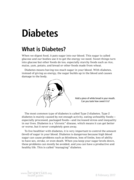
This content is from the Advance Chapters of the NEW Where There Is No Doctor. You can download this chapter in Bangla, English, Haitian Kreyol, Lao, Nepali, Spanish, and Swahili
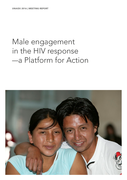
UNAIDS 2016 / Meeting Report
The World Drug Report 2022 is aimed not only at fostering greater international cooperation to counter the impact of the world drug problem on health, governance and security, but also, with its special insights, at assisting Member States in anticipating and address-ing threats from drug markets an
...
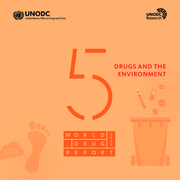
The booklet starts with a general overview of how illicit drugs and the environment are linked within the bigger picture of the Sustainable Development Goals, climate change and environmental sustainability. It highlights direct and indirect linkages and gives examples of the significant local and i
...
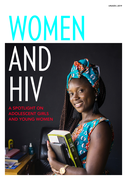
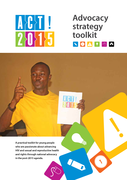
A practical toolkit for young people who are passionate about advancing HIV and sexual and reproductive health and rights through national advocacy in the post-2015 agenda.
The technical note calls for raising awareness among practitioners and policymakers about the importance of strong tobacco control measures for protecting the health and development of children, including banning tobacco advertising, implementing 100% smoke-free environments and raising taxes on tob
...
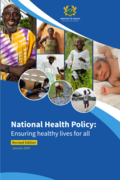
This National Health Policy has 5 objectives, namely
i. To strengthen the healthcare delivery system to be resilient
ii. To encourage the adoption of healthy lifestyles
iii. To improve the physical environment
iv. To improve the socio-economic status of the population
v. To ensure sustainable f
...
Available in different languages
o support and guide countries and partners to strengthen a health systems response to address violence against women, WHO has produced several tools, including:
• clinical and policy guidelines;
• implementation handbooks and manuals;
• training curriculum;
• evidence-based polic
...
Health in All Policies (HiAP) is not a new concept. While the term “HiAP” has received much attention since the 1990s, the concept
of working across sectors of government for improved population health and wellbeing is much older than that. Over the last few decades the term has been applied t
...
Clean and sustainable household energy and appliances, for cooking, heating and lighting can improve health, increase productivity, reduce poverty and protect the environment while addressing air pollution.
This report makes clear that there is a path to end AIDS. Taking that path will help ensure preparedness to address other pandemic challenges, and advance progress across the Sustainable Development Goals. The data and real-world examples in the report make it very clear what that path is. It is not
...
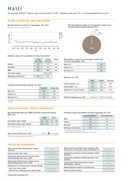
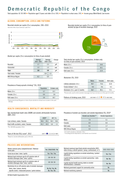
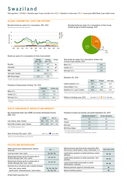
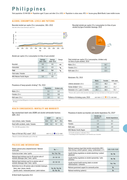
The World Health Organization (WHO) Global Status Report on Noncommunicable Diseases 2010 projects that noncommunicable diseases (NCDs) will be responsible for over 44 million deaths during the next decade, representing an increase of about 15% since 2010. Most of these deaths will occur in the WHO
...
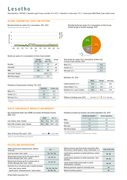
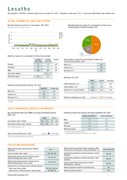
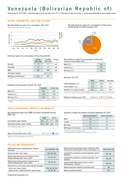
First report of a demonstration project
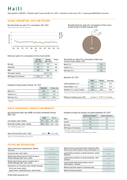
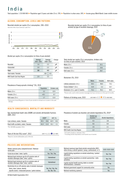
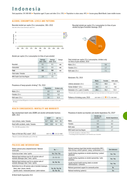
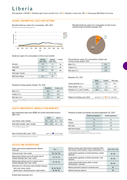
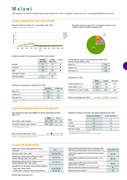
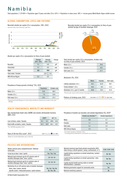
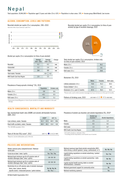
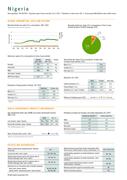
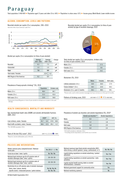
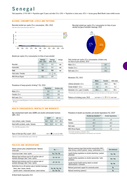
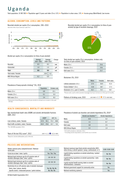
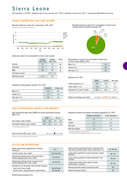
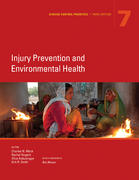
The substantial burden of death and disability that results from interpersonal violence, road traffic injuries, unintentional injuries, occupational health risks, air pollution, climate change, and inadequate water and sanitation falls disproportionally on low- and middle-income countries. Injury Pr
...
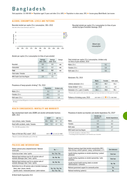
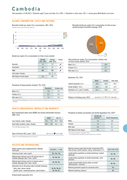
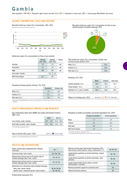
Management of substance abuse - Country profiles 2014
Accessed: 15.03.2019
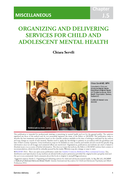
Miscellaneous
Chapter J.5
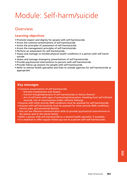
Learning objectives
• Promote respect and dignity for people with self-harm/suicide.
• Know the common presentations of self-harm/suicide.
• Know the principles of assessment of self-harm/suicide.
• Know the management principles of self-harm/suicide.
• Perform an assessment for self-
...
This updated Comprehensive Mental Health Action Plan 2013-2030 builds upon its predecessor and sets out clear actions for Member States, the WHO Secretariat and international, regional and national partners to promote mental health and well-being for all, to prevent mental health conditions for thos
...
Best practice portal: standards and guidelines
recommended
The Best practice portal is a resource for professionals, policymakers and researchers in the drugs field. We provide information on the available evidence on drug-related prevention, treatment and harm reduction, focusing on the European context. The evidence is compiled following an explicit metho
...
Here you can download infographics and posters
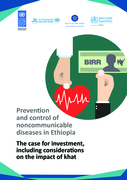
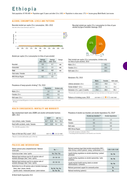
In 2016, the risk of premature mortality1 from noncommunicable diseases (NCDs) in Ethiopia was 18.3%. The economic costs of NCDs are significant and are due principally to their impact on the non-health sector (reduced workforce and productivity). In this study, it is estimated that NCDs cost Ethiop
...
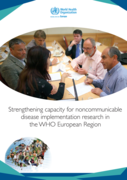
Calls for greater implementation research (IR) capacity came in the wake of compelling evidence that implementation strategies are critically important for the dissemination and facilitation of evidence-informed policies and interventions to tackle noncommunicable diseases (NCDs), thereby improving
...
These guidelines for the prevention and management of cardiovascular diseases are a critical ingredient for streamlining care across the entire health services provision continuum. They are a strategic component in achieving universal health coverage, securing affordable heal
...

Available in English, French and Spanish

This new guidance aims to support programme implementers, coordinators and others in humanitarian settings in their actions to counter suicide and self-harm in humanitarian contexts and to save lives.
There is an expanding market of no- and low-alcohol beverages (NoLos). However, their effects on global ethanol consumption and public health are still questioned. Policies and regulations about NoLos’ availability, acceptability and affordability are lacking and evidence about their benefits is l
...

The Country Cooperation Strategy is the World Health Organization’s corporate framework developed in response to a country’s needs and priorities. The 2022–2025 CCS is the fourth for WHO in Sierra Leone. It is a medium-term strategic document that defines a broad framework for WHO’s work, at
...

Member States of the Region have initiated processes to strengthen leadership and governance for mental health. Several countries have developed and implemented mental health plans, strategies and legislations. Direct spending on mental health needs to be increased throughout the Region through the
...
The environment in which young people live, learn and play significantly affects their decisions about whether to consume alcohol. Environmental factors are the main risk factors driving alcohol consumption and related harm among young people. Environments that normalize alcohol consumption – term
...
The guidance document provides a set of indicators for assessing the status of development, implementation and monitoring of key policy interventions for prevention and control of NCDs and injuries. It promotes city-level evidence based decision-making processes to identify gaps and take appropriate
...
Злоупотребление алкоголем и алкоголизм относятся к ведущим причинам ухудшения здоровья и повышения смертности населения. Чрезмерное употребление алкоголя служи
...
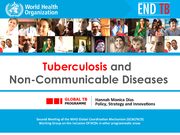
END TB
Second Meeting of th WHO Global Coordination Mechanism (GCM/NCD) Working Group on the inclusion of NCDs in other programmatic areas.
Accessded December 2017
Assessment and Guidance for Strengthening Integration of Mental Health into Primary Health Care and Community-Based Service Platforms in Ukraine

Ocean plastic pollution has reached crisis level: every minute, more than an entire garbage truck of plastic makes its way into the world’s oceans—roughly 11 million metric tons annually. While plastic waste presents an immediate threat to marine wildlife and ecosystems, this global challenge al
...
IASC Guidelines on Mental Health and Psychosocial Support in Emergency Settings. Checklist
recommended
Armed conflicts and natural disasters cause significant psychological and social suffering to affected populations. The psychological and social impacts of emergencies may be acute in the short term, but they can also undermine the long-term mental health and psychosocial well-being of the affected
...
Environmental Health in Emergencies and Disasters
Annex 6
Toward Resilience
recommended
A Guide to Disaster Risk Reduction and Climate Change Adaptation
Emergency Capacitiy Building Project agencies, led by CARE, have developed the Shelter Accountability Resources for project managers and decision-makers in humanitarian shelter programs.
As a guide it is also intended to be useful for Shelter Cluster coordinators, and other staff who would like t
...
Health Bulletin No.3
'Ethical Issues in Obstetrics and Gynecology' represents the results of carefully researched and considered discussion. The guidelines are intended to provide material for consideration and debate about ethical aspects of our discipline for member organisations and their constituent membership.
Module 10: The Roles of Families, Community and the Health Care System in Prevention and Care for Women with Obstetric Fistula
Antimicrobial resistance (AMR) has emerged as a major public health problem all over the world. Infections caused by resistant microbes fail to respond to treatment, resulting in prolonged illness and greater risk of death. This document focuses on the mechanism to develop a practically applicable h
...
Guidance Note. The recommended actions are presented under the different components (water supply, hygiene and hand washing, disinfection, solid waste management, latrine and wastewater management, and dead body management) of the defined Ebola Care Centre/Unit WASH package to complement community a
...
Accessed November 2014

Disaster Recovery Toolkit