Filter
454
Text search:
World
Health
Organization,
UN
High
Commissioner
for
Refugees
Featured
Recommendations
59
New Publications
140
Language
Document type
No document type
244
Studies & Reports
104
Guidelines
36
Manuals
27
Strategic & Response Plan
21
Situation Updates
9
Training Material
8
Fact sheets
3
Resource Platforms
1
Online Courses
1
Countries / Regions
Syria
42
Global
28
Myanmar / Burma
19
South Sudan
18
Ukraine
16
Western and Central Europe
16
Bangladesh
15
Uganda
14
Venezuela
10
Africa
7
Nigeria
6
Congo, Democratic Republic of
6
Jordan
6
Zambia
6
Kenya
6
Nepal
5
Lebanon
5
Latin America and the Carribbean
5
Sierra Leone
4
Liberia
4
Ethiopia
4
Sudan
4
Yemen
4
Somalia
3
Rwanda
3
Central African Republic
3
Colombia
3
Greece
3
Asia
3
Guinea
2
Guinea-Bissau
2
Philippines
2
India
2
Germany
2
Turkey
2
Cambodia
2
Thailand
2
Indonesia
2
South Africa
2
Malawi
2
Mozambique
2
Brazil
2
Burundi
2
Laos
2
Senegal
1
Mali
1
Ghana
1
Niger
1
Iraq
1
Afghanistan
1
Egypt
1
Tanzania
1
Malaysia
1
Namibia
1
Croatia
1
Botswana
1
Libya
1
Angola
1
Madagascar
1
Mexico
1
East and Southern Africa
1
West and Central Africa
1
Middle East and North Africa
1
South–East Asia Region
1
Western Pacific Region
1
Eastern Europe and Central Asia
1
Eastern Europe
1
Italy
1
Timor Leste/ East Timor
1
Vietnam
1
Mauritius
1
Authors & Publishers
Publication Years
Category
Countries
119
Key Resources
40
Women & Child Health
39
Clinical Guidelines
16
Public Health
15
Capacity Building
9
Protection & Security
1
Toolboxes
Conflict
83
Mental Health
52
Refugee
49
COVID-19
44
Disability
32
HIV
22
Planetary Health
14
Global Health Education
9
Natural Hazards
8
TB
8
Rapid Response
7
Health Financing Toolbox
7
Ebola
5
Zika
5
Polio
3
Cholera
2
South Sudan
1
Specific Hazards
1
NCDs
1
Reducing the global suicide mortality rate by a third by 2030 is a target of both the UN Sustainable Development Goals and the WHO Global Mental Health Action Plan. However, an impediment to meeting
...
This report is jointly released by the Human Rights Division (HRD)
of the United Nations Mission in South Sudan (UNMISS) and the Office of the United Nations High Commissioner
...
9 April 2020
The COVID-19 pandemic is presenting States in Europe with an extraordinary and unprecedented public health emergency. In response, States are taking necessary and legitimate measures to prevent the spread of the virus and to protect
...
The purpose of this document is to provide guidance on how quarantine and isolation can be achieved if there is a suspected or confirmed case in an overcrowded setting. It will focus on informal settlements and collective shelters, but the guidance can be applied in non-refugee settings as well, suc
...
Key highlights from January to April 2020 (Syria situation)
Across the MENA region, UNHCR is receiving alarming reports of increasing mental health issues among the forcibly displaced. Mental health
...
Results from the baseline study indicated that schoolgirls in the southwestern refugee settlement context lacked access to the menstrual hygiene knowledge and products required for them to manage their menstruation in a healthy and dignified manner.
...
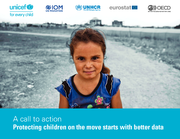
Gaps in data covering refugees, asylum seekers, migrants and internally displaced populations are endangering the lives and wellbeing of millions of children on the move, warned five UN and partner
...
This training guide is designed to enable participants to understand the human rights perspective on migration, and how human rights laws and standards can be operationalized to make migration safer and an empowering experience for all. It provides
...
The COVID-19 pandemic has created challenges for forcibly displaced persons and the humanitarian organizations working to support them. With restrictions on movement and limited access to refugees,
...
Refugees1 with disabilities have specific needs and face particular forms of discrimination. As highlighted in the Executive Committee Conclusion No. 110 (LXI)–2010, it is important for UNHCR to ensure that the rights of persons with disabilities
...
Лечение психических и неврологических расстройств
и расстройств, связанных с употреблением наркотиков
и других веществ, в чрезвычайных гуманитарных ситуациях
...
املعالجة الرسيرية
لالضطرابات النفسية والعصبية واستخدام مواد اإلدمان
يف حاالت الطوارئ اإلنسانية
Mhgap Humanitarian Intervention Guide (mhGAP-HIG): Clinical management of mental, neurological and substance use cond
...