Filter
135
Text search:
Watershed
Management
Group
Featured
Recommendations
10
New Publications
45
Language
Document type
No document type
73
Studies & Reports
25
Guidelines
8
Infographics
8
Fact sheets
6
Manuals
5
Strategic & Response Plan
4
Training Material
2
Situation Updates
2
Resource Platforms
2
Countries / Regions
India
11
Myanmar / Burma
11
South Africa
5
Global
5
Kenya
4
Liberia
3
Senegal
3
Nepal
3
Rwanda
3
Nigeria
2
Ethiopia
2
Zimbabwe
2
South Sudan
2
Syria
2
Indonesia
2
Bangladesh
2
Mozambique
2
Brazil
2
Angola
2
Africa
2
Burkina Faso
1
Sierra Leone
1
Congo, Democratic Republic of
1
Mali
1
Guinea-Bissau
1
Côte d’Ivoire / Ivory Coast
1
Cameroon
1
Ghana
1
Uganda
1
Niger
1
Pakistan
1
Afghanistan
1
Chad
1
Thailand
1
Malaysia
1
Benin
1
Central African Republic
1
Argentina
1
Colombia
1
Sri Lanka
1
East and Southern Africa
1
Latin America and the Carribbean
1
Paraguay
1
Laos
1
Iran
1
Authors & Publishers
Publication Years
Category
Countries
57
Key Resources
30
Public Health
5
Capacity Building
4
Women & Child Health
2
Clinical Guidelines
1
General Guidelines
1
Toolboxes
Planetary Health
27
COVID-19
16
Natural Hazards
8
Conflict
5
Mental Health
5
Global Health Education
5
Caregiver
5
Ebola
3
Cholera
3
Health Financing Toolbox
2
Disability
1
South Sudan
1
Rapid Response
1
HIV
1
TB
1
Specific Hazards
1
AMR
1
Social Ethics
1
Pharmacy
1

The arrival of COVID-19 in Afghanistan has brought heartache to millions of people who are now battling a deadly pandemic while simultaneously fighting for their survival amid poverty, disaster and war. Over my three years as Humanitarian Coordinator, I have marvelled at the resilience of the people
...
Best practices for communicating with the public during an outbreak
The COVID-19 pandemic has raised profound ethical challenges on an unprecedented global scale. These challenges include how to allocate scarce resources (especially vaccines and therapeutics), both within and between countries, whether and when to mandate vaccines and/or masks, whether and how to co
...
The report offers an overview of the progress the humanitarian sector has made and the obstacles it has faced over the past 10 years. Accountability is no longer just a fashionable term, there is now a shared understanding of what it takes to be accountable. From changes at policy level, to concrete
...

(Health Systems in Transition, Vol. 4, No. 3, 2014)
Climate change and variability is affecting maize (Zea mays L.) production in eastern Ethiopia but how farmers perceive the challenge and respond to it is not well documented. A study was conducted to analyze smallholder maize farmers’ perception of climate change/variability and identify their ad
...
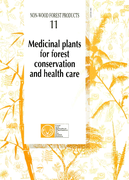
Non-Wood Forest Products 11
Traditional medicine and its use of medicinal plants is dependent on reliable supply of plant materials. The book focuses on the interface between medicinal plant use and conservation of medicinal plants.
mnesty International’s annual report on the state of the world’s human rights in 2021, published in March 2022, shows that promises to “build back better” after the Covid-19 pandemic were little more than lip service. Hopes of global cooperation withered in the face of vaccine hoarding and c
...
Key Resources Humanitarian Aid
recommended
MEDBOX Issue Brief no. 6
This issue brief gives you an overview of the most important documents on humanitarian aid and the WASH sector in MEDBOX
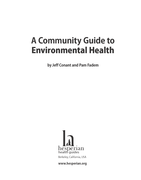
With hundreds of illustrations and clear instructions, A Community Guide to Environmental Health helps health promoters, development workers, environmental activists, and community leaders take charge of their environmental health in villages and cities alike. Also available in Arabic, Spanish, Chin
...
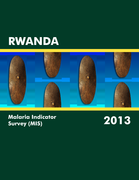
The 2013 RMIS is a nationally representative, household-based survey that provides data on malaria indicators, which are used to assess the progress of a malaria control program. The primary objective of the 2013 Rwanda Malaria Indicator Survey (2013 RMIS) was to provide up-to date information on th
...
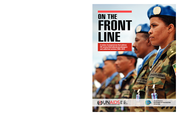
Biodiversity and healthy natural ecosystems, including protected areas in and around cities, provide ecosystem benefits and services that support human health, including reducing flood risk, filtering air pollutants, and providing a reliable supply of clean drinking water. These services help to red
...
Camps is intended to help address the absence of public and standardized training resources for those seeking to use high resolution satellite imagery in support of refugee/IDP assistance operations. Students, general audiences, and volunteers studying and analyzing satellite imagery of displaced po
...
The compendium provides guidance on low-cost handwashing facilities that can be widely used in low and middle-income countries. We hope that this can be shared extensively as governments and agencies tackle the crisis in low and middle-income countries where handwashing facilities are urgently neede
...
Hand Hygiene and COVID-19
recommended
MEDBOX Issue Brief No.2.
The main route of transmission of the Sars-CoV-2 virus are small respiratory droplets. Therefore, thoroughly cleaning of hands with either alcohol-based hand rub or soap and water is one of the corner stones of basic protective measures against COVID-19 for everyone. A part
...