
Filter
394
Text search:
Schistosomiasis
Featured
44
98
Language
Document type
177
107
42
25
17
8
6
4
2
2
1
1
1
1
Countries / Regions
35
14
13
12
12
11
10
7
7
7
7
6
6
5
5
5
4
4
4
3
3
3
3
3
3
2
2
2
2
2
2
2
2
2
2
2
2
1
1
1
1
1
1
1
1
1
1
1
1
1
1
1
1
1
1
1
1
1
1
1
1
1
1
Authors & Publishers
Publication Years
Category
136
57
37
28
16
10
7
Toolboxes
96
35
16
9
9
8
7
6
4
3
3
3
2
2
2
2
1
1
1
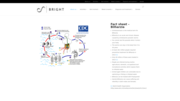
Schistosomiasis is the medical term for Bilharzia.
Bilharzia is an acute and chronic disease caused by schistosome parasitic worms.
You cannot see the parasite when it enters your body.
The worms can stay in the body from 5 to 30 years.
At least
...
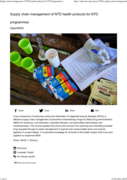
A key component of achieving control and elimination of neglected tropical diseases (NTDs) is effective supply chain management of preventive chemotherapy drugs for Mass Drug Administration (MDA) for trachoma, river blindness, lymphatic filariasis, soil-transmitted helminthiasis and
...

Background: The human helminth infections include ascariasis, trichuriasis, hookworm infections, schistosomiasis, lymphatic filariasis (LF) and onchocerciasis. It is estimated that almost 2 billion people worldwide are infected with helminths. Whils
...
This report represents the WHO-supported NTDs program activities and key performances in 2023. It is categorized into three sections: The first section states on the disease targeted for eradication (Guinea worm disease); the second section is on the
Preventive Chemotherapy (PC)-NTDs (Trachoma,
...
ajtmh.20-1538 Volume 104, 6. Mapping is a prerequisite for effective implementation of interventions against neglected tropical diseases (NTDs). Before the accelerated World Health Organization (WHO)/Regional Office for Africa (AFRO) NTD Mapping Project was initiated in 2014, mapping efforts in man
...
The document presents briefly Mozambique's profile on neglected tropical diseases, as well as recommendations on how to control them.
Manual for step-by-step risk management for safely managed sanitation systems. 2nd edition.
This Sanitation safety planning (SSP) manual provides practical, step-by-step guidance to assist in the implementation of the 2018 World Health Organization (WHO) Guidelines on sanitation and health and the
...
Chapter 5: A Community Guide to Environmental Health
DEPARTMENT OF CONTROL OF NEGLECTED TROPICAL DISEASES
This summary outlines the burden of targeted diseases and program implementation outcomes in Rwanda. The control of neglected tropical diseases represents a major challenge to those providing healthcare services in the endemic countries. The purpose of this country profile is to provide public healt
...
This new edition and fully updated publication replaces the 2012 UCG and is being circulated free of charge to all public and private sector prescribers, pharmacists, and regulatory authorities in the country
based on the WHO Bench Aids for the diagnosis of intestinal parasites;
Tutor’s Guide: perform specific laboratory techniques; identify intestinal parasites by genus and species; quantify helminth eggs in faeces by Kato-Katz procedure.
Draft version
excreta disposal in emergencies
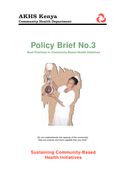
‘Do not underestimate the capacity of the community; they are smarter and more capable than you think’
