
Filter
4601
Text search:
Respiratory
Featured
580
1005
Language
Document type
2047
941
775
235
200
147
74
59
41
24
21
13
11
8
1
Countries
261
258
137
119
98
90
87
81
77
77
72
72
69
65
65
59
57
56
56
54
54
51
50
48
47
47
42
41
39
35
35
31
29
28
28
27
25
23
22
22
22
20
20
18
17
17
16
16
16
14
13
12
12
12
12
12
12
11
11
11
11
10
10
10
10
9
8
8
8
8
8
7
7
7
6
6
6
6
5
5
5
5
5
5
5
5
5
4
4
4
4
3
3
3
3
3
3
3
3
3
3
3
3
3
2
2
2
2
2
2
2
2
2
2
1
1
1
1
1
1
1
1
1
1
1
1
1
1
1
1
1
1
1
1
1
1
1
1
1
Authors & Publishers
Publication Years
Category
1955
392
355
202
146
86
57
2
Toolboxes
991
343
249
184
172
155
149
142
115
112
88
80
73
63
51
49
45
42
20
20
17
12
2
1
(7th Version)
20, March 2020

The Government of India is embarking on a mammoth task to prevent COVID-19 spread among communities. The Rapid Evidence Synthesis team received a request to support the planning and development of resources for ensuring preparedness of FLHWs for COVID-19 . The rapid evidence synthesis was conducted
...
Accessed: 02.04.2020
This brief summarizes current evidence and guidance for maintaining safe and effective care across the spectrum of maternal, newborn and infant care while protecting mother and child and health care providers during COVID-19. Furthermore, implications of the principle of “do no harm” are reviewe
...

Blue Book. The Medical Guide for our Projects
recommended
9th edition; 4th English edition 2020
Evidence for technical update of pocket book recommendations. Newborn conditions, dysentery, pneumonia, oxygen use and delivery, common causes of fever, severe acute malnutrition and supportive care
Please read and download the latest updates at the website
http://www.who.int/hac/crises/ssd/epi/en/

Handout presentations in PDF for illustrating lectures
Accessed May 2014
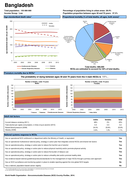
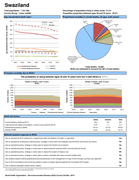
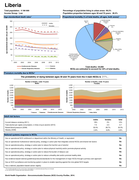
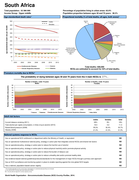
Cancer
recommended
This volume presents the complex patterns of cancer incidence and death around the world and evidence on effective and cost-effective ways to control cancers. The Disease Control Priorities Volume 3 evaluation of cancer will indicate where cancer treatment is ineffective and wasteful, and offer alte
...
Patient information on asthma and COPD. English version. Also available in: Arabic, French, German, Russian, Turkish, Spanish. For other versions go to: http://www.patienten-information.de/kurzinformationen/lunge/asthma-und-copd

Accessed: 16.04.2020
Disease Control Priorities –3rdEdition, Volume 2.
This book focuses on maternal conditions, childhood illness, and malnutrition. Specifically, the chapters address acute illness and undernutrition in children, principally under age 5. It also covers maternal mortality, morbidity, stillbirth, and
...
Disease Control Priorities, 3rdEdition: Volume 4.
Mental, neurological, and substance use disorders are common, highly disabling, and associated with significant premature mortality. The impact of these disorders on the social and economic well-beingof individuals, families, and societies is large
...
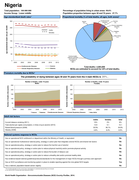
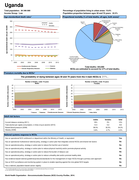
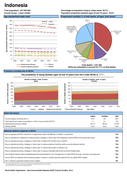
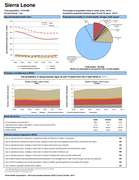
Draft version

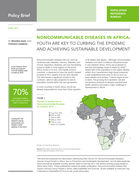
Policy Brief | April 2015 | This brief accompanies the data sheet, Addressing Risk Factors for Noncommunicable Diseases Among Young People in Africa: Key to Prevention and Sustainable Development, and its data appendix, which provide all available country-specific data on four key NCD risk factors a
...
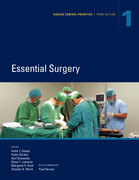
The volume presents data on the surgical burden of disease, disability, congenital anomalies, and trauma, along with health impact and economic analyses of procedures, platforms, and packages to improve care in settings with severe budget limitations. Essential Surgery identifies 44 surgical procedu
...
Infectious diseases are the leading cause of death globally, particularly among children and young adults. The spread of new pathogens and the threat of antimicrobial resistance pose particular challenges in combating these diseases. Major Infectious Diseases identifies feasible, cost-effective pack
...
The substantial burden of death and disability that results from interpersonal violence, road traffic injuries, unintentional injuries, occupational health risks, air pollution, climate change, and inadequate water and sanitation falls disproportionally on low- and middle-income countries. Injury Pr
...
Large File: 85 MB!!!. Please download directly from the website link
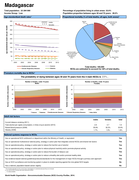
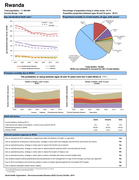
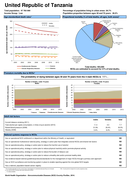
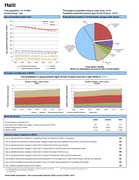
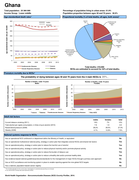
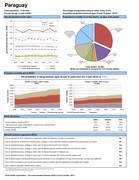
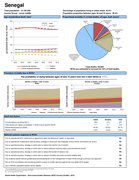
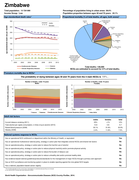
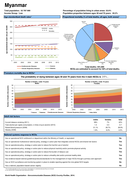
Noncommunicable diseases country profiles 2014

For the Fiscal Year 2015-2016, the Health Sector continued to implement actions meant to improve the availability, and access to quality healthcare. The following report highlights achievements registered by the health sector for the fiscal 2015-2016 in different health programs, as well as in the a
...

The overall goal of the programme, to reduce the malaria morbidity and mortality by 75% (using 2012 as baseline) by the year 2020, continued to be pursued in 2014. The following areas were identified as some of the priorities for the year: Malaria Case Management under which we have Malaria in Pregn
...
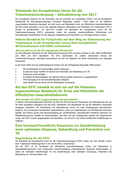
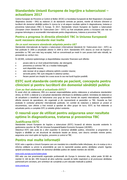
European Union Standards for Tuberculosis Care 2017 Update (Romanian Version)
Countries who have no testing capacity can send their samples to the WHO appointed 2019-nCoV referral laboratories for testing. National 2019-nCoV laboratories with limited experience are encouraged to send the first five positives and the first ten negative 2019-nCoV samples to their referral labor
...
Accessed on 01.03.2020
Since its inception in 1995, the Multiple Indicator Cluster Surveys, known as MICS, has become the largest source of statistically sound and internationally comparable data on women and children worldwide. In countries as diverse as Costa Rica, Mali and Qatar, trained field
...
Hesperian released a Coronavirus (COVID-19) Fact Sheet specifically for people like you, individuals and organizations seeking credible resources. Thanks to the incredible skill and participation of many partners on short notice, it is available now in English, Spanish, French, Chinese, Urdu, Bangla
...
Version 2 20.03.2020

Lancet Respir Med 2020Published OnlineMarch 20, 2020https://doi.org/10.1016/S2213-2600(20)30121-1

Intensive Care Med (2009) 35:9–29DOI 10.1007/s00134-008-1336-9
Although thousands of papers have been devoted tohospital-acquired pneumonia (HAP), many controversiesremain, and management of HAP is probably often sub-optimal. Several reviews or guidelines have been pub-lished rec
...

The international community sits at the tipping pointof a post-‐antibiotic era, where common bacterial infections are no longer treatable with the antibiotic armamentarium that exists. In South Africa, t
...
Временное руководство
6 апреля 2020 г.
В настоящем документе кратко изложены рекомендации ВОЗ по рациональному использованию средств индивидуальной защиты (СИЗ) в
...
Short, imaged-based course and poster that do not require high levels of literacy. These are designed to support locations with weaker health systems that are ill-prepared to deal with COVID-19 (2019-novel coronavirus).
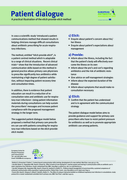
The method, entitled “elicit-provide-elicit”, is a patient centred method which is adaptable to a range of clinical situations. Recent clinical trials show that the introduction of advanced communication skills based on this method in general practice allows primary care physicians to prescribe
...
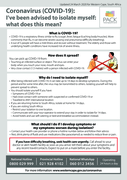
Updated 24 March 2020

This document provides guidance to EU/EEA Member States on environmental cleaning in healthcare and non-healthcare settings during the COVID-19 pandemic.

The Libyan national action plan has been aligned with WHO five objectives. Analysis of the current situation and addressing the gaps and the needs to reach the main goal “one health” approach involves several national sectors and actors, including human and veterinary health, agriculture and foo
...

Accessed: 02.04.2020

Available in English, French and Arabic
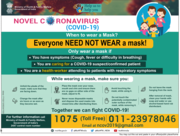
Novel Coronavirus (COVID-19)
Accessed: 08.04.2020

Accessed: 08.04.2020
This document is updated.
Please check the document:Priority medical devices list for the COVID-19 response and associated technical specifications

The Africa Centres for Disease Control and Prevention (Africa CDC) is concerned about inaccurate information being distributed through traditional and social media regarding prevention and treatment of novel coronavirus disease (COVID-19).
Here are the answers to the most common queries about the novel coronavirus based on our discussion with the various experts from the reputed institutes and analysis of the CDC, WHO, and MoHFW guidelines.

a systematic review and meta-analysis Derek K Chu et al. on behalf of the COVID-19 Systematic Urgent Review Group Effort (SURGE) study authors.
Published: The Lancet June 01, 2020 DOI: https://doi.org/10.1016S0140-6736(20)31142-9
'We did a systematic review of 172 observational studies in health-
...
The WHO COVID-19 Clinical management: living guidance contains the Organization’s most up-to-date recommendations for the clinical management of people with COVID-19. Providing guidance that is comprehensive and holistic for the optimal care of COVID-19 patients throughout their entire illness is
...

Основные психосоциальные навыки Руководство для персонала экстренного реагирования на пандемию COVID-19
recommended
Информацию, которую содержит данное руководство, можно использовать при
поддержке людей во время пандемии COVID-19: людей, которые заразились COVID-19,
потеряли близких Ð
...
