
Filter
4991
Text search:
HIV
care,
support,
and
treatment
Featured
455
1467
Language
4801
102
82
77
41
30
17
14
13
8
8
6
6
6
5
5
5
5
5
4
4
4
4
4
4
4
3
3
3
3
3
3
3
3
2
2
2
2
2
2
2
2
2
2
2
2
2
2
2
2
2
1
1
1
1
1
1
1
1
1
1
1
1
1
Document type
3314
630
518
189
145
68
65
31
15
9
5
1
1
Countries
251
208
182
129
122
121
120
115
114
107
100
97
95
81
75
73
71
70
69
65
60
59
58
48
41
40
38
38
38
32
30
28
28
27
27
27
25
23
22
21
21
20
16
13
13
12
12
11
11
11
11
10
10
10
10
8
8
8
8
7
7
7
7
7
7
7
6
6
4
4
4
4
4
4
4
4
4
4
3
3
3
3
3
3
3
3
3
3
2
2
2
2
2
2
2
2
2
2
2
2
2
2
2
2
2
2
2
2
2
2
1
1
1
1
1
1
1
1
1
1
1
1
1
1
1
1
1
1
1
1
1
1
1
1
Authors & Publishers
479
324
307
188
152
128
125
104
86
65
56
46
41
38
38
37
31
31
31
29
28
27
26
26
26
24
23
21
21
21
20
20
19
19
19
19
19
18
18
18
18
18
17
16
15
15
15
14
13
13
13
12
12
12
11
11
11
11
11
10
10
10
10
10
10
10
9
9
9
9
9
9
9
9
9
9
9
8
8
8
8
8
8
8
8
8
8
8
8
8
8
8
8
8
8
8
8
7
7
7
7
7
7
7
7
7
7
7
7
7
7
7
7
6
6
6
6
6
6
6
6
6
6
6
6
6
6
6
6
6
6
6
6
6
6
6
6
6
6
6
6
6
6
6
6
6
6
6
6
6
5
5
5
5
5
5
5
5
5
5
5
5
5
5
5
5
5
5
5
5
5
5
5
5
5
5
5
5
5
5
5
5
5
5
5
5
5
5
5
5
5
5
5
5
5
5
4
4
4
4
4
4
4
4
4
4
4
4
4
4
4
4
4
4
4
4
4
4
4
4
4
4
4
4
4
4
4
4
4
4
4
4
4
4
4
4
4
4
4
4
4
4
4
4
4
4
4
4
4
4
4
4
4
4
4
4
4
4
4
4
4
4
4
3
3
3
3
3
3
3
3
3
3
3
3
3
3
3
3
3
3
3
3
3
3
3
3
3
3
3
3
3
3
3
3
3
3
3
3
3
3
3
3
3
3
3
3
3
3
3
3
3
3
3
3
3
3
3
3
3
3
3
3
3
3
3
3
3
3
3
3
3
3
3
3
3
3
3
3
3
3
3
3
3
3
3
3
3
3
3
3
3
3
3
3
3
3
3
3
3
3
3
3
3
3
3
3
3
3
3
3
3
3
3
3
3
3
3
3
3
3
3
3
3
3
3
3
3
3
3
3
2
2
2
2
2
2
2
2
2
2
2
2
2
2
2
2
2
2
2
2
2
2
2
2
2
2
2
2
2
2
2
2
2
2
2
2
2
2
2
2
2
2
2
2
2
2
2
2
2
2
2
2
2
2
2
2
2
2
2
2
2
2
2
2
2
2
2
2
2
2
2
2
2
2
2
2
2
2
2
2
2
2
2
2
2
2
2
2
2
2
2
2
2
2
2
2
2
2
2
2
2
2
2
2
2
2
2
2
2
2
2
2
2
2
2
2
2
2
2
2
2
2
2
2
2
2
2
2
2
2
2
2
2
2
2
2
2
2
2
2
2
2
2
2
2
2
2
2
2
2
2
2
2
2
2
2
2
2
2
2
2
2
2
2
2
2
2
2
2
2
2
2
2
2
2
2
2
2
2
2
2
2
2
2
2
2
2
2
2
2
2
2
2
2
2
2
2
2
2
2
2
2
2
2
2
2
2
2
2
2
2
2
2
2
2
2
2
2
2
2
2
2
2
2
2
2
2
2
2
2
2
2
2
2
2
2
2
2
2
2
2
2
2
2
2
2
2
2
2
2
2
2
2
2
2
2
2
2
2
2
2
2
2
2
2
2
2
2
2
2
2
2
2
2
2
2
2
2
2
2
2
2
2
2
2
2
2
2
2
2
2
2
2
2
2
2
2
2
2
2
2
2
2
2
2
2
2
2
2
2
2
2
2
2
2
2
2
2
2
2
2
2
2
2
2
2
2
2
2
2
2
2
2
2
1
1
1
1
1
1
1
1
1
1
1
1
1
1
1
1
1
1
1
1
1
1
1
1
1
1
1
1
1
1
1
1
1
1
1
1
1
1
1
1
1
1
1
1
1
1
1
1
1
1
1
1
1
1
1
1
1
1
1
1
1
1
1
1
1
1
1
1
1
1
1
1
1
1
1
1
1
1
1
1
1
1
1
1
1
1
1
1
1
1
1
1
1
1
1
1
1
1
1
1
1
1
1
1
1
1
1
1
1
1
1
1
1
1
1
1
1
1
1
1
1
1
1
1
1
1
1
1
1
1
1
1
1
1
1
1
1
1
1
1
1
1
1
1
1
1
1
1
1
1
1
1
1
1
1
1
1
1
1
1
1
1
1
1
1
1
1
1
1
1
1
1
1
1
1
1
1
1
1
1
1
1
1
1
1
1
1
1
1
1
1
1
1
1
1
1
1
1
1
1
1
1
1
1
1
1
1
1
1
1
1
1
1
1
1
1
1
1
1
1
1
1
1
1
1
1
1
1
1
1
1
1
1
1
1
1
1
1
1
1
1
1
1
1
1
1
1
1
1
1
1
1
1
1
1
1
1
1
1
1
1
1
1
1
1
1
1
1
1
1
1
1
1
1
1
1
1
1
1
1
1
1
1
1
1
1
1
1
1
1
1
1
1
1
1
1
1
1
1
1
1
1
1
1
1
1
1
1
1
1
1
1
1
1
1
1
1
1
1
1
1
1
1
1
1
1
1
1
1
1
1
1
1
1
1
1
1
1
1
1
1
1
1
1
1
1
1
1
1
1
1
1
1
1
1
1
1
1
1
1
1
1
1
1
1
1
1
1
1
1
1
1
1
1
1
1
1
1
1
1
1
1
1
1
1
1
1
1
1
1
1
1
1
1
1
1
1
1
1
1
1
1
1
1
1
1
1
1
1
1
1
1
1
1
1
1
1
1
1
1
1
1
1
1
1
1
1
1
1
1
1
1
1
1
1
1
1
1
1
1
1
1
1
1
1
1
1
1
1
1
1
1
1
1
1
1
1
1
1
1
1
1
1
1
1
1
1
1
1
1
1
1
1
1
1
1
1
1
1
1
1
1
1
1
1
1
1
1
1
1
1
1
1
1
1
1
1
1
1
1
1
1
1
1
1
1
1
1
1
1
1
1
1
1
1
1
1
1
1
1
1
1
1
1
1
1
1
1
1
1
1
1
1
1
1
1
1
1
1
1
1
1
1
1
1
1
1
1
1
1
1
1
1
1
1
1
1
1
1
1
1
1
1
1
1
1
1
1
1
1
1
1
1
1
1
1
1
1
1
1
1
1
1
1
1
1
1
1
1
1
1
1
1
1
1
1
1
1
1
1
1
1
1
1
1
1
1
1
1
1
1
1
1
1
1
1
1
1
1
1
1
1
1
1
1
1
1
1
1
1
1
1
1
1
1
1
1
1
1
1
1
1
1
1
1
1
1
1
1
1
1
1
1
1
1
1
1
1
1
1
1
1
1
1
1
1
1
1
1
1
1
1
1
1
1
1
1
1
1
1
1
1
1
1
1
1
1
1
1
1
1
1
1
1
1
1
1
1
1
1
1
1
1
1
1
1
1
1
1
1
1
1
1
1
1
1
1
1
1
1
1
1
1
1
1
1
1
1
1
1
1
1
1
1
1
1
1
1
1
1
1
1
1
1
1
1
1
1
1
1
1
1
1
1
1
1
1
1
1
1
1
1
1
1
1
1
1
1
1
1
1
1
1
1
1
1
1
1
1
1
1
1
1
1
1
1
1
1
1
1
1
1
1
1
1
1
1
1
1
1
1
1
1
1
1
1
1
1
1
1
1
1
1
1
1
1
1
1
1
1
1
1
1
1
1
1
1
1
1
1
1
1
1
1
1
1
1
1
1
1
1
1
1
1
1
1
1
1
1
1
1
1
1
1
1
1
1
1
1
1
1
1
1
1
1
1
1
1
1
1
1
1
1
1
1
1
1
1
1
1
1
1
1
1
1
1
1
1
1
1
1
1
1
1
1
1
1
1
1
1
1
1
1
1
1
1
1
1
1
1
1
1
1
1
1
1
1
1
1
1
1
1
1
1
1
1
1
1
1
1
1
1
1
1
1
1
1
1
1
1
1
1
1
1
1
1
1
1
1
1
1
1
1
1
1
1
1
1
1
1
1
1
1
1
1
1
1
1
1
1
1
1
1
1
1
1
1
1
1
1
1
1
1
1
1
1
1
1
1
1
1
1
1
1
1
1
1
1
1
1
1
1
1
1
1
1
1
1
1
1
1
1
1
1
1
1
1
1
1
1
1
1
1
1
1
1
1
1
1
1
1
1
1
1
1
1
1
1
1
1
1
1
1
1
1
1
1
1
1
1
1
1
1
1
1
1
1
1
1
1
1
1
1
1
1
1
1
1
1
1
1
1
1
1
1
1
1
1
1
1
1
1
1
1
1
1
1
1
1
1
1
1
1
1
1
1
1
1
1
1
1
1
1
1
1
1
1
1
1
1
1
1
1
1
1
1
1
1
1
1
1
1
1
1
1
1
1
1
1
1
1
1
1
1
1
1
1
1
1
1
1
1
1
1
1
1
1
1
1
1
1
1
1
1
1
1
1
1
1
1
1
1
1
1
1
1
1
1
1
1
1
1
1
1
1
1
1
1
1
1
1
1
1
1
1
1
1
1
1
1
1
1
1
1
1
1
1
1
1
1
1
1
1
1
1
1
1
1
1
1
1
1
1
1
1
1
1
1
1
1
1
1
1
1
1
1
1
1
1
1
1
1
1
1
1
1
1
1
1
1
1
1
1
1
1
1
1
1
1
1
1
1
1
1
1
1
1
1
1
1
1
1
1
1
1
1
1
1
1
1
1
1
1
1
1
1
1
1
1
1
1
1
1
1
1
1
1
1
1
1
1
1
1
1
1
1
1
1
1
1
1
1
1
1
1
1
1
1
1
1
1
1
1
1
1
1
1
1
1
1
1
1
1
1
1
1
1
1
1
1
1
1
1
1
1
1
1
1
1
1
1
1
1
1
1
1
1
1
1
1
1
1
1
1
1
1
1
1
1
1
1
1
1
1
1
1
1
1
1
1
1
1
1
1
1
1
1
1
1
1
1
1
1
1
1
1
1
1
1
1
1
1
1
1
1
1
1
1
1
1
1
1
1
1
1
1
1
1
1
1
1
1
1
1
1
1
1
1
1
1
1
1
1
1
1
1
1
1
1
1
1
1
1
1
1
1
1
1
1
1
1
1
1
1
1
1
1
1
1
1
1
1
1
1
1
1
1
1
1
1
1
1
1
1
1
1
1
1
1
1
1
1
1
1
1
1
1
1
1
1
1
1
1
1
1
1
1
1
1
1
1
1
1
1
1
1
1
1
1
1
1
1
1
1
1
1
1
1
1
1
1
1
1
1
1
1
1
1
1
1
1
1
1
1
1
1
1
1
1
1
1
1
1
1
1
1
1
1
1
1
1
1
1
1
1
1
1
1
1
1
1
1
1
1
1
1
1
1
1
1
1
1
1
1
1
1
1
1
1
1
1
1
1
1
1
1
1
1
1
1
1
1
1
1
1
1
1
1
1
1
1
1
1
1
1
1
1
1
1
1
1
1
1
1
1
1
1
1
1
1
1
1
1
1
1
1
1
1
1
1
1
1
1
1
1
1
1
1
1
1
1
1
1
1
1
1
1
1
1
1
1
1
1
1
1
1
1
1
1
1
1
1
1
1
1
1
1
1
1
1
1
1
1
1
1
1
1
1
1
1
1
1
1
1
1
1
1
1
1
1
1
1
1
1
1
1
1
1
1
1
1
1
1
1
1
1
1
1
1
1
1
1
1
1
1
1
1
1
1
1
1
1
1
1
1
1
1
1
1
1
1
1
1
1
1
1
1
1
1
1
1
1
1
1
1
1
1
1
1
1
1
1
1
1
1
1
1
1
1
1
1
1
1
1
1
1
1
1
1
1
1
1
1
1
1
1
1
1
1
1
1
1
1
1
1
1
1
1
1
1
1
1
1
1
1
1
1
1
1
1
1
1
1
1
1
1
1
1
1
1
1
1
1
1
1
1
1
1
1
1
1
1
1
1
1
1
1
1
1
1
1
1
1
1
1
1
1
1
1
1
1
1
1
1
1
1
1
1
1
1
1
1
1
1
1
1
1
1
1
1
1
1
1
1
1
1
1
1
1
1
1
1
1
1
1
1
1
1
1
1
1
1
1
1
1
1
1
1
1
1
1
1
1
1
1
1
1
1
1
1
1
1
1
1
1
1
1
1
1
1
1
1
1
1
1
1
1
1
1
1
1
1
1
1
1
1
1
1
1
1
1
1
1
1
1
1
1
1
1
1
1
1
1
1
1
1
1
1
1
1
1
1
1
1
1
1
1
1
1
1
1
1
1
1
1
1
1
1
1
1
1
1
1
1
1
1
1
1
1
1
1
1
1
1
1
1
1
1
1
1
1
1
1
1
1
1
1
1
1
1
1
1
1
1
1
1
1
1
1
1
1
1
1
1
1
1
1
1
1
1
1
1
1
1
1
1
1
1
1
1
1
1
1
1
1
1
1
1
1
1
1
1
1
1
1
1
1
1
1
1
1
1
1
1
1
1
1
1
1
1
1
1
1
1
1
1
1
1
1
1
1
1
1
1
1
1
1
1
1
1
1
1
1
1
1
1
1
1
1
1
1
1
1
1
1
1
1
1
1
1
1
1
1
1
1
1
1
1
1
1
1
1
1
1
1
1
1
1
1
1
1
1
1
1
1
1
1
1
1
1
1
1
1
1
1
1
1
1
1
1
1
1
1
1
1
1
1
1
1
1
1
1
1
1
1
1
1
1
1
1
1
1
1
1
1
1
1
1
1
1
1
1
1
1
1
1
1
1
1
1
1
1
1
1
1
1
1
1
1
1
1
1
1
1
1
1
1
1
1
1
1
1
1
1
1
1
1
1
1
1
1
1
1
1
1
1
1
1
1
1
1
1
1
1
1
1
1
1
1
1
1
1
1
1
1
1
1
1
1
1
1
1
1
1
1
1
1
1
1
1
1
1
1
1
1
1
1
1
1
1
1
1
1
1
1
1
1
1
1
1
1
1
1
1
1
1
1
1
1
1
1
1
1
1
1
1
1
1
1
1
1
1
1
1
1
1
1
1
1
1
1
1
1
1
1
1
1
1
1
1
1
1
1
1
1
1
1
1
1
1
1
1
1
1
1
1
1
1
1
1
1
1
1
1
1
1
1
1
1
1
1
1
1
1
1
1
1
1
1
1
1
1
1
1
1
1
1
1
1
1
1
1
1
1
1
1
1
1
1
1
1
1
1
1
1
1
1
1
1
1
1
1
1
1
1
1
1
1
1
1
1
1
1
1
1
1
1
1
1
1
1
1
1
1
1
1
1
1
1
1
1
1
1
1
1
1
1
1
1
1
1
1
1
1
1
1
1
1
1
1
1
1
1
1
1
1
1
1
1
1
1
1
1
1
1
1
1
1
1
1
1
1
1
1
1
1
1
1
1
1
1
1
1
1
1
1
1
1
1
1
1
1
1
1
1
1
1
1
1
1
1
1
1
1
1
1
1
1
1
1
1
1
1
1
1
1
1
1
1
1
1
1
1
1
1
1
1
1
1
1
1
1
1
1
1
1
1
1
1
1
1
1
1
1
1
1
1
1
1
1
1
1
1
1
1
1
1
1
1
1
1
1
1
1
1
1
1
1
1
1
1
1
1
1
1
1
1
1
1
1
1
1
1
1
1
1
1
1
1
1
1
1
1
1
1
1
1
1
1
1
1
1
1
1
1
1
1
1
1
1
1
1
1
1
1
1
1
1
1
1
1
1
1
1
1
1
1
1
1
1
1
1
1
1
1
1
1
1
1
1
1
1
1
1
1
1
1
1
1
1
1
1
1
1
1
1
1
1
1
1
1
1
1
1
1
1
1
1
1
1
1
1
1
1
1
1
1
1
1
1
1
1
1
1
1
1
1
1
1
1
1
1
1
1
1
1
1
1
1
1
1
1
1
1
1
1
1
1
1
1
1
1
1
1
1
1
1
1
1
1
1
1
1
1
1
1
1
1
1
1
1
1
1
1
1
1
1
1
1
1
1
1
1
1
1
1
1
1
1
1
1
1
1
1
1
1
1
1
1
1
1
1
1
1
1
1
1
1
1
1
1
1
1
1
1
1
1
1
1
1
1
1
1
1
1
1
1
1
1
1
1
1
1
1
1
1
1
1
1
1
1
1
1
1
1
1
1
1
1
1
1
1
1
1
1
1
1
1
1
1
1
1
1
1
1
1
1
1
1
1
1
1
1
1
1
1
1
1
1
1
1
1
1
1
1
1
1
1
1
1
1
1
1
1
1
1
1
1
1
1
1
1
1
1
1
1
1
1
1
1
1
1
1
1
1
1
1
1
1
1
1
1
1
1
1
1
1
1
1
1
1
1
1
1
1
1
1
1
1
1
1
1
1
1
1
1
1
1
1
1
1
1
1
1
1
1
1
1
1
1
1
1
1
1
1
1
1
1
1
1
1
1
1
1
1
1
1
1
1
1
1
1
1
1
1
1
1
1
1
1
1
1
1
1
1
1
1
1
1
1
1
1
1
1
1
1
1
1
1
1
1
1
1
1
1
1
1
1
1
1
1
1
1
1
1
1
1
1
1
1
1
1
1
1
1
1
1
1
1
1
1
1
1
1
1
1
1
1
1
1
1
1
1
1
1
1
1
1
1
1
1
1
1
1
1
1
1
1
1
1
1
1
1
1
1
1
1
1
1
1
1
1
1
1
1
1
1
1
1
1
1
1
1
1
1
1
1
1
1
1
1
1
1
1
1
1
1
1
1
1
1
1
1
1
1
1
1
1
1
1
1
1
1
1
1
1
1
1
1
1
1
1
1
1
1
1
1
1
1
1
1
1
1
1
1
1
1
1
1
1
1
1
1
1
1
1
1
1
1
1
1
1
1
1
1
1
1
1
1
1
1
1
1
1
1
1
1
1
1
1
1
1
1
1
1
1
1
1
1
1
1
1
1
1
1
1
1
1
1
1
1
1
1
1
1
1
1
1
1
1
1
1
1
1
1
1
1
1
1
1
1
1
1
1
1
1
1
1
1
1
1
1
1
1
1
1
1
1
1
1
1
1
1
1
1
1
1
1
1
1
1
1
1
1
1
1
1
1
1
1
1
1
1
1
1
1
1
1
1
1
1
1
1
1
1
1
1
1
1
1
1
1
1
1
1
1
1
1
1
1
1
1
1
1
1
1
1
1
1
1
1
1
1
1
1
1
1
1
1
1
1
1
1
1
1
1
1
1
1
1
1
1
1
1
1
1
1
1
1
1
1
1
1
1
1
1
1
1
1
1
1
1
1
1
1
1
1
1
1
1
1
1
1
1
1
1
1
1
1
1
1
1
1
1
1
1
1
1
1
1
1
1
1
1
1
1
1
1
1
1
1
1
1
1
1
1
1
1
1
1
1
1
1
1
1
1
1
1
1
1
1
1
1
1
1
1
1
1
1
1
1
1
1
1
1
1
1
1
1
1
1
1
1
1
1
1
1
1
1
1
1
1
1
1
1
1
1
1
1
1
1
1
1
1
1
1
1
1
1
1
1
1
1
1
1
1
1
1
1
1
1
1
1
1
1
1
1
1
1
1
1
1
1
1
1
1
1
1
1
1
1
1
1
1
1
1
1
1
1
1
1
1
1
1
1
1
1
1
1
1
1
1
1
1
1
1
1
1
1
1
1
1
1
1
1
1
1
1
1
1
1
1
1
1
1
1
1
1
1
1
1
1
1
1
1
1
1
1
1
1
1
1
1
1
1
1
1
1
1
1
1
1
1
1
1
1
1
1
1
1
1
1
1
1
1
1
1
1
1
1
1
1
1
1
1
1
1
1
1
1
1
1
1
1
1
1
1
1
1
1
1
1
1
1
1
1
1
1
1
1
1
1
1
1
1
1
1
1
1
1
1
1
1
1
1
1
1
1
Publication Years
956
3525
490
19
1
Category
2142
409
313
199
137
124
39
3
1
Toolboxes
842
458
237
230
144
128
95
91
89
77
69
68
66
60
48
42
36
35
23
19
10
7
4
1
1
This report explores the extent to which evidence, policy, normative guidance and commitments on HIV and gender-based violence,
...
and their interlinkages, is being translated into action on the ground in fragile settings. These issues are explored through the lens of training of peace support operations deploying African troops across Africa and beyond.
more
The document is a summary report by the World Health Organization (WHO) Regional Office for the Eastern Mediterranean, focusing on a capacity-building workshop held in Abu Dhabi in 2019. The workshop addressed the management and
...
care of substance use disorders, aiming to improve technical and managerial capacities in areas such as policy development, treatment services, prevention, monitoring, and international collaboration. Participants included representatives from 12 countries, WHO collaborating centers, and other UN agencies.
more

2nd edition.
T The Compendium has been developed as a clear and concise instrument to facilitate the understanding and planning of delivery of high-quality
...
care for everybody affected by TB. It incorporates all recent policy guidance from WHO; follows the care pathway of persons with signs or symptoms of TB in seeking diagnosis, treatment and care; and includes key algorithms and cross-cutting elements that are essential to a patient-centered approach in the cascade of TB care.
The Compendium is structured into 33 WHO standards and consolidates all current WHO TB policy recommendations into a single resource, with electronic links to the individual, comprehensive WHO policy guidelines
more

The COVID-19 pandemic arrived in an evolving epidemiological context where some countries are experiencing a progressive decrease in HIV positivity in their testing programme as they are moving closer to the first 95 target. Distinguishing changes i
...
n HIV testing services due to the COVID-19 pandemic from those resulting from evolving HIV testing strategies is crucial for adapting services and helping countries define their strategic mix of testing options moving forward. There is a need to focus, prioritize and plan for strategic efforts to prevent going further off the track toward achieving global targets and goals.
To support these efforts, WHO in partnership with ministries of health conducted an in-depth analysis of HIV testing services and antiretroviral therapy (ART) initiation prior to and during reported COVID-19 disruptions. Additional publicly available Global Fund and PEPFAR data was also reviewed and analysed. This analysis, and coordination with ministries of health, identified key service delivery adaptations utilized during COVID-19-related disruptions and formed the basis of this strategic guide.
This document focuses on current country needs, as well as plans for prioritization and potential surge support needs in the event of future disruptions. Although the data and implications are specific to sub-Saharan Africa, key principles and lessons can be applied elsewhere.
more
Updates for the integrated management of childhood illness (IMCI) - Guideline.
As part of its response to the global epidemic of obesity, WHO has issued guidelines to support primary healthcare workers identify
...
and manage children who are overweight or obese. Specifically, all infants and children aged less than 5 years presenting to primary health-care facilities should have both weight and height measured in order to determine their weight-for-height and their nutritional status according to WHO child growth standards. Comparing a child's weight with norms for its length/height is an effective way to assess for both wasting and overweight
more

Global guidance on criteria and processes for validation: elimination of mother-to-child transmission of HIV, syphilis and hepatitis B virus
EMTCT Global Validation Advisory Committee, Global HIV, Hepatitis and Sexually Transmitted Infections Programmes
World Health Organization WHO
(2021)
C_WHO
Validation of elimination of mother-to-child transmission, or vertical transmission, of HIV, syphilis and hepatitis B virus (HBV), is an attestation that a country has successfully met standard crit
...
eria for elimination, or for being at 1 of the 3 levels of achievement on the ‘Path to Elimination’ while delivering quality services for women, girls and their children, through the life-course, respecting human rights and ensuring gender equality and community engagement.
This document, the third version, adds on EMTCT of hepatitis B virus (HBV), bringing together a package of interventions and metrics to support integrated management and monitoring of vertical transmission across a wide range of epidemiological and programmatic contexts.
This document, the third version, adds on EMTCT of hepatitis B virus (HBV), bringing together a package of interventions and metrics to support integrated management and monitoring of vertical transmission across a wide range of epidemiological and programmatic contexts.
more
Background: Community health worker (CHW) programmes are a valuable component of primary care in resource-poor settings. The evidence supporting their effectiveness generally shows improvements in disease-specific outcomes relative to the absence of
...
a CHW programme. In this study, we evaluated expanding an existing HIV and tuberculosis (TB) disease-specific CHW programme into a polyvalent, household-based model that subsequently included non-communicable diseases (NCDs), malnutrition and TB screening, as well as family planning and antenatal care (ANC).
Methods: We conducted a stepped-wedge cluster randomised controlled trial in Neno District, Malawi. Six clusters of approximately 20 000 residents were formed from the catchment areas of 11 healthcare facilities. The intervention roll-out was staggered every 3 months over 18 months, with CHWs receiving a 5-day foundational training for their new tasks and assigned 20–40 households for monthly (or more frequent) visits.
Findings: The intervention resulted in a decrease of approximately 20% in the rate of patients defaulting from chronic NCD care each month (−0.8 percentage points (pp) (95% credible interval: −2.5 to 0.5)) while maintaining the already low default rates for HIV patients (0.0 pp, 95% CI: −0.6 to 0.5). First trimester ANC attendance increased by approximately 30% (6.5pp (−0.3, 15.8)) and paediatric malnutrition case finding declined by 10% (−0.6 per 1000 (95% CI −2.5 to 0.8)). There were no changes in TB programme outcomes, potentially due to data challenges.
more
This document provides a systematic approach in developing a coordinated, standardized, reliable, efficient, cost-effective, and sustainable specimen transport and referral system to
...
support IVHD and VL testing networks. This document provides technical and programmatic recommendations on the appropriate specimen storage and transportation of specimens for HIV VL and IVHD testing. Along with the national guidelines for specimen storage and transport, these standards should provide guidance on the creation or improvement of specimen referral networks and specimen transport systems. In addition, standard operating procedures (SOPs) targeting drivers and persons responsible for packing of specimens and results return are included in this document.
No publication year indicated in the document. more
No publication year indicated in the document. more
World Psychiatry. 2010 Jun;9(2):67-77.
The main recommendations are presented in relation to: the need for coordinated policies, plans and programmes, the requirement to scale up services for whole populations, the importance of promoting community
...
awareness about mental illness to increase levels of help-seeking, the need to establish effective financial and budgetary provisions to directly support services provided in the community. The paper concludes by setting out a series of lessons learned from the accumulated practice of community mental health care to date worldwide, with a particular focus on the social and governmental measures that are required at the national level, the key steps to take in the organization of the local mental health system, lessons learned by professionals and practitioners, and how to most effectively harness the experience of users, families, and other advocates
more
Version 1.1 July 2016
The purpose of this document is to describe standard operating procedures for viral load monitoring, including the schedule for viral load testing when used for routine monitoring of children, adolescents and adults on ART ... ; interpretation of results; patient management; and specimen collection, preparation and transport. This template document to be adapted for use in various contexts and is one component of a viral load monitoring toolkit, to be used in conjunction with ICAP’s Viral Load Monitoring Flipchart and Enhanced Adherence Treatment Plan. more
The purpose of this document is to describe standard operating procedures for viral load monitoring, including the schedule for viral load testing when used for routine monitoring of children, adolescents and adults on ART ... ; interpretation of results; patient management; and specimen collection, preparation and transport. This template document to be adapted for use in various contexts and is one component of a viral load monitoring toolkit, to be used in conjunction with ICAP’s Viral Load Monitoring Flipchart and Enhanced Adherence Treatment Plan. more
The WHO Global strategy on human resources for health: workforce 2030 encourages development partners and global health initiatives to leverage their support to health systems in countries to sustai
...
nably strengthen the health workforce. To assess the impact of these investments, a methodology was developed and pilot tested by WHO.
The impact assessment tool (consisting of an MS Excel calculator with two subsets) supports users to:
• assess and quantify the health impact of HRH investments made in the context of HIV, tuberculosis (TB) and malaria programmes through their modelled effect on health service coverage of these three diseases; and
• provide aggregate indicative estimates of the range of health workers required to attain high coverage of selected health services.
more
Baby-Friendly Hospital Initiative: revised, updated and expanded for Integrated Care - Section 2; Session 1: The national infant feeding situation
WHO, UNICEF
(2009)
The revised package of BFHI materials includes five sections: 1. Background and Implementation, 2. Strengthening and Sustaining the BFHI: A course for decision-makers, 3. Breastfeeding Promotion
...
and Support in a Baby-friendly Hospital: a 20-hour course for maternity staff, 4. Hospital Self-Appraisal and Monitoring, and 5. External Assessment and Reassessment. Sections 1 to 4 are widely available while section 5 is for limited distribution.
Slides
more
To survive and thrive, children and adolescents need good health, adequate nutrition, security, safety and a supportive clean environment, opportun
...
ities for early learning and education, responsive relationships and connectedness, and opportunities for personal autonomy and self-realization. To promote their health and wellbeing, children and adolescents need support from parents, families, communities, surrounding institutions, and an enabling environment. Scheduled well care visits provide a critical opportunity for support of individual children, adolescents, parents, caregivers and families promote health and wellbeing. This guidance on scheduled child and adolescent well-care visits is the first in a series of publications to support the operationalization of the comprehensive agenda for child and adolescent health and wellbeing. It provides guidance on what is required to strengthen health systems and services to ensure healthy growth and development of all children and adolescents, and to support their parents and caregivers.
The guidance focuses on scheduled routine contacts with providers to support children and adolescents in their growth and developmental trajectory, as well as their primary caregivers and families. It outlines the rationale and objectives of well care visits and proposes a minimum 17 scheduled visits; describes the expected tasks during a contact; provides age-specific content to be address during each contact; and proposes actions to build on and maximize existing opportunities and resources.
more
In 2020, the COVID-19 pandemic impacted the world beyond imagination. To date, it has infected more than 135 million people, killed over 2.9 million people, and is projected to plunge up to 115 million people into extreme poverty.1 As countries have
...
gone into lockdown, gender-based violence has increased, unemployment has soared, and access to health care for the poorest and most vulnerable has been cut. COVID-19 has made people less likely to seek health care because they are afraid of getting infected with the virus. Fear and uncertainty surrounding COVID-19 have also increased stigma and discrimination. As frontline workers without enough access to personal protective equipment (PPE) risk their lives to treat patients, the virus pushes already fragile health systems to the brink.
more
The revised package of BFHI materials includes five sections: 1. Background and Implementation, 2. Strengthening and Sustaining the BFHI: A course for decision-makers, 3. Breastfeeding Promotion
...
and Support in a Baby-friendly Hospital: a 20-hour course for maternity staff, 4. Hospital Self-Appraisal and Monitoring, and 5. External Assessment and Reassessment. Sections 1 to 4 are widely available while section 5 is for limited distribution.
more
This manual presents a compelling case for action on carbapenem-resistant organisms (CROs) and describes the linkages between the prevention and control of CROs
...
and the Global Action Plan on Antimicrobial Resistance (AMR). It describes how the eight recommendations contained within the World Health Organization (WHO) guidelines for the prevention and control of carbapenem-resistant Enterobacteriaceae, Acinetobacter baumannii and Pseudomonas aeruginosa in health care facilities relate to general measures (that is, the core components of infection prevention and control [IPC] programmes) that need to be in place in all countries and health care facilities to prevent and control health care-associated infections (HAIs). The use of a stepwise approach is proposed to support implementation and improvement, based on the evidence and experience of what has worked in several health care settings worldwide. The focus is on adoptable and adaptable information.
more

Every year, an estimated 15 million babies are born preterm – before 37 weeks of pregnancy. That is more than 1 in 10 live births. Approximately 1 million children die each year worldwide due to complications from their early birth. Those that survive often face a lifetime of ill-health including
...
disability, learning difficulties, and visual and hearing problems.
Half of the babies born at or below 32 weeks (2 months early) die in low-income settings, due to a lack of feasible, cost-effective care, such as warmth, breastfeeding support, and basic care for infections and breathing difficulties. In high-income countries, almost all these babies survive.
more
Ramped-up cancer services could save 7 million lives over the next decade—and addressing huge service gaps between rich and poor countries is key to success, according to this report.
In 2019,
...
over 90% of high-income countries reported that comprehensive cancer treatment services were available through the public health system, compared to fewer than 15% of low-income countries, according to WHO.
But poorer countries can make substantial strides with a universal health coverage approach and use of the latest science to meet their particular needs.
The report lays out proven ways to prevent new cancer cases without breaking the bank, including tobacco-control measures and vaccines that protect against common cancers.
more
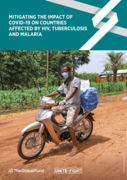
While many of the countries hit by the COVID-19 in the first few months of the year are now beginning to relax lockdown measures as infection and death rates fall, in the regions most affected by HIV
...
, TB and malaria, such as Africa, South Asia and Latin America, the pandemic continues to accelerate. In lower resource settings, lockdowns are less effective and hard to sustain, and clinical care facilities are extremely limited. In such environments, the response to COVID-19 must focus on containing the pandemic’s spread as far as possible through testing, contact tracing and isolation, protecting the health workforce through training and the provision of personal protective equipment (PPE) and minimizing the knock-on impact on other diseases through shoring up fragile health systems, and adapting existing disease programs.
more
The Pharmaceutical Forum of the Americas (PFA) has previously published guidelines and organised campaigns for community pharmacists on the prevention, detection and control of arbovirus infections
...
in 2018 with a grant from the FIP Foundation for Pharmacy Education and Research. Building on that expertise, FIP joined efforts with the PFA and is now publishing its first-ever handbook to support pharmacists in the
area of vector-borne diseases. As the integration of the regional forums in FIP advances, such collaborative projects are tangible results of an increasingly regionally informed and regionally targeted work by FIP.
more
Best Practice for the Care of Patients with Tuberculosis: a Guide for Low-Income Countries
recommended
G. Williams, E. Alarcón, S. Jittimanee et al.
The International Union Against Tuberculosis and Lung Disease
(2017)
CC
2nd edition.
The practical aspects of TB patient care from the onset of symptoms to the completion of treatment are covered in this guide
National guidelines for the provision of psychosocial support for gender based violence victims/survivors
recommended
Ministry of gender, labour and social development
Ministry of gender, labour and social development
(2011)
CC
Psychosocial support is a very important component in Gender Based Violence response that provide appropriate care, protection and social integrat
...
ion. Psychological aspects affect thoughts, emotions, behavior, memory, learning ability, perceptions and understanding. While the social aspects have effects on relationships, often shaped by traditions, culture ,values, family and community, but also include one’s status in the community and economic wellbeing. These have different effects on the women, men, boys and girls as victims /survivors and perpetuators.
more
National guidelines for the provision of psychosocial support for gender based violence victims survivors
recommended
Ministry of gender, labour and social development
Ministry of gender, labour and social development
(2011)
Psychosocial support is a very important component in Gender Based Violence response that provide appropriate care, protection and social integrat
...
ion. Psychological aspects affect thoughts, emotions, behavior, memory, learning ability, perceptions and understanding. While the social aspects have effects on relationships, often shaped by traditions, culture ,values, family and community, but also include one’s status in the community and economic wellbeing. These have different effects on the women, men, boys and girls as victims /survivors and perpetuators.
more
The* Facilitator manual on community-based psychosocial support *and the* Volunteers manual on community-based psychosocial support* provides resou
...
rces for trainers and participants in key aspects of psychosocial support, including understanding the impact of crisis events, supportive communication, protection issues and self-care.
more
HIV/AIDS surveillance in Europe 2017
A. Pharris; A. Stengaard
World Health Organization (Europe); European Centre for Disease Prevention and Control
(2017)
C_WHO
2016 data
The report was coordinated by Anastasia Pharris and Annemarie Stengaard.
Report review and production support were provided by Andr
...
ew J. Amato-Gauci, Mike Catchpole, Denis Coulombier, Masoud Dara, Nedret Emiroglu, Rachel Katterl, Shahin Khasiyev, Valentina Lazdina, Teymur Noori, Marc Rondy, Chantal Quintin, Phillip Zucs.
more
The National Guidelines for HIV-1 Viral Load Laboratory Testing support plans to scale up viral load (VL) testing to reach the 90-90-90 targets in India. This phased scale-up includes the setup of 7
...
0 additional VL testing laboratories nationally. These guidelines include laboratory design considerations, a summary of VL technologies, and specimen collection and handling as well as transportation and storage guidance. Quality control and quality assurance requirements are described as well as laboratory safety issues. The guidelines also describe the VL laboratory network to be developed with supply chain management issues and commodities described. Annexes include laboratory registers and reporting forms.
more
These guidelines provide a framework for effective action to facilitate access to safe and ethical
testing services for different population groups. The implementation of the a comprehensive
approach, known as
...
HIV Testing Services (HTS) is cardinal as an effective package of services
that diminishes the impact of the HIV epidemic in our country. All forms of HTS adhere to
the 5Cs: Confidentiality, Counselling, Consent, Correct results and Connection, or linkage
to care, with all based within a human right context. In addition to the 5Cs, however, the
MOHCDGEC emphasizes the use of a variety of approaches to HTS that will reduce the
number of missed opportunities. These include Provider-Initiated Testing and Counselling
testing, Couple counselling and testing, Index testing, and infant and children counselling and
testing in alignment to the revised WHO guidelines. Furthermore, these guidelines accentuate
on the continual provision of integrated HTS service at all levels of the public and private
health service delivery system.
The HTS Providers, managers and other stakeholders
more
Ukraine HIV Program Efficiency Study: Can Ukraine improve value for money in HIV service delivery?
International Bank for Reconstruction and Development The World Bank
(2019)
C2
Accessed: 04.10.2019
The data collection process was organized by UCDC Director, Natalia Nizova, and M&E Department Head, Igor Kuzin, and implemented by M&E specialists from oblast AIDS Centers:
...
Zhanna Antonenko, Oksana Gorbachuk, Volodymyr Zahorovskyi (Kiev City); Anna Lopatenko, Irina Kozina, Iryna Chukhalova, (Dnipropetrovsk); Galina Vysotskaja, Iryna Petrovska, Oleksandr Guzieiev (Mykolayiv). Qualitative data collection as well as a desk review was done by the WB’s local consultants Anna Shapoval, Olesia Trofymenko, Anna Pisotska and Elena Dzyuba.
The report was prepared by a World Bank Task Team led by Iris Semini (seconded to the World Bank until July 2013, and now back with UNAIDS), and concluded by Emiko Masaki and Marelize Görgens (World Bank), with support and guidance provided by Daniel Dulitzky, Paolo Belli, Alejandro Cedeno, Alona Goroshko and Lombe Kasonde. Administrative support was provided by Anna Goodman, Mario Mendez and Uma Balasubramanian. When draft results were ready, an in-country workshop was held where stakeholders provided their inputs. Once a draft report was produced, written comments were received from World Bank colleagues, Son Nam Nguyen, Rosemary Sunkutu and Alona Goroshko.
more
The Department of Nutrition, HIV and AIDS (DNHA) in Ministry of Health and Population is grateful to all stakeholders who contributed to the develo
...
pment of the Nutrition Education Communication Strategy II. The DNHA acknowledges the financial and technical support from the World Bank and USAID through the Nutrition, HIV and AIDS project and Food and Nutrition Technical Assistance Project (FANTA III)/FHI 360, respectively. The participation of several partners including Irish Aid, the European Union (EU), Gesellschaft für Internationale Zusammenarbeit (GIZ), United Nations Children’s Fund (UNICEF), World Food Programme (WFP), World Health Organisation (WHO), Food and Agriculture Organisation (FAO), Civil Society Organisation Nutrition Alliance (CSONA), Concern Worldwide and the Clinton Health Access Initiative(CHAI).
more

Ghana's attempt to regulate health care waste management started in 2002 with the development of guidelines on health care waste manage-ment by the Environmental Protection Agency (EPA). In 2006, th
...
e Ghana Health Service (GHS) also developed the Health Care Waste Management Policy and Guidelines as a single document.
Although awareness on Health Care Waste Management (HCWM) has improved in recent years, there is the need for a systematic approach to improve on effective segregation, safe collection, and storage, as well as ultimate treatment before disposal.
This guideline seeks to ensure that HCW is managed effectively in compliance with existing International Conventions that Ghana is a signatory to, national laws and regulations, and others to be passed in future.
Recommendations for better management of HCW in the nation's health care facilities have been presented in this document. Also, standard operating procedures (SOPs) have been developed to provide
guidance to various levels of the health facilities.
more

MEDBOX Issue Brief no.18.
The MEDBOX team has compiled a new issue brief on the impact of COVID-19 on PLHIV HIV prevention programmes and treatment
...
for this year's World AIDS Day on 1 December 2021.
more
Antimicrobial resistance (AMR) is occurring everywhere in the world, compromising the ability to treat infectious diseases, as well as undermining many other advances in health and medicine. Underlying factors that drive AMR include; weak or absent
...
surveillance and monitoring systems, inadequate systems to ensure quality and uninterrupted supply of medicines, inappropriate and irrational use of medicines including in animal husbandry, poor infection prevention and control practices, and depleted arsenals of diagnostics, medicines and vaccines as well as insufficient research and development of new products.
more

The purpose of adding the books to the website of MCAI for download, is to make this life-saving, up-to-date information available to all who need it. Fill in a short registration field and you can download the pdf-files.
If you work in a hospita
...
l in a low income country - providing free care - you are probably intitled to FREE copies of these books. MCAI will send them to you, all you have to do is to read our Flyer and fill in the request form.
more
Community health worker teams are potential game-changers in ensuring access to care in vulnerable communities. Who are they? What do they actually do? Can they help South Africa realize universal health coverage? As the proactive arm of the health
...
services, community health workers teams provide household and community education, early screening, tracing and referrals for a range of health and social services. There is little local or global evidence on the household services provided by such teams, beyond specific disease-oriented activities such as for HIV and TB. This paper seeks to address this gap.
more
Violence Against Women and HIV/AIDS Prevention and Treatment
Act Toolkit 2.0 - Advocacy for community Treatment
B. Killingo; T. Taro; E. Whyle; et al.
ITPC (International Treatment Preparedness Coalition)
(2016)
C2
Strengthening Community responses to HIv Treatment and Prevention
Specific Issues and a Model of Care
Accessed; 08.10.2019
Interim Guidance.
A number of medical problems have been reported in survivors, including mental health issues. Ebola virus may persist in some body fluids, including semen. Ebola survivors need comprehensive support for the medical ... and psychosocial challenges they face and also to minimize the risk of continued Ebola virus transmission. WHO has developed this document to guide health services on how to provide quality care to survivors of Ebola virus disease more
A number of medical problems have been reported in survivors, including mental health issues. Ebola virus may persist in some body fluids, including semen. Ebola survivors need comprehensive support for the medical ... and psychosocial challenges they face and also to minimize the risk of continued Ebola virus transmission. WHO has developed this document to guide health services on how to provide quality care to survivors of Ebola virus disease more
July 2019
Policy brief
HIV Treatment
Update of recommendations on first- and second-line antiretroviral regimens - Policy Brief
World Health Organization
(2019)
C_WHO
HIV Treatment

The COVID-19 pandemic has had an unprecedented impact on health care systems that, in many instances, worsened the already existing assistance gaps. When it comes to Latin America and Central Americ
...
a, this challenge adds to the consequences mass mobilizations have had in recent years, which have exceeded the national capacities to provide prompt assistance and social protection, particularly in the health care field. This pandemic has a direct impact on people on the move since the movement restriction policies and the lockdown and social distancing measures have reduced their ability to insert themselves into economic activities that were already precarious in many cases. Consequently, they have less access to food, housing, medicines and other essential consumer goods, and fewer possibilities of getting to their countries of destinati
more

The second edition of the WHPCA Global Atlas of Palliative Care was launched during World Hospice & Palliative Care Day 10 October. The Atlas is an update of the original WHPCA/WHO Global Atlas of P
...
alliative care at the end of life published in 2014. It is full of useful facts and figures to support palliative care advocacy and development. In this edition we have switched from using the WHO methodology for need for palliative care to the evolving Lancet Commission on Palliative Care and Pain Relief methodology. As a result the number of people needing palliative care has gone from 40 million per year to almost 57 million and more accurately reflects the need for palliative care globally models of palliative care worldwide? What resources are devoted to palliative care? What is the way forward?
more
Prevention, early diagnosis, and effective treatment are essential for the control and elimination of Neisseria gonorrhoeae as a public health prob
...
lem. Currently, in Latin America and the Caribbean, treatment for gonorrhea infection is largely empiric and based on clinical diagnosis. In the Americas, the high burden of new N. gonorrhoeae infections (estimated at 11 million new cases a year), the complexity of the disease epidemiology, and in many countries the limited resources, make it difficult to fully understand the burden of disease and the burden of antimicrobial resistance (AMR) in N. gonorrhoeae.
PAHO has developed this document to facilitate the navigation of available guidance and recommendations for N. gonorrhoeae AMR surveillance by public health and health care professionals, at the national and subnational levels, involved in designing, implementing, and/or strengthening AMR surveillance of N. gonorrhoeae and overall surveillance of sexually transmitted infections.
more
A case study from Albania
June 2016
EHRN is grateful to all who contributed to this document, especially (in alphabetical order): Alena Alba, Program Officer, Eastern Europe and Central Asia Team, Asia, Europe, Latin America
...
and the Caribbean Department, The Global Fund to Fight AIDS, Tuberculosis and Malaria, Geneva; Roland Bani, Head, National AIDS Program, Institute of Public Health, Ministry of Health, Tirana; Gazmend Bejtja, Director, Health Care Directory, Ministry of Health, Tirana; Arian Boci, Director, Stop AIDS, Tirana; Bujana Hoti, UNAIDS Focal Point, Tirana; Gyöngyvér Jakab, Fund Portfolio Manager, Eastern Europe and Central Asia, Asia, Europe, Latin America and the Caribbean Department, The Global Fund to Fight AIDS, Tuberculosis and Malaria, Geneva; Manjola Kola, CCM Secretariat, Tirana; Sokol Morina, Coordinator, Control of illicit Drugs and Alcohol Addiction, Ministry of Health, Tirana; Genci Muçollari, Director, Aksion Plus, Tirana; and Dorina Tocaj, National Program Officer, UNFPA, Tirana.
more
Guidelines for treatment of drug-susceptible tuberculosis and patient care
2017 update
1.HIV infections – drug therapy. 2.Anti-HIV agents – adverse effects. 3.Anti-retroviral agents. 4.Benzoxazines – adverse effects. 5.Pregnancy. 6.Disease transmission, Vertical - prevention
...
and control. 7.Treatment outcome. I.World Health Organization
more
Guidelines for treatment of drug-susceptible tuberculosis and patient care
Update 2017
Tuberculosis (TB) is, and should be, a curable disease; however, each year significant numbers of patients acquire or develop drug-resistant TB, which has a much lower cure rate. Patients with drug-resistant TB have a high prevalence of sympto
...
ms; hence, staff caring for these patients should have some familiarity with palliative care, so that general palliative care principles are available to all patients. The timely identification, and addressing, of adverse events occurring during the treatment course is considered as general palliative care for those receiving curative treatment. This publication summarizes the general palliative care approach, which is recommended for use in settings and services that occasionally treat palliative care patients, but do not provide palliative care as the main focus of their work. The review focuses on 18 high TB priority countries of the WHO European Region.
more
The HIV drug resistance report 2021 summarizes findings from 38 countries that had finalized the surveys by the time of this report and shared data with WHO.
Pretreatment HIVDR to non-nucleoside
...
reverse-transcriptase inhibitors (NNRTI) can affect more than 10% of adults starting therapy and is found up to 3 times more often in people who had previous exposure to antiretroviral drugs. In addition, nearly half of infants newly diagnosed with HIV has HIVDR to NNRTI before initiating treatment.The high levels of observed NNRTI pretreatment HIVDR among emphasize the need to fast-track the transition to WHO-recommended dolutegravir-based ART.
more
Despite being a curable and preventable disease, tuberculosis (TB) remains as one of the major challenges for health systems, globally. Every year, TB affects more than 10 million people and kills m
...
ore than 1.4 million people. WHO’s Digital Health for the End TB Strategy – an Agenda for Action outlines a conceptual framework in which advantageously positioned digital health solutions are matched to the most urgent needs of TB programmes. Video-supported treatment is a component of one of the four core functions of this framework, the Patient Care domain, and primarily supports the first pillar of the End TB Strategy. This quick guide provides information on the solutions available for asynchronous modes of video communication and how these can be of use to TB programmes.
more
The Infection Prevention and Control (IPC) Guidelines aim to support healthcare workers improve quality and safety health
...
care. The Guidelines further aim to promote and facilitate the overall goal of IPC by providing evidence-based recommendations on the critical aspects of IPC, focusing on the fundamental principles and priority action areas. All health service organizations should consider the risk of healthcare-associated infection(s) (HAI) and antimicrobial resistance (AMR) transmission to implement these recommendations. The IPC Guidelines also set national standards for the prevention and control of HAIs and to ensure compliance to the National Quality Standards.
more
Government of Nepal has an obligation to ensure availability of affordable and high quality basic health care services to its population
Primary Care 101
recommended
Symptom-based integrated approach to the adult in primary care.
Primary Care 101 is a comprehensive clinical practice guideline that aims to equip nurses
...
and other clinicians to diagnose and manage common adult conditions at primary level.
Tb; HIV; Asthma/COPD; cardiovascular disease; diabetes; Mental health conditions; Epilepsy; Musculoskeletal disorders; Women’s health
more
Overview
Learning objectives
• Understand the mental health treatment gap in low-, middle- and high-income countries.
• Understand the principles a
...
nd aims of the Mental Health Gap Action Programme.
• Acquire an introduction to mhGAP Intervention Guide (mhGAP-IG).
• Learn about mhGAP ToHP training methodology and what to expect from mhGAP ToHP
training.
• Prepare group training ground rules.
• Know the common presentations of mental, neurological and substance abuse (MNS)
conditions.
more
Right now, we are facing an unpredictable and highly dynamic situation as a global community. However, as we have seen from the solidarity, support and
...
power of communities in the HIV epidemic and already in communities responding to the COVID-19 pandemic, the response must not be fear and stigma. We need to build a culture of solidarity, trust and kindness. Our response to COVID-19 must be grounded in the realities of people’s lives and focused on eliminating the barriers people face in being able to protect themselves and their communities. Empowerment and guidance, rather than restrictions, can ensure that people can act without fear of losing their livelihood, sufficient food being on the table and the respect of their community. Ultimately it will give us a more effective, humane and sustainable response to the epidemic.
more

Testing men for HIV during their partner’s pregnancy can guide couples-based HIV prevention and
...
treatment, but testing rates remain low. We investigated a combination approach, using evidence-based strategies, to increase HIV testing in male partners of HIV-positive and HIV-negative pregnant women.
more

The Millennium Development Goals (MDGs) showed
that global commitment and collective action
could significantly reduce the disease burdens of
three deadly communicable diseases: HIV/AIDS,
tuberc
...
ulosis (TB) and malaria. The MDGs helped
focus efforts on these three deadly diseases
and leveraged disease-specific programmes and
financing, thus achieving significant progress.
more
Background: Cardiovascular disease (CVD), mainly heart attack and stroke, is the
leading cause of premature mortality in low and middle income countries (LMICs).
Identifying
...
and managing individuals at high risk of CVD is an important strategy to prevent and control CVD, in addition to multisectoral population-based interventions to reduce CVD risk factors in the entire population.
Methods: We describe key public health considerations in identifying and managing individuals at high risk of CVD in LMICs.
Results: A main objective of any strategy to identify individuals at high CVD risk is to maximize the number of CVD events averted while minimizing the numbers of
individuals needing treatment. Scores estimating the total risk of CVD (e.g. ten-year risk of fatal and non-fatal CVD) are available for LMICs, and are based on the main CVD risk factors (history of CVD, age, sex, tobacco use, blood pressure, blood cholesterol and diabetes status). Opportunistic screening of CVD risk factors enables identification of persons with high CVD risk, but this strategy can be widely applied in low resource settings only if cost effective interventions are used (e.g. the WHO Package of Essential NCD interventions for primary health care in low resource settings package) and if treatment (generally for years) can be sustained, including continued availability ofaffordable medications and funding mechanisms that allow people to purchase medications without impoverishing them (e.g. universal access to health care). Thisalso emphasises the need to re-orient health systems in LMICs towards chronic diseases management.
Conclusion: The large burden of CVD in LMICs and the fact that persons with high
CVD can be identified and managed along cost-effective interventions mean that
health systems need to be structured in a way that encourages patient registration, opportunistic screening of CVD risk factors, efficient procedures for the management of chronic conditions (e.g. task sharing) and provision of affordable treatment for those with high CVD risk. The focus needs to be in primary care because that is where most of the population can access health care and because CVD programmes can be run effectively at this level.
more
These consolidated guidelines on HIV testing services (HTS) bring together existing and new guidance on HTS across different settings and populatio
...
ns.
The World Health Organization (WHO) first released consolidated guidelines on HTS in 2015, in response to requests from Member States, national programme managers and health workers for support to achieve the United Nations (UN) 90–90–90 global HIV targets – and specifically the first target of diagnosing 90% of all people with HIV. In 2016, based on new evidence, WHO released a supplement to address important new HIV testing approaches – HIV self-testing (HIVST) and provider-assisted referral.
Since the release of 2015 and 2016 HTS guidelines, new issues and more evidence have emerged. To address this, WHO has updated guidance on HIV testing services. In this guideline, WHO updates recommendation on HIVST and provides new recommendations on social network-based HIV testing approaches and western blotting (see box, next page). This guideline seeks to provide support to Member States, programme managers, health workers and other stakeholders seeking to achieve national and international goals to end the HIV epidemic as a public health threat by 2030.
These guidelines also provide operational guidance on HTS demand creation and messaging; implementation considerations for priority populations; HIV testing strategies for diagnosis HIV; optimizing the use of dual HIV/syphilis rapid diagnostic tests; and considerations for strategic planning and rationalizing resources such as optimal time points for maternal retesting
more
Guidelines for the Clinical Management of HIV Infection in Myanmar, 5th ed.
recommended
The Republic of the Union of Myanmar, Ministry of Health, Department of Health, National AIDS Programme
World Health Organization (WHO), Country Office for Myanmar
(2017)
C1
These guidelines aim to guide all health care providers in Myanmar, accommodating the situation of different settings in the context of progressive decentralization of HIV services. Notable changes
...
from the previous edition include:
• diagnosis of HIV
• update on the initiation of ART
• new ARV drugs and regimens
• new recommendation on infant prophylaxis
• PrEP and PEP updates
• updates on co-infections and comorbidities management
It should be noted that these guidelines are meant for the operational level and are adapted and adopted in line with existing Myanmar context. more
• diagnosis of HIV
• update on the initiation of ART
• new ARV drugs and regimens
• new recommendation on infant prophylaxis
• PrEP and PEP updates
• updates on co-infections and comorbidities management
It should be noted that these guidelines are meant for the operational level and are adapted and adopted in line with existing Myanmar context. more
The impact of transition from global fund support to governmental funding on the sustainability of harm reduction programs
S. Ibisevic; G. Shaw; Dr. S. Godinjak; Dr. Z. Cardaklija; et al.
Eurasian Harm Reduction Network; ICASO
(2016)
C2
A case study from Bosnia and Herzegovina Eurasian Harm Reduction Network
The case study was prepared by Samir Ibisevic, President of PROI between March and June 2016
...
and edited by Graham Shaw.
EHRN is grateful to all who contributed to this document, especially: Dr. Serifa Godinjak, Chairperson of Country Coordinating Mechanism; Dr. Zlatko Cardaklija, HIV Coordinator for the Federation of Bosnia and Herzegovina (BiH); Dr. Nesad Seremet, Head of the HIV program, United Nations Development Program in Bosnia and Herzegovina; Ms. Gyongyver Jakab, Fund Portfolio Manager, Eastern Europe and Central Asia and Ms. Natalya Bogach, Program Officer, The Global Fund to Fight AIDS, Tuberculosis and Malaria; Dr. Nermana Mehic–Basara, Director of the Institute for Addiction Diseases of Sarajevo Canton; Mr. Denis Dedajic, Director of the Association Margina from the Federation of BiH; Mr. Srdjan Kukolj, Director of Action Against AIDS from the Republic of Srpska.
more

The goal of this Global Action Plan is to articulate synergistic actions that will be required to prevent HIVDR from undermining efforts to achieve global targets on health and HIV,
...
and to provide the most effective treatment to all people living with HIV including adults, key populations, pregnant and breastfeeding women, children and adolescents. The Global Action Plan has five strategic objectives: 1) prevention and response; 2) monitoring and surveillance; 3) research and innovation; 4) laboratory capacity; and 5) governance and enabling mechanisms.
more
Involving Persons Living with HIV Networks in National HIV Policy Dialogue A Case Study of MANET+ in Malawi
M. L. Mattingly; A. G. Yemaneberhan; S. Feller; et al.
USAID; PEPFAR; AIDS Free (Strenghtening High Impact Interventions for a AIDS-free Generation); JSI Research & Training Institute; et al.
(2016)
C2
AIDSFree Case study series
This publication is made possible by the generous support of the American people through the U.S. President’s Emergency Plan for AIDS Relief (PEPFAR) and the U.S. Ag
...
ency for International Development (USAID) under the terms of Cooperative Agreement AID-OAA-A-14-00046.
The contents are the responsibility of AIDSFree and do not necessarily reflect the views of PEPFAR, USAID, or the U.S. Government.
more
Severe bacterial infections are a leading cause of morbidity and mortality among people with advanced HIV disease, after tuberculosis and cryptococ
...
cal disease. For countries to reach the end-AIDS targets for 2030, there is a need to establish a roadmap for managing severe bacterial infections and reduce mortality. The purpose of the meeting was to
Review the current research and implementation data on the use of prophylactic antibiotics (specifically azithromycin/macrolides) as part of the AHD package of care; To review options for preventing SBIs that are in line with goals of reducing AMR; Present the current evidence on diagnostics for SBI; Discuss research gaps and implementation challenges.
more

This guide focuses on three main areas: how to support a person whose condition warrants home care because of non-severe symptoms and home
...
care is recommended by local jurisdictions; how to prevent the spread of COVID-19 in the home; and how to provide emotional support to family members. While this manual provides information on danger signs of COVID-19, it should not be used as a guide for when and how a person who has COVID-19 (or its symptoms) should seek medical care. All content adapted to different countries should reflect local policy guidelines and recommendations.
more

This document is based on currently available scientific evidence on treatment for drug use disorders and sets out a framework for the implementation of the Standards, in line with principles of pub
...
lic health care. The Standards identify major components and features of effective systems for the treatment of drug use disorders. They describe treatment modalities and interventions to match the needs of people at different stages and severities of drug use disorders, in a manner consistent with the treatment of any chronic disease or health condition. The Standards are aspirational, and such, national or local treatment services or systems need not attempt to meet all the standards and recommendations made in this document all at once. However over time, progressive quality improvement, with ‘evidence-based and ethical practice’ as an objective, can and should be expected to achieve better organized, more effective and ethical systems and services for people with drug use disorders.
more
The Infection Prevention and Control (IPC) Assessment Framework (IPCAF) is a tool to support the implementation of the World Health Organization (WHO) Guidelines on core components of IPC programmes
...
at the acute health care facility level. The user should be familiar with the contents of these guidelines, including the Interim practical manual supporting the implementation of the IPC core components at the facility level before using this tool. The IPCAF is a systematic tool that can provide a baseline assessment of the IPC programme and activities within a health care facility, as well as ongoing evaluations through repeated administration to document progress over time and facilitate improvement.
more

Palliative care for older people: better practices
Hall, S.; H. Petkova, A.D. Tsouros, et al.
World Health Organization WHO, Regional Office for Europe, et al.
(2011)
C_WHO
This publication aims to provide examples of better palliative care practices for older people to help those involved in planning and supporting
...
care-oriented services most appropriately and effectively. Examples have been identifi ed from literature searches and from an international call for examples through various organizations, including the European Association of Palliative Care and the European Union Geriatric Medicine Society. Some examples consider how to improve aspects within the whole health system; specifi c smaller examples consider how to improve palliative care education, support in the community, in hospitals or for specifi c groups of people, such as people in nursing homes and people with dementia and their families. Some examples await rigorous evaluation of effectiveness, and more research is needed in this fi eld, especially the cost–effectiveness and generalizability of these initiatives.
more
The Guide to operationalize HIV viral load testing HIV presents 60 lessons learnt from the project in a systemic approach including: viral load strategy, laboratories, procurement
...
and supply management, patient care and economy.
more
This strategic framework marries formerly separate mandates for HIV and TB management in to one, comprehensive collaboration. It provides a structure for how to: strengthen the health
...
care system to respond effectively to both epidemics, reduce the burden of HIV/AIDS in TB patients, and establish a monitoring and evaluation system for the collaborative activities. Activities include: improving TB infection control in health care and other settings, enhancing TB/HIV diagnostic capacity, and harmonize data collection tools and local, national and international TB/HIV indicators.
more
Module 3
Counsellors
July 2017
Module 3: Counsellors. This module is for staff who counsel people as they consider PrEP or start taking PrEP and support them in coping with side-effects
...
and adherence strategies. Those who counsel PrEP users may be lay, peer or professional counsellors and healthcare workers, including nurses, clinical officers and doctors.
more
Guidelines for essential trauma care
recommended
The Guidelines for essential trauma care seek to set achievable standards for trauma treatment services which could realistically be made available to almost every injured person in the world. They
...
then seek to define the resources that would be necessary to assure such care. These include human resources (staffing and training) and physical resources (infrastructure, equipment and supplies).
more
The Practical Approach to Care Kit (PACK) is a health systems improvement programme designed to support the work of primary care health workers in
...
underserved communities (like doctors, nurses, midwives, health officers, community health practitioners), strengthen the health services in which they work and thereby achieve the best possible patient outcomes
You can register for free and get the PACK Global Adult Guide for free
more
The Ideal Clinic Realisation and Maintenance (ICRM) programme was initiated by the National Department of Health in July 2013 in order to systematically improve primary health care (PHC) facilities
...
and the quality of care they provide. The Ideal Clinic framework/dashboard sets out the standards for PHC facilities to provide good-quality health services. An Ideal Clinic is defined as a clinic with good infrastructure, adequate staff, adequate medicines and supplies, good administrative processes, and sufficient adequate bulk supplies. Applicable clinical policies, protocols and guidelines are adhered to, and it harnesses partner and stakeholder support.
more
Analysis of HIV/AIDS response in penitentiary system of Ukraine
O.M. Balakireva; A.V. Sudakova; N.V. Salabai; A.I. Kryvoruk
USAID; UNODC; Ukrainian Institute for Social Research after Olexander Yaremenko; et al.
(2012)
C2
Summary Report on the Comprehensive Study
This study is made possible by the generous support of the American people through the United States Agency for International Development (USAID). The contents are the responsibility of their authors
...
and do not necessarily reflect the views of USAID or the United States Government.
more
The Ministry of Health together with its partners realizes that efficient and effective
delivery of clinical care is highly dependent on the availability of appropriately
upgraded environment, whi
...
ch is in well facilitated space. Such facilities and utilities
should always be properly designed, built, and maintained, so as to ensure efficient
treatment in clean and safe from infection.
The main challenges in achieving this include the lack of, appropriate holistic and
futuristic management plans, human resource for facility/utility management and
maintenance, adequate budget funds for renovation/maintenance activities at all
levels which means daily and long-term of facility maintenance plans and executions.
It is hoped that the guidelines will help to standardise
design of medical facilities and utilities country wide and result in efficient and
effective establishment of these life-saving function
more
Module 6
Pharmacists
July 2017
Module 6: Pharmacists. This module is for pharmacists and people working in pharmacies. It provides information on the medicines used in PrEP, including on storage conditions. It gives suggestions for how pharma
...
cists and pharmacy staff can monitor PrEP adherence and support PrEP users to take their medication regularly.
more
very woman has the right to the highest attainable standard of health, which includes the right to dignified, respectful health care.
Many women experience disrespectful and abusive
...
treatment during childbirth in facilities worldwide. Such treatment not only violates the rights of women to respectful care, but can also threaten their rights to life, health, bodily integrity, and freedom from discrimination. This statement calls for greater action, dialogue, research and advocacy on this important public health and human rights issue
Available in different langugages
more

Access to safe blood and blood products is recognized as one of the key requirements for delivery of modern health care in the journey towards health for all. The foundation of safe
...
and sustainable blood supplies depends on the collection of blood from voluntary non-remunerated and low-risk donors. Data from the WHO Global Database for Blood Safety (GDBS) brings out several inadequacies related to the supply and safety of blood and blood products. These inadequacies include a number of variations in safe blood practices across the world, including the quantity of blood donated (voluntary and replacement types), quality and adequate testing of the donated blood (immunohaematology [IH] and transfusion-transmitted infections [TTIs]), rational use of blood and blood components such as appropriate patient blood management protocols. These variations are very high in countries of the South-East Asian Region and most of them are either low- or middle-income countries (LMICs).
more
Building on the 2021 Interim guidance, this second version and update, incorporates the lessons and feedback from the hepatitis pilots that successfully demonstrated the feasibility of measuring hep
...
atitis B and C impact targets to demonstrate elimination, whilst highlighting challenges caused by high disease burden in some countries, as well as delays in reaching mortality targets due to the long natural history of disease progression to liver cirrhosis and hepatocellular carcinoma.
The path to elimination provides a framework with 3 levels of achievements for which WHO certification is available. Each stepwise progression from bronze to silver to gold tiers will promote an iterative expansion of prevention, diagnosis and treatment services for viral hepatitis services and strengthen measurement systems to support attainment of the 2030 elimination goals.
This updated version also includes changes, clarifications and new guidance on alternative measurement approaches for country validation of elimination. Through the validation process, WHO and partners continue to provide country support for strengthening health system capacity and patient-centred services that respect and protect the human rights of people living with viral hepatitis and ensures meaningful engagement of communities in the national, regional and global viral hepatitis response.
more
This study aimed to understand the patterns of HIV drug resistance in pregnant women in Mozambique. This might help in tailoring optimal regimens for prevention of mother to child transmission of HIV
...
(pMTCT) and antenatal care.
more
Module 1q
PrEP users
July 2017
Module 11: PrEP users. This module provides information for people who are interested in taking PrEP to reduce their risk of acquiring HIV and people who are al
...
ready taking PrEP – to support them in their choice and use of PrEP. This module gives ideas for countries and organizations implementing PrEP to help them develop their own tools.
more
A practical approach for developing policy and strategy to improve quality of care
The handbook outlines an approach for the development of national policies
...
and strategies to improve the quality of care. Such policy and strategy can help clarify the structures, roles and responsibilities within national quality efforts, support the institutionalization of a culture of quality, and secure buy-in from health system leaders and stakeholders
more

Access to NCD medicines: emergent issues during the COVID-19 pandemic and key structural factors
recommended
The coronavirus disease (COVID-19) pandemic exacerbated pre-existing inequalities in the treatment and care of noncommunicable diseases (NCDs). Thi
...
s report examines the effect of the COVID-19 pandemic on access to NCD medicines, and the policies and strategies implemented by countries and health systems to anticipate and mitigate stresses across NCD medicine supply chains. The full range of upstream and downstream impacts are investigated, including: manufacturing; procurement, importation and last mile delivery; patient-level effects through affordability and availability; and the effects on NCD medicine availability by category of disease. The report culminates in recommended actions and interventions for key stakeholders in the NCD pharmaceutical supply chain, including governments, regulatory authorities, manufacturers and the private sector; as well as directions for future research for improving access and supply chain access resilience.
more
The coronavirus disease (COVID-19) pandemic exacerbated pre-existing inequalities in the treatment and care of noncommunicable diseases (NCDs). Thi
...
s report examines the effect of the COVID-19 pandemic on access to NCD medicines, and the policies and strategies implemented by countries and health systems to anticipate and mitigate stresses across NCD medicine supply chains. The full range of upstream and downstream impacts are investigated, including: manufacturing; procurement, importation and last mile delivery; patient-level effects through affordability and availability; and the effects on NCD medicine availability by category of disease. The report culminates in recommended actions and interventions for key stakeholders in the NCD pharmaceutical supply chain, including governments, regulatory authorities, manufacturers and the private sector; as well as directions for future research for improving access and supply chain access resilience.
more
Paying for performance (P4P) provides financial incentives for providers to increase the use and quality of care. P4P can affect health care by pro
...
viding incentives for providers to put more effort into specific activities, and by increasing the amount of resources available to finance the delivery of services. This paper evaluates the impact of P4P on the use and quality of prenatal, institutional delivery, and child preventive care using data produced from a prospective quasi-experimental evaluation nested into the national rollout of P4P in Rwanda. Treatment facilities were enrolled in the P4P scheme in 2006 and comparison facilities were enrolled two years later. The incentive effect is isolated from the resource effect by increasing comparison facilities’ input-based budgets by the average P4P payments to the treatment facilities. The data were collected from 166 facilities and a random sample of 2158 households. P4P had a large and significant positive impact on institutional deliveries and preventive care visits by young children, and improved quality of prenatal care. The authors find no effect on the number of prenatal care visits or on immunization rates. P4P had the greatest effect on those services that had the highest payment rates and needed the lowest provider effort. P4P financial performance incentives can improve both the use of and the quality of health services. Because the analysis isolates the incentive effect from the resource effect in P4P, the results indicate that an equal amount of financial resources without the incentives would not have achieved the same gain in outcomes.
more
Addressing comorbidities and risk factors for TB is a crucial component of Pillar one of the End TB Strategy, which focuses on integrated patient-centred care
...
and prevention, including action on TB and comorbidities. The Framework for collaborative action on TB and comorbidities aims to support countries in the evidence-informed introduction and scale-up of holistic people-centred services for TB, comorbidities and health-related risk factors, with the goal of comprehensively addressing TB and other co-existing health conditions. It should be used in conjunction with relevant WHO guidelines. The Framework is intended for use by people working in ministries of health, other relevant line-ministries, policymakers, international technical and funding organizations, researchers, nongovernmental and civil society organizations, as well as primary care workers, specialist health practitioners, and community health workers who support the response to TB and comorbidities in both the public and private sectors.
more
This Global Competency Standards sets the benchmark for the health workforce in providing equality of care to refugees and migrants. Refugee and mi
...
grant populations are highly diverse, with significant variation in life experiences, health needs and access to health care. The standards described outline expected behaviours of health workers in delivering quality care to refugees and migrants and can be used to inform the outcomes of education programmes aligned with standards for care. The Competency Standards is designed to provide a foundation to support the development of competency-based curricula tailored to the local context and for health workers to achieve a minimum level of competence. The importance of person-centred, culturally responsive care is emphasized in the nine competency standards, which recognize the need for health workers to be trained, supported and empowered within strong health systems
more

An evaluation of WFP’s operation. Evaluation Report
The Protracted Relief and Recovery Operation (PRRO) main components include: relief assistance; food assistance for assets (FFA); nutrition suppor ... t to women, children and HIV/TB patients; school feeding (SF) and capacity building. The evaluation scope covers the design phase and all activities up to this evaluation (January 2013-September 2016). Since the PRRO was extended through December 2017, the purpose is not as a final evaluation, but to provide results on achievements that can inform current and future operations more
The Protracted Relief and Recovery Operation (PRRO) main components include: relief assistance; food assistance for assets (FFA); nutrition suppor ... t to women, children and HIV/TB patients; school feeding (SF) and capacity building. The evaluation scope covers the design phase and all activities up to this evaluation (January 2013-September 2016). Since the PRRO was extended through December 2017, the purpose is not as a final evaluation, but to provide results on achievements that can inform current and future operations more
However, very little is known about the trend of the quality of life over
time in untreated PLWHA compared to treated patients.
Exploring quality of life trends in treated and untreated
patients will help the health
...
care system develop adapted
strategies to better manage the PLWHA in low-income
countries.
This study aimed to assess the quality of life of persons
living with HIV in Burkina Faso, in their routine followup and its change over time.
more
The key areas covered are diagnosis, imaging, pathology, surgery, rehabilitation, palliative care and survivorship. It emphasizes a multi-disciplinary team approach which is paramou
...
nt for quality cancer care. The specific cancers covered are breast, central nervous system, gastrointestinal, gynecological, head and neck, hematological, Kaposi’s sarcoma, lung, prostate and pediatric cancers. They also complement the National Guidelines for Cancer Management in Kenya released in 2013.
more
Buruli ulcer : management of Mycobacterium ulcerans disease : a manual for health care providers
recommended
This manual is addressed to health care providers dealing with Mycobacterium ulcerans disease (Buruli ulcer). The manual aims to achieve a better understanding of the disease, its clinical presentation and
...
its surgical management. The manual is aimed particularly at district health care providers. A comprehensive protocol, adapted to each form and stage of the disease, is presented together with comments on the levels of resources and capabilities necessary
to shorten the length of treatment, to prevent complications and to minimize undesired sequelae and thus to obtain the best possible outcome for each patient. Some sections include advice relevant to surgeons (e.g. relating to bone infection). However, the level to which particular comments are intended to apply should be clear from the context.
more
The main objective of the 2014-15 RDHS was to obtain current information on demographic and health indicators, including family planning; maternal mortality; infant and child mortality; nutrition st
...
atus of mothers and children; prenatal care, delivery, and postnatal care; childhood diseases; and pediatric immunization. In addition, the survey was designed to measure indicators such as domestic violence, the prevalence of anemia and malaria among women and children, and the prevalence of HIV infection in Rwanda. For the first time, this 2014-15 RDHS also includes indicators to monitor HIV testing among children age 0-14 as well as domestic violence for males age 15-59.
more
Protecting the fundamental rights of people affected by HIV
Under the Constitution of the Republic of the Union of Myanmar (2008), every citizen - including people living with HIV - has the right to work, access health ... care, and receive basic education.
However, stigma and discrimination remains, preventing people living with HIV (PLHIV) from accessing health services, maintaining employment and receiving education – denying them of the fundamental rights that all Myanmar citizens are entitled to under the law.
No publication year indicated. more
Under the Constitution of the Republic of the Union of Myanmar (2008), every citizen - including people living with HIV - has the right to work, access health ... care, and receive basic education.
However, stigma and discrimination remains, preventing people living with HIV (PLHIV) from accessing health services, maintaining employment and receiving education – denying them of the fundamental rights that all Myanmar citizens are entitled to under the law.
No publication year indicated. more
Information note.
This information note provides a strategic overview of key implementation considerations for diagnostic integration using these devices, and is primarily intended for use by national laboratory services ... and TB, HIV, and hepatitis programme managers.
It may also be of interest to managers of maternal, newborn and child health programmes and sexual and reproductive health programmes, international and bilateral agencies, and organizations that provide financial and technical support to the relevant national health programmes. more
This information note provides a strategic overview of key implementation considerations for diagnostic integration using these devices, and is primarily intended for use by national laboratory services ... and TB, HIV, and hepatitis programme managers.
It may also be of interest to managers of maternal, newborn and child health programmes and sexual and reproductive health programmes, international and bilateral agencies, and organizations that provide financial and technical support to the relevant national health programmes. more

This document was prepared in response to a need to review and potentially update the current recommendations for the antibiotic treatment of both inpatient
...
and outpatient management of severe acute malnutrition (SAM). The current recommendations (Table 1) are based on guidelines published in 2013 in the WHO Pocketbook for Hospital Care for Children, and the 2013 update on SAM (outpatient management). The global threat of increasing antimicrobial resistance and new data on efficacy and safety profiles requires a re-review of the current evidence to ensure recommendations are the most appropriate. The evidence base for the use of antibiotics in children presenting with uncomplicated SAM has been recently enlarged.
more
Facilitator's Guide. This guide is designed to assist facilitators in training community health workers (CHWs) and community volunteers (CVs) in integrating community-based TB services into their work. The training will help community workers who al
...
ready provide numerous services to understand TB and contribute to prevention, care and support services in their communities
more
Women and girls have specific needs that are often ignored during crisis. While on the run or while living in shelters, women and girls continue to become pregnant, but they often lack access to bas
...
ic sexual and reproduc-tive health care. Without assistance by midwifes or access to contraceptives, women and girls are at increased risk of unsafe sex, unwanted pregnancy and unsafe delivery, and are at a higher risk of infection by HIV and other sexually transmitted infections. In addition, displaced women have virtually no access to protection, security, justice, and other services related to gender-based violence (GBV). For these reasons, the delivery of sexual and reproduc-tive health and rights (SRHR) as well as GBV services to conflict-affected communities – most of whom are living in protracted displacement – is a key part of UNFPA’s Women and Girls First Programme (WGF). The initia-tive is a commitment to prevent and respond to violence perpetrated against women and girls in Myanmar, and to realize their sexual and reproductive health and rights.
more
Cardiovascular disease (CVD) is the leading cause of global deaths, with the majority occurring in low- and middle-income countries (LMIC). The primary and secondary prevention of CVD is suboptimal
...
throughout the world, but the evidence-practice gaps are much more pronounced in LMIC. Barriers at the patient, health-care provider, and health system level prevent the implementation of optimal primary and secondary prevention. Identification of the particular barriers that exist in resource-constrained settings is necessary to inform effective strategies to reduce the identified evidence-practice gaps. Furthermore, targeting modifiable factors that contribute most significantly to the global burden of CVD, including tobacco use, hypertension, and secondary prevention for CVD will lead to the biggest gains in mortality reduction. We review a select number of novel, resource-efficient strategies to reduce premature mortality from CVD, including: (1) effective measures for tobacco control; (2) implementation of simplified screening and management algorithms for those with or at risk of CVD, (3) increasing the availability and affordability of simplified and cost-effective treatment regimens including combination CVD preventive drug therapy, and (4) simplified delivery of health care through task-sharing (non-physician health workers) and optimizing self-management (treatment supporters). Developing and deploying systems of care that address barriers related to the above, will lead to substantial reductions in CVD and related mortality.
more
Guidelines on hepatitis B and C testing
recommended
Testing and diagnosis of hepatitis B (HBV) and C (HCV) infection is the gateway for access to both prevention and
...
treatment services, and is a crucial component of an effective response to the hepatitis epidemic. Early identification of persons with chronic HBV or HCV infection enables them to receive the necessary care and treatment to prevent or delay progression of liver disease. Testing also provides an opportunity to link people to interventions to reduce transmission, through counselling on risk behaviours and provision of prevention commodities (such as sterile needles and syringes) and hepatitis B vaccination.
more
