
Filter
1717
Text search:
ethics
Featured
135
404
Language
1606
53
42
37
21
15
10
7
4
3
2
2
2
1
1
1
1
1
1
1
1
1
1
1
1
1
1
1
1
Document type
908
380
194
107
36
35
28
8
7
4
4
4
2
Countries
70
56
54
54
49
39
34
30
29
29
28
24
24
23
22
21
21
20
19
19
19
17
17
15
13
13
13
12
12
12
11
10
10
10
9
9
9
9
9
8
8
8
7
7
7
7
7
6
5
5
4
4
4
4
3
3
3
3
3
3
3
3
3
3
3
3
3
3
2
2
2
2
2
2
2
2
2
2
2
2
2
2
2
2
2
2
1
1
1
1
1
1
1
1
1
1
1
1
1
1
1
1
1
1
1
1
1
1
1
1
1
1
Authors & Publishers
233
123
80
39
37
28
25
17
14
13
13
11
11
11
10
9
9
8
8
8
7
7
7
6
6
6
6
6
6
6
6
6
6
5
5
5
5
5
5
5
5
5
5
5
4
4
4
4
4
4
4
4
4
4
4
4
4
4
4
4
4
3
3
3
3
3
3
3
3
3
3
3
3
3
3
3
3
3
3
3
3
3
3
3
3
3
3
3
2
2
2
2
2
2
2
2
2
2
2
2
2
2
2
2
2
2
2
2
2
2
2
2
2
2
2
2
2
2
2
2
2
2
2
2
2
2
2
2
2
2
2
2
2
2
2
2
2
2
2
2
2
2
2
2
2
2
2
2
2
2
2
2
2
2
2
2
2
2
2
2
2
2
2
2
2
2
2
2
2
2
2
2
2
2
2
2
2
2
2
2
2
2
2
2
2
2
2
2
2
2
2
2
2
2
2
2
2
2
2
2
2
2
2
2
2
1
1
1
1
1
1
1
1
1
1
1
1
1
1
1
1
1
1
1
1
1
1
1
1
1
1
1
1
1
1
1
1
1
1
1
1
1
1
1
1
1
1
1
1
1
1
1
1
1
1
1
1
1
1
1
1
1
1
1
1
1
1
1
1
1
1
1
1
1
1
1
1
1
1
1
1
1
1
1
1
1
1
1
1
1
1
1
1
1
1
1
1
1
1
1
1
1
1
1
1
1
1
1
1
1
1
1
1
1
1
1
1
1
1
1
1
1
1
1
1
1
1
1
1
1
1
1
1
1
1
1
1
1
1
1
1
1
1
1
1
1
1
1
1
1
1
1
1
1
1
1
1
1
1
1
1
1
1
1
1
1
1
1
1
1
1
1
1
1
1
1
1
1
1
1
1
1
1
1
1
1
1
1
1
1
1
1
1
1
1
1
1
1
1
1
1
1
1
1
1
1
1
1
1
1
1
1
1
1
1
1
1
1
1
1
1
1
1
1
1
1
1
1
1
1
1
1
1
1
1
1
1
1
1
1
1
1
1
1
1
1
1
1
1
1
1
1
1
1
1
1
1
1
1
1
1
1
1
1
1
1
1
1
1
1
1
1
1
1
1
1
1
1
1
1
1
1
1
1
1
1
1
1
1
1
1
1
1
1
1
1
1
1
1
1
1
1
1
1
1
1
1
1
1
1
1
1
1
1
1
1
1
1
1
1
1
1
1
1
1
1
1
1
1
1
1
1
1
1
1
1
1
1
1
1
1
1
1
1
1
1
1
1
1
1
1
1
1
1
1
1
1
1
1
1
1
1
1
1
1
1
1
1
1
1
1
1
1
1
1
1
1
1
1
1
1
1
1
1
1
1
1
1
1
1
1
1
1
1
1
1
1
1
1
1
1
1
1
1
1
1
1
1
1
1
1
1
1
1
1
1
1
1
1
1
1
1
1
1
1
1
1
1
1
1
1
1
1
1
1
1
1
1
1
1
1
1
1
1
1
1
1
1
1
1
1
1
1
1
1
1
1
1
1
1
1
1
1
1
1
1
1
1
1
1
1
1
1
1
1
1
1
1
1
1
1
1
1
1
1
1
1
1
1
1
1
1
1
1
1
1
1
1
1
1
1
1
1
1
1
1
1
1
1
1
1
1
1
1
1
1
1
1
1
1
1
1
1
1
1
1
1
1
1
1
1
1
1
1
1
1
1
1
1
1
1
1
1
1
1
1
1
1
1
1
1
1
1
1
1
1
1
1
1
1
1
1
1
1
1
1
1
1
1
1
1
1
1
1
1
1
1
1
1
1
1
1
1
1
1
1
1
1
1
1
1
1
1
1
1
1
1
1
1
1
1
1
1
1
1
1
1
1
1
1
1
1
1
1
1
1
1
1
1
1
1
1
1
1
1
1
1
1
1
1
1
1
1
1
1
1
1
1
1
1
1
1
1
1
1
1
1
1
1
1
1
1
1
1
1
1
1
1
1
1
1
1
1
1
1
1
1
1
1
1
1
1
1
1
1
1
1
1
1
1
1
1
1
1
1
1
1
1
1
1
1
1
1
1
1
1
1
1
1
1
1
1
1
1
1
1
1
1
1
1
1
1
1
1
1
1
1
1
1
1
1
1
1
1
1
1
1
1
1
1
1
1
1
1
1
1
1
1
1
1
1
1
1
1
1
1
1
1
1
1
1
1
1
1
1
1
1
1
1
1
1
1
1
1
1
1
1
1
1
1
1
1
1
1
1
1
1
1
1
1
1
1
1
1
1
1
1
1
1
1
1
1
1
1
1
1
1
1
1
1
1
1
1
1
1
1
1
1
1
1
1
1
1
1
1
1
1
1
1
1
1
1
1
1
1
1
1
1
1
1
1
1
1
1
1
1
1
1
1
1
1
1
1
1
1
1
1
1
1
1
1
1
1
1
1
1
1
1
1
1
1
1
1
1
1
1
1
1
1
1
1
1
1
1
1
1
1
1
1
1
1
1
1
1
1
1
1
1
1
1
1
1
1
1
1
1
1
1
1
1
1
1
1
1
1
1
1
1
1
1
1
1
1
1
1
1
1
1
1
1
1
1
1
1
1
1
1
1
1
1
1
1
1
1
1
1
1
1
1
1
1
1
1
1
1
1
1
1
1
1
1
1
1
1
1
1
1
1
1
1
1
1
1
1
1
1
1
1
1
1
1
1
1
1
1
1
1
1
1
1
1
1
1
1
1
1
1
1
1
1
1
1
1
1
1
1
1
1
1
1
1
1
1
1
1
1
1
1
1
1
1
1
1
1
1
1
1
1
1
1
1
1
1
1
1
1
1
1
1
1
1
1
1
1
1
1
1
1
1
1
1
1
1
1
1
1
1
1
1
1
1
1
1
1
1
1
1
1
1
1
1
1
1
1
1
1
1
1
1
1
1
1
1
1
1
1
1
1
1
1
1
1
1
1
1
1
1
1
1
1
1
1
1
1
1
1
1
1
1
1
1
1
1
1
1
1
1
1
1
1
1
1
1
1
1
1
1
1
1
1
1
1
1
1
1
1
1
1
1
1
1
1
1
1
1
1
1
1
1
1
1
1
1
1
1
1
1
1
1
1
1
1
1
1
1
1
1
1
1
1
1
1
1
1
1
1
1
1
1
1
1
1
1
1
1
1
1
1
1
1
1
1
1
1
1
1
1
1
1
1
1
1
1
1
1
1
1
1
1
1
1
1
1
1
1
1
1
1
1
1
1
1
1
1
1
1
1
1
1
1
1
1
1
1
1
1
1
1
1
1
1
1
1
1
1
1
1
1
1
1
1
1
1
1
1
1
1
1
1
1
1
1
1
1
1
1
1
1
1
1
1
1
1
1
1
1
1
1
1
1
1
1
1
1
1
1
1
1
1
1
1
1
1
1
1
1
1
1
1
1
1
1
1
1
1
1
1
1
1
1
1
1
1
1
1
1
1
1
1
1
1
1
1
1
1
1
1
1
1
1
1
1
1
1
1
1
1
1
1
1
1
1
1
1
1
1
1
1
1
1
1
1
1
1
1
1
1
1
1
1
1
1
1
1
1
1
1
1
1
1
1
1
1
1
1
1
1
1
1
1
1
1
1
1
1
1
1
1
1
1
1
1
1
1
1
1
1
1
1
1
1
1
1
1
1
1
1
1
1
1
1
1
1
1
1
1
1
1
1
1
1
1
1
1
1
1
1
1
1
1
1
1
1
1
1
1
1
1
1
1
1
1
1
1
1
1
1
1
1
1
1
1
1
1
1
1
1
1
1
1
1
1
1
1
1
1
1
1
1
1
1
1
1
1
1
1
1
1
1
1
1
1
1
1
1
1
1
1
1
1
1
1
1
1
1
1
1
1
1
1
1
1
1
1
1
1
1
1
1
1
1
1
1
1
1
1
1
1
1
1
1
1
1
1
1
1
1
1
1
1
1
1
1
1
1
1
1
1
1
1
1
1
1
1
1
1
1
1
1
1
1
1
1
1
1
1
1
1
1
1
1
1
1
1
1
1
1
1
1
1
1
1
1
1
1
1
1
1
1
1
1
1
1
1
1
1
1
1
1
1
1
1
1
1
1
1
1
1
1
1
1
1
1
1
1
1
1
1
1
1
1
1
1
1
1
1
1
1
1
1
1
1
1
1
1
1
1
1
1
1
1
1
1
1
1
1
1
1
1
1
1
1
1
1
1
1
1
1
1
1
1
1
1
1
1
1
1
1
1
1
1
1
1
1
1
1
1
1
1
1
1
1
1
1
1
1
1
1
1
1
1
1
1
1
1
1
1
1
1
1
1
1
1
1
1
1
1
1
1
1
1
1
1
1
1
1
1
1
1
1
1
1
1
1
1
1
1
1
1
1
1
1
1
1
1
1
1
1
1
1
1
1
1
1
1
1
1
1
1
1
1
1
1
1
1
1
1
1
1
1
1
1
1
1
1
1
1
1
1
1
1
1
1
1
1
1
1
1
1
1
1
1
1
1
1
1
1
1
1
1
1
1
1
1
1
1
1
1
1
1
1
1
1
1
1
Publication Years
497
1097
113
8
1
1
Category
657
114
92
71
41
24
15
2
1
Toolboxes
152
137
130
113
94
91
52
51
46
46
42
33
28
27
27
26
18
13
11
6
6
5
5
Positionen, Lernziele und methodische Empfehlungen.
Mit diesem Dokument soll die Diskussion um mögliche Konzepte zur Erweiterung der medizinischen Ausbildung um das disziplinübergreifende Fachgebiet Global Health anzuregen, bestehende fachliche Ressourcen unter diesem Dach zu vereinen und von stu
...
dentischer Seite Beiträge für eine Aufwertung von Public Health, International Health sowie globalen sozialen Fragen in der medizinischen Ausbildung zu leisten.
more
GMS Zeitschrift für MedizinischeAusbildung 2015, Vol. 32(5),ISSN 1860-3572
Internationalizing higher education is considered to be a major goal for universities in Germany and many medical students aspire to include international experiences into their academic training. However, the exact meani
...
ng of “internationalizing” medical education is still poorly defined, just as is the possible pedagogic impact and effects. Against this background, this article presents the special track curriculum on global health (in German: Schwerpunktcurriculum Global Health, short: SPC) at Justus Liebig University Giessen, which was established in 2011 as a comprehensive teaching program to integrate international perspectives and activities systematically into the clinical years of the medical curriculum
more

Annals of Global Health,Vol.81,No.2, 239-247
At the 2008 inaugural meeting of the Consortium of Universities for Global Health (CUGH),participants discussed the rapid expansion of global health programs and the lack of standardized competencies and curricula to guide these programs. In 2013, CUGH a
...
ppointed a Global Health Competency Subcommittee and charged this subcommittee with identifying broad global health core competencies applicable across disciplines
more
Le Manuel de formation psychosociale pour la Protection des enfants de Terre des hommes répond
aux besoins des programmes de protection de l’enfance menés par Terre des hommes et peut être utilisé
en parallèle à la publication précédente de Terre des hommes: Protection des enfants: manue
...
l d’intervention
en cas de crise humanitaire. Ce manuel de formation a été conçu pour le terrain afin de former le
personnel qui travaille directement ou indirectement avec les enfants.
Les modules de ce manuel ont été regroupés selon les catégories suivantes:
• Niveau 1: Animer une formation / un atelier
• Niveau 2: Concepts de base pour une intervention
• Niveau 3: Compétences des animateurs
Chaque module contient les rubriques suivantes:
• Qu’est-ce que c’est?
• A quoi ça sert?
• Comment l’utiliser?
more
Child protection psychosocial training manual
recommended
The Terre des hommes Child Protection Psychosocial Training Manual has been developed for use in the field
in order to train animators who work with children and other child protection programme staff. It has
been written in response to the needs which exist in Terre des hommes child protection pr
...
ogrammes,
and should be used as a practical tool alongside the Child Protection: Manual for Intervention in Humanitarian
Crisis, previously produced by Terre des hommes.
The modules in this manual have been grouped according to the following categories:
• Level 1: Facilitating a training
• Level 2: Basic concepts for intervention
• Level 3: Animator’s competencies
Each module is laid out under the following headings:
• What is it?
• Why is it useful?
• How can I use it?
more

Communities can play a critical role in suicide prevention. Facilitating community engagement in suicide prevention is an important task. The toolkit is a step-by-step guide for communities to engage in suicide prevention activities and have ownership of the process and keep efforts sustained. It is
...
hoped that the pilot version will be used, after necessary adaptation, in many countries and contexts, so that the final product can be strengthened and become more effective and user-friendly.
more
The principle of “the best interest of the child” should guide decisions by politicians whenever
children are affected. This is one of the basic ideas in the UN Convention on the Rights
of the Child. Decision makers should assess the consequences for children before taking
action. Today, this
...
principle is not fully respected in European countries in relation to migrant
children.
more

Background: Post-Traumatic Stress Disorder (PTSD) develops following some stressful events. There has been increasing recognition that children who have been exposed to traumatic events like child sexual abuse can develop post-traumatic stress disorder just like adults.
Objective: To determine prev
...
alence of PTSD in sexually abused children seen at the Gender Based Violence Recovery Centre at Kenyatta National Hospital.
Design: A cross sectional descriptive study.
Setting: Gender Based Violence Recovery Centre – Kenyatta National Hospital. Subjects One hundred and forty-nine (n = 149) sexually abused children were recruited in the study.
more
Background: Several studies have demonstrated that South African children and adolescents are
exposed to high levels of violent trauma with a significant proportion developing PTSD, however,
limited resources make it difficult to accurately identify traumatized children.
Conclusions: Our result
...
s indicate that trauma exposure and PTSD are prevalent in South African
youth and if appropriate cut-offs are used, self-report scales may be useful screening tools for
PTSD.
Annals of General Psychiatry 2005, 4:2doi:10.1186/1744-859X-4-2
more
Children and adolescents treated for post-traumatic stress disorder at the Free State Psychiatric Complex
Calitz, F.J., de Jongh, N.J., Horn, A., Nel, M.L. & Joubert, G.
South African Journal of Psychology
(2014)
CC
Background. Children and adolescents can develop post-traumatic stress disorder (PTSD) after exposure to a range of traumatic events, including domestic, political or community violence, violent crime, physical and sexual abuse, hijacking, witnessing a violent crime and motor vehicle accidents. This
...
is particularly critical given the substantial challenge that PTSD poses to the healthy physical, cognitive and emotional development of children and adolescents.
more
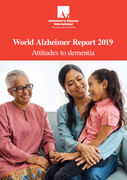
Some of the key findings of the report include:
Almost 80% of the general public are concerned about developing dementia at some point and 1 in 4 people think that there is nothing we can do to prevent dementia
35% of carers across the world said that they have hidden the diagnosis of de
...
mentia of a family member
Over 50% of carers globally say their health has suffered as a result of their caring responsibilities even whilst expressing positive sentiments about their role
Almost 62% of healthcare providers worldwide think that dementia is part of normal ageing
40% of the general public think doctors and nurses ignore people with dementia
more
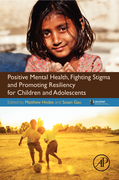
The International Association for Child and Adolescent Psychiatry and
Allied Professions (IACAPAP) aims to promote the mental health and
development of children and adolescents worldwide. It seeks to achieve
this by contributing to the training and professional development of the
child and adole
...
scent mental health professionals by disseminating up-todate
and high-quality information through its publications, organization
of biennial international congresses, and study groups. IACAPAP has a
long tradition of publishing monographs released to coincide with the
congresses, with the first one published in 1970.
more
The Global Dementia Observatory Reference Guide
World Health Organization
(2018)
C_WHO
Version 1.1
Department of Mental Health and Substance Abuse
This paper focuses on the Sustainable Development Goals related to poverty, economic growth, inequality, health, food production and the environment. It presents concrete examples of the underlying and complex aspects of antibiotic resistance and its impacts across different Sustainable Development
...
Goals. The aim of this paper is to inform and stimulate discussions on how to further advance the implementation of 2030 Agenda for Sustainable Development, the Global Action Plan on Antimicrobial Resistance, National Action plans on Antimicrobial Resistance, as well as work within all sectors that affect and are affected by antibiotic resistance
more
This compendium collates current tools and resources on quality improvement developed by the WHO Service Delivery and Safety Department and provides examples of how the tools and resources have been applied in country settings. The target audience for this document are ministries of health, facility
...
quality improvement teams, researchers and development agencies. WHO technical programmes, regional and country offices can also use the document in their technical cooperation work with the identified audience. Those working to improve the quality of health service delivery can also make good use of this resource
more

Arq Neuropsiquiatr 2011;69(2-B):342-348
Деменция: приоритет общественного здравоохранения
ВОЗ и Международная организация по проблемам болезни Альцгеймера
World Health Organitarion
(2013)
C_WHO
Цель настоящего доклада — повысить осведомленность о деменции как
одной из приоритетных проблем общественного здравоохранения, сформу-
лировать подход к этой пÑ
...
€облеме с точки зрения общественного здравоох-
ранения и призвать к принятию надлежащих мер на международном
и национальном уровнях на основе принципов вовлечения, интеграции,
справедливости и доказательности.
more
A 16-Year Cohort Analysis of Autism Spectrum Disorder-Associated Morbidity in a Pediatric Population
Front. Psychiatry, 29 November 2018 | https://doi.org/10.3389/fpsyt.2018.00635
