
Filter
1648
Text search:
Antiretroviral
therapy
(ART)
Featured
110
531
Language
1582
24
12
7
6
5
4
3
3
2
1
1
1
1
1
1
1
1
Document type
1268
153
133
27
17
17
14
13
5
1
Countries
70
62
61
60
56
54
42
37
36
35
35
35
30
28
26
26
25
24
19
19
18
16
15
15
15
14
13
12
11
11
11
10
8
7
7
6
6
6
5
5
5
5
4
4
4
4
3
3
3
3
3
3
2
2
2
2
2
2
2
2
2
2
1
1
1
1
1
1
1
1
1
1
1
1
1
1
1
1
1
1
1
1
1
1
1
1
1
1
1
1
1
1
1
1
1
1
Authors & Publishers
172
131
119
111
72
42
36
28
25
24
21
18
17
17
17
15
15
14
13
13
13
13
12
12
11
11
11
10
9
9
9
8
8
8
8
7
7
7
7
6
6
6
6
6
6
6
6
6
6
6
6
6
6
5
5
5
5
5
5
5
5
5
5
5
5
4
4
4
4
4
4
4
4
4
4
4
4
4
4
4
4
4
4
4
4
4
4
4
3
3
3
3
3
3
3
3
3
3
3
3
3
3
3
3
3
3
3
3
3
3
3
3
3
3
3
3
3
3
3
3
3
3
3
3
3
3
3
3
3
3
3
3
3
3
3
3
3
3
3
3
3
3
3
3
3
3
3
3
2
2
2
2
2
2
2
2
2
2
2
2
2
2
2
2
2
2
2
2
2
2
2
2
2
2
2
2
2
2
2
2
2
2
2
2
2
2
2
2
2
2
2
2
2
2
2
2
2
2
2
2
2
2
2
2
2
2
2
2
2
2
2
2
2
2
2
2
2
2
2
2
2
2
2
2
2
2
2
2
2
2
2
2
2
2
2
2
2
2
2
2
2
2
2
2
2
2
2
2
2
2
2
2
2
2
2
2
2
2
2
2
2
2
2
2
2
2
2
2
2
2
2
2
2
2
2
1
1
1
1
1
1
1
1
1
1
1
1
1
1
1
1
1
1
1
1
1
1
1
1
1
1
1
1
1
1
1
1
1
1
1
1
1
1
1
1
1
1
1
1
1
1
1
1
1
1
1
1
1
1
1
1
1
1
1
1
1
1
1
1
1
1
1
1
1
1
1
1
1
1
1
1
1
1
1
1
1
1
1
1
1
1
1
1
1
1
1
1
1
1
1
1
1
1
1
1
1
1
1
1
1
1
1
1
1
1
1
1
1
1
1
1
1
1
1
1
1
1
1
1
1
1
1
1
1
1
1
1
1
1
1
1
1
1
1
1
1
1
1
1
1
1
1
1
1
1
1
1
1
1
1
1
1
1
1
1
1
1
1
1
1
1
1
1
1
1
1
1
1
1
1
1
1
1
1
1
1
1
1
1
1
1
1
1
1
1
1
1
1
1
1
1
1
1
1
1
1
1
1
1
1
1
1
1
1
1
1
1
1
1
1
1
1
1
1
1
1
1
1
1
1
1
1
1
1
1
1
1
1
1
1
1
1
1
1
1
1
1
1
1
1
1
1
1
1
1
1
1
1
1
1
1
1
1
1
1
1
1
1
1
1
1
1
1
1
1
1
1
1
1
1
1
1
1
1
1
1
1
1
1
1
1
1
1
1
1
1
1
1
1
1
1
1
1
1
1
1
1
1
1
1
1
1
1
1
1
1
1
1
1
1
1
1
1
1
1
1
1
1
1
1
1
1
1
1
1
1
1
1
1
1
1
1
1
1
1
1
1
1
1
1
1
1
1
1
1
1
1
1
1
1
1
1
1
1
1
1
1
1
1
1
1
1
1
1
1
1
1
1
1
1
1
1
1
1
1
1
1
1
1
1
1
1
1
1
1
1
1
1
1
1
1
1
1
1
1
1
1
1
1
1
1
1
1
1
1
1
1
1
1
1
1
1
1
1
1
1
1
1
1
1
1
1
1
1
1
1
1
1
1
1
1
1
1
1
1
1
1
1
1
1
1
1
1
1
1
1
1
1
1
1
1
1
1
1
1
1
1
1
1
1
1
1
1
1
1
1
1
1
1
1
1
1
1
1
1
1
1
1
1
1
1
1
1
1
1
1
1
1
1
1
1
1
1
1
1
1
1
1
1
1
1
1
1
1
1
1
1
1
1
1
1
1
1
1
1
1
1
1
1
1
1
1
1
1
1
1
1
1
1
1
1
1
1
1
1
1
1
1
1
1
1
1
1
1
1
1
1
1
1
1
1
1
1
1
1
1
1
1
1
1
1
1
1
1
1
1
1
1
1
1
1
1
1
1
1
1
1
1
1
1
1
1
1
1
1
1
1
1
1
1
1
1
1
1
1
1
1
1
1
1
1
1
1
1
1
1
1
1
1
1
1
1
1
1
1
1
1
1
1
1
1
1
1
1
1
1
1
1
1
1
1
1
1
1
1
1
1
1
1
1
1
1
1
1
1
1
1
1
1
1
1
1
1
1
1
1
1
1
1
1
1
1
1
1
1
1
1
1
1
1
1
1
1
1
1
1
1
1
1
1
1
1
1
1
1
1
1
1
1
1
1
1
1
1
1
1
1
1
1
1
1
1
1
1
1
1
1
1
1
1
1
1
1
1
1
1
1
1
1
1
1
1
1
1
1
1
1
1
1
1
1
1
1
1
1
1
1
1
1
1
1
1
1
1
1
1
1
1
1
1
1
1
1
1
1
1
1
1
1
1
1
1
1
1
1
1
1
1
1
1
1
1
1
1
1
1
1
1
1
1
1
1
1
1
1
1
1
1
1
1
1
1
1
1
1
1
1
1
1
1
1
1
1
1
1
1
1
1
1
1
1
1
1
1
1
1
1
1
1
1
1
1
1
1
1
1
1
1
1
1
1
1
1
1
1
1
1
1
1
1
1
1
1
1
1
1
1
1
1
1
1
1
1
1
1
1
1
1
1
1
1
1
1
1
1
1
1
1
1
1
1
1
1
1
1
1
1
1
1
1
1
1
1
1
1
1
1
1
1
1
1
1
1
1
1
1
1
1
1
1
1
1
1
1
1
1
1
1
1
1
1
1
1
1
1
1
1
1
1
1
1
1
1
1
1
1
1
1
1
1
1
1
1
1
1
1
1
1
1
1
1
1
1
1
1
1
1
1
1
1
1
1
1
1
1
1
1
1
1
1
1
1
1
1
1
1
1
1
1
1
1
1
1
1
1
1
1
1
1
1
1
1
1
1
1
1
1
1
1
1
1
1
1
1
1
1
1
1
1
1
1
1
1
1
1
1
1
1
1
1
1
1
1
1
1
1
1
1
1
1
1
1
1
1
1
1
1
1
1
1
1
1
1
1
1
1
1
1
1
1
1
1
1
1
1
1
1
1
1
1
1
1
1
1
1
1
1
1
1
1
1
1
1
1
1
1
1
1
1
1
1
1
1
1
1
1
1
1
1
1
1
1
1
1
1
1
1
1
1
1
1
1
1
1
1
1
1
1
1
1
1
1
1
1
1
1
1
1
1
1
1
1
1
1
1
1
1
1
1
1
1
1
1
1
1
1
1
1
1
1
1
1
1
1
1
1
1
1
1
1
1
1
1
1
1
1
1
1
1
1
1
1
1
1
1
1
1
1
1
1
1
1
1
1
1
1
1
1
1
1
1
1
1
1
1
1
1
1
1
1
1
1
1
1
1
1
1
1
1
1
1
1
1
1
1
1
1
1
1
1
1
1
1
1
1
1
1
1
1
1
1
1
1
1
1
1
1
1
1
1
1
1
1
1
1
1
1
1
1
1
1
1
1
1
1
1
1
1
1
1
1
1
1
1
1
1
1
1
1
1
1
1
1
1
1
1
1
1
1
1
1
1
1
1
1
1
1
1
1
1
1
1
1
1
1
1
1
1
1
1
1
1
1
1
1
1
1
1
1
1
1
1
1
1
1
1
1
1
1
1
1
1
1
1
1
1
1
1
1
1
1
1
1
1
1
1
1
1
1
1
1
1
1
1
1
1
1
1
1
1
1
1
1
1
1
1
1
1
1
1
1
1
1
1
1
1
1
1
1
1
1
1
1
1
1
1
1
1
1
1
1
1
1
1
1
1
1
1
1
1
1
1
1
1
1
1
1
1
1
1
1
1
1
1
1
1
1
1
1
1
1
1
1
1
1
1
1
1
1
1
1
1
1
1
1
1
1
1
1
1
1
1
1
1
1
1
1
1
1
1
1
1
1
1
1
1
1
1
1
1
1
1
1
1
1
1
1
1
1
1
1
1
1
1
1
1
1
1
1
1
1
1
1
1
1
1
1
1
1
1
1
1
1
1
1
1
1
1
1
1
1
1
1
1
1
1
1
1
1
1
1
1
1
Publication Years
181
1333
134
Category
755
137
55
35
27
18
10
1
Toolboxes
563
201
25
19
16
14
14
10
9
8
8
7
6
5
4
4
4
4
2
2
1
Elimination of mother-to-child transmission of HIV and syphilis in the Americas
M. Alonso González; M. B. Mello.; A. Benzaken; et al.
Pan American Health Organization; World Health Organization (Americas); Unicef; et al.
(2017)
C_WHO
Update 2016
When could new antiretrovirals be recommended for national treatment programmes in low-income and middle-income countries: results of a WHO Think Tank
M. Vitoriaa; N. Forda; P. Clayden; et al.
Wolters Kluwer Health; World Health Organization
(2017)
C2
Review
www.co-hivandaids.com
Volume 12 Number 4 July 2017

UNAIDS Joint United Nations Programme on HIV/AIDS
Supplement Article
WHO Guidelines for HIV PEP • CID 2015:60 (Suppl 3), S161 - S164
Community health workers in Lesotho: Experiences of health promotion activities
T. Seutloali; L. Napoles; N. Bam
African Journal of Primary Health Care & Family Medicine; AOSIS
(2018)
C2
African Journal of Primary Health Care & Family Medicine
ISSN: (Online) 2071-2936, (Print) 2071-2928

UNAIDS report on the global AIDS epidemic shows that 2020 targets will not be met because of deeply unequal success; COVID-19 risks blowing HIV progress way off course. Missed targets have resulted in 3.5 million more HIV infections and 820 000 more AIDS-related deaths since 2015 than if the world w
...
as on track to meet the 2020 targets. In addition, the response could be set back further, by 10 years or more, if the COVID-19 pandemic results in severe disruptions to HIV services.
more
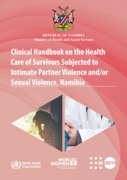
This handbook is an adaptation from the WHO Clinical Handbook Health care for women subjected to intimate partner violence or sexual violence developed by the World Health Organization (WHO), UN Women and United Nations Population Fund. The handbook draws on the work from professionals who are dedic
...
ated to preventing and responding to Gender Based Violence.
The Handbook guides health care service providers to provide comprehensive services to survivors of intimate partner violence and/or sexual violence. It also guides health professionals with respect to relevant stakeholders for referral purposes. The purpose is to ensure that relevant authorities are informed timeously in order act and ensure that those affected by violence receive speedy service as required.
more

The report highlights key trends and developments in laws affecting people living with HIV and key populations in Asia and the Pacific over the five-year period 2014–2019. It updates the legal and policy review conducted in 2016 for UNAIDS, UNDP and the United Nations Economic and Social Commissio
...
n for Asia and the Pacific (ESCAP). A database of laws of the 38 Member States of ESCAP was created as part of this review. The database identifies laws that are either punitive or enabling for people living with HIV and key populations in Asia and the Pacific.
more
TEchnical Note
Combined questionnaire Core
Severe bacterial infections are a leading cause of morbidity and mortality among people with advanced HIV disease, after tuberculosis and cryptococcal disease. For countries to reach the end-AIDS targets for 2030, there is a need to establish a roadmap for managing severe bacterial infections and re
...
duce mortality. The purpose of the meeting was to
Review the current research and implementation data on the use of prophylactic antibiotics (specifically azithromycin/macrolides) as part of the AHD package of care; To review options for preventing SBIs that are in line with goals of reducing AMR; Present the current evidence on diagnostics for SBI; Discuss research gaps and implementation challenges.
more

Pregnancy and childbirth during adolescence profoundly affects the lives of millions of girls worldwide, and is a leading cause of maternal mortality and morbidity, and infant and child mortality. Every year, an estimated 21 million girls aged 15–19 years old in low- and middle-income countries be
...
come pregnant, and approximately 12 million give birth.
For many adolescent girls, the ability to control their sexual lives remains limited. Long-standing gender inequalities and discrimination, marginalization, harmful social and gender norms, and denial of rights, compounded by poverty and violence, render them vulnerable to early pregnancy, HIV and other health threats. Lack of age-appropriate sexual and reproductive health and rights (SRHR) information and services create additional barriers to care and support; as a result, adolescent girls who become pregnant are much more likely to go on to have rapid repeated births.
more
This document defines the framework for Malawi’s National HIV Programs. Considering public health benefits and risks, as well as funding and resource implications, deviations from these guidelines are not supported by the Ministry of Health.
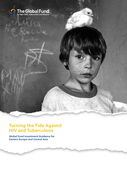
Turning the Tide Against HIV and Tuberculosis
The Global Fund To fight AIDS, Tuberculosis and Malaria
(2019)
C2
Global Fund Investment Guidance for Eastern Europe and Central Asia
Accessed: 29.09.2019
National HIV&AIDS communication and Advocacy Strategy (2011-2015)
National HIVAIDS
(2019)
C2
Vision 2030
Accessed: 17.11.2019
MSF Essential Drugs - Practical Guidelines 2022
recommended
Practical guide intended for physicians, pharmacists, nurses and medical auxiliaries. This guide is not a dictionary of pharmacological agents. It is a practical manual intended for health professionals, physicians, pharmacists, nurses and health auxiliaries invoved in curative care and drug managem
...
ent. We have tried to provide simple, practical solutions to the questions and problems faced by field medical staff, using the accumulated field experience of Médecins Sans Frontières, the recommendations of reference organizations such as the World Health Organization (WHO) and specialized documentation in each field. Also available in French, Spanish and Arabic
more
The guidelines acknowledge that overcrowding, unhygienic conditions and high inmate turn over contribute to the spread of infectious diseases within correctional facilities. The document states that voluntary HIV counselling and testing must be offered to all inmates when they enter facilities, duri
...
ng their incarceration at an inmate’s request and upon their release. All inmates must be screened for TB symptoms upon entry to facilities and at least bi-annually thereafter as well as upon release. Universal screening for anal, oral and genital STIs must be done at entry and upon self-presentation
more
