
Filter
3326
Text search:
relief
Featured
317
1039
Language
3008
210
67
47
43
25
22
11
11
9
6
6
6
4
4
4
4
4
3
3
3
3
3
3
3
3
3
3
3
2
2
2
2
2
2
2
2
2
2
2
2
2
2
1
1
1
1
1
1
1
1
1
1
1
1
1
Document type
2084
492
271
169
115
62
57
47
11
8
5
2
2
1
Countries
123
114
107
95
92
74
72
70
69
67
63
60
55
55
55
51
50
45
45
44
41
37
36
34
32
31
29
29
28
28
26
26
26
25
23
22
20
19
18
16
15
15
14
14
14
13
13
13
12
12
12
12
12
10
10
9
9
8
8
8
8
7
7
7
7
6
6
6
6
6
6
5
5
5
5
4
4
4
3
3
3
3
3
3
3
3
3
3
3
2
2
2
2
2
2
2
2
2
2
2
2
2
2
2
2
1
1
1
1
1
1
1
1
1
1
1
1
1
1
1
1
1
1
1
1
1
1
1
1
1
1
Authors & Publishers
205
160
130
91
77
71
66
61
57
41
33
25
23
23
21
20
20
20
20
19
19
18
17
17
16
15
15
15
14
14
14
14
13
13
13
13
13
12
12
12
12
12
12
11
11
10
10
10
10
10
10
10
10
10
10
10
9
9
9
9
9
9
9
9
8
8
8
8
8
8
8
8
7
7
7
7
7
7
6
6
6
6
6
6
6
6
6
6
6
6
6
6
6
6
6
6
6
5
5
5
5
5
5
5
5
5
5
5
5
5
5
5
5
5
5
5
5
5
5
5
5
5
5
4
4
4
4
4
4
4
4
4
4
4
4
4
4
4
4
4
4
4
4
4
4
4
4
4
4
4
4
4
4
4
4
4
4
4
4
3
3
3
3
3
3
3
3
3
3
3
3
3
3
3
3
3
3
3
3
3
3
3
3
3
3
3
3
3
3
3
3
3
3
3
3
3
3
3
3
3
3
3
3
3
3
3
3
3
3
3
3
3
3
3
3
3
3
3
3
3
3
3
3
3
3
3
3
3
3
3
3
3
3
3
3
3
3
3
3
3
3
2
2
2
2
2
2
2
2
2
2
2
2
2
2
2
2
2
2
2
2
2
2
2
2
2
2
2
2
2
2
2
2
2
2
2
2
2
2
2
2
2
2
2
2
2
2
2
2
2
2
2
2
2
2
2
2
2
2
2
2
2
2
2
2
2
2
2
2
2
2
2
2
2
2
2
2
2
2
2
2
2
2
2
2
2
2
2
2
2
2
2
2
2
2
2
2
2
2
2
2
2
2
2
2
2
2
2
2
2
2
2
2
2
2
2
2
2
2
2
2
2
2
2
2
2
2
2
2
2
2
2
2
2
2
2
2
2
2
2
2
2
2
2
2
2
2
2
2
2
2
2
2
2
2
2
2
2
2
2
2
2
2
2
2
2
2
2
2
2
2
2
2
2
2
2
2
2
2
2
2
2
2
2
2
2
2
2
2
2
2
2
2
2
2
2
2
2
2
2
2
2
2
2
2
2
2
2
2
2
2
2
2
2
2
2
2
2
2
2
2
2
2
2
2
2
2
2
2
2
2
2
2
2
2
2
2
2
2
2
2
2
2
2
2
1
1
1
1
1
1
1
1
1
1
1
1
1
1
1
1
1
1
1
1
1
1
1
1
1
1
1
1
1
1
1
1
1
1
1
1
1
1
1
1
1
1
1
1
1
1
1
1
1
1
1
1
1
1
1
1
1
1
1
1
1
1
1
1
1
1
1
1
1
1
1
1
1
1
1
1
1
1
1
1
1
1
1
1
1
1
1
1
1
1
1
1
1
1
1
1
1
1
1
1
1
1
1
1
1
1
1
1
1
1
1
1
1
1
1
1
1
1
1
1
1
1
1
1
1
1
1
1
1
1
1
1
1
1
1
1
1
1
1
1
1
1
1
1
1
1
1
1
1
1
1
1
1
1
1
1
1
1
1
1
1
1
1
1
1
1
1
1
1
1
1
1
1
1
1
1
1
1
1
1
1
1
1
1
1
1
1
1
1
1
1
1
1
1
1
1
1
1
1
1
1
1
1
1
1
1
1
1
1
1
1
1
1
1
1
1
1
1
1
1
1
1
1
1
1
1
1
1
1
1
1
1
1
1
1
1
1
1
1
1
1
1
1
1
1
1
1
1
1
1
1
1
1
1
1
1
1
1
1
1
1
1
1
1
1
1
1
1
1
1
1
1
1
1
1
1
1
1
1
1
1
1
1
1
1
1
1
1
1
1
1
1
1
1
1
1
1
1
1
1
1
1
1
1
1
1
1
1
1
1
1
1
1
1
1
1
1
1
1
1
1
1
1
1
1
1
1
1
1
1
1
1
1
1
1
1
1
1
1
1
1
1
1
1
1
1
1
1
1
1
1
1
1
1
1
1
1
1
1
1
1
1
1
1
1
1
1
1
1
1
1
1
1
1
1
1
1
1
1
1
1
1
1
1
1
1
1
1
1
1
1
1
1
1
1
1
1
1
1
1
1
1
1
1
1
1
1
1
1
1
1
1
1
1
1
1
1
1
1
1
1
1
1
1
1
1
1
1
1
1
1
1
1
1
1
1
1
1
1
1
1
1
1
1
1
1
1
1
1
1
1
1
1
1
1
1
1
1
1
1
1
1
1
1
1
1
1
1
1
1
1
1
1
1
1
1
1
1
1
1
1
1
1
1
1
1
1
1
1
1
1
1
1
1
1
1
1
1
1
1
1
1
1
1
1
1
1
1
1
1
1
1
1
1
1
1
1
1
1
1
1
1
1
1
1
1
1
1
1
1
1
1
1
1
1
1
1
1
1
1
1
1
1
1
1
1
1
1
1
1
1
1
1
1
1
1
1
1
1
1
1
1
1
1
1
1
1
1
1
1
1
1
1
1
1
1
1
1
1
1
1
1
1
1
1
1
1
1
1
1
1
1
1
1
1
1
1
1
1
1
1
1
1
1
1
1
1
1
1
1
1
1
1
1
1
1
1
1
1
1
1
1
1
1
1
1
1
1
1
1
1
1
1
1
1
1
1
1
1
1
1
1
1
1
1
1
1
1
1
1
1
1
1
1
1
1
1
1
1
1
1
1
1
1
1
1
1
1
1
1
1
1
1
1
1
1
1
1
1
1
1
1
1
1
1
1
1
1
1
1
1
1
1
1
1
1
1
1
1
1
1
1
1
1
1
1
1
1
1
1
1
1
1
1
1
1
1
1
1
1
1
1
1
1
1
1
1
1
1
1
1
1
1
1
1
1
1
1
1
1
1
1
1
1
1
1
1
1
1
1
1
1
1
1
1
1
1
1
1
1
1
1
1
1
1
1
1
1
1
1
1
1
1
1
1
1
1
1
1
1
1
1
1
1
1
1
1
1
1
1
1
1
1
1
1
1
1
1
1
1
1
1
1
1
1
1
1
1
1
1
1
1
1
1
1
1
1
1
1
1
1
1
1
1
1
1
1
1
1
1
1
1
1
1
1
1
1
1
1
1
1
1
1
1
1
1
1
1
1
1
1
1
1
1
1
1
1
1
1
1
1
1
1
1
1
1
1
1
1
1
1
1
1
1
1
1
1
1
1
1
1
1
1
1
1
1
1
1
1
1
1
1
1
1
1
1
1
1
1
1
1
1
1
1
1
1
1
1
1
1
1
1
1
1
1
1
1
1
1
1
1
1
1
1
1
1
1
1
1
1
1
1
1
1
1
1
1
1
1
1
1
1
1
1
1
1
1
1
1
1
1
1
1
1
1
1
1
1
1
1
1
1
1
1
1
1
1
1
1
1
1
1
1
1
1
1
1
1
1
1
1
1
1
1
1
1
1
1
1
1
1
1
1
1
1
1
1
1
1
1
1
1
1
1
1
1
1
1
1
1
1
1
1
1
1
1
1
1
1
1
1
1
1
1
1
1
1
1
1
1
1
1
1
1
1
1
1
1
1
1
1
1
1
1
1
1
1
1
1
1
1
1
1
1
1
1
1
1
1
1
1
1
1
1
1
1
1
1
1
1
1
1
1
1
1
1
1
1
1
1
1
1
1
1
1
1
1
1
1
1
1
1
1
1
1
1
1
1
1
1
1
1
1
1
1
1
1
1
1
1
1
1
1
1
1
1
1
1
1
1
1
1
1
1
1
1
1
1
1
1
1
1
1
1
1
1
1
1
1
1
1
1
1
1
1
1
1
1
1
1
1
1
1
1
1
1
1
1
1
1
1
1
1
1
1
1
1
1
1
1
1
1
1
1
1
1
1
1
1
1
1
1
1
1
1
1
1
1
1
1
1
1
1
1
1
1
1
1
1
1
1
1
1
1
1
1
1
1
1
1
1
1
1
1
1
1
1
1
1
1
1
1
1
1
1
1
1
1
1
1
1
1
1
1
1
1
1
1
1
1
1
1
1
1
1
1
1
1
1
1
1
1
1
1
1
1
1
1
1
1
1
1
1
1
1
1
1
1
1
1
1
1
1
1
1
1
1
1
1
1
1
1
1
1
1
1
1
1
1
1
1
1
1
1
1
1
1
1
1
1
1
1
1
1
1
1
1
1
1
1
1
1
1
1
1
1
1
1
1
1
1
1
1
1
1
1
1
1
1
1
1
1
1
1
1
1
1
1
1
1
1
1
1
1
1
1
1
1
1
1
1
1
1
1
1
1
1
1
1
1
1
1
1
1
1
1
1
1
1
1
1
1
1
1
1
1
1
1
1
1
1
1
1
1
1
1
1
1
1
1
1
1
1
1
1
1
1
1
1
1
1
1
1
1
1
1
1
1
1
1
1
1
1
1
1
1
1
1
1
1
1
1
1
1
1
1
1
1
1
1
1
1
1
1
1
1
1
1
1
1
1
1
1
1
1
1
1
1
1
1
1
1
1
1
1
1
1
1
1
1
1
1
1
1
1
1
1
1
1
1
1
1
1
1
1
1
1
1
1
1
1
1
1
1
1
1
1
1
1
1
1
1
1
1
1
1
1
1
1
1
1
1
1
1
1
1
1
1
1
1
1
1
1
1
1
1
1
1
1
1
1
1
1
1
1
1
1
1
1
1
1
1
1
1
1
1
1
1
1
1
1
1
1
1
1
1
1
1
1
1
1
1
1
1
1
1
1
1
1
1
1
1
1
1
1
1
1
1
1
1
1
1
1
1
1
1
1
1
1
1
1
1
1
1
1
1
1
1
1
1
1
1
1
1
1
1
1
1
1
1
1
1
1
1
1
1
1
1
1
1
1
1
1
1
1
1
1
1
1
1
1
1
1
1
1
1
1
1
1
1
1
1
1
1
1
1
1
1
1
1
1
1
1
1
1
1
1
1
1
1
1
1
1
1
1
1
1
1
1
1
1
1
1
1
1
1
1
1
1
1
1
1
1
1
1
1
1
1
1
1
1
1
1
1
1
1
1
1
1
1
1
1
1
1
1
1
1
1
1
1
1
1
1
1
1
1
1
1
1
1
1
1
1
1
1
1
1
1
1
1
1
1
1
1
1
1
1
1
1
1
1
1
1
1
1
1
1
1
1
1
1
1
1
1
1
1
1
1
1
1
1
1
1
1
1
1
1
1
1
1
1
1
1
1
1
1
1
1
1
1
1
1
1
1
1
1
1
1
1
1
1
1
1
1
1
1
1
1
1
1
1
1
1
1
1
1
1
1
1
1
1
1
1
1
1
1
1
1
1
1
1
1
1
1
1
1
1
1
1
1
1
1
1
1
1
1
1
1
1
1
1
1
1
1
1
1
1
1
1
1
1
1
1
1
1
1
1
1
1
1
1
1
1
1
1
1
1
1
1
1
1
1
1
1
1
1
1
1
1
1
1
1
1
1
1
1
1
1
1
1
1
1
1
1
1
1
1
1
1
1
1
1
1
1
1
1
1
1
1
1
1
1
1
1
1
1
1
1
1
1
1
1
1
1
1
1
1
1
1
1
1
1
1
1
1
1
1
1
1
1
1
1
1
1
1
1
1
1
1
1
1
1
1
1
1
1
1
1
1
1
1
1
1
1
1
1
1
1
1
1
1
1
1
1
1
1
1
1
1
1
1
1
1
1
1
1
1
1
1
1
1
1
1
1
1
1
1
1
1
1
1
1
1
1
1
1
1
1
1
1
1
1
1
1
1
1
1
1
1
1
1
1
1
1
1
1
1
1
1
1
1
1
1
1
1
1
1
1
1
1
1
1
1
1
1
1
1
1
1
1
1
1
1
1
1
1
1
1
1
1
1
1
1
1
1
1
1
1
1
1
1
1
1
1
1
1
1
1
1
1
1
1
1
1
1
1
1
1
1
1
1
1
1
1
1
1
1
1
1
1
1
1
1
1
1
1
1
1
1
1
1
1
1
1
1
1
1
1
1
1
1
1
1
1
1
1
1
1
1
1
1
1
1
1
1
1
1
1
1
1
1
1
1
1
1
1
1
1
1
1
1
1
1
1
1
1
1
1
1
1
1
1
1
1
1
1
1
1
1
1
1
1
1
1
1
1
1
1
1
1
1
1
1
1
1
1
1
1
1
1
1
1
1
1
1
1
1
1
1
1
1
1
1
1
1
1
1
1
1
1
1
1
1
1
1
1
1
1
1
1
1
1
1
1
1
1
1
1
1
1
1
1
1
1
1
1
1
1
1
1
1
1
1
1
1
1
1
1
1
1
1
1
1
1
1
1
1
1
1
1
1
1
1
1
1
1
1
1
1
1
1
1
1
1
1
1
1
1
1
1
1
1
1
1
1
1
1
1
1
1
1
1
1
1
1
1
1
1
1
1
1
1
1
1
1
1
1
1
1
1
1
1
1
1
1
1
1
1
1
1
1
1
1
1
1
1
1
1
1
1
1
1
1
1
1
1
1
1
1
1
1
1
1
1
1
1
1
1
1
1
1
1
1
1
1
1
1
1
1
1
1
1
1
1
1
1
1
1
1
1
1
1
1
1
1
1
1
1
1
1
1
1
1
1
1
1
1
1
1
1
1
1
1
1
1
1
1
1
1
1
1
1
1
1
1
1
1
1
1
1
1
1
1
1
1
1
1
1
1
1
1
1
1
1
1
1
1
1
1
1
1
1
1
1
1
1
1
1
1
1
1
1
1
1
1
1
1
1
1
1
1
1
1
1
1
1
1
1
1
1
1
1
1
1
1
1
1
1
1
1
1
1
1
1
1
1
1
1
1
1
1
1
1
1
1
1
1
1
1
1
1
1
1
Publication Years
734
2210
352
26
3
1
Category
1304
198
190
168
140
53
11
9
3
1
Toolboxes
282
258
243
210
158
148
121
88
80
70
69
66
65
48
47
37
37
35
26
25
15
11
11
9
2
1

Disaster risk management systems analysis: A guide book
Baas, Stephan; Ramasamy, Selvaraju; Dey de Pryck, Jenny et al.
Food and Agriculture Organization of the United Nations (FAO)
(2008)
C1
The guide book provides a set of tools and methods to assess existing structures and capacities of national, district and local institutions with responsibilities for Disaster Risk Management (DRM) in order to improve their effectiveness and the integration of DRM concerns into development planning,
...
with particular reference to disaster-prone areas, vulnerable sectors and population groups.
The strategic use of the Guide is expected to enhance understanding of the strengths, weaknesses, opportunities and threats facing existing DRM institutional structures and their implications for on-going institutional change processes. It will also highlight the complex institutional linkages among various actors and sectors at different levels. more
The strategic use of the Guide is expected to enhance understanding of the strengths, weaknesses, opportunities and threats facing existing DRM institutional structures and their implications for on-going institutional change processes. It will also highlight the complex institutional linkages among various actors and sectors at different levels. more
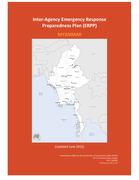
Myanmar is prone to various natural hazards that include earthquakes, floods, cyclones, droughts, fires, tsunamis, some of whichhave the potential to impact large numbers of people. In the event that large numbers of people are affected(such as was the case in 2008 following cyclone Nargis), the gov
...
ernment may decide to request international assistance to respond to the disaster.
The overall goal of the ERPP is to mitigate the impact of disasters and save as many lives as possible from preventable causes. It aims to ensure that effective and timely assistance is provided to people in need through effective coordination and communication on emergency preparedness and humanitarian response between members of the HCTin Myanmar. The approach has been developed in collaboration with the Government, to facilitate a coordinated and effective support to people affected by humanitarian crises.
more
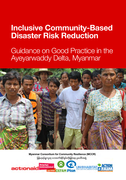
This publication presents guidance on good practice from the Ayeyarwaddy Delta in Myanmar, outlining the key factors which contributed to the successful implementation and outcome of a range of community-based Disaster Risk Reduction initiatives implemented by the Myanmar Consortium for Community Re
...
silience (MCCR).
The content was developed over a period of two months between November-December 2015, involving a desk review of MCCR project documents including impact studies, monitoring reports and newsletters. Field visits were undertaken to the Ayeyarwaddy Delta to document the perspectives of key stakeholders at community level, including a total of 93 adults (men and women) and 57 children (girls and boys) from eight communities targeted under the DIPECHO IX project. more
The content was developed over a period of two months between November-December 2015, involving a desk review of MCCR project documents including impact studies, monitoring reports and newsletters. Field visits were undertaken to the Ayeyarwaddy Delta to document the perspectives of key stakeholders at community level, including a total of 93 adults (men and women) and 57 children (girls and boys) from eight communities targeted under the DIPECHO IX project. more
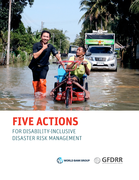
A recent survey of the literature and experience identified five broad actions that development institutions and governments, as well as their partners and stakeholders, can take to improve disability-inclusive disaster risk management. Those five actions are:
- Include persons with disabilitie ... s as valued stakeholders in disaster risk management activities
- Help remove barriers to the full participation of persons with disabilities
- Increase awareness among governments and their partners of the safety and security needs of persons with disabilities
- Collect data that is disaggregated by disability
- Ensure that new construction, rehabilitation and reconstruction are accessible to persons with disabilities more
- Include persons with disabilitie ... s as valued stakeholders in disaster risk management activities
- Help remove barriers to the full participation of persons with disabilities
- Increase awareness among governments and their partners of the safety and security needs of persons with disabilities
- Collect data that is disaggregated by disability
- Ensure that new construction, rehabilitation and reconstruction are accessible to persons with disabilities more

Overview:
- Part A is an introductory part which will give you background information about CBDRR in Myanmar. It has a small section about the importance of CBDRR in Myanmar, the stakeholders of CBDRR in Myanmar, as well as an overview about the challenges that are faced when implementing CBDRR ... in Myanmar.
- Part B contains the instructions on how to conduct the 9-step process agreed upon and described in detail in the step-by-step methodology document. These nine (9) steps are considered the minimum required activities to be followed by all MRCS community based initiatives regardless of their budget or time frame.
- Part C includes all the implementation steps of CBDRR programs namely step 6 (Action Plan Development), and step 7 (Implementation of Action Plan).
- Part D includes all the steps that finalize a CBDRR program namely step 4 and step 8 (Baseline and Endline Study) as well as step 9 (Handover & Exit Strategy). more
- Part A is an introductory part which will give you background information about CBDRR in Myanmar. It has a small section about the importance of CBDRR in Myanmar, the stakeholders of CBDRR in Myanmar, as well as an overview about the challenges that are faced when implementing CBDRR ... in Myanmar.
- Part B contains the instructions on how to conduct the 9-step process agreed upon and described in detail in the step-by-step methodology document. These nine (9) steps are considered the minimum required activities to be followed by all MRCS community based initiatives regardless of their budget or time frame.
- Part C includes all the implementation steps of CBDRR programs namely step 6 (Action Plan Development), and step 7 (Implementation of Action Plan).
- Part D includes all the steps that finalize a CBDRR program namely step 4 and step 8 (Baseline and Endline Study) as well as step 9 (Handover & Exit Strategy). more
Overview:
- Part A is an introductory part which will give you background information about CBDRR in Myanmar. It has a small section about the importance of CBDRR in Myanmar, the stakeholders of CBDRR in Myanmar, as well as an overview about the challenges that are faced when implementing CBDRR ... in Myanmar.
- Part B contains the instructions on how to conduct the 9-step process agreed upon and described in detail in the step-by-step methodology document. These nine (9) steps are considered the minimum required activities to be followed by all MRCS community based initiatives regardless of their budget or time frame.
- Part C includes all the implementation steps of CBDRR programs namely step 6 (Action Plan Development), and step 7 (Implementation of Action Plan).
- Part D includes all the steps that finalize a CBDRR program namely step 4 and step 8 (Baseline and Endline Study) as well as step 9 (Handover & Exit Strategy). more
- Part A is an introductory part which will give you background information about CBDRR in Myanmar. It has a small section about the importance of CBDRR in Myanmar, the stakeholders of CBDRR in Myanmar, as well as an overview about the challenges that are faced when implementing CBDRR ... in Myanmar.
- Part B contains the instructions on how to conduct the 9-step process agreed upon and described in detail in the step-by-step methodology document. These nine (9) steps are considered the minimum required activities to be followed by all MRCS community based initiatives regardless of their budget or time frame.
- Part C includes all the implementation steps of CBDRR programs namely step 6 (Action Plan Development), and step 7 (Implementation of Action Plan).
- Part D includes all the steps that finalize a CBDRR program namely step 4 and step 8 (Baseline and Endline Study) as well as step 9 (Handover & Exit Strategy). more
The CBDRR Step-by-Step Methodology aims to guide the effective implementation of new community-based as well as school-based interventions implemented by MRCS as well as other DRR actors in Myanmar identifying key steps that need to be followed under each program as well as minimum activities for ea
...
ch of the steps.
more

Natural Disaster Management Law, Myanmar
(2013)
C1
(The Pyidaungsu Hluttaw Law No. 21,2013)
The changes occurring in Myanmar highlight the need to have a robust DRR network that can support the Government as well as the communities in their efforts to build a resilient Myanmar. To this end, the DRR WG devised and facilitated a multi-stakeholder process aiming to develop its Strategic Frame
...
work 2013-2018. This document is the outcome of a series of internal workshops and external consultations, in particular with the relevant departments of the Government of Myanmar. This Strategic Framework will guide the collective efforts of the DRR WG over the next five years.
more
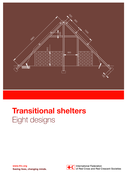
This book contains the findings of technical reviews of eight transitional shelter designs. It is divided into sections:
- Section A discusses transitional shelter design briefs, includes a programming checklist and explains how the shelters in this book were reviewed.
- Section B contains ... summary findings of the technical reviews for the eight shelters.
- Section C contains design details for foundations, walls and roofs.
- Annexes contain details of materials, a template design brief, conversion tables, a glossary, and references. more
- Section A discusses transitional shelter design briefs, includes a programming checklist and explains how the shelters in this book were reviewed.
- Section B contains ... summary findings of the technical reviews for the eight shelters.
- Section C contains design details for foundations, walls and roofs.
- Annexes contain details of materials, a template design brief, conversion tables, a glossary, and references. more
CBDRR Practice. Case Studies 2
No publication year indicated.
No publication year indicated.
Promoting Community Participation through Development of Community Level Risk Reduction Action Plans
CBDRR Practice. Case Studies 4
No publication year indicated.
No publication year indicated.

This assessment is the first of its kind to be conducted in the south-eastern region of Myanmar. It is an important contribution to ensuring the full inclusion of women and children in Myanmar’s political, social, and cultural systems, with a specific focus on the issue of gender-based violence (G
...
BV) and its impact on these groups in south-eastern Myanmar. The United Nations Population Fund (UNFPA) is grateful for the participation of women, men, boys and girls from Mon, Kayin and Kayah States for sharing their views and experiences during the study.
more

Women and Health Initiative Working Paper No. 1. Women and Health Initiative
Improving maternal health in the context of the sub-Saharan African HIV epidemic requires greater understanding of the relationships between HIV disease and maternal morbidity and mortality, integrated and effective resp ... onses by the health system, and a social context which promotes quality care and encourages use of MCH and HIV services. Advancing the proposed research agenda will make an invaluable contribution by generating needed evidence for policy and practice that improves the maternal health of women who are living with HIV, as well as those who are not. Bringing together maternal health and HIV researchers, policy-makers and program implementers to reduce HIV-related maternal morbidity and mortality and improve the HIV response for women represents an opportunity and a challenge. more
Improving maternal health in the context of the sub-Saharan African HIV epidemic requires greater understanding of the relationships between HIV disease and maternal morbidity and mortality, integrated and effective resp ... onses by the health system, and a social context which promotes quality care and encourages use of MCH and HIV services. Advancing the proposed research agenda will make an invaluable contribution by generating needed evidence for policy and practice that improves the maternal health of women who are living with HIV, as well as those who are not. Bringing together maternal health and HIV researchers, policy-makers and program implementers to reduce HIV-related maternal morbidity and mortality and improve the HIV response for women represents an opportunity and a challenge. more
In July 2016, the government of Myanmar shared the following update on progress toward achieving its Family Planning 2020 commitment during the 2015-2016 time period (commitment included below for reference). The government added new information to this update in April 2017.
Recently, Sri Lanka has been impacted by multiple natural disasters. Sri Lanka experienced a landslide in October 2014, and flooding in December 2014.8 Sri Lanka withstood the worst drought conditions witnessed in four decades in 2016; the extreme drought conditions extended into 2017 and produced s
...
ubstantial economic and social effects. The drought was responsible for an increase in national poverty levels, due to reduced cultivation income, especially for rural farmers. ... In May 2017, Sri Lanka experienced continuous rains causing flash floods and extreme devastation. However, despite natural disasters and challenges posed by a complex political environment, Sri Lanka’s financial performance remained largely satisfactory in the first half of 2017.
more

The National Strategy for Natural Disaster, Prevention, Response and Mitigation to 2020, which outlines Vietnam’s main disaster risk management objectives and the National Target Program (NTP) form the overarching policy framework for disaster risk management and climate change adaption activities
...
. The CCFSC’s main mandate is to translate this strategy into action. Other decrees and laws are also complementary. The Government of Vietnam has prioritized disaster preparedness, recognizing that the most cost-effective measures to mitigate flood related disasters are often non-structural. These measures include flood mapping, river flood warning systems, television-based disaster information and warning systems, training at all government and grassroots levels on disaster preparedness, and reforestation of certain areas. Land use and development have also been addressed through government regulations.
more

Climate change is a growing concern for Bangladesh because 90 percent of the country is approximately 10 feet above sea level. An evaluation was completed which discovered that high tides in Bangladesh were increasing 10 times more rapidly than the global average. This predicted rapid increase in se
...
a levels places Bangladesh four times higher than the global average. By 2050, approximately 20 percent of the inhabited land in Bangladesh will be inundated by the sea resulting in displacement for nearly 20 million people. The Government of Bangladesh has implemented policies and plans to focus on climate change concerns, but there is still much work to be completed.
Bangladesh is a nation which will continue to experience the devastating effects of climate change. These concerns for the nation are recognized and the Government of Bangladesh is working progressively to implement mitigation and preparedness measures along with making national economic and transportation improvements to better sever and protect the people of Bangladesh. more
Bangladesh is a nation which will continue to experience the devastating effects of climate change. These concerns for the nation are recognized and the Government of Bangladesh is working progressively to implement mitigation and preparedness measures along with making national economic and transportation improvements to better sever and protect the people of Bangladesh. more
