
Filter
2368
Text search:
socioeconomic
status
Featured
177
632
Language
2313
47
40
36
18
15
13
10
6
1
1
1
1
1
1
1
1
1
1
1
1
1
1
1
Document type
1381
538
172
116
93
21
17
16
5
3
3
2
1
Countries
130
101
77
57
56
54
53
51
51
47
40
39
39
39
37
37
35
34
34
33
30
26
25
24
24
24
23
22
20
19
18
18
15
14
13
13
12
11
10
9
9
8
8
8
8
8
8
7
7
7
7
6
6
6
6
5
5
5
5
5
4
4
4
4
4
4
3
3
3
3
3
3
3
3
3
3
2
2
2
2
2
2
2
2
2
2
2
2
2
2
2
2
1
1
1
1
1
1
1
1
1
1
1
1
1
1
1
1
1
1
1
1
1
1
1
1
1
Authors & Publishers
305
130
114
98
80
50
36
36
36
31
26
25
16
16
16
16
13
13
13
13
12
11
10
10
10
10
9
9
9
9
8
8
8
8
7
7
7
7
6
6
6
6
6
6
6
6
5
5
5
5
5
5
5
5
5
5
5
5
4
4
4
4
4
4
4
4
4
4
4
4
4
4
4
4
4
4
4
4
4
4
4
4
4
4
4
4
3
3
3
3
3
3
3
3
3
3
3
3
3
3
3
3
3
3
3
3
3
3
3
3
3
3
3
3
3
3
3
3
3
3
3
3
3
3
3
3
3
3
3
3
3
3
3
3
3
3
3
3
3
3
3
3
3
3
3
3
3
3
3
2
2
2
2
2
2
2
2
2
2
2
2
2
2
2
2
2
2
2
2
2
2
2
2
2
2
2
2
2
2
2
2
2
2
2
2
2
2
2
2
2
2
2
2
2
2
2
2
2
2
2
2
2
2
2
2
2
2
2
2
2
2
2
2
2
2
2
2
2
2
2
2
2
2
2
2
2
2
2
2
2
2
2
2
2
2
2
2
2
2
2
2
2
2
2
2
2
2
2
2
2
2
2
2
2
2
2
2
2
2
2
2
2
2
2
2
2
2
2
2
2
2
2
2
2
2
2
2
2
2
2
2
2
2
2
2
2
2
2
2
2
2
1
1
1
1
1
1
1
1
1
1
1
1
1
1
1
1
1
1
1
1
1
1
1
1
1
1
1
1
1
1
1
1
1
1
1
1
1
1
1
1
1
1
1
1
1
1
1
1
1
1
1
1
1
1
1
1
1
1
1
1
1
1
1
1
1
1
1
1
1
1
1
1
1
1
1
1
1
1
1
1
1
1
1
1
1
1
1
1
1
1
1
1
1
1
1
1
1
1
1
1
1
1
1
1
1
1
1
1
1
1
1
1
1
1
1
1
1
1
1
1
1
1
1
1
1
1
1
1
1
1
1
1
1
1
1
1
1
1
1
1
1
1
1
1
1
1
1
1
1
1
1
1
1
1
1
1
1
1
1
1
1
1
1
1
1
1
1
1
1
1
1
1
1
1
1
1
1
1
1
1
1
1
1
1
1
1
1
1
1
1
1
1
1
1
1
1
1
1
1
1
1
1
1
1
1
1
1
1
1
1
1
1
1
1
1
1
1
1
1
1
1
1
1
1
1
1
1
1
1
1
1
1
1
1
1
1
1
1
1
1
1
1
1
1
1
1
1
1
1
1
1
1
1
1
1
1
1
1
1
1
1
1
1
1
1
1
1
1
1
1
1
1
1
1
1
1
1
1
1
1
1
1
1
1
1
1
1
1
1
1
1
1
1
1
1
1
1
1
1
1
1
1
1
1
1
1
1
1
1
1
1
1
1
1
1
1
1
1
1
1
1
1
1
1
1
1
1
1
1
1
1
1
1
1
1
1
1
1
1
1
1
1
1
1
1
1
1
1
1
1
1
1
1
1
1
1
1
1
1
1
1
1
1
1
1
1
1
1
1
1
1
1
1
1
1
1
1
1
1
1
1
1
1
1
1
1
1
1
1
1
1
1
1
1
1
1
1
1
1
1
1
1
1
1
1
1
1
1
1
1
1
1
1
1
1
1
1
1
1
1
1
1
1
1
1
1
1
1
1
1
1
1
1
1
1
1
1
1
1
1
1
1
1
1
1
1
1
1
1
1
1
1
1
1
1
1
1
1
1
1
1
1
1
1
1
1
1
1
1
1
1
1
1
1
1
1
1
1
1
1
1
1
1
1
1
1
1
1
1
1
1
1
1
1
1
1
1
1
1
1
1
1
1
1
1
1
1
1
1
1
1
1
1
1
1
1
1
1
1
1
1
1
1
1
1
1
1
1
1
1
1
1
1
1
1
1
1
1
1
1
1
1
1
1
1
1
1
1
1
1
1
1
1
1
1
1
1
1
1
1
1
1
1
1
1
1
1
1
1
1
1
1
1
1
1
1
1
1
1
1
1
1
1
1
1
1
1
1
1
1
1
1
1
1
1
1
1
1
1
1
1
1
1
1
1
1
1
1
1
1
1
1
1
1
1
1
1
1
1
1
1
1
1
1
1
1
1
1
1
1
1
1
1
1
1
1
1
1
1
1
1
1
1
1
1
1
1
1
1
1
1
1
1
1
1
1
1
1
1
1
1
1
1
1
1
1
1
1
1
1
1
1
1
1
1
1
1
1
1
1
1
1
1
1
1
1
1
1
1
1
1
1
1
1
1
1
1
1
1
1
1
1
1
1
1
1
1
1
1
1
1
1
1
1
1
1
1
1
1
1
1
1
1
1
1
1
1
1
1
1
1
1
1
1
1
1
1
1
1
1
1
1
1
1
1
1
1
1
1
1
1
1
1
1
1
1
1
1
1
1
1
1
1
1
1
1
1
1
1
1
1
1
1
1
1
1
1
1
1
1
1
1
1
1
1
1
1
1
1
1
1
1
1
1
1
1
1
1
1
1
1
1
1
1
1
1
1
1
1
1
1
1
1
1
1
1
1
1
1
1
1
1
1
1
1
1
1
1
1
1
1
1
1
1
1
1
1
1
1
1
1
1
1
1
1
1
1
1
1
1
1
1
1
1
1
1
1
1
1
1
1
1
1
1
1
1
1
1
1
1
1
1
1
1
1
1
1
1
1
1
1
1
1
1
1
1
1
1
1
1
1
1
1
1
1
1
1
1
1
1
1
1
1
1
1
1
1
1
1
1
1
1
1
1
1
1
1
1
1
1
1
1
1
1
1
1
1
1
1
1
1
1
1
1
1
1
1
1
1
1
1
1
1
1
1
1
1
1
1
1
1
1
1
1
1
1
1
1
1
1
1
1
1
1
1
1
1
1
1
1
1
1
1
1
1
1
1
1
1
1
1
1
1
1
1
1
1
1
1
1
1
1
1
1
1
1
1
1
1
1
1
1
1
1
1
1
1
1
1
1
1
1
1
1
1
1
1
1
1
1
1
1
1
1
1
1
1
1
1
1
1
1
1
1
1
1
1
1
1
1
1
1
1
1
1
1
1
1
1
1
1
1
1
1
1
1
1
1
1
1
1
1
1
1
1
1
1
1
1
1
1
1
1
1
1
1
1
1
1
1
1
1
1
1
1
1
1
1
1
1
1
1
1
1
1
1
1
1
1
1
1
1
1
1
1
1
1
1
1
1
1
1
1
1
1
1
1
1
1
1
1
1
1
1
1
1
1
1
1
1
1
1
1
1
1
1
1
1
1
1
1
1
1
1
1
1
1
1
1
1
1
1
1
1
1
1
1
1
1
1
1
1
1
1
1
1
1
1
1
1
1
1
1
1
1
1
1
1
1
1
1
1
1
1
1
1
1
1
1
1
1
1
1
1
1
1
1
1
1
1
1
1
1
1
1
1
1
1
1
1
1
1
1
1
1
1
1
1
1
1
1
1
1
1
1
1
1
1
1
1
1
1
1
1
1
1
1
1
1
1
1
1
1
1
1
1
1
1
1
1
1
1
1
1
1
1
1
1
1
1
1
1
1
1
1
1
1
1
1
1
1
1
1
1
1
1
1
1
1
1
1
1
1
1
1
1
1
1
1
1
1
1
1
1
1
1
1
1
1
1
1
1
1
1
1
1
1
1
1
1
1
1
1
1
1
1
1
1
1
1
1
1
1
1
1
1
1
1
1
1
1
1
1
1
1
1
1
1
1
1
1
1
1
1
1
1
1
1
1
1
1
1
1
1
1
1
1
1
1
1
1
1
1
1
1
1
1
1
1
1
1
1
1
1
1
1
1
1
1
1
1
1
1
1
1
1
1
1
1
1
1
1
1
1
1
1
1
1
1
1
1
1
1
1
1
1
1
1
1
1
1
1
1
1
1
1
1
1
1
1
1
1
1
1
1
1
1
1
1
1
1
1
1
1
1
1
1
1
1
1
1
1
1
1
1
1
1
1
1
1
1
1
1
1
1
1
1
1
1
1
1
1
1
1
1
1
1
1
1
1
1
1
1
1
1
1
1
1
1
1
1
1
1
1
1
1
1
1
1
1
1
1
1
1
1
1
1
1
1
1
1
1
1
1
1
1
1
1
1
1
1
1
1
1
1
1
1
1
1
1
1
1
1
1
1
1
1
1
1
1
1
1
1
1
1
1
1
1
1
1
1
1
1
1
1
1
1
1
1
1
1
1
1
1
1
1
1
1
1
1
1
1
1
1
1
1
1
1
1
1
1
1
1
1
1
1
1
1
1
1
1
1
1
1
1
1
1
1
1
1
1
1
1
1
1
1
1
1
1
1
1
1
1
1
1
1
1
1
1
1
1
1
1
1
1
1
1
1
1
1
1
1
1
1
1
1
1
1
1
1
1
1
1
1
1
1
1
1
1
1
1
1
1
1
1
1
1
1
1
1
1
1
1
1
1
1
1
1
1
1
1
1
1
1
1
1
1
1
1
1
1
1
1
1
1
1
1
1
1
1
1
1
1
1
1
1
1
1
1
1
1
1
1
1
1
1
1
1
1
1
1
1
1
1
1
1
1
1
1
1
1
1
1
1
1
1
1
1
1
1
1
1
1
1
1
1
1
1
1
1
1
1
1
1
1
1
1
1
1
1
1
1
1
1
1
1
1
1
1
1
1
1
1
1
1
1
1
1
1
1
1
1
1
1
1
1
1
1
1
1
1
1
1
1
1
1
1
1
1
1
1
1
1
1
1
1
1
1
1
1
1
1
1
1
1
1
1
1
1
1
1
1
1
1
1
1
1
1
1
1
1
1
1
1
1
1
1
1
1
1
1
1
1
1
1
1
1
1
1
1
1
1
1
1
1
1
1
1
1
1
1
1
1
1
1
1
1
1
1
1
1
1
1
1
1
1
1
1
1
1
1
1
1
1
1
1
1
1
1
1
1
1
1
1
1
1
1
1
1
1
1
1
1
1
1
1
1
1
1
1
1
1
1
1
1
1
1
1
1
1
1
1
1
1
1
1
1
1
1
1
1
1
1
1
1
1
1
1
1
1
1
1
1
1
1
1
1
1
1
1
1
1
1
1
1
1
1
1
1
1
1
1
1
1
1
1
1
1
1
1
1
1
1
1
1
1
1
1
1
1
1
1
1
1
1
1
1
1
1
1
1
1
1
1
1
1
1
1
1
1
1
1
1
1
1
1
1
1
1
1
1
1
1
1
1
1
1
1
1
1
1
1
1
1
1
1
1
1
1
1
Publication Years
659
1524
179
5
1
Category
982
194
142
116
60
34
9
Toolboxes
212
146
146
145
132
116
78
67
65
56
53
44
34
31
24
23
13
9
9
7
7
4
3
Maintaining and improving quality of care within HIV clinical services - Technical Brief
World Health Organization
(2019)
C_WHO
HIV Treatment
Transactional sex and HIV risk: from analysis to action
UNAIDS; STRIVE
(2017)
C2
UNAIDS 2018 / Reference
We are IntechOpen, the world’s leading publisher of Open Access books Built by scientists, for scientists
Selection of our books indexed in the Book Citation Index in Web of ScienceTM Core Collection (BKCI)
http://dx.doi.org/10.5772/intechopen.68759
PLOS ONE | DOI:10.1371/journal.pone.0172392 February 16, 2017
The aim of the people-centred framework is to help countries to develop fully prioritized and budgeted NSPs based on a culture of making full use of the available data, which are aligned with national planning cycles and which provide the basis for a robust national response that can accelerate prog
...
ress towards the goal of ending TB. In addition, applying the framework for other possible applications according to the country’s planning and policy cycle encourages the culture of data utilization and evidence translation into decision making and planning.
more
Biobehavioural Survey Guidelines
A. Abdul-Quader, M. Berry, T. Bingham; et al.
UNAIDS; World Health Organization; fhi360; et al.
(2017)
C_WHO
Global HIV Strategic Information Working Group
For Populations At Risk For HIV
The report is geared towards mayors, local government officials and city policy planners.It highlights key areas where city leaders can tackle the drivers of NCDs, including tobacco use, air pollution, poor diets and lack of exercise, and improve road safety.
From anti-tobacco actions in Beijing a
...
nd Bogor, to road safety initiatives in Accra and Bangkok, a bike sharing scheme in Fortaleza, and actions to create walkable streets for seniors that have reduced elderly pedestrian deaths by 16% in New York City, the report aims to share knowledge between urban policy planners.
Of the 19 case studies cited, 15 are from developing countries, where 85% of premature adult deaths through NCDs take place, and over 90% of road traffic fatalities are recorded. You can download the case studieson the website https://www.who.int/ncds/publications/tackling-ncds-in-cities/en/.
Over 90% of future urban population growth will be in low or middle-income countries, and seven of the world’s 10 largest cities are in developing countries.
more
Ramped-up cancer services could save 7 million lives over the next decade—and addressing huge service gaps between rich and poor countries is key to success, according to this report.
In 2019, over 90% of high-income countries reported that comprehensive cancer treatment services were available
...
through the public health system, compared to fewer than 15% of low-income countries, according to WHO.
But poorer countries can make substantial strides with a universal health coverage approach and use of the latest science to meet their particular needs.
The report lays out proven ways to prevent new cancer cases without breaking the bank, including tobacco-control measures and vaccines that protect against common cancers.
more
School health programmes have been demonstrated to be the most cost-effective way to influence health behaviours in young people. The purpose of this two-part handbook is to support schools as they seek to implement interventions aimed at reducing the main modifiable risk behaviours f
...
or noncommunicable diseases (NCDs) . The background provided in this Introduction handbook and the approaches and advice outlined in the Practical application handbook focuses on providing young people with the knowledge, attitudes, beliefs and life skills necessary for making informed decisions, and creating a healthy school environment that can reduce the risk of NCDs
more
The WHO Global Health Estimates show that nearly half a million deaths (493 471) occurred in the WHO European Region due to violence and injuries in 2016. This represents a decline of 29% from 2000. Injuries account for 5.3% of all deaths and 9.6 of all years of life lost. They are a leading cause o
...
f death in people aged 15–29 years and the second leading cause of death for young people aged 5–14. The three leading causes of injury deaths are self-directed violence (141 089), falls (83 325) and road-traffic injuries (78 198). Inequalities in injury deaths exist in the Region, with mortality rates 2.4 times higher in males than in females and 1.5 times higher in middle-income compared to high-income countries.
more
In this document, recommendations are provided on designing and implementing
a cross-sectional serosurvey using school-based sampling to estimate age-specific
DENV seroprevalence to inform a country’s national dengue vaccination program.
The document includes recommendations for methods for
...
planning and conducting
serosurveys, including survey design, specimen collection, laboratory testing, data
analysis, and the interpretation and reporting of results.
more
A framework for planning, developing and implementing solutions with and for young people.
The guidance presented in this document is intended for digital health intervention designers, developers, implementers, researchers and funders. Newcomers to digital health can use it as a start-to-finish pr
...
imer on how to collaboratively and responsibly develop youth-centred digital health interventions. Those already engaged in this work can jump directly to the chapters and sections with the ideas and resources they need. Funders will find helpful advice in Annex 1, which outlines special considerations for making smarter, more meaningful investments in digital health interventions for young people.
more
The WHO Quality Health Services: a planning guide focuses on actions required at the national, district and facility levels to enhance quality of health services, providing guidance on implementing key activities at each of these three levels. It highlights the need for a health systems approach to
...
enhance quality of care, with a common understanding on the activities needed by all stakeholders. The guide articulates the key actions required to improve the quality of health services for the entire population. It recognizes that the path varies for each country, district and facility – stimulating the reader to consider multiple factors and entry points for action. This planning guide is for staff working at all levels of the health system (i.e. national, district and facility) who have a role in enhancing the quality of health services. It is also relevant to all stakeholders initiating and supporting action at facility, district and/or national levels both in the public and private sectors.
more
The WHO Guidelines on physical activity and sedentary behaviour provide evidence-based public health recommendations for children, adolescents, adults and older adults on the amount of physical activity (frequency, intensity and duration) required to offer significant health benefits and mitigate he
...
alth risks. For the first time, recommendations are provided on the associations between sedentary behaviour and health outcomes, as well as for subpopulations, such as pregnant and postpartum women, and people living with chronic conditions or disability.
more
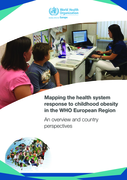
Childhood obesity is a major public health problem globally, which could undermine progress towards achieving the Sustainable Development Goals. Prevention is recognized as the most efficient means of curbing the epidemic; however, given the scale of the problem and the many children who need profes
...
sional support due to the severity of the disease and/or obesity-related complications, health systems all over Europe must take steps to develop obesity management systems. The aim of this project was to assess the response of health care delivery systems in 19 countries in the WHO European Region to the childhood obesity epidemic.
more
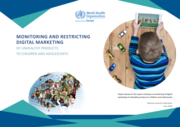
The WHO European Office for the Prevention and Control of Noncommunicable Diseases organized an expert meeting on monitoring of digital marketing of unhealthy products to children and adolescents in June 2018. Based on that meeting, this report aims to provide a tool to support Member States in moni
...
toring digital marketing of unhealthy products to children; the resulting tool – the so-called CLICK monitoring framework – is flexible and can be adapted to national context. The report also describes current digital marketing strategies, the challenges arising from current practices, and some policy options to tackle digital marketing to children and adolescents.
more
In fragile, conflict-affected and vulnerable settings, delivery of quality health services faces significant challenges, including disruption of a routine health service organization and delivery systems, increased health needs, complex and unpredictable resourcing issues, and vulnerability to multi
...
ple public health crises. Despite the difficulty of addressing quality in such settings, the necessity for action is acute, given the significant health needs of the populations in these environments and the increasing numbers of people for whom such settings are home.
This manual has been developed to provide a starting point for multi-actor efforts and actions to address quality of care in the most challenging settings. This includes practical approaches to action planning and implementation of a contextualised set of quality interventions.
more
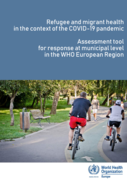
This assessment tool is to support municipalities and local authorities in identifying the risks and vulnerabilities that refugees and migrants face and to identify gaps where possible methods to minimize the impact of the pandemic exist so that they can be prioritized within local policy processes.
...
more
Strategic communication is used to raise awareness of issues among specific target populations. It aims to provide timely, evidence-based, authoritative information and guidance needed for public health action. Proper implementation of strategic communication leads t
...
o sustained behaviour change and is essential in overcoming barriers to access to services or generating demand for such services.
more
