
Filter
870
Text search:
drought
Featured
67
258
Language
Document type
433
240
51
47
47
22
14
12
3
1
Countries
62
45
41
30
22
19
17
17
17
16
14
13
13
11
11
11
11
10
9
9
9
9
8
8
8
7
7
7
7
7
6
6
6
5
5
5
4
4
4
4
4
4
4
4
4
4
4
4
4
4
3
3
3
3
2
2
2
2
2
2
2
2
2
2
2
2
2
1
1
1
1
1
1
1
1
1
1
1
1
1
1
1
1
1
1
1
1
1
1
1
1
1
1
1
Authors & Publishers
Publication Years
Category
325
81
27
25
23
10
2
2
Toolboxes
190
72
63
56
45
29
27
25
21
16
9
9
9
9
8
5
4
4
4
4
2
1
1
1
1
Global Trends: Forced Displacement in 2023
recommended
At the end of 2023, an estimated 117.3 million people worldwide were forcibly displaced due to persecution, conflict, violence, human rights violations and events seriously disturbing the public order. The latest Global Trends report, published in June 2024, provides key statistical trends on forc
...
Women, girls and marginalized groups who are largely dependent on natural resources for livelihoods are among the hardest hit by extreme weather patterns. These weather patterns limit their access to food, water, shelter, education and access to essential health services, including those that addres
...
The Country Cooperation Strategy is the World Health Organization (WHO)’s reference for country work guiding planning and resource allocation through alignment with national health priorities and harmonization with other development partners. It clarifies roles and functions of WHO in supporting t
...
Malawi is a small and beautiful country in south-central Africa. It is divided into three administrative regions: south, central and north. The regions are further subdivided into 28 districts. The Southern Region is the most densely populated, while the Northern Region is the least populated.
“We must not forget that no matter where we are or how old we are, we can all work for life and take action.” Francisco Vera, 15, UNICEF Child Advocate
The Young Climate Activists toolkit was created by advocates of all ages who, like you, are deeply concerned about our planet's future. Havin
...
Women and children, especially pregnant girls and women, infants and young children and postpartum women, are populations that are extremely vulnerable in emergencies. Breastfeeding provides children with hydration, comfort, connection, high quality nutrition and protection against disease, shieldin
...
The State of the Climate in Asia 2021 report highlighted how climate change impacts are wreaking an ever-increasing human, financial and environmental toll, worsening food insecurity and poverty and holding back sustainable development.
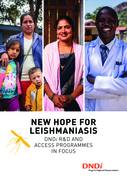
Leishmaniasis is a climate-sensitive disease. Changes in temperature, rainfall, and humidity can have strong impacts on
the sandfly vector, altering their distribution and influencing their survival and population sizes. Increased temperatures shorten vector development time, reduce Leishmania para
...
La leishmaniasis es una enfermedad tropical desatendida sensible
al clima, trasmitida por la picadura de insectos flebótomos y
se calcula que amenaza a mil millones de personas en todo el mundo.
Esta enfermedad altamente compleja se presenta de varias formas
clínicas, causadas por 20 especies
...
