
Filter
8990
Filtered Results: 8990
Text search:
educational
support
Featured
Recommendations
674
New Publications
2479
Language
Document type
No document type
5418
Studies & Reports
1482
Guidelines
834
Manuals
429
Strategic & Response Plan
302
Training Material
173
Fact sheets
150
Situation Updates
94
Resource Platforms
35
Infographics
32
Brochures
31
Online Courses
6
Dashboards/Maps
2
App
1
Videos
1
Countries / Regions
India
397
Global
330
Kenya
309
Ethiopia
215
South Africa
209
Nepal
195
Myanmar / Burma
190
Uganda
184
Sierra Leone
182
Nigeria
171
Liberia
166
Malawi
151
Bangladesh
150
Western and Central Europe
150
Zambia
145
Syria
136
Rwanda
132
Tanzania
130
Ghana
118
Africa
103
Ukraine
99
Latin America and the Carribbean
95
Congo, Democratic Republic of
88
Philippines
79
Namibia
79
Zimbabwe
72
Lesotho
71
Senegal
70
Cambodia
69
Indonesia
64
South Sudan
63
Haiti
62
Mozambique
57
South–East Asia Region
56
Burkina Faso
49
Asia
48
Eastern Europe
47
Guinea
44
Botswana
41
Yemen
41
Brazil
39
West and Central Africa
37
Lebanon
36
East and Southern Africa
36
Middle East and North Africa
36
Venezuela
35
Germany
34
Afghanistan
33
Cameroon
32
Pakistan
28
Eswatini/ Swaziland
28
Eastern Europe and Central Asia
28
Colombia
27
Central African Republic
26
Jordan
25
Russia
25
Sudan
24
Benin
22
Vietnam
22
Thailand
21
Mali
19
USA
17
China
17
Madagascar
17
Western Pacific Region
17
Iraq
16
Somalia
14
Laos
14
Moldova
14
Peru
13
Sri Lanka
13
Tajikistan
13
Turkey
12
Burundi
11
Albania
11
Georgia
10
Côte d’Ivoire / Ivory Coast
9
Paraguay
9
Palestine
9
Iran
9
Togo
8
Greece
8
Libya
8
Angola
8
Southern Africa
8
Niger
7
Egypt
7
Papua New Guinea
7
North Macedonia
7
Mexico
7
United Kingdom
7
Portugal
7
Ecuador
6
Chile
6
Poland
6
Kazakhstan
6
Malaysia
5
Romania
5
Kyrgyzstan
5
North America
5
Spain
5
Serbia
4
Hungary
4
Honduras
4
Bolivia
4
Guatemala
4
Bhutan
4
Canada
4
Timor Leste/ East Timor
4
Turkmenistan
4
Japan
4
Chad
3
Gambia
3
Singapore
3
Argentina
3
Croatia
3
Armenia
3
Jamaica
3
Bosnia and Herzegovina
3
Guinea-Bissau
2
Morocco
2
Saudi Arabia
2
Ireland
2
Dominican Republic
2
El Salvador
2
Other region
2
Fiji
2
Qatar
2
Bulgaria
2
Estonia
2
Lithuania
2
Slovakia
2
Uzbekistan
2
Gabon
2
Mauritius
2
Tunisia
2
Azerbaijan
2
Latvia
2
Vanuatu
1
Nicaragua
1
Italy
1
Djibouti
1
Mongolia
1
Australia
1
France
1
Maldives
1
South Korea
1
Belarus
1
Israel
1
Authors & Publishers
Publication Years
Category
Countries
3666
Public Health
493
Clinical Guidelines
487
Women & Child Health
479
Key Resources
386
Capacity Building
203
Pharmacy & Technologies
37
Annual Report MEDBOX
3
Toolboxes
Mental Health
806
COVID-19
635
HIV
616
Disability
529
TB
332
Conflict
301
Planetary Health
301
Caregiver
281
AMR
229
Ebola
214
Refugee
210
Rapid Response
184
NCDs
167
Global Health Education
150
NTDs
142
Natural Hazards
131
Pharmacy
101
Health Financing Toolbox
76
Social Ethics
65
Cholera
51
Specific Hazards
39
Zika
38
Polio
32
Typhoon
6
South Sudan
2
Health Financing
2
Interium guidance, 25 June 2021Timely and accurate diagnostic testing is an essential tool in preventing and controlling the spread of COVID-19. This document describes recommendations for national testing strategies and the use of PCR and rapid antigen tests in different transmission scenarios of t...
Productive and Inclusive Cities for an Emerging Democratic Republic of Congo
FAO’s component of the Global COVID-19 Humanitarian Response Plan
18.5.2020

Novel coronavirus will disproportionately impact world’s 70 million displaced people
Report recommends stopping asylum seeker deportations, prioritising hygiene and refugee camp decongestion, better communication
Displaced people must be included in prevention, mitigation efforts - for s...
April 2020
This Guidance Note offers a list of recommendations based on a combination of WHO guidelines, good practice and expert advice based on the latest scientific research. The situation with COVID-19 is evolving rapidly and the guidance will continue to be updated if and when new evidence o...
Updated guidance. The guidance provides useful information to staff working in prisons, as well as to health and prison authorities, explaining how to prevent and address a potential outbreak of COVID-19. In addition, it aims to protect the health and well-being of all those who live and work in, an...
Many countries are taking strict measures to prevent the spread of COVID-19 with lockdowns, curfews, and closure of public spaces and services. As a result of stress and uncertainty caused by these strict measures, women and girls are at even greater risk of violence at a time when their access to s...
Community-based health care, including outreach and campaigns,in the context of the COVID-19 pandemic
recommended
The COVID-19 pandemic is challenging health systems across the world. Rapidly increasing demand for care of people with COVID-19 is compounded by fear, misinformation and limitations on the movement of people and supplies that disrupt the delivery of frontline health care for all people...
This g...
Internally displaced persons (IDPs), refugees, migrants and returnees constitute a sizeable population in the WHO Eastern Mediterranean Region. There were 12 million refugees (half are Palestinians) and 13 million IDPs in the Region as of 2018. These populations are often vul...
This is the story of how an experiment in the north of Ghana changed the health of a nation. How health staff in remote and rural areas are working tirelessly to prevent the deaths of mothers and children. How a radical approach to health research, known as embedded research, has revolutionized how ...
In the current absence of vaccine for COVID-19, public health response target breaking the chain of infection by focusing on the mode of transmission. This paper summarizes current evidence-base around the transmission dynamics, pathogenic, and clinical features of COVID-19, to critically identify i...
Pandemics and outbreaks have differential impacts on women and men. From risk of exposure and biological susceptibility to infection to the social and economic implications, individuals’ experiences are likely to vary according to their biological and gender characteristics and...
Nested case-control study of health workers exposed to confirmed COVID-19 patients.
Similar objectives to the cohort study but case-control studies may be cheaper and provide robust evidence to characterize and assess the risk factors for SARS-CoV-2 infection in health workers exposed to COVID-19 p...
El informe se encamina a documentar si los gobiernos:
• tienen planes de acción, políticas y leyes nacionales en consonancia con aquellos cuya eficacia se ha comprobado en el contexto de INSPIRE;
• están contando los incidentes violentos mortales y no mortales con exactitud;
• han establ...
The main objective of this guidance is to provide scientific advice on public health principles and considerations for infection and prevention control of COVID-19 in migrant and refugee reception and detention centres in the European Union and European Economic Area (EU/EEA) and the United Kingdom ...
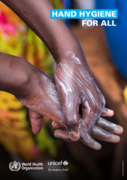
Three billion people – 40 per cent of the world’s population – do not have a place in their homes to wash their hands with water and soap. Three quarters of those who lack access to water and soap live in the world’s poorest countries and are amongst the most vulnerable: children and familie...
May 2020 International Journal of Infectious Diseases 96 DOI: 10.1016/j.ijid.2020.05.003
7 June 2020 Version 1
Women in Myanmar have traditionally been underrepresented in public decision-making processes, a trend which is continuing in structures established to respond to COVID-19. This means that even as women are disproportionately affected by the crisis, they have less say in how t...

There is no question that over the last thirty years environmentaldegradation and the ecological crisis have become in our day and age apredominant sign of the times. In response to this worrisome develop-ment official documents of the Roman Catholic Church, at various lev-els, have sought to addres...
Preferential option for the poor in the South African
context of poverty
Missionalia 43:3 (349–364)
