
Filter
1483
Text search:
Applied
Behaviour
Analysis
Featured
122
426
Language
Document type
932
226
165
80
38
20
12
5
4
1
Countries
55
42
40
38
36
31
29
29
28
27
24
21
21
18
18
17
17
15
15
15
14
13
13
11
10
10
10
9
8
8
8
8
6
6
6
6
5
5
5
5
5
4
4
4
4
4
4
4
3
3
3
3
3
3
2
2
2
2
2
2
2
2
2
2
2
2
2
2
1
1
1
1
1
1
1
1
1
1
1
1
1
1
1
1
1
1
1
1
1
1
1
1
1
1
1
1
1
1
1
1
1
1
1
1
Authors & Publishers
Publication Years
Category
440
117
102
90
90
30
6
1
Toolboxes
160
123
86
80
62
55
46
42
39
38
37
33
26
26
17
12
10
9
9
8
5
4
3
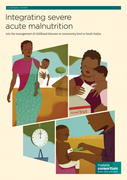
Since December 2010, Malaria Consortium has been implementing an innovative approach to community management of severe acute malnutrition, together with an existing integrated community case management (ICCM) programme in South Sudan. This learning paper considers Malaria Consortiums experience of t
...
The Baby-friendly Hospital Initiative (BFHI) is a global effort launched by WHO and UNICEF to implement practices that protect, promote and support breastfeeding. It was launched in 1991 in response to the Innocenti Declaration. The global BFHI materials have been revised, updated and expanded for i
...
This World Health Organization (WHO) and the International Labour Organization (ILO) joint guidelines production aims at harnessing the contribution of employers and workers towards the control of TB. It covers all the practical steps involved in establishing TB control activities, including (for la
...
'Ethical Issues in Obstetrics and Gynecology' represents the results of carefully researched and considered discussion. The guidelines are intended to provide material for consideration and debate about ethical aspects of our discipline for member organisations and their constituent membership.
This evaluation is the first systematic effort by UNICEF to generate evidence on how well its global as well as country level Community Management of Acute Malnutrition (CMAM) strategies have worked, including their acceptance and ownership in various contexts and appropriateness of investments in c
...
Joint WHO/ILO guidelines on post-exposure prophylaxis (PEP) to prevent HIV infection.
This assessment tool for HIV and internally displaced persons (IDPs) is an outcome of multisectoral, multi-agency assessment missions in Côte d’Ivoire, the Democratic
Republic of Congo, Nepal and the United Nations High Commissioner for Refugees (UNHCR) first global consultation on HIV and inter
...
The intended purpose of this compendium is to provide program managers, organizations, and policy makers with a menu of indicators to better “know their HIV epidemic/know their response” from a gender perspective. The indicators in the compendium are all either part of existing indicators used i
...
With this World Health Day, WHO is drawing attention to a group of diseases that are spread by insects and other vectors, the heavy health and economic burdens they impose, and what needs to be done to reduce these burdens. Many of these diseases have been historically confined to distinct geographi
...
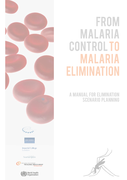
The elimination scenario planning (ESP) manual provides malaria-endemic countries with a comprehensive framework to assess different scenarios for moving towards this goal, depending on programme coverage and funding availability. It also helps countries set realistic timelines and provides essentia
...

The Compendium brings together for the first time key consensus-based policy recommendations and guidance to improve the delivery of proven interventions to women and children. The user-friendly format incorporates icons and tabs to present key health-related policies that support the delivery of es
...
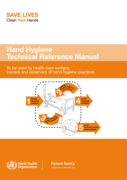
A manual to train health-care workers on practising, teaching and observing hand hygiene.
Available in: English, French, Chinese, Spanish, Russian, Arabic, Thai, Korean, Tajik, Vietnamese, Uzbek
http://www.who.int/disabilities/cbr/guidelines/en/
