
Filter
1935
Text search:
lung
health
Featured
203
345
Language
1683
113
111
79
51
35
30
25
15
13
9
9
8
8
7
7
6
6
6
5
4
3
3
3
3
3
3
2
2
2
2
2
2
2
2
2
2
2
2
1
1
1
1
1
1
1
1
1
1
1
1
1
1
Document type
1017
297
289
104
84
40
30
28
17
10
8
5
4
1
1
Countries
124
110
89
70
51
38
33
31
29
27
26
24
24
23
21
21
21
17
17
16
16
15
15
15
14
14
14
14
13
11
10
10
10
8
8
7
6
6
6
6
6
6
5
5
5
5
5
5
5
4
4
4
4
4
3
3
3
3
2
2
2
2
2
2
2
2
2
2
2
2
2
2
1
1
1
1
1
1
1
1
1
1
1
1
1
1
1
1
1
1
1
1
1
1
1
1
1
1
1
1
1
1
1
1
1
Authors & Publishers
257
133
99
50
48
46
38
31
31
30
29
28
25
20
18
16
15
14
13
12
12
12
12
12
12
11
10
10
9
8
8
8
8
8
7
7
6
6
6
6
6
6
6
5
5
5
5
5
5
5
5
5
5
5
5
5
5
5
5
5
4
4
4
4
4
4
4
4
4
4
4
4
4
4
4
4
4
4
4
4
4
4
4
4
4
4
4
4
3
3
3
3
3
3
3
3
3
3
3
3
3
3
3
3
3
3
3
3
3
3
3
3
3
3
3
3
3
3
3
3
3
3
3
3
3
3
3
3
3
3
3
3
3
3
3
2
2
2
2
2
2
2
2
2
2
2
2
2
2
2
2
2
2
2
2
2
2
2
2
2
2
2
2
2
2
2
2
2
2
2
2
2
2
2
2
2
2
2
2
2
2
2
2
2
2
2
2
2
2
2
2
2
2
2
2
2
2
2
2
2
2
2
2
2
2
2
2
2
2
2
2
2
2
2
2
2
2
2
2
2
2
2
2
2
2
2
2
2
2
2
2
2
2
2
2
2
2
2
2
2
2
2
2
2
2
2
2
2
2
2
2
2
2
2
2
2
2
2
2
2
2
2
2
2
2
2
2
2
1
1
1
1
1
1
1
1
1
1
1
1
1
1
1
1
1
1
1
1
1
1
1
1
1
1
1
1
1
1
1
1
1
1
1
1
1
1
1
1
1
1
1
1
1
1
1
1
1
1
1
1
1
1
1
1
1
1
1
1
1
1
1
1
1
1
1
1
1
1
1
1
1
1
1
1
1
1
1
1
1
1
1
1
1
1
1
1
1
1
1
1
1
1
1
1
1
1
1
1
1
1
1
1
1
1
1
1
1
1
1
1
1
1
1
1
1
1
1
1
1
1
1
1
1
1
1
1
1
1
1
1
1
1
1
1
1
1
1
1
1
1
1
1
1
1
1
1
1
1
1
1
1
1
1
1
1
1
1
1
1
1
1
1
1
1
1
1
1
1
1
1
1
1
1
1
1
1
1
1
1
1
1
1
1
1
1
1
1
1
1
1
1
1
1
1
1
1
1
1
1
1
1
1
1
1
1
1
1
1
1
1
1
1
1
1
1
1
1
1
1
1
1
1
1
1
1
1
1
1
1
1
1
1
1
1
1
1
1
1
1
1
1
1
1
1
1
1
1
1
1
1
1
1
1
1
1
1
1
1
1
1
1
1
1
1
1
1
1
1
1
1
1
1
1
1
1
1
1
1
1
1
1
1
1
1
1
1
1
1
1
1
1
1
1
1
1
1
1
1
1
1
1
1
1
1
1
1
1
1
1
1
1
1
1
1
1
1
1
1
1
1
1
1
1
1
1
1
1
1
1
1
1
1
1
1
1
1
1
1
1
1
1
1
1
1
1
1
1
1
1
1
1
1
1
1
1
1
1
1
1
1
1
1
1
1
1
1
1
1
1
1
1
1
1
1
1
1
1
1
1
1
1
1
1
1
1
1
1
1
1
1
1
1
1
1
1
1
1
1
1
1
1
1
1
1
1
1
1
1
1
1
1
1
1
1
1
1
1
1
1
1
1
1
1
1
1
1
1
1
1
1
1
1
1
1
1
1
1
1
1
1
1
1
1
1
1
1
1
1
1
1
1
1
1
1
1
1
1
1
1
1
1
1
1
1
1
1
1
1
1
1
1
1
1
1
1
1
1
1
1
1
1
1
1
1
1
1
1
1
1
1
1
1
1
1
1
1
1
1
1
1
1
1
1
1
1
1
1
1
1
1
1
1
1
1
1
1
1
1
1
1
1
1
1
1
1
1
1
1
1
1
1
1
1
1
1
1
1
1
1
1
1
1
1
1
1
1
1
1
1
1
1
1
1
1
1
1
1
1
1
1
1
1
1
1
1
1
1
1
1
1
1
1
1
1
1
1
1
1
1
1
1
1
1
1
1
1
1
1
1
1
1
1
1
1
1
1
1
1
1
1
1
1
1
1
1
1
1
1
1
1
1
1
1
1
1
1
1
1
1
1
1
1
1
1
1
1
1
1
1
1
1
1
1
1
1
1
1
1
1
1
1
1
1
1
1
1
1
1
1
1
1
1
1
1
1
1
1
1
1
1
1
1
1
1
1
1
1
1
1
1
1
1
1
1
1
1
1
1
1
1
1
1
1
1
1
1
1
1
1
1
1
1
1
1
1
1
1
1
1
1
1
1
1
1
1
1
1
1
1
1
1
1
1
1
1
1
1
1
1
1
1
1
1
1
1
1
1
1
1
1
1
1
1
1
1
1
1
1
1
1
1
1
1
1
1
1
1
1
1
1
1
1
1
1
1
1
1
1
1
1
1
1
1
1
1
1
1
1
1
1
1
1
1
1
1
1
1
1
1
1
1
1
1
1
1
1
1
1
1
1
1
1
1
1
1
1
1
1
1
1
1
1
1
1
1
1
1
1
1
1
1
1
1
1
1
1
1
1
1
1
1
1
1
1
1
1
1
1
1
1
1
1
1
1
1
1
1
1
1
1
1
1
1
1
1
1
1
1
1
1
1
1
1
1
1
1
1
1
1
1
1
1
1
1
1
1
1
1
1
1
1
1
1
1
1
1
1
1
1
1
1
1
1
1
1
1
1
1
1
1
1
1
1
1
1
1
1
1
1
1
1
1
1
1
1
1
1
1
1
1
1
1
1
1
1
1
1
1
1
1
1
1
1
1
1
1
1
1
1
1
1
1
1
1
1
1
1
1
1
1
1
1
1
1
1
1
1
1
1
1
1
1
1
1
1
1
1
1
1
1
1
1
1
1
1
1
1
1
1
1
1
1
1
1
1
1
1
1
1
1
1
1
1
1
1
1
1
1
1
1
1
1
1
1
1
1
1
1
1
1
1
1
1
1
1
1
1
1
1
1
1
1
1
1
1
1
1
1
1
1
1
1
1
1
1
1
1
1
1
1
1
1
1
1
1
1
1
1
1
1
1
1
1
1
1
1
1
1
1
1
1
1
1
1
1
1
1
1
1
1
1
1
1
1
1
1
1
1
1
1
1
1
1
1
1
1
1
1
1
1
1
1
1
1
1
1
1
1
1
1
1
1
1
1
1
1
1
1
1
1
1
1
1
1
1
1
1
1
1
1
1
1
1
1
1
1
1
1
1
1
1
1
1
1
1
1
1
1
1
1
1
1
1
1
1
1
1
1
1
1
1
1
1
1
1
1
1
1
1
1
1
1
1
1
1
1
1
1
1
1
1
1
1
1
1
1
1
1
1
1
1
1
1
1
1
1
1
1
1
1
1
1
1
1
1
1
1
1
1
1
1
1
1
1
1
1
1
1
1
1
1
1
1
1
1
1
1
1
1
1
1
1
1
1
1
1
1
1
1
1
1
1
1
1
1
1
1
1
1
1
1
1
1
1
1
1
1
1
1
1
1
1
1
1
1
1
1
1
1
1
1
1
1
1
1
1
1
1
1
1
1
1
1
1
1
1
1
1
1
1
1
1
1
1
1
1
1
1
1
1
1
1
1
1
1
1
1
1
1
1
1
1
1
1
1
1
1
1
1
1
1
1
1
1
1
1
1
1
1
1
1
1
1
1
1
1
1
1
1
1
1
1
1
1
1
1
1
1
1
1
1
1
1
1
1
1
1
1
1
1
1
1
1
1
1
1
1
1
1
1
1
1
1
1
1
1
1
1
1
1
1
1
1
1
1
1
1
1
1
1
1
1
1
1
1
1
1
1
1
1
1
1
1
1
1
1
1
1
1
1
1
1
1
1
1
1
1
1
1
1
1
1
1
1
1
1
1
1
1
1
1
1
1
1
1
1
1
1
1
1
1
1
1
1
1
1
1
1
1
1
1
1
1
1
1
1
1
1
1
1
1
1
1
1
1
1
1
1
1
1
1
1
1
1
1
1
1
1
1
1
1
1
1
1
1
1
1
1
1
1
1
1
1
1
1
1
1
1
1
1
1
1
1
1
1
1
1
1
1
1
1
1
1
1
1
1
1
1
1
1
1
1
1
1
1
1
1
1
1
1
1
1
1
1
1
1
1
1
1
1
1
1
1
1
1
1
1
1
1
1
1
1
1
1
1
1
1
1
1
1
1
1
1
1
1
1
1
1
1
1
1
1
1
1
1
1
1
1
1
1
1
1
1
1
1
1
1
1
1
1
1
1
1
1
1
1
1
1
1
1
1
1
1
1
1
1
1
1
1
1
1
1
1
1
1
1
1
1
1
1
Publication Years
627
1091
203
13
1
Category
646
214
187
84
28
25
25
Toolboxes
494
273
170
92
71
62
48
33
32
29
27
26
22
20
18
18
15
11
9
7
5
4
3
The seventh WHO Report on the global tobacco epidemic analyses national efforts to implement the most effective measures from the WHO Framework Convention on Tobacco Control (WHO FCTC) that are proven to reduce demand for tobacco.
The report showed that while only 23 countries have implemented ce
...
ssation support policies at the highest level, 116 more provide fully or partially cost-covered services in some or most health facilities, and another 32 offer services but do not cost-cover them, demonstrating a high level of public demand for support to quit.
Tobacco use has also declined proportionately in most countries, but population growth means the total number of people using tobacco has remained stubbornly high. Currently, there are an estimated 1.1 billion smokers, around 80% of whom live in low- and middle-income countries (LMICs).
more
Manual for use in primary care.
This manual explains the theoretical basis and evidence for the effectiveness of brief interventions and assists primary health care workers in conducting a simple brief intervention for clients whose substance use i
...
s putting them at risk.
more
The aims of these guidelines are to provide guidance to health-care providers (i.e. the end-users of these guidelines: physicians, nurses, pharmacists and caregivers) on the adequate relief of pain associated with cancer. They also assist policy-mak
...
ers, programme managers and public health personnel to create and facilitate appropriately balanced policies on opioids and prescribing regulations for effective and safe cancer pain management. Proper and effective stewardship of opioid analgesics in the cancer treatment setting is essential to ensure the safety of patients and to reduce the risk of diversion of medicine into society.
The goal of cancer pain management is to relieve pain to a level that allows for an acceptable quality of life.
more
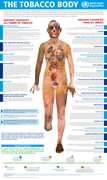
This Poster is available in English, French, Spanish, Russian, Chinese, Portuguese, Hausa and Arabic
Accelerating the Reversal and Ending AIDS
World Health Organization (Regional Office for South-East-Asia); UNAIDS
World Health Organization (Regional Office for South-East-Asia); UNAIDS
(2017)
C_WHO
Regional Action Plan for HIV in South-East Asia (2017-2021)
Interim WHO clinical staging of HIV/AIDS and HIV/AIDS case definitions for surverillance
World Health Organization
(2005)
C_WHO
Treat 3 Million by 2005
WHO/HIV/2005.02
African Region
This publication’s primary purpose is to provide a compilation of actions to address malnutrition in all its forms, in a concise and user-friendly format to help in decision-making processes for integration of nutrition interventions in national health
...
policies, strategies, and plans based on country-specific needs and global priorities.
more
Настоящие руководящие принципы предназначены для специалистов, имеющих дело с теми потребителями наркотиков, которые применяют наиболее проблемные модели потреÐ
...
±ления и подвергаются самому высокому риску ВИЧ-инфекции и туберкулеза, особенно это касается лиц, употребляющих инъекционные наркотики.
more
HIV/AIDS treatment and care in Georgia
D. Raben; S. F. Jakobsen; J. Klinte; J.Lundgren
World Health Organization (Europe); Centre for Health & Infectious Disease Research
(2014)
C_WHO
Evaluation report
September 2014
Глобальными приоритетами для лечения туберкулеза (ТБ) и борьбы с ним являются улучшенное и ранее выявление случаев туберкулеза, в том числе случаев заболевания с о
...
трицательным мазком мокроты, которые часто ассоциируются с вирусом иммунодефицита человека (ВИЧ) и ранним возрастом, а также расширенные возможности для диагностики туберкулеза с множественной лекарственной устойчивостью (МЛУ-ТБ)
more
Guidelines for the Management of Tuberculosis in children
Department: Health Republic of South Africa
(2013)
C2
Health
Global Tuberculosis Report 2021
recommended
Each year, the WHO Global TB Report provides a comprehensive and up-to-date assessment of the TB epidemic, and of progress in prevention, diagnosis and treatment of the disease, at global, regional and country levels. This is done in the context of global TB commitments, strategies and targets.
The
...
2021 edition of the report has been produced in a new and more web-centric format. This is designed to make the content available in smaller (more “bite-sized”) chunks that are easier to read, digest, navigate and use. There is a short and slim report PDF with 30 pages of main content plus six short annexes. This is accompanied by expanded and more detailed digital content on web pages. The total amount of content remains similar to that of previous years.
Available in English, French, Arabic and Chinese
more
The report discusses the epidemiological and social aspects of ageing, health and functional changes experienced with ageing, the impact of physical activity, assessment of the nutritional status of older persons, and nutritional guidelines for heal
...
thy ageing.
more
Clinical Guidance across the continuum of care
Chapter 8_ARV Guidelines
Over 2 million children worldwide are living with HIV infection and 95% reside in sub-Saharan Africa with the majority infected through mother-to-child transmission. Infected children have a high mortality with 50% dying by 2 years of age. Their clinical presentation includes common childhood infect
...
ions, opportunistic infections and conditions associated with HIV/AIDS immune suppression.
more
Follow-up and tracing of tuberculosis patients who fail to attend their scheduled appointments in Cotonou, Benin: a retrospective cohort study
Serge Ade1, Arnaud Trébucq, Anthony D. Harries, Gabriel Ade, Gildas Agodokpessi, Prudence Wachinou, Dissou Affolabi, Sévérin Anagonou
BMC Health Services Research
(2016)
C2
Ade et al. BMC Health Services Research (2016) 16:5
Background: In the “Centre National Hospitalier de Pneumo-Phtisiologie” of Cotonou, Benin, little is known about
the characteristics of patients who have not attended their scheduled appo
...
intment, the results of tracing and the
possible benefits on improving treatment outcomes. This study aimed to determine the contribution of tracing
activities for those who missed scheduled appointments towards a successful treatment outcome.
Methods: A retrospective cohort study was carried out among all smear-positive pulmonary tuberculosis patients
treated between January and September 2013. Data on demographic and diagnostic characteristics and treatment
outcomes were accessed from tuberculosis registers and treatment cards. Information on those who missed their
scheduled appointments was collected from the tracing tuberculosis register. A univariate analysis was performed
to explore factors associated with missing a scheduled appointment
more
Ramped-up cancer services could save 7 million lives over the next decade—and addressing huge service gaps between rich and poor countries is key to success, according to this report.
In 2019, over 90% of high-income countries reported that comprehensive cancer treatment services were available
...
through the public health system, compared to fewer than 15% of low-income countries, according to WHO.
But poorer countries can make substantial strides with a universal health coverage approach and use of the latest science to meet their particular needs.
The report lays out proven ways to prevent new cancer cases without breaking the bank, including tobacco-control measures and vaccines that protect against common cancers.
more
Accessed Febr. 6, 2020
