
Filter
6230
Text search:
providers
Featured
556
1750
Language
6007
133
117
78
63
33
26
23
10
8
7
7
6
6
5
5
5
5
4
4
4
4
3
3
3
3
3
2
2
2
2
2
2
2
2
2
2
2
1
1
1
1
1
1
1
1
1
1
1
1
1
1
Document type
3762
861
777
301
195
110
103
58
25
14
13
9
1
1
Countries
257
215
215
141
137
133
132
127
113
113
109
107
106
105
104
104
99
85
80
73
72
66
65
53
50
47
45
43
43
40
36
34
32
32
32
31
28
28
25
24
23
23
22
22
21
20
20
20
19
17
16
16
16
16
14
12
11
11
10
10
10
10
9
9
8
8
8
8
8
7
6
6
6
6
6
6
6
6
5
5
5
4
4
4
4
4
4
4
4
4
4
4
3
3
3
3
3
3
3
3
3
3
3
2
2
2
2
2
2
2
2
2
2
2
2
2
2
2
2
2
2
1
1
1
1
1
1
1
1
1
1
1
1
1
1
1
1
1
1
1
1
Authors & Publishers
725
323
294
205
136
135
135
133
123
53
45
43
40
38
38
33
30
30
29
28
27
27
27
26
25
24
24
22
22
21
21
20
20
20
20
20
20
19
19
19
18
18
18
17
17
17
16
16
16
16
16
14
14
14
14
14
14
13
13
13
12
12
12
12
12
12
11
11
11
11
11
11
11
11
10
10
10
10
10
10
10
10
10
10
10
9
9
9
9
9
9
9
9
9
9
9
9
8
8
8
8
8
8
8
8
8
8
8
8
8
7
7
7
7
7
7
7
7
7
7
7
7
7
7
7
7
7
7
7
7
7
6
6
6
6
6
6
6
6
6
6
6
6
6
6
6
6
6
6
6
6
6
6
6
6
6
6
6
6
6
6
5
5
5
5
5
5
5
5
5
5
5
5
5
5
5
5
5
5
5
5
5
5
5
5
5
5
5
5
5
5
5
5
5
5
5
5
5
5
5
5
5
5
5
4
4
4
4
4
4
4
4
4
4
4
4
4
4
4
4
4
4
4
4
4
4
4
4
4
4
4
4
4
4
4
4
4
4
4
4
4
4
4
4
4
4
4
4
4
4
4
4
4
4
4
4
4
4
4
4
4
4
4
4
4
4
4
4
4
4
4
4
4
4
4
4
4
4
4
3
3
3
3
3
3
3
3
3
3
3
3
3
3
3
3
3
3
3
3
3
3
3
3
3
3
3
3
3
3
3
3
3
3
3
3
3
3
3
3
3
3
3
3
3
3
3
3
3
3
3
3
3
3
3
3
3
3
3
3
3
3
3
3
3
3
3
3
3
3
3
3
3
3
3
3
3
3
3
3
3
3
3
3
3
3
3
3
3
3
3
3
3
3
3
3
3
3
3
3
3
3
3
3
3
3
3
3
3
3
3
3
3
3
3
3
3
3
3
3
3
3
3
3
3
3
3
2
2
2
2
2
2
2
2
2
2
2
2
2
2
2
2
2
2
2
2
2
2
2
2
2
2
2
2
2
2
2
2
2
2
2
2
2
2
2
2
2
2
2
2
2
2
2
2
2
2
2
2
2
2
2
2
2
2
2
2
2
2
2
2
2
2
2
2
2
2
2
2
2
2
2
2
2
2
2
2
2
2
2
2
2
2
2
2
2
2
2
2
2
2
2
2
2
2
2
2
2
2
2
2
2
2
2
2
2
2
2
2
2
2
2
2
2
2
2
2
2
2
2
2
2
2
2
2
2
2
2
2
2
2
2
2
2
2
2
2
2
2
2
2
2
2
2
2
2
2
2
2
2
2
2
2
2
2
2
2
2
2
2
2
2
2
2
2
2
2
2
2
2
2
2
2
2
2
2
2
2
2
2
2
2
2
2
2
2
2
2
2
2
2
2
2
2
2
2
2
2
2
2
2
2
2
2
2
2
2
2
2
2
2
2
2
2
2
2
2
2
2
2
2
2
2
2
2
2
2
2
2
2
2
2
2
2
2
2
2
2
2
2
2
2
2
2
2
2
2
2
2
2
2
2
2
2
2
2
2
2
2
2
2
2
2
2
2
2
2
2
2
2
2
2
2
2
2
2
2
2
2
2
2
2
2
2
2
2
2
2
2
2
2
2
2
2
2
2
2
2
2
2
2
2
2
2
2
2
2
2
2
2
2
2
2
2
2
2
2
2
2
2
2
2
2
2
2
2
2
2
2
2
2
2
2
2
2
2
2
2
2
2
2
2
2
2
2
2
2
2
2
2
2
2
2
2
2
2
2
2
2
2
2
2
2
1
1
1
1
1
1
1
1
1
1
1
1
1
1
1
1
1
1
1
1
1
1
1
1
1
1
1
1
1
1
1
1
1
1
1
1
1
1
1
1
1
1
1
1
1
1
1
1
1
1
1
1
1
1
1
1
1
1
1
1
1
1
1
1
1
1
1
1
1
1
1
1
1
1
1
1
1
1
1
1
1
1
1
1
1
1
1
1
1
1
1
1
1
1
1
1
1
1
1
1
1
1
1
1
1
1
1
1
1
1
1
1
1
1
1
1
1
1
1
1
1
1
1
1
1
1
1
1
1
1
1
1
1
1
1
1
1
1
1
1
1
1
1
1
1
1
1
1
1
1
1
1
1
1
1
1
1
1
1
1
1
1
1
1
1
1
1
1
1
1
1
1
1
1
1
1
1
1
1
1
1
1
1
1
1
1
1
1
1
1
1
1
1
1
1
1
1
1
1
1
1
1
1
1
1
1
1
1
1
1
1
1
1
1
1
1
1
1
1
1
1
1
1
1
1
1
1
1
1
1
1
1
1
1
1
1
1
1
1
1
1
1
1
1
1
1
1
1
1
1
1
1
1
1
1
1
1
1
1
1
1
1
1
1
1
1
1
1
1
1
1
1
1
1
1
1
1
1
1
1
1
1
1
1
1
1
1
1
1
1
1
1
1
1
1
1
1
1
1
1
1
1
1
1
1
1
1
1
1
1
1
1
1
1
1
1
1
1
1
1
1
1
1
1
1
1
1
1
1
1
1
1
1
1
1
1
1
1
1
1
1
1
1
1
1
1
1
1
1
1
1
1
1
1
1
1
1
1
1
1
1
1
1
1
1
1
1
1
1
1
1
1
1
1
1
1
1
1
1
1
1
1
1
1
1
1
1
1
1
1
1
1
1
1
1
1
1
1
1
1
1
1
1
1
1
1
1
1
1
1
1
1
1
1
1
1
1
1
1
1
1
1
1
1
1
1
1
1
1
1
1
1
1
1
1
1
1
1
1
1
1
1
1
1
1
1
1
1
1
1
1
1
1
1
1
1
1
1
1
1
1
1
1
1
1
1
1
1
1
1
1
1
1
1
1
1
1
1
1
1
1
1
1
1
1
1
1
1
1
1
1
1
1
1
1
1
1
1
1
1
1
1
1
1
1
1
1
1
1
1
1
1
1
1
1
1
1
1
1
1
1
1
1
1
1
1
1
1
1
1
1
1
1
1
1
1
1
1
1
1
1
1
1
1
1
1
1
1
1
1
1
1
1
1
1
1
1
1
1
1
1
1
1
1
1
1
1
1
1
1
1
1
1
1
1
1
1
1
1
1
1
1
1
1
1
1
1
1
1
1
1
1
1
1
1
1
1
1
1
1
1
1
1
1
1
1
1
1
1
1
1
1
1
1
1
1
1
1
1
1
1
1
1
1
1
1
1
1
1
1
1
1
1
1
1
1
1
1
1
1
1
1
1
1
1
1
1
1
1
1
1
1
1
1
1
1
1
1
1
1
1
1
1
1
1
1
1
1
1
1
1
1
1
1
1
1
1
1
1
1
1
1
1
1
1
1
1
1
1
1
1
1
1
1
1
1
1
1
1
1
1
1
1
1
1
1
1
1
1
1
1
1
1
1
1
1
1
1
1
1
1
1
1
1
1
1
1
1
1
1
1
1
1
1
1
1
1
1
1
1
1
1
1
1
1
1
1
1
1
1
1
1
1
1
1
1
1
1
1
1
1
1
1
1
1
1
1
1
1
1
1
1
1
1
1
1
1
1
1
1
1
1
1
1
1
1
1
1
1
1
1
1
1
1
1
1
1
1
1
1
1
1
1
1
1
1
1
1
1
1
1
1
1
1
1
1
1
1
1
1
1
1
1
1
1
1
1
1
1
1
1
1
1
1
1
1
1
1
1
1
1
1
1
1
1
1
1
1
1
1
1
1
1
1
1
1
1
1
1
1
1
1
1
1
1
1
1
1
1
1
1
1
1
1
1
1
1
1
1
1
1
1
1
1
1
1
1
1
1
1
1
1
1
1
1
1
1
1
1
1
1
1
1
1
1
1
1
1
1
1
1
1
1
1
1
1
1
1
1
1
1
1
1
1
1
1
1
1
1
1
1
1
1
1
1
1
1
1
1
1
1
1
1
1
1
1
1
1
1
1
1
1
1
1
1
1
1
1
1
1
1
1
1
1
1
1
1
1
1
1
1
1
1
1
1
1
1
1
1
1
1
1
1
1
1
1
1
1
1
1
1
1
1
1
1
1
1
1
1
1
1
1
1
1
1
1
1
1
1
1
1
1
1
1
1
1
1
1
1
1
1
1
1
1
1
1
1
1
1
1
1
1
1
1
1
1
1
1
1
1
1
1
1
1
1
1
1
1
1
1
1
1
1
1
1
1
1
1
1
1
1
1
1
1
1
1
1
1
1
1
1
1
1
1
1
1
1
1
1
1
1
1
1
1
1
1
1
1
1
1
1
1
1
1
1
1
1
1
1
1
1
1
1
1
1
1
1
1
1
1
1
1
1
1
1
1
1
1
1
1
1
1
1
1
1
1
1
1
1
1
1
1
1
1
1
1
1
1
1
1
1
1
1
1
1
1
1
1
1
1
1
1
1
1
1
1
1
1
1
1
1
1
1
1
1
1
1
1
1
1
1
1
1
1
1
1
1
1
1
1
1
1
1
1
1
1
1
1
1
1
1
1
1
1
1
1
1
1
1
1
1
1
1
1
1
1
1
1
1
1
1
1
1
1
1
1
1
1
1
1
1
1
1
1
1
1
1
1
1
1
1
1
1
1
1
1
1
1
1
1
1
1
1
1
1
1
1
1
1
1
1
1
1
1
1
1
1
1
1
1
1
1
1
1
1
1
1
1
1
1
1
1
1
1
1
1
1
1
1
1
1
1
1
1
1
1
1
1
1
1
1
1
1
1
1
1
1
1
1
1
1
1
1
1
1
1
1
1
1
1
1
1
1
1
1
1
1
1
1
1
1
1
1
1
1
1
1
1
1
1
1
1
1
1
1
1
1
1
1
1
1
1
1
1
1
1
1
1
1
1
1
1
1
1
1
1
1
1
1
1
1
1
1
1
1
1
1
1
1
1
1
1
1
1
1
1
1
1
1
1
1
1
1
1
1
1
1
1
1
1
1
1
1
1
1
1
1
1
1
1
1
1
1
1
1
1
1
1
1
1
1
1
1
1
1
1
1
1
1
1
1
1
1
1
1
1
1
1
1
1
1
1
1
1
1
1
1
1
1
1
1
1
1
1
1
1
1
1
1
1
1
1
1
1
1
1
1
1
1
1
1
1
1
1
1
1
1
1
1
1
1
1
1
1
1
1
1
1
1
1
1
1
1
1
1
1
1
1
1
1
1
1
1
1
1
1
1
1
1
1
1
1
1
1
1
1
1
1
1
1
1
1
1
1
1
1
1
1
1
1
1
1
1
1
1
1
1
1
1
1
1
1
1
1
1
1
1
1
1
1
1
1
1
1
1
1
1
1
1
1
1
1
1
1
1
1
1
1
1
1
1
1
1
1
1
1
1
1
1
1
1
1
1
1
1
1
1
1
1
1
1
1
1
1
1
1
1
1
1
1
1
1
1
1
1
1
1
1
1
1
1
1
1
1
1
1
1
1
1
1
1
1
1
1
1
1
1
1
1
1
1
1
1
1
1
1
1
1
1
1
1
1
1
1
1
1
1
1
1
1
1
1
1
1
1
1
1
1
1
1
1
1
1
1
1
1
1
1
1
1
1
1
1
1
1
1
1
1
1
1
1
1
1
1
1
1
1
1
1
1
1
1
1
1
1
1
1
1
1
1
1
1
1
1
1
1
1
1
1
1
1
1
1
1
1
1
1
1
1
1
1
1
1
1
1
1
1
1
1
1
1
1
1
1
1
1
1
1
1
1
1
1
1
1
1
1
1
1
1
1
1
1
1
1
1
1
1
1
1
1
1
1
1
1
1
1
1
1
1
1
1
1
1
1
1
1
1
1
1
1
1
1
1
1
1
1
1
1
1
1
1
1
1
1
1
1
1
1
1
1
1
1
1
1
1
1
1
1
1
1
1
1
1
1
1
1
1
1
1
1
1
1
1
1
1
1
1
1
1
1
1
1
1
1
1
1
1
1
1
1
1
1
1
1
1
1
1
1
1
1
1
1
1
1
1
1
1
1
1
1
1
1
1
1
1
1
1
1
1
1
1
1
1
1
1
1
1
1
1
1
1
1
1
1
1
1
1
1
1
1
1
1
1
1
1
1
1
1
1
1
1
1
1
1
1
1
1
1
1
1
1
1
1
1
1
1
1
1
1
1
1
1
1
1
1
1
1
1
1
1
1
1
1
1
1
1
1
1
1
1
1
1
1
1
1
1
1
1
1
1
1
1
1
1
1
1
1
1
1
1
1
1
1
1
1
1
1
1
1
1
1
1
1
1
1
1
1
1
1
1
1
1
1
1
1
1
1
1
1
1
1
1
1
1
1
1
1
1
1
1
1
1
1
1
1
1
1
1
1
1
1
1
1
1
1
1
1
1
1
1
1
1
1
1
1
1
1
1
1
1
1
1
1
1
1
1
1
1
1
1
1
1
1
1
1
1
1
1
1
1
1
1
1
1
1
1
1
1
1
1
1
1
1
1
1
1
1
1
1
1
1
1
1
1
1
1
1
1
1
1
1
1
1
1
1
1
1
1
1
1
1
1
1
1
1
1
1
1
1
1
1
1
1
1
1
1
1
1
1
1
1
1
1
1
1
1
1
1
1
1
1
1
1
1
1
1
1
1
1
1
1
1
1
1
1
1
1
1
1
1
1
1
1
1
1
1
1
1
1
1
1
1
1
1
1
1
1
1
1
1
1
1
1
1
1
1
1
1
1
1
1
1
1
1
1
1
1
1
1
1
1
1
1
1
1
1
1
1
1
1
1
1
1
1
1
1
1
1
1
1
1
1
1
1
1
1
1
1
1
1
1
1
1
1
1
1
1
1
1
1
1
1
1
1
1
1
1
1
1
1
1
1
1
1
1
1
1
1
1
1
1
1
1
1
1
1
1
1
1
1
1
1
1
1
1
1
1
1
1
1
1
1
1
1
1
1
1
1
1
1
1
1
1
1
1
1
1
1
1
1
1
1
1
1
1
1
1
1
1
1
1
1
1
1
1
1
1
1
1
1
1
1
1
1
1
1
1
1
1
1
1
1
1
1
1
1
1
1
1
1
1
1
1
1
1
1
1
1
1
1
1
1
1
1
1
1
1
1
1
1
1
1
1
1
1
1
1
1
1
1
1
1
1
1
1
1
1
1
1
1
1
1
1
1
1
1
1
1
1
1
1
1
1
1
1
1
1
1
1
1
1
1
1
1
1
1
1
1
1
1
1
1
1
1
1
1
1
1
1
1
1
1
1
1
1
1
1
1
1
1
1
1
1
1
1
1
1
1
1
1
1
1
1
1
1
1
1
1
1
1
1
1
1
1
1
1
1
1
1
1
1
1
1
1
1
1
1
1
1
1
1
1
1
1
1
1
1
1
1
1
1
1
1
1
1
1
1
1
1
1
1
1
1
1
1
1
1
1
1
1
1
1
1
1
1
1
1
1
1
1
1
1
1
1
1
1
1
1
1
1
1
1
1
1
1
1
1
1
1
1
1
1
1
1
1
1
1
1
1
1
1
1
1
1
1
1
1
1
1
1
1
1
1
1
1
1
1
1
1
1
1
1
1
1
1
1
1
1
1
1
1
1
1
1
1
1
1
1
1
1
1
1
1
1
1
1
1
1
1
1
1
1
1
1
1
1
1
1
1
1
1
1
1
1
1
1
1
1
1
1
1
1
1
1
1
1
1
1
1
1
1
1
1
1
1
1
1
1
1
1
1
1
1
1
1
1
1
1
1
1
1
1
1
1
1
1
1
1
1
1
1
1
1
1
1
1
1
1
1
1
1
1
1
1
1
1
1
1
1
1
1
1
1
1
1
1
1
1
1
1
1
1
1
1
1
1
1
1
1
1
1
1
1
1
1
1
1
1
1
1
1
1
1
1
1
1
1
1
1
1
1
1
1
1
1
1
1
1
1
1
1
1
1
1
1
1
1
1
1
1
1
1
1
1
1
1
1
1
1
1
1
1
1
1
1
1
1
1
1
1
1
1
1
1
1
1
1
1
1
1
1
1
1
1
1
1
1
1
1
1
1
1
1
1
1
1
1
1
1
1
1
1
1
1
1
1
1
1
1
1
1
1
1
1
1
1
1
1
1
1
1
1
1
1
1
1
1
1
1
1
1
1
1
1
1
1
1
1
1
1
1
1
1
1
1
1
1
1
1
1
1
1
1
1
1
1
1
1
1
1
1
1
1
1
1
1
1
1
1
1
1
1
1
1
1
1
1
1
1
1
1
1
1
1
1
1
1
1
1
1
1
1
1
1
1
1
1
1
1
1
1
1
1
1
1
1
1
1
1
1
1
1
1
1
1
1
1
1
1
1
1
1
1
1
1
1
1
1
1
1
1
1
1
1
1
1
1
1
1
1
1
1
1
1
1
1
1
1
1
1
1
1
1
1
1
1
1
1
1
1
1
1
1
1
1
1
1
1
1
1
1
1
1
1
1
1
1
1
1
1
1
1
1
1
1
1
1
1
1
1
1
1
1
1
1
1
1
1
1
1
1
1
1
1
1
1
1
1
1
1
1
1
1
1
1
1
1
1
1
1
1
1
1
1
1
1
1
1
1
1
1
1
1
1
1
1
1
1
1
1
1
1
1
1
1
1
1
1
1
1
1
1
1
1
1
1
1
1
1
1
1
1
1
1
1
1
1
1
1
1
1
1
1
1
1
1
1
1
1
1
1
1
1
1
1
1
1
1
1
1
1
1
1
1
1
1
1
1
1
1
1
1
1
1
1
1
1
1
1
1
1
1
1
1
1
1
1
1
1
1
1
1
1
1
1
1
1
1
1
1
1
1
1
1
1
1
1
1
1
1
1
1
1
1
1
1
1
1
1
1
1
1
1
1
1
1
1
1
1
1
1
1
1
1
1
1
1
1
1
1
1
1
1
1
1
1
1
1
1
1
1
1
1
1
1
1
1
1
1
1
1
1
1
1
1
1
1
1
1
1
1
1
1
1
1
1
1
1
1
1
1
1
1
1
1
1
1
1
1
1
1
1
1
1
1
1
1
1
1
1
1
1
1
1
1
1
1
1
1
1
1
1
1
1
1
1
1
1
1
1
1
1
1
1
1
1
1
1
1
1
1
1
1
1
1
1
1
1
1
1
1
1
1
1
1
1
1
1
1
1
1
1
1
1
1
1
1
1
1
1
1
1
1
1
1
1
1
1
1
1
1
1
1
1
1
1
1
1
1
1
1
1
1
1
1
1
1
1
1
1
1
1
1
1
1
1
1
1
1
1
1
1
1
1
1
1
1
1
1
1
1
1
1
1
1
1
1
1
1
1
1
1
1
1
1
1
1
1
1
1
1
1
1
1
1
1
1
1
1
1
1
1
1
1
1
1
1
1
1
1
1
1
1
1
1
1
1
1
1
1
1
1
1
1
1
1
1
1
1
1
1
1
1
1
1
1
1
1
1
1
1
1
1
1
1
1
1
1
1
1
1
1
1
1
1
1
1
1
1
1
1
1
1
1
1
1
1
1
1
1
1
1
1
1
1
1
1
1
1
1
1
1
1
1
1
1
1
1
1
1
1
1
1
1
1
1
1
1
1
1
1
1
1
1
1
1
1
1
1
1
1
1
1
1
1
1
1
1
1
1
1
1
1
1
1
1
1
1
1
1
1
1
1
1
1
1
1
1
1
1
1
1
1
1
1
1
1
1
1
1
1
1
1
1
1
1
1
1
1
1
1
1
1
1
1
1
1
1
1
1
1
1
1
1
1
1
1
1
1
1
1
1
1
1
1
1
1
1
1
1
1
1
1
1
1
1
1
1
1
1
1
1
1
1
1
1
1
1
1
1
1
1
1
1
1
1
1
1
1
1
1
1
1
1
1
1
1
1
1
1
1
1
1
1
1
1
1
1
1
1
1
1
1
1
1
1
1
1
1
1
1
1
1
1
1
1
1
1
1
1
1
1
1
1
1
1
1
1
1
1
1
1
1
1
1
1
1
1
1
1
1
1
1
1
1
1
1
1
1
1
1
1
1
1
1
1
1
1
1
1
1
1
1
1
1
1
1
1
1
1
1
1
1
1
1
1
1
1
1
1
1
1
1
1
1
1
1
1
1
1
1
1
1
1
1
1
1
1
1
1
1
1
1
1
1
1
1
1
1
1
1
1
1
1
1
1
1
1
1
1
1
1
1
1
1
1
1
1
1
1
1
1
1
1
1
1
1
1
1
1
1
1
1
1
1
1
1
1
1
1
1
1
1
1
1
1
1
1
1
1
1
1
1
1
1
1
1
1
1
1
1
1
1
1
1
1
1
1
1
1
1
1
1
1
1
1
1
1
1
1
1
1
1
1
1
1
1
1
1
1
1
1
1
1
1
1
1
1
1
1
1
1
1
1
1
1
1
1
1
1
1
1
1
1
1
1
1
1
1
1
1
1
1
1
1
1
1
1
1
1
1
1
1
1
1
1
1
1
1
1
1
1
1
1
1
1
1
1
1
1
1
1
1
1
1
1
1
1
1
1
1
1
1
1
1
1
1
1
1
1
1
1
1
1
1
1
1
1
1
1
1
1
1
1
1
1
1
1
1
1
1
1
1
1
1
1
1
1
1
1
1
1
1
1
1
1
1
1
1
1
1
1
1
1
1
1
1
1
1
1
1
1
1
1
1
1
1
1
1
1
1
1
1
1
1
1
1
1
1
1
1
1
1
1
1
1
1
1
1
1
1
1
1
1
1
1
1
1
1
1
1
1
1
1
1
1
1
1
1
1
1
1
1
1
1
1
1
1
1
1
1
1
1
1
1
1
1
1
1
1
1
1
1
1
1
1
1
1
1
1
1
1
1
1
1
1
1
1
1
1
1
1
1
1
1
1
1
1
1
1
1
1
1
1
1
1
1
1
1
1
1
1
1
1
1
1
1
1
1
1
1
1
1
1
1
1
1
1
1
1
1
1
1
1
1
1
1
1
1
1
1
1
1
1
1
1
1
1
1
1
1
1
1
1
1
1
1
1
1
1
1
1
1
1
1
1
1
1
1
1
1
1
1
1
1
1
1
1
1
1
1
1
1
1
1
1
1
1
1
1
1
1
1
1
1
1
1
1
1
1
1
1
1
1
1
1
1
1
1
1
1
1
1
1
1
1
1
1
1
1
1
1
1
1
1
1
1
1
1
1
1
1
1
1
1
1
1
1
1
1
1
1
1
1
1
1
1
1
1
1
1
1
1
1
1
1
1
1
1
1
1
1
1
1
1
1
1
1
1
1
1
1
1
1
1
1
1
1
1
1
1
1
1
1
1
1
1
1
1
1
1
1
1
1
1
1
1
1
1
1
1
1
1
1
1
1
1
1
1
1
1
1
1
Publication Years
1522
4129
558
19
2
Category
2474
441
413
339
179
128
40
3
3
Toolboxes
580
515
497
351
279
218
194
138
138
134
117
113
112
101
83
75
55
54
41
32
26
23
19
2
1
The EAPC White Paper addresses the issue of spiritual care education for all palliative care
professionals. It is to guide health care professionals involved in teaching or training of palliative care and spiritual care; stakeholders, leaders and decision makers responsible for training and educati
...
on; as well as national and local curricula development groups.
The EAPC white paper points out the importance of spiritual care as an integral part of palliative care and suggests incorporating it accordingly into educational activities and training models in palliative care. The revised spiritual care education competencies for all palliative care providers are accompanied by the best practice models and research evidence, at the same time being sensitive towards different develop-ment stages of the palliative care services across the European region.
Conclusions: Better education can help the healthcare practitioner to avoid being distracted by their own fears, prejudices, and restraints and attend to the patient and his/her family. This EAPC white paper encourages and facilitates high quality, multi-disciplinary, academically and financially accessible spiritual care education to all
palliative care staff.
more
o support and guide countries and partners to strengthen a health systems response to address violence against women, WHO has produced several tools, including:
• clinical and policy guidelines;
• implementation handbooks and manuals;
• training curriculum;
• evidence-based polic
...
y, prevention and intervention strategy packages.
The resource package consolidates these documents to support countries to develop or update their national or subnational guidelines, protocols, standard operating procedures, health provider training materials, and multisectoral action plans to prevent and respond to violence against women.
The resource package is also intended to be used for training and sensitization of policy-makers, advocates, health care providers and managers of services and programmes to address violence against women.
more
The world is facing an unprecedented range of emergencies. In reaction to these complex adversities, many people experience considerable distress and impairment, and a minority may even go on to develop mental health conditions. Meanwhile, those with pre-existing mental health conditions may experie
...
nce a worsening of their condition and are at risk of neglect, abandonment, abuse and lack of access to support. Unfortunately, evidence-based mental health care is often extremely limited in humanitarian settings. In response, the World Health Organization (WHO) and the United Nations High Commissioner for Refugees (UNHCR) published the Mental Health Gap Action Programme (mhGAP) Humanitarian Intervention Guide (mhGAP-HIG) in 2015. This practical tool supports health-care providers in assessing and offering first-line management of mental, neurological and substance use (MNS) conditions in humanitarian emergency settings.
2 December 2021. The current report, Stories of change from four countries: Building capacity for integrating mental health care within health services across humanitarian settings, describes efforts in four countries to build evidence-based mental health systems in humanitarian emergency settings using the mhGAP-HIG. This report includes three sections, the first describing the importance of scaling up mental health care in emergency contexts, the second outlining case studies (“stories of change”) to scale up the Mental Health Gap Action Programme (mhGAP) programme in four settings and the third describing lessons learned by stakeholders.
more
These guidelines provide a framework for effective action to facilitate access to safe and ethical
testing services for different population groups. The implementation of the a comprehensive
approach, known as HIV Testing Services (HTS) is cardinal as an effective package of services
that diminis
...
hes the impact of the HIV epidemic in our country. All forms of HTS adhere to
the 5Cs: Confidentiality, Counselling, Consent, Correct results and Connection, or linkage
to care, with all based within a human right context. In addition to the 5Cs, however, the
MOHCDGEC emphasizes the use of a variety of approaches to HTS that will reduce the
number of missed opportunities. These include Provider-Initiated Testing and Counselling
testing, Couple counselling and testing, Index testing, and infant and children counselling and
testing in alignment to the revised WHO guidelines. Furthermore, these guidelines accentuate
on the continual provision of integrated HTS service at all levels of the public and private
health service delivery system.
The HTS Providers, managers and other stakeholders
more
This guide is intended to promote a global health sector response to FGM for the provision of high-quality prevention and care services to women and girls at risk of FGM or living with the consequences of FGM. It also aims to support the systematic development of pre-service and in-service FGM conte
...
nt for midwifery and nursing education curricula which are relevant to context and need. This document could also be used for training materials of other cadres of health-care providers.
more

The aim of this survey was to provide evidence-based recommendations to improve the overall quality of Emergency Medical Services (EMS) in Ukraine, with a special focus on the oblasts (administrative regions) of Luhansk and Donetsk. The objectives were to: describe the EMS system in Ukraine with reg
...
ards to its capacity, utilization and efficiency across selected geographic regions and catchment areas to assess the utilization and outcomes of current prehospital EMS care; identify perceived needs in key areas based on input from local stakeholders, including EMS providers, hospital-care providers administrative staff and patients; create an evaluation model of EMS performance; and provide recommendations for improvements to the EMS system in Ukraine.
more
For 50 patients requiring surgical care in emergency situations assuming 2 operations per patient (100 interventions)
WHO trauma and emergency surgery kit (TESK) aims to provide materials and drugs to meet the needs of 50 patients requiring surgical care in emergency situations, assuming an avera
...
ge of two operations per patient. This kit is intended for use by health care providers who are trained in appropriate management of emergent surgical issues and are acting within their scope of practise. It is designed for use in areas where basic levels of infrastructure exist. The composition of TESK has recently been revised in collaboration with the International Committee of the Red Cross to meet the dynamic requirements of emergency situations. In general, this kit contains oral and IV medicines including cold chain drugs and medical supplies including renewables and instruments.
WHO TESK is intended to provide the resources needed for surgical procedures in operating theatres. Some of the sub-units may be used for simpler procedures that may occur in other parts of the facility.
more
The WHO Trauma Bag 2021 is intended to provide the resources needed to care for care of acutely ill and injured patients in hospital emergency units, field hospitals or clinics providing acute care. The Trauma Bag may also be applicable in prehospital settings if care is provided by advanced practi
...
tioners. The bag allows users to access essential equipment in one location and is organized into removable color-coded pouches according to the clinical indication. The composition of the bag was determined by broad consensus among diverse emergency care stakeholders.
The new trauma bag is designed for trained medical doctors & first responders. The majority of the included supply can be used by trained first responders. A dedicated intubation module should only be handled by trained providers acting within their scope of practice. The WHO Trauma Bag aims to provide materials to meet the needs of 2 adults and 2 children requiring trauma care
more
The war in Ukraine will have direct and indirect health consequences on conflict affected people, including internally displaced people and refugees. Governments in countries receiving refugees are providing them with access to healthcare. This document aims to provide information to guide individua
...
l health assessment carried out by frontline health providers at border areas, reception centres, transit centres and individual clinics as well as national public health agencies/authorities in countries receiving refugees and third country nationals.
more
Supplement to: Guidance on vaccination and prevention of vaccine-preventable disease outbreaks for countries hosting refugees from Ukraine, April 2022 update
This document provides: • information on how to obtain vaccination documentation remotely (intended for refugees from Ukraine and intern
...
ally displaced persons (IDPs) in Ukraine who lack documentation of vaccination status for themselves or their children); • information on the types of vaccination documentation issued in Ukraine, and English translations of standard documents (intended for health care providers in refugee-host countries to facilitate assessment of vaccination status of refugees).
more
This joint publication by UNAIDS and WHO emphasizes the importance of integrating HIV prevention, testing, treatment and care and mental health services for people living with HIV. It provides a compilation of tools, best practices, recommendations and guidelines that facilitate the integration of i
...
nterventions and services to address the interlinked issues of mental health and HIV. This publication is intended for global, regional and national policy-makers; programme implementers including at subnational levels; organizations working in and providers of HIV and mental health services; civil society; and community-based and community-led organizations and advocates.
more
The mhGAP community toolkit: field test version is an integral part of WHO's Mental Health Gap Action Programme (mhGAP), and aims at scaling up services for people with mental health conditions to achieve universal health coverage.
The toolkit provides guidance for programme managers on how to i
...
dentify local mental health needs and tailor community services to match these needs. It offers practical information and necessary tools for community providers to promote mental health, prevent mental health conditions and expand access to mental health services.
more
This document is a guide defining requirements for quality and safety for malaria rapid diagnostic testing services to safeguard the quality of the results, the safety of the operators and patients and that of the environment for use by national malaria control programmes, regulators, implementers a
...
nd rapid diagnostic providers.
more
What are the FP and CAC competencies?
Through the clear articulation of the family planning and comprehensive abortion care (FP and CAC) competencies for the primary health care workforce, the aim is to advance improvements in FP and CAC service delivery by aligning health worker education approach
...
es with population health needs and health system demands.
This document, which describes these competencies in detail, is intended to:
be a foundational tool to be adopted and adapted by educators and regulators for FP and CAC providers (students) with a pre-service training pathway of at least 12 months;
describe competencies that are relevant to current and future health practice;
enable widespread use of the competencies not only for curriculum development for pre-service education, but also for in-service education, regulation, qualifications, quality assurance, personal development, performance evaluation, recruitment, management and career progression;
focus on the core functions of FP and CAC providers within broader efforts towards achieving universal health coverage
more
Glaucoma is a leading cause of irreversible blindness globally. In Malawi, glaucoma accounts for 15.8% of the blindness among people aged 50 years and above. Blindness from glaucoma is preventable with early detection and timely treatment. However, glaucoma management remains a challenge to eye care
...
providers due to its asymptomatic progression.
These guidelines inform eye care providers about the requirements for early detection of glaucoma, and the appropriate assessment and management of glaucoma patients. The guidelines also demonstrate the need for ophthalmologists to work with secondary-level eye care providers. With
glaucoma being a permanently blinding condition, it is vital to ensure that all eye care providers are adequately equipped with skills and resources for the early detection and management of glaucoma.
more
National Guidelines on Nutrition, Care, Support, and Treatment (NCST) for Adolescents and Adults
These guidelines are intended to:
• Establish a consistent set of nutrition interventions and recommendations aimed at managing and preventing undernutrition and overnutrition in adolescents and ad
...
ults, with a focus on people with HIV/AIDS and tuberculosis (TB) patients.
• Provide simple and clear guidance to service providers and managers on how to implement the nutrition interventions and recommendations at the various health care delivery contact points.
• Provide a framework for policymakers and development partners to use when planning nutrition interventions for adolescent and adults.
more

During the 17 years since Surgical approaches to the urogenital manifestations of lymphatic filariasis was first published, there has been heightened awareness of the physical, economic and emotional burden of the genitourinary manifestations of filariasis. With the impetus to provide better guidanc
...
e for care of those suffering from LF, this update was both warranted and timely.
At the outset, the Committee noted that barriers continue to exist in care of patients affected by LF-associated morbidity. These barriers include lack of information for patients as well as for many healthcare providers, including general surgeons and others within health systems
This update offers a new consensus of the Committee regarding the staging of hydroceles caused by LF, also known as “filariceles”. It recommends integrating LF surgery with other efforts to strengthen surgical care by assessing health facilities for their surgical readiness using the WHO surgical assessment tool or “SAT”. It also recommends integratinghernia surgery with hydrocele surgery and integrating standards for prevention of surgical site infection (SSI).
The update revises recommendations for standard procedures and processes, offers an algorithm for diagnosis (including the use of ultrasound) and discusses postoperative care. It recommends collecting data using the staging and grading system described by Capuano and Capuano along with other metrics for public health management of LF.
A multifaceted approach has therefore been recommended to coordinate public health outreach with national surgical planning and local health systems to include supporting partners such as nongovernmental organizations. Surgical camps with mobile teams, as well as training of personnel at DCP3 “first level” or WHO Level II hospitals (depending on region and resources), have important roles for reducing LF morbidity.
more
The KMC implementation strategy targets a broad audience. These include policy-makers and programme managers at national, regional and local levels, government and nongovernmental organizations working in the area of maternal and newborn care, global and national professional associations, public an
...
d private hospital management at all levels of care, and facility- and community-based maternal and infant care providers.
more

The ongoing COVID-19 pandemic has shown that public financial management (PFM) should be an integral part of the response. Effectiveness in financing the health response depends not only on the level of funding but also on the way public funds are allocated and spent, this is determined by the PFM r
...
ules, and how money flows to health service providers. So far, early assessments have shown that PFM systems ranged from being a fundamental enabler to acting as a roadblock in the COVID-19 health response. While service delivery mechanisms have been extensively documented throughout the pandemic, the underlying PFM mechanisms of the response also merit attention. To highlight the importance of PFM in health emergency contexts, this rapid review analyses various country PFM experiences and identifies early lessons emerging from the financing of the health response to COVID-19. The assessment is done by stages of the budget cycle: budget allocation, budget execution, and budget oversight. Identifying lessons from the varying PFM modalities used to finance the response to COVID-19 is fundamental both for health policy-makers and for finance authorities to prepare for future health emergencies.
more
Ebola disease and Marburg disease outbreaks continue to occur in Africa, with increased frequency. In addition to resulting in high mortality and morbidity, the outbreaks generate fear and mistrust about the response activities within the communities affected.
Infection prevention and control (IP
...
C) is a key pillar in the outbreak response; adherence to IPC practices can prevent and control transmission of infections to health and care workers, patients and their family members.
During the 2014-2016 West African Ebola disease outbreak, there was an urgent need for rapid IPC guidance to help support ministries of health, health-care providers and non-governmental organizations (NGOs). In response, WHO produced several documents related to the outbreak based on expert opinion, including IPC-specific documents and documents on clinical management that also referenced key IPC principles and practices. Since that time, many practices in the field have become institutionalized.
more
Community Engagement During Public Health Emergencies Like COVID-19: An Action Framework and Toolkit
This handbook offers a simple framework of action for actors in local government, and in particular, health leaders such as Civil Surgeons (CSs) and Upazila Health and Family Planning Officers (UHFPQOs), to take ownership and leadership to combat COVID-19 at each district and upazila respectively, w
...
ith support and guidance from elected representatives and local administration, and through effective engagement of various segments of society including informal health care providers, religious leaders, journalists, police and law enforcement agencies, etc. The toolkit draws extensively from the experiences in Chapainawabganj, Savar and other areas and contains relevant best practises that have already proven effective in these places, which should be readily adaptable to various contexts.
It is important to note that while this framework has been developed in the context of COVID-19 and with related best practises, it is by no means limited to COVID-19 response. Indeed, the experience from Savar shows that the same approach has proven extremely effective in combating the dengue outbreak and the severe floods in 2020, and hence can be used to combat future public health emergencies in Bangladesh and other countries having similar contexts.
more
Fully functioning water, sanitation, hygiene (WASH) and health care waste management services are a critical aspect of infection prevention and control (IPC) practices, and ensuring patient safety and quality of care. Such services are also essential for creating an environment that supports the dig
...
nity and human rights of all care seekers, especially mothers, newborns, children and care providers.
WASH and waste services are also critical for preventing and effectively responding to disease outbreaks. The COVID-19 pandemic has exposed gaps in these basic services (Box 1). These gaps threaten the safety of patients and caregivers, and have environmental consequences, especially as a result of large increases in plastic health care waste. In short, WASH is a critical foundation for improving quality across the health system (1).
Many facilities lack plans and budgets for WASH, which has impacts on IPC. This lack of services, and of systems to improve them, compromises the ability to provide safe and quality care, and places health care providers and those seeking care at substantial risk of infection and loss of dignity. Unhygienic health care facilities without drinking water or functional toilets are also a disincentive to seeking care and undermine staff morale – these factors can have a critical impact on controlling infectious disease outbreaks.
Climate change and its impacts on WASH and health services, gender-specific needs, and equity in service provision and management all require rigorous attention, adaptable tools and regular monitoring.
more
One of the most important gatherings of the world's economic leaders, the G20 Summit and ministerial meetings, takes place in June, 2019. The Summit presents a valuable opportunity to reflect on the provision and receipt of development assistance for health (DAH) and the role the G20 can have in sha
...
ping the future of health financing. The participants at the G20 Summit (ie, the world's largest providers of DAH, emerging donors, and DAH recipients) and this Summit's particular focus on global health and the Sustainable Development Goals offers a unique forum to consider the changing DAH context and its pressing questions. In this Health Policy perspective, we examined trends in DAH and its evolution over time, with a particular focus on G20 countries; pointed to persistent and emerging challenges for discussion at the G20 Summit;
more
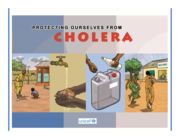
UNICEF: Protecting Ourselves from Cholera
recommended
This flipchart is a visual support for community workers, health workers, emergency workers, and in general all staff conducting face-to-face communication in response to a cholera outbreak.
How to use it?
The flipchart is intended as a support for animating individual or group discussions on
...
life-saving practices.
To facilitate involvement of communities for an effective response to the outbreak, this flipchart should be used to provide information and stimulate discussion, rather than to “pass messages”.
An integrated communication approach
The flipchart should not be used alone; effective communication strategy involves the use of a variety of channels and actors. It will be critical to integrate face-to-face discussion with other channels such as local radios, schools, mosques, churches, etc., and to associate different actors such as technical experts, community representatives and opinion leaders to animate them.
In emergency context it is critical not only to stimulate discussion but also to create mechanisms for interaction between communities and service providers such as regular meetings, participation to radio broadcasts or visits by community representatives to health posts; these mechanisms need to be carefully catered for with appropriate planning and resources.
more
The purpose of this workbook is to assist ministries of health, health managers and practitioners in engaging with the private sector on delivery of quality maternal, newborn and child health (MNCH) services in lower- and middle-income countries. Private health care is one of the fastest growing seg
...
ments of the health-care system in lower- and middle-income countries, and private providers are an important source of health care. To accelerate progress to reach the Sustainable Development Goals for ending preventable maternal, newborn and child deaths, it is critical that whole health system organizations invest not only in increasing coverage of interventions, but also in quality. The audience for the workbook is those who are involved with organizing and implementing processes for engaging the private sector in delivery of quality MNCH services.
more
While epidemiological data for type 1 diabetes (T1D) in low/middle-income countries, and particularly low-income countries (LICs) including Liberia is lacking, prevalence in LICs is thought to be increasing. T1D care in LICs is often impacted by challenges in diagnosis and management. These challeng
...
es, including misdiagnosis and access to insulin, can affect T1D outcomes and frequency of severe complications. Despite the severe nature of T1D and growing burden in subSaharan Africa, little is currently known about the impact of T1D on patients and caregivers in the region. Methods We conducted a qualitative study consisting of interviews with patients with T1D, caregivers, providers, civil society members and a policy-maker in Liberia to better understand the psychosocial and economic impact of living with T1D, knowledge of T1D and selfmanagement, and barriers and facilitators for accessing T1D care.
more
Diabetes mellitus is one of the most common noncommunicable diseases worldwide. In the Eastern Mediterranean Region there has been a rapid increase in the incidence of diabetes mellitus and it is now the fourth leading cause of death. The increasing prevalence of diabetes mellitus, the emergence of
...
diabetes complications as a cause of early morbidity and mortality, and the enormous and mounting burden on health care systems make diabetes a priority health concern. These guidelines provide up-to-date, reliable and balanced information for the prevention and care of diabetes mellitus in the Region. The information is evidence-based and clearly stated to facilitate the use of the guidelines in daily practice. They are intended to benefit physicians at primary, secondary and tertiary level, general practitioners, internists and family medicine specialists, clinical dieticians and nurses as well as policy-makers at ministries of health. They provide the information necessary for decision-making by health care providers and patients themselves about disease management in the most commonly encountered situations.
more
Diabetes mellitus is one of the most common noncommunicable diseases worldwide. In the Eastern Mediterranean Region there has been a rapid increase in the incidence of diabetes mellitus and it is now the fourth leading cause of death. The increasing prevalence of diabetes mellitus, the emergence of
...
diabetes complications as a cause of early morbidity and mortality, and the enormous and mounting burden on health care systems make diabetes a priority health concern. These guidelines provide up-to-date, reliable and balanced information for the prevention and care of diabetes mellitus in the Region. The information is evidence-based and clearly stated to facilitate the use of the guidelines in daily practice. They are intended to benefit physicians at primary, secondary and tertiary level, general practitioners, internists and family medicine specialists, clinical dieticians and nurses as well as policy-makers at ministries of health. They provide the information necessary for decision-making by health care providers and patients themselves about disease management in the most commonly encountered situations.
more
Introduction Pharmacovigilance (PV) systems to monitor drug and vaccine safety are often inadequate in sub-Saharan
Africa. In Malawi, a PV enhancement initiative was introduced to address major barriers to PV.
Objective The objective of this initiative was to improve reporting of adverse events (A
...
Es) by strengthening passive safety
surveillance via PV training and mentoring of local PV stakeholders and healthcare providers (HCPs) at their own healthcare
facilities (HCFs).
Methods An 18-month PV training and mentoring programme was implemented in collaboration with national stakeholders,
and in partnership with the Ministry of Health, GSK and PATH. Two-day training was provided to Expanded Programme on
Immunisation coordinators, identified as responsible for AE reporting, and four National Regulatory Authority representa-
tives. Abridged PV training and mentoring were provided regularly to HCPs. Support was given in upgrading the national
PV system. Key performance indicators included the number of AEs reported, transmission of AE forms, completeness of
reports, serious AEs reported and timeliness of recording into VigiFlow.
Results In 18 months, 443 HCPs at 61 HCFs were trained. The number of reported AEs increased from 22 (January 2000 to
October 2016) to 228 (November 2016 to May 2018), enabling Malawi to become a member of the World Health Organization
Programme for International Drug Monitoring. Most (98%) AE report forms contained mandatory information on reporter,
event, patient and product, but under 1% were transmitted to the national PV office within 48 h.
Conclusion Regular PV training and mentoring of HCPs were effective in enhancing passive safety surveillance in Malawi,
but the transmission of reports to the national PV centre requires further improvement.
more
The webpage from the Pan American Health Organization (PAHO) discusses the heightened risk that individuals with noncommunicable diseases (NCDs)—such as cardiovascular diseases, diabetes, and cancer—face regarding severe illness and mortality from COVID-19. It emphasizes the necessity of informi
...
ng the public about these health risks and adapting healthcare services to ensure the continuity of essential NCD care during the pandemic. The page provides information and guidance for healthcare providers and the public on managing NCDs in the context of COVID-19, highlighting the importance of addressing NCDs and their risk factors with a medium- to long-term perspective.
more
The webpage from the Pan American Health Organization (PAHO) discusses the heightened risk that individuals with noncommunicable diseases (NCDs)—such as cardiovascular diseases, diabetes, and cancer—face regarding severe illness and mortality from COVID-19. It emphasizes the necessity of informi
...
ng the public about these health risks and adapting healthcare services to ensure the continuity of essential NCD care during the pandemic. The page provides information and guidance for healthcare providers and the public on managing NCDs in the context of COVID-19, highlighting the importance of addressing NCDs and their risk factors with a medium- to long-term perspective.
more
The article "The silent epidemic of COPD in Africa" discusses the under-recognized yet significant prevalence of chronic obstructive pulmonary disease (COPD) in Africa. Despite being the third leading cause of death worldwide, COPD remains poorly studied and largely unknown in sub-Saharan Africa. Th
...
e article highlights risk factors such as tobacco smoking and biomass smoke exposure, which significantly affect both men and women. Biomass smoke, in particular, is linked to COPD in younger individuals and impacts women due to prolonged exposure during cooking. The piece calls for better awareness, training for healthcare providers, and proactive measures to address and manage COPD in the region.
more
The article is a scoping review that explores the challenges in diagnosing asthma in children in three sub-Saharan African countries: Nigeria, South Africa, and Uganda. It identifies key barriers, such as a lack of community awareness, inadequate healthcare access, limited diagnostic tools like spir
...
ometry, and insufficient knowledge among healthcare workers. The review also highlights the stigma associated with asthma and the absence of relevant diagnostic guidelines. Solutions proposed include community education, development and adherence to diagnostic guidelines, and strengthening healthcare systems. The study aims to inform policymakers and healthcare providers to improve asthma diagnosis and care for children in these regions.
more
Global strategy for prevention, diagnosis and management of COPD: 2023 Report
Global Initiative for Chronic Obstructive Lung Disease (GOLD)
Global Initiative for Chronic Obstructive Lung Disease (GOLD)
(2023)
CC2
The GOLD 2023 report provides a comprehensive update on the global strategy for diagnosing, managing, and preventing chronic obstructive pulmonary disease (COPD). It emphasizes that COPD is a leading cause of death worldwide, driven by risk factors such as tobacco smoking, air pollution, and genetic
...
predispositions. The report outlines key updates, including new diagnostic criteria, the introduction of terms like "Pre-COPD" and "PRISm" for early identification, and expanded sections on comorbidities, pharmacological and non-pharmacological treatments, and rehabilitation. It stresses the importance of personalized treatment plans, early diagnosis, and addressing risk factors to mitigate the disease's impact. The report is aimed at guiding healthcare providers to improve COPD outcomes and adapt treatment approaches based on the latest evidence.
more
The document provides information on managing chronic obstructive pulmonary disease (COPD). It emphasizes the importance of recognizing early symptoms such as persistent coughing, shortness of breath, and wheezing. The guide offers practical advice, including quitting smoking, avoiding lung irritant
...
s, regular consultations with healthcare providers, and seeking support from friends and caregivers. It also highlights the value of preparing for medical visits, noting symptoms, understanding risk factors, and taking notes during appointments to maximize treatment effectiveness.
more
The article from The Lancet Global Health discusses the "silent epidemic" of chronic obstructive pulmonary disease (COPD) in Africa, emphasizing its status as an under-recognized yet significant health issue. Although COPD is the third leading cause of death globally, it remains largely overlooked i
...
n African countries. The article highlights studies indicating varying prevalence rates of COPD across sub-Saharan Africa, with major risk factors including tobacco smoking and biomass smoke exposure. The findings suggest that COPD in Africa often affects younger age groups (30–40 years), likely due to early exposure to biomass smoke. The author calls for better education and training for healthcare providers and urges policymakers to address COPD through improved surveillance and effective prevention and treatment strategies.
more
The document provides step-by-step instructions for using a Flexhaler dry powder inhaler effectively. It emphasizes proper inhalation technique, including priming the device, loading a dose, and breathing correctly. It also advises users to rinse their mouth after use and highlights the importance o
...
f bringing medications to appointments for review by healthcare providers.
more
The document provides comprehensive guidance for people with COPD, covering treatment and medication management, oxygen therapy, mucus control, exercise, smoking cessation, nutrition, associated conditions, and strategies to prevent exacerbations. It emphasizes patient education, self-management, an
...
d working closely with healthcare providers to enhance well-being and control of the disease.
more
The document provides practical guidance for individuals with COPD, covering topics such as medication management, oxygen therapy, mucus control, physical exercise, smoking cessation, nutrition, associated conditions, and how to prevent and manage exacerbations. It emphasizes the importance of patie
...
nt education, adherence to treatment plans, and collaboration with healthcare providers to improve quality of life and disease outcomes.
more
The Government of Malawi’s Health Sector Strategic Plan II highlights the importance of service integration; however, in practice, this has not been fully realized. We conducted a mixed methods evaluation of efforts to systematically implement integrated family planning and immunization services i
...
n all health facilities and associated community sites in Ntchisi and Dowa districts during June 2016–September 2017. Methods included secondary analysis of service statistics (pre- and postintervention), focus group discussions with mothers and fathers of children under age one, and in-depth interviews with service providers, supervisors, and managers. Results indicate statistically significant increases in family planning users and shifts in use of family planning services from health facilities to community sites. The intervention had no effect on immunization doses administered or dropout rates. According to mothers and fathers, benefits of service integration included time savings, convenience, and improved understanding of services. Provision and use of integrated services were affected by availability of human resources and commodities, community linkages, data collection procedures and availability, sociocultural barriers, organization of services, and supervision and commitment of health surveillance assistants. The integration approach was perceived to be feasible and beneficial by clients and providers.
more
As countries commit to achieving universal health coverage, it is imperative to ensure that the design and delivery of palliative care services place attention on quality of care, with action needed across all domains of quality health services: effectiveness, safety, people-centredness, timeliness,
...
equity, integration and efficiency. Providing compassionate, dignified and people-centred palliative care is an ethical responsibility of health systems.
This document provides a practical resource to support implementation of sustainable improvements in the quality of palliative care. It describes approaches to quality policy, strategy and planning for palliative care programmes and services, presents learning on quality of care arising from palliative care programmes, and offers considerations on measurement of quality palliative care services at all levels of the health system. The document also highlights relevant WHO resources available that further support the development of quality palliative care services.
The audience for this document is a general one that includes policy-makers, palliative care service planners, managers, practitioners and health care providers at all levels.
more
Job satisfaction among healthcare workers in Ghana and Kenya during the COVID-19 pandemic: Role of perceived preparedness, stress, and burnout
Afulani PA, Nutor JJ, Agbadi P, Gyamerah AO, Musana J, Aborigo RA, et al.
PLOS Global Public Health
(2021)
CC
The COVID-19 pandemic has affected job satisfaction among healthcare workers; yet this has not been empirically examined in sub-Saharan Africa (SSA). We addressed this gap by examining job satisfaction and associated factors among healthcare workers in Ghana and Kenya during the COVID-19 pandemic. W
...
e conducted a cross-sectional study with healthcare workers (N = 1012). The two phased data collection included: (1) survey data collected in Ghana from April 17 to May 31, 2020, and (2) survey data collected in Ghana and Kenya from November 9, 2020, to March 8, 2021. We utilized a quantitative measure of job satisfaction, as well as validated psychosocial measures of perceived preparedness, stress, and burnout; and conducted descriptive, bivariable, and multivariable analysis using ordered logistic regression. We found high levels of job dissatisfaction (38.1%), low perceived preparedness (62.2%), stress (70.5%), and burnout (69.4%) among providers. High perceived preparedness was positively associated with higher job satisfaction (adjusted proportional odds ratio (APOR) = 2.83, CI [1.66,4.84]); while high stress and burnout were associated with lower job satisfaction (APOR = 0.18, CI [0.09,0.37] and APOR = 0.38, CI [0.252,0.583] for high stress and burnout respectively). Other factors positively associated with job satisfaction included prior job satisfaction, perceived appreciation from management, and perceived communication from management. Fear of infection was negatively associated with job satisfaction. The COVID-19 pandemic has negatively impacted job satisfaction among healthcare workers. Inadequate preparedness, stress, and burnout are significant contributing factors. Given the already strained healthcare system and low morale among healthcare workers in SSA, efforts are needed to increase preparedness, better manage stress and burnout, and improve job satisfaction, especially during the pandemic.
more
The socioeconomic factors and public health inadequacies that facilitated the rapid spread of this infection continue to exist. As it is a new and emerging disease it has not received sufficient coverage yet in the medical curricula of Member States. Specific treatment is not available, and there is
...
no vaccine for the prevention of chikungunya fever. It has therefore become imperative to develop guidelines, based on the limited clinical experience gathered from managing patients so far, for appropriate management of patients in communities and in health facilities. Experts engaged in managing patients with chikungunya fever in the Region were brought together by the WHO Regional Office for South-East Asia to outline guidelines for managing various situations and stages of the disease.
The socioeconomic factors and public health inadequacies that facilitated the rapid spread of this infection continue to exist. As it is a new and emerging disease it has not received sufficient coverage yet in the medical curricula of Member States. Specific treatment is not available, and there is no vaccine for the prevention of chikungunya fever. It has therefore become imperative to develop guidelines, based on the limited clinical experience gathered from managing patients so far, for appropriate management of patients in communities and in health facilities. Experts engaged in managing patients with chikungunya fever in the Region were brought together by the WHO Regional Office for South-East Asia to outline guidelines for managing various situations and stages of the disease. This publication is the end result of that exercise and is intended to assist health-care providers in planning and implementing appropriate care to patients with chikungunya fever according to their actual clinical conditions
more

Needs assessment and analysis
Collect and analyze sex, age and disability disaggregated data (SADDD) and conduct a participatory gender analysis to understand different health needs, capacities, barriers and aspirations and identify populations with special health requirements
Population demogra
...
phics. E.g. pregnant and lactating women, infants, elderly, unaccompanied children, persons with disabilities, chronically ill persons 9 Gender roles and power dynamics. E.g. ability of women, girls, men and boys to make health decisions and access services; roles and responsibility of household members in health.
Gender and cultural norms and practices. E.g. preference for mixed/segregated facilities and staff; socio-cultural and religious taboos and beliefs around health, practices and beliefs on menstruation, practices and expectations on pregnancy, childbirth and breastfeeding; traditional health care providers
Intersectional issues. E.g. access to health care for LGBTIQ persons, for GBV survivors, for adolescent girls and boys
more
Tanzania, like other developing countries, is facing a higher burden of cardiovascular diseases (CVDs). The country is experiencing rapid growth of modifiable and intermediate risk factors that accelerate CVD mortality and morbidity rates. In rural and urban settings, cardiovascular risk factors suc
...
h as tobacco use, excessive alcohol consumption, unhealthy diet, hypertension, diabetes, hyperlipidemia, overweight, and obesity, are documented to be higher in this review. Increased urbanization, lifestyle changes, lack of awareness and rural to urban movement have been found to increase CVD risk factors in Tanzania. Despite the identification of modifiable risk factors for CVDs, there is still limited information on physical inactivity and eating habits among Tanzanian population that needs to be addressed. Conclusively, primary prevention, improved healthcare system, which include affordable health services, availability of trained health care providers, improved screening and diagnostic equipment, adequate guidelines, and essential drugs for CVDs are the key actions that need to be implemented for cost effective control and management of CVDs. Effective policy for control and management of CVDs should also properly be employed to ensure fruitful implementation of different interventions.
more
After introducing Ethiopia's WASH sector challenges and trends, the plan describes IRC Ethiopia's vision and strategy which draws from IRC and Water For People's joint framework - Destination 2030. It then details the organisational changes and business development needed to implement the strategic
...
plan. Detailed targets are provided in the annexes.
At IRC, we believe that turning on a working tap should not be a surprise or cause for celebration. We believe in a world where water, sanitation and hygiene services are fundamental utilities that everyone is able to take for granted. For good.
We face a complex challenge. Every year, thousands of projects within and beyond the WASH sector fail – the result of short-term targets and interventions, at the cost of longterm service solutions.
This leaves around a third of the world’s poorest people without access to the most basic of human rights, and leads directly to economic, social and health problems on a global scale. IRC exists to continually challenge and shape the established practices of the WASH sector.
Through collaboration and the active application of our expertise, we work with governments, service providers and international organisations to deliver systems and services that are truly built to last.
more

Objective: To identify gaps in national stroke guidelines that could be bridged to enhance the quality of stroke care services in low- and
middle-income countries.
Methods: We systematically searched medical databases and websites of medical societies and contacted international organizations.
Co
...
untry-specific guidelines on care and control of stroke in any language published from 2010 to 2020 were eligible for inclusion. We reviewed
each included guideline for coverage of four key components of stroke services (surveillance, prevention, acute care and rehabilitation).
We also assessed compliance with the eight Institute of Medicine standards for clinical practice guidelines, the ease of implementation of
guidelines and plans for dissemination to target audiences.
Findings: We reviewed 108 eligible guidelines from 47 countries, including four low-income, 24 middle-income and 19 high-income countries.
Globally, fewer of the guidelines covered primary stroke prevention compared with other components of care, with none recommending
surveillance. Guidelines on stroke in low- and middle-income countries fell short of the required standards for guideline development;
breadth of target audience; coverage of the four components of stroke services; and adaptation to socioeconomic context. Fewer low- and
middle-income country guidelines demonstrated transparency than those from high-income countries. Less than a quarter of guidelines
encompassed detailed implementation plans and socioeconomic considerations.
Conclusion: Guidelines on stroke in low- and middle-income countries need to be developed in conjunction with a wider category of
health-care providers and stakeholders, with a full spectrum of translatable, context-appropriate interventions.
more
To survive and thrive, children and adolescents need good health, adequate nutrition, security, safety and a supportive clean environment, opportunities for early learning and education, responsive relationships and connectedness, and opportunities for personal autonomy and self-realization. To prom
...
ote their health and wellbeing, children and adolescents need support from parents, families, communities, surrounding institutions, and an enabling environment. Scheduled well care visits provide a critical opportunity for support of individual children, adolescents, parents, caregivers and families promote health and wellbeing. This guidance on scheduled child and adolescent well-care visits is the first in a series of publications to support the operationalization of the comprehensive agenda for child and adolescent health and wellbeing. It provides guidance on what is required to strengthen health systems and services to ensure healthy growth and development of all children and adolescents, and to support their parents and caregivers.
The guidance focuses on scheduled routine contacts with providers to support children and adolescents in their growth and developmental trajectory, as well as their primary caregivers and families. It outlines the rationale and objectives of well care visits and proposes a minimum 17 scheduled visits; describes the expected tasks during a contact; provides age-specific content to be address during each contact; and proposes actions to build on and maximize existing opportunities and resources.
more
Hypertension is the number one health related risk factor in India, with the largest contribution to burden of disease and mortality. It contributes to an estimated 1.6 million deaths, due to ischemic heart disease and stroke, out of a total of about 10 million deaths annually in India. Fifty seven
...
percent of deaths related to stroke and 24% of deaths related to coronary heart disease are related to hypertension. Hypertension is one of the commonest non-communicable diseases in India, with an overall prevalence of 29.8% among the adult population, and a higher prevalence in urban areas (33.8% vs. 27.6%)
according to recent estimates.
Awareness of hypertension in India is low while appropriate treatment and control among those with hypertension is even lower: Hypertension is a chronic, persistent, largely asymptomatic disease. A majority of the patients with hypertension in India are unaware of their condition. This is because of low levels of awareness and the lack of screening for hypertension in adults-either as a systematic programme or as an opportunistic exercise during visits to healthcare providers.
more
Online Resouce with guidelines, posters, e-learning courses for healthcare settings and community health
Primary care represents the first level of personal health care services in the community, which ensures accessible, continual,
whole-person care for health needs throughout an individual’s lifespan. Primary care professionals work with patients and
their families to address their immediate and
...
long-term health needs and not just for a set of specific diseases with an
approach that addresses the broader determinants of health and the interrelated aspects that influence people’s physical,
mental, and social well-being.
Nurses have a key role to play in primary care in expanding, connecting and coordinating care. Through their training and
work, they are well placed and have been shown to provide safe and effective care in disease prevention, diagnosis,
treatment, management and rehabilitation. The purpose of this document is to provide guidance and inspiration for
policymakers, instructors, managers and clinicians
more

Handout presentations in PDF for illustrating lectures
Accessed May 2014
SUI supporting material
• Person stories
• Role plays
• Multiple choice questions
• Video link

Hilfe und Information in der Ulmer Onlineklinik | Accessed Online January 2019. | The CATS questionnaire is a short freely accessible screening instrument directly based on the DSM-5 criteria for Posttraumatic Stress Disorder (PTSD). It is a measure of potentially traumatic events and of posttraumat
...
ic stress symptoms.
more
Lancet Infect Dis 2022 Published Online April 8, 2022 https://doi.org/10.1016/S1473-3099(22)00225-

Accessed online January 2019 | PTSD: National Center for PTSD | This article provides information regarding what events cause PTSD in children, how many children develop PTSD, risk factors associated with PTSD, what PTSD looks like in children, other effects of trauma on children, and treatments for
...
PTSD.
more
Out with it - HIV and Other Sexual Health Considerations for Young Men Who Have Sex with Men
G. Ayala; R. Baggaley; B. Konstantinov; et al.
MPact: Global Action for Gay Men’s Health and Rights; World Health Organization; UNDP; UNFPA;
(2018)
C_WHO
Technical Brief

Drug Distribution and Control: Preparation and Handling
This Technical Assistance Bulletin is intended to assist pharmacists in the extemporaneous compounding of non-sterile drug products for individual patients. Included in this document is information on facilities and equipment, ingredient
...
selection, training, documentation and record keeping, stability and beyond-use dating, packaging and labeling, and limited batch compounding. This document is not intended for manufacturers or licensed repackagers.
more
GUIDELINES FOR AWWs/ASHAs/ANMs/PRIs
A catalogue of family planning job aids for low resource settings, which includes a brief description and key messages as well as pros and cons for each job aid.
Accessed June 2014.
Sexually Transmitted Diseases Treatment Guidelines, 2015. Wall Chart
Centers for Disease Control and Prevention
(2015)
CC

Towards Universal Access to Prevention, Diagnosis and Treatment
Palm Oil and Children in Indonesia : Exploring the Sector's Impact on Children's Rights
Accessed November 2017
Accessed online March 2018
Objectives of the Study:
To understand the community needs, behaviors and perception for MNH Iin urban poor settings.
To explore various factors (both demand and supply side) affecting care seeking for MNH.
To assess the preparedness of the urban health system for providing MNH services at variou
...
s levels of care in terms of infrastructures at various levels of care, HR availability and capacity, logistics, drugs & equipment, referral, recording & reporting, supervision, governance and financial modalities.
more
A poster to raise awareness about Rwanda's Friends of the Family child protection system, outlining its role in empowering children and families.

Accessed January 22, 2019.
This updated version include important research that has added to our knowledge about effective treatments for
child and adolescent depression. Its goal is to help parents and families make informed decisions about getting the best care for a child with depression. For
...
easy use, it is presented in Frequently Asked Questions (FAQ) format.
more
Role of Memantine
World Health Organization
(2012)
C_WHO
Q2: For people with dementia, does memantine, when compared to placebo/comparator, produce benefits/harm in the specified outcomes in non-specialist health settings?
These country reports provide information on the legal situation for displaced populations, namely asylum seekers, refugees, and returnees, where relevant, regarding access to mobile services, in each country covered
Child Survival Working Group
Accessed: 18.10.2019
Transgender HIV/AIDS Health services
TargetHIV
(2019)
C2
Best Practices Guidelines
Accessed: 06.11.2019
Research Article
PLOS Medicine | DOI:10.1371/journal.pmed.1002253 April 4, 2017
Updated 2017
ECDC Technical Report, Fourth Update 3 July 2020
A guide for practical implementation in adult and pediatric emergency department and urgent care settings
COVID-19 severity scoring - Tool user guide
AFEM African Federation For Emergency Medicine Fédération Africaine de Médecine d'Urgence
AFEM African Federation For Emergency Medicine Fédération Africaine de Médecine d'Urgence
(2020)
C2
Accessed: 06.04.2020
Защита детей вовремя пандемии - дети и альтернативный уход
Better Care Network, The Alliance for Child Protection in Humanitarian Action, UNICEF
The Alliance for Child Protection in Humanitarian Action
(2020)
C1
Оказание поддержки специалистам-практикам и лицам, ответственным за разработку политики в области защиты детей, с целью поставить безопасность и благополучие реб
...
енка во главу угла в их ответных мерах в связи с пандемией КОВИД-19.
child safety in times of COVID-19
more
Информационный бюллетень Июнь 2020 г.
Уязвимые группы населения в контексте ответных мер в отношении COVID-19
Vulnerable populations during COVID-19 response - Drug users
1 July 2021; Report shows big COVID-19-related HIV prevention programme service disruptions, but highlights that HIV service innovations and adaptations are possible.
A synthesis report on programme disruptions and adaptations during the COVID-19 pandemic in 2020
