
Filter
9153
Text search:
health
implementation
Featured
701
2509
Language
8711
280
220
163
107
80
57
43
15
14
13
10
10
8
8
7
7
6
6
6
6
5
5
5
5
5
5
5
4
4
4
4
4
3
3
3
3
3
3
3
3
3
3
2
2
2
2
2
2
2
2
1
1
1
1
1
1
1
1
1
1
1
1
1
1
1
Document type
5294
1536
1028
432
371
191
132
79
26
21
19
15
2
1
1
Countries
367
350
295
222
204
186
184
182
177
177
174
153
149
143
142
139
130
129
127
124
97
92
89
80
76
69
66
66
65
65
61
60
60
59
58
53
52
50
44
44
42
38
37
34
33
32
32
32
31
30
29
29
27
26
24
23
22
22
21
21
20
19
18
16
16
16
15
15
14
13
13
12
12
12
11
11
10
10
10
9
9
9
8
8
8
8
8
8
8
8
7
7
7
7
7
6
6
6
5
5
5
5
5
5
5
5
5
5
5
5
4
4
4
4
4
3
3
3
3
3
3
3
3
3
2
2
2
2
2
2
2
2
2
2
2
2
2
2
2
2
1
1
1
1
1
1
1
1
1
1
1
1
1
1
1
1
1
Authors & Publishers
1197
493
406
289
268
204
169
157
151
73
53
51
50
45
44
44
40
38
37
37
36
35
35
33
32
31
31
30
29
29
29
28
28
27
27
27
27
25
25
25
24
24
24
24
23
23
23
23
22
22
22
22
22
22
21
21
21
20
20
20
20
19
19
17
17
16
16
16
16
16
15
15
15
15
15
15
14
14
14
13
13
13
13
13
13
13
13
13
13
12
12
12
12
12
12
12
12
12
12
12
12
12
12
11
11
11
11
11
11
11
11
11
11
11
11
11
11
10
10
10
10
10
10
10
10
10
10
10
10
10
9
9
9
9
9
9
9
9
9
9
9
9
8
8
8
8
8
8
8
8
8
8
8
8
8
8
8
8
8
8
8
7
7
7
7
7
7
7
7
7
7
7
7
7
7
7
7
7
7
7
7
7
7
7
7
7
7
7
7
7
7
7
7
7
7
7
6
6
6
6
6
6
6
6
6
6
6
6
6
6
6
6
6
6
6
6
6
6
6
6
6
6
6
6
6
6
6
6
6
6
6
6
6
5
5
5
5
5
5
5
5
5
5
5
5
5
5
5
5
5
5
5
5
5
5
5
5
5
5
5
5
5
5
5
5
5
5
5
5
5
5
5
5
5
5
5
5
5
5
5
5
5
5
5
5
5
4
4
4
4
4
4
4
4
4
4
4
4
4
4
4
4
4
4
4
4
4
4
4
4
4
4
4
4
4
4
4
4
4
4
4
4
4
4
4
4
4
4
4
4
4
4
4
4
4
4
4
4
4
4
4
4
4
4
4
4
4
4
4
4
4
4
4
4
4
4
4
4
4
4
4
4
4
4
4
4
4
4
4
4
4
4
4
4
4
4
4
4
4
4
4
4
4
4
4
4
4
4
4
4
4
4
4
3
3
3
3
3
3
3
3
3
3
3
3
3
3
3
3
3
3
3
3
3
3
3
3
3
3
3
3
3
3
3
3
3
3
3
3
3
3
3
3
3
3
3
3
3
3
3
3
3
3
3
3
3
3
3
3
3
3
3
3
3
3
3
3
3
3
3
3
3
3
3
3
3
3
3
3
3
3
3
3
3
3
3
3
3
3
3
3
3
3
3
3
3
3
3
3
3
3
3
3
3
3
3
3
3
3
3
3
3
3
3
3
3
3
3
3
3
3
3
3
3
3
3
3
3
3
3
3
3
3
3
3
3
3
3
3
3
3
3
3
3
3
3
3
3
3
3
3
3
3
3
3
3
3
3
3
3
3
3
3
3
3
3
3
3
3
3
3
3
3
3
3
3
3
3
3
3
3
3
3
3
3
3
3
3
3
3
3
3
3
3
2
2
2
2
2
2
2
2
2
2
2
2
2
2
2
2
2
2
2
2
2
2
2
2
2
2
2
2
2
2
2
2
2
2
2
2
2
2
2
2
2
2
2
2
2
2
2
2
2
2
2
2
2
2
2
2
2
2
2
2
2
2
2
2
2
2
2
2
2
2
2
2
2
2
2
2
2
2
2
2
2
2
2
2
2
2
2
2
2
2
2
2
2
2
2
2
2
2
2
2
2
2
2
2
2
2
2
2
2
2
2
2
2
2
2
2
2
2
2
2
2
2
2
2
2
2
2
2
2
2
2
2
2
2
2
2
2
2
2
2
2
2
2
2
2
2
2
2
2
2
2
2
2
2
2
2
2
2
2
2
2
2
2
2
2
2
2
2
2
2
2
2
2
2
2
2
2
2
2
2
2
2
2
2
2
2
2
2
2
2
2
2
2
2
2
2
2
2
2
2
2
2
2
2
2
2
2
2
2
2
2
2
2
2
2
2
2
2
2
2
2
2
2
2
2
2
2
2
2
2
2
2
2
2
2
2
2
2
2
2
2
2
2
2
2
2
2
2
2
2
2
2
2
2
2
2
2
2
2
2
2
2
2
2
2
2
2
2
2
2
2
2
2
2
2
2
2
2
2
2
2
2
2
2
2
2
2
2
2
2
2
2
2
2
2
2
2
2
2
2
2
2
2
2
2
2
2
2
2
2
2
2
2
2
2
2
2
2
2
2
2
2
2
2
2
2
2
2
2
2
2
2
2
2
2
2
2
2
2
2
2
2
2
2
2
2
2
2
2
2
2
2
2
2
2
2
2
2
2
2
2
2
2
2
2
2
2
2
2
2
2
2
2
2
2
2
2
2
2
2
2
2
2
2
2
2
2
2
2
2
2
2
2
2
2
2
2
2
2
2
2
2
2
2
2
2
2
2
2
2
2
2
2
2
2
2
2
2
2
2
2
2
2
2
2
2
2
2
2
2
2
2
2
2
2
2
2
2
2
2
2
2
2
2
2
2
2
2
2
2
2
2
2
2
2
2
2
2
2
2
2
2
2
2
2
2
2
2
2
2
1
1
1
1
1
1
1
1
1
1
1
1
1
1
1
1
1
1
1
1
1
1
1
1
1
1
1
1
1
1
1
1
1
1
1
1
1
1
1
1
1
1
1
1
1
1
1
1
1
1
1
1
1
1
1
1
1
1
1
1
1
1
1
1
1
1
1
1
1
1
1
1
1
1
1
1
1
1
1
1
1
1
1
1
1
1
1
1
1
1
1
1
1
1
1
1
1
1
1
1
1
1
1
1
1
1
1
1
1
1
1
1
1
1
1
1
1
1
1
1
1
1
1
1
1
1
1
1
1
1
1
1
1
1
1
1
1
1
1
1
1
1
1
1
1
1
1
1
1
1
1
1
1
1
1
1
1
1
1
1
1
1
1
1
1
1
1
1
1
1
1
1
1
1
1
1
1
1
1
1
1
1
1
1
1
1
1
1
1
1
1
1
1
1
1
1
1
1
1
1
1
1
1
1
1
1
1
1
1
1
1
1
1
1
1
1
1
1
1
1
1
1
1
1
1
1
1
1
1
1
1
1
1
1
1
1
1
1
1
1
1
1
1
1
1
1
1
1
1
1
1
1
1
1
1
1
1
1
1
1
1
1
1
1
1
1
1
1
1
1
1
1
1
1
1
1
1
1
1
1
1
1
1
1
1
1
1
1
1
1
1
1
1
1
1
1
1
1
1
1
1
1
1
1
1
1
1
1
1
1
1
1
1
1
1
1
1
1
1
1
1
1
1
1
1
1
1
1
1
1
1
1
1
1
1
1
1
1
1
1
1
1
1
1
1
1
1
1
1
1
1
1
1
1
1
1
1
1
1
1
1
1
1
1
1
1
1
1
1
1
1
1
1
1
1
1
1
1
1
1
1
1
1
1
1
1
1
1
1
1
1
1
1
1
1
1
1
1
1
1
1
1
1
1
1
1
1
1
1
1
1
1
1
1
1
1
1
1
1
1
1
1
1
1
1
1
1
1
1
1
1
1
1
1
1
1
1
1
1
1
1
1
1
1
1
1
1
1
1
1
1
1
1
1
1
1
1
1
1
1
1
1
1
1
1
1
1
1
1
1
1
1
1
1
1
1
1
1
1
1
1
1
1
1
1
1
1
1
1
1
1
1
1
1
1
1
1
1
1
1
1
1
1
1
1
1
1
1
1
1
1
1
1
1
1
1
1
1
1
1
1
1
1
1
1
1
1
1
1
1
1
1
1
1
1
1
1
1
1
1
1
1
1
1
1
1
1
1
1
1
1
1
1
1
1
1
1
1
1
1
1
1
1
1
1
1
1
1
1
1
1
1
1
1
1
1
1
1
1
1
1
1
1
1
1
1
1
1
1
1
1
1
1
1
1
1
1
1
1
1
1
1
1
1
1
1
1
1
1
1
1
1
1
1
1
1
1
1
1
1
1
1
1
1
1
1
1
1
1
1
1
1
1
1
1
1
1
1
1
1
1
1
1
1
1
1
1
1
1
1
1
1
1
1
1
1
1
1
1
1
1
1
1
1
1
1
1
1
1
1
1
1
1
1
1
1
1
1
1
1
1
1
1
1
1
1
1
1
1
1
1
1
1
1
1
1
1
1
1
1
1
1
1
1
1
1
1
1
1
1
1
1
1
1
1
1
1
1
1
1
1
1
1
1
1
1
1
1
1
1
1
1
1
1
1
1
1
1
1
1
1
1
1
1
1
1
1
1
1
1
1
1
1
1
1
1
1
1
1
1
1
1
1
1
1
1
1
1
1
1
1
1
1
1
1
1
1
1
1
1
1
1
1
1
1
1
1
1
1
1
1
1
1
1
1
1
1
1
1
1
1
1
1
1
1
1
1
1
1
1
1
1
1
1
1
1
1
1
1
1
1
1
1
1
1
1
1
1
1
1
1
1
1
1
1
1
1
1
1
1
1
1
1
1
1
1
1
1
1
1
1
1
1
1
1
1
1
1
1
1
1
1
1
1
1
1
1
1
1
1
1
1
1
1
1
1
1
1
1
1
1
1
1
1
1
1
1
1
1
1
1
1
1
1
1
1
1
1
1
1
1
1
1
1
1
1
1
1
1
1
1
1
1
1
1
1
1
1
1
1
1
1
1
1
1
1
1
1
1
1
1
1
1
1
1
1
1
1
1
1
1
1
1
1
1
1
1
1
1
1
1
1
1
1
1
1
1
1
1
1
1
1
1
1
1
1
1
1
1
1
1
1
1
1
1
1
1
1
1
1
1
1
1
1
1
1
1
1
1
1
1
1
1
1
1
1
1
1
1
1
1
1
1
1
1
1
1
1
1
1
1
1
1
1
1
1
1
1
1
1
1
1
1
1
1
1
1
1
1
1
1
1
1
1
1
1
1
1
1
1
1
1
1
1
1
1
1
1
1
1
1
1
1
1
1
1
1
1
1
1
1
1
1
1
1
1
1
1
1
1
1
1
1
1
1
1
1
1
1
1
1
1
1
1
1
1
1
1
1
1
1
1
1
1
1
1
1
1
1
1
1
1
1
1
1
1
1
1
1
1
1
1
1
1
1
1
1
1
1
1
1
1
1
1
1
1
1
1
1
1
1
1
1
1
1
1
1
1
1
1
1
1
1
1
1
1
1
1
1
1
1
1
1
1
1
1
1
1
1
1
1
1
1
1
1
1
1
1
1
1
1
1
1
1
1
1
1
1
1
1
1
1
1
1
1
1
1
1
1
1
1
1
1
1
1
1
1
1
1
1
1
1
1
1
1
1
1
1
1
1
1
1
1
1
1
1
1
1
1
1
1
1
1
1
1
1
1
1
1
1
1
1
1
1
1
1
1
1
1
1
1
1
1
1
1
1
1
1
1
1
1
1
1
1
1
1
1
1
1
1
1
1
1
1
1
1
1
1
1
1
1
1
1
1
1
1
1
1
1
1
1
1
1
1
1
1
1
1
1
1
1
1
1
1
1
1
1
1
1
1
1
1
1
1
1
1
1
1
1
1
1
1
1
1
1
1
1
1
1
1
1
1
1
1
1
1
1
1
1
1
1
1
1
1
1
1
1
1
1
1
1
1
1
1
1
1
1
1
1
1
1
1
1
1
1
1
1
1
1
1
1
1
1
1
1
1
1
1
1
1
1
1
1
1
1
1
1
1
1
1
1
1
1
1
1
1
1
1
1
1
1
1
1
1
1
1
1
1
1
1
1
1
1
1
1
1
1
1
1
1
1
1
1
1
1
1
1
1
1
1
1
1
1
1
1
1
1
1
1
1
1
1
1
1
1
1
1
1
1
1
1
1
1
1
1
1
1
1
1
1
1
1
1
1
1
1
1
1
1
1
1
1
1
1
1
1
1
1
1
1
1
1
1
1
1
1
1
1
1
1
1
1
1
1
1
1
1
1
1
1
1
1
1
1
1
1
1
1
1
1
1
1
1
1
1
1
1
1
1
1
1
1
1
1
1
1
1
1
1
1
1
1
1
1
1
1
1
1
1
1
1
1
1
1
1
1
1
1
1
1
1
1
1
1
1
1
1
1
1
1
1
1
1
1
1
1
1
1
1
1
1
1
1
1
1
1
1
1
1
1
1
1
1
1
1
1
1
1
1
1
1
1
1
1
1
1
1
1
1
1
1
1
1
1
1
1
1
1
1
1
1
1
1
1
1
1
1
1
1
1
1
1
1
1
1
1
1
1
1
1
1
1
1
1
1
1
1
1
1
1
1
1
1
1
1
1
1
1
1
1
1
1
1
1
1
1
1
1
1
1
1
1
1
1
1
1
1
1
1
1
1
1
1
1
1
1
1
1
1
1
1
1
1
1
1
1
1
1
1
1
1
1
1
1
1
1
1
1
1
1
1
1
1
1
1
1
1
1
1
1
1
1
1
1
1
1
1
1
1
1
1
1
1
1
1
1
1
1
1
1
1
1
1
1
1
1
1
1
1
1
1
1
1
1
1
1
1
1
1
1
1
1
1
1
1
1
1
1
1
1
1
1
1
1
1
1
1
1
1
1
1
1
1
1
1
1
1
1
1
1
1
1
1
1
1
1
1
1
1
1
1
1
1
1
1
1
1
1
1
1
1
1
1
1
1
1
1
1
1
1
1
1
1
1
1
1
1
1
1
1
1
1
1
1
1
1
1
1
1
1
1
1
1
1
1
1
1
1
1
1
1
1
1
1
1
1
1
1
1
1
1
1
1
1
1
1
1
1
1
1
1
1
1
1
1
1
1
1
1
1
1
1
1
1
1
1
1
1
1
1
1
1
1
1
1
1
1
1
1
1
1
1
1
1
1
1
1
1
1
1
1
1
1
1
1
1
1
1
1
1
1
1
1
1
1
1
1
1
1
1
1
1
1
1
1
1
1
1
1
1
1
1
1
1
1
1
1
1
1
1
1
1
1
1
1
1
1
1
1
1
1
1
1
1
1
1
1
1
1
1
1
1
1
1
1
1
1
1
1
1
1
1
1
1
1
1
1
1
1
1
1
1
1
1
1
1
1
1
1
1
1
1
1
1
1
1
1
1
1
1
1
1
1
1
1
1
1
1
1
1
1
1
1
1
1
1
1
1
1
1
1
1
1
1
1
1
1
1
1
1
1
1
1
1
1
1
1
1
1
1
1
1
1
1
1
1
1
1
1
1
1
1
1
1
1
1
1
1
1
1
1
1
1
1
1
1
1
1
1
1
1
1
1
1
1
1
1
1
1
1
1
1
1
1
1
1
1
1
1
1
1
1
1
1
1
1
1
1
1
1
1
1
1
1
1
1
1
1
1
1
1
1
1
1
1
1
1
1
1
1
1
1
1
1
1
1
1
1
1
1
1
1
1
1
1
1
1
1
1
1
1
1
1
1
1
1
1
1
1
1
1
1
1
1
1
1
1
1
1
1
1
1
1
1
1
1
1
1
1
1
1
1
1
1
1
1
1
1
1
1
1
1
1
1
1
1
1
1
1
1
1
1
1
1
1
1
1
1
1
1
1
1
1
1
1
1
1
1
1
1
1
1
1
1
1
1
1
1
1
1
1
1
1
1
1
1
1
1
1
1
1
1
1
1
1
1
1
1
1
1
1
1
1
1
1
1
1
1
1
1
1
1
1
1
1
1
1
1
1
1
1
1
1
1
1
1
1
1
1
1
1
1
1
1
1
1
1
1
1
1
1
1
1
1
1
1
1
1
1
1
1
1
1
1
1
1
1
1
1
1
1
1
1
1
1
1
1
1
1
1
1
1
1
1
1
1
1
1
1
1
1
1
1
1
1
1
1
1
1
1
1
1
1
1
1
1
1
1
1
1
1
1
1
1
1
1
1
1
1
1
1
1
1
1
1
1
1
1
1
1
1
1
1
1
1
1
1
1
1
1
1
1
1
1
1
1
1
1
1
1
1
1
1
1
1
1
1
1
1
1
1
1
1
1
1
1
1
1
1
1
1
1
1
1
1
1
1
1
1
1
1
1
1
1
1
1
1
1
1
1
1
1
1
1
1
1
1
1
1
1
1
1
1
1
1
1
1
1
1
1
1
1
1
1
1
1
1
1
1
1
1
1
1
1
1
1
1
1
1
1
1
1
1
1
1
1
1
1
1
1
1
1
1
1
1
1
1
1
1
1
1
1
1
1
1
1
1
1
1
1
1
1
1
1
1
1
1
1
1
1
1
1
1
1
1
1
1
1
1
1
1
1
1
1
1
1
1
1
1
1
1
1
1
1
1
1
1
1
1
1
1
1
1
1
1
1
1
1
1
1
1
1
1
1
1
1
1
1
1
1
1
1
1
1
1
1
1
1
1
1
1
1
1
1
1
1
1
1
1
1
1
1
1
1
1
1
1
1
1
1
1
1
1
1
1
1
1
1
1
1
1
1
1
1
1
1
1
1
1
1
1
1
1
1
1
1
1
1
1
1
1
1
1
1
1
1
1
1
1
1
1
1
1
1
1
1
1
1
1
1
1
1
1
1
1
1
1
1
1
1
1
1
1
1
1
1
1
1
1
1
1
1
1
1
1
1
1
1
1
1
1
1
1
1
1
1
1
1
1
1
1
1
1
1
1
1
1
1
1
1
1
1
1
1
1
1
1
1
1
1
1
1
1
1
1
1
1
1
1
1
1
1
1
1
1
1
1
1
1
1
1
1
1
1
1
1
1
1
1
1
1
1
1
1
1
1
1
1
1
1
1
1
1
1
1
1
1
1
1
1
1
1
1
1
1
1
1
1
1
1
1
1
1
1
1
1
1
1
1
1
1
1
1
1
1
1
1
1
1
1
1
1
1
1
1
1
1
1
1
1
1
1
1
1
1
1
1
1
1
1
1
1
1
1
1
1
1
1
1
1
1
1
1
1
1
1
1
1
1
1
1
1
1
1
1
1
1
1
1
1
1
1
1
1
1
1
1
1
1
1
1
1
1
1
1
1
1
1
1
1
1
1
1
1
1
1
1
1
1
1
1
1
1
1
1
1
1
1
1
1
1
1
1
1
1
1
1
1
1
1
1
1
1
1
1
1
1
1
1
1
1
1
1
1
1
1
1
1
1
1
1
1
1
1
1
1
1
1
1
1
1
1
1
1
1
1
1
1
1
1
1
1
1
1
1
1
1
1
1
1
1
1
1
1
1
1
1
1
1
1
1
1
1
1
1
1
1
1
1
1
1
1
1
1
1
1
1
1
1
1
1
1
1
1
1
1
1
1
1
1
1
1
1
1
1
1
1
1
1
1
1
1
1
1
1
1
1
1
1
1
1
1
1
1
1
1
1
1
1
1
1
1
1
1
1
1
1
1
1
1
1
1
1
1
1
1
1
1
1
1
1
1
1
1
1
1
1
1
1
1
1
1
1
1
1
1
1
1
1
1
1
1
1
1
1
1
1
1
1
1
1
1
1
1
1
1
1
1
1
1
1
1
1
1
1
1
1
1
1
1
1
1
1
1
1
1
1
1
1
1
1
1
1
1
1
1
1
1
1
1
1
1
1
1
1
1
1
1
1
1
1
1
1
1
1
1
1
1
1
1
1
1
1
1
1
1
1
1
1
1
1
1
1
1
1
1
1
1
1
1
1
1
1
1
1
1
1
1
1
1
1
1
1
1
1
1
1
1
1
1
1
1
1
1
1
1
1
1
1
1
1
1
1
1
1
1
1
1
1
1
1
1
1
1
1
1
1
1
1
1
1
1
1
1
1
1
1
1
1
1
1
1
1
1
1
1
1
1
1
1
1
1
1
1
1
1
1
1
1
1
1
1
1
1
1
1
1
1
1
1
1
1
1
1
1
1
1
1
1
1
1
1
1
1
1
1
1
1
1
1
1
1
1
1
1
1
1
1
1
1
1
1
1
1
1
1
1
1
1
1
1
1
1
1
1
1
1
1
1
1
1
1
1
1
1
1
1
1
1
1
1
1
1
1
1
1
1
1
1
1
1
1
1
1
1
1
1
1
1
1
1
1
1
1
1
1
1
1
1
1
1
1
1
1
1
1
1
1
1
1
1
1
1
1
1
1
1
1
1
1
1
1
1
1
1
1
1
1
1
1
1
1
1
1
1
1
1
1
1
1
1
1
1
1
1
1
1
1
1
1
1
1
1
1
1
1
1
1
1
1
1
1
1
1
1
1
1
1
1
1
1
1
1
1
1
1
1
1
1
1
1
1
1
1
1
1
1
1
1
1
1
1
1
1
1
1
1
1
1
1
1
1
1
1
1
1
1
1
1
1
1
1
1
1
1
1
1
1
1
1
1
1
1
1
1
1
1
1
1
1
1
1
1
1
1
1
1
1
1
1
1
1
1
1
1
1
1
1
1
1
1
1
1
1
1
1
1
1
1
1
1
1
1
1
1
1
1
1
1
1
1
1
1
1
1
1
1
1
1
1
1
1
1
1
1
1
1
1
1
1
1
1
1
1
1
1
1
1
1
1
1
1
1
1
1
1
1
1
1
1
1
1
1
1
1
1
1
1
1
1
1
1
1
1
1
1
1
1
1
1
1
1
1
1
1
1
1
1
1
1
1
1
1
1
1
1
1
1
1
1
1
1
1
1
1
1
1
1
1
1
1
1
1
1
1
1
1
1
1
1
1
1
1
1
1
1
1
1
1
1
1
1
1
1
1
1
1
1
1
1
1
1
1
1
1
1
1
1
1
1
1
1
1
1
1
1
1
1
1
1
1
1
1
1
1
1
1
1
1
1
1
1
1
1
1
1
1
1
1
1
1
1
1
1
1
1
1
1
1
1
1
1
1
1
1
1
1
1
1
1
1
1
1
1
1
1
1
1
1
1
1
1
1
1
1
1
1
1
1
1
1
1
1
1
1
1
1
1
1
1
1
1
1
1
1
1
1
1
1
1
1
1
1
1
1
1
1
1
1
1
1
1
1
1
1
1
1
1
1
1
1
1
1
1
1
1
1
1
1
1
1
1
1
1
1
1
1
1
1
1
1
1
1
1
1
1
1
1
1
1
1
1
1
1
1
1
1
1
1
1
1
1
1
1
1
1
1
1
1
1
1
1
1
1
1
1
1
1
1
1
1
1
1
1
1
1
1
1
1
1
1
1
1
1
1
1
1
1
1
1
1
1
1
1
1
1
1
1
1
1
1
1
1
1
1
1
1
1
1
1
1
1
1
1
1
1
1
1
1
1
1
1
1
1
1
1
1
1
1
1
1
1
1
1
1
1
1
1
1
1
1
1
1
1
1
1
1
1
1
1
1
1
1
1
1
1
1
1
1
1
1
1
1
1
1
1
1
1
1
1
1
1
1
1
1
1
1
1
1
1
1
1
1
1
1
1
1
1
1
1
1
1
1
1
1
1
1
1
1
1
1
1
1
1
1
1
1
1
1
1
1
1
1
1
1
1
1
1
1
1
1
1
1
1
1
1
1
1
1
1
1
1
1
1
1
1
1
1
1
1
1
1
1
1
1
1
1
1
1
1
1
1
1
1
1
1
1
1
1
1
1
1
1
1
1
1
1
1
1
1
1
1
1
1
1
1
1
1
1
1
1
1
1
1
1
1
1
1
1
1
1
1
1
1
1
1
1
1
1
1
1
1
1
1
1
1
1
1
1
1
1
1
1
1
1
1
1
1
1
1
1
1
1
1
1
1
1
1
1
1
1
1
1
1
1
1
1
1
1
1
1
1
1
1
1
1
1
1
1
1
1
1
1
1
1
1
1
1
1
1
1
1
1
1
1
1
1
1
1
1
1
1
1
1
1
1
1
1
1
1
1
1
1
1
1
1
1
1
1
1
1
1
1
1
1
1
1
1
1
1
1
1
1
1
1
1
1
1
1
1
1
1
1
1
1
1
1
1
1
1
1
1
1
1
1
1
1
1
1
1
1
1
1
1
1
1
1
1
1
1
1
1
1
1
1
1
1
1
1
1
1
1
1
1
1
1
1
1
1
1
1
1
1
1
1
1
1
1
1
1
1
1
1
1
1
1
1
1
1
1
1
1
1
1
1
1
1
1
1
1
1
1
1
1
1
1
1
1
1
1
1
1
1
1
1
1
1
1
1
1
1
1
1
1
1
1
1
1
1
1
1
1
1
1
1
1
1
1
1
1
1
1
1
1
1
1
1
1
1
1
1
1
1
1
1
1
1
1
1
1
1
1
1
1
1
1
1
1
1
1
1
1
1
1
1
1
1
1
1
1
1
1
1
1
1
1
1
1
1
1
1
1
1
1
1
1
1
1
1
1
1
1
1
1
1
1
1
1
1
1
1
1
1
1
1
1
1
1
1
1
1
1
1
1
1
1
1
1
1
1
1
1
1
1
1
1
1
1
1
1
1
1
1
1
1
1
1
1
1
1
1
1
1
1
1
1
1
1
1
1
1
1
1
1
1
1
1
1
1
1
1
1
1
1
1
1
1
1
1
1
1
1
1
1
1
1
1
1
1
1
1
1
1
1
1
1
1
1
1
1
1
1
1
1
1
1
1
1
1
1
1
1
1
1
1
1
1
1
1
1
1
1
1
1
1
1
1
1
1
1
1
1
1
1
1
1
1
1
1
1
1
1
1
1
1
1
1
1
1
1
1
1
1
1
1
1
1
1
1
1
1
1
1
1
1
1
1
1
1
1
1
1
1
1
1
1
1
1
1
1
1
1
1
1
1
1
1
1
1
1
1
1
1
1
1
1
1
1
1
1
1
1
1
1
1
1
1
1
1
1
1
1
1
1
1
1
1
1
1
1
1
1
1
1
1
1
1
1
1
1
1
1
1
1
1
1
1
1
1
1
1
1
1
1
1
1
1
1
1
1
1
1
1
1
1
1
1
1
1
1
1
1
1
1
1
1
1
1
1
1
1
1
1
1
1
1
1
1
1
1
1
1
1
1
1
1
1
1
1
1
1
1
1
1
1
1
1
1
1
1
1
1
1
1
1
1
1
1
1
1
1
1
1
1
1
1
1
1
1
1
1
1
1
1
1
1
1
1
1
1
1
1
1
1
1
1
1
1
1
1
1
1
1
1
1
1
1
1
1
1
1
1
1
1
1
1
1
1
1
1
1
1
1
1
1
1
1
1
1
1
1
1
1
1
1
1
1
1
1
1
1
1
1
1
1
1
1
1
1
1
1
1
1
1
1
1
1
1
1
1
1
1
1
1
1
1
1
1
1
1
1
1
1
1
1
1
1
1
1
1
1
1
1
1
1
1
1
1
1
1
1
1
1
1
1
1
1
1
1
1
1
1
1
1
1
1
1
1
1
1
1
1
1
1
1
1
1
1
1
1
1
1
1
1
1
1
1
1
1
1
1
1
1
1
1
1
1
1
1
1
1
1
1
1
1
1
1
1
1
1
1
1
1
1
1
1
1
1
1
1
1
1
1
1
1
1
1
1
1
1
1
1
1
1
1
1
1
1
1
1
1
1
1
1
1
1
1
1
1
1
1
1
1
1
1
1
1
1
1
1
1
1
1
1
1
1
1
1
1
1
1
1
1
1
1
1
1
1
1
1
1
1
1
1
1
1
1
1
1
1
1
1
1
1
1
1
1
1
1
1
1
1
1
1
1
1
1
1
1
1
1
1
1
1
1
1
1
1
1
1
1
1
1
1
1
1
1
1
1
1
1
1
1
1
1
1
1
1
1
1
1
1
1
1
1
1
1
1
1
1
1
1
1
1
1
1
1
1
1
1
1
1
1
1
1
1
1
1
1
1
1
1
1
1
1
1
1
1
1
1
1
1
1
1
1
1
1
1
1
1
1
1
1
1
1
1
1
1
1
1
1
1
1
1
1
1
1
1
1
1
1
1
1
1
1
1
1
1
1
1
1
1
1
1
1
1
1
1
1
1
1
1
1
1
1
1
1
1
1
1
1
1
1
1
1
1
1
1
1
1
1
1
1
1
1
1
1
1
1
1
1
1
1
1
1
1
1
1
1
1
1
1
1
1
1
1
1
1
1
1
1
1
1
1
1
1
1
1
1
1
1
1
1
1
1
1
1
1
1
1
1
1
1
1
1
1
1
1
1
1
1
1
1
1
1
1
1
1
1
1
1
1
1
1
1
1
1
1
1
1
1
1
1
1
1
1
1
1
1
1
1
1
1
1
1
1
1
1
1
1
1
1
1
1
1
1
1
1
1
1
1
1
1
1
1
1
1
1
1
1
1
1
1
1
1
1
1
1
1
1
1
1
1
1
1
1
1
1
1
1
1
1
1
1
1
1
1
1
1
1
1
1
1
1
1
1
1
1
1
1
1
1
1
1
1
1
1
1
1
1
1
1
1
1
1
1
1
1
1
1
1
1
1
1
1
1
1
1
1
1
1
1
1
1
1
1
1
1
1
1
1
1
1
1
1
1
1
1
1
1
1
1
1
1
1
1
1
1
1
1
1
1
1
1
1
1
1
1
1
1
1
1
1
1
1
1
1
1
1
1
1
1
1
1
1
1
1
1
1
1
1
1
1
1
1
1
1
1
1
1
1
1
1
1
1
1
1
1
1
1
1
1
1
1
1
1
1
1
1
1
1
1
1
1
1
1
1
1
1
1
1
1
1
1
1
1
1
1
1
1
1
1
1
1
1
1
1
1
1
1
1
1
1
1
1
1
1
1
1
1
1
1
1
1
1
1
1
1
1
1
1
1
1
1
1
1
1
1
1
1
1
1
1
1
1
1
1
1
1
1
1
1
1
1
1
1
1
1
1
1
1
1
1
1
1
1
1
1
1
1
1
1
1
1
1
1
1
1
1
1
1
1
1
1
1
1
1
1
1
1
1
1
1
1
1
1
1
1
1
1
1
1
1
1
1
1
1
1
1
1
1
1
1
1
1
1
1
1
1
1
1
1
1
1
1
1
1
1
1
1
1
1
1
1
1
1
1
1
1
1
1
1
1
1
1
1
1
1
1
1
1
1
1
1
1
1
1
1
1
1
1
1
1
1
1
1
1
1
1
1
1
1
1
1
1
1
1
1
1
1
1
1
1
1
1
1
1
1
1
1
1
1
1
1
1
1
1
1
1
1
1
1
1
1
1
1
1
1
1
1
1
1
1
1
1
1
1
1
1
1
1
1
1
1
1
1
1
1
1
1
1
1
1
1
1
1
1
1
1
1
1
1
1
1
1
1
1
1
1
1
1
1
1
1
1
1
1
1
1
1
1
1
1
1
1
1
1
1
1
1
1
1
1
1
1
1
1
1
1
1
1
1
1
1
1
1
1
1
1
1
1
1
1
1
1
1
1
1
1
1
1
1
1
1
1
1
1
1
1
1
1
1
1
1
1
1
1
1
1
1
1
1
1
1
1
1
1
1
1
1
1
1
1
1
1
1
1
1
1
1
1
1
1
1
1
1
1
1
1
1
1
1
1
1
1
1
1
1
1
1
1
1
1
1
1
1
1
1
1
1
1
1
1
1
1
1
1
1
1
1
1
1
1
1
1
1
1
1
1
1
1
1
1
1
1
1
1
1
1
1
1
1
1
1
1
1
1
1
1
1
1
1
1
1
1
1
1
1
1
1
1
1
1
1
1
1
1
1
1
1
1
1
1
1
1
1
1
1
1
1
1
1
1
1
1
1
1
1
1
1
1
1
1
1
1
1
1
1
1
1
1
1
1
1
1
1
1
1
1
1
1
1
1
1
1
1
1
1
1
1
1
1
1
1
1
1
1
1
1
1
1
1
1
1
1
1
1
1
1
1
1
1
1
1
1
1
1
1
1
1
1
1
1
1
1
1
1
1
1
1
1
1
1
1
1
1
1
1
1
1
1
1
Publication Years
1
2452
5867
785
41
4
1
1
1
Category
3588
583
519
477
387
182
87
10
4
3
Toolboxes
736
698
603
498
406
340
312
266
256
246
243
187
176
164
151
134
126
87
59
57
51
37
17
4
2
1

The overall objective of the framework is to support WHO and Members States in meaningful engagement of people living with NCDs, and mental health and neurological conditions to co-create and enhance related policies, programmes and services. This f
...
ramework will contribute to advancing understanding, knowledge and action on meaningful engagement and related participatory approaches from an evolving evidence base. It provides practical guidance and actions for transitioning from intention to action to operationalize meaningful engagement.
The aim of the framework is to guide people working at WHO and in Member States in ensuring meaningful engagement with individuals with lived experience. WHO will advocate for, provide technical assistance and operationalize implementation at its three levels (headquarters, regional and country offices) and will support Member States in implementation at national level through established processes and procedures.
more
The WHO Disability-Inclusive Health Services Training Package is a companion to the “WHO Disability-Inclusive Health Services Toolkit: A resource for he
...
alth facilities in the Western Pacific Region” published by WHO in 2020. This package offers a range of additional training materials including presentations, workbooks and videos that will allow users to develop the foundational skills and understanding of the Toolkit for its implementation. Together the Toolkit and Training Package will help ensure equitable access to health services, best-quality outcomes and improved quality of life for all people with disabilities to achieve universal health coverage.
more
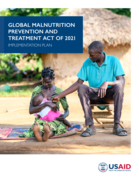
In October 2022, President Biden signed the Global Malnutrition Prevention and Treatment Act (GMPTA) into law, which directs USAID to prevent and treat malnutrition globally. The GMPTA further codifies USAID’s leadership on nutrition, with a focus on evidence-based interventions across
...
health systems and food systems, in both development and humanitarian settings.
Realizing the potential of good nutrition to save lives and ensure a brighter future for generations to come is central to U.S. Government priorities. For over 60 years, USAID has been a leader in the fight to end global malnutrition. Nutrition affects every aspect of human development: from the ability to fight disease, to children’s performance in school, to a nation’s health and economic advancement. There is overwhelming evidence of the power of good nutrition but, due to challenges in accessing safe, nutritious foods and health and sanitation services, many people in low- and middle-income countries remain undernourished.
more
This document presents the World Health Organization Operational framework for building climate resilient and low carbon health systems*. ***The framework's goal is to increase the climate resilienc
...
e of health systems to protect and improve the health of communities in an unstable and changing climate, while optimizing the use of resources and implementing strategies to reduce GHG emissions. It aims to contribute to the design of transformative health systems that can provide safe and quality care in a changing climate.
Implementation of the framework's ten components would help health organizations, authorities, and programmes to be better able to anticipate, prevent, prepare for, and manage climate-related health risks and therefore decrease the burden of associated climate-sensitive health outcomes. Implementing low carbon health practices would contribute to climate change mitigation while also improving health outcomes. Achieving these aims is an important contribution to universal health coverage (UHC), global health security, and specific targets within the Sustainable Development Goals (SDGs). The document is a useful resource for decision-makers in health systems, including public health agencies, and other specialized institutions, and for decision-makers in health-determining sectors.
more
The World Health Organization (WHO) has been present in Niger since 1960, and acts as the Government's principal advisor on public health and lead of the
...
health cluster. WHO covers all eight regions of the country with 113 staff members in Niamey and in 7 sub-offices (Agadez, Diffa, Zinder, Maradi, Tillabéri, Dosso, Tahoua).
To strengthen its cooperation with Niger, WHO has recently developed a new Country Cooperation Strategy (CCS) for 2023-2027 period in collaboration with the Ministry of Public Health, Popula-tion and Social Affairs. The CPS is based on the WHO's 13th General Programme of Work (GPA) 2019-2025 and national priorities. It enables WHO to support Niger in the implementation of its national health policy and the 2022-2026 Health and Social Development Plan (HSSP).
more

In 2006, the Special Session of African Union Health Ministers adopted the Maputo Plan of Action for implementing the Continental Policy Framework on sexual and reproductive health and rights (SRHR)
...
, which expired at the end of 2015. The goal was for all stakeholders and partners to join forces and re-double efforts, so that together, the effective implementation of the Continental Policy framework including universal access to sexual and reproductive health by 2015 in all countries in Africa can be achieved. The Revised Maputo Plan of Action (MPoA) 2016 – 2030 was subsequently endorsed by the African Union Heads of State at the 27th AU Summit in July 2016 in Kigali, Rwanda. The plan reinforces the call for universal access to comprehensive sexual and reproductive health services in Africa and lays foundation to the Sustainable Development Goals, particularly Goal 3 and 5, as well as the African Union Agenda 2063.
more
Download (856.2 kB)
Overview
A programme review for maternal, newborn, child and adolescent health (MNCAH) is a process for assessing mid- or end-term country progress in improving the health of w
...
omen, newborns, children and adolescents. A programme review is conducted at the national or subnational level as part of the regular MNCAH programme planning and implementation cycle.The purpose of this facilitators’ guide is to assist countries in planning and facilitating an integrated review of MNCAH programmes at national and subnational level. It complements the Guide for conducting national and subnational programme reviews for maternal, newborn, child and adolescent health and the MNCAH programme review data tool.
more
Ethiopia has been repeatedly affected by conflict, flooding, drought, and disease outbreaks in the past years. As of January 2024, the country is actively responding to the longest recorded cholera outbreak which started in August 2022, recurrent measles outbreaks which started in August 2021, and t
...
he highest number of malaria cases reported since 2017. The El Niño phenomenon is expected to cause further havoc up to July 2024, by causing drought in some parts of the country, and flooding in others. Food insecurity due to lost harvest and livestock is aggravating already high malnutrition rates, negatively impacting morbidity and mortality.
The Health Cluster is closely collaborating with the Ministry of Health (MOH) to prepare for, prevent, and respond to public health emergencies by mobilizing resources to enable health partners to provide life-saving health services to vulnerable populations.
In an environment with ever-increasing needs and decreased funding, the below priorities for 2024 and 2025 have been identified: 1 Strengthen advocacy for longer-term, development funding to address root causes of recurrent disease outbreaks, including through the Humanitarian-Development-Peace Nexus 2 Advocate for increased access to quality health services, with a strong focus on:
sexual and reproductive health services (including for survivors of sexual and gender-based violence)
inclusion of people with disabilities, older people, and people living with HIV
remote populations through inclusion of Mobile Health Teams (MHT) as part of the health system 3 Standardize health services provided by Health Cluster partners through the implementation of Essential Health Care packages, aligned with existing MOH guidance, aimed at ensuring quality service delivery for affected populations, especially at community level 4 Strengthen quality of, and access to data for needs analysis and informed decision-making 5 Strengthen subnational coordination, with increased focus on zones and local health partners
more
The "WHO Package of Essential Noncommunicable (PEN) Disease Interventions for Primary Health Care" provides a set of cost-effective, evidence-based interventions to address noncommunicable diseases (NCDs) such as cardiovascular diseases, diabetes, c
...
hronic respiratory diseases, and cancers. Designed for implementation in primary healthcare settings, especially in low-resource environments, the package includes protocols for screening, diagnosis, treatment, and management of these diseases. The document emphasizes an integrated approach, supporting universal health coverage by empowering healthcare workers with practical tools to improve NCD care. It aims to reduce premature mortality from NCDs and enhance global health equity.
more
Mobile Health for Asthma and Chronic Obstructive Respiratory Disease (mBreatheFreely)
World Health Organization (WHO)
World Health Organization (WHO), International Telecommunication Union (ITU)
(2018)
C_WHO
The document is a handbook on implementing the mBreatheFreely program, an mHealth initiative by the World Health Organization (WHO) and the International Telecommunication Union (ITU) aimed at improving the management of asthma and COPD through mobi
...
le technology. It provides a framework for governments and policymakers to develop, launch, and evaluate national mHealth programs. The guide covers areas such as operations management, content development, promotion strategies, technology infrastructure, and monitoring and evaluation. It emphasizes the importance of mHealth in enhancing self-management, prevention, and treatment of chronic respiratory diseases, particularly in low- and middle-income countries. The handbook also includes examples of successful programs and practical tools for adaptation and implementation.
more
ABSTRACT
More than 500 million people worldwide live with cardiovascular disease (CVD). Health systems today face fundamental challenges in delivering optimal care due to ageing populations, healthcare workforce constraints, financing, availability
...
and affordability of CVD medicine, and service delivery.
Digital health technologies can help address these challenges. They may be a tool
to reach Sustainable Development Goal 3.4 and reduce premature mortality from
non-communicable diseases (NCDs) by a third by 2030. Yet, a range of fundamental barriers prevents implementation and access to such technologies. Health system governance, health provider, patient and technological factors can prevent or distort their implementation.
World Heart Federation (WHF) roadmaps aim to identify essential roadblocks on the pathway to effective prevention, detection, and treatment of CVD. Further, they aim to provide actionable solutions and implementation frameworks for local adaptation. This WHF Roadmap for digital health in cardiology identifies barriers to implementing digital health technologies for CVD and provides recommendations for overcoming them.
more

Zambia has about 1.2 physicians, nurses, and midwives per 1000 population while the minimum acceptable density threshold is 2.3 per 1000 population. The estimated shortage of doctors, nurses and midwives in Zambia is about 14,960. However, with the projected population growth the deficit more than d
...
oubles disproportionately to, 25,849 in 2020, and 46,549 in 2035, at the current rate of HRH production. Worryingly, the human resources for health crisis has persisted for over 20 years. The efforts before and leading up to the development and implementation of the 2013 – 2016 National Training Operational Plan (NTOP) and the National Human Resources for Health Strategic Plan (2011 – 2016) yielded certain achievements, however, the HRH numbers and skill-mix gap remained disturbingly enormous.
more
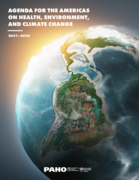
This publication presents the Agenda for the Americas on Health, Environment, and Climate Change 2021–2030 (the Agenda). The Agenda is a call to action to the health sector to lead the charge to a
...
ddress environmental determinants of health in the Americas. The Pan American Health Organization (PAHO) will work with Member States to achieve its goal and objective to ensure healthy lives and promote well-being for all at all ages using a sustainable and equitable approach that places a priority on reducing health inequity. The Agenda has been developed under the umbrella of the WHO Global Strategy on Health, Environment, and Climate Change, and builds upon the commitments set forth in the Sustainable Health Agenda for the Americas 2018–2030 and the PAHO Strategic Plan 2020–2025. The Agenda was developed in consultation with the Technical Advisory Group and through a consensus-driven decision-making process with Member States during the 2019–2020 period. Looking toward the achievement of Sustainable Development Goal 3, the Agenda focuses on: improving the performance of environmental public health programs and institutions; fostering environmentally resilient and sustainable health systems; and promoting environmentally healthy and resilient cities and communities. Its implementation will be context-specific, based on the needs and realities of the countries. It will benefit countries and territories by promoting good governance practices, strengthening the leadership and coordination roles of the health sector, fostering cross-sectoral action, focusing on primary prevention, and enhancing evidence and communication. It will facilitate access to human, technical, and financial resources necessary to address environmental determinants of health and ensure that the Region is fully engaged in global health, environment, and climate change processes and agreements. The objective of the Agenda is to strengthen the capacity of health actors in the health and non-health sectors to address and adapt to environmental determinants of health (EDHs), prioritizing populations living in conditions of vulnerability, in order to meet Outcome 18 of the PAHO Strategic Plan 2020–2025 directly and several other outcomes of the Plan indirectly. To address and adapt to the challenges of EDHs in the Region, an integrated and evidence-informed approach within the health sector and across sectors will be needed, one enabled, and supported by good governance practices, adequate management mechanisms, high-level political will, and adequate human, technical, technological, and financial resources.
more
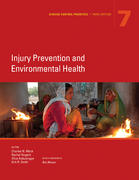
The substantial burden of death and disability that results from interpersonal violence, road traffic injuries, unintentional injuries, occupational health risks, air pollution, climate change, and inadequate water and sanitation falls disproportion
...
ally on low- and middle-income countries. Injury Prevention and Environmental Health addresses the risk factors and presents updated data on the burden, as well as economic analyses of platforms and packages for delivering cost-effective and feasible interventions in these settings. The volume's contributors demonstrate that implementation of a range of prevention strategies-presented in an essential package of interventions and policies-could achieve a convergence in death and disability rates that would avert more than 7.5 million deaths a year
more
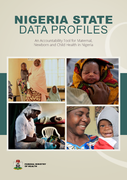
Nigeria is Africa’s most populous nation and accounts for nearly one quarter of the continent’s maternal, newborn and child deaths. In the spirit of the global Countdown to 2015 for Maternal, Newborn and Child Health and the Nigerian Saving One
...
Million Lives Initiative, these state data profiles have been designed to prompt and inform policy and programme action.
Without data there can be no accountability. Without accountability we risk making no progress for Nigeria’s women and children. The data included in these profiles come mainly from large-scale, periodic household surveys. Continued efforts are needed to strengthen civil registration, vital statistics and health management information systems, as well as the institutional capacity to gather and use these data.
Updated from 2011, these data profiles can be used to compare progress in different areas, identify opportunities to address specific coverage gaps, and monitor implementation.
more
The USAID | DELIVER PROJECT, Task Order 4, developed this guide for quantifying health commodities; it will assist technical advisors, program managers, warehouse managers, procurement officers, and service providers in (1) estimating the total comm
...
odity needs and costs for successful implementation of national health program strategies and goals, (2) identifying the funding needs and gaps for procuring the required commodities, and (3) planning procurements and shipment delivery schedules to ensure a sustained and effective supply of health commodities.
The step-by-step approach to quantification presented in this guide is complemented by a set of product-specific companion pieces that include detailed instructions for forecasting consumption of antiretroviral drugs, HIV test kits, antimalarial drugs, and laboratory supplies.
more
This operational guidance on MHPSS provides a practical orientation and tools for UNHCR country operations. It covers specific points of good practice to consider when developing MHPSS programming and offers advice on priority issues and practical difficulties, while also providing some background i
...
nformation and definitions. Since MHPSS is a cross cutting concept this operational guidance is relevant for programming in various sectors, including health, community based protection, education, shelter, nutrition, food security and livelihoods.
The focus of this operational guidance is on refugees and asylum seekers, but it may apply to other persons of concern within UNHCR operations such as stateless persons, internally displaced persons and returnees. The guidance is meant for operations in both camp and non-camp settings, and in both rural and urban settings in low and middle-income countries with a UNHCR presence.
The guidance should be adapted according to different contexts. A standardized format for programme implementation cannot be offered because this depends to a large extent on existing national capacities and local opportunities.
more
To guide One Health capacity building efforts in the Republic of Guinea in the wake of the 2014–2016 Ebola virus disease (EVD) outbreak, we sought to identify and assess the existing systems and structures for zoonotic disease detection and contro
...
l. We partnered with the government ministries responsible for human, animal, and environmental health to identify a list of zoonotic diseases – rabies, anthrax, brucellosis, viral hemorrhagic fevers, trypanosomiasis and highly pathogenic avian influenza – as the country's top priorities. We used each priority disease as a case study to identify existing processes for prevention, surveillance, diagnosis, laboratory confirmation, reporting and response across the three ministries. Results were used to produce disease-specific systems “maps” emphasizing linkages across the systems, as well as opportunities for improvement. We identified brucellosis as a particularly neglected condition. Past efforts to build avian influenza capabilities, which had degraded substantially in less than a decade, highlighted the challenge of sustainability. We observed a keen interest across sectors to reinvigorate national rabies control, and given the regional and global support for One Health approaches to rabies elimination, rabies could serve as an ideal disease to test incipient One Health coordination mechanisms and procedures. Overall, we identified five major categories of gaps and challenges: (1) Coordination; (2) Training; (3) Infrastructure; (4) Public Awareness; and (5) Research. We developed and prioritized recommendations to address the gaps, estimated the level of resource investment needed, and estimated a timeline for implementation. These prioritized recommendations can be used by the Government of Guinea to plan strategically for future One Health efforts, ideally under the auspices of the national One Health Platform. This work demonstrates an effective methodology for mapping systems and structures for zoonotic diseases, and the benefit of conducting a baseline review of systemic capabilities prior to embarking on capacity building efforts.
more

This Handbook is primarily for educators, to help them learn about mental health issues and better support them in educational environments. The Handbook aims to provide training to teachers, administrators, and people involved in the education of p
...
rimary school children about the implementation of mental health literacy into daily school life. Such knowledge, skills and attitudes will equip all levels of educators with key tools to support student mental health, manage difficult classroom behavior, and promote students’ wellbeing and academic success.
more
The International Rescue Committee (IRC) is a leading humanitarian agency dedicated to helping people whose lives have been shattered by conflict and disaster to survive, recover, and gain control of their future. Health comprises nearly half of IRC
...
’s program portfolio globally and encompasses three sectors: 1) Primary Health (including child health, sexual and reproductive health and rights, and mental health); 2) Nutrition; and 3) Environmental Health. IRC health programming across its portfolio, in terms of the size and breadth, responds to significant needs in crisis affected settings, improving health and wellbeing while reducing causes of ill-health.
This five-year Health Strategy sharpens our focus on where we can have the most impact. It guides our efforts in planning, technical assistance, business development, advocacy, and internal and external collaboration. Through this strategy, we will invest and grow in areas that will help us achieve high impact at scale for our clients. For the next five years these priorities will include: Nutrition; Immunization: Infectious Disease Prevention and Control; Last Mile Delivery of Primary Health Care: Clean Water.
Our strategy aligns with Strategy 100 (S100) and Strategy Action Plans (SAPs). It lays out how IRC, through health, nutrition, and Environmental Health (EH) programming, will advance the IRC’s S100 ambitions, respond to global trends, and capitalize on our value add. The strategy will be complemented by delivery plans that detail investments, actions, and roles and responsibilities to advance our priorities. At the end of FY24, we will take stock of the implementation of the strategy, measure progress towards achieving our goals, and review if it continues to be fit for purpose.
more
Unpreparedness of health professionals to address non-communicable diseases (NCD) at peripheral health facilities is a critical health system chall
...
enge in Mozambique. To address this weakness and decentralize NCD care, training of the primary care workforce is needed. We describe our experience in the design and implementation of a cascade training of trainers (ToT) intervention to strengthen the prevention and control of cardiovascular disease.
more
2021 World Health Organization guideline on pharmacological treatment of hypertension: Policy implications for the region of the Americas
Campbell, N.R.C.; Burnens, M.P.; Whelton, P.K. et al.
The Lancet Regional Health - Americas
(2022)
CC
Cardiovascular disease (CVD) is the leading cause of death in the Americas and raised blood pressure accounts for over 50% of CVD. In the Americas over a quarter of adult women and four in ten adult men have hypertension and the diagnosis, treatment and control are suboptimal. In 2021, the World
...
Health Organization (WHO) released an updated guideline for the pharmacological treatment of hypertension in adults. This policy paper highlights the facilitating role of the WHO Global HEARTS initiative and the HEARTS in the Americas initiative to catalyze the implementation of this guideline, provides specific policy advice for implementation, and emphasizes that an overarching strategic approach for hypertension control is needed. The authors urge health advocates and policymakers to prioritize the prevention and control of hypertension to improve the health and wellbeing of their populations and to reduce CVD health disparities within and between populations of the Americas.
more

Objectives: This paper reviews the mental health policies that have been implemented in Chile in response to the COVID-19 pandemic and the international context of countries' responses. Even before the start of the pandemic, there were significant b
...
arriers to access mental health services in Chile, coupled with a scenario of nationwide social unrest and protests that questioned the legitimacy of public institutions; now the rapidly worsening outbreaks of COVID-19 are exacerbating the pre-existing mental health crisis.
Methods: We conducted a bibliometric and content analysis of the Chilean mental health public policies implemented during the COVID-19 pandemic and then compared these policies with international experiences and emerging scientific evidence on the mental health impact of pandemics.
Results: Our analysis of the policies identifies five crucial points of action developed in Chile: (i) an established framework to address mental health in emergency and disaster situations; (ii) a timely COVID-19 Mental Health Action Plan; (iii) inclusion of mental health in the public health agenda; (iv) development of a presidential strategy during the pandemic for comprehensive mental health and well-being; and (v) emerging research assessing the mental health implications of COVID-19.
Conclusions: In Chile, the public policy responses to address the mental health consequences of the COVID-19 pandemic has been characterized by the coordinated implementation of mental health plans, ranging from a health sectoral initiative to inter-agency and intersectoral efforts. However, it is imperative that increased funding is allocated to mental health, and efforts should be made to promote the participation of people with lived experiences and communities in the design and implementation of the proposed actions. This aspect could be of key importance to social peace and community recovery after the pandemic.
more
USAID funded/ Primary Health Care Project in Iraq (PHCPI) in cooperation with Iraqi Ministry of Health (MOH) aims to promote Primary Health Care (P
...
HC) services provided by Primary Health Care Clinics (PHCCs) in Iraq in order to achieve the development goal in enhancing the PHC provision system through achieving the following results: First: Enhancing management and operations systems, which support clinical care. Second: Improving the quality of the delivered PHC according to quality standards. Third: Enhancing and expanding local community participation and partnership in PHC. Maintaining the medical & service devices in the hospitals and health clinics besides making them function according to the adapted standard specifications, lead to providing most efficient medical services for people and accomplish the purposes for which they were invented. Maintenance and repair of facilities and infrastructure, and keeping them safe and clean are also of the important approaches for the results referred to in (first) and (second) above. This can be achieved through enhancing and developing facilities, and medical & service devices management. This guideline seeks to develop work mechanism for engineers, technicians and the PHCCs’ facilities and medical & service equipment maintenance workers; clarify the concept of maintenance, its importance and classifications in health area, its planning and implementation, the tasks and duties of other directorates and departments of the Ministry in relation to all kinds of maintenance. Add to that preparing documents and forms, which are used in documenting and monitoring the steps required to be accomplished in the maintenance of PHCCs’ facilities and medical & service equipment, for the equipment to perform the best possible services for people and get their satisfaction.
more
For the primary health worker in a low/middle-income country (LMIC) setting, delivering quality primary care is challenging. This is often complicated by clinical guidance that is out of date, inconsistent and informed by evidence from high-income c
...
ountries that ignores LMIC resource constraints and burden of disease. The Knowledge Translation Unit (KTU) of the University of Cape Town Lung Institute has developed, implemented and evaluated a health systems intervention in South Africa, and localised it to Botswana, Nigeria, Ethiopia and Brazil, that simplifies and standardises the care delivered by primary health workers while strengthening the system in which they work. At the core of this intervention, called Practical Approach to Care Kit (PACK), is a clinical decision support tool, the PACK guide. This paper describes the development of the guide over an 18-year period and explains the design features that have addressed what the patient, the clinician and the health system need from clinical guidance, and have made it, in the words of a South African primary care nurse, ‘A tool for every day for every patient’. It describes the lessons learnt during the development process that the KTU now applies to further development, maintenance and in-country localisation of the guide: develop clinical decision support in context first, involve local stakeholders in all stages, leverage others’ evidence databases to remain up to date and ensure content development, updating and localisation articulate with implementation.
more
This publication makes the case for working with men and women, boys and girls, together in an intentional and mutually reinforcing way that challenges gender norms in the pursuit of improved health and gender equality. In addition to providing a de
...
finition for the new concept of gender synchronization, this document provides examples of synchronized approaches that have worked first with women and girls, or first with men and boys, and describes interventions that have worked with both sexes from the start. It also provides examples of new and emerging programs that should be watched in the coming years for the knowledge they may contribute to the implementation of gender synchronization.
more
The Journal of Infectious Diseases, jiy435, https://doi.org/10.1093/infdis/jiy435.
Many outbreaks reported high proportions of infected HWs. Similar HW infection rates and exposure risk factors in both past and recent EVD and MVD outbreaks emphasize the need to improve the
...
implementation of appropriate infection control measures consistently across all healthcare settings.
more
Assessing the Impact of Workforce Nutrition Programmes on Nutrition, Health and Business Outcomes: A Review of the Global Evidence and Future Research Agenda
Dhillon, C.N.; Ortenzi, F.
International Journal of Environmental Research and Public Health
(2023)
CC
One in three people globally suffers from at least one form of malnutrition, leading to poor health outcomes and low productivity in the workplace. The workplace offers an important, relatively unexploited opportunity to address malnutrition in all
...
its forms. This narrative literature review aims to understand the impact of workforce nutrition programmes on nutrition, health, and business outcomes, based on high-strength-of-evidence studies. We used PubMed as our primary research database, complemented by Google Scholar, to identify systematic reviews, meta-analyses, and randomised controlled trials published between January 2010 and October 2021. In total, 26 records were included. We found that comprehensive workforce nutrition programmes, including a variety of intervention areas, and/or programmes targeting high-risk categories of workers (overweight/obese or (pre-)diabetic) were more likely to be effective on nutrition, health, and business outcomes. Within comprehensive and targeted programmes, individualised counselling and worksite environmental modifications were often mentioned as the most effective components. However, a high degree of heterogeneity in outcome measures and programme designs made it difficult to draw strong conclusions on the impact of workforce nutrition interventions. Limited evidence was found on business outcomes, longer-term effects of interventions, and programme implementation in LMICs. Therefore, further research is needed to address these evidence gaps.
more
BMC Medicine201210:107
https://doi.org/10.1186/1741-7015-10-107© Katchanov and Birbeck; licensee BioMed Central Ltd. 2012
Received: 10 July 2012Accepted: 24 September 2012Published: 24 September 2012
In 2011, the World Health Organization’s
...
(WHO) mental health Gap Action Programme (mhGAP) released evidence-based epilepsy-care guidelines for use in low and middle income countries (LAMICs). From a
geographical, sociocultural, and political perspective, LAMICs represent a heterogenous group with significant differences in the epidemiology, etiology, and perceptions of epilepsy. Successful implementation of
the guidelines requires local adaptation for use within individual countries. For effective implementation and sustainability, the sense of ownership and empowerment must be transferred from the global health authorities to the local people. Sociocultural and financial barriers that impede the implementation of the guidelines should be
identified and ameliorated. Impact assessment and program revisions should be planned and a budget allocated to them. If effectively implemented, as intended, at the primary-care level, the mhGAP
guidelines have the potential to facilitate a substantial reduction in the epilepsy treatment gap and improve the quality of epilepsy care in resource-limited settings.
more
COVID-19: Guidelines for case-finding, diagnosis, management and public health response in South Africa
recommended
Bham A., J. Bhiman, F. Bongweni et al.
Centre for Respiratory Diseases and Meningitis and Outbreak Response
(2020)
C2
The information contained in this document, be it guidelines, recommendations, diagnostic algorithms or treatment regimens, are offered in this document in the public interest. To the best of the knowledge of the guideline writing team, the information contained in these guidelines is correct.
...
Implementation of any aspect of these guidelines remains the responsibility of the implementing agency in so far as public health liability resides, or the responsibility of the individual clinician in the case of diagnosis or treatment.
more

Front. Med., 27 November 2020 | https://doi.org/10.3389/fmed.2020.594728. The Checklist included eight actions for implementing rural pathways in LMICs: establishing community needs; policies and partners; exploring existing workers and scope; selecting he
...
alth workers; education and training; working conditions for recruitment and retention; accreditation and recognition of workers; professional support/up-skilling and; monitoring and evaluation. For each action, a summary of LMICs-specific evidence and prompts was developed to stimulate reflection and learning. To support implementation, rural pathways exemplars from different WHO regions were also compiled. Field-testing showed the Checklist is fit for purpose to guide holistic planning and benchmarking of rural pathways, irrespective of LMICs, stakeholder, or health worker type.
more
Similar to other parts of the world, the prevalence of type 2 diabetes mellitus (T2DM) in the Asia-Pacific Region has rapidly increased during the last few decades. The purposes of this pilot study were to determine the feasibility and the effects of a capacity building program for Village
...
Health Volunteers (VHVs) to support self-management in a T2DM high risk population from a rural subdistrict in Northeast Thailand. Both quantitative and qualitative data were collected using surveys, focus group discussions, and in-depth interviews. Data were analyzed and used to develop a 12-week capacity building program for VHVs. This program was then implemented on 60 subjects at high risk of T2DM in the selected community. According to the paired t-test and Wilcoxon-signed rank test, VHVs had higher scores on knowledge and self-efficacy of T2DM prevention after a 12 week intervention (p =.03 and p =.02, respectively). Study participants at risk for T2DM also had a significant increase in T2DM knowledge and self-management (p <.001). Implementation of the capacity building program for VHVs in Northeast Thailand was feasible. The key successes were strong community bonding, community empowerment, and support from family and public health nurses. Effects of the program should be examined with those in other Asia-Pacific countries.
more
Guidelines for Implementation and Monitoring. WHO Regional Publications, Eastern Mediterranean Series 21
This Ebola Communication Preparedness Implementation Kit (I-Kit) provides national and local stakeholders, as well as program managers, with key considerations and a roadmap for instituting and implementing critical, relevant, practical and timely c
...
ommunication for responding to the threat of an Ebola Virus Disease (EVD) outbreak. The I-Kit guides countries in social and behavior change communication (SBCC) and risk communication activity planning, including communication plan development for every stage of an Ebola response
more
Framework for implementation.
The END TB Strategy.
A guide to monitoring and evaluation for collaborative TB/HIV activities
A. Kanchar; H.Getahun; P. Glaziou; et al.
World Health Organization (WHO); PEPFAR; UNAIDS; et al.
(2015)
C_WHO
Monitoring of implementation of collaborative TB/HIV activities and evaluation of impact is critically important. This requires efficient monitoring and evaluation system so as to establish accountability mechanisms between programmes, the populatio
...
n they serve, and donors. The Guide to monitoring and evaluation for collaborative TB/HIV activities will facilitate this process. The first version of the guide was developed in 2004 placing collaborative TB/HIV activities as integral part of national TB/HIV response. It was revised in 2009 to harmonize the approaches and indicators for monitoring and evaluation across key stakeholders. The current revision builds upon remarkable progress in implementation of collaborative TB/HIV activities and aims to strengthen the implementation further through improved quality of data.
more
This field workbook supports the implementation of the interagency (FAO, UNICEF, WHO) “Communication for Behavioural Impact (COMBI): A toolkit for behavioural and social communication in outbreak response”. It is a handheld guide and notebook fo
...
r applying the WHO COMBI methodology in 7-steps, during an outbreak. It is primarily intended for risk communication, developmental communication and health promotion/education personnel working in multidisciplinary teams to investigate and respond to disease outbreaks. It contains essential tools, checklists, and information needed to design effective behavioural and communication interventions in support of outbreak prevention and control objectives - to limit loss of life and minimize disruption to families, communities and societies
more
A step towards implementation of the Convention on the Rights of Persons with Disabilities (CRPD) related to personal mobility.
Strengthening Facility Based Pediatric Care
recommended
Operational Guidelines for Planning and Implementation in District Hospitals
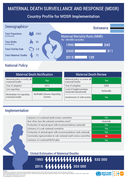
Country Profile for MDSR Implementation
Manual for Early Implementation
A resource for the continued implementation of the Consolidated Action Plan to Prevent and Combat Multidrug- and Extensively
Drug-Resistant Tuberculosis in the WHO European Region 2011-2015
Please download the whole Document (large size 28 MB) dir
...
ectly from the website
more
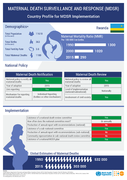
Country Profile for MDSR Implementation

During the implementation of the National Strategic Plan 2009–2012 on HIV and AIDS, Rwanda has continued its progress towards universal access to HIV and AIDS services. The new HIV and AIDS National Strategic Plan July 2013–June 2018 (thereafter
...
referred to as ‘the NSP’) presented here is set on pursuing the same objective, with inspiration from the global targets of “zero new HIV infections, zero HIV-related deaths and zero stigma and discrimination due to HIV”.
more
2016-2018 Early implementation,
This report presents 2015 data on the consumption of systemic antibiotics from 65 countries and areas, contributing to our understanding of how antibiotics are used in these countries. In addition, the report documen
...
ts early efforts of the World Health Organization (WHO) and participating countries to monitor antimicrobial consumption, describes the WHO global methodology for data collection, and highlights the challenges and future steps in monitoring antimicrobial consumption.
more
Apart from implementation of TB infection Prevention and Control measures, treatment of those with active TB of the lungs is key in preventing the spread of the TB bacilli. The Public Health Act CAP
...
242, section 17 classify TB as notifiable infectious disease and under section 26 as part of prevention and control of infectious diseases, those exposed or suffer from the notifiable infectious diseases should be isolated in designated place and detained while taking medication until in the assessment of the Medical officer of health confirm that the person is free from infection or able to be discharged without danger to public health.
more
Health workers involved in deployment and implementation of COVID-19 vaccination require vaccine-specific knowledge to ensure safe and efficient vaccine delivery. This training provides key informat
...
ion about COVID-19 vaccines through short instructional videos, vaccine explainers, job aids, topic briefings, and downloadable presentations. It builds on the COVID-19 vaccination training for health workers and the Orientation to National Deployment and Vaccination Planning for COVID-19.
Please note that further videos and resources concerning other vaccines will be added as they receive emergency use listing (EUL) or prequalification. Available in different languages
more

Health innovation is the creation and implementation of novel processes, products, programmes, policies or systems that lead to transformations or improvements in
...
health and equity. This is the first instalment of "Innovation for Health," a knowledge product series dedicated to showcasing health innovation in the Western Pacific and the roles governments can play. This case study documents the health innovation aimed at achieving equity in access to cataract surgical services in Malaysia, examines its enablers and barriers for further scaling up, and serves as a reference for Member States seeking new approaches to decentralize and deliver services to the unreached.
more

Program Implementation Manual (PIM)
The Save One Million Lives Program for Results (SOML PforR) is a Federal Government of Nigeria maternal and child health program, supported by the World Bank ... , which provides incentives based on achievement of results (health outcomes) and helps to drive institutional processes needed to achieve these results. This Program Implementation Manual provides a description of the program and operational guidelines for effective implementation. The Manual contains guidelines and procedures relating to disbursements and fund flows, institutional arrangements, financial management as well as monitoring and evaluation, while providing clear definition of the roles and responsibilities of all stakeholders. more
The Save One Million Lives Program for Results (SOML PforR) is a Federal Government of Nigeria maternal and child health program, supported by the World Bank ... , which provides incentives based on achievement of results (health outcomes) and helps to drive institutional processes needed to achieve these results. This Program Implementation Manual provides a description of the program and operational guidelines for effective implementation. The Manual contains guidelines and procedures relating to disbursements and fund flows, institutional arrangements, financial management as well as monitoring and evaluation, while providing clear definition of the roles and responsibilities of all stakeholders. more
Guidance book about implementation of health crisis response for school children in Indonesia in facing earthquake as natural disaster

Guidelines for Planning and Implementation
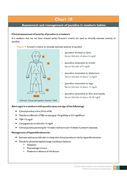
Guidelines for Planning and Implementation
Policy in action
World Health Organization (Europe)
(2017)
C_WHO
A tool for measuring alcohol policy implementation
This document provides a decision-making framework for implementation of mass treatment interventions, active case-finding campaigns and population-based surveys for neglected tropical diseases in the context of the COVID-19 pandemic. A two-step app
...
roach is proposed: a risk–benefit assessment, to decide if the planned activity should proceed; and an examination of a list of precautionary measures that should be applied with the aim of decreasing the risk of transmission of COVID-19 associated with the activity, and strengthening the capacity of the health system to manage any residual risk. This guidance note is intended to health authorities, NTD programme managers and their supporting partners.
more
The harmful use of alcohol causes approximately 3 million deaths every year and the overall burden of disease and injuries attributable to alcohol consumption remains unacceptably high. The pace of development and implementation of alcohol policies
...
has been uneven in WHO regions, and resources and capacities for implementation of the WHO Global strategy to reduce the harmful use of alcohol 10 years after its endorsement do not correspond to the magnitude of the problems. On this basis, the WHO Executive Board in its decision EB146 (14) called for accelerated action to reduce the harmful use of alcohol.
more

These country profiles present progress on implementation of policy recommendations of the Global Action Plan on Physical Activity (GAPPA) 2018-2030 in each country. They also present an estimate of the cost to
...
health systems of not taking action to improve physical activity levels and reinforce the urgency to position physical activity as a shared, whole-of-government priority, and to strengthen coordination and partnerships to promote physical activity.
more
To maintain a structured and well-organized implementation plan it is important to have a lead agency or sector. The ministry of health or a similar authority in government will be critical in facil
...
itating development and implementation of the multisectoral action plan.
more
To maintain a structured and well-organized implementation plan it is important to have a lead agency or sector. The ministry of health or a similar authority in government will be critical in facil
...
itating development and implementation of the multisectoral action plan.
more
The purpose of this publication is to facilitate the implementation of existing WHO guidelines on nutrition-specific and nutrition-sensitive actions required for improving health and well-being of a
...
dolescents. Implementing these actions should explicitly take into account the heterogeneity of adolescents in general (for instance, in their state of physical growth and social development), as well as the diversity within their country (for instance, in terms of the expected responsibilities in the family, the number out of school or out of work and existing social norms).
more
Information note.
This information note provides a strategic overview of key implementation considerations for diagnostic integration using these devices, and is primarily intended for use by national laboratory services and TB, HIV, and hepati ... tis programme managers.
It may also be of interest to managers of maternal, newborn and child health programmes and sexual and reproductive health programmes, international and bilateral agencies, and organizations that provide financial and technical support to the relevant national health programmes. more
This information note provides a strategic overview of key implementation considerations for diagnostic integration using these devices, and is primarily intended for use by national laboratory services and TB, HIV, and hepati ... tis programme managers.
It may also be of interest to managers of maternal, newborn and child health programmes and sexual and reproductive health programmes, international and bilateral agencies, and organizations that provide financial and technical support to the relevant national health programmes. more
This summary outlines the burden of targeted diseases and program implementation outcomes in Rwanda. The control of neglected tropical diseases represents a major challenge to those providing healthcare services in the endemic countries. The purpose
...
of this country profile is to provide public health professionals with the most recently available epidemiological information on diseases for which a strategy and tools to implement large-scale preventive chemotherapy exist.
more
This guideline examines the evidence and makes recommendations and remarks on the implementation of some of the details of breastfeeding counselling, such as frequency, timing, mode and provider of breastfeeding counselling, to improve breastfeeding
...
practices. The objective of this guideline is to provide global, evidence-informed recommendations on breastfeeding counselling, as a public health intervention, to improve breastfeeding practices among pregnant women and mothers who intend to breastfeed, or are currently breastfeeding, and their infants and children
more
The Ghanaian Cabinet approved the antimicrobial resistance (AMR)Policy and Implementation plan(hereafter referred to as the national action plan or NAP)in December 2017, whilst the country case study was in progress. This has set in motion the
...
implementation phase for Ghana, which is a long awaited event since the drafting of the Policy started in 2011. This case study, whilst limited in its ability to interact with all stakeholders, has identified entrypoints within the operational divisions of Ghana Health Services,as potential areas where the AMR policy platform may seek to embed AMR activities. Much work has already been done within Ghana to identify the key entrypoints within the various ministries and government agencieswhere AMR can be incorporated. These stakeholders already form part of the AMR Policy Platform which is the governance structure for AMR and have been participating actively in the development of the AMR Policy and NAP activities formulation.
more
Member States have requested WHO policy guidance on how to facilitate the implementation of national AMS activities in an integrated and programmatic approach. This policy guidance responds to that demand from Member States and is anchored in public
...
health guiding principles in the human health sector. It aims to provide a set of evidence-based and pragmatic recommendations to drive comprehensive and integrated AMS activities under the purview of a central national coordination unit, National AMR steering or coordinating committees or other equivalent national authorities.
Available in English, French, Spanish, Russian, Arabic, Chinese
more
Available in Russian
A detailed overview is provided of the implementation of alcohol policies described in the 10 action areas of the European Action Plan to Reduce the Harmful Use of Alcohol 2012–2020 (EAPA), including the current status of
...
implementation of the five action areas of the WHO-led SAFER initiative:
Strengthen restrictions on alcohol availability;
Advance and enforce drink–driving countermeasures;
Facilitate access to screening, brief interventions and treatment;
Enforce bans or comprehensive restrictions on alcohol advertising, sponsorship and promotion; and
Raise prices on alcohol through excise taxes and pricing policies.
more
Member States have requested WHO policy guidance on how to facilitate the implementation of national AMS activities in an integrated and programmatic approach. This policy guidance responds to that demand from Member States and is anchored in public
...
health guiding principles in the human health sector. It provides evidence-based and pragmatic recommendations to drive comprehensive and integrated AMS activities under the purview of a central national coordination unit, National AMR steering or coordinating committees or other equivalent national authorities.
Please note that this course is part of a training package, so please register for the complementary course Antimicrobial stewardship programmes in health-care facilities in low- and middle-income countries: a WHO practical toolkit so that you can complete your learning journey.
more
This facilitator’s manual is designed to support the implementation of the Dengue Clinical Management training course. The guide contains specific instructions for the facilitator and provides:
- a detailed description of the clinical course of
...
dengue illness, which reflects the dynamic and systemic nature of dengue that has crucial bearing on the patient’s management;
- a detailed description of the basic pathophysiological changes of severe dengue (i.e. plasma leakage and hypovolaemia/shock) and guidance on the recognition of these changes and appropriate action of management;
- a brief discussion on WHO classification (1997) and its limitations;
- guidance on the differential diagnoses that can be confused with dengue or vice versa; they were described according to the stage of disease;
- a more focused guide on the disease monitoring in accordance with the dynamic changes as the disease progresses;
- emphasis on the importance of monitoring the plasma leakage (haemodynamic status of the patient, clinical signs of plasma leakage and haematocrit);
- a clearer algorithm for fluid management in cases of severe dengue; and
- emphasis on the importance of recognizing or suspecting significant occult bleed. Keep the facilitator’s manual with you each day as you prepare and deliver the information. Use it as a reference when delivering classroom presentations, but avoid reading directly from it during sessions.
more
The Assessment package has been developed for countries to evaluate the implementation of the WHO Standards for prosthetics and orthotics. It enables identification of areas in need of strengthening and facilitates relevant planning. The complete As
...
sessment package consists of four components: Assessment guide: gives directions on how to organize and implement the assessment. Assessment tool: Excel instrument used to carry out assessments and record results.
User manual: explains how the Assessment tool should be used.
Planning document: Excel file into which the recommendations that are generated by the Assessment tool can be pasted for easy use in subsequent planning.
more
This document highlights landmarks and key milestones in the development and implementation of the global agenda for noncommunicable diseases (NCDs) over the last two decades. It summarizes where the world was in 2000, where it is in 2022, and where
...
the world wants to be in terms of NCD prevention and control by 2030. It recalls the commitments made by heads of state and governments, and outlines the technical guidance provided by the World Health Organization (WHO) in support of national efforts to achieve the internationally agreed NCD targets for 2025 and 2030.
more
Implementing the global action plan on antimicrobial resistance: first quadripartite biennial report
The first quadripartite biennial report summarizes progress in the implementation of multisectoral national action plans, actions by the quadripartite organizations, actions by the global governance structures, key environmental dimensions, highligh
...
ts areas for accelerated action, and shares case studies from six countries. An Annex with extensive data on the global action plan’s monitoring and evaluation indicators is included. The report was developed through contributions from all 6 WHO regions, member states, various headquarters departments and units, and technical teams from FAO, WOAH and UNEP.
more

The Tripartite AMR Country Self-Assessment Survey (TrACSS) helps to monitor country progress on the implementation of AMR national actions plans and has been administered on an annual basis by the Tripartite organizations (Food and Agriculture Organ
...
ization of the United Nations (FAO), World Organisation for Animal Health (OIE) and World Health Organization (WHO)) since 2016.
This report analyzes the global responses on the fourth round of TrACSS (2019-2020) and examines the global trends and actions towards addressing AMR in all sectors.
Complete country and global responses to all rounds of the survey can be accessed through the TrACSS database: https://amrcountryprogress.org/.
more
The Infection Prevention and Control (IPC) Assessment Framework (IPCAF) is a tool to support the implementation of the World Health Organization (WHO) Guidelines on core components of IPC programmes
...
at the acute health care facility level. The user should be familiar with the contents of these guidelines, including the Interim practical manual supporting the implementation of the IPC core components at the facility level before using this tool. The IPCAF is a systematic tool that can provide a baseline assessment of the IPC programme and activities within a health care facility, as well as ongoing evaluations through repeated administration to document progress over time and facilitate improvement.
more
WHO operational handbook on tuberculosis: module 4: treatment: tuberculosis care and support
recommended
The consolidated guidelines are complemented by an operational handbook which is designed to assist with implementation of the WHO recommendations by Member States, technical partners and others who are involved in the management of patients with DR
...
-TB. The WHO Operational Handbook on Tuberculosis, Module 4: Treatment - Drug-Resistant Tuberculosis Treatment provides practical guidance on how to put in place the recommendations at the scale needed to achieve national and global impact.
The document provides information on different aspects of care and support for TB patients. In particular, the handbook provides practical guidance on the implementation of the interventions that enable treatment adherence such as social support, treatment administration options, digital adherence technologies. The practical guidance also includes models of care for all TB patients, models of care for children and adolescents, integrated care for TB, HIV and comorbidities, engagement of private sector, managing of TB in health emergencies. This new practical handbook also includes two important chapters on health education and counselling, and palliative care for patients with TB.
more
The consolidated guidelines are complemented by an operational handbook which is designed to assist with implementation of the WHO recommendations by Member States, technical partners and others who are involved in the management of patients with DR
...
-TB. The WHO Operational Handbook on Tuberculosis, Module 4: Treatment - Drug-Resistant Tuberculosis Treatment provides practical guidance on how to put in place the recommendations at the scale needed to achieve national and global impact.
The operational handbook provides practical information and tools that complement the recommendations in the guidelines. The strategies described in the operational handbook are based on the latest WHO recommendations which were formulated by Guideline Development Groups using the GRADE approach. In many cases however, the recommendations in their current form lacked sufficient clinical and programmatic detail, which is important for implementation. This operational handbook complements the guidelines with practical advice based on best practices and knowledge from the fields such as pharmacokinetics, pharmacodynamics, microbiology, pharmacovigilance and clinical and programmatic management.
more
This document aims to support those working in primary care to strengthen IPC, informed by existing WHO IPC guidance and implementation resources. Many of the existing WHO IPC guidance and implementation
...
resources initially developed for acute health care facilities have a potential utility for IPC in primary care. However, navigating these resources to locate relevant content for IPC in primary care can be challenging as some documents can span over 100 pages. This document extracts relevant content, bringing together existing WHO IPC standards, indicators and implementation approaches that are focused on, or directly relevant to IPC in primary care. It should also be used to identify resources suitable for use in primary care that can be embedded within relevant IPC or other health programmes.
more
Efforts driving universal coverage have recently been strengthened through implementation of the Global Vaccine Action Plan (GVAP) where cost estimates for immunization support were developed totaling US$40 billion of donor assistance by 2020. In ad
...
dition to resource mobilization, there has been an increasing focus on improving both vaccine access and delivery systems. We track donor assistance for immunization by funding objective and channel from 1990 to 2016, and illustrate projections through 2020 to inform progress of the GVAP.
more
The pathway to strengthen multisectoral collaboration at the human-animal-environmental interface (HAI) aims to improve health security through One Health
...
implementation. It outlines strategic guides and tools developed to support Member States through different steps of the HAI pathway.
more
The Executive Board at its 150th session noted an earlier version of this report.1 The present report provides an update on the implementation of the Strategic Action Plan on Polio Transition (2018–2023)2 at the start of 2022, within the context o
...
f the coronavirus disease (COVID-19) pandemic.
more
To provide a foundation for the strategic policy and programme development needed to ensure the sustainable implementation of effective interventions for reducing the global burden of PPH
Regulation of the Minister of Health of the Republic of Indonesia concerning guidelines for implementation of opioid replacement therapy program
WHO’s sentinel surveys of acquired HIV resistance to dolutegravir among people receiving dolutegravir-containing antiretroviral therapy is intended for easy and frequent implementation. Results from sentinel surveys provide insight into the preval
...
ence and year-over-year trends of dolutegravir resistance in adults, children and adolescents receiving dolutegravir-based ART.
This sentinel method is implemented complementary to WHO-recommended methods for estimating nationally representative levels of acquired HIV drug resistance.
more
Plan de acciόn sobre salud mental 2013-2020.
recommended
Four major objectives are set forth: more effective leadership and governance for mental health; the provision of comprehensive, integrated mental health and social care services in community-based
...
settings; implementation of strategies for promotion and prevention; and strengthened information systems, evidence and research.
more
The Toolkit is a library of technical tools and resources that have been constructed to support the implementation of national health plans during the recovery phase in the context of the Ebola outb
...
reak. It brings together technical expertise and resources on safe essential services into a single source
more

The report aims to help policy-makers and programme managers identify the areas that need attention and to work towards effective implementation and enforcement of policies and legislations. The need for alcohol policy-specific infrastructures to su
...
pport the alcohol policy process, including designated responsible agency, policy and strategy, and law and regulation, is also required at the country level.
The report is presented in three sections. Section 1 gives an insight to the alcohol consumption situation in the WHO South-East Asia Region and cites the alcohol-related problems that the Region is facing. Section 2 illustrates the policy situation in the 10 areas of national action identified in the Global Strategy to Reduce the Harmful Use of Alcohol and gives specific recommendations pertaining to these areas. Section 3 provides overall recommendations. more
The report is presented in three sections. Section 1 gives an insight to the alcohol consumption situation in the WHO South-East Asia Region and cites the alcohol-related problems that the Region is facing. Section 2 illustrates the policy situation in the 10 areas of national action identified in the Global Strategy to Reduce the Harmful Use of Alcohol and gives specific recommendations pertaining to these areas. Section 3 provides overall recommendations. more

Based on WHO South-East Asia Regional Strategy on Autism Spectrum Disorder
The collaborative framework for implementation of the “WHO South-East Asia Regional Strategy on Autism Spectrum Disorders” articulates to Member States: the nature o ... f autism spectrum disorder and the issues faced by PwASD and their caregivers; the foundation on which the Regional Strategy and the collaborative framework is based; desired outcomes against each objective of the ASD Regional Strategy; recommended actions to fulfill each objective; requisite parameters that should govern the recommended actions; and suggested guidelines for monitoring, evaluating and reporting a Member State’s progress towards fulfilling the objectives. It encourages Member States to share best practices and information for promoting cooperation and partnerships for development of effective and sustainable programmes. more
The collaborative framework for implementation of the “WHO South-East Asia Regional Strategy on Autism Spectrum Disorders” articulates to Member States: the nature o ... f autism spectrum disorder and the issues faced by PwASD and their caregivers; the foundation on which the Regional Strategy and the collaborative framework is based; desired outcomes against each objective of the ASD Regional Strategy; recommended actions to fulfill each objective; requisite parameters that should govern the recommended actions; and suggested guidelines for monitoring, evaluating and reporting a Member State’s progress towards fulfilling the objectives. It encourages Member States to share best practices and information for promoting cooperation and partnerships for development of effective and sustainable programmes. more

The review’s objectives are to review progress in TB control with emphasis on DOTS strategy implementation, summarize the experience, lessons learnt and methods of work and to make recommendations for international donors, technical agencies and t
...
he Ministry of Health.
more
The purpose of this manual is to provide guidance in the design, implementation and evaluation of a course that aims to build and strengthen the capacity of health personnel to manage eye patients a
...
t primary-level health facilities in the African Region. The course falls within the remit of continuous professional development in its broadest sense. Its content focuses on simple evidence-based practice that can be easily carried out in primary-level health facilities all over Africa.
This manual is intended for use by course directors and facilitators. Its intended audience includes all persons who wish to commission, support or offer a course serving the above aims, including pre-service training. This manual sets out the requisite steps for the preparation and organization of such a course.
more
The focus of the current quarterly edition of Eurohealth (from the European Observatory on Health Systems and Policies) is Antimicrobial Resistance (AMR) and contains the following articles:
• Strengthening
...
implementation of AMR national action plans
• Fostering clinical development and commercialisation of novel antibiotics
• Tackling AMR in the community
• Quantifying the benefits of vaccines in combating AMR
more
The WHO operational handbook on tuberculosis: tuberculosis preventive treatment is the companion, implementation guide to the 2020 WHO guidelines on TB preventive treatment.[1] Just as these guidelines are the first to be released under the rubric o
...
f the WHO consolidated TB guidelines, this handbook will be the first in a modular series of practical guides meant for the implementers of various aspects of the programmatic management TB.
more

This document is based on currently available scientific evidence on treatment for drug use disorders and sets out a framework for the implementation of the Standards, in line with principles of public hea
...
lth care. The Standards identify major components and features of effective systems for the treatment of drug use disorders. They describe treatment modalities and interventions to match the needs of people at different stages and severities of drug use disorders, in a manner consistent with the treatment of any chronic disease or health condition. The Standards are aspirational, and such, national or local treatment services or systems need not attempt to meet all the standards and recommendations made in this document all at once. However over time, progressive quality improvement, with ‘evidence-based and ethical practice’ as an objective, can and should be expected to achieve better organized, more effective and ethical systems and services for people with drug use disorders.
more
The toolkit provides practical guidance and tools that can support efforts, including planning and implementation activities, to create dementia-inclusive societies.
The toolkit is divided into two parts. Part I contains background information an
...
d a conceptual framework for creating dementia-inclusive societies. Part II includes four practical modules, each featuring a series of practical steps and exercises. The four modules focus on: starting a new dementia-friendly initiative (DFI), integrating dementia into an existing initiative, monitoring and evaluation a DFI, and scaling a DFI. The modules can be used together or separately and offer guidance that can be adapted to suit local needs and settings.
more
WHO operational handbook on tuberculosis Module 5: Management of tuberculosis in children and adolescents
recommended
The practical guidance in the operational handbook aims to inform the development or revision of national policies and related implementation guidance on the management of TB in children and adolescents under programmatic circumstances and at differ
...
ent levels of the health system. The operational handbook can also help countries adequately plan for the uptake of interventions to better address the specific needs of children and adolescents with or at risk of TB. It can contribute to national efforts to build capacity among national and subnational programme managers and among health workers at all levels of the health care system.
more
Cholera App
recommended
Introducing the cholera user-friendly app. As part of the effective implementation of the Ending Cholera: A Global Roadmap to 2030, the GTFCC developed a phone-based application containing technical information and practical documents to provide cle
...
ar guidance and up to date information for early detection, monitoring and efficient response to cholera outbreaks. The application is designed for public health professionals from all sectors working in cholera control. The app is designed to be used offline to accommodate those working in the most remote areas.
more
Key points for considering adoption of the WHO Labour Care Guide: Policy Brief
World Health Organization WHO
United States Agency for International Development (USAID)
(2022)
C_WHO
To improve the quality of care during labour and childbirth, facilitate effective implementation of the World Health Organization (WHO) recommendations: Intrapartum care for a positive childbirth ex
...
perience, published in 2018, and promote a shift towards improving the experience of childbirth, WHO developed the WHO Labour Care Guide (LCG) and an accompanying WHO labour care guide: user's manual. The WHO LCG is a tool to facilitate implementation of quality, evidence-based, woman-centred care for a positive childbirth experience within the context of a broader, rights-based approach.
The goal of this policy brief is to provide maternal and newborn health stakeholders and decision-makers with an overview of the WHO LCG and its guiding principles, key advantages of making the shift from the WHO partograph to the WHO LCG, and what is required to ensure an enabling environment that will facilitate a sustainable introduction of the WHO LCG.
more
The Practical manual on laboratory strengthening, 2022 update provides practical guidance on implementation of WHO recommendations and best practices for TB laboratory strengthening. It is an updated version of the GLI Practical Guide to Laboratory
...
Strengthening published in 2017 and provides the latest practical guidance on use of newly recommended diagnostics as well as guidance in key technical areas, including quality assurance and quality management systems, specimen collection and registration, procurement and supply-chain management, diagnostic connectivity, biosafety, data management, human resources, strategic planning, and model algorithms. The key changes are:
inclusion of recent or updated WHO recommendations for tests to diagnose TB and detect drug resistance;
alignment with the latest WHO critical concentrations for phenotypic drug-susceptibility testing (DST) and the new definitions of pre-XDR-TB and XDR-TB;
updated information on building quality-assured TB testing and management capacity using the Stepwise Laboratory Quality Improvement Process Towards Accreditation (SLIPTA) approach (Score-TB package1);
updated information on assessing, analysing and optimising TB diagnostic networks; and
updated information on the use of next-generation sequencing (NGS) to detect mutations associated with drug resistance for surveillance purposes.
The document also provides references to resources and tools relevant for work on laboratory strengthening.
more
The World Health Organization (WHO) has developed this report to monitor progress and identify areas for action in the implementation of sodium reduction policies and other measures within Member St
...
ates and across WHO regions and World Bank income groups. For the first time, a Sodium Country Score from 1 (the lowest level) to 4 (the highest level) is allocated to each Member State based on the level of implementation of sodium reduction policies and other measures. The Sodium Country Score is used to estimate the impact of policy progress on population dietary sodium intake and cardiovascular disease.
more
The guidance document provides a set of indicators for assessing the status of development, implementation and monitoring of key policy interventions for prevention and control of NCDs and injuries. It promotes city-level evidence based decision-mak
...
ing processes to identify gaps and take appropriates actions to strengthen responses. Additionally, using the standardized indicators can facilitate cross-city learning, sharing best practices and lessons learnt in implementing various policy interventions.
more
WHO guidance for contingency planning
recommended
In this contingency planning guidance, a set of actions to prepare for emergencies from all hazards and to help minimize their impact, is proposed. These actions include the development, implementation, simulation, monitoring and regular update of r
...
isks-based contingency plans.
more
The Strategic Framework for Emergency Preparedness is a unifying framework which identifies the principles and elements of effective country health emergency preparedness. It adopts the major lessons of previous initiatives and lays out the planning
...
and implementation process by which countries can determine their priorities and develop or strengthen their operational capacities. The framework capitalizes on the strengths of current initiatives and pushes for more integrated action at a time when there is both increased political will and increased funding available to support preparedness efforts.
more

This country cooperation strategy (CCS) outlines how the World Health Organization (WHO) will work with the Lao People’s Democratic Republic over the next five years (2024–2028), supporting the impleme
...
ntation of the five-year health sector development plans and the Health Sector Reform Strategy 2021–2030 to attain the Sustainable Development Goals (SDGs) by 2030.
The Lao People’s Democratic Republic experienced substantial economic growth in the 30 years prior to the coronavirus disease (COVID-19) pandemic, contributing to reduced poverty and significant progress toward the SDGs. However, the COVID-19 pandemic brought this development to a halt. It was anticipated that the COVID-19 recovery and the tremendous population growth in recent years would provide opportunities for a shift toward more sustainable and inclusive development in the years ahead. In 2023, however, the contrary was the case. Rural residents, including many ethnic minorities, continued to face marginalization because of limited access to education, health care and economic opportunities.
Despite the challenges of COVID-19 and other disease outbreaks, the country has made significant improvements in health. Nonetheless, progress has been uneven and not everyone has benefited from these achievements. In the mountainous region, many people lack access to quality health care because of the unequal distribution of well-trained health-care workers. Preventable deaths due to poor-quality health care for children and newborns, infants and mothers remain a concern, as do communicable diseases such as sexually transmitted infections and tuberculosis. The increasing burden of noncommunicable diseases and the health impact of worsening climate change further heighten the need for strengthened and resilient health systems, which are at risk due to an underfunded health sector and weak economy.
This CCS aims to address remaining and future challenges as well as health needs while creating an impact that is sustainable. It identifies three strategic priorities and nine deliverables (Table 1) to support the attainment of the national vision of Health for all by all, as articulated in the 9th Health Sector Development Plan 2021–2025. It contributes to the country’s goals to achieve universal health coverage, graduate from least developed country status by 2026 and attain SDGs by 2030.
more
