
Filter
6202
Text search:
food
access
Featured
535
1810
Language
6050
134
99
79
78
43
31
26
14
13
12
9
9
9
9
8
8
8
7
7
6
5
5
4
4
4
4
4
4
4
4
4
4
4
4
4
4
3
3
3
3
3
3
3
3
3
3
2
2
2
2
2
2
2
2
2
2
2
2
1
1
1
1
1
1
1
Document type
3460
1161
668
285
254
127
103
89
18
15
11
4
3
1
1
Countries
243
235
212
146
146
145
130
130
128
127
121
121
115
105
100
90
90
89
86
85
78
76
74
74
71
60
54
50
50
48
44
42
39
38
38
37
36
31
30
27
26
25
25
24
23
23
22
22
22
21
21
21
21
19
18
17
17
17
16
14
14
13
13
12
12
11
11
10
10
10
10
9
8
8
8
7
7
7
7
6
6
6
6
5
5
5
5
5
5
4
4
4
4
4
4
4
4
4
4
4
3
3
3
3
3
3
3
3
3
3
2
2
2
2
2
2
2
2
2
2
2
2
2
2
2
2
2
2
2
2
2
1
1
1
1
1
1
1
1
1
1
1
1
1
1
1
1
1
1
1
1
1
Authors & Publishers
593
255
253
156
148
142
98
98
93
69
39
38
37
35
35
34
34
33
33
31
31
31
29
29
27
27
27
26
26
24
24
23
23
22
22
22
20
20
20
20
18
18
18
18
17
17
16
16
16
16
15
15
15
14
14
14
14
14
13
13
13
13
12
12
12
12
11
11
11
11
11
11
11
11
10
10
10
10
10
10
10
10
10
9
9
9
9
9
9
9
9
9
8
8
8
8
8
8
8
8
8
8
8
8
8
8
7
7
7
7
7
7
7
7
7
7
7
7
7
7
7
7
7
7
7
7
7
7
7
7
7
7
7
6
6
6
6
6
6
6
6
6
6
6
6
6
6
6
6
6
6
6
6
6
6
6
6
6
6
6
6
6
6
6
6
6
6
6
6
6
6
5
5
5
5
5
5
5
5
5
5
5
5
5
5
5
5
5
5
5
5
5
5
5
5
5
5
5
5
5
5
5
5
5
5
5
5
5
5
5
5
5
5
5
5
5
4
4
4
4
4
4
4
4
4
4
4
4
4
4
4
4
4
4
4
4
4
4
4
4
4
4
4
4
4
4
4
4
4
4
4
4
4
4
4
4
4
4
4
4
4
4
4
4
4
4
4
4
4
4
4
4
4
4
4
4
4
3
3
3
3
3
3
3
3
3
3
3
3
3
3
3
3
3
3
3
3
3
3
3
3
3
3
3
3
3
3
3
3
3
3
3
3
3
3
3
3
3
3
3
3
3
3
3
3
3
3
3
3
3
3
3
3
3
3
3
3
3
3
3
3
3
3
3
3
3
3
3
3
3
3
3
3
3
3
3
3
3
3
3
3
3
3
3
3
3
3
3
3
3
3
3
3
3
3
3
3
3
3
3
3
3
3
2
2
2
2
2
2
2
2
2
2
2
2
2
2
2
2
2
2
2
2
2
2
2
2
2
2
2
2
2
2
2
2
2
2
2
2
2
2
2
2
2
2
2
2
2
2
2
2
2
2
2
2
2
2
2
2
2
2
2
2
2
2
2
2
2
2
2
2
2
2
2
2
2
2
2
2
2
2
2
2
2
2
2
2
2
2
2
2
2
2
2
2
2
2
2
2
2
2
2
2
2
2
2
2
2
2
2
2
2
2
2
2
2
2
2
2
2
2
2
2
2
2
2
2
2
2
2
2
2
2
2
2
2
2
2
2
2
2
2
2
2
2
2
2
2
2
2
2
2
2
2
2
2
2
2
2
2
2
2
2
2
2
2
2
2
2
2
2
2
2
2
2
2
2
2
2
2
2
2
2
2
2
2
2
2
2
2
2
2
2
2
2
2
2
2
2
2
2
2
2
2
2
2
2
2
2
2
2
2
2
2
2
2
2
2
2
2
2
2
2
2
2
2
2
2
2
2
2
2
2
2
2
2
2
2
2
2
2
2
2
2
2
2
2
2
2
2
2
2
2
2
2
2
2
2
2
2
2
2
2
2
2
2
2
2
2
2
2
2
2
2
2
2
2
2
2
2
2
2
2
2
2
2
2
2
2
2
2
2
2
2
2
2
2
2
2
2
2
2
2
2
2
2
2
2
2
2
2
2
2
2
2
2
2
2
2
2
2
2
2
2
2
2
2
2
2
2
2
2
2
2
2
2
2
2
2
2
2
2
2
2
2
2
2
2
2
2
2
2
2
2
2
2
2
2
2
1
1
1
1
1
1
1
1
1
1
1
1
1
1
1
1
1
1
1
1
1
1
1
1
1
1
1
1
1
1
1
1
1
1
1
1
1
1
1
1
1
1
1
1
1
1
1
1
1
1
1
1
1
1
1
1
1
1
1
1
1
1
1
1
1
1
1
1
1
1
1
1
1
1
1
1
1
1
1
1
1
1
1
1
1
1
1
1
1
1
1
1
1
1
1
1
1
1
1
1
1
1
1
1
1
1
1
1
1
1
1
1
1
1
1
1
1
1
1
1
1
1
1
1
1
1
1
1
1
1
1
1
1
1
1
1
1
1
1
1
1
1
1
1
1
1
1
1
1
1
1
1
1
1
1
1
1
1
1
1
1
1
1
1
1
1
1
1
1
1
1
1
1
1
1
1
1
1
1
1
1
1
1
1
1
1
1
1
1
1
1
1
1
1
1
1
1
1
1
1
1
1
1
1
1
1
1
1
1
1
1
1
1
1
1
1
1
1
1
1
1
1
1
1
1
1
1
1
1
1
1
1
1
1
1
1
1
1
1
1
1
1
1
1
1
1
1
1
1
1
1
1
1
1
1
1
1
1
1
1
1
1
1
1
1
1
1
1
1
1
1
1
1
1
1
1
1
1
1
1
1
1
1
1
1
1
1
1
1
1
1
1
1
1
1
1
1
1
1
1
1
1
1
1
1
1
1
1
1
1
1
1
1
1
1
1
1
1
1
1
1
1
1
1
1
1
1
1
1
1
1
1
1
1
1
1
1
1
1
1
1
1
1
1
1
1
1
1
1
1
1
1
1
1
1
1
1
1
1
1
1
1
1
1
1
1
1
1
1
1
1
1
1
1
1
1
1
1
1
1
1
1
1
1
1
1
1
1
1
1
1
1
1
1
1
1
1
1
1
1
1
1
1
1
1
1
1
1
1
1
1
1
1
1
1
1
1
1
1
1
1
1
1
1
1
1
1
1
1
1
1
1
1
1
1
1
1
1
1
1
1
1
1
1
1
1
1
1
1
1
1
1
1
1
1
1
1
1
1
1
1
1
1
1
1
1
1
1
1
1
1
1
1
1
1
1
1
1
1
1
1
1
1
1
1
1
1
1
1
1
1
1
1
1
1
1
1
1
1
1
1
1
1
1
1
1
1
1
1
1
1
1
1
1
1
1
1
1
1
1
1
1
1
1
1
1
1
1
1
1
1
1
1
1
1
1
1
1
1
1
1
1
1
1
1
1
1
1
1
1
1
1
1
1
1
1
1
1
1
1
1
1
1
1
1
1
1
1
1
1
1
1
1
1
1
1
1
1
1
1
1
1
1
1
1
1
1
1
1
1
1
1
1
1
1
1
1
1
1
1
1
1
1
1
1
1
1
1
1
1
1
1
1
1
1
1
1
1
1
1
1
1
1
1
1
1
1
1
1
1
1
1
1
1
1
1
1
1
1
1
1
1
1
1
1
1
1
1
1
1
1
1
1
1
1
1
1
1
1
1
1
1
1
1
1
1
1
1
1
1
1
1
1
1
1
1
1
1
1
1
1
1
1
1
1
1
1
1
1
1
1
1
1
1
1
1
1
1
1
1
1
1
1
1
1
1
1
1
1
1
1
1
1
1
1
1
1
1
1
1
1
1
1
1
1
1
1
1
1
1
1
1
1
1
1
1
1
1
1
1
1
1
1
1
1
1
1
1
1
1
1
1
1
1
1
1
1
1
1
1
1
1
1
1
1
1
1
1
1
1
1
1
1
1
1
1
1
1
1
1
1
1
1
1
1
1
1
1
1
1
1
1
1
1
1
1
1
1
1
1
1
1
1
1
1
1
1
1
1
1
1
1
1
1
1
1
1
1
1
1
1
1
1
1
1
1
1
1
1
1
1
1
1
1
1
1
1
1
1
1
1
1
1
1
1
1
1
1
1
1
1
1
1
1
1
1
1
1
1
1
1
1
1
1
1
1
1
1
1
1
1
1
1
1
1
1
1
1
1
1
1
1
1
1
1
1
1
1
1
1
1
1
1
1
1
1
1
1
1
1
1
1
1
1
1
1
1
1
1
1
1
1
1
1
1
1
1
1
1
1
1
1
1
1
1
1
1
1
1
1
1
1
1
1
1
1
1
1
1
1
1
1
1
1
1
1
1
1
1
1
1
1
1
1
1
1
1
1
1
1
1
1
1
1
1
1
1
1
1
1
1
1
1
1
1
1
1
1
1
1
1
1
1
1
1
1
1
1
1
1
1
1
1
1
1
1
1
1
1
1
1
1
1
1
1
1
1
1
1
1
1
1
1
1
1
1
1
1
1
1
1
1
1
1
1
1
1
1
1
1
1
1
1
1
1
1
1
1
1
1
1
1
1
1
1
1
1
1
1
1
1
1
1
1
1
1
1
1
1
1
1
1
1
1
1
1
1
1
1
1
1
1
1
1
1
1
1
1
1
1
1
1
1
1
1
1
1
1
1
1
1
1
1
1
1
1
1
1
1
1
1
1
1
1
1
1
1
1
1
1
1
1
1
1
1
1
1
1
1
1
1
1
1
1
1
1
1
1
1
1
1
1
1
1
1
1
1
1
1
1
1
1
1
1
1
1
1
1
1
1
1
1
1
1
1
1
1
1
1
1
1
1
1
1
1
1
1
1
1
1
1
1
1
1
1
1
1
1
1
1
1
1
1
1
1
1
1
1
1
1
1
1
1
1
1
1
1
1
1
1
1
1
1
1
1
1
1
1
1
1
1
1
1
1
1
1
1
1
1
1
1
1
1
1
1
1
1
1
1
1
1
1
1
1
1
1
1
1
1
1
1
1
1
1
1
1
1
1
1
1
1
1
1
1
1
1
1
1
1
1
1
1
1
1
1
1
1
1
1
1
1
1
1
1
1
1
1
1
1
1
1
1
1
1
1
1
1
1
1
1
1
1
1
1
1
1
1
1
1
1
1
1
1
1
1
1
1
1
1
1
1
1
1
1
1
1
1
1
1
1
1
1
1
1
1
1
1
1
1
1
1
1
1
1
1
1
1
1
1
1
1
1
1
1
1
1
1
1
1
1
1
1
1
1
1
1
1
1
1
1
1
1
1
1
1
1
1
1
1
1
1
1
1
1
1
1
1
1
1
1
1
1
1
1
1
1
1
1
1
1
1
1
1
1
1
1
1
1
1
1
1
1
1
1
1
1
1
1
1
1
1
1
1
1
1
1
1
1
1
1
1
1
1
1
1
1
1
1
1
1
1
1
1
1
1
1
1
1
1
1
1
1
1
1
1
1
1
1
1
1
1
1
1
1
1
1
1
1
1
1
1
1
1
1
1
1
1
1
1
1
1
1
1
1
1
1
1
1
1
1
1
1
1
1
1
1
1
1
1
1
1
1
1
1
1
1
1
1
1
1
1
1
1
1
1
1
1
1
1
1
1
1
1
1
1
1
1
1
1
1
1
1
1
1
1
1
1
1
1
1
1
1
1
1
1
1
1
1
1
1
1
1
1
1
1
1
1
1
1
1
1
1
1
1
1
1
1
1
1
1
1
1
1
1
1
1
1
1
1
1
1
1
1
1
1
1
1
1
1
1
1
1
1
1
1
1
1
1
1
1
1
1
1
1
1
1
1
1
1
1
1
1
1
1
1
1
1
1
1
1
1
1
1
1
1
1
1
1
1
1
1
1
1
1
1
1
1
1
1
1
1
1
1
1
1
1
1
1
1
1
1
1
1
1
1
1
1
1
1
1
1
1
1
1
1
1
1
1
1
1
1
1
1
1
1
1
1
1
1
1
1
1
1
1
1
1
1
1
1
1
1
1
1
1
1
1
1
1
1
1
1
1
1
1
1
1
1
1
1
1
1
1
1
1
1
1
1
1
1
1
1
1
1
1
1
1
1
1
1
1
1
1
1
1
1
1
1
1
1
1
1
1
1
1
1
1
1
1
1
1
1
1
1
1
1
1
1
1
1
1
1
1
1
1
1
1
1
1
1
1
1
1
1
1
1
1
1
1
1
1
1
1
1
1
1
1
1
1
1
1
1
1
1
1
1
1
1
1
1
1
1
1
1
1
1
1
1
1
1
1
1
1
1
1
1
1
1
1
1
1
1
1
1
1
1
1
1
1
1
1
1
1
1
1
1
1
1
1
1
1
1
1
1
1
1
1
1
1
1
1
1
1
1
1
1
1
1
1
1
1
1
1
1
1
1
1
1
1
1
1
1
1
1
1
1
1
1
1
1
1
1
1
1
1
1
1
1
1
1
1
1
1
1
1
1
1
1
1
1
1
1
1
1
1
1
1
1
1
1
1
1
1
1
1
1
1
1
1
1
1
1
1
1
1
1
1
1
1
1
1
1
1
1
1
1
1
1
1
1
1
1
1
1
1
1
1
1
1
1
1
1
1
1
1
1
1
1
1
1
1
1
1
1
1
1
1
1
1
1
1
1
1
1
1
1
1
1
1
1
1
1
1
1
1
1
1
1
1
1
1
1
1
1
1
1
1
1
1
1
1
1
1
1
1
1
1
1
1
1
1
1
1
1
1
1
1
1
1
1
1
1
1
1
1
1
1
1
1
1
1
1
1
1
1
1
1
1
1
1
1
1
1
1
1
1
1
1
1
1
1
1
1
1
1
1
1
1
1
1
1
1
1
1
1
1
1
1
1
1
1
1
1
1
1
1
1
1
1
1
1
1
1
1
1
1
1
1
1
1
1
1
1
1
1
1
1
1
1
1
1
1
1
1
1
1
1
1
1
1
1
1
1
1
1
1
1
1
1
1
1
1
1
1
1
1
1
1
1
1
1
1
1
1
1
1
1
1
1
1
1
1
1
1
1
1
1
1
1
1
1
1
1
1
1
1
1
1
1
1
1
1
1
1
1
1
1
1
1
1
1
1
1
1
1
1
1
1
1
1
1
1
1
1
1
1
1
1
1
1
1
1
1
1
1
1
1
1
1
1
1
1
1
1
1
1
1
1
1
1
1
1
1
1
1
1
1
1
1
1
1
1
1
1
1
1
1
1
1
1
1
1
1
1
1
1
1
1
1
1
1
1
1
1
1
1
1
1
1
1
1
1
1
1
1
1
1
1
1
1
1
1
1
1
1
1
1
1
1
1
1
1
1
1
1
1
1
1
1
1
1
1
1
1
1
1
1
1
1
1
1
1
1
1
1
1
1
1
1
1
1
1
1
1
1
1
1
1
1
1
1
1
1
1
1
1
1
1
1
1
1
1
1
1
1
1
1
1
1
1
1
1
1
1
1
1
1
1
1
1
1
1
1
1
1
1
1
1
1
1
1
1
1
1
1
1
1
1
1
1
1
1
1
1
1
1
1
1
1
1
1
1
1
1
1
1
1
1
1
1
1
1
1
1
1
1
1
1
1
1
1
1
1
1
1
1
1
1
1
1
1
1
1
1
1
1
1
1
1
1
1
1
1
1
1
1
1
1
1
1
1
1
1
1
1
1
1
1
1
1
1
1
1
1
1
1
1
1
1
1
1
1
1
1
1
1
1
1
1
1
1
1
1
1
1
1
1
1
1
1
1
1
1
1
1
1
1
1
1
1
1
1
1
1
1
1
1
1
1
1
1
1
1
1
1
1
1
1
1
1
1
1
1
1
1
1
1
1
1
1
1
1
1
1
1
1
1
1
1
1
1
1
1
1
1
1
1
1
1
1
1
1
1
1
1
1
1
1
1
1
1
1
1
1
1
1
1
1
1
1
1
1
1
1
1
1
1
1
1
1
1
1
1
1
1
1
1
1
1
1
1
1
1
1
1
1
1
1
1
1
1
1
1
1
1
1
1
1
1
1
1
1
1
1
1
1
1
1
1
1
1
1
1
1
1
1
1
1
1
1
1
1
1
1
1
1
1
1
1
1
1
1
1
1
1
1
1
1
1
1
1
1
1
1
1
1
1
1
1
1
1
1
1
1
1
1
1
1
1
1
1
1
1
1
1
1
1
1
1
1
1
1
1
1
1
1
1
1
1
1
1
1
1
1
1
1
1
1
1
1
1
1
1
1
1
1
1
1
1
1
1
1
1
1
1
1
1
1
1
1
1
1
1
1
1
1
1
1
1
1
1
1
1
1
1
1
1
1
1
1
1
1
1
1
1
1
1
1
1
1
1
1
1
1
1
1
1
1
1
1
1
1
1
1
1
1
1
1
1
1
1
1
1
1
1
1
1
1
1
1
1
1
1
1
1
1
1
1
1
1
1
1
1
1
1
1
1
1
1
1
1
1
1
1
1
1
1
1
1
1
1
1
1
1
1
1
1
1
1
1
1
1
1
1
1
1
1
1
1
1
1
1
1
1
1
1
1
1
1
1
1
1
1
1
1
1
1
1
1
1
1
1
1
1
1
1
1
1
1
1
1
1
1
1
1
1
1
1
1
1
1
1
1
1
1
1
1
1
1
1
1
1
1
1
1
1
1
1
1
1
1
1
1
1
1
1
1
1
1
1
1
1
1
1
1
1
1
1
1
1
1
1
1
1
1
1
1
1
1
1
1
1
1
1
1
1
1
1
1
1
1
1
1
1
1
1
1
1
1
1
1
1
1
1
1
1
1
1
1
1
1
1
1
1
1
1
1
1
1
1
1
1
1
1
1
1
1
1
1
1
1
1
1
1
1
1
1
1
1
1
1
1
1
1
1
1
1
1
1
1
1
1
1
1
1
1
1
1
1
1
1
1
1
1
1
1
1
1
1
1
1
1
1
1
1
1
1
1
1
1
1
1
1
1
1
1
1
1
1
1
1
1
1
1
1
1
1
1
1
1
1
1
1
1
1
1
1
1
1
1
1
1
1
1
1
1
1
1
1
1
1
1
1
1
1
1
1
1
1
1
1
1
1
1
1
1
1
1
1
1
1
1
1
1
1
1
1
1
1
1
1
1
1
1
1
1
1
1
1
1
1
1
1
1
1
1
1
1
1
1
1
1
1
1
1
1
1
1
1
1
1
1
1
1
1
1
1
1
1
1
1
1
1
1
1
1
1
1
1
1
1
1
1
1
1
1
1
1
1
1
1
1
1
1
1
1
1
1
1
1
1
1
1
1
1
1
1
1
1
1
1
1
1
1
1
1
1
1
1
1
1
1
1
1
1
1
1
1
1
1
1
1
1
1
1
1
1
1
1
1
1
1
1
1
1
1
1
1
1
1
1
1
1
1
1
1
1
1
1
1
1
1
1
1
1
1
1
1
1
1
1
1
1
1
1
1
1
1
1
1
1
1
1
1
1
1
1
1
1
1
1
1
1
1
1
1
1
1
1
1
1
1
1
1
1
1
1
1
1
1
1
1
1
1
1
1
1
1
1
1
1
1
1
1
1
1
1
1
1
1
1
1
1
1
1
1
1
1
1
1
1
1
1
1
1
1
1
1
1
1
1
1
1
1
1
1
1
1
1
1
1
1
1
1
1
1
1
1
1
1
1
1
1
1
1
1
1
1
1
1
1
1
1
1
1
1
1
1
1
1
1
1
1
1
1
1
1
1
1
1
1
1
1
1
1
1
1
1
1
1
1
1
1
1
1
1
1
1
1
1
1
1
1
1
1
1
1
1
1
1
1
1
1
1
1
1
1
1
1
1
1
1
1
1
1
1
1
1
1
1
1
1
1
1
1
1
1
1
1
1
1
1
1
1
1
1
1
1
1
1
1
1
1
1
1
1
1
1
1
1
1
1
1
1
1
1
1
1
1
1
1
1
1
1
1
1
1
1
1
1
1
1
1
1
1
1
1
1
1
1
1
1
1
1
1
1
1
1
1
1
1
1
1
1
1
1
1
1
1
1
1
1
1
1
1
1
1
1
1
1
1
1
1
1
1
1
1
1
1
1
1
1
1
1
1
1
1
1
1
1
1
1
1
1
1
1
1
1
1
1
1
1
1
1
1
1
1
1
1
1
1
1
1
1
1
1
1
1
1
1
1
1
1
1
1
1
1
1
1
1
1
1
1
1
1
1
1
1
1
1
1
1
1
1
1
1
1
1
1
1
1
1
1
1
1
1
1
1
1
1
1
1
1
1
1
1
1
1
1
1
1
1
1
1
1
1
1
1
1
1
1
1
1
1
1
1
1
1
1
1
1
1
1
1
1
1
1
1
1
1
1
1
1
1
1
1
1
1
1
1
1
1
1
1
1
1
1
1
1
1
1
1
1
1
1
1
1
1
1
1
1
1
1
1
1
1
1
1
1
1
1
1
1
1
1
1
1
1
1
1
1
1
1
1
1
1
1
1
1
1
1
1
1
1
1
1
1
1
1
1
1
1
1
1
1
1
1
1
1
1
1
1
1
1
1
1
1
1
1
1
1
1
1
1
1
1
1
1
1
1
1
1
1
1
1
1
1
1
1
1
1
1
1
1
1
1
1
1
1
1
1
1
1
1
1
1
1
1
1
1
1
1
1
1
1
1
1
1
1
1
1
1
1
1
1
1
1
1
1
1
1
1
1
1
1
1
1
1
1
1
1
1
1
1
1
1
1
1
1
1
1
1
1
1
1
1
1
1
1
1
1
1
1
1
1
1
1
1
1
1
1
1
1
1
1
1
1
1
1
1
1
1
1
1
1
1
1
1
1
1
1
1
1
1
1
1
1
1
1
1
1
1
1
1
1
1
1
1
1
1
1
1
1
1
1
1
1
1
1
1
1
1
1
1
1
1
1
1
1
1
1
1
1
1
1
1
1
1
1
1
1
1
1
1
1
1
1
1
1
1
1
1
1
1
1
1
1
1
1
1
1
1
1
1
1
1
1
1
1
1
1
1
1
1
1
1
1
1
1
1
1
1
1
1
1
1
1
1
1
1
1
1
1
1
1
1
1
1
1
1
1
1
1
1
1
1
1
1
1
1
1
1
1
1
1
1
1
1
1
1
1
1
1
1
1
1
1
1
1
1
1
1
1
1
1
1
1
1
1
1
1
1
1
1
1
1
1
1
1
1
1
1
1
1
1
1
1
1
1
1
1
1
1
1
1
1
1
1
1
1
1
1
1
1
1
1
1
1
1
1
1
1
1
1
1
1
1
1
1
1
1
1
1
1
1
1
1
1
1
1
1
1
1
1
1
1
1
1
1
1
1
1
1
1
1
1
1
1
1
1
1
1
1
1
1
1
1
1
1
1
1
1
1
1
1
1
1
1
1
1
1
1
1
1
1
1
1
1
1
1
1
1
1
1
1
1
1
1
1
1
1
1
1
1
1
1
1
1
1
1
1
1
1
1
1
1
1
1
1
1
1
1
1
1
1
1
1
1
1
1
1
1
1
Publication Years
1758
3824
591
27
2
Category
2525
328
324
301
301
132
39
9
3
Toolboxes
565
358
357
329
322
232
218
200
185
157
155
155
135
129
94
93
82
66
53
43
26
24
14
11
2
Key figures (to date)
• 168,254 people affected in Cabo Delgado and 900 people affected in Nampula (preliminary estimates from INGC)
• 35,000 houses partially or destroyed
• 37,696 people hosted in accommodation centers throughout the province
• 9 districts identified in Cabo Delgado and
...
4 in Nampula as the most impacted
• 11,422 affected people assisted
more
Drivers, Dynamics and Epidemiology of Antimicrobial Resistance in Animal Production
B.A. Wall, A. Mateus, L. Marshall et al.
Food and Agriculture Organization of the United Nations FAO
(2016)
C2
Antimicrobial resistance (AMR) both in human and veterinary medicine has reached alarming levels in
most parts of the world and has now been recognized as a significant emerging threat to global public
health and food security. In June 2015, the
...
Food and Agriculture Organization of the United Nations
(FAO) passed a resolution on AMR at its governing
Conference. This followed the adoption of counterpart
resolutions on AMR by The World Organisation
for Animal Health (OIE) and the World Health Organization
(WHO) in May 20152, and marked the
beginning of a joint effort by the three organizations
to combat AMR globally.
more
This manual will contribute directly to the fourth focus area of the FAO Action Plan by promoting the prevention of infections and the prudent use of antibiotics in the pig and poultry sectors. The pig and poultry sectors are addressed together, as these sectors generally have the highest use of ant
...
ibiotics. This manual is jointly applicable to veterinarians, other health professionals and farmers; a key to success in using antibiotics effectively and prudently is good dialogue among these professions.
more
This publication describes an arduous campaign to tackle the use of antimicrobials - specifically antibiotics - in the Danish swine-producing sector thanks to the collaboration between the regulatory sector within the Ministry of Environment and Food
...
, private veterinary practitioners and swine producers. The document is a retrospective tribute to all those who had the foresight to make significant changes to ensure consumer protection - improving hygiene at primary sites, developing options for intervention, identifying sites for intervention, setting targets, restructuring the relationship between the veterinary services and farmers, and implementing changes in behaviour for greatest impact
more
The global tripartite self-assessment survey of country progress in addressing antimicrobial resistance (AMR) is a component of a broader approach for monitoring and evaluation of the global action plan on AMR. This report analyses the results of the second tripartite self-assessment survey. It has
...
been developed and run by the three Tripartite organizations (Food and Agriculture Organization of the United Nations (FAO), World Organisation for Animal Health (OIE) and World Health Organization (WHO)) and reflects progress in the human, animal (terrestrial and aquatic), plant, food safety and environmental sectors. 154 countries out of 194 WHO Member States responded to this round of the self-assessment survey – a response rate of 79.4%.
more
This manual for developing national action plans to address antimicrobial resistance has been developed at the request of the World Health Assembly to assist countries in the initial phase of developing new, or refining existing national action plans in line with the
strategic objectives of the Glo
...
bal Action Plan. It proposes an incremental approach that countries can adapt to the specific needs, circumstances and available resources of each individual country. Details of actions to be taken will vary according to national contexts.
more
Maldives has made significant strides in the area of infectious disease prevention and control. This is exemplified by elimination of malaria from Maldives in 2015 and successes in TB control. In addition, Maldives is a front runner in infectious disease prevention through successful water, sanitati
...
on, hygiene and vaccination campaigns and coverage. However, given the limited evidence that exists with respect to the occurrence of resistant organisms in the nation, it is hard to estimate the exact antimicrobial resistance (AMR) scenario. Also, it becomes difficult to compare the current situation with other countries in the region. Moreover, limited evidence exists on the trends of use of antimicrobial agents (AMA) in Maldives. Although, recent prescription audits have indicated overuse of antibiotics, especially for common conditions such as flu, cough and fever.
more
Supporting the food and agriculture sectors in implementing the Global Action Plan on Antimicrobial Resistance to minimize the impact of antimicrobial resistance
A regional guide for governments in Asia and the Pacific to review, update and develop policies to address antimicrobial resistance and antimicrobial use in animal production
A WFP analysis of the economic and food security implications of the pandemic
Five months after the beginning of the desert locust upsurge in the Greater Horn of Africa and Yemen, and four months since the launch of the response plan (24 January 2020) a total of USD 130 million have been mobilized in the region.
As described in the recently published
...
Food and Agriculture Organization of the United Nations (FAO) quarterly report (January to April 2020), a lot has been achieved already, thanks to generous contributions from resource partners and affected governments.
But bringing a desert locust upsurge under control and mitigating its impact on livelihoods and food security requires a prolonged effort and numerous factors could influence the duration and magnitude of the problem, including the widespread presence of COVID-19.
more
The report – the first of its kind – shows how the pandemic has driven up food insecurity and increased vulnerability among migrants, families reliant on remittances and communities forced from their homes by conflict, violence and disasters.
...
The two UN agencies warn the social and economic toll of the pandemic could be devastating and call on the world to prevent it by stepping up support in response to immediate and rising humanitarian needs, addressing the socioeconomic impacts of the crisis and ensuring that the most vulnerable are not forgotten.
more
English Analysis on World and 19 other countries about Agriculture, Food and Nutrition and Drought; published on 13 Jan 2021 by FAO
Country Strategic Plan Evaluations (CSPEs) encompass the WFP strategy and entirety of WFP activities during a specific period. Their purpose is twofold: 1) to provide evaluation evidence and learning on WFP's performance for country-level strategic decisions, specifically for developing the next Cou
...
ntry Strategic Plan (CSP) and 2) to provide accountability for results to WFP stakeholders. These evaluations are mandatory for all CSPs and are carried out in line with the WFP Policy on Country Strategic Plans and the WFP Evaluation Policy.
more

English Analysis on World about Agriculture, Climate Change and Environment and more; published on 29 Sep 2021 by FAO and NEPAD
Today, WFP has the capabilities and know-how to tap into mobile technology and artificial intelligence to monitor food security; use satellite technology to locate and track communities in need; and offer digital finance via blockchain technology to
...
put consumer choices in the hands of our beneficiaries.
more
During fresh fruit and vegetables (FFV) production, water is used for a variety of purposes. Even the water was conventionally treated and disinfected, it may still potentially contain human pathogens, albeit at low concentrations. A risk assessment, appropriate to the national or local production c
...
ontext, should be conducted to assess the potential risks associated with a specific water source or supply in order to devise the appropriate risk mitigation strategies.
Since the 48th session of Codex Committee on Food Hygiene (CCFH) noted the importance of water safety and quality in food production and processing, FAO and WHO has undertaken the work on this subject. This report describes the output of the third in a series of meetings, which examined appropriate and fit-for-purpose microbiological criteria for water used with fresh fruit and vegetables. The advice herein will support decision making when applying the concept of fit-for-purpose water for use in the pre- and post-harvest production of fresh fruit and vegetables.
more
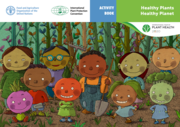
This activity book has been designed, written and illustrated to bring children and young people closer to the world of plant protection; the science that deals with plant health. Although addressed to an age group between eight and twelve years, this book can also be useful for older kids and educa
...
tors. It can be considered as first, simple plant protection manual, designed on the occasion of the International Year of Plant Health 2020.
more
One Health Joint Plan of Action (2022-2026)
World Organisation for Animal Health
Food and Agriculture Organization of the United Nations; United Nations Enviroment Programme; Wolrd Health Organization; World Organisation for Animal Health
(2022)
C_WHO
The desired impact of the OH JPA is a world better able to prevent, predict, detect and
respond to health threats and improve the health of humans, animals, plants and the
environment while contributing to sustainable development. The OH JPA aims to work
towards this vision in the following way:
...
• Provide a framework for action and propose a set of activities the four organizations
can offer together to advance and sustainably scale up One Health.
• Provide upstream policy and legislative advice and technical assistance, to help
set national targets and priorities across the sectors for the development and
implementation of One Health legislation, initiatives and programmes.
• Take stock of existing cross-sectoral global and regional initiatives around One
Health, identify and advise on synergies and overlaps, and support coordination.
• Mobilize and make better use of resources across sectors, disciplines and
stakeholders.
• The OH JPA is guided by a theory of change and makes use of One Health principles
to strengthen collaboration, communication, capacity building and coordination
more
Malawi is a small landlocked country in Sub-Saharan Africa with a population expanding rapidly at 3 percent per year.
With most livelihoods dependent on rainfed agriculture, the population is highly vulnerable to the effects of natural disasters, prolonged dry spells and flash floods.
The COVID-19 pandemic is a multiplier of vulnerability, compounding threats to food insecurity, while exposing weaknesses in food and health systems. It is severely undermining the capacity of commu
...
nities to cope in times of crisis and has become a stress test for political and economic stability.
more
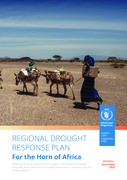
After five consecutive below-average rains, the humanitarian crisis in the Horn of Africa is expanding and deepening.
Combined with insecurity and macroeconomic volatility, the impact of the drought on food and nutrition security has been devasta
...
ting. Across Ethiopia, Kenya and Somalia, an estimated 22 million people are now acutely food insecure because of the drought. The malnutrition situation is also critical. Some 5.1 million children across drought-affected areas of the three countries are acutely malnourished in 2023, with dire implications for their health, growth and survival. Concerningly, the upcoming March-May 2023 rains are also forecast to be below-average. Should these rains fail, and humanitarian assistance not be delivered at scale, food insecurity will continue to deteriorate.
Regardless of how the 2023 rains perform, extremely high humanitarian needs will persist through 2023 while a full recovery from a drought of this magnitude will take years. To address the devastating drought-induced hunger and malnutrition across the region, WFP is pursuing an integrated dual track approach; meeting immediate life-saving food and nutritional needs while simultaneously building resilience to extreme climate variability.
more
STGs are designed to assist health care professionals in making decisions about appropriate, effective patient care. However, health managers often have trouble setting and meeting the high standards required of modern, developed health care systems. With stakeholders expressing concern over issues
...
such as strength of evidence, transparency, conflicts of interest, and effective implementation, it is clear that many health care professionals need further guidance in developing and making use of STGs.
This manual guides health professionals through the process of establishing and implementing STGs, placing special emphasis on the low- and middle-income country (LMIC) context. By including tools, templates, and success stories as well as hyperlinks to useful resources, the manual helps health practitioners understand not only important concepts of treatment guidelines, but also how they can best be used in practice.
more
To understand the national situation, Ethiopia did a situation assessment, launched its first strategy in 2011, and took action to contain AMR, as detailed in the blue boxes found throughout this strategy. This updated version of the strategy was in response to the revised health and medicines polic
...
ies, health sector transformation plan, and the resolutions of the 68th World Health Assembly
of May 2015 and so that Ethiopia’s efforts could be coordinated with global initiatives in the prevention and containment of AMR.
more
Manual of Operations
First Edition 2016
The publication provides an overview and analysis of international instruments that set standards related to the use of antimicrobials across the human, animal and plant sectors, and their release into the environment. The purpose of the document is to identify existing instruments and standards in
...
order to guide both their implementation and to inform discussions and direction for future international instruments related to antimicrobial use.
more
Aviation plays an important role in humanitarian operations around the world, especially in countries where overland transport is difficult or impossible due to insecurity, damaged or inadequate infrastructure, and challenging climatic conditions. Aviation allows the transport of humanitarian aid wo
...
rkers and humanitarian cargo to communities in some of the world’s most inaccessible places.
more
Guidelines for the production of extemporaenous formulations and hospital based sterile preparations
In order to streamline and effectively control compounding of medicinal products in hospitals and pharmacies, these Guidelines for Production of Extemporaneous and Hospital Based Sterile Preparations has been crafted. The purpose of these guidelines therefore is to assist pharmacists in
...
discharging their legal and professional obligations to patients in the area of extemporaneous dispensing. This guidance will help to assure the safe and appropriate preparation and supply of extemporaneously prepared medicinal products to patients, where
the supply of such products is necessary.
Extemporaneous and hospital based sterile preparations are critical for patients whose clinical needs cannot be met by registered medicinal products. The guidelines outline the principles and application of the concepts of Good Manufacturing Practice (GMP) requirements for premises, equipment, personnel, storage, quality management system, quality control, compounding processes as well as documentation.
more
Three Years After Enactment of the Drug Quality and Security Act

Putting HIV and HCV to the test - A product guide for point-of-care CD4 tests and laboratory-based and point-of-care HIV and HCV viral load tests
Medecins Sans Frontieres (Access Campaign)
(2017)
C2
3rd Edition – July 2017
www.msfaccess.org
In recognition of the growing problem of antimicrobial resistance (AMR), its increasing threat to human, animal and plant health, and the need for a One Health approach to address this issue, the 39th Session of the Codex Alimentarius Commission (CAC) agreed it was important for the
...
food safety community to play its part and re-established the ad hoc Codex Intergovernmental Task Force on Antimicrobial Resistance (TFAMR) ). The objectives of the Task Force were
to revise the current Codex Code of Practice to Minimise and Contain Antimicrobial Resistance and to develop new guidance on surveillance programmes relevant to foodborne AMR.
more
A manual for developing national action plans.This manual for developing national action plans to address antimicrobial resistance has been developed at the request of the World Health Assembly to assist countries in the initial phase of developing new, or refining existing national action plans in
...
line with the strategic objectives of the Global Action Plan. It proposes an incremental approach that countries can adapt to the specific needs, circumstances and available resources of each individual country. Details of actions to be taken will vary according to national contexts
more

The GAP articulates five objectives for tackling AMR, and sets out the tasks required to achieve them, highlighting
roles and responsibilities for country governments, the One Health Tripartite organizations (FAO, OIE and WHO) and other national and international partners. To ensure that all stakeh
...
olders assume their roles and responsibilities, and to assess whether they are collectively effecting the necessary change in AMR, the implementation of the GAP needs to be routinely monitored and evaluated. To that end, the Tripartite organizations co-developed a monitoring and evaluation (M&E) framework for the GAP, as outlined in this document
more
Improvements in water sanitation and hygiene (WASH) and wastewater management in all sectors are critical elements of preventing infections and reducing the spread of antimicrobial resistance (AMR) as identified in the Global Action Plan to combat AMR. Yet, at present, WASH and wastewater management
...
actors and improvement actions are under-represented in AMR multi-stakeholder platforms and national action plans (NAPs). This WHO/FAO/OIE technical brief on WASH and wastewater management to reduce the spread of AMR provides a summary of evidence and rationale for WASH and wastewater actions within AMR NAPs and sector specific policy to combat AMR. Evidence and actions are presented in the domains of; coordination and leadership, households and communities, health care facilities, animal and plant production, manufacturing of antimicrobials, and surveillance and research.
more
This guide focuses on three main areas: how to support a person whose condition warrants home care because of non-severe symptoms and home care is recommended by local jurisdictions; how to prevent the spread of COVID-19 in the home; and how to provide emotional support to family members. While this
...
manual provides information on danger signs of COVID-19, it should not be used as a guide for when and how a person who has COVID-19 (or its symptoms) should seek medical care. All content adapted to different countries should reflect local policy guidelines and recommendations.
more

The guide to implementing the One Health Joint Plan of Action (OH JPA) at national level provides practical guidance on how countries can adopt and adapt the OH JPA to strengthen and support national One Health action.
Building on the OH JPA theory of change, this guide describes three pathways a
...
nd five key steps to implement the OH JPA at national level:
Pathway 1 -- Governance, policy, legislation, financing and advocacy
Pathway 2 -- Organizational and institutional development, implementation and sectoral integration
Pathway 3 -- Data, evidence, information systems and knowledge exchange.
The stepwise approach comprises:
Situation analysis including stakeholder mapping and review of existing assessment results
Set-up/strengthening of a multisectoral, One Health coordination mechanism
Planning for implementation, including activity prioritization and leveraging of resources
Implementation of national One Health action plans
Review, sharing and incorporation of lessons learned.
more
Reference Guide Version 2. Revised. The Nutrition Program Design Assistant is a tool to help organizations design the nutrition component of their community-based maternal and child health, food security, or other development program. The tool focus
...
es on prevention and also provides guidance on recuperative approaches that are needed when there is a high prevalence of acute malnutrition
more
Tanzania Demographic and Health Survey
National Bureau of Statistics
inistry of Health and Social Welfare (MoHSW), Tanzania Food and Nutrition Centre (TFNC), et al.
(2011)
C1
This document addresses preparedness as an important investment against natural and man-made disasters. Through good practices, it urges the humanitarian community, governments and regional bodies to use preparedness thinking to be aware of risks, to reduce them and to plan ahead to combat them in o
...
rder to respond more effectively and reduce the threat of hunger, disease, poverty and conflicts. It uses examples from Bangladesh, Bhutan, Bolivia, Colombia, Cook Islands, Ghana, Haiti, Indonesia, Kazakhstan, Korea, Democratic People’s Republic of Korea, Kyrgyzstan, Madagascar, Malawi, Mozambique, Namibia, Niger, Panama, Philippines, Samoa, Solomon Islands, South Africa, Sudan, Tanzania, Tonga, Turkmenistan, Uzbekistan, Vanuatu, Zambia and Zimbabwe
more

Rabies is a global public health problem with important socioeconomic impacts. Human rabies is preventable; almost all cases are transmitted through the bite of a rabid dog. Elimination of human rabies is possible. Technical support and tools are available. This report covers:
- Why investment ... is needed: key rationale.
- Investment purpose: global elimination of rabies.
- Investment in action: four case examples in Philippines, Kwa-Zulu Natal, South Africa, United Republic of Tanzania, Bangladesh.
- Summary results of case examples: Programme similarities and differences, and Health impact success stories from case examples. more
- Why investment ... is needed: key rationale.
- Investment purpose: global elimination of rabies.
- Investment in action: four case examples in Philippines, Kwa-Zulu Natal, South Africa, United Republic of Tanzania, Bangladesh.
- Summary results of case examples: Programme similarities and differences, and Health impact success stories from case examples. more
The National Action Plan (NAP) has been developed based on the model recommended in the global Action Plan. Local data on on-going interventions were collected from technical informants in the various areas of work. These were analysed using the policy framework provided by the AMR policy document.
...
Interventions were developed to address gaps in all five objectives of the global Action Plan. Further consultations were done to ensure that the recommended interventions were feasible, valid and relevant within the systemic contexts pertaining to the various affected sectors.
more
. Interim Guidelines. This interim guideline lays out some basic principles of optimal nutritional care for adults and paediatric patients during treatment and convalescence in Ebola treatment units, community care centres or to other centres where Ebola patients are receiving care and support. It h
...
ighlights the key clinical problems in patients affected by Ebola virus disease (EVD) that may interfere with their nutritional status and overall clinical support in the context of the current Ebola crisis, and summarizes their nutritional needs. It does not provide specific advice on fluid management in cases of vomiting, diarrhoea and dehydration or parenteral nutrition
more
The CWG in Iraq has updated the SMEB and has designed a new MEB and gap analysis to inform the transfer values for cash programming in 2023. This document is a technical note with the summary of the values and the methodology.
Adolescence is a critical stage in life for physical, cognitive and emotional development, shaping future health and well-being. Comprehensive measurement of adolescent health is essential to prioritize health issues, guide interventions and track progress. However, global, regional and national ado
...
lescent health measurement has historically been inconsistent and incomplete.
more
République Démocratique du Congo: Bulletin de Marché
This brief summarizes FEWS NET’s most forward-looking analysis of projected emergency food assistance needs in FEWS NET coverage countries. The projected size of each country’s acutely food inse
...
cure population is compared to last year and the recent five-year average. Countries where external emergency food assistance needs are anticipated are identified. Projected lean season months highlighted in red indicate either an early start or an extension to the typical lean season. Additional information is provided for countries with large food insecure populations, an expectation of high severity, or where other key issues warrant additional discussion.
more
In October 2022, President Biden signed the Global Malnutrition Prevention and Treatment Act (GMPTA) into law, which directs USAID to prevent and treat malnutrition globally. The GMPTA further codifies USAID’s leadership on nutrition, with a focus on evidence-based interventions across health syst
...
ems and food systems, in both development and humanitarian settings.
Realizing the potential of good nutrition to save lives and ensure a brighter future for generations to come is central to U.S. Government priorities. For over 60 years, USAID has been a leader in the fight to end global malnutrition. Nutrition affects every aspect of human development: from the ability to fight disease, to children’s performance in school, to a nation’s health and economic advancement. There is overwhelming evidence of the power of good nutrition but, due to challenges in accessing safe, nutritious foods and health and sanitation services, many people in low- and middle-income countries remain undernourished.
more
IPCC Special Report on Climate Change and Land
recommended
An IPCC special report on climate change, desertification, land degradation, sustainable land management, food security, and greenhouse gas fluxes in terrestrial ecosystems
As more frequent droughts and floods threaten the global
...
food supply, humans are increasing their demands on water and land, The New York Times reports.
Data from the Intergovernmental Panel on Climate Change report:
• 500 million people are living in areas that are becoming desert.
• Soil is depleted at 10X-100X the rate it’s being formed.
• More than 10% of the global population is undernourished.
Major threats include the risk of “multi-breadbasket failure”—simultaneous food crises on several continents—and migration triggered by food shortages.
Good News/Bad News: Catastrophe can be avoided, but it would require massive changes to agriculture, food systems and behavior.
A Key Action: Eat less meat. Cattle production is driving deforestation, consuming huge amounts of water, generating methane and causing other impacts, notes Nature.
more
A global hunger crisis -- fuelled by conflict, economic turbulence and climate-related shocks -- has been exacerbated by the COVID-19 pandemic. The number of people experiencing food insecurity and hunger has risen since the onset of the pandemic. T
...
he IRC estimates that the economic downturn alone will drive the number of hungry people up by an additional 35 million in 2021. Without drastic action, the economic downturn caused by COVID-19 will suspend global progress towards ending hunger by at least five years.
more
As the war in Ukraine pushes food, fuel and fertilizer prices toward record levels putting food security in many of the world’s poorest countries at risk, the UN’s International Fund for Agricul
...
tural Development (IFAD) today launched a Crisis Response Initiative to ensure that small-scale farmers in high-risk countries can produce food over the next few months to feed their families and communities while reducing the threat to future harvests.
more
Global food insecurity has markedly increased over the last two-years due to conflict, economic and political instability, displacement, environmental degradation and disasters, and major disruptions to global
...
food systems because of the Covid-19 pandemic. In 2021, levels of hunger surpassed all previous records with close to 193 million people acutely food insecure and in need of urgent assistance across 53 countries and territories. This represents an increase of nearly 40 million people compared to what was previously considered a record level high in 2020.
more
The Greater Horn of Africa is experiencing one of the worst food insecurity situations in decades. It is estimated
that more than 37 million people are in Integrated Food Security Phase Classificat
...
ion (IPC)1 phase 3 or above and approximately 7 million children under the age of five are acutely malnourished in the region. While finding food and safe water is the absolute priority, the health response is essential to avert preventable disease and death.
more
Nutrition Topic Guide
Jessica Meeker, Stephen Thompson, Inka Barnett
The Health & Education Advice & Resource Team (HEART)
(2013)
This Topic Guide has been compiled to provide an overview of undernutrition in the context of development. The focus of the Guide is on undernutrition, defined as the outcome of insufficient (quantity and quality) of food intake (hunger) and repeate
...
d infectious diseases. Undernutrition includes being underweight for one’s age, too short for one’s age (stunted), underweight for one’s height (wasted), and deficient in vitamins and minerals (micronutrient malnutrition). This review does not focus on the other component of malnutrition, which is overnutrition
more
Lack of Access to Reproductive Healthcare in Sudan’s Rebel-Held Southern Kordofan
Including Therapeutic Food, Dietary Vitamin and Mineral Supplementation - 2nd edition
Fertilizing Crops to Improve Human Health: A Scientific Review
IPNI, IFA
International Plant Nutrition Institute, International Fertilizer Industry Association
(2012)
C1
- The Role of Plant Nutrition in Supporting Food Security
- Micronutrient Malnutrition: Causes, Prevalence, Consequences and Interventions
- Fertilizer Application and Nutraceutical Content in
Health-Functional Foods
- Plant Nutrition and Health
...
Risks Associated with Plant Diseases
- Human Health Issues Associated with Nutrient Use in Organic
and Conventional Crop Production
more
WHO guidelines on the pharmacological treatment of persisting pain in children with medical illnesses
World Health Organization
(2012)
The Access to Controlled Medications Programme identified the development of treatment guidelines that cover the treatment of all types of pain as one of the core areas of focus for improving access
...
to opioid analgesics. Such guidelines are interesting both for health-care professionals and policy-makers. They are also important in improving access to controlled medicines for determining when those opioid medicines and when non-opioid medicines are preferred.
Based on a Delphi study, WHO planned the development of three treatment guidelines, covering chronic pain in children, chronic pain in adults and acute pain.
more
Ensuring Access to Simple, Safe and Effective First-Line Medicines for Tuberculosis.
Accessed in November 2017.
Children without access to safe water are more likely to die in infancy -- and throughout childhood -- from diseases caused by
water-borne bacteria, to which their small bodies are more vulnerable.
Expanding access to quality health services through task sharing
Operational guide: use of referral laboratories for the analysis of foodborne hazards in the Pacific
The Operational guide: use of referral laboratories for the analysis of foodborne hazards in the Pacific aims to strengthen the food analysis capacity of Pacific Island countries and areas by identifying national and reference laboratories capable o
...
f testing for priority foodborne hazards. The Pacific Island countries and areas are often vulnerable to food safety incidents and emergencies due to their geographical distribution and dependence on food imports. The guide outlines key considerations for selecting referral laboratories and submitting samples to them, enabling continuous improvement of food safety systems and providing safe food for all. The target audiences are health and food safety authorities.
more
There is growing international consensus that food systems transformation is important to address the challenges of malnutrition in all its forms, the burden of noncommunicable diseases (NCDs), environmental sustainability, increasing inequality and
...
ensuring the welfare of workers and animals. In light of the urgency of these challenges, there are questions about the role of red and processed meat in healthy and sustainable food systems. Globally, production and consumption of all types of meat has increased substantially in the last 50 years, and – although red meat consumption is now plateauing in high-income countries (HICs) – is predicted to increase by a further 50% by 2050. Meat consumption remains highly unequal both between and within countries, and animal-source food intakes, including red meat, are lowest among those at most risk of undernutrition
more
Towards Universal Access to Prevention, Diagnosis and Treatment
Towards universal access
A discussion tool on improving access & inclusion for displaced persons with disabilities
Civil Society Organisations’ contribution towards community engagement to access and demand health services and encourage communities to practice appropriate health-seeking behaviour in Mon and Chin States
The following report is a study of 1 ... 4 villages under the Collective Voices project (November 2015-December 2017) in the states of Mon and Chin. The objectives of the study were:
(1) to explore Village Health Committee (VHC) members, Basic Health Staff (BHS), and community members’ perceptions on community engagement in seeking and demanding health care and
(2) to describe health-seeking behaviours relating to Maternal, Newborn, and Child Health and hygiene practices among target beneficiaries. more
The following report is a study of 1 ... 4 villages under the Collective Voices project (November 2015-December 2017) in the states of Mon and Chin. The objectives of the study were:
(1) to explore Village Health Committee (VHC) members, Basic Health Staff (BHS), and community members’ perceptions on community engagement in seeking and demanding health care and
(2) to describe health-seeking behaviours relating to Maternal, Newborn, and Child Health and hygiene practices among target beneficiaries. more
Civil Society Organisations’ contribution towards community engagement to access and demand health services and encourage communities to practice appropriate health-seeking behaviour in Mon and Chin States. The study recognizes that civil society
...
can promote people-centered health by creating an enabling environment for broad and active citizen participation. The VHCs/Volunteer Working Groups play a key role in facilitating engagement between the village community and the Basic Health Staff (BHS).
more

Inequality of access to palliative care and symptom relief is one of the greatest disparities in global health care (1). Currently, there is avoidable suffering on a massive scale due to lack of access
...
to palliative care and symptom relief in low- and middle-income countries (LMICs) (1). Yet basic palliative care that can prevent or relieve most suffering due to serious or life-threatening health conditions can be taught easily to generalist clinicians, can be provided in the community and requires only simple, inexpensive medicines and equipment. For these reasons, the World Health Assembly (WHA) resolved that palliative care is "an ethical responsibility of health systems"(2). Further, most patients who need palliative care are at home and prefer to remain there. Thus, it is imperative that palliative care be provided in the community as part of primary care. This document was written to assist ministries of health and health care planners, implementers and managers to integrate palliative care and symptom control into primary health care (PHC).
more

Large-Scale UN Response Needed to Address Health and Food Crises
This report is based on interviews with more than 150 health care professionals, Venezuelans seeking or in need of medical care who recently arrived in Colombia and Brazil, representa
...
tives from international and nongovernmental humanitarian organizations. In addition, researchers analyzed data on the situation inside Venezuela from official sources, hospitals, international and national organizations, and civil society organizations.
We found a health system in utter collapse with increased levels of maternal and infant mortality; the spread of vaccine-preventable diseases, such as measles and diphtheria; and increases in numbers of infectious diseases such as malaria and tuberculosis (TB). Although the government stopped publishing official data on nutrition in 2007, research by Venezuelan organizations and universities documents high levels of food insecurity and child malnutrition, and available data shows high hospital admissions of malnourished children.
more
Because of the limited access to more powerful diagnostic tools, there is a paucity of data regarding the burden of fungal infections in Burkina Faso. The aim of this study was to estimate the incidence and prevalence of serious fungal infections in
...
this sub-Saharan country. We primarily used the national demographic data and performed a PubMed search to retrieve all published papers on fungal infections from Burkina Faso and its surrounding West African countries. Considering the prevalence of HIV infection (0.8% of the population) and a 3.4% incidence of cryptococcosis in hospitals, it is estimated that 459 patients per year develop cryptococcosis. For pneumocystosis, it is suggested that 1013 new cases occur every year. Taking into account the local TB frequency (population prevalence at 0.052%), we estimate the prevalence of chronic pulmonary aspergillosis at 1120 cases. Severe forms of asthma with fungal sensitization and allergic bronchopulmonary aspergillosis are estimated to affect 7429 and 5628 cases, respectively. Vulvovaginal candidiasis may affect 179,000 women, and almost 1,000,000 children may suffer from tinea capitis. Globally, we estimate that roughly 1.4 million people in Burkina Faso (7.51% of the population) suffer from a serious fungal infection. These data should be used to drive future epidemiological studies, diagnostic approaches, and therapeutic strategies.
more
Women have less access to the development services and support – such as adequate healthcare, education and
modern technology – that make people more resilient to climate change and other shocks and stressors.2
Women’s unequal
...
access to resources, their disproportionate responsibility for care of dependents (typically unpaid),
and the insecurity and precariousness of their paid labour all contribute to the feminisation of poverty and women’s
heightened vulnerability to climate hazards. Climate change is a multiplier of existing vulnerabilities and threatens to
reverse hard-earned development gains for all people, and particularly for women.
more
BACKGROUND. Asthma is a heterogeneous condition characterised by chronic inflammation and variable expiratory airflow limitation, as well as airway reversibility. The burden of asthma in children is increasing in low- and middle-income countries and remains under-recognised and poorly managed.
OBJE
...
CTIVES. To quantify the burden of asthma in the South African (SA) population and identify the risk factors associated with disease severity in the local context.
METHODS. The SA Childhood Asthma Working Group (SACAWG) convened in January 2017 with task groups, each headed by a section leader, constituting the editorial committee on assessment of asthma epidemiology, diagnosis, control, treatments, novel treatments and self-management plans. The epidemiology task group reviewed the available scientific literature and assigned evidence according to the Grades of Recommendation Assessment, Development and Evaluation (GRADE) system.
CONCLUSIONS. Asthma in children remains a common condition, which has shown an increasing prevalence in urban and rural populations of SA. Of concern is that almost half of children in urban communities experience severe asthma symptoms, and many asthmatics lack a formal diagnosis and thus access to treatment. Exposure to tobacco smoke and living in highly polluted areas increase the severity of wheezing in young children.
more
Climate change triggers mounting food insecurity, poverty and displacement in Africa
The International Water Management Institute (IWMI) was commissioned to undertake a rapid review of access to and management of water resources in the Dry Zone, to assist LIFT and other potential donors and investors to identify the key issues and t
...
he priority actions for water management.
The study had three main components:
• A water resources assessment (surface and ground water) of availability, current use, and patterns, trends and variability at different spatial and temporal scales.
• Community survey to evaluate issues of water availability, access and management for different livelihood types in 24 local communities, including evaluation of institutional arrangements in relation to farming strategies and water management practices
• Review and analysis of existing program investments in water in the Dry Zone
Findings from the study are available in three reports (for details, see last page). more
The study had three main components:
• A water resources assessment (surface and ground water) of availability, current use, and patterns, trends and variability at different spatial and temporal scales.
• Community survey to evaluate issues of water availability, access and management for different livelihood types in 24 local communities, including evaluation of institutional arrangements in relation to farming strategies and water management practices
• Review and analysis of existing program investments in water in the Dry Zone
Findings from the study are available in three reports (for details, see last page). more
Cholera is an acute diarrhoeal disease caused by the ingestion of food or water contaminated with the bacterium V.
cholerae. It has a short incubation period of a few hours to 5 days. It is endemic in some countries, frequently
showing seasonal va
...
riations in the number of reported cases. Cholera also has the potential to cause explosive
outbreaks which may be localized or may expand to large geographic areas
more
This is an open-access training course for frontline healthcare providers who manage acute illness and injury with limited resources. Produced in response to requests from multiple countries and international partners, the BEC package includes a Par
...
ticipant Workbook and electronic slide decks for each module. Integrating the guidance from WHO Emergency Triage, Assessment and Treatment (ETAT) for children and the Integrated Management of Adult/Adolescent Illness (IMAI), BEC teaches a systematic approach to the initial assessment and management of time-sensitive conditions where early intervention saves lives
more
A resource for pesticide registrars and regulators.
The WHO urged governments to restrict access to highly toxic pesticides used for self-poisoning . Other effective interventions include education, youth intervention programs and follow-up of peop
...
le at risk—and better data. Only 80 out of 183 WHO member states reported high-quality vital registration data in 2016
more
Despite the considerable improvement in global health, millions of people still lack access to quality health services, including access to effective antimicrobial medicines, or are impoverished as
...
a result of health spending. At the same time, antimicrobial resistance – a consequence of overuse and misuse of antimicrobials – is increasingly a barrier to accessing effective care. The declining effectiveness of antibiotics is driven by multiple factors, many of which can be addressed through well functioning primary health care. However, primary health care has not always had much attention in national health sector responses to
antimicrobial resistance, which often focus on tertiary care, laboratory detection and surveillance. The three pillars of primary health care (community engagement, front-line health services including primary care and essential public health, and multisectoral action on wider health determinants) are central not just to Universal Health Coverage and the Sustainable Development Goals, but also to an effective response to antimicrobial resistance.
more
Comprehensive Reviews in Food Science and Food Safety, Vol.12 (2013) pp.234-248
In 2006, the Institute of Food Technologists (IFT) published an Ex
...
pert Report entitled “Antimicrobial Resistance: Implications for the Food System” (IFT 2006). That report summarized current scientific knowledge pertaining to the public-health impact of antimicrobial use in the food system and the development and control of antimicrobial resistance. Since that time, intense interest in this topic has continued within the regulatory and scientific communities as well as the general public. This IFT Scientific Status Summary serves to update that 2006 IFT Expert Report by briefly reviewing new scientific evidence relevant to the goals of the initial report and providing a number of key observations and conclusions.
more

UNICEF Annual Report 2017 - Burkina Faso
- Healthcare policy for children
- Food insecurity
- Community health strategy
- National child protection system
etc.
Arabic Analysis on World about Food and Nutrition; published on 22 Sep 2021 by UNICEF.
Available in different languages
PlosOne https://doi.org/10.1371/journal.pone.0165797; Food production is a major driver of greenhouse gas (GHG) emissions, water and land use, and dietary risk factors are contributors to non-communicable diseases. Shifts in dietary patterns can the
...
refore potentially provide benefits for both the environment and health. However, there is uncertainty about the magnitude of these impacts, and the dietary changes necessary to achieve them.
more
This paper explores access to water, sanitation, and health in pastoral communities in northern Tanzania. It argues that the concept of gender, used on its own, is not enough to understand the complexities of sanitation, hygiene, water, and health.
...
It explores pastoralists’ views and perspectives on what is ‘clean’, ‘safe’, and ‘healthy’, and their need to access water and create sanitary arrangements that work for them, given the absence of state provision of modern water, sanitation, and hygiene (WASH) infrastructure. Although Tanzania is committed to enhancing its citizens’ access to WASH services, pastoral sanitation and hygiene tend to be overlooked and little attention is paid to complex ways in which access to ‘clean’ water and ‘adequate sanitation’ is structured in these communities. This paper offers an intersectional analysis of water and sanitation needs, showing how structural discrimination in the form of a lack of appropriate infrastructure, a range of sociocultural norms and values, and individual stratifiers interact to influence the sanitation and health needs of pastoralist men, women, boys, and girls.
more
Tuberculosis (TB) is an infectious disease that usually affects the lungs, though it can affect any organ in the body. It can develop when bacteria spread through droplets in the air. TB can be fatal, but in many cases, TB is preventable and treatable. This report examines the human rights impact of
...
the prevalence of Tuberculosis (TB) and Multi-drug-resistant tuberculosis (MDR-TB) among the Indigenous San peoples of Namibia. Combining political economy and root-cause methodology, the report explores the socioeconomic factors that make the San vulnerable to TB and limit their access to adequate health services.
more
The Quadripartite Organizations – the Food and Agriculture Organization of the United Nations (FAO), the United Nations Environment Programme (UNEP), the World Organisation for Animal Health (WOAH, founded as OIE), and the World Health Organizatio
...
n (WHO) – collaborate to drive the change and transformation required to mitigate the impact of current and future health challenges at the human–animal– plant–environment interface at global, regional and country level.
more
Children with disabilities are particularly vulnerable in humanitarian settings, yet they are often not able to access the services and protection they need. While multiple factors create these barriers, a major cause is how data about children with
...
disabilities is collected and mapped. Data collection processes often exclude or underrepresent the views of children with disabilities and thier caretakers. When the experiences of children with disabilities and their caretakers are not defined and collected, they become excluded from mainstreamed protective services, which are meant to serve all children. Children with disabilities also do not get the specialised interventions they need.
This guidance note explores how to use qualitative methods to create more robust assessment processes to ensure more effective programming and services for children with disabilities. This note provides promising practices for engaging with children with disabilities and includes sample tools that can be tailored to fit the needs of a particular assessment process. The note also explores the importance of thoughtful cross-sectoral responses so that children with disabilities, and their families, are carefully considered in areas like water, sanitation, and hygiene (WASH), education, health, and nutrition, and therefore receive the holistic support they need and deserve.
This note is intended for a broad audience of relevant child protection actors, including practitioners, coordination groups, researchers, and donors. The information is not limited to one type of humanitarian setting, geographic region, or culture. As a result, the practices and guidance should be adapted to each specific context, ideally in partnership with well-informed local actors, such as representatives from local organisations for persons with disabilities.
more

Maternal, Infant and Young Child Nutrition Strategic Actions:
1 Endorse and disseminate key policies and regulations
2 Improve maternal nutrition
3 Protect, promote, and support optimal infant and young child feeding practices
4 Support optimal infant and young child feeding in ... difficult circumstances
5 Ensure intra-sectoral integration (Health and Nutrition)
6 Improve intersectoral integration (food security and livelihood, WASH, protection, education and shelter)
7 Support capacity building and service strengthening
8 Initiate advocacy and social behavioural change communication
9 Sustain research, information, monitoring and evaluation
10 Mobilise resources and support more
1 Endorse and disseminate key policies and regulations
2 Improve maternal nutrition
3 Protect, promote, and support optimal infant and young child feeding practices
4 Support optimal infant and young child feeding in ... difficult circumstances
5 Ensure intra-sectoral integration (Health and Nutrition)
6 Improve intersectoral integration (food security and livelihood, WASH, protection, education and shelter)
7 Support capacity building and service strengthening
8 Initiate advocacy and social behavioural change communication
9 Sustain research, information, monitoring and evaluation
10 Mobilise resources and support more
On the global scale, the impacts of the current food system on the environment are severe. The agro-industrial revolution has made it possible to increase food production at a price.
