Filter
2426
Text search:
drinking
water
Featured
225
870
Language
Document type
1498
340
217
107
86
55
54
35
15
13
5
1
Countries
173
91
74
74
70
69
66
65
62
52
43
42
39
38
37
36
34
31
31
30
30
29
28
27
25
25
22
20
20
19
18
14
14
13
12
12
12
12
11
11
11
10
9
9
9
8
8
8
8
8
8
7
7
7
5
5
5
5
5
4
4
4
4
4
4
3
3
3
2
2
2
2
2
2
2
2
2
2
2
2
2
2
1
1
1
1
1
1
1
1
1
1
1
1
1
1
1
1
1
1
1
1
1
1
1
1
1
Authors & Publishers
Publication Years
Category
1202
211
114
106
101
60
13
2
1
Toolboxes
160
156
105
92
87
79
77
77
65
59
59
55
53
43
39
31
27
23
13
11
10
5
5
4
2
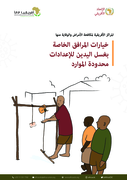
خيارات المرافق الخاصة
بغسل اليدين للإعدادات
محدودة الموارد
This document provides guidance to AU Member States, states/local bodies, and communities
on how to construct and maintain non-contact hand washing stations like Tippy Taps and other
al
...
This volume contains monographs prepared at the ninety-first meeting of the Joint FAO/WHO Expert Committee on Food Additives (JECFA), which met virtually online from 1 to 12 February 2021.
The detailed monographs in this volume summarize data on specific contaminants in food. Individual monographs
...
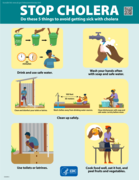
If you live or visit an area where cholera is present or has happened before, learn about cholera and take these steps to prevent getting sick.
Information for health Workers in West Africa

Integrated Response Plan: Yemen Cholera Outbreak
recommended
Response Plan
The “Case Study: CDI2WASH Program” depicts the benefits and lessons learnt by the beneficiaries and change agents in CDI2WASH program during the last 4 years. The document has contained the success of the project and accumulated learning have been documented in the publication. It upholds the ac
...
This Strategic Operating Framework (SOF) has been developed to guide WASH Sector partners in responding to humanitarian needs in Sudan in conjunction with the existing and forthcoming humanitarian response plans (2022 and 2023). This SOF is drafted in consultation with the Strategic Advisory Group (
...
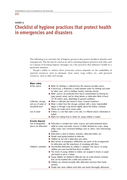
Environmental Health in Emergencies and Disasters
Annex 6
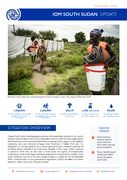
September Highlights
Ebola prevention measures began in South Sudan with three border screening points established
Nearly 160,000 people reached with WASH services throughout South Sudan
Decision-making for preparedness and response
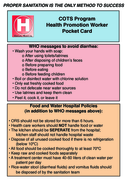
COTS (Cholera Outbreak Training and Shigellosis) Program Health Promotion Worker Pocket Card
recommended
Proper Sanitation is the only method to success

Technical Aspects Part II
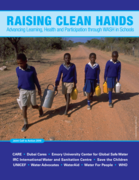
Advancing Health, Learning and Equity through WASH in Schools
Please read and download the latest updates at the website
http://www.who.int/hac/crises/ssd/epi/en/
Accessed June 2015
Fact sheet for visitors or residents in areas with cholera on the basic cholera facts and five basic cholera prevention recommendations.

Report on assessment of WASH and healthcare waste management in District Sadar Hospital, Cox's Bazar
How safe is our hospital sanitation? An example from a public hospital
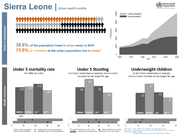
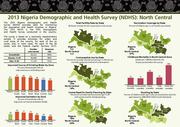
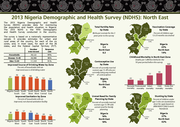
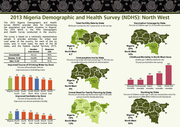
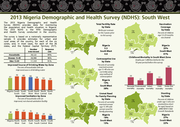
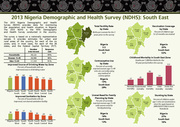
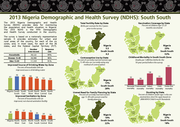
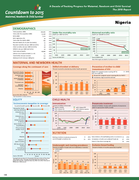
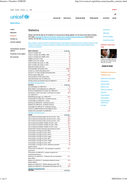
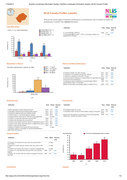
The Countdown country profile presents in one place the best and latest evidence to enable an assessment of a country’s progress in improving reproductive, maternal, newborn, and child health (RMNCH)
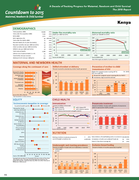
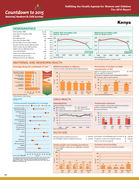
Accessed November, 2017
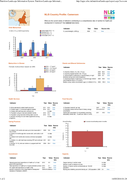
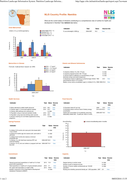
The 2013 RMIS is a nationally representative, household-based survey that provides data on malaria indicators, which are used to assess the progress of a malaria control program. The primary objective of the 2013 Rwanda Malaria Indicator Survey (2013 RMIS) was to provide up-to date information on th
...

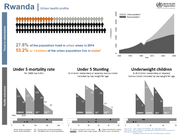
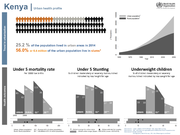
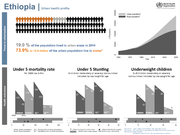
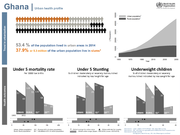
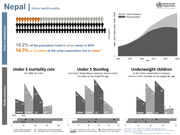
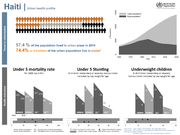
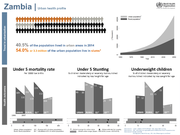
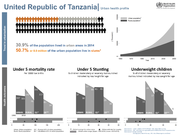
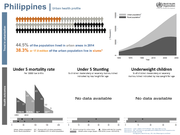
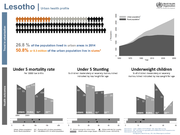
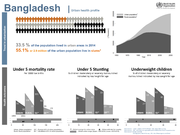
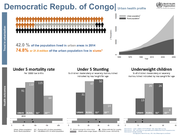
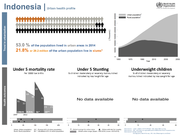
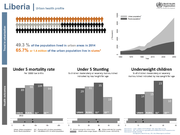
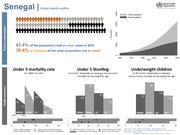
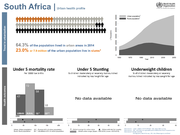
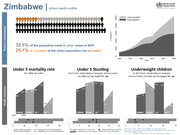
Country profiles on urban health
Survey finding report
Myanmar has made significant progress in its disaster management policies, plans, and procedures since 2008, when Cyclone Nargis impacted the country leaving devastation in its aftermath. The Government of Myanmar (GoM) has modified the government structure and created new authorities and plans to i
...
Annual Household Survey 2015/16 is the forth survey of its kind. These annual surveys are conducted to provide estimations of some major socio-economic indicators on annual basis which would not be possible with other periodic surveys like Nepal Labour Force Surveys (NLSS) and Nepal Living Standard
...