
Filter
2270
Text search:
cohort
Featured
209
466
Language
Document type
1263
433
352
68
59
46
19
10
9
3
3
3
Countries
77
76
71
63
56
46
42
41
39
39
37
36
34
34
29
29
28
27
27
25
24
23
22
21
20
20
19
17
16
15
15
13
13
12
12
12
12
9
9
9
9
8
8
8
7
7
6
6
6
6
6
6
5
5
5
5
5
4
4
4
4
4
4
4
4
3
3
3
3
3
3
3
3
2
2
2
2
2
2
2
2
2
2
2
2
1
1
1
1
1
1
1
1
1
1
1
1
1
1
1
1
1
1
1
1
1
1
1
1
1
Authors & Publishers
Publication Years
Category
748
248
121
107
30
18
8
Toolboxes
320
311
284
228
88
55
47
47
44
40
36
28
25
21
21
18
16
13
12
10
4
4
These WHO interim recommendations for use of the COVID-19 vaccine BIBP produced by Sinopharm were developed on the basis of advice issued by the Strategic Advisory Group of Experts on Immunization (SAGE) and the evidence summary included in the background document and annexes referenced below.
Th
...
A clinical case definition of post COVID-19 condition by a Delphi consensus, 6 October 2021 (Arabic Version)
recommended
WHO has developed a clinical case definition of post COVID-19 condition by Delphi methodology that includes 12 domains, available for use in all settings. This first version was developed by patients, researchers and others, representing all WHO regions, with the understanding that the definition ma
...
World Journal of Pharmaceutical and Medical Research vol. 5 (2019) 3, 129-132
This e-course will guide you through the essentials of latest existing WHO guidelines and policy recommendations on drug-resistant TB. You will also learn more about the rationale behind the WHO recommendations for the management of DR-TB, implementation considerations for different regimens for eli
...
The Lancet March 17, 2022DOI:https://doi.org/10.1016/S0140-6736(22)00525-6
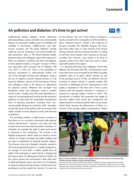
Cardiovascular disease, diabetes, chronic obstructive pulmonary disease, cancers, and other non-communicable diseases are among the leading causes of morbidity and mortality in low-income, middle-income, and high-income countries, and The Lancet Taskforce recently made the case for investing in non-
...
7 June 2022. To treat complications associated with measles: severe complications with module 1 (50 cases) and mild complications with module 8 (20 cases).
The new measles kit 2021 is designed to prepare for and support the treatment of non-severe and severe measles cases during outbreaks. The kit
...

In Paraguay, 1.8% of the population are indigenous people. The Maká community
29 mainly live in urbanized areas in the Central Region. This study focuses on the epidemiology
30 of tuberculosis (TB) among indigenous Maká and the non-indigenous people living in the
31 Central Region, the biggest
...
Ethnic disparities in COVID-19 persist, with increased rates of infection, severe disease, and death among people from minority ethnic groups. COVID-19 vaccination rates also remain lowest in these communities compared with white people in the UK. Among people older than 18 years, the proportion who
...
Transmission-based precautions for the prevention and control of infections: aide-memoire
recommended
Transmission-based precautions (TBP) are used in addition to standard precautions for patients with known
or suspected infection or colonization1 with transmissible and/or epidemiologically significant pathogens.
The type of transmission-based precautions assigned to a patient depends on the trans
...

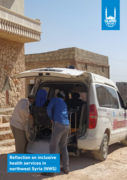
After a decade of crisis, Syria remains one of the world’s most complex humanitarian crises. Continued hostilities, new and protracted displacement, increased returns and the sustained destruction of communities have impacted Syrians’ lives and futures in a devastating way. The 2021 Humanitarian
...
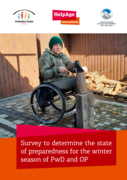
The winter season is approaching fast, while older people (OP) and people with disabilities (PwD) have already been living in the harsh environment of a full-scale war for eight months, with their basic needs and human rights at risk of being neglected and violated for eight years of ongoing war.
T
...
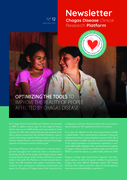
To support its R&D activities on Chagas disease, DNDi launched the Chagas Clinical Research Platform (CCRP). The platform brings together partners, experts, and stakeholders to provide support for evaluation and development of new treatments for Chagas disease. The patient-centred platform aims to f
...
Myanmar continues to experience a severe - and worsening - humanitarian and human rights crisis. Conflict and violence have escalated across the country, impacting children and their families and displacing more than 1.5 million people. Access of conflict-affected populations to services and deliver
...
Cervical cancer is the fourth most common cancer in women worldwide in 2018, with 570,000 new cases and 311,000 deaths occurring annually.T he highest incidence rates are in Southern Africa, Eastern Africa, SubSaharan Africa, Western Africa, Melanesia, and Middle Africa . It also ranks as the leadin
...

Cystic echinococcosis (CE) is a well-known neglected parasitic disease. However, evidence supporting the four current treatment modalities is inadequate, and treatment options remain controversial. The aim of this work is to analyse the available data to answer clinical questions regarding medical t
...
This report summarizes the World Health Organization’s (WHO) global work on water, sanitation and hygiene (WASH) during 2022. It describes how the Organization continued to deliver its essential WASH programming as elaborated in its 2018–2025 strategy.
Unpreparedness of health professionals to address non-communicable diseases (NCD) at peripheral health facilities is a critical health system challenge in Mozambique. To address this weakness and decentralize NCD care, training of the primary care workforce is needed. We describe our experience in t
...
Cardiovascular disease (CVD) is the leading cause of global deaths, with the majority occurring in low- and middle-income countries (LMIC). The primary and secondary prevention of CVD is suboptimal throughout the world, but the evidence-practice gaps are much more pronounced in LMIC. Barriers at the
...
Protection from a Single Dose of HPV Vaccine A major public health impact from IARC studies of vaccine efficacy.
Objectives Our study aimed to systematically review the literature and synthesise findings on potential associations of built environment characteristics with type 2 diabetes (T2D) in Asia.
Asthma is the most common chronic respiratory disease among school-going adolescents worldwide. However, the burden of severe asthma is highest in Sub-Saharan Africa. This study aimed to explore teachers’ perceptions of asthma care across six African countries. We conducted focus group discussions
...
Asthma is one of the neglected diseases in Africa with a high prevalence. Allergic fungal diseases have been reported to complicate asthma progression and treatment outcomes. However, data about fungal asthma and its associated complications are limited in Africa. We aimed to estimate the burden of
...
Under-diagnosis of asthma in ‘under-fives’ may be alleviated by improved inquiry into disease history. We assessed a questionnaire-based screening tool for asthma among 614 ‘under-fives’ with severe respiratory illness in Uganda. The questionnaire responses were compared to post hoc consensu
...
Aerosol pollutants are known to raise the risk of development of non-communicable respiratory diseases (NCRDs) such as asthma, chronic bronchitis, chronic obstructive pulmonary disease, and allergic rhinitis. Sub-Saharan Africa’s rapid pace of urbanization, economic expansion, and population growt
...
Silicosis is not a new disease; the impact of silica dust on respiratory function was observed by Hippocrates in 430 B.C. and in the 16th century by Agricol. In 1713, Rammazini described silicotic nodules in post-mortems of stone cutters presenting with respiratory symptoms. In the mid-late 1800s,
...
This document defines the framework for Malawi’s National HIV Programs. Considering public health benefits and risks, as well as funding and resource implications, deviations from these guidelines are not supported by the Ministry of Health.
Cystic fibrosis (CF) was earlier thought to be a disease prevalent in the West among Caucasians. However, quite a number of recent studies have uncovered CF cases outside of this region, and reported hundreds of unique and novel variant forms of CFTR. Here, we discuss the evidence of CF in parts of
...
Vaccines contribute to the battle against antimicrobial resistance (AMR) by preventing infections and thereby reducing antimicrobial use and the incidence of disease from resistant pathogens. By preventing infection transmission, vaccines extend population protection by also reducing the risk of inf
...
The module is currently available in English, French, Nepali, Portuguese, Russian, and Spanish
This guide provides a comprehensive overview of essential information related to immunization, including technical information about vaccines, a review of immunization program management best practices, guidance on the delivery of immunization services, monitoring and evaluation, disease surveillanc
...
Clincial Practice Guidelines
2nd edition
Operational Guideline
• provide scientific information on the safety, efficacy, and quality control/ quality assurance of widely used medicinal plants, in order to facilitate their appropriate use in Member States;
• provide models to assist Member States in developing their own mono- graphs or formularies for these
...
• provide scientific information on the safety, efficacy, and quality control/ quality assurance of widely used medicinal plants, in order to facilitate their appropriate use in Member States;
• provide models to assist Member States in developing their own mono- graphs or formularies for these
...
Part 3 Country Profiles; Core and Optional Indicators

Background book on Management of the Child with a Serious Infection or Severe Malnutrition
A Global Campaign Against Epilepsy Demonstration Project
Interim policy guidance
HIV & AIDS Treatment in Practice
Issue 203
HIV & AIDS Treatment in Practice No.199
HIV & AIDS Treatment in Practice No. 198
HIV & AIDS Treatment in Practice No. 188
1.HIV infections – drug therapy. 2.Anti-HIV agents – adverse effects. 3.Anti-retroviral agents. 4.Benzoxazines – adverse effects. 5.Pregnancy. 6.Disease transmission, Vertical - prevention and control. 7.Treatment outcome. I.World Health Organization
New edition
Prevention Of Cardiovascular Disease: Guidelines For Assessment And Management Or Cardiocascular Risk
recommended
This publication provides guidance on reducing disability and premature deaths from coronary heart disease, cerebrovascular disease and peripheral vascular disease in people at high risk, who have not yet experienced a cardiovascular event.
Cancer, diabetes, heart disease and stroke, chronic respiratory disease
Exciting new treatment approaches make the management of hepatitic C one of the most rapidly developing areas of medicine. The Flying Publisher short Guide to Hepatitis C is an up-to-date source of information for physicians, residents and advanced medical students.

Report of a World Health Organization and International Diabetes Federation meeting
Guidance for health workers
Rreport of a WHO Consultative Meeting Kolkata India 2012
Guidelines on care, treatment and support for women living with HIV/AIDS and their children in resource-constrained settings
Objectives and scope of the document
This document was developed to provide recommended management strategies for problems and disorders that are specifically related to the occurrence of a major stressful event. The recommended strategies will form the basis of a new module to be added to the WHO
...

Blue Book. The Medical Guide for our Projects
recommended
9th edition; 4th English edition 2020
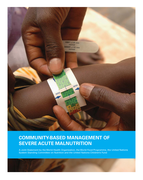
A Joint Statement by the World Health Organization, the World Food Programme, the United Nations System Standing Committee on Nutrition and the United Nations Children’s Fund

Evidence for technical update of pocket book recommendations. Newborn conditions, dysentery, pneumonia, oxygen use and delivery, common causes of fever, severe acute malnutrition and supportive care
Polio vaccines: WHO position paper – June 2022
recommended
This position paper on polio vaccines replaces the 2016 WHO position paper, and summarizes recent developments in the field.
This publication is an updated version of the Management of Tuberculosis and HIV Coinfection clinical protocol released in 2007 by the WHO Regional Office for Europe. It is intended for all health care workers involved in preventing, diagnosing, treating and caring for people living with TB and HIV
...
The WHO Global Polio Eradication Initiative (GPEI)’s new Polio Eradication and Endgame Strategic Plan targets the end of all kinds of polioviruses by 2018, including the wild and rare vaccine-related strains which cause paralysis among thousands of children worldwide. The plan is focused on develo
...

Model Chapter for textbooks for medical students and allied health professionals
Integrated Management of pregnancy and childbirth
Coordinated Use of Anthelminthic Drugs in Control Interventions: a Manual for Health Professionals and Programme Managers
Training Module on Malaria
2nd edition. Training module on malaria control
Chapter 1 provides new data on the latest developments in the global treatment effort, highlighting positive trends as well as aspects that require improvement. Chapter 2 summarizes the impact of the scale-up in reducing AIDS-related mortality and new HIV infections. Chapter 3 examines the sequence
...
This guideline provides global, evidence-informed recommendations on a number of specific issues related to the management of severe acute malnutrition in infants and children, including in the context of HIV.
A global Review of evidence and practice
Provide guidance to HIV care practitioners on the optimal use of antiretroviral (ARV) agents for the treatment of HIV infection in adults and adolescents.
Recommendations for a public health approach
2010 revision
THE SYRIAN ARAB REPUBLIC, IRAQ, JORDAN, LEBANON, TURKEY, WEST BANK AND GAZA STRIP, EGYPT
The Baby-friendly Hospital Initiative (BFHI) is a global effort launched by WHO and UNICEF to implement practices that protect, promote and support breastfeeding. It was launched in 1991 in response to the Innocenti Declaration. The global BFHI materials have been revised, updated and expanded for i
...
The revised package of BFHI materials includes five sections: 1. Background and Implementation, 2. Strengthening and Sustaining the BFHI: A course for decision-makers, 3. Breastfeeding Promotion and Support in a Baby-friendly Hospital: a 20-hour course for maternity staff, 4. Hospital Self-Appraisal
...
This 2011 update of Guidelines for the programmatic management of drug-resistant tuberculosis is intended as a tool for use by public health professionals working in response
to the Sixty-second World Health Assembly’s resolution on prevention and control of multidrug-resistant tuberculosis and e
...
Multidrug-resistant tuberculosis (MDR-TB) and extensively drug-resistant
tuberculosis (XDR-TB) increasingly occur in resource-constrained settings.
In the context of a national response to MDR- and XDR-TB, health workers in
TB clinics (in district hospitals and some accredited health centres) wil
...
2nd edition.
Like the original, this second edition of the guidance aims to inform the revision of existing national guidelines and standards for managing Tuberculosis (TB), many of which include guidance on children. It includes recommendations, based on the best available evidence, for improving
...
