
Filter
4523
Text search:
asia
Featured
346
992
Language
Document type
2429
994
466
204
125
86
72
45
43
34
10
7
3
Countries
284
172
137
129
126
122
118
107
104
102
93
65
55
53
50
49
43
43
40
35
33
32
32
29
29
26
25
25
24
23
23
22
22
20
20
19
19
18
18
18
18
16
15
15
14
14
14
14
12
12
12
10
10
9
9
9
8
8
8
7
7
7
7
7
7
7
7
7
6
6
6
6
6
6
6
6
6
5
5
5
5
5
5
5
5
5
5
4
4
4
4
4
4
4
4
3
3
3
3
3
3
3
3
3
3
2
2
2
2
2
2
2
2
2
2
2
2
2
2
2
1
1
1
1
1
1
1
1
1
1
1
1
1
1
1
1
1
1
1
1
1
Authors & Publishers
Publication Years
Category
1271
409
276
270
171
87
40
6
1
1
Toolboxes
472
421
381
281
234
210
160
143
136
122
95
92
91
87
75
65
57
56
33
32
24
14
14
4
3
The country snapshot prepared by UNAIDS Regional Support Team for Asia and the Pacific and AIDS Data Hub provides information on the HIV epidemic and response in Bangladesh country.
Global Fund Investment Guidance for Eastern Europe and Central Asia
Accessed: 29.09.2019
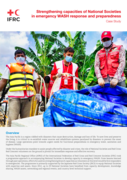
This case study takes a closer look at experiences in three countries and one sub-region, each with a unique profile, a specific set of challenges and opportunities, and differing levels of WASH competencies. Through the lens of the participating National Societies and the communities they serve, th
...
Beat the heat: child health amid heatwaves in Europe and Central Asia finds that half of these children died from heat-related illnesses in their first year of life. Most children died during the summer months.
"Around half of children across Eur
...

Your very own buddy for info about COVID-19 in Europe and Central Asia.
Just a text message away!
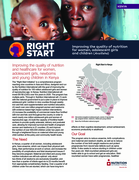
The “Right Start Initiative” is a comprehensive program reaching nine countries in Asia and Africa, designed and run by the Nutrition International with the goal of improving the quality of nutrition for 100 million adolescent girls and women of
...
During the first two years of the project (2019–2020), through a ‘One Health’ approach, comprehensive engagement was established with AMR coordinating committees, WHO regional and country offices and SORT IT partners in Asia, Africa, Europe an
...
This report presents the findings from a ‘deep dive’ undertaken by UNICEF East Asia and the Pacific Regional Office to consider the experiences in Cambodia, Indonesia, the Lao People’s Democratic Republic, Malaysia, Myanmar, the Philippines an
...
World Health Organization. Regional Office for South-East Asia
World Health Organization. Regional Office for South-East Asia
The World Food Programme (WFP) has taken important steps to progress disability inclusion across its programming and operations. In late 2022, WFP commissioned the Nossal Institute, University of Melbourne in partnership with the Faculty of Psychology, Universitas Gadjah Mada, Indonesia to identify
...
During the Programme Managers’ Review Meeting of Central and East Africa and South-East Asia (online meeting, June 2022), experts proposed additional regional and national subtargets related to VL incidence, as defined below. These targets can be
...
In: Beyond construction : use by all : a collection of case studies from sanitation and hygiene promotion practitioners in South Asia. Chapter 2
ICJ genocide hearing on Myanmar: step towards justice for the Rohingya JAKARTA, 10 December 2019 - Parliamentarians from across Southeast Asia today welcomed the first hearing in the case against Myanmar at the UN’s highest court as an initial s
...
Patients and TB: Improving treatment outcomes through a patient centred approach and access to new treatments
5th TB Symposium – Eastern Europe and Central Asia Ministry of Labour, Health and Social Affairs of Georgia and Médecins Sans Frontièr
...
Vinay P. Saldanha( UNAIDS Regional Director- Eastern Europe & Central Asia)
Session 1 Wednesday 30/01/2019
30-31 January 2019, Bucharest
Accessed: 29.09.2019
Monitoring implementation of the Dublin Declaration on Partnership to Fight HIV/AIDS in Europe and Central Asia: 2012 progress
Special Report
his sequel to the Groundswell report includes projections and analysis of internal climate migration for three new regions: East Asia and the Pacific, North Africa, and Eastern Europe and Central Asia
...
Providing improved water supply to low-income urban communities is a difficult challenge faced by water utilities throughout Africa and Asia.
This guide provides an introduction to available options for serving these communities.
The guide draws o
...
Snakebite envenoming constitutes a serious medical condition that primarily affects residents of rural communities in Africa, Asia, Latin America, and New Guinea. It is an occupational, environmental, and domestic health hazard that exacerbates the
...

Age-standardized cardiovascular disease (CVD) mortality rates by region ranged from 73.6 per 100,000 in High-income Asia Pacific to 432.3 per 100,000 in Eastern Europe in 2022. Global CVD mortality decreased by 34.9% from 1990 to 2022. Ischemic hear
...
Too few physicians are equipped with the knowledge and skills needed to repair genital fistulae and care for patients following surgery. Most procedures are performed in Africa and Asia by local physicians, with technical support from surgeons from
...
The Communicable Diseases Policy Research Group (CDPRG) is a multidisciplinary team within the Department of Global Health & Development in the Faculty of Public Health and Policy at the London School of Hygiene & Tropical Medicine.The Group is based in Bangkok, Thailand, and conducts research acros
...

An estimated 59 000 people die from rabies each year. That’s one person every nine minutes of every day, 40% of whom are children living in Asia and Africa. As dog bites cause almost all human cases, we can prevent rabies deaths by increasing awar
...
One key aim of tuberculosis (TB) prevention and care is to render them more people-centred, which means further boosting and improving ambulatory care models across the countries of Eastern Europe and central Asia. This note is intended to remind in
...
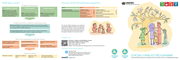
The Strong Families Programme was developed and piloted in Afghanistan thanks to the generous support of the US-INL. To date, this programme has further been piloted in Central America, Central and West Asia, East and West Africa thank
...
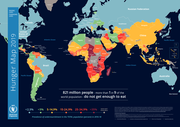
WFP's Hunger Map depicts the prevalence of undernourishment in the population of each country in 2016-18. From Africa and Asia to Latin America and the Near East, there are 821 million people - more than 1 in 9 of the world population - who do not g
...
A case study from Albania
June 2016
EHRN is grateful to all who contributed to this document, especially (in alphabetical order): Alena Alba, Program Officer, Eastern Europe and Central Asia Team,
...
In the framework of the United Nations Sustainable Development Goals Issue-based Coalition on Health and Well-being for All at All Ages in Europe and Central Asia
A new respiratory infectious disease, COVID-19, caused by a new coronavirus called SARS-CoV-2, emerged in early December 2019. Since then, the virus has spread to India and 106 other countries in Asia, Europe, North America, Africa, and Oceania. On
...
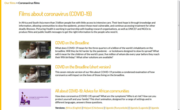
Here you can download animations about COVID-19 for information, community organising, broadcast or whatsapp groups in multiple languages for Africa and Asia.
All about COVID-19: Advice for Communities. What is coronavirus? How does it spread? How
...
Guidelines for Diagnosing and Managing Disseminated Histoplasmosis among People Living with HIV
recommended
Histoplasmosis is a disease caused by the fungus Histoplasma capsulatum. This disease is highly endemic in some regions of North America, Central America, and South America and is also reported in certain countries of Asia and Africa. It often affec
...
Medical Learning Hub
recommended
Medical Learning Hub is a product of Tech Care for All, a social impact company that owns and commercializes digital health solutions across Africa and Asia.
This paper summarizes the evidence about the health effects of air pollution from particulate matter and their implications for policy-makers, with the aim of stimulating the development of more effective strategies to reduce
air pollution and its health effects in the countries of eastern Europe,
...
Project Drawdown (2022) provides evidence of how climate solutions can also be win-win opportunities for meeting development and human well-being needs while boosting prosperity for rural communities in sub-Saharan Africa and South Asia. The report
...
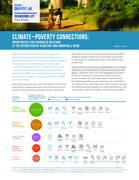
Project Drawdown (2022) provides evidence of how climate solutions can also be win-win opportunities for meeting development and human well-being needs while boosting prosperity for rural communities in sub-Saharan Africa and South Asia. The report
...
In Danger: UNAIDS Global AIDS Update 2022
recommended
Progress in prevention and treatment is faltering around the world, putting millions of people in grave danger. Eastern Europe and central Asia, Latin America, and the Middle East and North Africa have all seen increases in annual HIV infections ove
...
The Western Pacific Region is the largest and most diverse region in the world, made up of 37 countries and territories in the Pacific, Oceania and parts of Asia, with a population of more than 1.9 billion people stretching over an area from China a
...

Parasites & Vectors volume 15, Article number: 389 (2022)
Dengue is one of the common arboviral infections and is a public health problem in South East Asia. The aim of this systematic review and meta-analysis was to evaluate the prevalence and
...
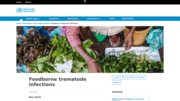
Foodborne trematode infections cause 2 million life years lost to disability and death worldwide every year.
People become infected by eating raw fish, crustaceans or vegetables that harbour the parasite larvae.
Foodborne trematodiases are most prevalent in East
...
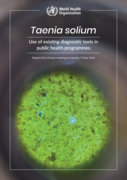
Taeniasis and cysticercosis caused by the parasite T. solium affect vulnerable populations,
mainly in Latin America, sub-Saharan Africa and Asia, where pigs (the intermediate host) roam
free and poor sanitation allows pigs access to human faeces.
Rabies is fatal, vaccine-preventable disease responsible for an estimated 59,000 human deaths each year. Most cases are transmitted by dogs, and most deaths occur in underserved populations in Africa and Asia. Approximately 40% of deaths occur in ch
...
Rabies is a viral infection of wild and domestic mammals, transmitted to humans by the saliva of infected animals through bites, scratches or licks on broken skin or mucous membranes.
In endemic areas (Africa and Asia), 99% of cases are due to dog
...
Snake-bites are well-known medical emergencies in many parts of the world, especially in rural areas. Agricultural workers and children are the most affected. The incidence of snake-bite mortality is particularly high in South-East Asia. Rational us
...

This report includes analysis from informal regional consultations in the African Region, the Caribbean and North America, Latin America, South-East Asia Region, European Region, Eastern Mediterranean Region, alongside three forums in the Western Pa
...
Leishmaniasis is a vector-borne tropical/subtropical disease caused by an intracellular parasite transmitted to humans by sand fly bite. It is endemic in Asia, Africa, the Americas, and the Mediterranean region. Worldwide reports include 1.5–2 mil
...
2023 is seeing intense heatwaves. According to a July 2023 briefing by the World Meteorological Association temperatures will frequently reach above 35–40°C in many places across the Mediterranean region, with temperatures in the Middle East and southeastern Türkiye reaching up to 45°C and, in
...
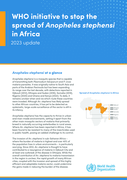
Anopheles stephensi is a mosquito species that is capable of transmitting both Plasmodium falciparum and P. vivax malaria parasites. Unlike the other main mosquito vectors of malaria, it thrives in urban and man-made environments. Originally native to parts of South
...

Cholera is a transmissible diarrhoeal infection caused by Vibrio cholerae. Endemic and/or epidemic in over 40 countries (mainly in Africa and Asia), cholera continues to be a major global public health issue.
The World Health Organization (WHO) e
...
Factsheets with global and regional data from the IDF Diabetes Atlas 10th Edition are available for download below.
Diabetes around the world in 2021
Diabetes in Africa in 2021
Diabetes in Europe in 2021
Diabetes in Middle-East and North Africa in 2021
Diabetes in North America and Caribbean in
...
Similar to other parts of the world, the prevalence of type 2 diabetes mellitus (T2DM) in the Asia-Pacific Region has rapidly increased during the last few decades. The purposes of this pilot study were to determine the feasibility and the effects o
...
This report includes analysis from informal regional consultations in the African Region, the Caribbean and North America, Latin America, South-East Asia Region, European Region, Eastern Mediterranean Region, alongside three forums in the Western Pa
...
This report includes analysis from informal regional consultations in the African Region, the Caribbean and North America, Latin America, South-East Asia Region, European Region, Eastern Mediterranean Region, alongside three forums in the Western Pa
...
This report includes analysis from informal regional consultations in the African Region, the Caribbean and North America, Latin America, South-East Asia Region, European Region, Eastern Mediterranean Region, alongside three forums in the Western Pa
...
This report includes analysis from informal regional consultations in the African Region, the Caribbean and North America, Latin America, South-East Asia Region, European Region, Eastern Mediterranean Region, alongside three forums in the Western Pa
...
Anopheles stephensi is an invasive mosquito species which has been found spreading across Africa. While this species presents a new challenge for malaria control on the continent, its surveillance and management have been ongoing in Asia for many ye
...
WHO guideline on preventive chemotherapy for public health control of strongyloidiasis
recommended
Human strongyloidiasis is a chronic parasitic disease caused by infection with Strongyloides stercoralis, a soil-transmitted helminth that is estimated to infect 300–600 million people worldwide. This neglected tropical disease (NTD) is endemic globally, predominately in the South-East
...
Diarrhea is one of the world’s leading causes of child illness and death, and rotavirus is the most common cause of severe diarrhea. Yet it can be prevented and treated. There is a vaccine. And while hundreds of thousands of children in India will gain access to rotavirus vaccines -part of a natio
...
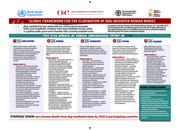
Rabies remains an under-reported neglected zoonosis with a case-fatality rate of almost 100% in humans and animals. Dog-mediated human rabies causes tens of thousands of human deaths annually despite being 100% preventable. More than 95% of human cases are caused by the bite of a rabies-infected dog
...
An Advocate’s Guide: Strategic Indicators for Universal Access to Sexual and Reproductive Health and Rights
recommended
This guide was prepared to enable advocates to use data
when advocating for universal access to SRHR at the national,
regional and global levels. It is a direct outcome of the Strategic
SRHR Indicators workshop held in Kuala Lumpur, Malaysia on
21-22 August for the project “Strengthening the N
...
The World Health Organization (WHO) Global Status Report on Noncommunicable Diseases 2010 projects that noncommunicable diseases (NCDs) will be responsible for over 44 million deaths during the next decade, representing an increase of about 15% since 2010. Most of these deaths will occur in the WHO
...

Advances have been made through expanded interventions delivered through five public health approaches: innovative and intensified disease management; preventive chemotherapy; vector ecology and management; veterinary public health services; and the provision of safe water, sanitation and hygiene. I
...
Census Report Volume 4-E
As no census has been undertaken in over 30 years, many aspects of the demographic situation in the country were unknown. For instance, before the Census it was thought that the country had a population of about 60 million, but the 2014 Census showed that the population ...
As no census has been undertaken in over 30 years, many aspects of the demographic situation in the country were unknown. For instance, before the Census it was thought that the country had a population of about 60 million, but the 2014 Census showed that the population ...
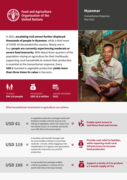
While much of Myanmar’s population continues to benefit from the ongoing process of political and economic reforms, there are close to one million people who remain in need of emergency assistance and protection as a result of ongoing crises in Rakhine, Kachin and Shan. In addition, despite signif
...
This is a qualitative research documentary that was created by Alyson and Timothy Holland. The documentary explores the ethics of global health clinical electives and volunteer projects in developing regions. It features interviews from experts and global health providers from Europe, Africa,
...
This year’s MPI results show that more than two-thirds of the multidimensionally poor—886 millionpeople—live in middle-income countries. A further 440 million live in low-income countries. In both groups, data show, simple national averagescan hide enormous inequality inpatterns of povertywith
...
The world’s population is projected to grow from 7.7 billion in 2019 to 8.5 billion in 2030 (10% increase), and further to 9.7 billion in 2050 (26%) and to 10.9 billion in 2100 (42%). The population of sub-Saharan Africa is projected to double by 2050 (99%). Other region
...
A case study from Bosnia and Herzegovina Eurasian Harm Reduction Network
The case study was prepared by Samir Ibisevic, President of PROI between March and June 2016 and edited by Graham Shaw.
EHRN is grateful to all who contributed to this document, especially: Dr. Serifa Godinjak, Chairperson
...
The animal health subsector within the agriculture sector is the gatekeeper of antimicrobial resistance (AMR) in livestock, aquaculture, animal products, and the immediate animal environment. In support of member countries taking responsibility for and moving forward with putting AMR monitoring and
...

Internationally, there is a growing concern over antimicro-bial resistance (AMR) which is currently estimated to ac-count for more than 700,000 deaths per year worldwide. If no appropriate measures are taken to halt its pro-gress, AMR will cost approximately 10 million lives andabout US$100 trillion
...
Myanmar, as a country going through rapid socio-political transition and institutional development also suffers with a high burden of infectious disease. An ongoing challenge has been to effectively reach its 51 million population, most of whom battle tuberculosis, acute respiratory infections, diar
...

Reliefweb COVID-19 Global Topics
recommended
COVID-19 Global is the hub page for all ReliefWeb's coverage on the COVID-19 Pandemic, focusing on the countries with humanitarian situations. For updates grouped by regions, see Regional COVID-19 pages for Sub-Saharan Africa; Northern Africa; Latin America and the Caribbean; Central, Eastern, South
...
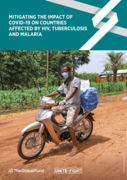
While many of the countries hit by the COVID-19 in the first few months of the year are now beginning to relax lockdown measures as infection and death rates fall, in the regions most affected by HIV, TB and malaria, such as Africa, South Asia and L
...
A new reportshows that people in some 25 countries are set to face devasting levels of hunger in coming months due to the fallout from the COVID-19 pandemic. While the greatest concentration of need is in Africa, countries in Latin America and the Caribbean, and in the Middle East and
...
La enfermedad de Chagas, también llamada tripanosomiasis americana, sigue siendo endémica en 21 países de América Latina. Sin embargo, como consecuencia de las migraciones, la urbanización, la intensificación del turismo, la modificación de las estrategias agrícolas y el cambio climático, l
...

WHO today released its first roadmap to tackle postpartum haemorrhage (PPH) – defined as excessive bleeding after childbirth - which affects millions of women annually and is the world’s leading cause of maternal deaths.
Despite being preventable and treatable, PPH results in around 70 000 de
...
Anaemia is a global public health concern, especially afflicting adolescent girls, women 15–49 years of age, pregnant women, and children in low- and middle-income countries. WHO estimates that in 2019 30% (571 million) of women aged 15–49 years, 37% (32 million) of pregnant women, and 40% (269
...
The Minimum Standards and Indicators for Community Engagement were developed through an inter‑agency consultation process that engaged a large number of experts from around the world. UNICEF wishes to acknowledge the contribution of all those that participated, and who share a passion for placing
...
The Community Health Community of Practice (CH CoP) builds on the Institutionalisation Community Health Conference co-hosted by USAID and UNICEF in Johannesburg in March 2017. Conceived as an ‘open space’ in terms of both contribution and access to knowledge, it aims at gathering practitioners,
...
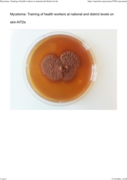
Mycetoma is a chronic, progressively destructive infectious disease of the subcutaneous tissues, affecting skin, muscle and bone. Mycetoma occurs in tropical and subtropical environments characterized by short rainy seasons and prolonged dry seasons that favour the growth of thorny bushes. Global bu
...

Clinical Microbiology and Infection Volume 21, Issue 5, May 2015, Pages 433-443;
The neglected zoonotic diseases (NZDs) have been all but eradicated in wealthier countries, but remain major causes of ill-health and mortality across Africa, Asia, a
...
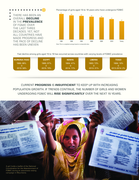
This brochure draws on data from more than 90 nationally representative surveys making it the most up-to-date compilation of statistics on FGM/C. Available data show that the practice of FGM/C is highly concentrated in a swath of countries from the Atlantic coast to the Horn of Africa, in areas of t
...
These guidelines are based on the 3rd Edition of the WHO Guidelines (Published 2015) World Health Organization’s Guidelines for the treatment of malaria. Additional literature surveys have been undertaken. Factors that were considered in the choice of therapeutic options included effectiveness, sa
...

Loss and damage is an urgent concern, driven by the increasingly harmful effects of climate change. Communities are experiencing new types and forms of climate impact, of higher frequency and intensity, which they are not equipped to handle. These impacts compel vulnerable communities to migrate to
...

Human schistosomiasis otherwise called bilharzia, is a fresh- water snail transmitted intravascular debilitating disease resulting from infection by the parasitic dimorphic Schistosoma trematode worms, which lives in the bloodstream of humans. The World Health Organization (WHO) regards the disease
...
Anopheles stephensi, a highly competent vector of Plasmodium falciparum and P. vivax, is considered an efficient vector of urban malaria. Until 2011, the reported distribution of An. stephensi was confined to certain countries of South Asia and part
...
DNA studies of Egyptian mummies shows evidence of the existence of Schistosomiasis about 5000 years ago. Schistosomiasis is increasing in prevalence, affecting nearly 10% of the world’s population and ranking second only to malaria as a cause of morbidity & mortality.
Schistosoma haematobium are
...

Yaws is a disfiguring non-venereal disease caused by infection with the spirochaete. Treponema pallidum subspecies pertenue which is closely related to the causative agent of syphilis and those of the other endemic treponematoses, bejel and pinta. The disease is endemic in certain areas of the World
...

Leishmaniasis is a parasitic disease caused by the Leishmania parasite. This parasite typically lives in infected sand flies. You can contract leishmaniasis from a bite of an infected sand fly.
The sand flies that carry the parasite typically reside in tropical and subtropical environments. Fatal
...
Cutaneous leishmaniasis (CL) is a neglected infectious endemic disease that is transmitted through the bite of a vector insect (sandfly) of the Lutzomyia genus,typical of rural geographical territories, and causes disfiguring skin ulcers and disabilities. It is estimated that CL affects between 600
...
Infections by the soil-transmitted helminths (STH), including Ascaris lumbricoides, Trichuris trichiura, Ancylostoma duodenale/Necator americanus (hookworms), and Strongyloides stercoralis, disproportionately affect children around the world. Because of their transmission associated with poor sanita
...
Rabies is entirely preventable, and vaccines, medicines, tools and technologies have long been available to prevent people from dying of dog-mediated rabies. Nevertheless, rabies still kills about 60 000 people a year, of whom over 40% are children under 15, mainly in rural areas of economically dis
...

Regional implementation framework for elimination of cervical cancer as a public health problem: 2021–2030
recommended
Cervical cancer continues to be a significant public health problem and a major cause of premature mortality among women, disproportionately affecting the socioeconomically disadvantaged population in low- and middle-income countries (LMICs). In the absence of implementing the known evidence-based,
...
Children are at high risk of dog bites and contracting rabies. Forty percent of reported rabies cases worldwide are children under the age of fifteen. In our project areas, the proportion of children dying is often even higher. Rabies most often persists in poor communities and rural regions of deve
...
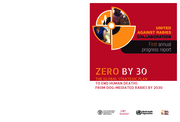
Rabies is entirely preventable, and vaccines, medicines, tools and technologies have long
been available to prevent people from dying of dog-mediated rabies. Nevertheless, rabies still
kills about 60 000 people a year, of whom over 40% are children under 15, mainly in rural areas
of economically
...
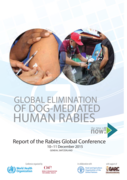
Rabies remains an under-reported neglected zoonosis with a case-fatality rate of almost 100% in humans and animals. Dog-mediated human rabies causes tens of thousands of human deaths annually despite being 100% preventable. More than 95% of human cases are caused by the bite of a rabies-infected dog
...
La enfermedad de Chagas, también llamada tripanosomiasis americana, sigue siendo endémica en 21 países de América Latina. Sin embargo, como consecuencia de las migraciones, la urbanización, la intensificación del turismo, la modificación de las estrategias agrícolas y el cambio climático, l
...
Soil-transmitted helminth (STH) infections are among the most common infections worldwide with an estimated 1.5 billion infected people or 24% of the world’s population. These infections affect the poorest and most deprived communities with poor access to clean water, sanitation and hygiene in tro
...
Las geohelmintiasis son una de las parasitosis más comunes en el mundo, y se estima que 1500 millones de personas, el 24 % de la población mundial, están infestadas. Estas infestaciones afectan a las comunidades más pobres y desfavorecidas de zonas tropicales y subtropicales con un acceso defici
...
El presente informe incluye análisis de consultas informales en cinco de las regiones de la OMS: la Región de África, la Región de las Américas (donde se realizaron consultas separadas para el Caribe y América del Norte, y para América Latina), la Región de
...
