
Filter
733
Text search:
Vitamin
A
deficiency
Featured
82
292
Language
Document type
529
77
63
26
18
12
3
3
1
1
Countries
81
41
37
26
25
22
21
20
19
18
17
13
13
12
12
12
11
11
10
9
7
6
6
5
5
5
5
3
3
3
3
3
2
2
2
2
2
2
1
1
1
1
1
1
1
1
1
1
1
1
1
1
1
1
1
1
1
1
1
1
1
1
Authors & Publishers
Publication Years
Category
451
90
86
32
31
18
Toolboxes
24
22
21
20
18
17
15
13
13
8
7
5
5
5
4
3
3
1
1

Part of the CBM Prevention Toolkit on “How to Improve the Health and Development of your Child”

Maternal, Infant and Young Child Nutrition Strategic Actions:
1 Endorse and disseminate key policies and regulations
2 Improve maternal nutrition
3 Protect, promote, and support optimal infant and young child feeding practices
4 Support optimal infant and young child feeding in ...
1 Endorse and disseminate key policies and regulations
2 Improve maternal nutrition
3 Protect, promote, and support optimal infant and young child feeding practices
4 Support optimal infant and young child feeding in ...
Dieses Kurzdossier konzentriert sich besonders auf den Zusammenhang zwischen zwei übertragbaren
tropischen Armutserkrankungen – dem Wurmbefall des Darms durch Geohelminthen wie Spul-,
Peitschen- und Hakenwürmer sowie der Schistosomiasis (Bilharziose). Es zeigt Möglichkeiten zu
deren Bekämpf
...

Rebuilding Liberia’s health system is crucial for improving the country’s overall health outcomes. This annual report highlights key achievements, challenges,and lessons learned in implementing programmes of technical cooperation with the Government of Liberia from January to December 2022. T
...
This document is to guide policy makers, managers, districts, health workers, communities, NGOs and all other stakeholders on how to implement newborn health services.
Q12: Should the treatment be similar in individuals with intellectual disability and epilepsy compared to people with epilepsy only?
Ann Indian Acad Neurol. 2015 Sep; 18(Suppl 1): S2–S5.
doi: 10.4103/0972-2327.164812
PMCID: PMC4604693
PMID: 26538844
Poor sanitary conditions in disaster-stricken areas result in higher risk for diarrheal illness in vulnerable populations, especially children. This disease negatively impacts the nutritional status of affected children and causes significant morbidity and mortality. Early di
...
Model Chapter for textbooks for medical students and allied health professionals
3rd edition!Large File 17 MB!
An Overview of Current Evidence with Recommendations for Strengthening Community Health Worker Programs to Accelerate Progress in Achieving the Health-related Millennium Development Goals
3rd edition!
Kenya Policy: 2014-2030
recommended
Towards attaining the highest standard Health.

NAMIBIA (2012/13-2015/16)
The State of the World’s Children 2013: Children with Disabilities examines the barriers – from inaccessible buildings to dismissive attitudes, from invisibility in official statistics to vicious discrimination – that deprive children with disabilities of their rights and keep them from partic
...
DHS Further Analysis Reports No. 109 - This report documents trends in key child nutrition indicators in Rwanda. Data from the Demographic and Health Surveys (DHS) in 2005, 2010, and 2014-15 were analyzed, disaggregated by selected equity-related variables, and tested for trends. Over the survey per
...
Maternal Child Nutrition. 2017;e12478
This paper analyzes individual level and household level determinants of anemia among children and women in Nepal and Pakistan. Applying multivariate modified Poisson models to recent national survey data, we find that the prevalence of anemia was significa ...
This paper analyzes individual level and household level determinants of anemia among children and women in Nepal and Pakistan. Applying multivariate modified Poisson models to recent national survey data, we find that the prevalence of anemia was significa ...

Vision Statement
From birth to 8 years of age, all children of the Republic of the Union of Myanmar will receive holistic, high-quality and developmentally-appropriate care from their parents, caregivers and service providers to ensure they will be happy, healthy, well nourished, socially adept ...
From birth to 8 years of age, all children of the Republic of the Union of Myanmar will receive holistic, high-quality and developmentally-appropriate care from their parents, caregivers and service providers to ensure they will be happy, healthy, well nourished, socially adept ...
The report discusses the epidemiological and social aspects of ageing, health and functional changes experienced with ageing, the impact of physical activity, assessment of the nutritional status of older persons, and nutritional guidelines for healthy ageing.
Nutrition Guidelines
recommended


The integrated Global Action Plan for Pneumonia and Diarrhoea (GAPPD)
Situation Analaysis and Needs Assessment
Interim emergency guidelines

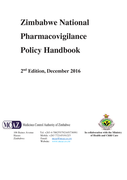
The Zimbabwe National Pharmacovigilance Policy Handbook, 2nd Edition updates the November 2013 version to indicate the Zimbabwe National Pharmacovigilance (PV) Centre’s compliance with the WHO Pharmacovigilance Indicators Handbook 2015.

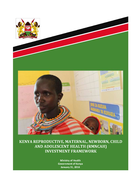
Further analysis of the 2011 Nepal Demographic and Health Survey
