Filter
182
Text search:
Republic
of
Serbia
Ministry
of
Health
Featured
Recommendations
8
New Publications
36
Language
Document type
No document type
111
Studies & Reports
34
Guidelines
13
Manuals
8
Situation Updates
5
Strategic & Response Plan
5
Fact sheets
5
Training Material
1
Countries / Regions
Western and Central Europe
30
Eastern Europe
10
Global
9
North Macedonia
4
Eastern Europe and Central Asia
4
Syria
3
Ukraine
3
Ethiopia
2
Uganda
2
South Sudan
2
Germany
2
Zambia
2
Liberia
1
Nigeria
1
Ghana
1
Zimbabwe
1
Haiti
1
India
1
Nepal
1
Iraq
1
Jordan
1
Lebanon
1
Tanzania
1
Indonesia
1
Bangladesh
1
Serbia
1
Croatia
1
Ecuador
1
Greece
1
Myanmar / Burma
1
West and Central Africa
1
Western Pacific Region
1
Africa
1
Tajikistan
1
Russia
1
Bulgaria
1
Uzbekistan
1
Vietnam
1
Authors & Publishers
Publication Years
Category
Countries
18
Women & Child Health
13
Key Resources
13
Public Health
9
Clinical Guidelines
8
Capacity Building
3
Pharmacy & Technologies
2
Toolboxes
HIV
32
Mental Health
31
Refugee
19
TB
14
Disability
13
COVID-19
10
Conflict
5
Rapid Response
5
Planetary Health
5
Global Health Education
4
AMR
4
Pharmacy
4
Caregiver
3
Ebola
2
Specific Hazards
2
NTDs
2
NCDs
2
Cholera
1
Polio
1
Zika
1
Working towards better COVID-19 outcomes in the WHO European Region.From the first COVID-19 cases in Europe reported on
24 January 2020, the pandemic reached 1 million cases
within 3 months, 10 million cases within 8 months, and
100 million cases in Europe alone within 2 years. Over
the course
...

Amsterdam, the Netherlands, 23 July 2018
Meeting Report
A review of proactive risk assessment and risk management practices to ensure the safety of drinking-water
Based on information gathered from 118 countries representing every region ...
Based on information gathered from 118 countries representing every region ...
Children in refugee situations face many potential dangers, such as violence, abuse, exploitation, discrimination, separation from their families, trafficking and military recruitment. The impact of these experiences can be devastating and long-last
...
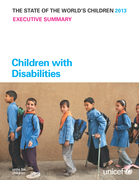
The State of the World’s Children 2013: Children with Disabilities examines the barriers – from inaccessible buildings to dismissive attitudes, from invisibility in official statistics to vicious discrimination – that deprive children with dis
...
Small drinking-water supplies commonly experience operational, managerial, technical and resourcing challenges that impact their ability to deliver safe and reliable services. The needs and opportunities associated with these supplies therefore warrant explicit consideration in policies and regulati
...

Progress report of the Human Rights Council Advisory Committee (A/HRC/33/53) (Advance edited version)
The report reveals that good IPC programmes can reduce health care infections by 70 %. oday, out of every 100 patients in acute-care hospitals, seven patients in high-income countries and 15 patient
...
First report of a demonstration project

This FAQ responds to questions revolving around the topic of protecting refugee women and girls against violence. It begins with a glossary that clarifies key terms and their consequences for female refugees. The glossary will be a
...
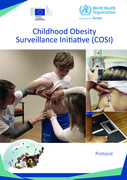
The WHO Regional Office for Europe has established the Childhood Obesity Surveillance Initiative in more than half the countries in the Region for routine monitoring of the policy response to the emerging obesity epidemic. The aim
...
The most frequent health problems of newly arrived refugees and migrants include accidental injuries, hypothermia, burns, gastrointestinal illnesses, cardiovascular events, pregnancy- and delivery-r
...
Brief review of selected topics
The following pages provide a focus on selected areas in relation to neurology. The specialists who contributed the reviews are listed in the Project Team and Partners
Neurology Atlas (2004)