
Filter
528
Text search:
Ministry
of
Health
Republic
South
Sudan
Featured
Recommendations
41
New Publications
156
Language
Document type
No document type
299
Studies & Reports
124
Guidelines
40
Strategic & Response Plan
26
Manuals
20
Situation Updates
10
Training Material
4
Infographics
2
Fact sheets
2
Resource Platforms
1
Countries / Regions
South Sudan
52
Uganda
42
Global
34
Kenya
27
Africa
25
Congo, Democratic Republic of
24
Ethiopia
24
East and Southern Africa
13
Liberia
10
Nigeria
10
Rwanda
10
Sierra Leone
9
Sudan
9
Central African Republic
9
Ghana
8
Syria
8
West and Central Africa
8
Guinea
7
South Africa
7
Mozambique
7
Yemen
7
Somalia
6
Myanmar / Burma
6
Senegal
5
Cameroon
5
Afghanistan
5
Tanzania
5
Burkina Faso
4
Mali
4
Zimbabwe
4
Zambia
4
Burundi
4
Togo
3
Philippines
3
India
3
Iraq
3
Indonesia
3
Colombia
3
Angola
3
Latin America and the Carribbean
3
Western and Central Europe
3
Asia
3
Guinea-Bissau
2
Côte d’Ivoire / Ivory Coast
2
Pakistan
2
Jordan
2
Germany
2
Lebanon
2
Chad
2
Cambodia
2
Malawi
2
Botswana
2
Libya
2
Mexico
2
Middle East and North Africa
2
Palestine
2
Iran
2
Morocco
1
Saudi Arabia
1
Niger
1
Haiti
1
China
1
Malaysia
1
Papua New Guinea
1
Benin
1
Vanuatu
1
Namibia
1
Peru
1
Eswatini/ Swaziland
1
Brazil
1
North Macedonia
1
Ukraine
1
Ecuador
1
Greece
1
Madagascar
1
Lesotho
1
Sri Lanka
1
South–East Asia Region
1
Eastern Europe and Central Asia
1
Solomon Islands
1
North Korea
1
Albania
1
Djibouti
1
Armenia
1
Southern Africa
1
Laos
1
Russia
1
Georgia
1
Vietnam
1
Mauritius
1
Tunisia
1
Authors & Publishers
Publication Years
Category
Countries
157
Women & Child Health
42
Public Health
36
Clinical Guidelines
31
Key Resources
28
Capacity Building
8
Pharmacy & Technologies
5
Protection & Security
2
Toolboxes
Conflict
52
COVID-19
52
HIV
46
Mental Health
40
Ebola
30
Rapid Response
30
TB
20
Refugee
18
NTDs
17
Planetary Health
15
Disability
14
Caregiver
9
Global Health Education
8
Pharmacy
8
Cholera
7
AMR
7
Polio
4
Natural Hazards
4
Specific Hazards
4
Health Financing Toolbox
4
NCDs
3
South Sudan
2
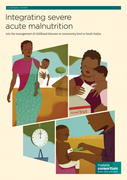
Since December 2010, Malaria Consortium has been implementing an innovative approach to community management of severe acute malnutrition, together with an existing integrated community case management (ICCM) programme in
...
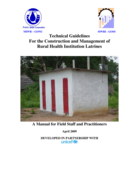
A Manual for Field Staff and Practitioners


A lot has happened this year. While we continued to tackle the COVID-19 pandemic, we were hit by disease outbreaks and
humanitarian crises. Yet, despite these challenges, we marched on, resolute in resolving critical health systems issues to increa
...

Overview: Risk communication and community engagement are essential for any disease outbreak response. This is particularly critical during outbreaks of Ebola which may create fear in the public and frontline responders alike due to severe presentat
...
BMC Res Notes (2016) 9:182 DOI 10.1186/s13104-016-1993-7
This document presents a consolidated summary of urgent activities
required to advance preparedness, as elaborated in each country's
national plan, with a particular focus on Priority 1 countries. It
presents the estimated requirements, needs, an
...
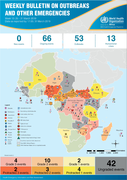
Response to the tropical cyclone in southern Africa
Ebola virus disease outbreak in the Democratic Republic of the Congo
Meningitis outbreak in Togo
Lassa fever outbreak in Liberi
...
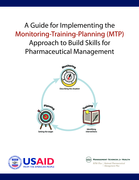
In the mid-1980s, recognizing the limitations of traditional training and that the knowledge and skills acquired are not necessarily applied back in the workplace, MSH developed the Monitoring‐Training-Planning (MTP) approach to assist the Ecuador
...
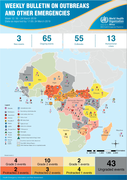
Cyclone in Mozambique and Zimbabwe
Ebola virus disease in Democratic Republic of the Congo
Humanitarian crisis in Mali
Humanitarian crisis in Central African
...

Previous crises, such as the Ebola virus disease (EVD) in West Africa in 2014, indicate the direct impact movement restrictions and disease containment efforts have on food availability, access, utilization and violence – particularly gender-based violence (GBV). The importance
...
In 2018, the Food and Agriculture Organization of the United Nations (FAO) in South Sudan must respond to the highest levels
...
Many African countries were amongst the most rapid to respond to the emerging threat of COVID-19, implementing large-scale interventions at very early stages of their epidemic. As demonstrated in th
...
