
Filter
8067
Text search:
emergency
Featured
761
2234
Language
7367
334
218
161
148
111
70
65
44
22
21
16
15
14
10
9
8
8
8
7
7
7
7
7
7
6
6
6
6
6
5
5
5
5
5
5
5
5
4
4
4
4
4
4
3
3
3
3
3
3
3
3
3
2
2
2
2
2
2
2
2
2
1
1
1
1
1
1
1
Document type
4495
1180
1036
432
296
229
149
126
43
29
21
15
12
2
1
Countries
295
292
235
208
206
180
169
158
149
148
146
139
127
122
121
116
113
112
110
105
104
99
91
88
86
84
83
80
74
72
60
60
60
57
55
54
51
50
48
46
44
44
38
38
35
34
32
31
30
27
26
25
25
24
23
22
22
21
20
20
20
19
19
18
17
17
16
15
15
14
14
13
12
11
11
11
10
10
10
9
9
8
8
8
7
7
7
7
7
6
6
6
6
6
6
5
5
5
5
5
5
5
5
5
5
4
4
4
4
4
4
4
4
3
3
3
3
3
3
3
2
2
2
2
2
2
2
2
2
2
2
2
2
2
2
2
2
2
1
1
1
1
1
1
1
1
1
1
1
1
1
1
1
1
1
1
1
Authors & Publishers
956
394
323
214
192
181
168
133
128
86
60
54
49
46
45
43
43
43
40
39
38
38
36
36
36
34
34
34
31
31
30
30
29
29
28
27
27
27
25
25
24
24
24
24
23
23
22
22
21
21
21
21
21
20
20
19
19
18
17
17
17
17
17
16
16
16
16
16
16
15
15
15
15
15
15
15
15
14
14
14
14
14
14
13
13
13
13
13
13
13
12
12
12
12
12
12
12
12
12
12
11
11
11
11
11
11
11
11
11
10
10
10
10
10
10
10
10
10
10
10
10
10
10
10
9
9
9
9
9
9
9
9
8
8
8
8
8
8
8
8
8
8
8
8
8
8
8
8
8
8
8
8
8
8
8
8
7
7
7
7
7
7
7
7
7
7
7
7
7
7
7
7
7
7
7
7
7
7
6
6
6
6
6
6
6
6
6
6
6
6
6
6
6
6
6
6
6
6
6
6
6
6
6
6
6
6
6
6
6
5
5
5
5
5
5
5
5
5
5
5
5
5
5
5
5
5
5
5
5
5
5
5
5
5
5
5
5
5
5
5
5
5
5
5
5
5
5
5
5
5
5
5
5
5
5
5
5
5
5
5
5
4
4
4
4
4
4
4
4
4
4
4
4
4
4
4
4
4
4
4
4
4
4
4
4
4
4
4
4
4
4
4
4
4
4
4
4
4
4
4
4
4
4
4
4
4
4
4
4
4
4
4
4
4
4
4
4
4
4
4
4
4
4
4
4
4
4
4
4
4
4
4
4
4
4
4
4
4
4
4
4
4
4
4
4
4
4
4
4
4
3
3
3
3
3
3
3
3
3
3
3
3
3
3
3
3
3
3
3
3
3
3
3
3
3
3
3
3
3
3
3
3
3
3
3
3
3
3
3
3
3
3
3
3
3
3
3
3
3
3
3
3
3
3
3
3
3
3
3
3
3
3
3
3
3
3
3
3
3
3
3
3
3
3
3
3
3
3
3
3
3
3
3
3
3
3
3
3
3
3
3
3
3
3
3
3
3
3
3
3
3
3
3
3
3
3
3
3
3
3
3
3
3
3
3
3
3
3
3
3
3
3
3
3
3
3
3
3
3
3
3
3
3
3
3
3
3
3
3
3
3
3
3
3
3
3
3
3
3
3
3
3
3
3
2
2
2
2
2
2
2
2
2
2
2
2
2
2
2
2
2
2
2
2
2
2
2
2
2
2
2
2
2
2
2
2
2
2
2
2
2
2
2
2
2
2
2
2
2
2
2
2
2
2
2
2
2
2
2
2
2
2
2
2
2
2
2
2
2
2
2
2
2
2
2
2
2
2
2
2
2
2
2
2
2
2
2
2
2
2
2
2
2
2
2
2
2
2
2
2
2
2
2
2
2
2
2
2
2
2
2
2
2
2
2
2
2
2
2
2
2
2
2
2
2
2
2
2
2
2
2
2
2
2
2
2
2
2
2
2
2
2
2
2
2
2
2
2
2
2
2
2
2
2
2
2
2
2
2
2
2
2
2
2
2
2
2
2
2
2
2
2
2
2
2
2
2
2
2
2
2
2
2
2
2
2
2
2
2
2
2
2
2
2
2
2
2
2
2
2
2
2
2
2
2
2
2
2
2
2
2
2
2
2
2
2
2
2
2
2
2
2
2
2
2
2
2
2
2
2
2
2
2
2
2
2
2
2
2
2
2
2
2
2
2
2
2
2
2
2
2
2
2
2
2
2
2
2
2
2
2
2
2
2
2
2
2
2
2
2
2
2
2
2
2
2
2
2
2
2
2
2
2
2
2
2
2
2
2
2
2
2
2
2
2
2
2
2
2
2
2
2
2
2
2
2
2
2
2
2
2
2
2
2
2
2
2
2
2
2
2
2
2
2
2
2
2
2
2
2
2
2
2
2
2
2
2
2
2
2
2
2
2
2
2
2
2
2
2
2
2
2
2
2
2
2
2
2
2
2
2
2
2
2
2
2
2
2
2
2
2
2
2
2
2
2
2
2
2
2
2
2
2
2
2
2
2
2
2
2
2
2
2
2
2
2
2
2
2
2
2
2
2
2
2
2
2
2
2
2
2
2
2
2
2
2
2
2
2
2
2
2
2
2
2
2
2
2
2
2
2
2
2
2
2
2
2
2
2
2
2
2
2
1
1
1
1
1
1
1
1
1
1
1
1
1
1
1
1
1
1
1
1
1
1
1
1
1
1
1
1
1
1
1
1
1
1
1
1
1
1
1
1
1
1
1
1
1
1
1
1
1
1
1
1
1
1
1
1
1
1
1
1
1
1
1
1
1
1
1
1
1
1
1
1
1
1
1
1
1
1
1
1
1
1
1
1
1
1
1
1
1
1
1
1
1
1
1
1
1
1
1
1
1
1
1
1
1
1
1
1
1
1
1
1
1
1
1
1
1
1
1
1
1
1
1
1
1
1
1
1
1
1
1
1
1
1
1
1
1
1
1
1
1
1
1
1
1
1
1
1
1
1
1
1
1
1
1
1
1
1
1
1
1
1
1
1
1
1
1
1
1
1
1
1
1
1
1
1
1
1
1
1
1
1
1
1
1
1
1
1
1
1
1
1
1
1
1
1
1
1
1
1
1
1
1
1
1
1
1
1
1
1
1
1
1
1
1
1
1
1
1
1
1
1
1
1
1
1
1
1
1
1
1
1
1
1
1
1
1
1
1
1
1
1
1
1
1
1
1
1
1
1
1
1
1
1
1
1
1
1
1
1
1
1
1
1
1
1
1
1
1
1
1
1
1
1
1
1
1
1
1
1
1
1
1
1
1
1
1
1
1
1
1
1
1
1
1
1
1
1
1
1
1
1
1
1
1
1
1
1
1
1
1
1
1
1
1
1
1
1
1
1
1
1
1
1
1
1
1
1
1
1
1
1
1
1
1
1
1
1
1
1
1
1
1
1
1
1
1
1
1
1
1
1
1
1
1
1
1
1
1
1
1
1
1
1
1
1
1
1
1
1
1
1
1
1
1
1
1
1
1
1
1
1
1
1
1
1
1
1
1
1
1
1
1
1
1
1
1
1
1
1
1
1
1
1
1
1
1
1
1
1
1
1
1
1
1
1
1
1
1
1
1
1
1
1
1
1
1
1
1
1
1
1
1
1
1
1
1
1
1
1
1
1
1
1
1
1
1
1
1
1
1
1
1
1
1
1
1
1
1
1
1
1
1
1
1
1
1
1
1
1
1
1
1
1
1
1
1
1
1
1
1
1
1
1
1
1
1
1
1
1
1
1
1
1
1
1
1
1
1
1
1
1
1
1
1
1
1
1
1
1
1
1
1
1
1
1
1
1
1
1
1
1
1
1
1
1
1
1
1
1
1
1
1
1
1
1
1
1
1
1
1
1
1
1
1
1
1
1
1
1
1
1
1
1
1
1
1
1
1
1
1
1
1
1
1
1
1
1
1
1
1
1
1
1
1
1
1
1
1
1
1
1
1
1
1
1
1
1
1
1
1
1
1
1
1
1
1
1
1
1
1
1
1
1
1
1
1
1
1
1
1
1
1
1
1
1
1
1
1
1
1
1
1
1
1
1
1
1
1
1
1
1
1
1
1
1
1
1
1
1
1
1
1
1
1
1
1
1
1
1
1
1
1
1
1
1
1
1
1
1
1
1
1
1
1
1
1
1
1
1
1
1
1
1
1
1
1
1
1
1
1
1
1
1
1
1
1
1
1
1
1
1
1
1
1
1
1
1
1
1
1
1
1
1
1
1
1
1
1
1
1
1
1
1
1
1
1
1
1
1
1
1
1
1
1
1
1
1
1
1
1
1
1
1
1
1
1
1
1
1
1
1
1
1
1
1
1
1
1
1
1
1
1
1
1
1
1
1
1
1
1
1
1
1
1
1
1
1
1
1
1
1
1
1
1
1
1
1
1
1
1
1
1
1
1
1
1
1
1
1
1
1
1
1
1
1
1
1
1
1
1
1
1
1
1
1
1
1
1
1
1
1
1
1
1
1
1
1
1
1
1
1
1
1
1
1
1
1
1
1
1
1
1
1
1
1
1
1
1
1
1
1
1
1
1
1
1
1
1
1
1
1
1
1
1
1
1
1
1
1
1
1
1
1
1
1
1
1
1
1
1
1
1
1
1
1
1
1
1
1
1
1
1
1
1
1
1
1
1
1
1
1
1
1
1
1
1
1
1
1
1
1
1
1
1
1
1
1
1
1
1
1
1
1
1
1
1
1
1
1
1
1
1
1
1
1
1
1
1
1
1
1
1
1
1
1
1
1
1
1
1
1
1
1
1
1
1
1
1
1
1
1
1
1
1
1
1
1
1
1
1
1
1
1
1
1
1
1
1
1
1
1
1
1
1
1
1
1
1
1
1
1
1
1
1
1
1
1
1
1
1
1
1
1
1
1
1
1
1
1
1
1
1
1
1
1
1
1
1
1
1
1
1
1
1
1
1
1
1
1
1
1
1
1
1
1
1
1
1
1
1
1
1
1
1
1
1
1
1
1
1
1
1
1
1
1
1
1
1
1
1
1
1
1
1
1
1
1
1
1
1
1
1
1
1
1
1
1
1
1
1
1
1
1
1
1
1
1
1
1
1
1
1
1
1
1
1
1
1
1
1
1
1
1
1
1
1
1
1
1
1
1
1
1
1
1
1
1
1
1
1
1
1
1
1
1
1
1
1
1
1
1
1
1
1
1
1
1
1
1
1
1
1
1
1
1
1
1
1
1
1
1
1
1
1
1
1
1
1
1
1
1
1
1
1
1
1
1
1
1
1
1
1
1
1
1
1
1
1
1
1
1
1
1
1
1
1
1
1
1
1
1
1
1
1
1
1
1
1
1
1
1
1
1
1
1
1
1
1
1
1
1
1
1
1
1
1
1
1
1
1
1
1
1
1
1
1
1
1
1
1
1
1
1
1
1
1
1
1
1
1
1
1
1
1
1
1
1
1
1
1
1
1
1
1
1
1
1
1
1
1
1
1
1
1
1
1
1
1
1
1
1
1
1
1
1
1
1
1
1
1
1
1
1
1
1
1
1
1
1
1
1
1
1
1
1
1
1
1
1
1
1
1
1
1
1
1
1
1
1
1
1
1
1
1
1
1
1
1
1
1
1
1
1
1
1
1
1
1
1
1
1
1
1
1
1
1
1
1
1
1
1
1
1
1
1
1
1
1
1
1
1
1
1
1
1
1
1
1
1
1
1
1
1
1
1
1
1
1
1
1
1
1
1
1
1
1
1
1
1
1
1
1
1
1
1
1
1
1
1
1
1
1
1
1
1
1
1
1
1
1
1
1
1
1
1
1
1
1
1
1
1
1
1
1
1
1
1
1
1
1
1
1
1
1
1
1
1
1
1
1
1
1
1
1
1
1
1
1
1
1
1
1
1
1
1
1
1
1
1
1
1
1
1
1
1
1
1
1
1
1
1
1
1
1
1
1
1
1
1
1
1
1
1
1
1
1
1
1
1
1
1
1
1
1
1
1
1
1
1
1
1
1
1
1
1
1
1
1
1
1
1
1
1
1
1
1
1
1
1
1
1
1
1
1
1
1
1
1
1
1
1
1
1
1
1
1
1
1
1
1
1
1
1
1
1
1
1
1
1
1
1
1
1
1
1
1
1
1
1
1
1
1
1
1
1
1
1
1
1
1
1
1
1
1
1
1
1
1
1
1
1
1
1
1
1
1
1
1
1
1
1
1
1
1
1
1
1
1
1
1
1
1
1
1
1
1
1
1
1
1
1
1
1
1
1
1
1
1
1
1
1
1
1
1
1
1
1
1
1
1
1
1
1
1
1
1
1
1
1
1
1
1
1
1
1
1
1
1
1
1
1
1
1
1
1
1
1
1
1
1
1
1
1
1
1
1
1
1
1
1
1
1
1
1
1
1
1
1
1
1
1
1
1
1
1
1
1
1
1
1
1
1
1
1
1
1
1
1
1
1
1
1
1
1
1
1
1
1
1
1
1
1
1
1
1
1
1
1
1
1
1
1
1
1
1
1
1
1
1
1
1
1
1
1
1
1
1
1
1
1
1
1
1
1
1
1
1
1
1
1
1
1
1
1
1
1
1
1
1
1
1
1
1
1
1
1
1
1
1
1
1
1
1
1
1
1
1
1
1
1
1
1
1
1
1
1
1
1
1
1
1
1
1
1
1
1
1
1
1
1
1
1
1
1
1
1
1
1
1
1
1
1
1
1
1
1
1
1
1
1
1
1
1
1
1
1
1
1
1
1
1
1
1
1
1
1
1
1
1
1
1
1
1
1
1
1
1
1
1
1
1
1
1
1
1
1
1
1
1
1
1
1
1
1
1
1
1
1
1
1
1
1
1
1
1
1
1
1
1
1
1
1
1
1
1
1
1
1
1
1
1
1
1
1
1
1
1
1
1
1
1
1
1
1
1
1
1
1
1
1
1
1
1
1
1
1
1
1
1
1
1
1
1
1
1
1
1
1
1
1
1
1
1
1
1
1
1
1
1
1
1
1
1
1
1
1
1
1
1
1
1
1
1
1
1
1
1
1
1
1
1
1
1
1
1
1
1
1
1
1
1
1
1
1
1
1
1
1
1
1
1
1
1
1
1
1
1
1
1
1
1
1
1
1
1
1
1
1
1
1
1
1
1
1
1
1
1
1
1
1
1
1
1
1
1
1
1
1
1
1
1
1
1
1
1
1
1
1
1
1
1
1
1
1
1
1
1
1
1
1
1
1
1
1
1
1
1
1
1
1
1
1
1
1
1
1
1
1
1
1
1
1
1
1
1
1
1
1
1
1
1
1
1
1
1
1
1
1
1
1
1
1
1
1
1
1
1
1
1
1
1
1
1
1
1
1
1
1
1
1
1
1
1
1
1
1
1
1
1
1
1
1
1
1
1
1
1
1
1
1
1
1
1
1
1
1
1
1
1
1
1
1
1
1
1
1
1
1
1
1
1
1
1
1
1
1
1
1
1
1
1
1
1
1
1
1
1
1
1
1
1
1
1
1
1
1
1
1
1
1
1
1
1
1
1
1
1
1
1
1
1
1
1
1
1
1
1
1
1
1
1
1
1
1
1
1
1
1
1
1
1
1
1
1
1
1
1
1
1
1
1
1
1
1
1
1
1
1
1
1
1
1
1
1
1
1
1
1
1
1
1
1
1
1
1
1
1
1
1
1
1
1
1
1
1
1
1
1
1
1
1
1
1
1
1
1
1
1
1
1
1
1
1
1
1
1
1
1
1
1
1
1
1
1
1
1
1
1
1
1
1
1
1
1
1
1
1
1
1
1
1
1
1
1
1
1
1
1
1
1
1
1
1
1
1
1
1
1
1
1
1
1
1
1
1
1
1
1
1
1
1
1
1
1
1
1
1
1
1
1
1
1
1
1
1
1
1
1
1
1
1
1
1
1
1
1
1
1
1
1
1
1
1
1
1
1
1
1
1
1
1
1
1
1
1
1
1
1
1
1
1
1
1
1
1
1
1
1
1
1
1
1
1
1
1
1
1
1
1
1
1
1
1
1
1
1
1
1
1
1
1
1
1
1
1
1
1
1
1
1
1
1
1
1
1
1
1
1
1
1
1
1
1
1
1
1
1
1
1
1
1
1
1
1
1
1
1
1
1
1
1
1
1
1
1
1
1
1
1
1
1
1
1
1
1
1
1
1
1
1
1
1
1
1
1
1
1
1
1
1
1
1
1
1
1
1
1
1
1
1
1
1
1
1
1
1
1
1
1
1
1
1
1
1
1
1
1
1
1
1
1
1
1
1
1
1
1
1
1
1
1
1
1
1
1
1
1
1
1
1
1
1
1
1
1
1
1
1
1
1
1
1
1
1
1
1
1
1
1
1
1
1
1
1
1
1
1
1
1
1
1
1
1
1
1
1
1
1
1
1
1
1
1
1
1
1
1
1
1
1
1
1
1
1
1
1
1
1
1
1
1
1
1
1
1
1
1
1
1
1
1
1
1
1
1
1
1
1
1
1
1
1
1
1
1
1
1
1
1
1
1
1
1
1
1
1
1
1
1
1
1
1
1
1
1
1
1
1
1
1
1
1
1
1
1
1
1
1
1
1
1
1
1
1
1
1
1
1
1
1
1
1
1
1
1
1
1
1
1
1
1
1
1
1
1
1
1
1
1
1
1
1
1
1
1
1
1
1
1
1
1
1
1
1
1
1
1
1
1
1
1
1
1
1
1
1
1
1
1
1
1
1
1
1
1
1
1
1
1
1
1
1
1
1
1
1
1
1
1
1
1
1
1
1
1
1
1
1
1
1
1
1
1
1
1
1
1
1
1
1
1
1
1
1
1
1
1
1
1
1
1
1
1
1
1
1
1
1
1
1
1
1
1
1
1
1
1
1
1
1
1
1
1
1
1
1
1
1
1
1
1
1
1
1
1
1
1
1
1
1
1
1
1
1
1
1
1
1
1
1
1
1
1
1
1
1
1
1
1
1
1
1
1
1
1
1
1
1
1
1
1
1
1
1
1
1
1
1
1
1
1
1
1
1
1
1
1
1
1
1
1
1
1
1
1
1
1
1
1
1
1
1
1
1
1
1
1
1
1
1
1
1
1
1
1
1
1
1
1
1
1
1
1
1
1
1
1
1
1
1
1
1
1
1
1
1
1
1
1
1
1
1
1
1
1
1
1
1
1
1
1
1
1
1
1
1
1
1
1
1
1
1
1
1
1
1
1
1
1
1
1
1
1
1
1
1
1
1
1
1
1
1
1
1
1
1
1
1
1
1
1
1
1
1
1
1
1
1
1
1
1
1
1
1
1
1
1
1
1
1
1
1
1
1
1
1
1
1
1
1
1
1
1
1
1
1
1
1
1
1
1
1
1
1
1
1
1
1
1
1
1
1
1
1
1
1
1
1
1
1
1
1
1
1
1
1
1
1
1
1
1
1
1
1
1
1
1
1
1
1
1
1
1
1
1
1
1
1
1
1
1
1
1
1
1
1
1
1
1
1
1
1
1
1
1
1
1
1
1
1
1
1
1
1
1
1
1
1
1
1
1
1
1
1
1
1
1
1
1
1
1
1
1
1
1
1
1
1
1
1
1
1
1
1
1
1
1
1
1
1
1
1
1
1
1
1
1
1
1
1
1
1
1
1
1
1
1
1
1
1
1
1
1
1
1
1
1
1
1
1
1
1
1
1
1
1
1
1
1
1
1
1
1
1
1
1
1
1
1
1
1
1
1
1
1
1
1
1
1
1
1
1
1
1
1
1
1
1
1
1
1
1
1
1
1
1
1
1
1
1
1
1
1
1
1
1
1
1
1
1
1
1
1
1
1
1
1
1
1
1
1
1
1
1
1
1
1
1
1
1
1
1
1
1
1
1
1
1
1
1
1
1
1
1
1
1
1
1
1
1
1
1
1
1
1
1
1
1
1
1
1
1
1
1
1
1
1
1
1
1
1
1
1
1
1
1
1
1
1
1
1
1
1
1
1
1
1
1
1
1
1
1
1
1
1
1
1
1
1
1
1
1
1
1
1
1
1
1
1
1
1
1
1
1
1
1
1
1
1
1
1
1
1
1
1
1
1
1
1
1
1
1
1
1
1
1
1
1
1
1
1
1
1
1
1
1
1
1
1
1
1
1
1
1
1
1
1
1
1
1
1
1
1
1
1
1
1
1
1
1
1
1
1
1
1
1
1
1
1
1
1
1
1
1
1
1
1
1
1
1
1
1
1
1
1
1
1
1
1
1
1
1
1
1
1
1
1
1
1
1
1
1
1
1
1
1
1
1
1
1
1
1
1
1
1
1
1
1
1
1
1
1
1
1
1
1
1
1
1
1
1
1
1
1
1
1
1
1
1
1
1
1
1
1
1
1
1
1
1
1
1
1
1
1
1
1
1
1
1
1
1
1
1
1
1
1
1
1
1
1
1
1
1
1
1
1
1
1
1
1
1
1
1
1
1
1
1
1
1
1
1
1
1
1
1
1
1
1
1
1
1
1
1
1
1
1
1
1
1
1
1
1
1
1
1
1
1
1
1
1
1
1
1
1
1
1
1
1
1
1
1
1
1
1
1
1
1
1
1
1
1
1
1
1
1
1
1
1
1
1
1
1
1
1
1
1
1
1
1
1
1
1
1
1
1
1
1
1
1
1
1
1
1
1
1
1
1
1
1
1
1
1
1
1
1
1
1
1
1
1
1
1
1
1
1
1
1
1
1
1
1
1
1
1
1
1
1
1
1
1
1
1
1
1
1
1
1
1
1
1
1
1
1
1
1
1
1
1
1
1
1
1
1
1
1
1
1
1
1
1
1
1
1
1
1
1
1
1
1
1
1
1
1
1
1
1
1
1
1
1
1
1
1
1
1
1
1
1
1
1
1
1
1
1
1
1
1
1
1
1
1
1
1
1
1
1
1
1
1
1
1
1
1
1
1
1
1
1
1
1
1
1
1
1
1
1
1
1
1
1
1
1
1
1
1
1
1
1
1
1
1
1
1
1
1
1
1
1
1
1
1
1
1
1
1
1
1
1
1
1
1
1
1
1
1
1
1
1
1
1
1
1
1
1
1
1
1
1
1
1
1
1
1
1
1
1
1
1
1
1
1
1
1
1
1
1
1
1
1
1
1
1
1
1
1
1
1
1
1
1
1
1
1
1
1
1
1
1
1
1
1
1
1
1
1
1
1
1
1
1
1
1
1
1
1
1
1
1
1
1
1
1
1
1
1
1
1
1
1
1
1
1
1
1
1
1
1
1
1
1
1
1
1
1
1
1
1
1
1
1
1
1
1
1
1
1
1
1
1
1
1
1
1
1
1
1
1
1
1
1
1
1
1
1
1
1
1
1
1
1
1
1
1
1
1
1
1
1
1
1
1
1
1
1
1
1
1
1
1
1
1
1
1
1
1
1
1
1
1
1
1
1
1
1
1
1
1
1
1
1
1
1
1
1
1
1
1
1
1
1
1
1
1
1
1
1
1
1
1
1
1
1
1
1
1
1
1
1
1
1
1
1
1
1
1
1
1
1
1
1
1
1
1
1
1
1
1
1
1
1
1
1
1
1
1
1
1
1
1
1
1
1
1
1
1
1
1
1
1
1
1
1
1
1
1
1
1
1
1
1
1
1
1
1
1
1
1
1
1
1
1
1
1
1
1
1
1
1
1
1
1
1
1
1
1
1
1
1
1
1
1
1
1
1
1
1
1
1
1
1
1
1
1
1
1
1
1
1
1
1
1
1
1
1
1
1
1
1
1
1
1
1
1
1
1
1
1
1
1
1
1
1
1
1
1
1
1
1
1
1
1
1
1
1
1
1
1
1
1
1
1
1
1
1
1
1
1
1
1
1
1
1
1
1
1
1
1
1
1
1
1
1
1
1
1
1
1
1
1
1
1
1
1
1
1
1
1
1
1
1
1
1
1
1
1
1
1
1
1
1
1
1
1
1
1
1
1
1
1
1
1
1
1
1
1
1
1
1
1
1
1
1
1
1
1
1
1
1
1
1
1
1
1
1
1
1
1
1
1
1
1
1
1
1
1
1
1
1
1
1
1
1
1
1
1
1
1
1
1
1
1
1
1
1
1
1
1
1
1
1
1
1
1
1
1
1
1
1
1
1
1
1
1
1
1
1
1
1
1
1
1
1
1
1
1
1
1
1
1
1
1
1
1
1
1
1
1
1
1
1
1
1
1
1
1
1
1
1
1
1
1
1
1
1
1
1
1
1
1
1
1
1
1
1
1
1
1
1
1
1
1
1
1
1
1
1
1
1
1
1
1
1
1
1
1
1
1
1
1
1
1
1
1
1
1
1
1
1
1
1
1
1
1
1
1
1
1
1
1
1
1
1
1
1
1
1
1
1
1
1
1
1
1
1
1
1
1
1
1
1
1
1
1
1
1
1
1
1
1
1
1
1
1
1
1
1
1
1
1
1
1
1
1
1
1
1
1
1
1
1
1
1
1
1
1
1
1
1
1
1
1
1
1
1
1
1
1
1
1
1
1
1
1
1
1
1
1
1
1
1
1
1
1
1
1
1
1
1
1
1
1
1
1
1
1
1
1
1
1
1
1
1
1
1
1
1
1
1
1
1
1
1
1
1
1
1
1
1
1
1
1
1
1
1
1
1
1
1
1
1
1
1
1
1
1
1
1
1
1
1
1
1
1
1
1
1
1
1
1
1
1
1
1
1
1
1
1
1
1
1
1
1
1
1
1
1
1
1
1
1
1
1
1
1
1
1
1
1
1
1
1
1
1
1
1
1
1
1
1
1
1
1
1
1
1
1
1
1
1
1
1
1
1
1
1
1
1
1
1
1
1
1
1
1
1
1
1
1
1
1
1
1
1
1
1
1
1
1
1
1
Publication Years
2533
4784
707
40
1
1
1
Category
3102
466
438
378
340
172
59
16
4
1
Toolboxes
1129
503
430
420
396
333
231
229
214
207
200
185
117
114
107
104
104
97
92
82
61
54
20
16
2
2
States have committed and assumed obligations to address multiple and intersecting forms of discrimination against refugees, internally displaced persons, asylum seekers, returnees and stateless persons. The Global Compact on Refugees places ending discrimination of any kind based on the grounds of
...
race, colour, sex, language, religion, political or other opinion, national or social origin, property, birth, disability, age, or other status at the centre of action to prevent displacement and to ensure peaceful coexistence between refugee and host communities. Narratives about cultural diversity and inclusion are important, but there is also a pressing need in many societies for conversations and action to address racism, racial discrimination, xenophobia and related intolerance.
more
The Food and Agriculture Organization of the United Nations (FAO) launched a new Framework for Environmental and Social Management (FESM) to ensure that both people and the environment are protected from any potential impacts of FAO programmes and projects.
“This Framework ensures that our proj
...
ects do both “no harm” and support the transformation to more efficient, more inclusive, more resilient and more sustainable agrifood systems by upholding the highest international standards for risk management,” FAO Director-General QU Dongyu explained during a virtual event.
The Framework, which includes key elements of a people-centered approach and establishes environmental and social performance requirements for FAO programming, is also intended to ensure that all stakeholders, including local and indigenous communities, have ample opportunities to actively participate in projects’ activities and to voice their concerns about them.
more
This thematic brief accompanies the Working for Health 2022–2030 Action Plan, serving as a rationale to the related actions of the Working for Health progression model (see Annex). The brief aims to inform Member States, non-state actors and other users of the Action Plan to guide action on inves
...
tments on strengthening protection and performance of the health and care workforce, including the relevant policy landscape, key challenges and future directions.
In doing so, it provides an expanded exploration of the themes beyond what is provided in the Action Plan itself and reflects the topical issues and considerations that shaped its design, including those issues identified in the World Health Assembly Resolution WHA74.14 to protect, safeguard and invest in the health and care workforce (1). The importance of these themes was again emphasized at the Seventy-fifth World Health Assembly, when Resolution WHA75.17: Human resources for health was co-sponsored by over 100 Member States, calling for the adoption and implementation of the Working for Health 2022–2030 Action Plan and utilization of the related Global Health and Care Worker Compact
more
This thematic brief accompanies the Working for Health 2022–2030 Action Plan, providing a rationale for the related actions of the Working for Health progression model (see Annex). This brief aims to inform Member States, non-state actors and other stakeholders vested in implementing the Action
...
Plan to consider the context of planning and financing for the health and care workforce, including the relevant policy landscape, key challenges and future directions.
In doing so, it provides an expanded exploration of the themes beyond what is provided in the Action Plan Itself, and reflects the topical issues and considerations that shaped its design, including those issues identified in the World Health Assembly Resolution WHA74.14 to protect, safeguard and invest in the health and care workforce. The importance of these themes was again emphasized at the Seventy-fifth WHA, when Resolution WHA75.17: Human resources for health, was co-sponsored by over 100 Member States, calling for the adoption and implementation of the Working for Health 2022–2030 Action Plan and utilization of the related Global Health and Care Worker Compact.
more
Human schistosomiasis, a parasitic and often chronic illness, is one of the major neglected tropical diseases worldwide. It is estimated that 240 million people suffer from schistosomiasis, with more than 200000 fatalities recorded each year. Schistosomiasis is caused by an infection of the blood fl
...
uke Schistosoma and is transmitted to humans through direct contact with infected water.
more
This document provides an overview of strategic purchasing of nutrition services within primary health care. It introduces key terms and payment methods for countries to use in preparing to transform their health financial systems to scale up nutrition services. It does so by introducing nutritional
...
perspectives to strategic health purchasing core areas: What to buy, From whom to buy and How to buy.
more

Surveillance, prevention and control of leishmaniases in the European Union and its neighbouring countries
European Centre for disease prevention and control (ECDC)
European Centre for disease prevention and control (ECDC)
(2022)
C_CDC
This technical report presents the epidemiology of human and animal leishmaniases in the EU and its neighbouring countries and concludes that the disease remains widespread and underreported in many countries of southern Europe, northern Africa, and the Middle East and that there is a need to improv
...
e leishmaniasis prevention and control based on robust surveillance in humans, animals, and vectors, and to increase public awareness following a one health approach.
more
Russia's unprovoked invasion of Ukraine, a country known as the 'breadbasket of Europe', is raising fears of a
global food crisis, further exacerbating existing food security challenges worldwide. Much depends on the
response of the international community, including the EU, to a number of rapidly
...
evolving scenarios.
more
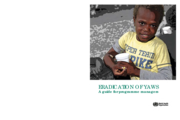
Yaws is a disfiguring non-venereal disease caused by infection with the spirochaete. Treponema pallidum subspecies pertenue which is closely related to the causative agent of syphilis and those of the other endemic treponematoses, bejel and pinta. The disease is endemic in certain areas of the World
...
Health Organization (WHO) African, South-East Asia and Western Pacific regions. Of the neglected tropical diseases identified for elimination and eradication, yaws is one of two diseases targeted for eradication. In 1949, the Second World Health Assembly adopted resolution WHA2.36, which addresses yaws, bejel and pinta as major public health problems that need attention.
more
Countries are making progress toward the global goal of 95% of people living with HIV knowing their status by 2025. However, considerable gaps remain in achieving these goals globally. Men in high HIV burden settings and men from key populations in all settings are consistently less likely to know t
...
heir HIV status than women. Globally, 78% of men ages 15 years and older who are living with HIV are aware of their HIV status, compared with 86% of women with HIV of these ages.
Offering HIV testing services, including HIV self-testing, at formal and informal workplaces has emerged as an effective, acceptable and feasible approach for reaching men. A 2018 World Health Organization (WHO) and International Labour Organization (ILO) policy brief provides key guiding principles for HIVST implementation at workplaces. Building on the 2018 policy brief, this brief captures early experience with HIVST implementation at workplaces and discusses emerging approaches of sustainable financing that can be adapted for HIV self-testing at workplaces.
The primary audiences for this policy brief are ministries of health and labour, national HIV programmes, employers’ organizations, workers’ organizations (labour unions), enterprises, implementing partners, including civil society organizations, and health insurance agencies.
more

An interregional meeting on leishmaniasis among neighbouring endemic
countries in the Eastern Mediterranean, African and European regions was organized by the World Health Organization (WHO) Regional Office for the Eastern
Mediterranean in Amman, Jordan, from 23 to 25 September 2018. The meeting w
...
as attended by representatives from the health ministries of Albania, Georgia, Greece, Iran (Islamic Republic of), Iraq, Jordan, Lebanon, Morocco, Pakistan, Saudi Arabia, Sudan, Syrian Arab Republic and Tunisia. Representatives from Afghanistan, Algeria and Libya were unable to attend. The Secretariat comprised staff from WHO headquarters, WHO regional offices in the Eastern Mediterranean, Africa and Europe, WHO country offices in Iraq, Pakistan, Syrian Arab Republic and Yemen, and WHO temporary advisors from Spain and Tunisia.
more
Leptospirosis is a zoonotic disease with epidemic potential, especially after a heavy rainfall,
caused by a bacterium called Leptospira. Leptospira interrogans is pathogenic to humans and
animals, with more than 200 serologic variants or serovars. Humans usually acquire
leptospirosis through dire
...
ct contact with the urine of infected animals or a urine-contaminated
environment. Human-to-human transmission occurs only very rarely. Leptospirosis may present
with a wide variety of clinical manifestations, from a mild illness that may progress to a serious
and sometimes fatal disease. Its symptoms may mimic many diseases, such as influenza,
dengue and other viral haemorrhagic diseases; making the correct diagnosis (clinical and
laboratory) at the onset of symptoms is important to prevent severe cases and save lives,
primarily in outbreak situations.
more
Sexual exploitation, sexual abuse and sexual harassment (SEAH) violate the rights and wellbeing of the people we serve and the people with whom we serve. Such behaviours are directly in opposition to WHO’s values and our abiding responsibility to do no harm. WHO uses the umbrella term “sexual mi
...
sconduct” to encompass the full spectrum of prohibited and unwanted behaviour of a sexual nature (including rape and sexual assault) as described in WHO’s 2023 Policy for preventing and addressing sexual misconduct (1). This is because all such acts are prohibited – whether perpetrated by WHO’s own personnel or by implementing partners – and therefore constitute misconduct. The term sexual misconduct is also easier to communicate and translate, as
victims and survivors do not always understand the complicated acronyms and definitions used by the United Nations (UN) and the humanitarian sector. However, we use the terms sexual misconduct and SEAH interchangeably as required when we interact with UN and other stakeholders.
more
The objectives of the meeting were:
1. To update the current status of the disease transmission, country capacities and plans for tackling the disease.
2. To understand the epidemiology including disease distribution and risk, the models
for estimating under-detection, the geographical variati
...
ons of in clinical presentation,
the roles of domestic and wild animal reservoirs and the subsequent different
transmission patterns and control approaches, including vector control.
3. To update current research and development efforts for improving diagnostic and
treatment tools.
4. To define the goals for achieving the control of r-HAT, the need for a multisectoral
approach and to discuss the strategy for controlling r-HAT and the coordination
mechanisms.
more
Snakebite envenoming affects millions of people worldwide annually and is a significant source of mortality. Preventing and treating the problem is complex and requires collaboration among the fields of public health, medicine, ecology, and laboratory science. After being removed from the category A
...
neglected tropical disease (NTD) list in 2013, snakebite envenoming was reinstated in 2017 in response to antivenom shortages and advocacy from researchers and international NGOs. In 2019, the World Health Organization (WHO) set a target to halve the number of deaths and cases of snakebite envenoming by 2030.
more

As of 12 December 2022, over 645 million people worldwide have been diagnosed with COVID-19, with over 6.6 million deaths (4).
The Omicron variant, which emerged in late November 2021, and its subvariants, are now the dominant circulating viruses, contributing to the ongoing surge in several countr
...
ies (4). Vaccination has substantially reduced case numbers and hospitalizations in many countries,but limitations in global access to vaccines mean that many populations, including those in low- and middle-income countries, remain vulnerable. Even in vaccinated individuals, uncertainties remain about duration of protection and efficacy, and the degree of crossprotection with new variants.
There remains a need for more effective treatment and management for those affected by COVID-19. The pandemic – and the
explosion of both research and misinformation – has highlighted the need for trustworthy, accessible and regularly updated living
guidelines to place emerging findings into context and provide clear recommendations for clinical practice
more
This background document (EUR/RC72/BG/7) was considered and adopted by the WHO Regional Committee for Europe at its 72nd session (Tel Aviv, Israel, 12–14 September 2022), together with the working document (EUR/RC72/7) and information document (EUR/RC72/INF./4). The Regiona
...
l Committee adopted resolution EUR/RC72/R3, in which it endorsed the framework.
more
Rabies is fatal, vaccine-preventable disease responsible for an estimated 59,000 human deaths each year. Most cases are transmitted by dogs, and most deaths occur in underserved populations in Africa and Asia. Approximately 40% of deaths occur in children.
Rabies is entirely preventable, and vaccines, medicines, tools and technologies have long been available to prevent people from dying of dog-mediated rabies. Nevertheless, rabies still kills about 60 000 people a year, of whom over 40% are children under 15, mainly in rural areas of economically dis
...
advantaged countries in Africa and Asia. Of all human cases, up to 99% are acquired from the bite of an infected dog.
more
The WHO Pharmaceuticals Newsletter provides you with the latest information on the safety of medicinal products and regulatory actions taken by authorities around the world.
In addition, this edition includes summary and recommendations from the virtual meeting of the members of the WHO Programme f
...
or International Drug Monitoring (PIDM) and other partners, which was held on 20 October 2022.
more
