
Filter
1450
Text search:
talking
Featured
169
334
Language
1402
41
37
34
22
17
12
10
9
9
8
7
6
4
4
3
3
3
3
3
3
3
3
3
2
2
2
2
2
2
2
2
2
2
2
2
2
1
1
1
1
1
1
1
1
1
1
1
1
1
1
1
1
1
1
1
1
1
1
1
Document type
938
126
109
107
95
30
20
8
6
4
3
2
1
1
Countries
73
38
33
30
27
24
22
22
21
21
21
19
18
18
18
16
16
15
12
12
12
11
11
10
10
10
9
9
8
8
8
7
7
7
6
6
5
5
5
5
5
4
4
4
4
4
4
4
4
3
3
3
3
3
3
3
2
2
2
2
2
2
2
2
2
2
2
2
2
1
1
1
1
1
1
1
1
1
1
1
1
1
1
1
1
1
1
1
1
1
1
1
1
Authors & Publishers
131
77
62
49
47
37
35
35
29
28
28
22
19
17
13
10
9
9
9
8
7
7
6
6
6
6
6
6
6
6
5
5
5
5
5
5
5
5
5
5
5
5
5
4
4
4
4
4
4
4
4
4
4
4
4
4
4
4
4
4
4
4
4
4
4
4
3
3
3
3
3
3
3
3
3
3
3
3
3
3
3
3
3
3
3
3
3
3
3
3
3
3
3
3
3
3
3
3
3
3
3
3
2
2
2
2
2
2
2
2
2
2
2
2
2
2
2
2
2
2
2
2
2
2
2
2
2
2
2
2
2
2
2
2
2
2
2
2
2
2
2
2
2
2
2
2
2
2
2
2
2
2
2
2
2
2
2
2
2
2
2
2
2
2
2
2
2
2
2
2
2
2
2
2
2
2
2
2
2
2
2
2
2
2
2
2
2
2
2
2
2
2
2
2
2
2
2
2
2
2
2
2
2
2
2
2
2
2
2
2
2
2
2
2
2
2
2
2
2
2
2
2
2
2
2
2
1
1
1
1
1
1
1
1
1
1
1
1
1
1
1
1
1
1
1
1
1
1
1
1
1
1
1
1
1
1
1
1
1
1
1
1
1
1
1
1
1
1
1
1
1
1
1
1
1
1
1
1
1
1
1
1
1
1
1
1
1
1
1
1
1
1
1
1
1
1
1
1
1
1
1
1
1
1
1
1
1
1
1
1
1
1
1
1
1
1
1
1
1
1
1
1
1
1
1
1
1
1
1
1
1
1
1
1
1
1
1
1
1
1
1
1
1
1
1
1
1
1
1
1
1
1
1
1
1
1
1
1
1
1
1
1
1
1
1
1
1
1
1
1
1
1
1
1
1
1
1
1
1
1
1
1
1
1
1
1
1
1
1
1
1
1
1
1
1
1
1
1
1
1
1
1
1
1
1
1
1
1
1
1
1
1
1
1
1
1
1
1
1
1
1
1
1
1
1
1
1
1
1
1
1
1
1
1
1
1
1
1
1
1
1
1
1
1
1
1
1
1
1
1
1
1
1
1
1
1
1
1
1
1
1
1
1
1
1
1
1
1
1
1
1
1
1
1
1
1
1
1
1
1
1
1
1
1
1
1
1
1
1
1
1
1
1
1
1
1
1
1
1
1
1
1
1
1
1
1
1
1
1
1
1
1
1
1
1
1
1
1
1
1
1
1
1
1
1
1
1
1
1
1
1
1
1
1
1
1
1
1
1
1
1
1
1
1
1
1
1
1
1
1
1
1
1
1
1
1
1
1
1
1
1
1
1
1
1
1
1
1
1
1
1
1
1
1
1
1
1
1
1
1
1
1
1
1
1
1
1
1
1
1
1
1
1
1
1
1
1
1
1
1
1
1
1
1
1
1
1
1
1
1
1
1
1
1
1
1
1
1
1
1
1
1
1
1
1
1
1
1
1
1
1
1
1
1
1
1
1
1
1
1
1
1
1
1
1
1
1
1
1
1
1
1
1
1
1
1
1
1
1
1
1
1
1
1
1
1
1
1
1
1
1
1
1
1
1
1
1
1
1
1
1
1
1
1
1
1
1
1
1
1
1
1
1
1
1
1
1
1
1
1
1
1
1
1
1
1
1
1
1
1
1
1
1
1
1
1
1
1
1
1
1
1
1
1
1
1
1
1
1
1
1
1
1
1
1
1
1
1
1
1
1
1
1
1
1
1
1
1
1
1
1
1
1
1
1
1
1
1
1
1
1
1
1
1
1
1
1
1
1
1
1
1
1
1
1
1
1
1
1
1
1
1
1
1
1
1
1
1
1
1
1
1
1
1
1
1
1
1
1
1
1
1
1
1
1
1
1
1
1
1
1
1
1
1
1
1
1
1
1
1
1
1
1
1
1
1
1
1
1
1
1
1
1
1
1
1
1
1
1
1
1
1
1
1
1
1
1
1
1
1
1
1
1
1
1
1
1
1
1
1
1
1
1
1
1
1
1
1
1
1
1
1
1
1
1
1
1
1
1
1
1
1
1
1
1
1
1
1
1
1
1
1
1
1
1
1
1
1
1
1
1
1
1
1
1
1
1
1
1
1
1
1
1
1
1
1
1
1
1
1
1
1
1
1
1
1
1
1
1
1
1
1
1
1
1
1
1
1
1
1
1
1
1
1
1
1
1
1
1
1
1
1
1
1
1
1
1
1
1
1
1
1
1
1
1
1
1
1
1
1
1
1
1
1
1
1
1
1
1
1
1
1
1
1
1
1
1
1
1
1
1
1
1
1
1
1
1
1
1
1
1
1
1
1
1
1
1
1
1
1
1
1
1
1
1
1
1
1
1
1
1
1
1
1
1
1
1
1
1
1
1
1
1
1
1
1
1
1
1
1
1
1
1
1
1
1
1
1
1
1
1
1
1
1
1
1
1
1
1
1
1
1
1
1
1
1
1
1
1
1
1
1
1
1
1
1
1
1
1
1
1
1
1
1
1
1
1
1
1
1
1
1
1
1
1
1
1
1
1
1
1
1
1
1
1
1
1
1
1
1
1
1
1
1
1
1
1
1
1
1
1
1
1
1
1
1
1
1
1
1
1
1
1
1
1
1
1
1
1
1
1
1
1
1
1
1
1
1
1
1
1
1
1
1
1
1
1
1
1
1
1
1
1
1
1
1
1
1
1
1
1
1
1
1
1
1
1
1
1
1
1
1
1
1
1
1
1
1
1
1
1
1
1
1
1
1
1
1
1
1
1
1
1
1
1
1
1
1
1
1
1
1
1
1
1
1
1
1
1
1
1
1
1
1
1
1
1
1
1
1
1
1
1
1
1
1
1
1
1
1
1
1
1
1
1
1
1
1
1
1
1
1
1
1
1
1
1
1
1
1
1
1
1
1
1
1
1
1
1
1
1
1
1
1
1
1
1
1
1
1
1
1
1
1
1
1
1
1
1
1
1
1
1
1
1
1
1
1
1
1
1
1
1
1
1
1
1
1
1
1
1
1
1
1
1
1
1
1
1
1
1
1
1
1
1
1
1
1
1
1
1
1
1
1
1
1
1
1
1
1
1
1
1
1
1
1
1
1
1
1
1
1
1
1
1
1
1
1
1
1
1
1
1
1
1
1
1
1
1
1
1
1
1
1
1
1
1
1
1
1
1
1
1
1
1
1
1
1
1
1
1
1
1
1
1
1
1
1
1
1
1
1
1
1
1
1
1
1
1
1
1
1
1
1
1
1
1
1
1
1
1
1
1
1
1
1
1
1
1
1
1
1
1
1
1
1
1
1
1
1
1
1
1
1
1
1
1
1
1
1
1
1
1
1
1
1
1
1
1
1
1
1
1
1
1
1
1
1
1
1
1
1
1
1
1
1
1
1
1
1
1
1
1
1
1
1
1
1
1
1
1
1
1
1
1
1
1
1
1
1
1
1
1
1
1
1
1
1
1
1
1
1
1
1
1
1
1
1
1
1
1
1
1
1
1
1
1
1
1
1
1
1
1
1
1
1
1
1
1
1
1
1
1
1
1
1
1
1
1
1
1
1
1
1
1
1
1
1
1
1
1
1
1
Publication Years
302
951
193
4
Category
395
119
111
78
67
65
3
1
Toolboxes
280
127
115
111
71
47
45
42
34
32
27
17
14
13
12
10
9
8
8
7
6
3
3
1
First Edition~ This self advocacy toolkit for persons with mental, neurological and substance abuse disorders, developed by Basic Needs and CBM, is the end product of an action research intervention that tracked and documented processes for Self Advocacy in low resourced communities of Uganda. Th
...
is toolkit presents simple and easy to apply principals and is a replica of good practices identified in the Consumer empowerment project implemented by BasicNeeds UK in Uganda between April 2005 and March 2008.
more
The Barefoot Guide 5: Mission Inclusion - Stories and practices of building a world where all belong
From 2011 until 2016, a multi-actor programme was run in five countries to improve the life chances and living conditions of people experiencing exclusion and marginalisation of various kinds. This programme worked with local leaders, organisations and movements as well as various institutions and a
...
uthorities
focusing on older people, those with mental health issues, people with disabilities, ethnic minorities, people displaced by war and youth at risk. Many initiatives were developed that had lasting effects on the ways in which these groups valued themselves and in which they are valued by society.
more
As part of the Mental Health Gap Action Programme, WHO has developed training manuals (Training of trainers and supervisors training manual and Training of health-care providers training manual) to support implementation of the mhGAP Intervention Guide for mental, neurological and substance use (MNS
...
) disorders in non-specialized health settings, version 2.0. These manuals can be used to build capacity among non-specialist health-care providers in the assessment and management of people with priority MNS conditions in low resource settings.
more
Overview
Learning objectives
• Understand the mental health treatment gap in low-, middle- and high-income countries.
• Understand the principles and aims of the Mental Health Gap Action Programme.
• Acquire an introduction to mhGAP Intervention Guide (mhGAP-IG).
• Learn about mhGAP ToH
...
P training methodology and what to expect from mhGAP ToHP
training.
• Prepare group training ground rules.
• Know the common presentations of mental, neurological and substance abuse (MNS)
conditions.
more
Este guião tem como objetivos melhorar a qualidade do aconselhamento a doentes com HIV/SIDA, providenciar meios para garantir uma avaliação psicossocial e identificar fatores de risco que contribuem para uma baixa adesão à TARV e estabeceler a ligação entre a unidade sanitária e a comunidade
...
.
more
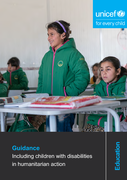
Guidance | Preparedness - Response and early recovery - Recovery and reconstruction
Persons with disabilities are one of the most vulnerable and socially excluded groups in any crisis-affected community. They may be in hidden in homes, overlooked during needs assessments and not consulted in the design of programs.4 While gender-based violence (GBV) affects women, girls, men and bo
...
ys, the vast majority of survivors globally are women and girls.5 Persons with disabilities have difficulty accessing GBV programs, due to a variety of societal, environmental and communication barriers, increasing their risk of violence, abuse and exploitation.
more
The roundtable provided a forum that allowed communicators across a number of Federal agencies to share information, strategies, and challenges in developing and providing communication messages and materials to the public in preparation for, and in response to, a radiation
...
emergency. Throughout the discussion , several “big picture” qestions were brought up that may be addressed in future interagency efforts.
more
The World Health Organization Disability Assessment Schedule (WHODAS 2.0) is a generic assessment instrument developed by WHO to provide a standardized method for measuring health and disability across cultures. It was developed from a comprehensive set of International Classification of Functioning
...
, Disability and Health (ICF) items that are sufficiently reliable and sensitive to measure the difference made by a given intervention.
more

This journal is funded by CBM
Draft version 2017
An Update will be published in late 2018
This guidance document provides basic broad principles for a spokesperson
of any health authority on how to respond to vocal vaccine deniers.
The suggestions are based on psychological research on persuasion,
on research in public health, communication studies and on WHO risk
communication guide
...
lines.
more
These ICRC guidelines outline the organization’s approach to mental health and psychosocial support (MHPSS) during and after armed conflict and other situations of violence. They provide a framework for harmonizing MHPSS programmes within the organization, and an insight into its strategic process
...
es and field practices.
This publication is not intended to serve as a training manual for specific MHPSS techniques. In sharing these guidelines with an external audience, the ICRC aims to raise awareness of its approach among professionals and other interested parties.
more
The training manual consists of: (i) Tools for communication, reassurance and comfort for staff working directly with distressed children; (ii) Advice and guidance for staff working with parents and primary care-givers; (iii) Suggestions for ways to support a distressed child. It provides a non-i
...
ntrusive skills set of communication and actions that can be used by staff working with survivors of distressing events. The training programme develops skills for providing physical and emotional comfort by modeling calmness and enables a constructive format through active listening that allows survivors to voice their concerns and needs. It also helps to connect survivors to practical assistance through referral networks and information on positive coping strategies.
The manuals are available in Englisch, French, Spanish, Arabic and German
Additional training aids download directly from the website. https://resourcecentre.savethechildren.net/library/save-children-psychological-first-aid-training-manual-child-practitioners
more
This article unites the latest guidelines on the management of arterial hypertension in primary health care in Portuguese speaking countries including Brazil, Angola, Mozambique, São Tomé e Príncipe, Cape Verde, among others.
