
Filter
917
Text search:
strategic
direction
summary
Featured
61
332
Language
Document type
607
106
84
50
49
10
4
4
3
Countries
63
36
34
32
29
26
25
24
24
24
23
22
19
18
17
17
15
14
13
12
11
10
10
9
9
8
8
8
7
7
7
6
5
5
5
5
4
4
4
4
4
4
3
3
3
3
3
2
2
2
2
2
2
2
2
2
2
2
2
2
2
1
1
1
1
1
1
1
1
1
1
1
1
1
1
1
1
1
1
1
1
1
1
1
Authors & Publishers
Publication Years
Category
466
57
45
37
29
16
1
Toolboxes
60
43
40
30
30
30
28
25
18
18
17
17
14
12
11
10
10
9
7
7
6
5
4
1
The power relations around global decisions which shape population health can be changed through new alliances and information flows. The Democratising Global Health Governance Initiative, of which WHO Watch is a project, is designed to contribute to improved population health (and health equity) th
...
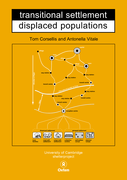
For the estimated 20 million refugees and 25 million internally displaced people worldwide, well-planned settlements can help to maximise their protection and security, and support them to minimise the spread of disease, manage natural resources sustainably, and maintain good relations with their ho
...
A Guide for UNICEF Staff
Emergencies, in spite of their tragic nature and adverse effects on mental health, are unparalleled opportunities to build better mental health systems for all people in need. This WHO publication shows how this was done in 10 diverse emergency-affected areas
Revision for Field Review
Online version of the manual: https://iawgfieldmanual.com/manual
(You need free registration to download the book)
Disasters and public health emergencies can stress health care systems to the breaking point and disrupt delivery of vital medical services. During such crises, hospitals and long-term care facilities may be without power; trained staff, ambulances,
...

Guidelines for WHO Representatives and Country
Offices in the Western Pacific Region
Integrated Management of pregnancy and childbirth
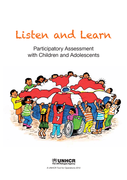
Participatory Assessment with Children and Adolescents. An UNHCR Tool for Operations

These Guidelines comprise a General Guidelines document that provides the basic parameters of DG ECHO humanitarian health assistance, complemented by specific Technical Guidance in annex.

The main aim of these guidelines is to enable the central units of national TB and HIV/AIDS programmes to support districts to plan, coordinate and implement collaborative TB/HIV activities. These guidelines reinforce current medical understanding, that highly active antiretroviral treatment (HAART)
...
Guidelines for national programmes and other stakeholders, for annexes see http://www.who.int/tb/publications/2012/tb_hiv_policy_9789241503006/en/
Health Bulletin No.3
