
Filter
4471
Text search:
quality
education
or
protection
Featured
387
1293
Language
4364
94
73
52
47
29
25
14
8
8
7
7
6
6
6
6
5
5
4
4
4
3
3
3
3
3
3
3
3
3
3
3
3
2
2
2
2
2
2
2
2
2
2
2
2
2
2
2
1
1
1
1
1
1
1
1
1
1
Document type
2710
733
428
237
189
57
42
41
10
9
8
1
1
Countries
200
185
147
107
96
93
91
91
90
87
87
86
81
71
70
68
65
65
62
55
48
43
43
41
40
40
38
38
33
32
31
27
25
24
23
23
22
22
19
19
19
19
17
15
15
15
15
15
15
15
14
14
14
14
12
11
11
9
9
8
8
8
8
8
8
7
7
7
7
7
6
6
6
5
5
5
4
4
4
4
4
4
4
4
3
3
3
3
3
3
3
3
3
3
3
3
3
2
2
2
2
2
2
2
2
2
2
2
2
2
2
2
2
2
2
1
1
1
1
1
1
1
1
1
1
1
1
1
1
1
1
1
1
1
1
Authors & Publishers
444
190
180
146
137
104
97
77
72
63
36
31
26
26
24
24
23
23
22
22
22
20
20
20
19
19
18
18
17
17
17
17
16
16
16
16
15
15
15
15
14
14
13
13
12
12
12
12
12
11
11
11
11
11
11
11
10
10
10
10
10
10
10
10
9
9
9
9
9
9
9
9
9
8
8
8
8
8
8
8
8
8
8
8
7
7
7
7
7
7
7
7
7
7
7
7
7
7
7
7
7
7
7
6
6
6
6
6
6
6
6
6
6
6
6
5
5
5
5
5
5
5
5
5
5
5
5
5
5
5
5
5
5
5
5
5
5
5
5
5
5
5
5
5
5
4
4
4
4
4
4
4
4
4
4
4
4
4
4
4
4
4
4
4
4
4
4
4
4
4
4
4
4
4
4
4
4
4
4
4
4
4
4
4
4
3
3
3
3
3
3
3
3
3
3
3
3
3
3
3
3
3
3
3
3
3
3
3
3
3
3
3
3
3
3
3
3
3
3
3
3
3
3
3
3
3
3
3
3
3
3
3
3
3
3
3
3
3
3
3
3
3
3
3
3
3
3
3
3
3
3
3
3
3
3
3
3
3
3
3
3
3
3
3
3
3
3
3
3
3
3
3
3
3
3
3
3
3
3
3
3
3
3
3
3
3
3
3
3
2
2
2
2
2
2
2
2
2
2
2
2
2
2
2
2
2
2
2
2
2
2
2
2
2
2
2
2
2
2
2
2
2
2
2
2
2
2
2
2
2
2
2
2
2
2
2
2
2
2
2
2
2
2
2
2
2
2
2
2
2
2
2
2
2
2
2
2
2
2
2
2
2
2
2
2
2
2
2
2
2
2
2
2
2
2
2
2
2
2
2
2
2
2
2
2
2
2
2
2
2
2
2
2
2
2
2
2
2
2
2
2
2
2
2
2
2
2
2
2
2
2
2
2
2
2
2
2
2
2
2
2
2
2
2
2
2
2
2
2
2
2
2
2
2
2
2
2
2
2
2
2
2
2
2
2
2
2
2
2
2
2
2
2
2
2
2
2
2
2
2
2
2
2
2
2
2
2
2
2
2
2
2
2
2
2
2
2
2
2
2
2
2
2
2
2
2
2
2
2
2
2
2
2
2
2
2
2
2
2
2
2
2
2
2
2
2
2
2
2
2
2
2
2
2
2
2
2
2
2
2
2
2
2
2
2
2
2
2
2
2
2
2
2
2
1
1
1
1
1
1
1
1
1
1
1
1
1
1
1
1
1
1
1
1
1
1
1
1
1
1
1
1
1
1
1
1
1
1
1
1
1
1
1
1
1
1
1
1
1
1
1
1
1
1
1
1
1
1
1
1
1
1
1
1
1
1
1
1
1
1
1
1
1
1
1
1
1
1
1
1
1
1
1
1
1
1
1
1
1
1
1
1
1
1
1
1
1
1
1
1
1
1
1
1
1
1
1
1
1
1
1
1
1
1
1
1
1
1
1
1
1
1
1
1
1
1
1
1
1
1
1
1
1
1
1
1
1
1
1
1
1
1
1
1
1
1
1
1
1
1
1
1
1
1
1
1
1
1
1
1
1
1
1
1
1
1
1
1
1
1
1
1
1
1
1
1
1
1
1
1
1
1
1
1
1
1
1
1
1
1
1
1
1
1
1
1
1
1
1
1
1
1
1
1
1
1
1
1
1
1
1
1
1
1
1
1
1
1
1
1
1
1
1
1
1
1
1
1
1
1
1
1
1
1
1
1
1
1
1
1
1
1
1
1
1
1
1
1
1
1
1
1
1
1
1
1
1
1
1
1
1
1
1
1
1
1
1
1
1
1
1
1
1
1
1
1
1
1
1
1
1
1
1
1
1
1
1
1
1
1
1
1
1
1
1
1
1
1
1
1
1
1
1
1
1
1
1
1
1
1
1
1
1
1
1
1
1
1
1
1
1
1
1
1
1
1
1
1
1
1
1
1
1
1
1
1
1
1
1
1
1
1
1
1
1
1
1
1
1
1
1
1
1
1
1
1
1
1
1
1
1
1
1
1
1
1
1
1
1
1
1
1
1
1
1
1
1
1
1
1
1
1
1
1
1
1
1
1
1
1
1
1
1
1
1
1
1
1
1
1
1
1
1
1
1
1
1
1
1
1
1
1
1
1
1
1
1
1
1
1
1
1
1
1
1
1
1
1
1
1
1
1
1
1
1
1
1
1
1
1
1
1
1
1
1
1
1
1
1
1
1
1
1
1
1
1
1
1
1
1
1
1
1
1
1
1
1
1
1
1
1
1
1
1
1
1
1
1
1
1
1
1
1
1
1
1
1
1
1
1
1
1
1
1
1
1
1
1
1
1
1
1
1
1
1
1
1
1
1
1
1
1
1
1
1
1
1
1
1
1
1
1
1
1
1
1
1
1
1
1
1
1
1
1
1
1
1
1
1
1
1
1
1
1
1
1
1
1
1
1
1
1
1
1
1
1
1
1
1
1
1
1
1
1
1
1
1
1
1
1
1
1
1
1
1
1
1
1
1
1
1
1
1
1
1
1
1
1
1
1
1
1
1
1
1
1
1
1
1
1
1
1
1
1
1
1
1
1
1
1
1
1
1
1
1
1
1
1
1
1
1
1
1
1
1
1
1
1
1
1
1
1
1
1
1
1
1
1
1
1
1
1
1
1
1
1
1
1
1
1
1
1
1
1
1
1
1
1
1
1
1
1
1
1
1
1
1
1
1
1
1
1
1
1
1
1
1
1
1
1
1
1
1
1
1
1
1
1
1
1
1
1
1
1
1
1
1
1
1
1
1
1
1
1
1
1
1
1
1
1
1
1
1
1
1
1
1
1
1
1
1
1
1
1
1
1
1
1
1
1
1
1
1
1
1
1
1
1
1
1
1
1
1
1
1
1
1
1
1
1
1
1
1
1
1
1
1
1
1
1
1
1
1
1
1
1
1
1
1
1
1
1
1
1
1
1
1
1
1
1
1
1
1
1
1
1
1
1
1
1
1
1
1
1
1
1
1
1
1
1
1
1
1
1
1
1
1
1
1
1
1
1
1
1
1
1
1
1
1
1
1
1
1
1
1
1
1
1
1
1
1
1
1
1
1
1
1
1
1
1
1
1
1
1
1
1
1
1
1
1
1
1
1
1
1
1
1
1
1
1
1
1
1
1
1
1
1
1
1
1
1
1
1
1
1
1
1
1
1
1
1
1
1
1
1
1
1
1
1
1
1
1
1
1
1
1
1
1
1
1
1
1
1
1
1
1
1
1
1
1
1
1
1
1
1
1
1
1
1
1
1
1
1
1
1
1
1
1
1
1
1
1
1
1
1
1
1
1
1
1
1
1
1
1
1
1
1
1
1
1
1
1
1
1
1
1
1
1
1
1
1
1
1
1
1
1
1
1
1
1
1
1
1
1
1
1
1
1
1
1
1
1
1
1
1
1
1
1
1
1
1
1
1
1
1
1
1
1
1
1
1
1
1
1
1
1
1
1
1
1
1
1
1
1
1
1
1
1
1
1
1
1
1
1
1
1
1
1
1
1
1
1
1
1
1
1
1
1
1
1
1
1
1
1
1
1
1
1
1
1
1
1
1
1
1
1
1
1
1
1
1
1
1
1
1
1
1
1
1
1
1
1
1
1
1
1
1
1
1
1
1
1
1
1
1
1
1
1
1
1
1
1
1
1
1
1
1
1
1
1
1
1
1
1
1
1
1
1
1
1
1
1
1
1
1
1
1
1
1
1
1
1
1
1
1
1
1
1
1
1
1
1
1
1
1
1
1
1
1
1
1
1
1
1
1
1
1
1
1
1
1
1
1
1
1
1
1
1
1
1
1
1
1
1
1
1
1
1
1
1
1
1
1
1
1
1
1
1
1
1
1
1
1
1
1
1
1
1
1
1
1
1
1
1
1
1
1
1
1
1
1
1
1
1
1
1
1
1
1
1
1
1
1
1
1
1
1
1
1
1
1
1
1
1
1
1
1
1
1
1
1
1
1
1
1
1
1
1
1
1
1
1
1
1
1
1
1
1
1
1
1
1
1
1
1
1
1
1
1
1
1
1
1
1
1
1
1
1
1
1
1
1
1
1
1
1
1
1
1
1
1
1
1
1
1
1
1
1
1
1
1
1
1
1
1
1
1
1
1
1
1
1
1
1
1
1
1
1
1
1
1
1
1
1
1
1
1
1
1
1
1
1
1
1
1
1
1
1
1
1
1
1
1
1
1
1
1
1
1
1
1
1
1
1
1
1
1
1
1
1
1
1
1
1
1
1
1
1
1
1
1
1
1
1
1
1
1
1
1
1
1
1
1
1
1
1
1
1
1
1
1
1
1
1
1
1
1
1
1
1
1
1
1
1
1
1
1
1
1
1
1
1
1
1
1
1
1
1
1
1
1
1
1
1
1
1
1
1
1
1
1
1
1
1
1
1
1
1
1
1
1
1
1
1
1
1
1
1
1
1
1
1
1
1
1
1
1
1
1
1
1
1
1
1
1
1
1
1
1
1
1
1
1
1
1
1
1
1
1
1
1
1
1
1
1
1
1
1
1
1
1
1
1
1
1
1
1
1
1
1
1
1
1
1
1
1
1
1
1
1
1
1
1
1
1
1
1
1
1
1
1
1
1
1
1
1
1
1
1
1
1
1
1
1
1
1
1
1
1
1
1
1
1
1
1
1
1
1
1
1
1
1
1
1
1
1
1
1
1
1
1
1
1
1
1
1
1
1
1
1
1
1
1
1
1
1
1
1
1
1
1
1
1
1
1
1
1
1
1
1
1
1
1
1
1
1
1
1
1
1
1
1
1
1
1
1
1
1
1
1
1
1
1
1
1
1
1
1
1
1
1
1
1
1
1
1
1
1
1
1
1
1
1
1
1
1
1
1
1
1
1
1
1
1
1
1
1
1
1
1
1
1
1
1
1
1
1
1
1
1
1
1
1
1
1
1
1
1
1
1
1
1
1
1
1
1
1
1
1
1
1
1
1
1
1
1
1
1
1
1
1
1
1
1
1
1
1
1
1
1
1
1
1
1
1
1
1
1
1
1
1
1
1
1
1
1
1
1
1
1
1
1
1
1
1
1
1
1
1
1
1
1
1
1
1
1
1
1
1
1
1
1
1
1
1
1
1
1
1
1
1
1
1
1
1
1
1
1
1
1
1
1
1
1
1
1
1
1
1
1
1
1
1
1
1
1
1
1
1
1
1
1
1
1
1
1
1
1
1
1
1
1
1
1
1
1
1
1
1
1
1
1
1
1
1
1
1
1
1
1
1
1
1
1
1
1
1
1
1
1
1
1
1
1
1
1
1
1
1
1
1
1
1
1
1
1
1
1
1
1
1
1
1
1
1
1
1
1
1
1
1
1
1
1
1
1
1
1
1
1
1
1
1
1
1
1
1
1
1
1
1
1
1
1
1
1
1
1
1
1
1
1
1
1
1
1
1
1
1
1
1
1
1
1
1
1
1
1
1
1
1
1
1
1
1
1
1
1
1
1
1
1
1
1
1
1
1
1
1
1
1
1
1
1
1
1
1
1
1
1
1
1
1
1
1
1
1
1
1
1
1
1
1
1
1
1
1
1
1
1
1
1
1
1
1
1
1
1
1
1
1
1
1
1
1
1
1
1
1
1
1
1
1
1
1
1
1
1
1
1
1
1
1
1
1
1
1
1
1
1
1
1
1
1
1
1
1
1
1
1
1
1
1
1
1
1
1
1
1
1
1
1
1
1
1
1
1
1
1
1
1
1
1
1
1
1
1
1
1
1
1
1
1
1
1
1
1
1
1
1
1
1
1
1
1
1
1
1
1
1
1
1
1
1
1
1
1
1
1
1
1
1
1
1
1
1
1
1
1
1
1
1
1
1
1
1
1
1
1
1
1
1
1
1
1
1
1
1
1
1
1
1
1
1
1
1
1
1
1
1
1
1
1
1
1
1
1
1
1
1
1
1
1
1
1
1
1
1
1
1
1
1
1
1
1
1
1
1
1
1
1
1
1
1
1
1
1
1
1
1
1
1
1
1
1
1
1
1
1
1
1
1
1
1
1
1
1
1
1
1
1
1
1
1
1
1
1
1
1
1
1
1
1
1
1
1
1
1
1
1
1
1
1
1
1
1
1
1
1
1
1
1
1
1
1
1
1
1
1
1
1
1
1
1
1
1
1
1
1
1
1
1
1
1
1
1
1
1
1
1
1
1
1
1
1
1
1
1
1
1
1
1
1
1
1
1
1
1
1
1
1
1
1
1
1
1
1
1
1
1
1
1
1
1
1
1
1
1
1
1
1
1
1
1
1
1
1
1
1
1
1
1
1
1
1
1
1
1
1
1
1
1
1
1
1
1
1
1
1
1
1
1
1
1
1
1
1
1
1
1
1
1
1
1
1
1
1
1
1
1
1
1
1
1
1
1
1
1
1
1
1
1
1
1
1
1
1
1
1
1
1
1
1
1
1
1
1
1
1
1
1
1
1
1
1
1
1
1
1
1
1
1
1
1
1
1
1
1
1
1
1
1
1
1
1
1
1
1
1
1
1
1
1
1
1
1
1
1
1
1
1
1
1
1
1
1
1
1
1
1
1
1
1
1
1
1
1
1
1
1
1
1
1
1
1
1
1
1
1
1
1
1
1
1
1
1
1
1
1
1
1
1
1
1
1
1
1
1
1
1
1
1
1
1
1
1
1
1
1
1
1
1
1
1
1
1
1
1
1
1
1
1
1
1
1
1
1
1
1
1
1
1
1
1
1
1
1
1
1
1
1
1
1
1
1
1
1
1
1
1
1
1
1
1
1
1
1
1
1
1
1
1
1
1
1
1
1
1
1
1
1
1
1
1
1
1
1
1
1
1
1
1
1
1
1
1
1
1
1
1
1
1
1
1
1
1
1
1
1
1
1
1
1
1
1
1
1
1
1
1
1
1
1
1
1
1
1
1
1
1
1
1
1
1
1
1
1
1
1
1
1
1
1
1
1
1
1
1
1
1
1
1
1
1
1
1
1
1
1
1
1
1
1
1
1
1
1
1
1
1
1
1
1
1
1
1
1
1
1
1
1
1
1
1
1
1
1
1
1
1
1
1
1
1
1
1
1
1
1
1
1
1
1
1
1
1
1
1
1
1
1
1
1
1
1
1
1
1
1
1
1
1
1
1
1
1
1
1
1
1
1
1
1
1
1
1
1
1
1
1
1
1
1
1
1
1
1
1
1
1
1
1
1
1
1
1
1
1
1
1
1
1
1
1
1
1
1
1
1
1
1
1
1
1
1
1
1
1
1
1
1
1
1
1
1
1
1
1
1
1
1
1
1
1
1
1
1
1
1
1
1
1
1
1
1
1
1
1
1
1
1
1
1
1
1
1
1
1
1
1
1
1
1
1
1
1
1
1
1
1
1
1
1
1
1
1
1
1
1
1
1
1
1
1
1
1
1
1
1
1
1
1
1
1
1
1
1
1
1
1
1
1
1
1
1
1
1
1
1
1
1
1
1
1
1
1
1
1
1
1
1
1
1
1
1
1
1
1
1
1
1
1
1
1
1
1
1
1
1
1
1
1
1
1
1
1
1
1
1
1
1
1
1
1
1
1
1
1
1
1
1
1
1
1
1
1
1
1
1
1
1
1
1
1
1
1
1
1
1
1
1
1
1
1
1
1
1
1
1
1
1
1
1
1
1
1
1
1
1
1
1
1
1
1
1
1
1
1
1
1
1
1
1
1
1
1
1
1
1
1
1
1
1
1
1
1
1
1
1
1
1
1
1
1
1
1
1
1
1
1
1
1
1
1
1
1
1
1
1
1
1
1
1
1
1
1
1
1
1
1
1
1
1
1
1
1
1
1
1
1
1
1
1
1
1
1
1
1
1
1
1
1
1
1
1
1
1
1
1
1
1
1
1
1
1
1
1
1
1
1
1
1
1
1
1
1
1
1
1
1
1
1
1
1
1
1
1
1
1
1
1
1
1
1
1
1
1
1
1
1
1
1
1
1
1
1
1
1
1
1
1
1
1
1
1
1
1
1
1
1
1
1
1
1
1
1
1
1
1
1
1
1
1
1
1
1
1
1
1
1
1
1
1
1
1
1
1
1
1
1
1
1
1
1
1
1
1
1
1
1
1
1
1
1
1
1
1
1
1
1
1
1
Publication Years
1107
2921
417
21
3
1
1
Category
1810
270
266
215
212
86
22
8
3
3
Toolboxes
334
326
287
279
186
181
178
119
110
106
99
99
97
80
57
57
48
40
24
17
16
16
13
4
1
1
A technical guide for sputum smear microscopy, initiated by the International Union against Tuberculosis, is designed to be an easy to use reference standard for the collection, storage and transport of sputum specimens and for the examination of sputum smears by direct microscopy. This edition incl
...
udes updates addressing bio-safety and quality assurance aspects of sputum smear microscopy.
more
The Health Systems in Transition (HiT) series consists of country-based reviews that provide a detailed description of a health system and of reform and policy initiatives in progress or under development in a specific country.
This guide provides practical, step-by-step guidance on how to organize, implement, and monitor community-based care for DR TB. It is equally useful for program planning or supervision. The target audience for this guide is TB Program Managers, gove
...
rnments, policy makers, nongovernmental organizations (NGOs), donors and TB advocates.
This guide does not replace other guidelines and documents that contain important medical information, such as Guidelines for the Programmatic Management of Drug-resistant TB (WHO, 2008 and 2011 updates), and Management of MDR-TB: A Field Guide (WHO, 2009).
more
Resource Manual on Flash Flood Risk Management - Module 3: Structural Measures
A. Bhakta Shrestha; E. GC; R. Prasad Adhikary; S. Kumar Rai
International Centre for Integrated Mountain Development, ICIMOD, Nepal
(2012)
This publication, the third module of a resource manual to support the training of planners and practitioners in managing flash flood risk, deals with structural measures. It presents bioengineering techniques, physical measures for slope stabilisation and erosion control, and physical measures for
...
river training. It also presents the concept of integrated flood management as a component of integrated water resource management. It emphasizes that structural measures are most effective and sustainable when implemented together with appropriate non-structural measures. The manual is aimed at junior to mid-level professionals with a civil engineering background working on flash flood risk management at the district level.
Flash floods are among the most destructive natural disasters in the Hindu Kush Himalayan region. Flash flood mitigation is generally addressed by community-based organisations, local non-governmental organisations, or district and local-level staff in government organisations. But these groups often lack adequate understanding of the processes causing flash floods and knowledge of flash flood risk management measures.
more
The building damage assessment, conducted between March 2010 and February 2011 by the Government of Haiti and the United Nations system, showed that more than 400,000 buildings were damaged or destroyed, of which approximately 218,000 could be occup
...
ied without repairs (green category), 105,000 were damaged but could be repaired (yellow category), and 80,000 were severely damaged and remained uninhabitable (red category).
The destruction of buildings and infrastructure generated a huge amount of debris, estimated at 10 million cubic meters, blocking streets and land in affected areas. In the absence of a national debris management strategy, debris could, thus, be cleared and disposed of in an uncontrolled manner, hindering relief, recovery and reconstruction activities.
more
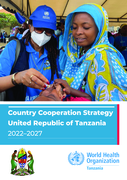
The Country Cooperation Strategy (CCS) is a document to guide WHO’s work in countries. CCS is a medium-term vision for WHO’s technical cooperation with a given Member State, and supports the country's national health policy, strategy or plan. Th
...
e CCS time frame is flexible to align with national cycles and processes. It is the basis for aligning WHO’s collaboration with other United Nations bodies and development partners at the country level.
more
The aim of the pandemic preparedness checklist is primarily to provide an outline of the essential minimum elements of preparedness, as well as elements of preparedness that are considered desirable. It is recommended that responsible authorities or
...
institutes in countries that are in the process of planning should consider the specific aspects of the checklist for which they are responsible. The Checkllist is available in English, Japanese, Russian and Arabic from the website http://www.who.int/influenza/resources/documents/checklist/en/
more
This is a resource pack for a Knowledge, Attitudes and Practices (KAP) surveys about Zika virus and its suspected complications such as microcephaly and Guillain-Barré syndrome.
This resource and associated advice was requested by governments and response partners as a way to rapidly obtain valuab
...
le and insightful information in order to tailor interventions to better address people's needs at community level, thereby contributing to the overall public health response to Zika virus and its potential complications. It can be used in communities with Zika virus transmission or those at risk.
more
A manual for developing national action plans.This manual for developing national action plans to address antimicrobial resistance has been developed at the request of the World Health Assembly to assist countries in the initial phase of developing new, or
...
refining existing national action plans in line with the strategic objectives of the Global Action Plan. It proposes an incremental approach that countries can adapt to the specific needs, circumstances and available resources of each individual country. Details of actions to be taken will vary according to national contexts
more
Frameworks for Victim Assistance: Monitor key findings and observations
International Campaign to Ban Landmines
(2013)
C3
For close to 15 years, the Monitor has tracked the impact of victim assistance on the lives of victims of landmines, cluster munitions,
and other explosive remnants of war (hereafter “mine/ERW victims”). Over this time, the international communi
...
ty has strengthened its resolve to promote the rights and address the needs of victims through programs and services that are accessible and adequate in quantity, quality, availability, and consistent with the high standards set by human rights as well as other international humanitarian law.
more

Integrating Clinical Research into Epidemic Response: The Ebola Experience
Gerald Keusch, Keith McAdam, Patricia Cuff, Michelle Mancher, and Emily R. Busta
National Academies of Sciences, Engineering, and Medicine
(2017)
C1
The 2014–2015 Ebola epidemic in western Africa was the longest and most deadly Ebola epidemic in history, resulting in 28,616 cases and 11,310 deaths in Guinea, Liberia, and Sierra Leone. The Ebola virus has been known since 1976, when two separate outbreaks were identified in the Democratic Repub
...
lic of Congo (then Zaire) and South Sudan (then Sudan). However, because all Ebola outbreaks prior to that in West Africa in 2014–2015 were relatively isolated and of short duration, little was known about how to best manage patients to improve survival, and there were no approved therapeutics or vaccines. When the World Heath Organization declared the 2014-2015 epidemic a public health emergency of international concern in August 2014, several teams began conducting formal clinical trials in the Ebola affected countries during the outbreak.
more
Summary of key informant interviews with representatives of organizations providing, funding, or supporting WASH services to refugee populations
There is a substantial and ever-increasing unmet need for rehabilitation worldwide, which is particularly profound in low- and middle
-income countries. The availability of accessible and affordable rehabilitation is necessary for many people with health conditions to remain as independent as possi
...
ble, to participate in education, to be economically productive, and fulfil meaningful life roles.
more

salud pública de méxico / vol. 50, suplemento 2 de 2008, pp.167-177.
In response to the emerging global concern regarding health and people with intellectual disabilities (ID), several developed countries have established national initiatives to address the unique health needs of this population
...
segment. However, most people with ID reside in countries with developing economies, such as many Latin American countries, yet there is virtually no information on the health of people with ID in these regions. Countries with developing economies face distinct challenges in promoting health among this population segment that may preclude adoption or adaptation of policies and practices developed in regions with established economies. This paper will address the issue of health promotion among people with ID in Latin America, an area that is undergoing significant reforms in both health care and disability rights
more

The Health Sector Policy gives general orientations for the sector which are further developed in the various sub-sector policies guiding key health programs and departments. All health sub-sector policies will be updated in line with this new policy. The Health Sector Policy is the basis of nationa
...
l health planning and the first point of reference for all actors working in the health sector. The overall aim of this policy is to ensure universal accessibility (in geographical and financial terms) of equitable and affordable quality health services (preventative, curative, rehabilitative and promotional services) for all Rwandans. It sets the health sector’s objectives, identifies the priority health interventions for meeting these objectives, outlines the role of each level in the health system, and provides guidelines for improved planning and evaluation of activities in the health sector. A companion Health Sector Strategic Plan (HSSP) elaborates the strategic directions defined in the Health Sector Policy in order to support and achieve the implementation of the policy, and more detailed annual operational plans describe the activities under each strategy.
more
For the Fiscal Year 2015-2016, the Health Sector continued to implement actions meant to improve the availability, and access to quality healthcare. The following report highlights achievements registered by the health sector for the fiscal 2015-201
...
6 in different health programs, as well as in the area of health system strengthening.
more
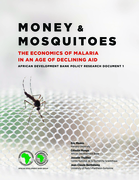
(African Development Bank policy research document 1)
The report examines financing in the battle against malaria, focusing on the role of foreign aid. It analyzes whether or not a disease such as malaria can be controlled ... or eliminated in Africa without health aid. It also presents a theoretical model of the economics of malaria and shows how health aid can help avoid the “disease trap.” While calling for increased funding from international sources to fight malaria, it also recommends that African countries step up their own efforts, including on domestic resource mobilization. In 2016, governments of endemic countries contributed 31% of the estimated total of US $ 2.7 billion.
Between 2000 and 2014, malaria control efforts were scaled up and worldwide deaths were cut in half. But declining health aid and deprioritized vertical aid (as for malaria), despite its potentially great efficiency, have led to rising numbers of cases. In 2016, 216 million cases of malaria were reported, up from 211 million in 2015. Africa was home to 90% of all malaria cases and 91% of malaria deaths in 2016. Progress appears to have stalled in the global fight against the disease. more
The report examines financing in the battle against malaria, focusing on the role of foreign aid. It analyzes whether or not a disease such as malaria can be controlled ... or eliminated in Africa without health aid. It also presents a theoretical model of the economics of malaria and shows how health aid can help avoid the “disease trap.” While calling for increased funding from international sources to fight malaria, it also recommends that African countries step up their own efforts, including on domestic resource mobilization. In 2016, governments of endemic countries contributed 31% of the estimated total of US $ 2.7 billion.
Between 2000 and 2014, malaria control efforts were scaled up and worldwide deaths were cut in half. But declining health aid and deprioritized vertical aid (as for malaria), despite its potentially great efficiency, have led to rising numbers of cases. In 2016, 216 million cases of malaria were reported, up from 211 million in 2015. Africa was home to 90% of all malaria cases and 91% of malaria deaths in 2016. Progress appears to have stalled in the global fight against the disease. more

The role of an essential health benefit in health systems in east and southern Africa: Learning from regional research
R. Loewenson, M. Mamdani and others
Regional Network for Equity in Health in east and southern Africa (EQUINET)
(2018)
C1
Regional Network for Equity in Health in east and southern Africa (EQUINET): Disussion Paper 113
This report synthesises the learning across the full programme of work. It presents the methods used, the context and policy motivations for developing EHBs; how they are being defined, costed, di ... sseminated and used in health systems, including for service provision and quality, resourcing and purchasing services and monitoring and accountability on service delivery and performance, and for learning, useful practice and challenges faced. more
This report synthesises the learning across the full programme of work. It presents the methods used, the context and policy motivations for developing EHBs; how they are being defined, costed, di ... sseminated and used in health systems, including for service provision and quality, resourcing and purchasing services and monitoring and accountability on service delivery and performance, and for learning, useful practice and challenges faced. more

A case study of the Essential Health Benefit in Tanzania mainland
Todd G.; Nswilla A.; Kisanga O.; Mamdani M.
Regional Network for Equity in Health in east and southern Africa (EQUINET)
(2017)
C1
Regional Network for Equity in Health in east and southern Africa (EQUINET): Disussion Paper 109
This report describes the evolution of mainland Tanzania’s EHB; the motivations for developing the EHBs, the methods used to develop, define and cost them; how it is being disseminated, communicat ... ed, and used; and the facilitators (and barriers) to its development, uptake or use. Findings presented in this report are from three stages of analysis: literature review, key informant perspectives and a national consultative meeting. more
This report describes the evolution of mainland Tanzania’s EHB; the motivations for developing the EHBs, the methods used to develop, define and cost them; how it is being disseminated, communicat ... ed, and used; and the facilitators (and barriers) to its development, uptake or use. Findings presented in this report are from three stages of analysis: literature review, key informant perspectives and a national consultative meeting. more
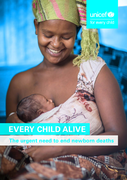
Globally, in low-income countries, the average newborn mortality rate is 27 deaths per 1,000 births, the report says. In high-income countries, that rate is 3 deaths per 1,000. Newborns from the riskiest places to give birth are up to 50 times more likely to die than those from the safest places.
... The report also notes that 8 of the 10 most dangerous places to be born are in sub-Saharan Africa, where pregnant women are much less likely to receive assistance during delivery due to poverty, conflict and weak institutions. If every country brought its newborn mortality rate down to the high-income average by 2030, 16 million lives could be saved.
More than 80 per cent of newborn deaths are due to prematurity, complications during birth or infections such as pneumonia and sepsis, the report says. These deaths can be prevented with access to well-trained midwives, along with proven solutions like clean water, disinfectants, breastfeeding within the first hour, skin-to-skin contact and good nutrition. more
... The report also notes that 8 of the 10 most dangerous places to be born are in sub-Saharan Africa, where pregnant women are much less likely to receive assistance during delivery due to poverty, conflict and weak institutions. If every country brought its newborn mortality rate down to the high-income average by 2030, 16 million lives could be saved.
More than 80 per cent of newborn deaths are due to prematurity, complications during birth or infections such as pneumonia and sepsis, the report says. These deaths can be prevented with access to well-trained midwives, along with proven solutions like clean water, disinfectants, breastfeeding within the first hour, skin-to-skin contact and good nutrition. more
