
Filter
1399
Text search:
Epidemic
Preparedness
Featured
166
438
Language
Document type
737
225
172
95
84
36
23
17
3
3
1
1
Countries
78
75
70
43
35
34
34
29
28
27
26
26
25
25
22
20
19
19
17
16
16
15
13
13
12
12
12
12
11
11
11
11
11
11
9
9
9
8
8
8
7
6
6
6
6
6
6
5
5
5
5
5
4
4
4
3
3
3
3
3
3
3
3
3
2
2
2
2
2
2
2
2
2
2
2
2
2
2
1
1
1
1
1
1
1
1
1
1
1
1
1
1
1
1
1
1
1
1
1
1
1
1
1
1
1
1
1
1
Authors & Publishers
Publication Years
Category
509
78
77
61
29
21
19
4
1
Toolboxes
287
202
172
60
40
36
36
33
31
28
25
25
24
24
17
14
12
12
11
8
6
4
Effective risk communication requires the alignment of complex factors including trust between the communicator and the audience(s), audience involvement, and emotional responses to risk. Risk communication is especially challenging now as new media changes the landscape for both
communicators and
...

Mounting an effective international humanitarian response to a chemical, biological, radiological or nuclear (CBRN) event, especially if the response is undertaken on an ad hoc basis, would be extremely difficult and would pose many risks to the responders. The International Committee of the Red Cro
...
In 2005, the World Health Organization (WHO) Member States adopted the revised International
Health Regulations (IHR) (2005). The Regulations provide a unique public health framework in the
form of obligations and recommendations that enable countries to better p
...
Руководство ВОЗ по политике и практике информирования о рисках при чрезвычайных ситуациях (ИРЧС)

The strategic plan reflects shared commitments to enhance collaboration between environmental, animal (wildlife and domestic) and human health, and building new One Health workforce capacity through higher institutions of learning. The strategy also outlines interventions to be undertaken by governm
...


The purpose of this handbook is to provide guidance to Member States on the practical aspects of maintaining sanitary standards at international borders at ports, airports, and ground crossings (points of entry) as set out in the International Health Regulations (2005). It provides technical advice
...

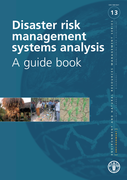
The guide book provides a set of tools and methods to assess existing structures and capacities of national, district and local institutions with responsibilities for Disaster Risk Management (DRM) in order to improve their effectiveness and the integration of DRM concerns into development planning,
...
The need for a roadmap for risk assessment stemmed from the lack of standardised and systematic effort to national risk assessment effort to date. The road map details the process, activities necessary for each step and the availability and accessibility of technical and financial resources, and coo
...

It provides insight into WHO’s work that aims to improve the health of the people of the United Republic of Tanzania in collaboration with key stakeholders.


The goal of the strategy is to prevent seasonal influenza, control the spread of influenza from animals to humans, and prepare for the next influenza pandemic.
The new strategy is the most comprehensive and far-reaching that WHO has ever developed for influenza. It outlines a path to protect popul
...
An update from the EU Early Warning System
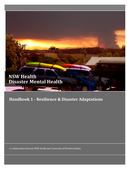
NSW Disaster Mental Health Handbook 1
The Disaster Mental Health Manual and associated handbooks are intended as a resource for mental health staff who are seeking background information and practical guidance and resources to assist in a disaster mental health response.

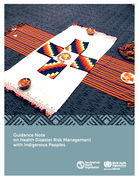
For centuries, indigenous peoples around the world have used their traditional knowledge to prepare for, cope with and survive disasters. Their methods and practices originated within their communities and have been maintained and passed down over generations. Until recently, policy makers have larg
...
The EYE strategy is a comprehensive and long-term strategy built on lessons learned that aims at ending yellow fever epidemics by 2026, and consists of three strategic objectives:
protect at-risk populations;
prevent international spread; and
contain outbreaks rapidly.
