
Filter
2967
Text search:
outbreak
prevention
Featured
377
769
Language
2629
151
91
76
69
60
24
17
8
6
5
5
5
4
3
3
3
2
2
2
2
2
2
2
2
1
1
1
1
1
1
1
1
1
1
1
1
1
1
1
1
1
1
1
1
1
1
1
1
Document type
1255
571
486
185
162
114
70
56
19
16
14
10
5
Countries
180
157
127
83
74
71
70
67
66
57
54
51
48
47
47
45
45
45
44
44
43
37
35
35
33
32
30
29
28
27
26
26
24
24
23
21
19
19
19
19
18
18
16
16
15
14
14
13
13
13
12
12
11
11
11
10
10
10
9
9
9
9
9
8
8
8
8
8
8
7
7
6
6
6
6
6
6
5
5
5
5
5
4
4
4
4
4
4
4
4
4
4
4
3
3
3
3
3
3
3
3
3
3
3
3
3
2
2
2
2
2
2
2
2
1
1
1
1
1
1
1
1
1
1
1
1
1
1
1
1
1
1
1
1
1
1
1
1
1
1
Authors & Publishers
532
164
90
85
84
65
64
56
44
43
43
29
29
28
26
25
23
22
20
20
20
19
16
16
15
15
15
14
13
12
12
11
11
11
11
11
11
10
10
10
10
10
10
10
9
9
9
9
8
8
8
8
8
8
8
8
7
7
7
7
7
7
7
7
7
6
6
6
6
6
6
6
6
5
5
5
5
5
5
5
5
5
5
5
5
5
5
5
5
5
5
5
5
5
5
5
5
5
5
5
5
5
5
4
4
4
4
4
4
4
4
4
4
4
4
4
4
4
4
4
4
4
4
3
3
3
3
3
3
3
3
3
3
3
3
3
3
3
3
3
3
3
3
3
3
3
3
3
3
3
3
3
3
3
3
3
3
3
3
3
3
3
3
3
3
3
3
3
3
3
3
3
3
3
3
2
2
2
2
2
2
2
2
2
2
2
2
2
2
2
2
2
2
2
2
2
2
2
2
2
2
2
2
2
2
2
2
2
2
2
2
2
2
2
2
2
2
2
2
2
2
2
2
2
2
2
2
2
2
2
2
2
2
2
2
2
2
2
2
2
2
2
2
2
2
2
2
2
2
2
2
2
2
2
2
2
2
2
2
2
2
2
2
2
2
2
2
2
2
2
2
2
2
2
2
2
2
2
2
2
2
2
2
2
2
2
2
2
2
2
2
2
2
2
2
2
2
2
2
2
2
2
2
2
2
2
2
2
2
2
2
2
2
2
2
2
2
2
2
2
2
1
1
1
1
1
1
1
1
1
1
1
1
1
1
1
1
1
1
1
1
1
1
1
1
1
1
1
1
1
1
1
1
1
1
1
1
1
1
1
1
1
1
1
1
1
1
1
1
1
1
1
1
1
1
1
1
1
1
1
1
1
1
1
1
1
1
1
1
1
1
1
1
1
1
1
1
1
1
1
1
1
1
1
1
1
1
1
1
1
1
1
1
1
1
1
1
1
1
1
1
1
1
1
1
1
1
1
1
1
1
1
1
1
1
1
1
1
1
1
1
1
1
1
1
1
1
1
1
1
1
1
1
1
1
1
1
1
1
1
1
1
1
1
1
1
1
1
1
1
1
1
1
1
1
1
1
1
1
1
1
1
1
1
1
1
1
1
1
1
1
1
1
1
1
1
1
1
1
1
1
1
1
1
1
1
1
1
1
1
1
1
1
1
1
1
1
1
1
1
1
1
1
1
1
1
1
1
1
1
1
1
1
1
1
1
1
1
1
1
1
1
1
1
1
1
1
1
1
1
1
1
1
1
1
1
1
1
1
1
1
1
1
1
1
1
1
1
1
1
1
1
1
1
1
1
1
1
1
1
1
1
1
1
1
1
1
1
1
1
1
1
1
1
1
1
1
1
1
1
1
1
1
1
1
1
1
1
1
1
1
1
1
1
1
1
1
1
1
1
1
1
1
1
1
1
1
1
1
1
1
1
1
1
1
1
1
1
1
1
1
1
1
1
1
1
1
1
1
1
1
1
1
1
1
1
1
1
1
1
1
1
1
1
1
1
1
1
1
1
1
1
1
1
1
1
1
1
1
1
1
1
1
1
1
1
1
1
1
1
1
1
1
1
1
1
1
1
1
1
1
1
1
1
1
1
1
1
1
1
1
1
1
1
1
1
1
1
1
1
1
1
1
1
1
1
1
1
1
1
1
1
1
1
1
1
1
1
1
1
1
1
1
1
1
1
1
1
1
1
1
1
1
1
1
1
1
1
1
1
1
1
1
1
1
1
1
1
1
1
1
1
1
1
1
1
1
1
1
1
1
1
1
1
1
1
1
1
1
1
1
1
1
1
1
1
1
1
1
1
1
1
1
1
1
1
1
1
1
1
1
1
1
1
1
1
1
1
1
1
1
1
1
1
1
1
1
1
1
1
1
1
1
1
1
1
1
1
1
1
1
1
1
1
1
1
1
1
1
1
1
1
1
1
1
1
1
1
1
1
1
1
1
1
1
1
1
1
1
1
1
1
1
1
1
1
1
1
1
1
1
1
1
1
1
1
1
1
1
1
1
1
1
1
1
1
1
1
1
1
1
1
1
1
1
1
1
1
1
1
1
1
1
1
1
1
1
1
1
1
1
1
1
1
1
1
1
1
1
1
1
1
1
1
1
1
1
1
1
1
1
1
1
1
1
1
1
1
1
1
1
1
1
1
1
1
1
1
1
1
1
1
1
1
1
1
1
1
1
1
1
1
1
1
1
1
1
1
1
1
1
1
1
1
1
1
1
1
1
1
1
1
1
1
1
1
1
1
1
1
1
1
1
1
1
1
1
1
1
1
1
1
1
1
1
1
1
1
1
1
1
1
1
1
1
1
1
1
1
1
1
1
1
1
1
1
1
1
1
1
1
1
1
1
1
1
1
1
1
1
1
1
1
1
1
1
1
1
1
1
1
1
1
1
1
1
1
1
1
1
1
1
1
1
1
1
1
1
1
1
1
1
1
1
1
1
1
1
1
1
1
1
1
1
1
1
1
1
1
1
1
1
1
1
1
1
1
1
1
1
1
1
1
1
1
1
1
1
1
1
1
1
1
1
1
1
1
1
1
1
1
1
1
1
1
1
1
1
1
1
1
1
1
1
1
1
1
1
1
1
1
1
1
1
1
1
1
1
1
1
1
1
1
1
1
1
1
1
1
1
1
1
1
1
1
1
1
1
1
1
1
1
1
1
1
1
1
1
1
1
1
1
1
1
1
1
1
1
1
1
1
1
1
1
1
1
1
1
1
1
1
1
1
1
1
1
1
1
1
1
1
1
1
1
1
1
1
1
1
1
1
1
1
1
1
1
1
1
1
1
1
1
1
1
1
1
1
1
1
1
1
1
1
1
1
1
1
1
1
1
1
1
1
1
1
1
1
1
1
1
1
1
1
1
1
1
1
1
1
1
1
1
1
1
1
1
1
1
1
1
1
1
1
1
1
1
1
1
1
1
1
1
1
1
1
1
1
1
1
1
1
1
1
1
1
1
1
1
1
1
1
1
1
1
1
1
1
1
1
1
1
1
1
1
1
1
1
1
1
1
1
1
1
1
1
1
1
1
1
1
1
1
1
1
1
1
1
1
1
1
1
1
1
1
1
1
1
1
1
1
1
1
1
1
1
1
1
1
1
1
1
1
1
1
1
1
1
1
1
1
1
1
1
1
1
1
1
1
1
1
1
1
1
1
1
1
1
1
1
1
1
1
1
1
1
1
1
1
1
1
1
1
1
1
1
1
1
1
1
1
1
1
1
1
1
1
1
1
1
1
1
1
1
1
1
1
1
1
1
1
1
1
1
1
1
1
1
1
1
1
1
1
1
1
1
1
1
1
1
1
1
1
1
1
1
1
1
1
1
1
1
1
1
1
1
1
1
1
1
1
1
1
1
1
1
1
1
1
1
1
1
1
1
1
1
1
1
1
1
1
1
1
1
1
1
1
1
1
1
1
1
1
1
1
1
1
1
1
1
1
1
1
1
1
1
1
1
1
1
1
1
1
1
1
1
1
1
1
1
1
1
1
1
1
1
1
1
1
1
1
1
1
1
1
1
1
1
1
1
1
1
1
1
1
1
1
1
1
1
1
1
1
1
1
1
1
1
1
1
1
1
1
1
1
1
1
1
1
1
1
1
1
1
1
1
1
1
1
1
1
1
1
1
1
1
1
1
1
1
1
1
1
1
1
1
1
1
1
1
1
1
1
1
1
1
1
1
1
1
1
1
1
1
1
1
1
1
1
1
1
1
1
1
1
1
1
1
1
1
1
1
1
1
1
1
1
1
1
1
1
1
1
1
1
1
1
1
1
1
1
1
1
1
1
1
1
1
1
1
1
1
1
1
1
1
1
1
1
1
1
1
1
1
1
1
1
1
1
1
1
1
1
1
1
1
1
1
1
1
1
1
1
1
1
1
1
1
1
1
1
1
1
1
1
1
1
1
1
1
1
1
1
1
1
1
1
1
1
1
1
1
1
1
1
1
1
1
1
1
1
1
1
1
1
1
1
1
1
1
1
1
1
1
1
1
1
1
1
1
1
1
1
1
1
1
1
1
1
1
1
1
1
1
1
1
1
1
1
1
1
1
1
1
1
1
1
1
1
1
1
1
1
1
1
1
1
1
1
1
1
1
1
1
1
1
1
1
1
1
1
1
1
1
1
1
1
1
1
1
1
1
1
1
1
1
1
1
1
1
1
1
1
1
1
1
1
1
1
1
1
1
1
1
1
1
1
1
1
1
1
1
1
1
1
1
1
1
1
1
1
1
1
1
1
1
1
1
1
1
1
Publication Years
1411
1380
156
19
1
Category
1016
199
134
117
73
37
30
3
1
1
Toolboxes
833
392
316
108
96
91
83
79
74
70
60
53
53
48
46
35
33
30
20
19
10
8
2
1
1
The first case of COVID-19 was reported in Mozambique on 22 March 2020. As of 26 May, Mozambique had 194 confirmed cases of COVID-19, of which 168 were locally transmitted. The country’s capital, Maputo, and the province of Cabo Delgado are currently the epicentres of the
...
outbreak in Mozambique, with Pemba and Afungi registering more than 50 percent of the overall cases. Other provinces affected are Manica, Inhambane, Gaza, Tete and Sofala.
more
In Israel, as in other countries, the COVID-19 outbreak highlights existing structural inequities,which compromise the health of some migrant groups. The Israeli case also demonstrate show strong NGOs successfully advocate for the protection of migr
...
ants‘health amidst the crisis, madepossible bya certain level ofcooperation withthe Israeli Ministry of Health.Hence,measures for COVID-19preparedness in Israel‘s marginalized migrant communities mostly result from pressure from civil society, against thebackdrop of a generally exclusionary approach toward migrants.4Over time, the Israeli Ministry of Health thus shifted from acknowledging the need to include migrants in preparedness measures toward the realization that particular needs and circumstances amongmigrant communities in some instances require special responses. Givena legacy of neglect and exclusion, this creates challenges for both the authorities and the migrant communities.
more
This research was conducted in March and April 2020 to explore children and young people’s reflections and perceptions on the COVID-19 outbreak. This study was organised in response to the young people’s continued child activism in the face of p
...
ersonal challenges.
more
8 January 2021
Sequencing enabled the world to rapidly identify SARS-CoV-2 and develop diagnostic tests and other tools for outbreak management. Continued genome sequencing supports the monitoring of the disease’s spread and evolution of the viru
...
s. Accelerated integration of genome sequencing into the practices of the global health community is required if we want to be better prepared for the future threats. This document provides guidance for laboratories on maximizing the impact of SARS-CoV-2 sequencing now and other emerging pathogens in the future.
more
The document "Priority medical devices list for the COVID-19 response and associated technical specifications" complements this guideline.
This document provides interim guidance on the quality, performance characteristics and related standards of personal protective equipment (PPE) to be used i
...
n the context of COVID-19. This includes WHO Priority Medical Devices, specifically: surgical masks, non-surgical masks, gloves, googles, face shields, gowns and N95 masks. It is intended for procurement agencies, occupational health departments, infection prevention and control departments or focal points, health facility administrators, biomedical and materials engineering, PPE manufacturers and public health authorities at both national and facility levels.
more
Community health workers (CHWs) play a vital role in health service delivery, especially in countries with less resilient health systems. During any outbreak CHWs are relied on to help control the spread. However, they are often the last in line to
...
receive necessary health products and protective equipment, which affects their ability to safely serve their communities.
more
PlosOne https://doi.org/10.1371/journal.pone.0161576; Zoonotic diseases have varying public health burden and socio-economic impact across time and geographical settings making their prioritization for prevention and control important at the nationa
...
l level. We conducted systematic prioritization of zoonotic diseases and developed a ranked list of these diseases that would guide allocation of resources to enhance their surveillance, prevention, and control.
more
Pakistan is on the verge of a public health disaster as a result of the massive monsoon rainfalls and unprecedented levels of flooding that are affecting 33 million people across the country.
The risk of disease outbreaks is extremely high and malnutrition rates are rising.
WHO requires US$ 81.5 m
...
illion to respond to this health crisis in flood-affected Pakistan, to ensure a coordinated delivery of essential health care services, efficient management of severe acute malnutrition, and stronger outbreak detection and control.
more
The strengthened plan aims to achieve and sustain a polio-free world through a focus on implementation and accountability. Emphasis will be on cutting outbreak response times; increasing vaccine demand; transforming campaign effectiveness; working
...
systematically through integration; increasing access in inaccessible areas; transitioning towards government ownership; and improving decision-making and accountability.
more
Accessed: 27.04.2020
Leaving no one behind in the Covid-19 Pandemic: a call for urgent global action to include migrants & refugees in the Covid-19 response
People on the move, whether they are economic migrants or forcibly displaced persons such asylum seekers, refugees, and internally displa
...
ced persons (hereafter called migrants & refugees), should be explicitly included in the responses to the coronavirus disease 2019 pandemic. This global public health emergency brings into focus, and may exacerbate, the barriers to healthcare these populations face. Many migrant & refugee populations live in conditions where physical distancing and recommended hygiene measures are particularly challenging. The Covid-19 pandemic reveals the extent of marginalisation migrant & refugee populations face. From an enlightened self-interest perspective, the Covid-19 disease outbreak control measures will only be successful if all populations are included in the response. It is counter- productive to exclude migrant & refugee populations from the preparedness and response to the Covid-19 pandemic.
more

This section deals with implementing and improving infection control practices in hospitals, health centres and other health services in the outbreak area. It explains the need for, and implementation of, effective triage procedures, and basic requi
...
rements for infection control and supporting activities. Further guidance can be found in the MSF Infection Control Guideline
more
This document builds on the Background document prepared for the September 4-5, 2014 Consultation. It includes proposed elements to consider during the development of a framework to assist decision-making at global and national level.
The aim of the document is to assist Member States and releva
...
nt partners in their discussions to identify the best approaches to ensure the accelerated evaluation and use of available or near-term therapies and vaccines for the treatment and prevention of EVD. The document calls for a coordinated effort by the international community to remove unnecessary obstacles towards this goal.
more

Second interim report to the SMAC program, DFID Freetown
This report provides further output from an anthropological study of 25 villages affected by Ebola Virus Disease in eastern and central Sierra Leone, undertaken as part of the DFID-funded social mobilization initiative for Ebola
...
prevention in Sierra Leone. Eight focus group transcripts for 3 villages in Kenema District are presented, covering local responses to health issues, and Ebola in particular. Supporting material from a matching questionnaire-based study of health behavior and perceived causes of Ebola is also provided. Of particular relevance are two summary tables aggregating the questions villagers asked survey teams about Ebola and quarantine-related issues in villages where the epidemic has in effect ceased to be active
more

As slight hints of recovery begin to surface in West Africa, UNICEF is looking at the impact of Ebola on children and the response and work of the affected communities in the report, Ebola: Getting to zero – for communities, for children for the future. The document traces some of the
...
outbreak’s history along with the stories of survivors, health care workers and those working to make things better on the ground. The report also helps map out the actions that urgently must continue to help build resiliency and resuscitate basic services and systems decimated by Ebola.
more
The Strategic Advisory Group of Experts (SAGE) on Immunization held a meeting on 3-6 October 2022. This report summarizes the discussions, conclusions and recommendations.
It covers the following items:
Global Reports
Immunization Agenda 2030 and Regional reports
Monkeypox
RSV
COVID-19 vacci
...
nes
Polio vaccination
Ebola (Sudan ebolavirus outbreak update)
more
Coordinated public health surveillance between points of entry and national health surveillance systems
World Health Organization
(2014)
Advising principles. The purpose of this document is to support competent authorities in charge of IHR implementation to improve national capacities for the prevention, detection and control of events, by strengthening communications and coordinatio
...
n between points of entry and the national health surveillance system
more
TNew data from the World Health Organization reveal that the COVID-19 pandemic has disrupted malaria services, leading to a marked increase in cases and deaths.
According to WHO’s latest World malaria report, there were an estimated 241 million malaria cases and 627 000 malaria deaths worldwide i
...
n 2020. This represents about 14 million more cases in 2020 compared to 2019, and 69 000 more deaths. Approximately two-thirds of these additional deaths (47 000) were linked to disruptions in the provision of malaria prevention, diagnosis and treatment during the pandemic.
As in past years, the report provides an up-to-date assessment of the burden of malaria at global, regional and country levels. It tracks investments in malaria programmes and research as well as progress across all intervention areas. This latest report draws on data from 87 countries and territories with ongoing malaria transmission.
more
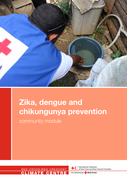
The school and a community teaching modules are aimed at preventing vector-borne diseases through community participation. Meanwhile, the interactive toolkit is meant to be help raise awareness on health, sanitation and vector control. These materials will help volunteers and practitioners foster di
...
alogue with communities and ensure that prevention is seen as the primary way of combatting vector-borne diseases
more
Integrating Clinical Research into Epidemic Response: The Ebola Experience
Gerald Keusch, Keith McAdam, Patricia Cuff, Michelle Mancher, and Emily R. Busta
National Academies of Sciences, Engineering, and Medicine
(2017)
C1
The 2014–2015 Ebola epidemic in western Africa was the longest and most deadly Ebola epidemic in history, resulting in 28,616 cases and 11,310 deaths in Guinea, Liberia, and Sierra Leone. The Ebola virus has been known since 1976, when two separate outbreaks were identified in the Democratic Repub
...
lic of Congo (then Zaire) and South Sudan (then Sudan). However, because all Ebola outbreaks prior to that in West Africa in 2014–2015 were relatively isolated and of short duration, little was known about how to best manage patients to improve survival, and there were no approved therapeutics or vaccines. When the World Heath Organization declared the 2014-2015 epidemic a public health emergency of international concern in August 2014, several teams began conducting formal clinical trials in the Ebola affected countries during the outbreak.
more
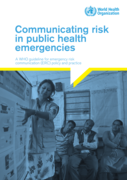
Communication Risk in Public Health Emergencies
recommended
A WHO Guideline for Emergency Risk Communication (ERC) policy and practice.
Recent public health emergencies, such as the Ebola virus disease outbreak in West Africa (2014–2015), the emergence of the Zika virus syndrome in 2015–2016 and multi-
...
country yellow fever outbreaks in Africa in 2016, have highlighted major challenges and gaps in how risk is communicated during epidemics and other health emergencies. The challenges include the rapid transformation in communications technology, including the near-universal penetration of mobile telephones, the widespread use and increasingly powerful influence of digital media which has had an impact on ‘traditional’ media (newspapers, radio and television), and major changes in how people access and trust health information. Important gaps include considerations of context – the social, economic, political and cultural factors influencing people’s perception of risk and their risk-reduction behaviours.
more
